
Reviewed · TOKYO SAMURAI EXPERIENCES
Tokyo: Taishu Engeki Show with Kimono and Sword Lesson
Taishu Engeki is theater with little need for translation: expressive dance, dramatic costumes, music, and staged sword fights tell much of the story through movement. This three-hour Asakusa experience pairs a professional performance at Mokubakan with a kimono change and a beginner-friendly lesson in fan dance and choreographed swordplay.
I like two things in particular: you see the art before trying a few of its movements, and the small group size makes the workshop feel personal rather than like a large class. One consideration: the performance uses flashing lights and loud sounds, and the active workshop may not suit everyone. Pregnant women are advised not to take part.
What makes this Asakusa theater experience special
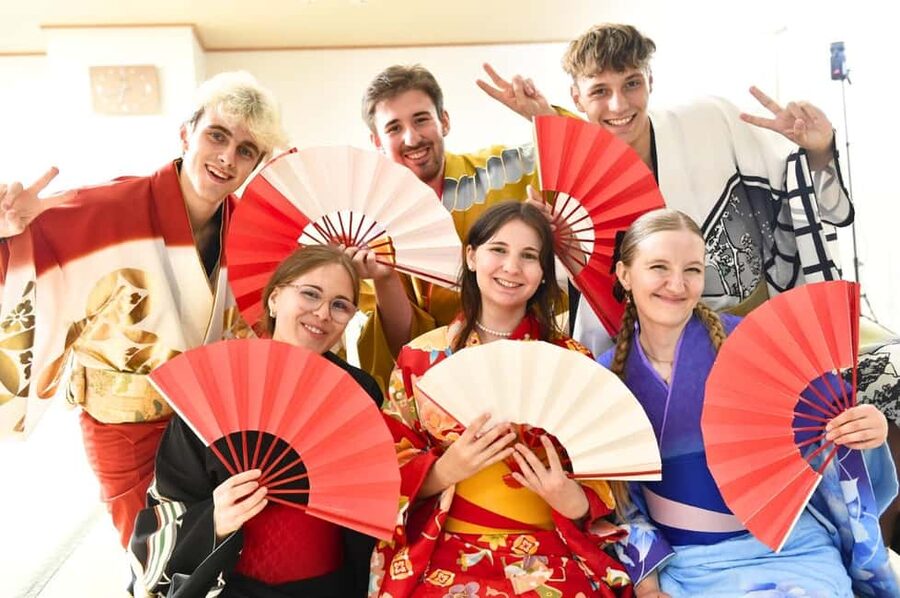
- A live Taishu Engeki performance: See a Japanese popular theater form that combines drama, music, swordplay, and dance at Mokubakan, a theater dedicated to the genre since 1977.
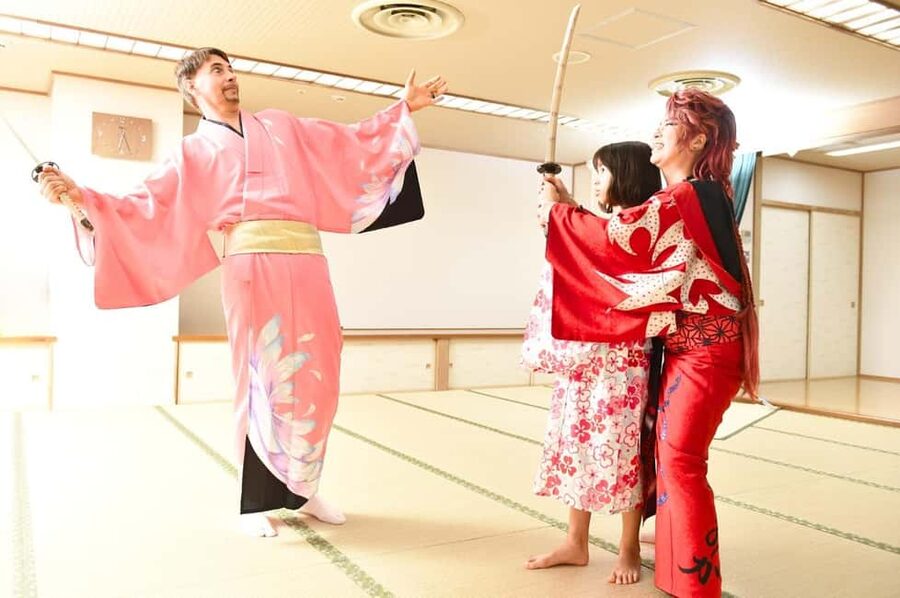
- A kimono and a hands-on lesson: Change into traditional dress, then try simple fan movements and choreographed swordplay in a tatami room.
- A professional performer teaches the workshop: A local dancer leads the session, with the focus on enjoyment rather than difficult choreography.
- A small group of no more than six: You have room to follow the instructions and ask questions without being lost in a crowd.
- Photos are part of the experience: Finish in kimono with commemorative pictures, a useful keepsake from an activity that is more than a show ticket.
- A modest price for three activities: At $12 per person, the program combines a theater performance, cultural workshop, and photo session.
Start with Taishu Engeki at Mokubakan
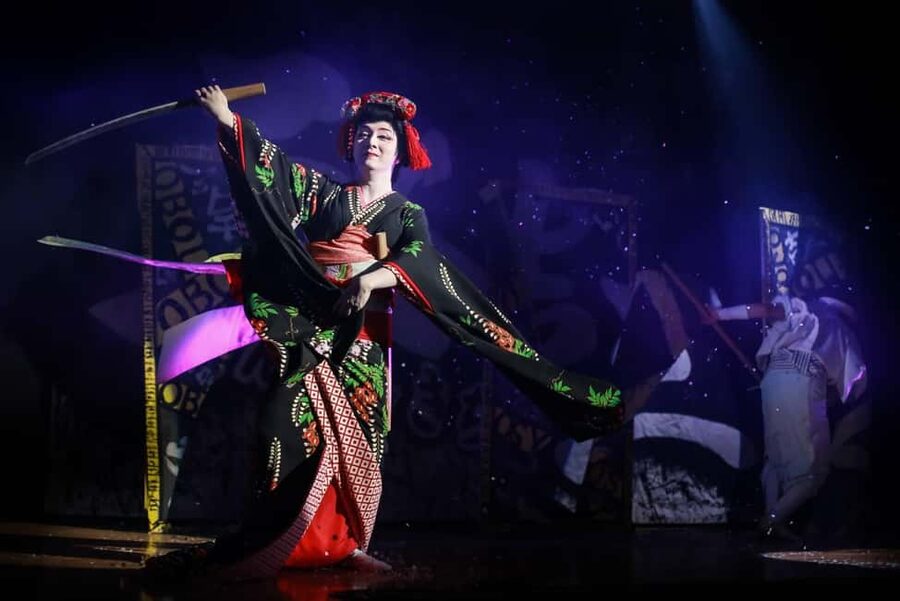
The experience begins at Mokubakan in Asakusa, a theater devoted to Taishu Engeki since 1977. That gives the show a different feel from a one-off tourist performance: you are entering a venue built around this form of popular theater, with local Japanese audiences attending the same kind of show.
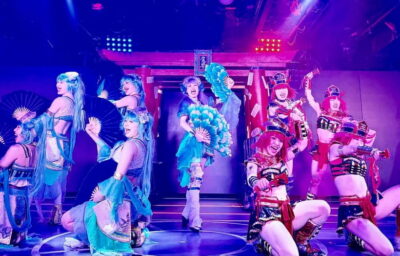
Taishu Engeki blends drama, music, dance, and swordplay. The stories may be unfamiliar, but the performance leans on expressive gestures and visual action, so you can follow much of what is happening without understanding every word. Expect colorful costumes, energetic movement, graceful dance, and staged combat rather than a formal lesson in theater history.
One distinctive tradition is onnagata, in which male actors perform female roles. The artistry lies in the way they use posture, gesture, and poise to create an elegant character. If you are used to thinking of Japanese theater mainly in terms of Kabuki or Noh, Taishu Engeki offers a more accessible, close-up introduction to another stage tradition.
The theater is described as intimate, and that closeness is part of the appeal. You may feel the performers’ steps and jumps in a way that is hard to get from a large hall. The trade-off is that this is live theater, not a quiet museum visit: the show can be loud, and flashing or strobe lights are used during the performance.
More samurai experiences in Tokyo:
- Tokyo: Samurai Restaurant Show Ticket with 2 Drinks
★ 4.5 · 1,307 reviews - Tokyo: Samurai Ninja Museum Guided tour and Experience
★ 4.6 · 1,010 reviews - Tokyo: Samurai Sword & Archery Class from Samurai Descendant
★ 5.0 · 603 reviews
Watch first, then step into the action
For the afternoon session, the schedule starts with a welcome and short briefing from an international program leader. You will get an introduction to the theater and Taishu Engeki before watching the performance. The listed afternoon meeting time is 2:20 pm.
The show is the first major part of the program, and it gives the workshop context. You see how performers use a fan, a sword, music, and body language on stage before trying a few movements yourself. That order is helpful: the lesson is not just a novelty with props, but a chance to echo gestures you have just seen in performance.
The program fee includes a small token of appreciation for the performers. You are also guided through the local practice of offering a small gift or tip, known as ohana o okuru, to a performer you particularly enjoyed. This is a thoughtful detail, though you should follow the program leader’s instructions rather than feel you need to improvise a gesture or amount.
The exact performance content and schedule can change without notice. Treat the show as a live event, not a fixed sequence you can count on down to the minute. If you are sensitive to loud sounds or flashing lights, contact the provider beforehand. Those effects are limited to the professional performance, so you can still take part in the workshop and other program activities.
Walk to the workshop and change into kimono
After the performance, the afternoon group walks about five to seven minutes to a separate cultural venue. This short transfer is worth noting when you plan your day: the workshop does not take place inside the theater, and you should be ready to walk between locations.
At the second venue, you change into a traditional kimono. The clothing makes the lesson feel like more than a quick demonstration, and it sets up the commemorative photo session at the end. The outfit is one of the most memorable parts for many people, but allow yourself to follow the staff’s directions and take the change at their pace.
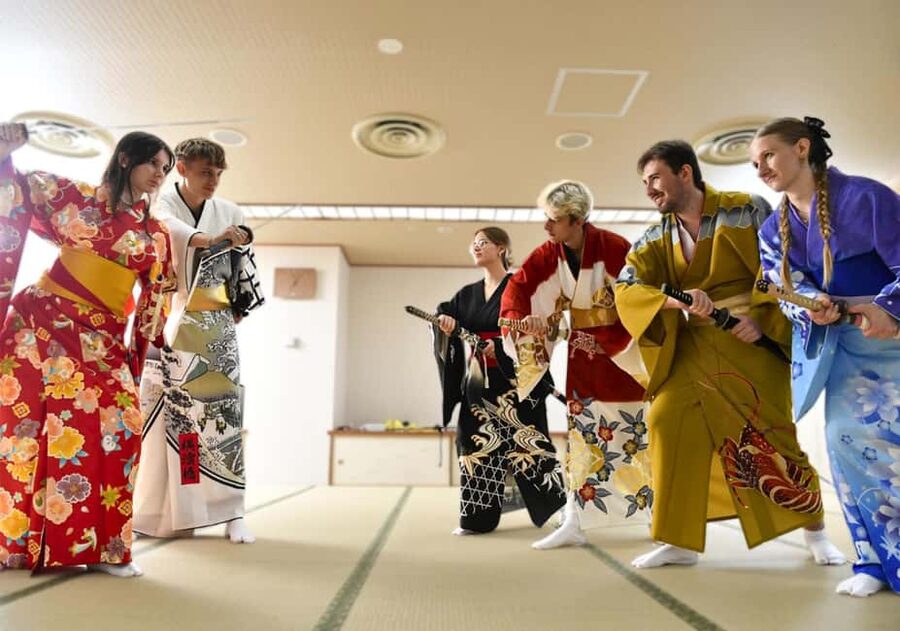
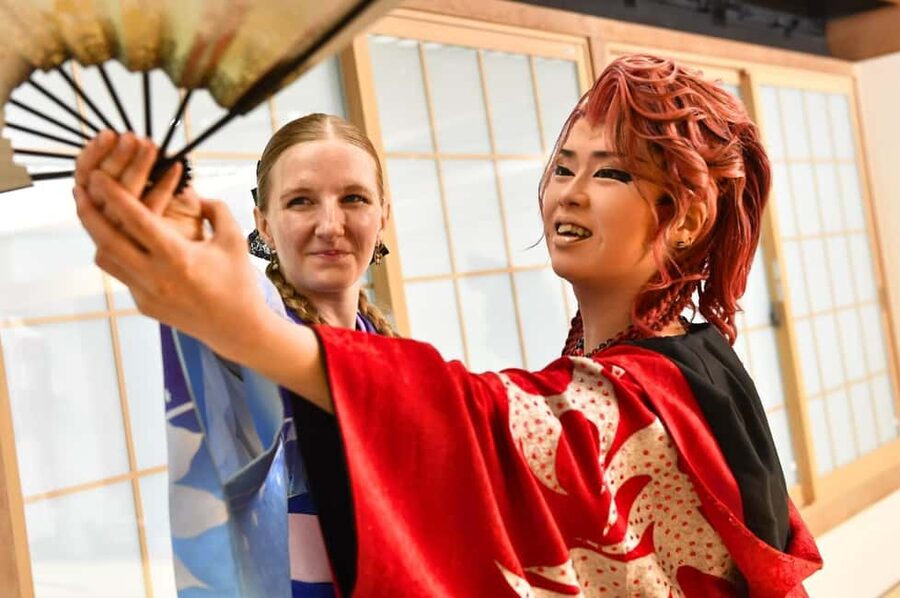
The workshop takes place in a traditional tatami room. A local professional dancer teaches the basic movements, including Japanese fan dance and choreographed samurai swordplay, also called chanbara. This is performance movement, not martial arts training. The emphasis is on a fun, easy introduction, not difficult choreography or technical sword instruction.
That distinction matters if you are booking for a child, a friend who is shy about dancing, or anyone who worries about keeping up. The group is limited to six participants, and the instructor’s job is to make the movements approachable. You are there to try the gestures, not to master a full routine.
The session is physically active. If you feel dizzy, sick, or unwell, tell staff right away. The experience is not suitable for pregnant women, so that is a clear reason to choose another Asakusa activity if it applies to you.
A fan, a sword, and a photo to take home
The fan and sword segments offer two different ways into the stage style. The folding fan gives you a taste of graceful dance, where small hand and arm movements can carry a lot of expression. The sword portion is more energetic, with choreographed combat gestures that borrow the visual excitement of stage swordplay.
The teacher is a local professional dancer, and the instructions are designed for beginners. You do not need dance or sword experience. The point is to enjoy the movements, get a sense of how theatrical gestures work, and have a go in costume.
The final photos help make the experience memorable. Staff can take pictures and videos during the session, and the program includes a commemorative photo shoot in your kimono. If photos matter to you, keep your phone ready and ask the staff what they can capture during the activity. The provided details do not specify how many photos are included or how they are delivered, so do not assume a professionally edited package.
This balance of watching, trying, and keeping a visual memento is the program’s strongest feature. A theater ticket alone gives you the performance; this one adds a guided cultural activity where you take part, even briefly, in the movement vocabulary of the show.
More kimono experiences in Tokyo:
- Let’s make kimono !(Kimono is a gift for you
★ 5.0 · 252 reviews - Tokyo: Matcha and Kimono Experience
★ 4.7 · 219 reviews - Tokyo: Asakusa Kimono Dressing and Matcha Experience
★ 4.9 · 173 reviews - Asakusa: Kimono Tea Ceremony with Matcha and Sweet
★ 4.9 · 153 reviews
Evening sessions reverse the order
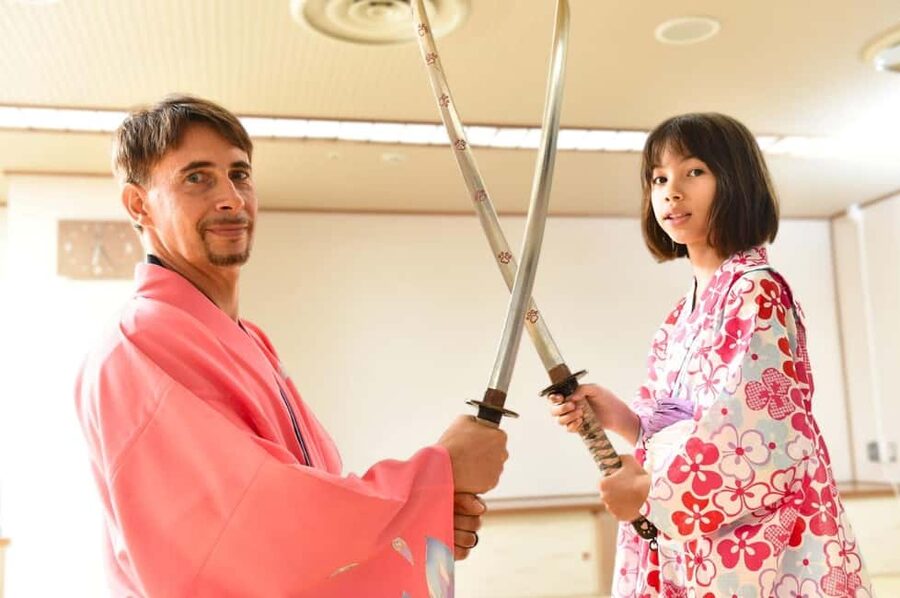
The evening session works differently. Its meeting time is 5:40 pm, and the workshop takes place before the theater performance. That means you will learn the fan and sword movements before seeing them on stage, rather than using the show as your introduction.
Both orders have a clear advantage. The afternoon version gives you a visual example before your lesson. The evening version lets you watch the performance afterward with a fresh sense of how the movements feel. Choose based on the timing that fits your day, not on the idea that one order is necessarily better.
Pay close attention to the meeting point when booking. The program leader meets participants in front of Asakusa Mokubakan Theater, but the evening program has a different meeting-point address: 1 Chome-38-6 Asakusa, Taito City, Tokyo 111-0032. Check the address and map details for your selected session, and arrive on time so you do not miss the briefing or the start of the program.
The three-hour duration is long enough for a performance and a hands-on workshop, but it is still a compact activity. You can fit it into an Asakusa day without committing an entire day to a cultural class. It is best not to schedule another activity too tightly afterward, since performance content and timing can change.
Is $12 good value?
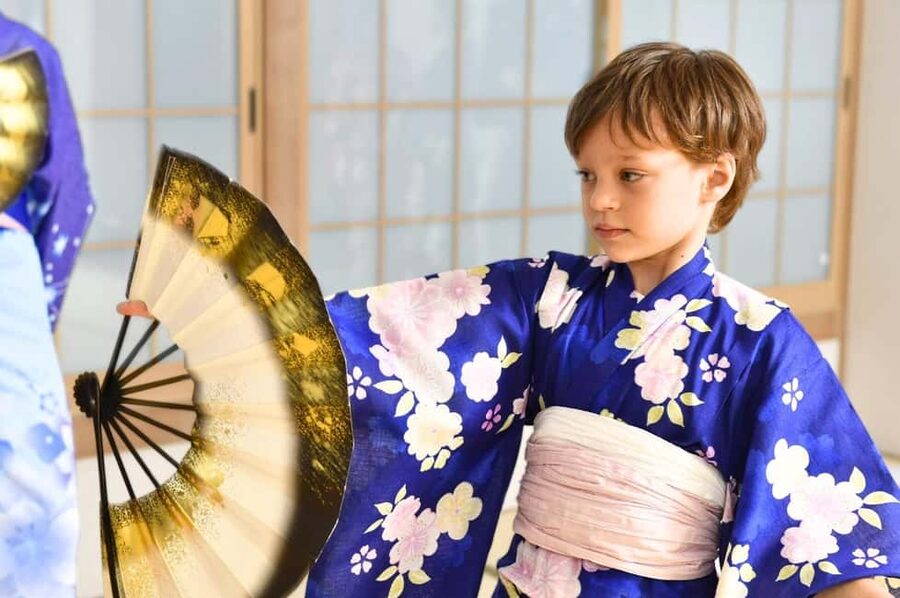
At $12 per person, this is an unusually low-cost way to combine a live show with a guided cultural activity. The value is not only in the theater seat. You also get kimono dressing, a lesson with a local professional dancer, a small-group format, and commemorative photos within a three-hour program.
The price makes this appealing if you want to sample traditional performing arts without paying for a private class or a long cultural tour. It is also a low-risk choice for someone curious about Japanese theater but unsure about attending a full performance on its own. The show provides the spectacle; the workshop gives you a more personal connection to what you saw.
Keep expectations in proportion to the price and duration. This is a short introduction, not an in-depth course in theater history, kimono, dance, or sword technique. The lesson is deliberately easy and performance-focused, while the show’s details can vary. If you want a specialist lecture or formal training, this is not that kind of program.
The small group size adds value because it gives you more direct attention in the workshop. With no more than six participants, the experience should feel easier to follow than a large demonstration. The activity is offered with English- and German-language instruction, though the performance itself is a live theater show rather than a translated presentation.
Who should book this experience?
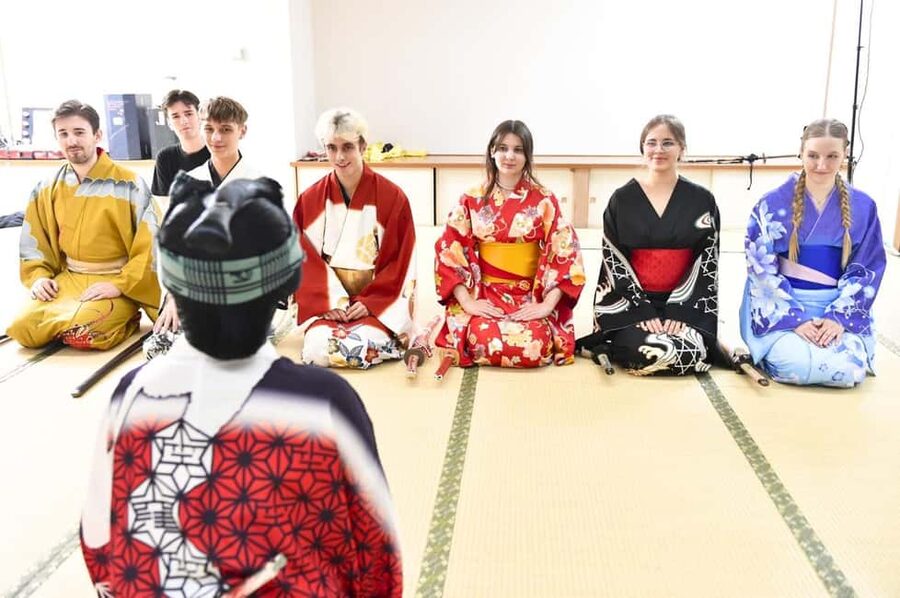
I would put this high on the list for first-time visitors who want a lively introduction to Japanese performance, especially if they enjoy trying an activity rather than only watching from a seat. The mix of theater, costume, dance, sword movements, and photos makes it a good fit for friends or couples looking for a shared Asakusa activity.
It can also suit solo participants. The small group gives you a defined setting to join in, and the movements are meant to be beginner-friendly. You do not need to arrive with a partner or a background in dance.
Families should consider the active nature of the lesson and the theater’s loud sounds and flashing lights before booking. The supplied details do not state an age limit, so check directly if you are planning to bring a child. Anyone who is sensitive to strobe effects should contact the provider in advance, and pregnant women should not participate.
The staff and instructor are described as friendly and patient, and the lesson is designed to be easy to follow. That matters because getting into costume and learning stage movements can feel awkward at first. You are not expected to perform perfectly. The atmosphere is meant to keep the activity light and inclusive.
The operator also has a conduct policy: harassment, offensive behavior, making others uncomfortable, or intentional property damage can lead to removal from the program. Alcohol and drugs are not allowed. Those rules are straightforward, and they help keep a small-group activity comfortable for everyone.
Should you book it?
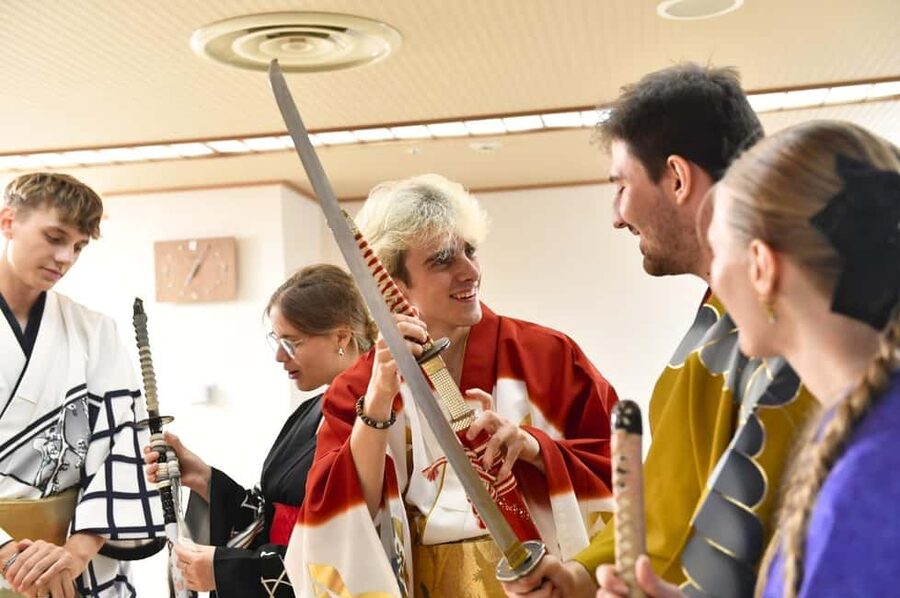
Book this if you want a compact, hands-on way to encounter Taishu Engeki in the Asakusa theater where the form is performed. The combination of a professional show, kimono, fan dance, choreographed swordplay, and photos offers more variety than a theater ticket alone, while the small group keeps the workshop personal.
Skip it if you need a quiet setting, are sensitive to flashing lights or loud sound, want serious martial arts instruction, or are pregnant. Otherwise, the $12 price and three-hour format make this a practical choice for a first look at Japanese popular theater, with enough participation to give the afternoon or evening a story of its own.
FAQ
How long does the Taishu Engeki experience last?
The program lasts three hours. It includes a theater performance, a walk to the separate workshop venue, kimono dressing, a fan and sword lesson, and commemorative photos.
How much does the experience cost?
The listed price is $12 per person. The program fee includes a small token of appreciation for the performers.
What languages are available?
The program is offered in English and German.
How many people are in each group?
The experience is limited to six participants.
Where and when do I meet the group?
The program leader meets participants in front of Asakusa Mokubakan Theater. The afternoon session meets at 2:20 pm. The evening session meets at 5:40 pm and has a different meeting-point address, 1 Chome-38-6 Asakusa, Taito City, Tokyo 111-0032. Confirm the location for your chosen session before setting out.
Are flashing lights or loud sounds used?
Yes. Flashing or strobe lights and loud sounds are used during the professional theater performance. They are not used in the workshop or other activities. If you are sensitive to these effects, contact the provider beforehand.
More shows in Tokyo
- Mt Fuji & Hakone Cruise, Drum Show Bullet Train 1 Day from Tokyo
★ 4.0 · 7,413 reviews - Tokyo: Sumo Show Experience with Chicken Hot Pot and a Photo
★ 4.8 · 6,678 reviews - Tokyo: Sumo Show and Dining Experience
★ 4.8 · 2,742 reviews - the SUMO show
★ 5.0 · 1,960 reviews
More hands-on workshops in Tokyo
- Sushi Making Tokyo Roll and Authentic Japanese Sushi Class
★ 5.0 · 3,971 reviews - Tokyo: Roll and Authentic Sushi Making Class in Asakusa
★ 4.9 · 1,957 reviews - Tokyo Shinjuku Chopsticks Making Class
★ 5.0 · 1,763 reviews - Tokyo: Sushi Making Class in a Happi Coat near a Famous Spot
★ 4.9 · 1,377 reviews
Freshly reviewed in Tokyo
- Tokyo: Toshimaya Sake Brewery Tour with Sake Tasting★ 5.0 · 6 reviews
- :Tokyo,Shibuya /Meiji Shrine tour in KIMONO/English-friendly★ 5.0 · 4 reviews
- Tokyo: Tour Privado por Tokio en español★ 4.3 · 4 reviews
- Tokyo:Tea ceremony experience at Komaba Warakuan★ 4.8 · 9 reviews
- :Tokyo,Shibuya/ Pro Photography in Kimono / English-Friendly★ 5.0 · 26 reviews
- Tokyo:Samurai Training : Swords, Bushido & Mental Discipline★ 5.0 · 6 reviews
- Tokyo:Mt Fuji & Hakone Day Tour with English Speaking Driver★ 5.0 · 26 reviews
- Tokyo:Nikko UNESCO World Heritage Sites Private 1-Day Tour★ 3.8 · 6 reviews
Tokyo Samurai Experiences, compared.
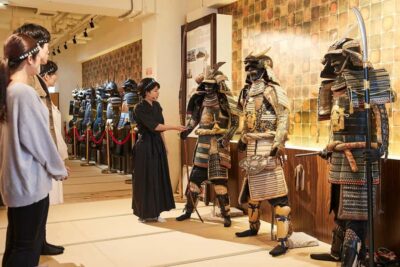
Samurai Ninja Museum Guided tour and Experience
Read our review →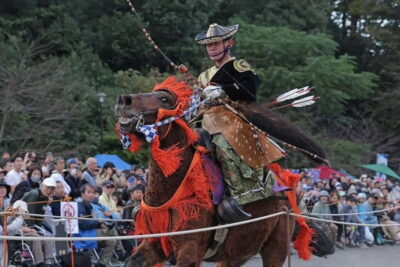
Samurai Sword & Archery Class from Samurai Descendant
Read our review →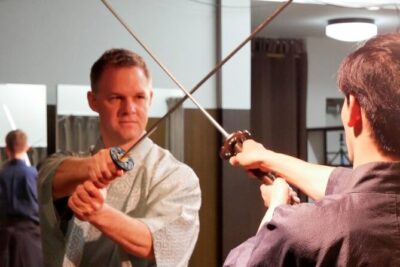
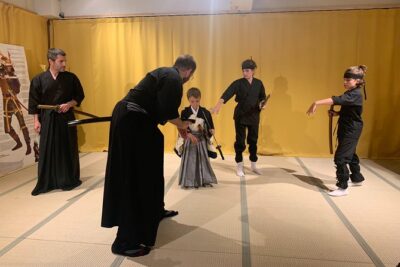
Ninja Experience (Family Friendly) at Samurai Ninja Museum TOKYO
Read our review →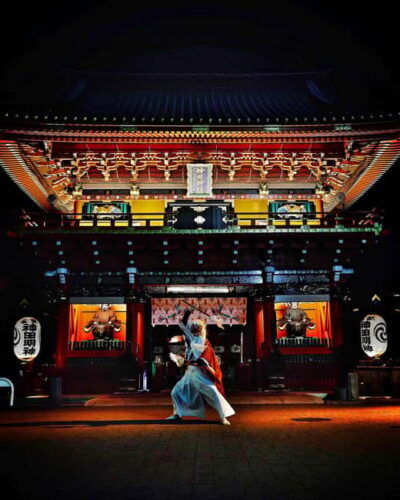
Samurai Entertainment Night Show in Kanda Shrine
Read our review →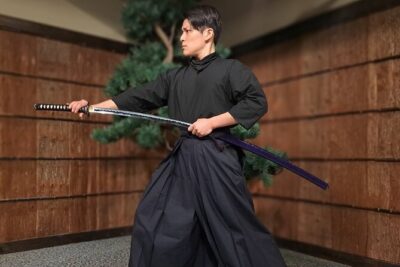
Tokyo Sword Experience – includes Museum Ticket/Ninja Experience
Read our review →
Samurai Ninja Museum Asakusa: Samurai Sword Lesson & Tour
Read our review →Browse the lists this tour appears in