
Reviewed · TOKYO SUSHI MAKING CLASSES
Tokyo: Sushi Making Class in a Happi Coat near a Famous Spot
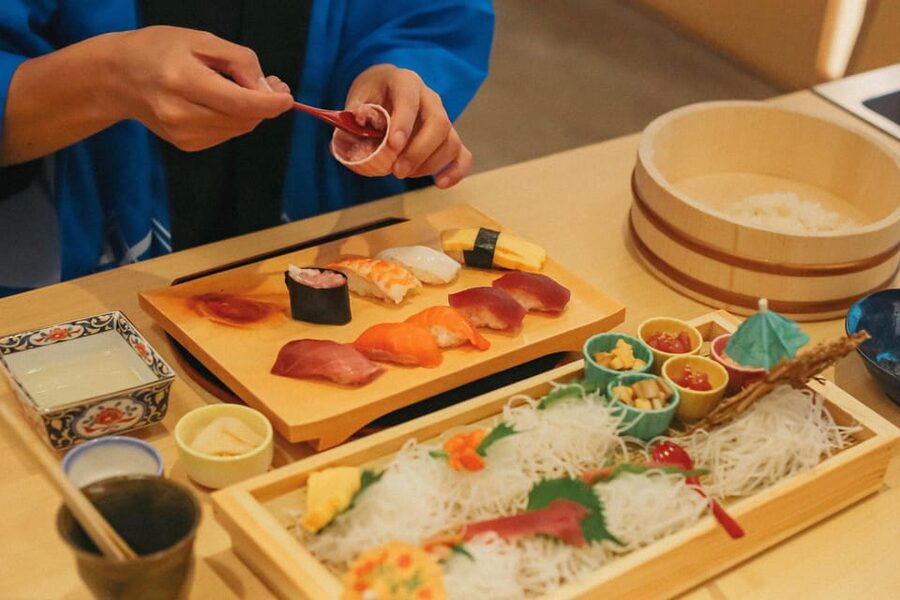
Shape rice by hand, top it with tuna or salmon, and see how quickly a few simple movements turn into nigiri. This 90-minute class from SUSHI GARYU puts you at the counter rather than just in front of a sushi plate, with a chef showing you the craft step by step.
I like two things in particular: you make the food yourself, then eat it as a meal, and the happi coat adds a playful touch without taking over the lesson. The instructors are often praised for clear, patient teaching, and some have shared useful details about sushi and Japanese culture along the way.
One consideration: the exact meeting point depends on the option you book, and the class may seat you with other customers. Ask about the location and any dietary needs before you go, especially if you need vegetarian, vegan, or gluten-free food.
Key points to know before you book
- Nigiri is the main lesson: Learn to shape sushi with tuna and salmon, with some classes also including maki or other rolls.
- The chef guides you hands-on: You watch a demonstration, try the techniques yourself, and can ask for help as you go.
- You eat what you make: The portion has been described as generous, so this can double as lunch.
- A happi coat comes with the experience: Wear the traditional Japanese-style coat for the class and, if you like, a few photos.
- Dietary requests need advance notice: Vegetarian, vegan, and gluten-free options are available if you message ahead.
- Expect a social setting: Group size can vary, and you may share a table with other participants.
A 90-minute introduction, not a sushi lecture
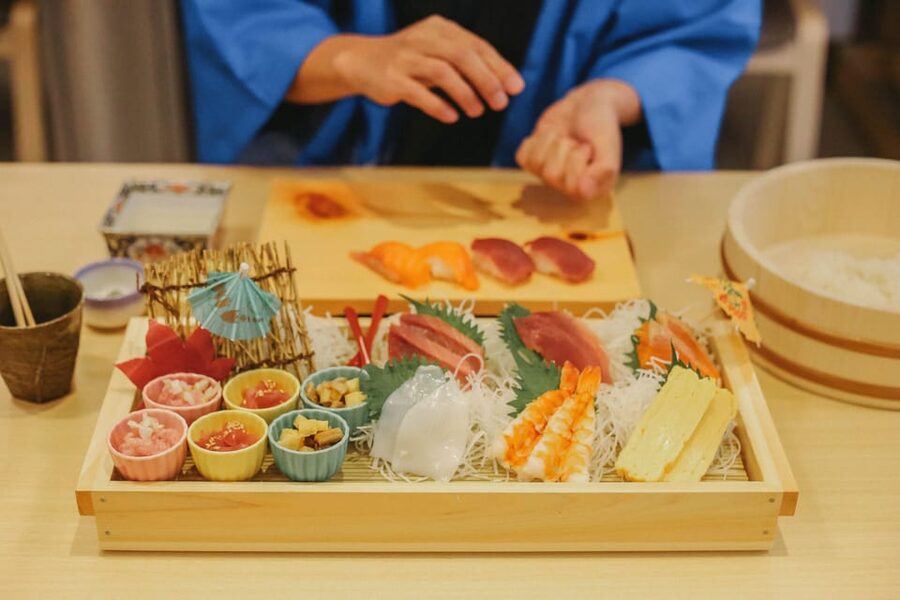
The class is designed for beginners. You do not need prior cooking experience or special sushi skills. The basic appeal is practical: rather than only hearing about sushi, you watch a chef demonstrate and then try making it yourself.
The session lasts 90 minutes, with the instruction, hands-on work, and meal all included. The exact rhythm can vary with the group and instructor, but the general flow is easy to follow: get settled, learn the basics, practice the techniques, then taste your work.
That format gives you enough time to learn something useful without committing half a day. If you are fitting the class between sightseeing stops, it is a compact activity. Just leave room for the meal at the end, rather than scheduling yourself to rush straight out the door.
More cooking classes in Tokyo:
- Sushi Making Tokyo Roll and Authentic Japanese Sushi Class
★ 5.0 · 3,971 reviews - Tokyo: Roll and Authentic Sushi Making Class in Asakusa
★ 4.9 · 1,957 reviews - Tokyo Shinjuku Chopsticks Making Class
★ 5.0 · 1,763 reviews
Meeting your chef and getting set up
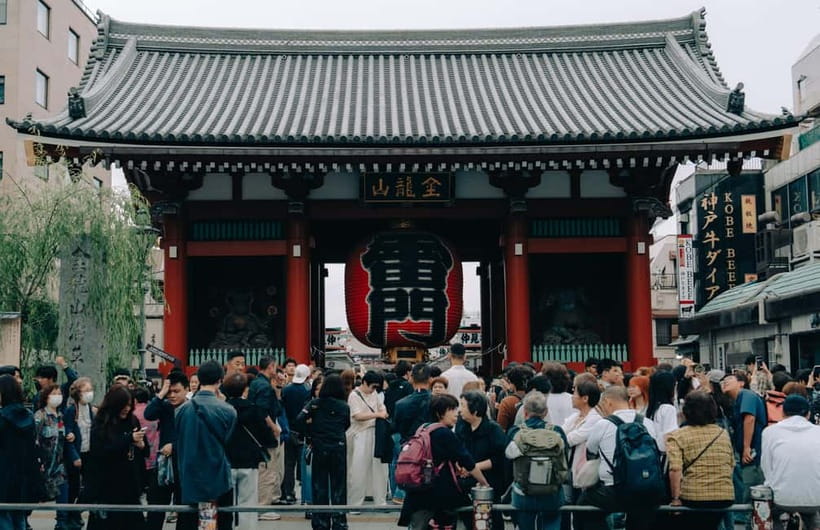
Your meeting point depends on the option you book, so check the details for your chosen time before setting off. One participant found the venue a little tricky to locate, so it is sensible to confirm the address and allow a few extra minutes rather than arriving flustered.
At the venue, expect a Japanese-style setting and an instructor who speaks English or Japanese. English-speaking chefs and hosts named in past classes include Hide, Mikoto, Kohji, Emi, and Ami. The person teaching your session may be someone else, so treat those names as examples, not a promise.
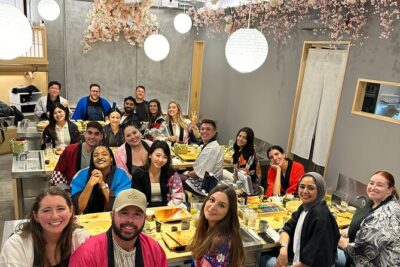
The class has been described as welcoming and well organized, with ingredients laid out before participants arrive. Some sessions have felt personal, and one participant reported a group of five per host. That is not a guaranteed group size, however. Depending on how busy the venue is, you may be seated alongside other customers.
The happi coat sets a cheerful tone
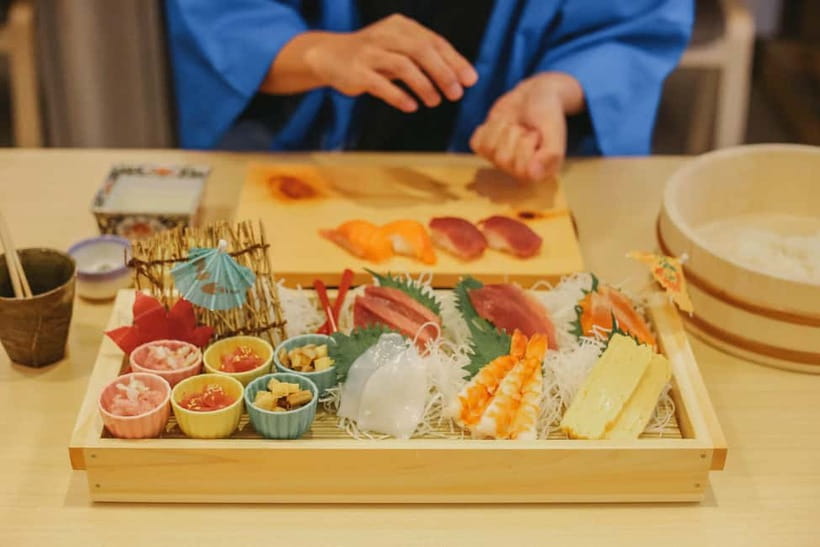
Before you start shaping sushi, you can put on a happi, a traditional Japanese-style coat often associated with festival wear and work attire. Here, it serves as a fun nod to the role of a sushi chef. It makes the activity feel distinct from a standard cooking demonstration and gives you a good photo opportunity.
The coat is a small part of the experience, not the main event. The real value lies in getting your hands involved and learning the movements behind a familiar dish. Still, if you enjoy travel photos with a sense of place, this is an easy, low-effort souvenir of the class.
Some instructors have also helped participants take photos during the session. That detail is not guaranteed, but it fits the relaxed, friendly feel the class aims for. If photos matter to you, ask your instructor rather than assuming there will be time for a full photo session.
Learning to shape nigiri from scratch
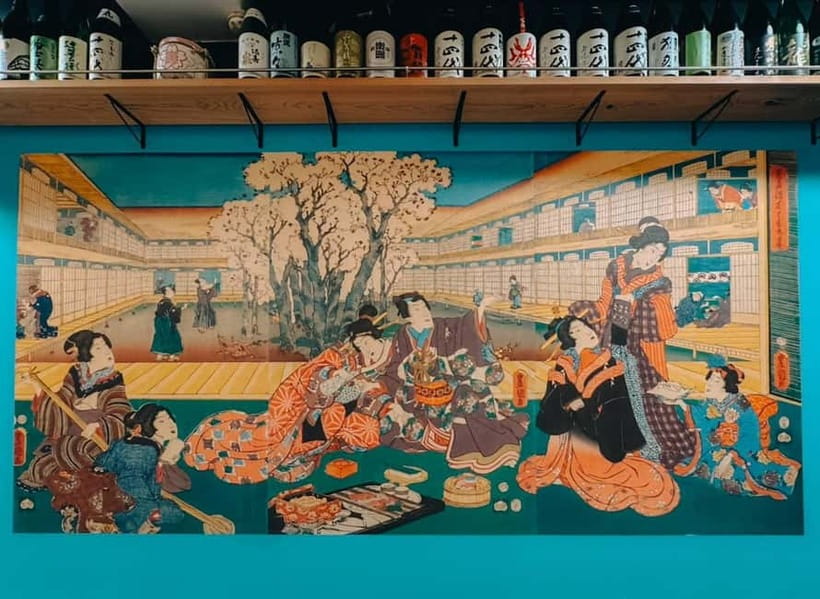
The central skill is making nigiri, the style of sushi formed from a small portion of rice topped with fish. Tuna and salmon are the featured ingredients. Your chef demonstrates the steps, then gives you a chance to shape the rice and add the fish yourself.
This is where a good beginner class earns its keep. Sushi can look simple on the plate, but shaping rice neatly takes practice. A chef can show you how to handle it and help correct your technique while you work. Participants have described the instructions as clear and easy to follow, with patient help when they had questions.
You are not expected to leave as a sushi professional. The useful takeaway is a basic method you can remember and try again at home. Several participants left feeling more confident about making sushi themselves, and some said the process was easier than they had expected.
The class is described as a nigiri workshop, though some participants have also made maki or other rolls. The exact range of sushi may depend on the session, so if learning a particular style matters to you, ask before booking.
More sushi making classes in Tokyo:
- Make Sushi and Create Unforgettable Memories in Tokyo
★ 5.0 · 1,413 reviews - Tokyo Sushi Making Class in Tsukiji with Professional Chef
★ 5.0 · 1,177 reviews - Tsukiji Fish Market Guided Tour and Sushi Making with Pro Chef
★ 5.0 · 775 reviews - Tokyo: Tsukiji Fish Market Sushi Making Class with Pro Chef
★ 4.9 · 506 reviews
From practice to a proper meal
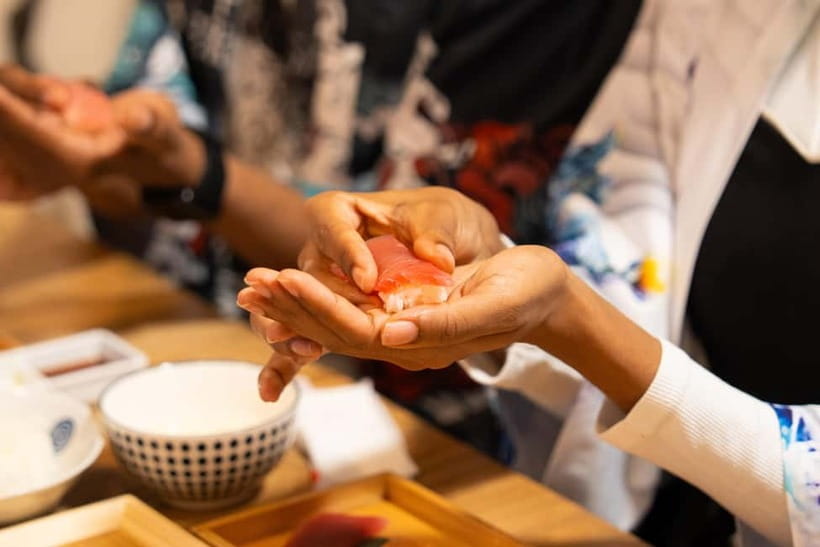
Once you have made your sushi, you get to eat it. That closes the loop nicely: you are not making sample pieces that disappear into a demonstration, but preparing food that becomes your meal.
The amount has been described as generous, and some participants found it enough for a full lunch. Portions can vary, so I would not plan around a guaranteed serving size. But at $42 per person, the chance to learn, cook, and eat makes the price easier to justify than a class that ends with a token taste.
Fresh ingredients matter here, too. Tuna and salmon are familiar choices, which helps make the lesson approachable if you are new to sushi. You can focus on the technique without trying to decode an unfamiliar menu at the same time.
Culture and conversation beyond the cutting board
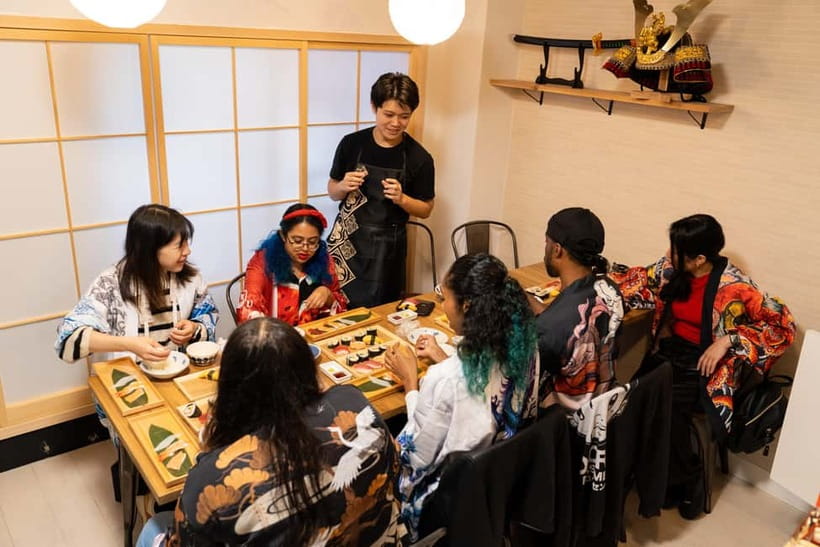
This is first a cooking class, but it can also be a relaxed way to talk about Japanese food traditions. Some instructors share background on sushi and its techniques while teaching, and participants have described conversations about Japanese culture and travel. How much time you get for that depends on the group and pace of the session.
That personal exchange is part of the appeal. A good guide can answer practical questions as you work, offer tips you can use at home, and make a short class feel more human than a scripted demonstration. English instruction is available, which makes it easier to follow the details even if you do not speak Japanese.
Do not expect a broad survey of Japanese cuisine. The focus is sushi, and the cultural context is tied to the food and the craft. If you want a focused introduction you can take part in, that is a strength. If you want a full cooking course covering several dishes, this is not that.
The $42 price and what it buys
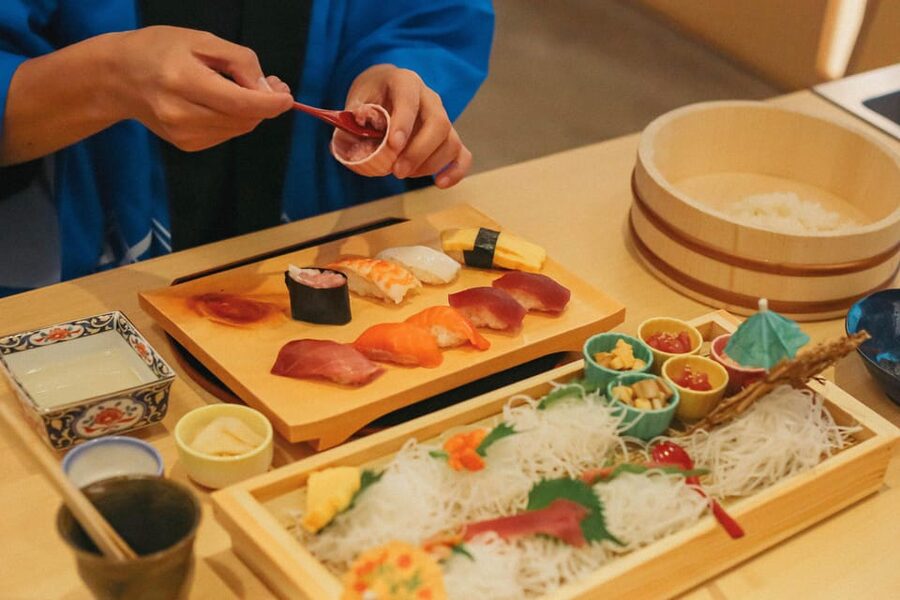
At $42 per person, the fee covers the class, ingredients, and instructor. You also get to eat what you prepare. That combination makes the price reasonable for a short, guided activity, particularly if you value learning a skill as much as getting a meal.
The strongest value is in the instruction. A plate of sushi alone might cost less elsewhere, but it would not show you how the rice is shaped or give you a chef to guide your first attempts. The happi coat and cultural details add atmosphere, while the meal means the class is more than a quick demonstration.
Still, value depends on what you want from your time in Tokyo. If your priority is an inexpensive meal, choose a restaurant. If you want a hands-on activity that can suit a couple, friends, or a family, this class offers a more memorable use of the same hour and a half.
Food needs, children, and booking details

Tell the provider about food allergies in advance by message. Vegetarian, vegan, and gluten-free options are available, but requests made on the day may not be possible to accommodate. If you have a strict allergy or dietary requirement, explain it clearly before booking and confirm that the class can meet it.
Children over four are charged according to the child fee list. Children under four can share a dish. The class has worked well for families, but the information provided does not specify a minimum age or guarantee a child-specific lesson.
You can cancel up to 24 hours in advance for a full refund. The reserve-now, pay-later option lets you hold a place without paying immediately, which is handy if your Tokyo plans are still shifting. Check the available start times and the meeting point for your specific option before you commit.
Who should book this class?
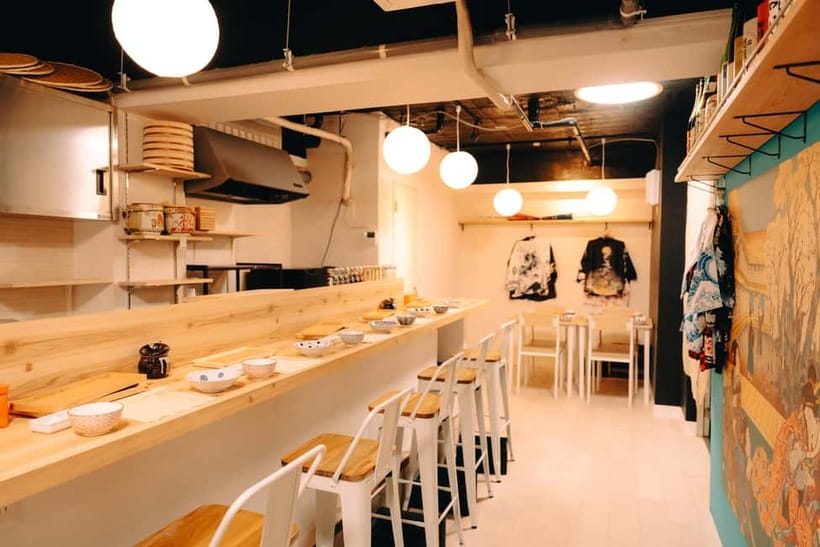
This is a good fit if you want to do more than eat sushi in Tokyo. It suits curious beginners, couples looking for a shared activity, families with children old enough to take part, and anyone who likes bringing home a practical skill. The relaxed teaching style and English instruction make it accessible even if you have never handled sushi rice before.
It is less suitable if you need a precise group size, want a long culinary course, or cannot get your dietary needs confirmed in advance. The meeting point varies by option, too, so make sure you know where you are going.
I’d book it if you want a friendly, hands-on class that ends with lunch. Choose a time that gives you room to enjoy the meal, message ahead about food needs, and check the location carefully. For $42, it is a useful, good-humored way to spend part of a Tokyo day.
FAQ
How long is the sushi class?
The class lasts 90 minutes.
What sushi will I learn to make?
Nigiri with tuna and salmon is the main focus. Some classes have also included maki or other rolls, but the exact selection may vary.
Is the class suitable for beginners?
Yes. It is described as beginner-friendly, and the chef demonstrates the steps before you try making sushi yourself.
What is included in the price?
The cooking class, ingredients, and instructor are included.
Are vegetarian, vegan, or gluten-free options available?
Yes. Tell the provider in advance by message, since requests made on the day may not be possible to accommodate.
Which languages are available?
Instruction is available in English and Japanese.
Where is the meeting point?
The meeting point varies depending on the option booked. Check the details for your selected option before you go.
More hands-on workshops in Tokyo
- Chopstick Making Workshop in Ginza
★ 4.8 · 1,366 reviews - Ramen & Gyoza Cooking Class in Tokyo with Local Supermarket Visit
★ 5.0 · 823 reviews - Matcha Making Class in Tokyo with Authentic Japanese Sweets Set
★ 5.0 · 744 reviews - Tokyo: Samurai Sword & Archery Class from Samurai Descendant
★ 5.0 · 603 reviews
Freshly reviewed in Tokyo
- Tokyo: Toshimaya Sake Brewery Tour with Sake Tasting★ 5.0 · 6 reviews
- :Tokyo,Shibuya /Meiji Shrine tour in KIMONO/English-friendly★ 5.0 · 4 reviews
- Tokyo: Tour Privado por Tokio en español★ 4.3 · 4 reviews
- Tokyo:Tea ceremony experience at Komaba Warakuan★ 4.8 · 9 reviews
- :Tokyo,Shibuya/ Pro Photography in Kimono / English-Friendly★ 5.0 · 26 reviews
- Tokyo:Samurai Training : Swords, Bushido & Mental Discipline★ 5.0 · 6 reviews
- Tokyo:Mt Fuji & Hakone Day Tour with English Speaking Driver★ 5.0 · 26 reviews
- Tokyo:Nikko UNESCO World Heritage Sites Private 1-Day Tour★ 3.8 · 6 reviews
Tokyo Sushi Making Classes, compared.
Sushi Making Tokyo Roll and Authentic Japanese Sushi Class
Read our review →
Roll and Authentic Sushi Making Class in Asakusa
Read our review →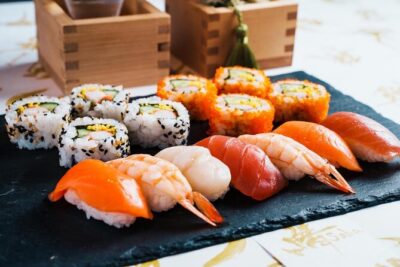
Make Sushi and Create Unforgettable Memories in Tokyo
Read our review →
Tokyo Sushi Making Class in Tsukiji with Professional Chef
Read our review →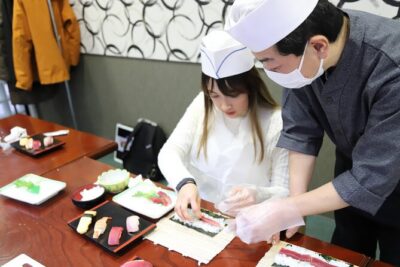
Tsukiji Fish Market Guided Tour and Sushi Making with Pro Chef
Read our review →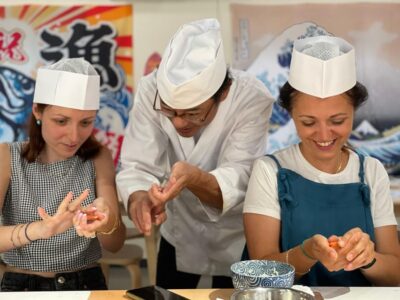
Tsukiji Fish Market Sushi Making Class with Pro Chef
Read our review →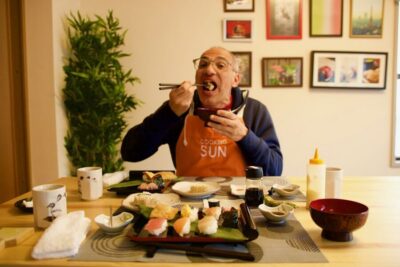
Browse the lists this tour appears in