
Reviewed · TOKYO SAMURAI EXPERIENCES
Tokyo:Samurai Training : Swords, Bushido & Mental Discipline
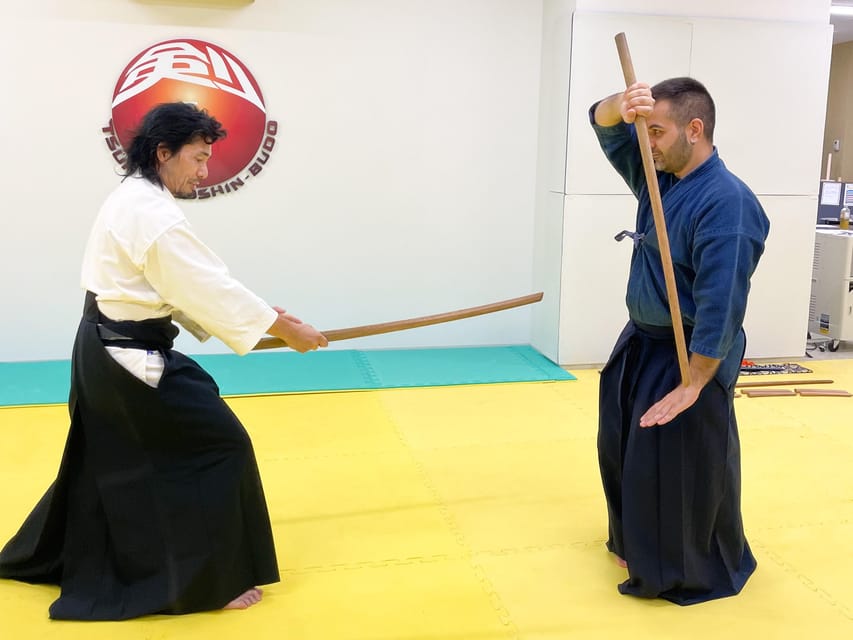
A wooden sword, a heavy practice stick, and a quiet dojo make for a more revealing introduction to samurai training than a staged sword show. In Kojimachi, once part of the grounds around Edo Castle, you learn etiquette and Bushido before trying practical drills yourself. I like that you take part rather than watch from the sidelines.
I also like the way the session balances physical practice with mental focus. You work on breathing and meditation, then test your posture and concentration in silent walking exercises. The small group size, capped at six, should leave room for guidance from instructors such as Oedo and Yukikaze.
One point to weigh: this is an active class, not a history lecture or a performance. It lasts two hours, requires at least two participants, and is not suitable for pregnant women or people with a cold. If you want a low-effort cultural stop, choose something else.
What to know before you book
- You train in historic Kojimachi: The dojo is in a district that was once part of Edo Castle’s inner grounds.
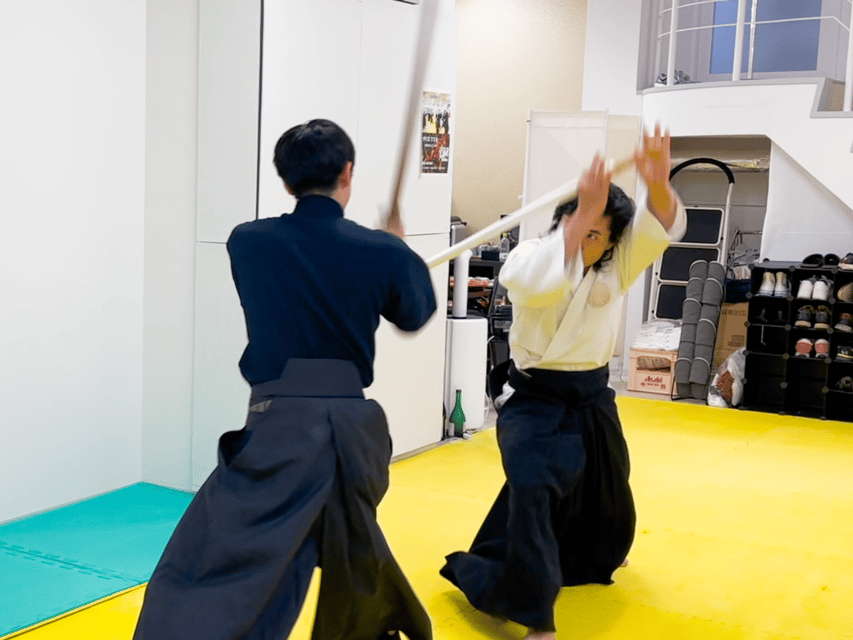
- The class moves from calm to action: Expect etiquette, breathing, meditation, sword basics, strength drills, a kata, and sparring.
- You practice with wooden swords: The session includes practical sword techniques and one authentic combat kata.
- The group is small: A maximum of six participants makes it easier to follow the instructor’s demonstrations.
- Your fee covers the extras: Samurai attire, matcha and sweets, a personalized scroll certificate, and a commemorative photo are included.
- Bring your details, not your shoes inside: Tell the organizers everyone’s height and clothing size, and plan to leave footwear at the door.
A dojo session, not a samurai show
This two-hour class offers a hands-on introduction to samurai practice in a traditional dojo in Tokyo’s Kojimachi district. The setting adds useful context: Kojimachi was once part of the inner grounds of Edo Castle, where samurai trained. You are not being asked to imagine that you have stepped back in time, but the location gives the practice a stronger connection to the city’s past than a generic activity room would.
The class is run by the International Goshin-Budo Association, with instruction in English and Japanese. It is beginner-friendly, so you do not need martial arts experience to take part. The group is limited to six, and a minimum of two participants is required.
The aim is to give you a taste of the discipline behind samurai sword work, not to turn you into a swordsman in an afternoon. You learn etiquette, basic movements, and one combat kata, then apply what you have learned in one-on-one sparring with an instructor. That combination of explanation and practice is the core of the experience.
More samurai experiences in Tokyo:
- Tokyo: Samurai Restaurant Show Ticket with 2 Drinks
★ 4.5 · 1,307 reviews - Tokyo: Samurai Ninja Museum Guided tour and Experience
★ 4.6 · 1,010 reviews - Tokyo: Samurai Sword & Archery Class from Samurai Descendant
★ 5.0 · 603 reviews
Starting with etiquette and Bushido
Training begins with samurai etiquette and the spirit of Bushido. That opening matters. Rather than rushing straight to sword swings, the instructors set out the conduct and mindset that frame the physical work. You get a sense of how attention, respect, and self-control are treated as part of training, not as a preface to it.
Next come breathing techniques and meditation. These give you a chance to settle down and focus before the more physical exercises begin. If you arrive expecting nonstop action, this slower start may feel unexpected. I see it as part of the point: the session asks you to pay attention to how you move, not simply to copy a pose.
Instruction is offered in English and Japanese. The class is described as English-language, though the instructors may not speak fluent English in every situation. David, who took part in January 2025, specifically noted that his instructors were friendly and worked hard to communicate. Keep that in mind if you need lengthy technical explanations; the class includes a live demonstration and practical instruction, but it may not feel like a detailed academic lecture.
Wooden swords, heavy sticks, and quiet steps
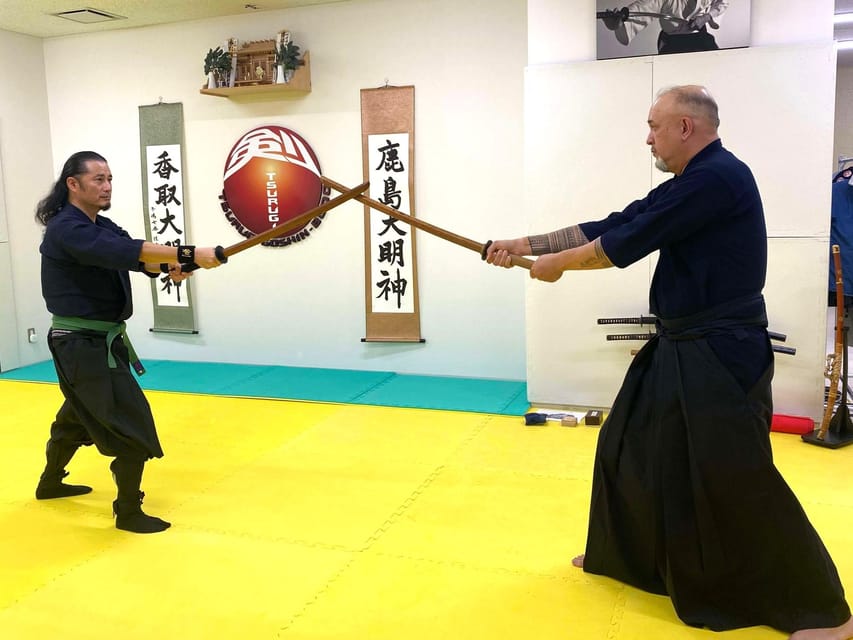
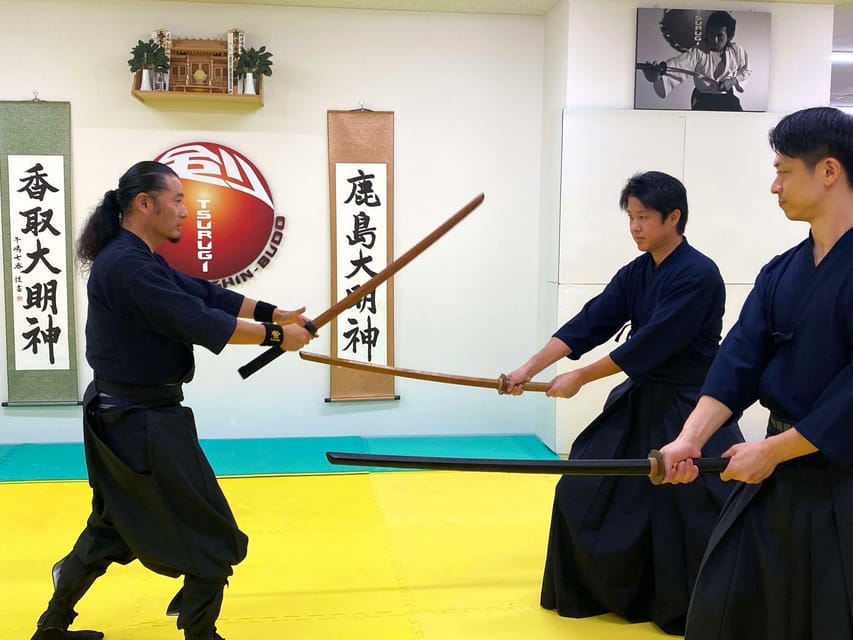
After the introductory work, you move into basic wooden-sword drills. These are a chance to learn how to handle the practice weapon and build familiarity with the movements before trying more practical techniques. The wooden sword keeps the focus on form and control, which is helpful if this is your first time training.
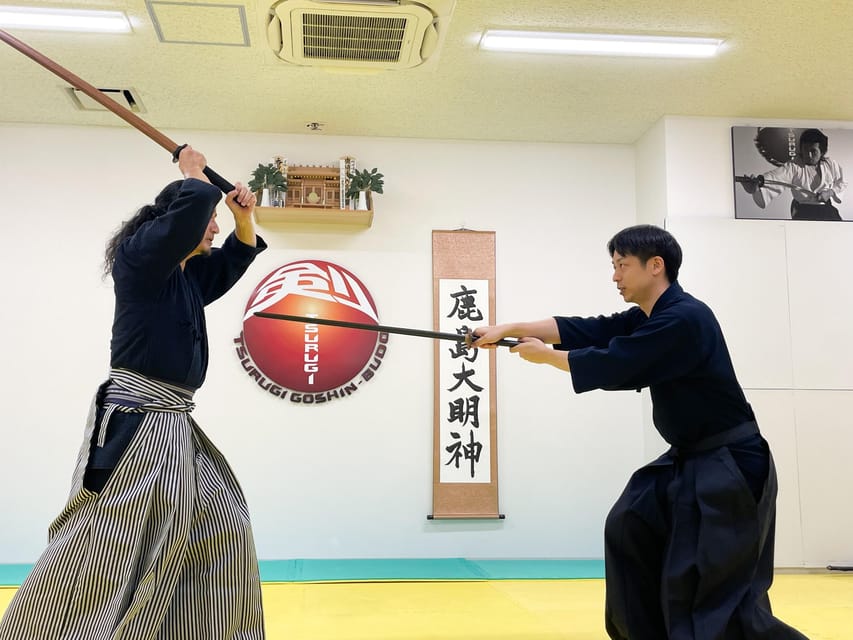
Strength work with a heavy practice stick adds a different challenge. It is not just about swinging harder. The drill asks you to use your body and maintain control, while the instructor guides you through the exercise. Expect some effort, but the session is designed for beginners rather than for people already trained in martial arts.
Then comes silent walking, described as a ninja-style exercise. You work on balance, posture, and awareness as you move without making noise. It is a small but memorable change of pace from sword drills, and it brings the class’s emphasis on focus into a movement you can feel immediately. You may find that a simple step takes more concentration than you expected.
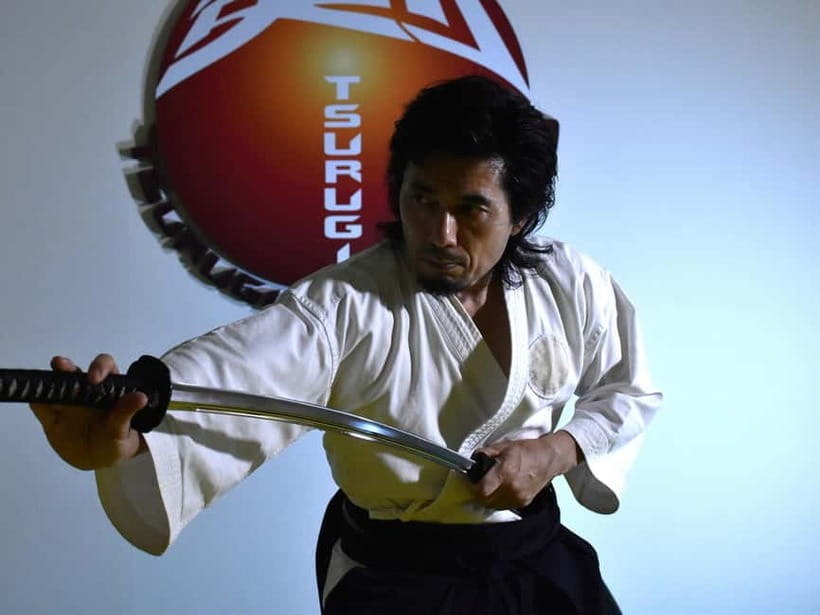
The class also includes a live sword demonstration by the instructor. This gives you a chance to see technique performed before trying your own movements. It is a useful contrast: watching helps you understand the shape of a technique, while practice shows how much attention it takes to carry it out.
Learning a kata, then sparring
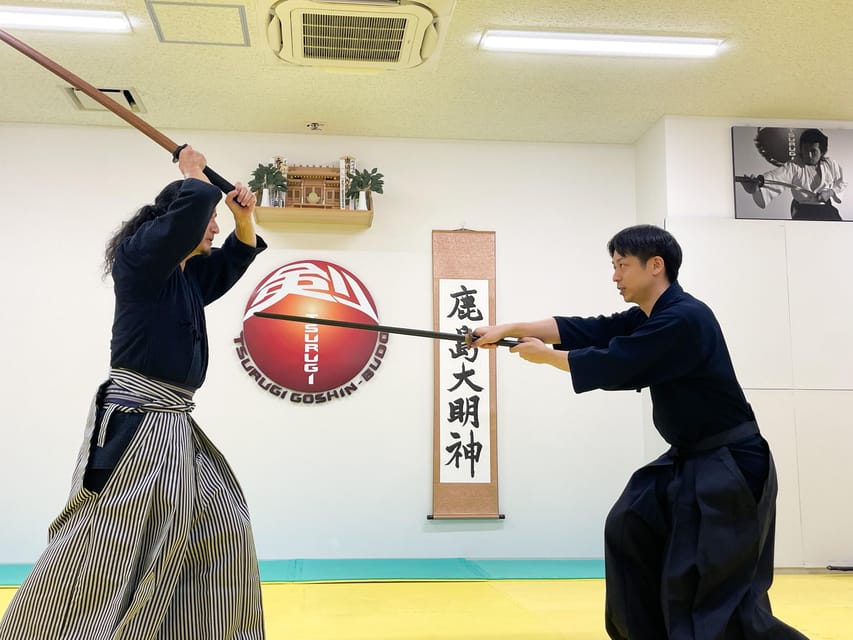
The more applied part of the session is learning practical combat sword techniques and one authentic samurai combat kata. A kata is a set sequence of movements, giving you a structured way to practise what the instructor has shown. You are not expected to master a whole system in two hours. The value is in learning one form carefully and seeing how individual movements fit together.
The class then moves to one-on-one sparring with an instructor. This is the moment when the earlier drills start to feel connected: you have worked on posture, basic sword handling, and a kata, and now you apply those ideas in a direct exchange. The supplied details do not specify the exact sparring equipment or intensity, so ask the instructor if you have concerns before starting.
That personal practice is a key reason to choose this session over a demonstration. You are not simply watching someone perform a polished routine. You get direct instruction and a chance to try the techniques yourself, with an instructor on the other side. Reviews of the class repeatedly praised the friendly, encouraging teaching, with Oedo and Yukikaze named in particular. For a beginner, an approachable teacher can make the difference between feeling awkward and being willing to give the exercise a fair try.
More tours and experiences in Tokyo:
- Mt Fuji and Hakone 1-Day Bus Tour Return by Bullet Train
★ 5.0 · 26,383 reviews - 1-Day Tokyo Bus Tour
★ 5.0 · 14,250 reviews - Tokyo: teamLab Planets TOKYO Digital Art Museum Entry Ticket
★ 4.6 · 9,779 reviews - Mt Fuji & Hakone Cruise, Drum Show Bullet Train 1 Day from Tokyo
★ 4.0 · 7,413 reviews
Matcha, samurai attire, and a certificate
A break brings matcha green tea and traditional Japanese sweets. It offers a quiet pause between the physical work and the rest of the session, and gives the experience a cultural element beyond the training itself. The details do not specify the type of sweets or how long the break lasts, so think of it as a welcome refreshment rather than a full tea ceremony.
Samurai uniform rental is included. You are asked to provide each participant’s height and size, choosing from S, M, or L, so send that information when arranging the class. Wearing the attire also makes the final photo more distinctive than a quick snapshot in everyday clothes.
At the end, you receive a personalized scroll-style certificate with your name and the techniques you learned. It is a tangible keepsake, though its value is mainly sentimental. You also have the chance to take a commemorative photo dressed as a samurai. Families may especially appreciate that shared finish: one participant described the session as a memorable family-bonding activity, and the class’s mix of movement, instruction, and dress-up gives different ages something to talk about afterward.
What $83 buys you in two hours
At $83 per person, the class is not the cheapest way to spend two hours in Tokyo. Its value comes from the combination of small-group instruction, multiple kinds of practice, included attire, matcha and sweets, a personalized certificate, and a photo opportunity. You also get a live sword demonstration and an English-language guide to sword skills, Bushido, and samurai history.
I would judge the price against what you want from the activity. If you are mainly after a quick photo in costume, you may find the class more involved than you need. If you want to learn basic techniques, have time to practise them, and hear about the discipline behind the movements, the price covers more than a brief demonstration.
Transportation is not included, so make your own way to the dojo. At the meeting point, look for the samurai flag, called a nobori, and a samurai will be waiting at the entrance. Shoes are not allowed indoors, and smoking indoors is prohibited.
You can reserve now and pay later, and cancellation is free up to 24 hours in advance. Check the available start times before making plans around the session. The class lasts two hours, so leave enough room in your day to get to the dojo and continue on afterward without rushing.
Who will get the most from this class
This is a good fit if you are curious about samurai practice and want to do more than watch. Beginners are welcome, and the small group gives the lesson a personal feel. It can also work well for families or pairs looking for a shared activity, provided everyone is comfortable with the physical elements.
You will likely enjoy it most if you are open to both the quiet and active parts of the class. Meditation and etiquette come before the sword work; strength drills and silent walking require attention; sparring asks you to put the instruction into practice. The experience is not all combat moves, and that broader approach is part of its appeal.
It is less suited to anyone seeking a full history tour, a theatrical performance, or a strenuous martial arts course. The two-hour format offers an introduction, not advanced training. Pregnant women and people with a cold should not take part. If you have a physical concern not covered here, the available details do not specify adaptations, so check with the organizer before booking.
Should you book the samurai training?
Book this if you want a practical cultural activity with a clear mix of explanation and participation. The Kojimachi setting, small group, beginner-friendly instruction, and chance to try a kata and spar with an instructor make it more substantial than a costume photo stop. The matcha break and personalized scroll add a thoughtful finish.
Skip it if you want a passive show, a detailed historical tour, or a class with no physical effort. At $83, it makes the most sense for someone who values hands-on instruction and the chance to practise, not just the souvenir. If that sounds like your kind of Tokyo afternoon, it is a distinctive way to spend two hours.
FAQ
How long is the samurai training session?
The experience lasts two hours.
Where does the class take place?
It takes place at a traditional dojo in Tokyo’s Kojimachi district.
Is the class suitable for beginners?
Yes. The class is described as beginner-friendly, and no prior martial arts experience is specified as a requirement.
What languages are used during instruction?
Instruction is offered in English and Japanese. The activity is described as conducted in English.
What is included in the price?
Samurai uniform rental, a live sword demonstration, English guidance on sword skills, Bushido and samurai history, matcha and Japanese sweets, a personalized scroll-style certificate, and a commemorative photo are included.
What should I provide for the uniform?
Provide each participant’s height and size. Available sizes are S, M, and L.
How many people can join the class?
The group is limited to six participants, and at least two participants are required.
Is transportation included, and are there any restrictions?
Transportation is not included. Shoes are not allowed indoors, smoking indoors is prohibited, and the class is not suitable for pregnant women or people with a cold.
Freshly reviewed in Tokyo
- Tokyo: Toshimaya Sake Brewery Tour with Sake Tasting★ 5.0 · 6 reviews
- :Tokyo,Shibuya /Meiji Shrine tour in KIMONO/English-friendly★ 5.0 · 4 reviews
- Tokyo: Tour Privado por Tokio en español★ 4.3 · 4 reviews
- Tokyo:Tea ceremony experience at Komaba Warakuan★ 4.8 · 9 reviews
- :Tokyo,Shibuya/ Pro Photography in Kimono / English-Friendly★ 5.0 · 26 reviews
- Tokyo:Mt Fuji & Hakone Day Tour with English Speaking Driver★ 5.0 · 26 reviews
- Tokyo:Nikko UNESCO World Heritage Sites Private 1-Day Tour★ 3.8 · 6 reviews
- Tokyo/Ikebukuro Manga lesson by acitive pro-Manga artists★ 4.5 · 10 reviews
Tokyo Samurai Experiences, compared.
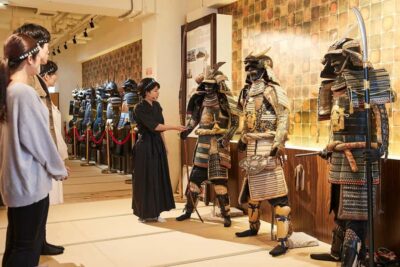
Samurai Ninja Museum Guided tour and Experience
Read our review →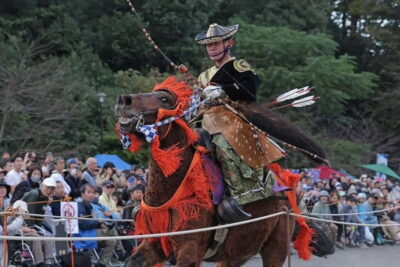
Samurai Sword & Archery Class from Samurai Descendant
Read our review →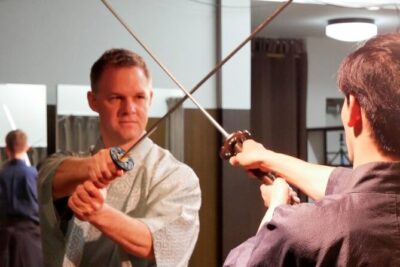
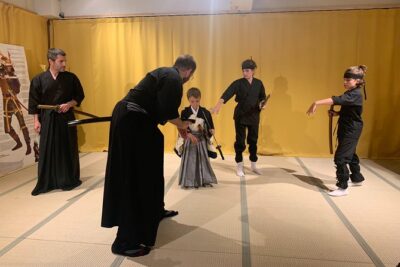
Ninja Experience (Family Friendly) at Samurai Ninja Museum TOKYO
Read our review →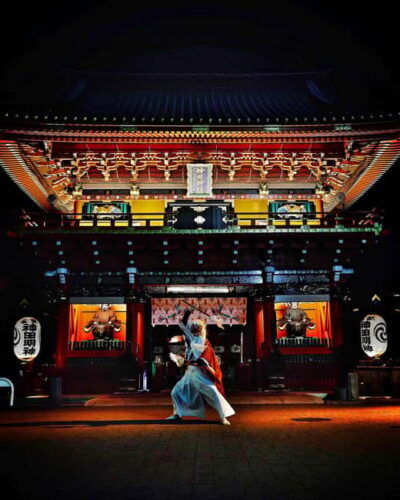
Samurai Entertainment Night Show in Kanda Shrine
Read our review →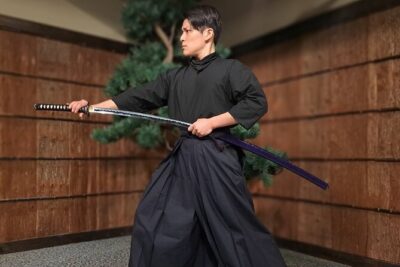
Tokyo Sword Experience – includes Museum Ticket/Ninja Experience
Read our review →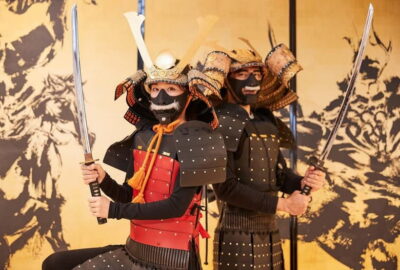
Samurai Ninja Museum Asakusa: Samurai Sword Lesson & Tour
Read our review →Browse the lists this tour appears in