
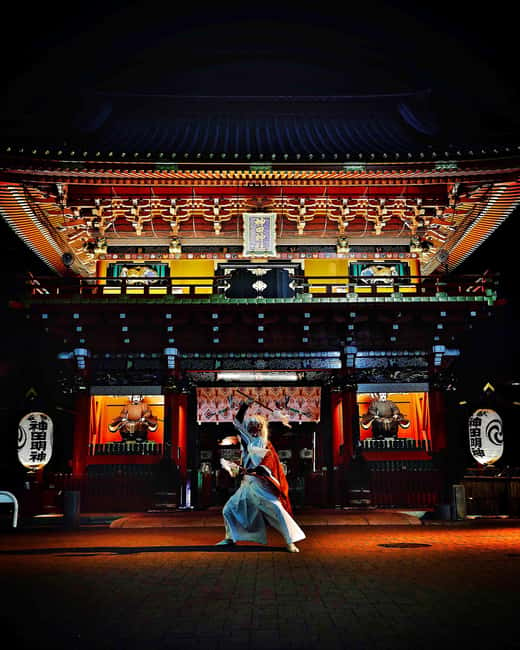
Reviewed · TOKYO SAMURAI EXPERIENCES
Tokyo: Samurai Entertainment Night Show in Kanda Shrine
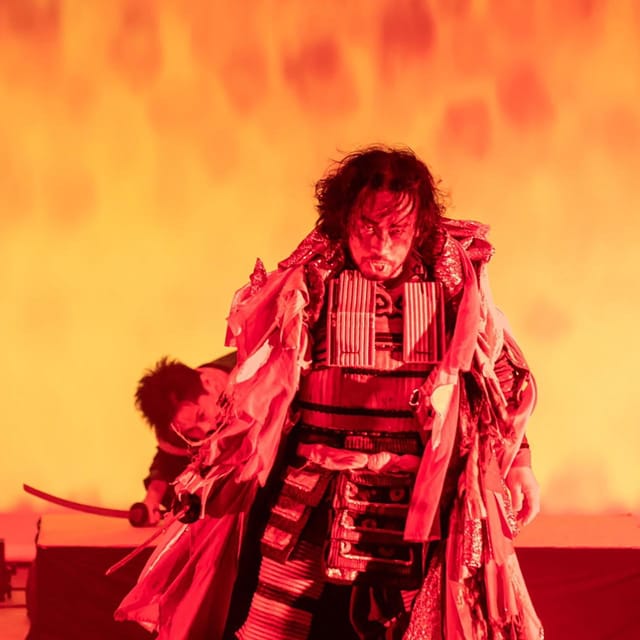
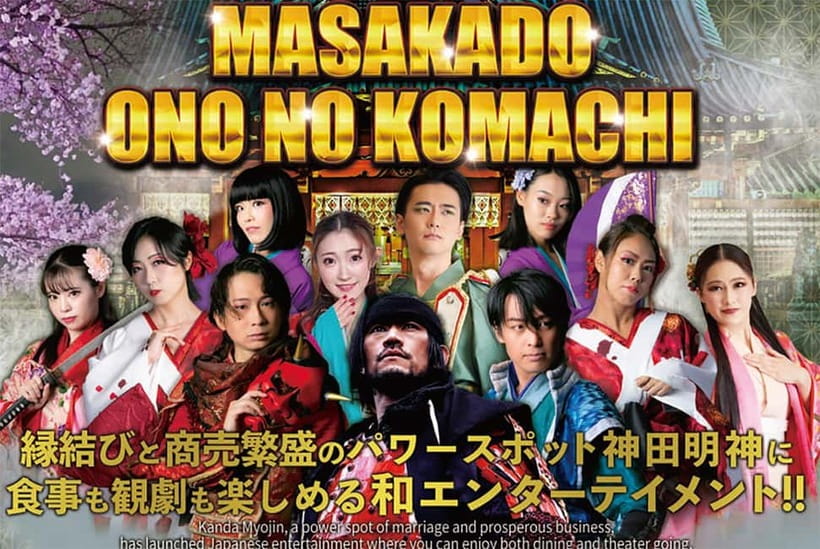
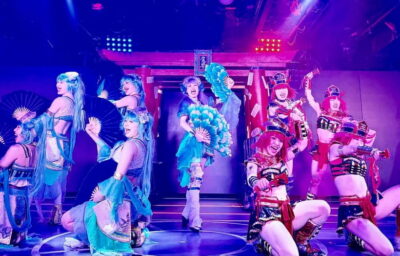
At Kanda Myojin, a shrine known for blessings tied to business and love, the evening’s main event is a theatrical retelling of the legend of Taira no Masakado. Expect energetic movement, swordplay, dramatic costumes, music, and modern stage effects, not a quiet history lecture or a lesson in sword technique.
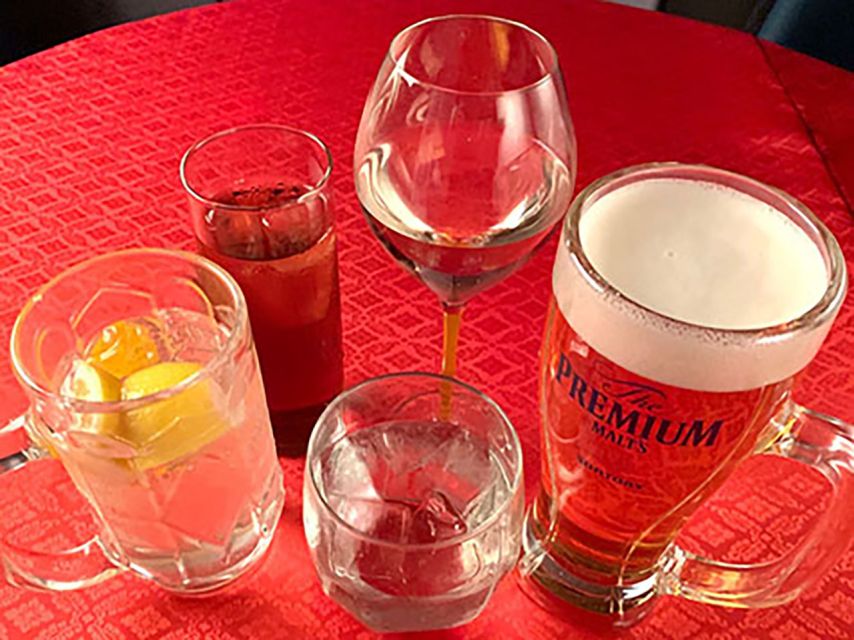
I like two things especially: the chance to see a live performance in the setting of a historic shrine, and the friendly cast interaction and photo time after the show. Food and drinks are available before the performance, so you can make the evening feel like dinner and theatre rather than a quick stop.
One thing to plan around: the show runs for about an hour, but the full evening takes two to three hours, and food and drink orders need to be placed before it begins. You also cannot take photos or record during the performance.
- A shrine setting with an indoor show: The restaurant is in the basement of Kanda-Myojin Bunka-Koryu-kan, within the shrine grounds.
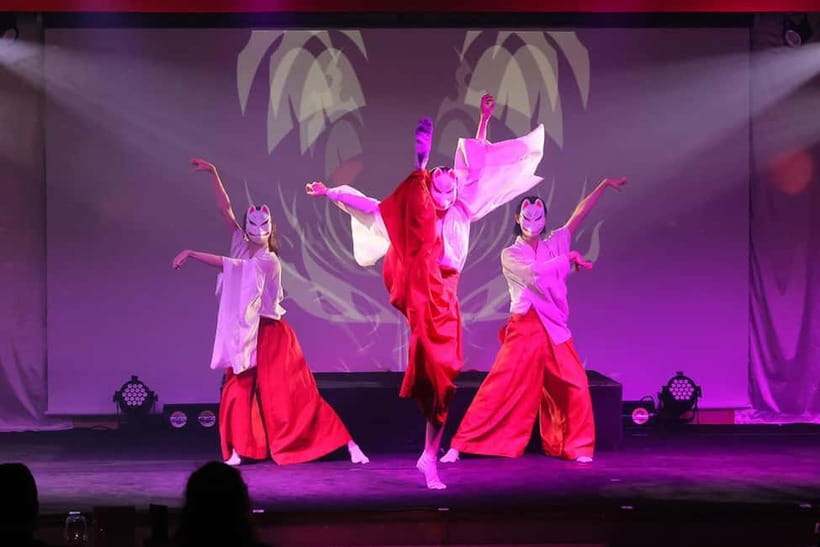
- A legend told through performance: Masakado’s story is presented with choreography, music, costumes, swordplay, and visual effects.
- A clear evening schedule: Doors open at 7 PM, the show runs from 8:15 to 9:15 PM, and cast photos follow until 10 PM.
- Food is not automatically included: The starting price is $41 per person and includes the show plus one drink or unlimited drinks, depending on your ticket. Food is ordered separately unless your chosen option says otherwise.
- Photos come after the show: Cameras and recording are not allowed during the performance, but there is a dedicated photo session with the cast.
- Seats are assigned for you: You cannot request a particular seat, and the restaurant decides placement.
Kanda Myojin Sets the Scene
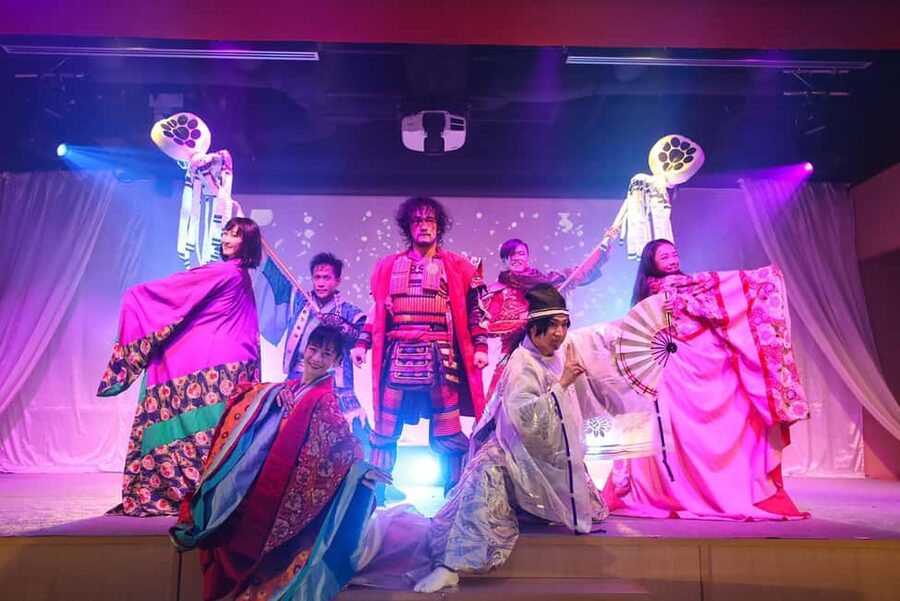
Kanda Myojin is more than a backdrop. It is a well-known Tokyo shrine associated with prosperity in business and love, and arriving on its grounds gives the evening a sense of place before you reach the performance room. The show itself takes place inside the restaurant in the basement of Kanda-Myojin Bunka-Koryu-kan, not out in the open shrine courtyard.
That contrast is part of the appeal. You move from Tokyo streets and the shrine’s grounds into an indoor theatre-style setting, then spend the evening with a story tied to the shrine’s legendary figure, Taira no Masakado. The performance is theatrical rather than a formal history talk, but the location gives the legend a meaningful connection to its surroundings.
Allow extra time to find the restaurant entrance. The meeting point is specific, and one visitor found the location difficult to identify from the directions alone. Once you arrive, the provider’s staff welcome you at the restaurant. Doors open at 7 PM, so arriving early gives you breathing room and time to order.
The Legend of Masakado, Told on Stage
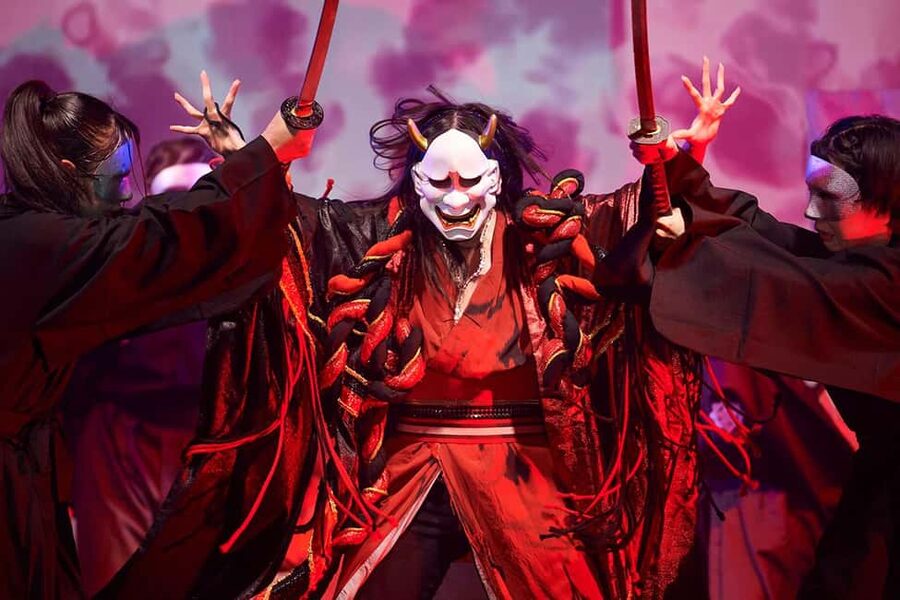
The performance draws on the story of Taira no Masakado, a rebel figure whose legend has become part of Japanese folklore. The show brings that story to life with swordplay, expressive movement, music, sound effects, costumes, and lighting. Some scenes blend historical themes with fantasy, so it is best approached as a dramatic interpretation, not a documentary account.
The production’s strength is its visual storytelling. The cast uses movement and expression to carry the action, while music and effects help shape the mood. English-speaking visitors can still follow the broad arc, though the plot may not be crystal clear in every moment. A short written guide to the story’s sections can help you keep track, and reading it before the performance is a sensible use of the dinner hour.
If you come expecting a long series of realistic sword duels, adjust your expectations. Swordplay is part of the show, but the evening is built around theatrical dance, acting, and staged action. One visitor wished there had been more sword fighting and more demonstration of the characters’ skills. If you are after a polished cultural performance with movement and story, rather than a martial arts lesson, the format makes more sense.
The show’s mix of traditional tales and modern stage effects is a useful point of comparison when deciding if it suits you. The lighting and sound give the old legend a contemporary stage language. That can make the story accessible and exciting, but it is not a strictly traditional performance in the sense of a bare stage and unadorned storytelling.
More samurai experiences in Tokyo:
- Tokyo: Samurai Restaurant Show Ticket with 2 Drinks
★ 4.5 · 1,307 reviews - Tokyo: Samurai Ninja Museum Guided tour and Experience
★ 4.6 · 1,010 reviews - Tokyo: Samurai Sword & Archery Class from Samurai Descendant
★ 5.0 · 603 reviews
Arrive Early for Dinner and Drinks
The doors open at 7 PM, with the eating and drinking period running until showtime at 8:15 PM. That gives you about 75 minutes to settle in and order. Drinks and any a la carte food need to be ordered before the performance begins, so do not count on placing a fresh order once the action starts.
The ticket includes the show and either one drink or unlimited drinks, depending on the option you choose. Food is not included in the base offer, though a la carte choices are available. Some ticket or meal options may include a chicken hot pot, so check exactly what your selected package covers before booking. If you choose the hot pot, each person gets an individual pot of broth and seasonal vegetables. You add the chicken yourself, wait until it changes color, then dip it in the accompanying sauce. It is a participatory meal, though not a complicated one.
The food has drawn mixed impressions. Some people have enjoyed the hot pot and other menu items, while one person found the menu less suited to their taste. That is a useful reminder: the meal is a convenient part of the evening, not the main reason to book. If you have dietary needs or are a picky eater, look over the available menu before you commit to a meal option. The starting ticket price may look like a dinner-theatre bargain, but food costs extra unless it is included in your chosen package.
The drinks arrangement can be good value if you plan to have more than one, but unlimited drinks only make sense if you use them. Keep in mind that the window for ordering closes when the show begins. It is easy to be absorbed by the performance and forget about a drink sitting on the table, so order what you actually want before the lights shift.
A Compact Venue, With Assigned Seats
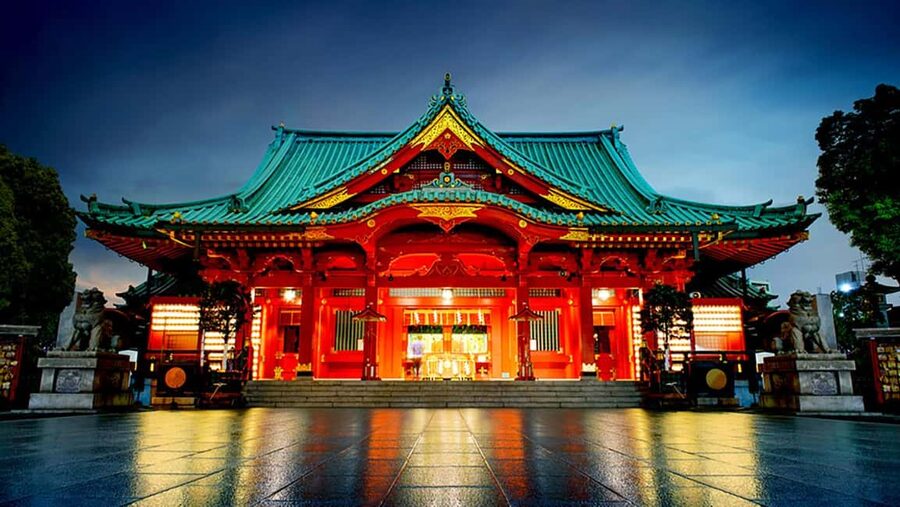
The setting is intimate, which can make the performers’ movement and expressions easier to follow. The trade-off is that you do not choose your seat. Seat assignments are handled by the restaurant, and the front section covers rows one through four. If proximity matters to you, note that the available information does not promise a way to request those rows.
A smaller room also makes the show feel close at hand, but it is not a grand theatre production with a distant stage and a large audience. This can be a plus if you like a more personal atmosphere. The cast’s presence before and after the performance adds to that feeling, as performers may mingle and chat with the audience.
The activity is listed as wheelchair accessible. One attendee described travelling with a wheelchair as a challenge despite receiving help from the manager, so if you use a wheelchair, contact the provider in advance to confirm the arrangements that matter to you. Accessibility can depend on the details of your visit, and the supplied information does not spell out the route or seating setup.
The Photo Session Is Part of the Evening
The show ends at 9:15 PM, followed by photo time with the performers until 10 PM. This is a genuine part of the experience, not an invitation to take pictures from your seat during the show. Cameras, video recording, and audio recording are prohibited while the performance is underway. Afterward, you can take photos with the cast and, if the moment allows, speak with the performers.
That personal contact is one of the evening’s best features. The cast’s friendly manner can soften the formality of a stage show, especially if you are travelling alone or are new to Japanese theatre. The chance to meet the performers also gives children a concrete highlight to carry away, beyond the costumes and action.
The schedule is fairly firm. Doors close at 10 PM, and entry is not possible after 8:15 PM. Aim to arrive before the show rather than racing in at the last minute. If you reach the venue on foot, the approach through the shrine grounds can be a pleasant part of the night, but build in time to locate the restaurant.
More night tours in Tokyo:
- Tokyo Night Foodie Tour in Shinjuku – Seasonal Sushi, Wagyu Beef
★ 5.0 · 1,161 reviews - Tokyo: Daikoku JDM Car Meet & Night Car Culture Tour
★ 4.8 · 626 reviews - Tokyo After 5: Authentic Japanese Food & Drink Night Tour
★ 4.5 · 560 reviews - The Dark Side of Tokyo – Night Walking Tour Shinjuku Kabukicho
★ 4.5 · 297 reviews
Is $41 Good Value?
At $41 per person, the base price covers a live performance and a drink, with the exact drink allowance depending on the option selected. For a Tokyo evening that combines a shrine visit, an hour-long show, and the chance to meet the cast, that can be fair value if you are interested in Japanese legends and live theatre. It is less compelling if you expect a full dinner to be included or want a detailed historical tour.
The real cost depends on your choices. Add a la carte food if it is not included in your ticket, and check whether you selected one drink or unlimited drinks. The hot pot may make the evening feel more like a complete dinner out, while a show-and-drink ticket suits someone who plans to eat elsewhere. The advertised two-to-three-hour duration is also worth factoring in: this is a full evening commitment, not a one-hour show.
Free cancellation up to 24 hours in advance and a reserve-now, pay-later option can help if your Tokyo schedule is still taking shape. Check the specific terms for your selected booking, especially if you are comparing ticket options.
Who Should Book This Show?
I would put this on the shortlist for anyone curious about Japanese folklore, stage performance, or samurai stories, especially if you want an evening activity that feels tied to Tokyo rather than interchangeable with a generic theatre show. Families with older children may enjoy the visual action and costumes. A family with children aged 10 and 12 found it worked well, though every child’s interest will differ.
It also suits people who enjoy meeting performers after a show. The cast interaction and photo opportunity make the night more personal than simply watching from a seat. If you are travelling solo, the meal and shared performance setting can also make for an easy evening out.
I would hesitate if you want a rigorous account of Masakado’s life, a long display of realistic sword technique, or a ticket with dinner automatically covered. The show is an artistic interpretation, and the food is an added cost unless your selected option includes it. For the right expectations, though, Kanda Myojin’s setting and the cast’s energetic storytelling make this a distinctive night in Tokyo.
FAQ
Where does the show take place?
The performance is at The Show restaurant in the basement of Kanda-Myojin Bunka-Koryu-kan, on the grounds of Kanda Myojin Shrine.
What time should I arrive?
Doors open at 7 PM. Eating and drinking time runs until the show begins at 8:15 PM, and entry is not possible after 8:15 PM.
How long is the performance?
The show runs from 8:15 to 9:15 PM. Photo time with the performers follows until 10 PM. The full activity lasts about two to three hours.
Is food included in the ticket?
Food is not included in the standard offer, though a la carte options are available. Check your selected ticket to see if a meal option, such as chicken hot pot, is included.
What drinks are included?
The ticket includes either one drink or unlimited drinks, depending on the option you choose. Additional drinks and a la carte orders must be placed before the show starts.
Can I take photos during the show?
No. Photography, video recording, and audio recording are not allowed during the performance. You can take photos with the performers during the session from 9:15 to 10 PM.
Is the experience wheelchair accessible?
The activity is listed as wheelchair accessible. Contact the provider before booking if you need to confirm specific access or seating arrangements.
More shows in Tokyo
- Mt Fuji & Hakone Cruise, Drum Show Bullet Train 1 Day from Tokyo
★ 4.0 · 7,413 reviews - Tokyo: Sumo Show Experience with Chicken Hot Pot and a Photo
★ 4.8 · 6,678 reviews - Tokyo: Sumo Show and Dining Experience
★ 4.8 · 2,742 reviews - the SUMO show
★ 5.0 · 1,960 reviews
Freshly reviewed in Tokyo
- Tokyo: Toshimaya Sake Brewery Tour with Sake Tasting★ 5.0 · 6 reviews
- :Tokyo,Shibuya /Meiji Shrine tour in KIMONO/English-friendly★ 5.0 · 4 reviews
- Tokyo: Tour Privado por Tokio en español★ 4.3 · 4 reviews
- Tokyo:Tea ceremony experience at Komaba Warakuan★ 4.8 · 9 reviews
- :Tokyo,Shibuya/ Pro Photography in Kimono / English-Friendly★ 5.0 · 26 reviews
- Tokyo:Samurai Training : Swords, Bushido & Mental Discipline★ 5.0 · 6 reviews
- Tokyo:Nikko UNESCO World Heritage Sites Private 1-Day Tour★ 3.8 · 6 reviews
- Tokyo:Mt Fuji & Hakone Day Tour with English Speaking Driver★ 5.0 · 26 reviews
Tokyo Samurai Experiences, compared.
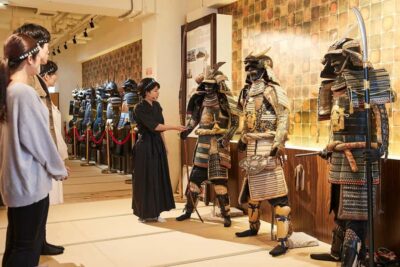
Samurai Ninja Museum Guided tour and Experience
Read our review →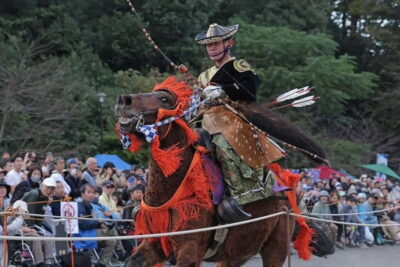
Samurai Sword & Archery Class from Samurai Descendant
Read our review →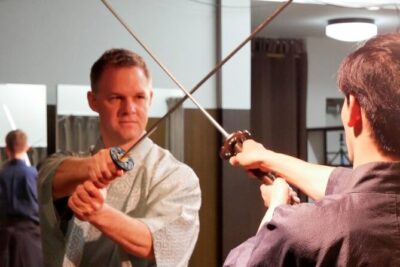
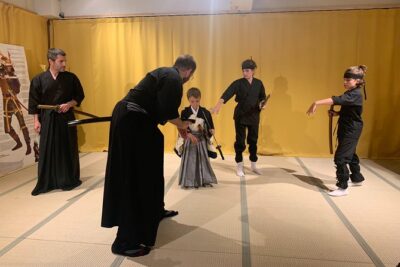
Ninja Experience (Family Friendly) at Samurai Ninja Museum TOKYO
Read our review →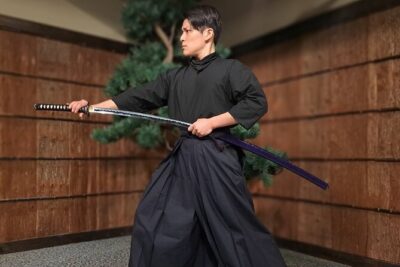
Tokyo Sword Experience – includes Museum Ticket/Ninja Experience
Read our review →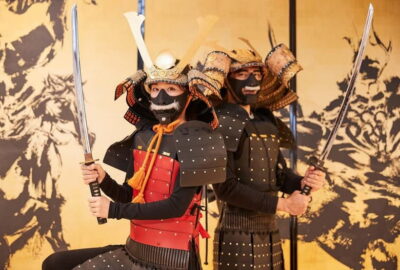
Samurai Ninja Museum Asakusa: Samurai Sword Lesson & Tour
Read our review →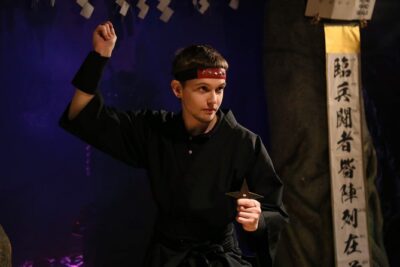
Ninja Samurai 2-hour hands-on lesson by Japanese master in Tokyo
Read our review →Browse the lists this tour appears in