
Reviewed · TOKYO TEA CEREMONIES
Tokyo:Tea ceremony experience at Komaba Warakuan
Komaba Warakuan offers more than a quick demonstration: you’re welcomed into a historic tea school and taught how to make tea yourself. I like the choice between a quiet rich-tea session and a more sociable light-tea one, and I like that the group is capped at four, leaving room for careful instruction.
One practical snag is finding the school. Some people have had difficulty locating it, so allow time to get there and check your route before setting out. At $56 per person, it also makes most sense if you want hands-on teaching, not simply a cup of tea.
At a glance
- Choose your tea style: Rich tea is described as quiet and contemplative; light tea has a brighter, more conversational mood.
- Learn by doing: The Japanese instructor carefully teaches you how to prepare tea.
- Enter a historic tea school: Komaba Warakuan taught the Kobori Enshu school and served as tea instructor to the third Tokugawa shogun.
- Expect a small group: No more than four participants take part.
- Socks are covered: Tabi socks are provided, though you can bring your own.
- Plan for the full visit: Allow 90 minutes to two hours, including the introduction and the ceremony.
A tea lesson in a school with old roots
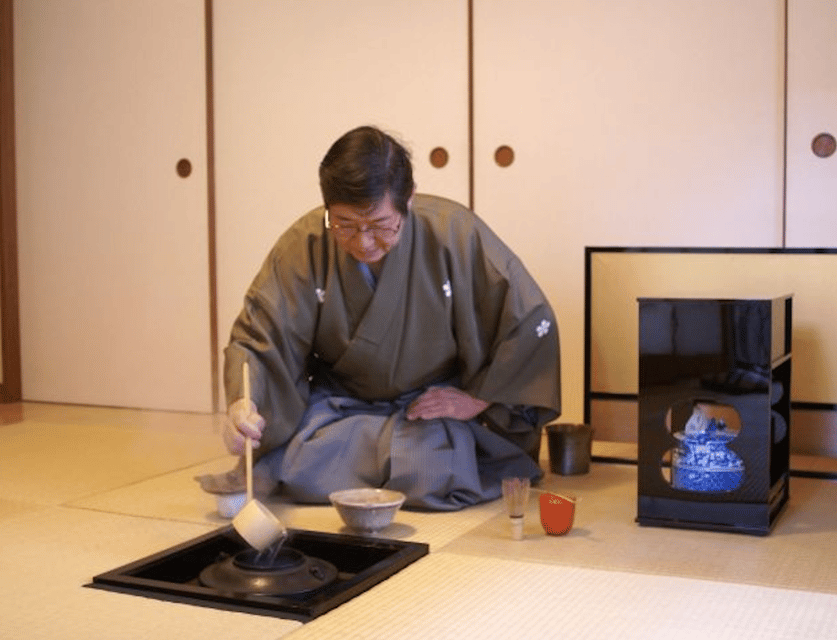
Komaba Warakuan is a school with a long connection to Japanese tea practice. It taught the Kobori Enshu school and served as tea ceremony instructor to the third Tokugawa shogun. That background gives the session a particular setting: you are not just watching a tea performance, but learning in a place associated with formal instruction.
The experience is beginner-friendly, so you don’t need prior knowledge or the right words for every utensil. The instructor explains the process and guides you as you make tea. For a first introduction, that makes the ceremony easier to follow than a demonstration where you remain on the sidelines.
I would come with curiosity and patience rather than a checklist of moves to master. The ceremony is structured, and some of its value lies in following the sequence and giving attention to each step. You’ll also have Japanese tea and traditional sweets as part of the experience.
More tea ceremonies in Tokyo:
- Matcha Making Class in Tokyo with Authentic Japanese Sweets Set
★ 5.0 · 744 reviews - Tokyo: Traditional Tea Ceremony with a Tea Master
★ 5.0 · 528 reviews - Tokyo: Matcha Making Experience with Mochi Sweets in Asakusa
★ 4.9 · 388 reviews
Rich tea or light tea: choosing the mood
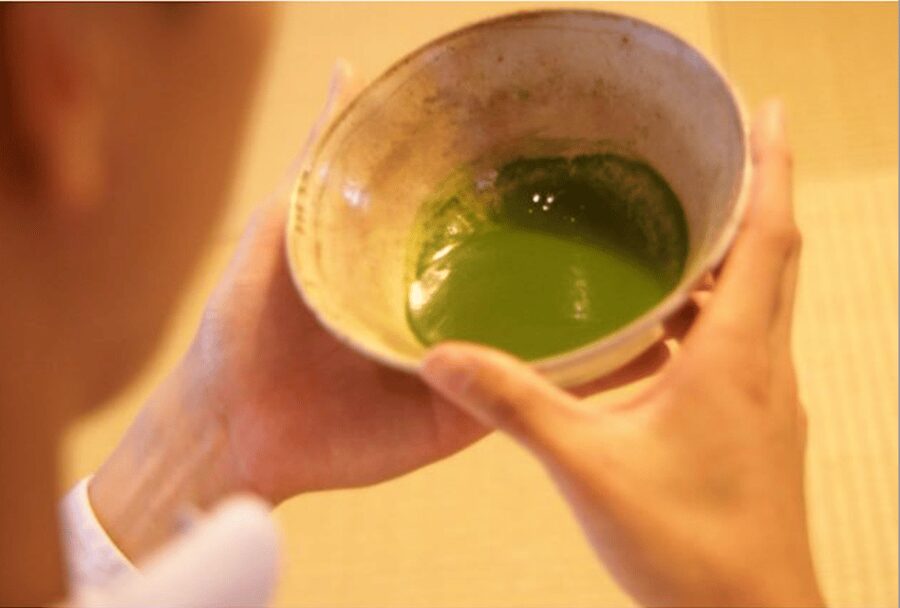
The choice between rich tea and light tea is the main decision to make when booking. The school describes rich tea as a quiet seat, where you face the tea calmly. Light tea is presented as a brighter, more conversational gathering.
That distinction is useful if you know what kind of occasion suits you. Choose rich tea if you’re drawn to a more reflective ceremony and would rather focus quietly on the preparation. Choose light tea if you prefer a friendly, social atmosphere and welcome conversation along the way.
The available information does not explain the precise differences in preparation or taste, so I wouldn’t book based on assumptions about strength or flavor alone. If those details matter to you, ask the provider before choosing. Either way, the courses include Japanese tea and traditional sweets.
The visit, from welcome to tea room
The session starts with an explanation of how the process will unfold. This short orientation matters, especially if you’ve never taken part in a tea ceremony. You can get a sense of what comes next before the formal part begins, rather than trying to decode the ceremony as it happens.
Next, you change into tabi socks. The school provides them, and you’re welcome to bring your own. From there, the instructor leads you through the open ground to the tea room. This transition is part of the visit, so don’t expect to arrive and sit down for an immediate demonstration.
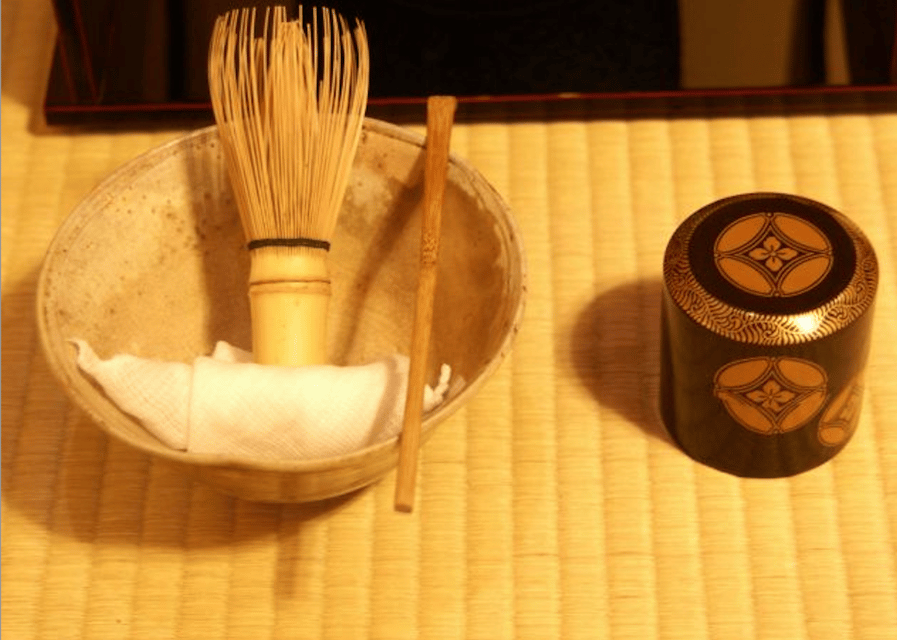
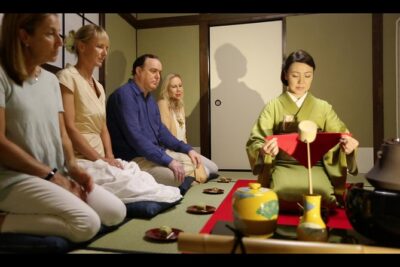
Once in the tea room, the instructor carefully teaches you how to make tea. The school provides the listed ceremony items, including a folding fan, paper, and toothpick, as well as the other tools referred to as fukusa scissors. If you own your own items, you may bring them, but there is no need to arrive equipped.
The session takes between 90 minutes and two hours. That range gives you a sensible planning window, though the exact length may vary. Avoid scheduling something immediately afterward; a little breathing room is more comfortable than watching the clock through the ceremony.
Why the four-person limit matters
With a maximum of four participants, this is a small-group lesson rather than a large, staged presentation. That makes it easier to follow an instructor’s demonstration and receive individual guidance while you practise. It also means the experience is likely to feel more personal than a group activity built around an audience.
The small size may suit families, too. The ceremony has been enjoyable and educational for children aged 11 and 14, so older children who can take part attentively may get a lot from it. The activity is beginner-friendly, but there is no stated minimum age, so check with the provider if you’re planning to bring younger children.
The instructor is Japanese, and the activity is listed as being in Japanese. No other language is specified. If you need instruction in another language, confirm whether that can be arranged before booking rather than assuming it will be available.
More tours and experiences in Tokyo:
- Mt Fuji and Hakone 1-Day Bus Tour Return by Bullet Train
★ 5.0 · 26,383 reviews - 1-Day Tokyo Bus Tour
★ 5.0 · 14,250 reviews - Tokyo: teamLab Planets TOKYO Digital Art Museum Entry Ticket
★ 4.6 · 9,779 reviews - Mt Fuji & Hakone Cruise, Drum Show Bullet Train 1 Day from Tokyo
★ 4.0 · 7,413 reviews
What the school’s history adds
The connection to the Kobori Enshu school and the third Tokugawa shogun gives the visit historical context without turning it into a museum tour. You’re learning about tea in a school that has carried out this teaching role, which can help the practice feel less like a set of decorative gestures and more like a disciplined tradition.
The instructor also shares some of the history behind the ceremony. Expect an educational element alongside the practical lesson, though no detailed lecture schedule is provided. If you’re interested in Japanese culture, this blend of doing and explanation is a strong reason to choose the activity over a brief tea presentation.
That history is also why the setting matters. The experience is not advertised as a sightseeing stop with multiple attractions; its focus is the tea lesson itself. If you want a quiet, specific cultural activity, that focus is a plus. If you’re looking for a broad introduction to Japanese history, this session is only one small piece.
The $56 question: what you’re paying for
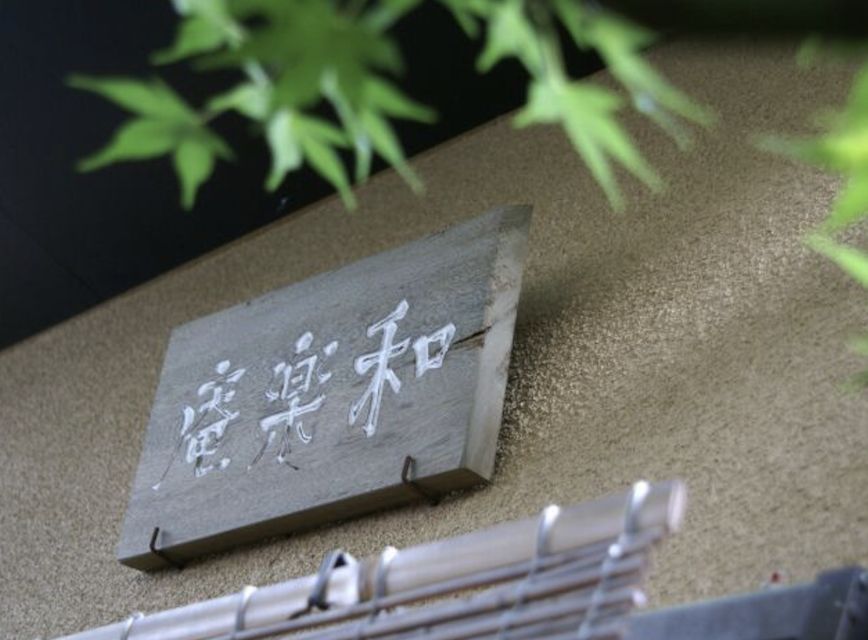
At $56 per person, the price covers the experience fee and tax. Japanese tea and traditional sweets are included in the courses, along with the instructor’s guidance and the use of provided ceremony items and tabi socks.
The value depends on what you want from the outing. You’re paying for a 90-minute to two-hour, hands-on lesson in a small group, in a school with a meaningful connection to tea instruction. That is a different proposition from paying for a drink alone. If you’re keen to learn the steps and understand some of the background, the time and attention can make the fee worthwhile.
Still, the price deserves a pause. One participant felt the cost was high compared with the average, so don’t treat it as a bargain activity. Consider whether the instruction, historic setting, and small group matter enough to you to justify the spend. If your main aim is simply to sample Japanese tea, this may be more ceremony than you need.
Finding Komaba Warakuan
Give yourself extra time to locate the school. People have reported difficulty finding the place, and better directions or clearer location pictures would help. That is the most useful practical warning to keep in mind before the day.
Check your route carefully before leaving and make sure you know what the entrance or meeting point looks like. The supplied details don’t give a street address or step-by-step directions, so I can’t name a specific route or nearby landmark. If the directions remain unclear, contact the provider rather than relying on a last-minute search.
The location has also been described as away from the main tourist areas. That may suit you if you want an activity outside the standard sightseeing circuit, but it makes preparation more important. Don’t assume you can find it at a glance once you reach the general area.
Who will get the most from this ceremony
I’d recommend Komaba Warakuan to anyone who wants to learn the basics of tea preparation in a setting with a real teaching history. It is especially well suited to first-timers, curious culture-minded visitors, and small groups who prefer guided participation to watching from a distance.
It can work for families with older children, too. The lesson has been engaging for children aged 11 and 14, but the quiet, structured format may not suit every child. Think about whether your child will enjoy listening, following instructions, and taking part in a traditional ceremony for up to two hours.
You may want to skip it if you have little interest in the preparation or history and only want a quick taste of tea. The length, price, and formal setting are all part of the package. For someone who wants a focused cultural lesson, those same features are the point.
Should you book it?
Book Komaba Warakuan if you want a small, instructor-led introduction to Japanese tea practice, with the chance to make tea yourself and learn about the school’s historical role. Choose rich tea for a quieter mood or light tea for a more conversational session, and leave room in your schedule for the full two hours.
Think twice if the price feels steep for a single activity or if you’d rather avoid the effort of finding a less obvious location. Check the route in advance, confirm any language needs with the provider, and decide whether the lesson matters more to you than simply drinking the tea. If it does, this is a thoughtful way to spend part of a day in Tokyo.
FAQ
How long does the tea ceremony take?
Allow 90 minutes to two hours. Starting times depend on availability.
How much does the experience cost?
The listed price is $56 per person. Tax is included.
What tea styles can I choose?
You can choose rich tea, described as quiet and contemplative, or light tea, described as brighter and more conversational.
Is this suitable for beginners?
Yes. The instructor teaches you how to make tea, and the activity is described as beginner-friendly.
What language is the instruction in?
The instructor is Japanese, and the activity language is listed as Japanese.
How many people can take part?
The small group is limited to four participants.
Are tea and sweets included?
Yes. The courses include Japanese tea and traditional sweets.
Do I need to bring tabi socks or ceremony items?
Tabi socks are provided, though you may bring your own. Ceremony items are also provided, and you may bring your own if you have them.
What is the cancellation policy?
You can cancel up to three days in advance for a full refund.
Freshly reviewed in Tokyo
- Tokyo: Toshimaya Sake Brewery Tour with Sake Tasting★ 5.0 · 6 reviews
- :Tokyo,Shibuya /Meiji Shrine tour in KIMONO/English-friendly★ 5.0 · 4 reviews
- Tokyo: Tour Privado por Tokio en español★ 4.3 · 4 reviews
- :Tokyo,Shibuya/ Pro Photography in Kimono / English-Friendly★ 5.0 · 26 reviews
- Tokyo:Samurai Training : Swords, Bushido & Mental Discipline★ 5.0 · 6 reviews
- Tokyo:Mt Fuji & Hakone Day Tour with English Speaking Driver★ 5.0 · 26 reviews
- Tokyo:Nikko UNESCO World Heritage Sites Private 1-Day Tour★ 3.8 · 6 reviews
- Tokyo/Ikebukuro Manga lesson by acitive pro-Manga artists★ 4.5 · 10 reviews
Tokyo Tea Ceremonies, compared.

Matcha Making Class in Tokyo with Authentic Japanese Sweets Set
Read our review →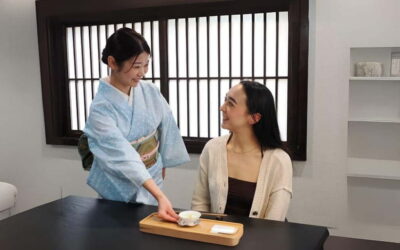
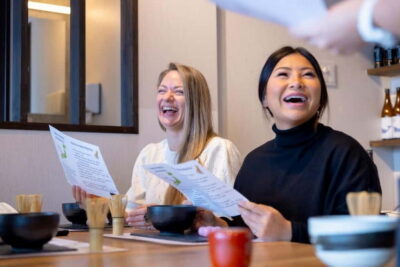
Matcha Making Experience with Mochi Sweets in Asakusa
Read our review →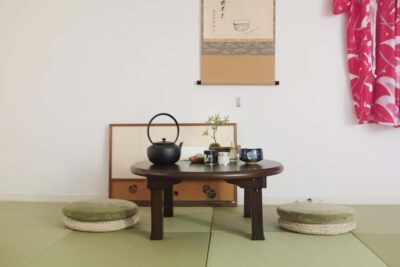
Tea Ceremony Workshop in Tokyo by the Experienced Instrucor
Read our review →
Make Traditional Nerikiri Sweets & Matcha experience in Shibuya
Read our review →Browse the lists this tour appears in