
Reviewed · TOKYO TEA CEREMONIES
Tokyo: Matcha Making Experience with Mochi Sweets in Asakusa
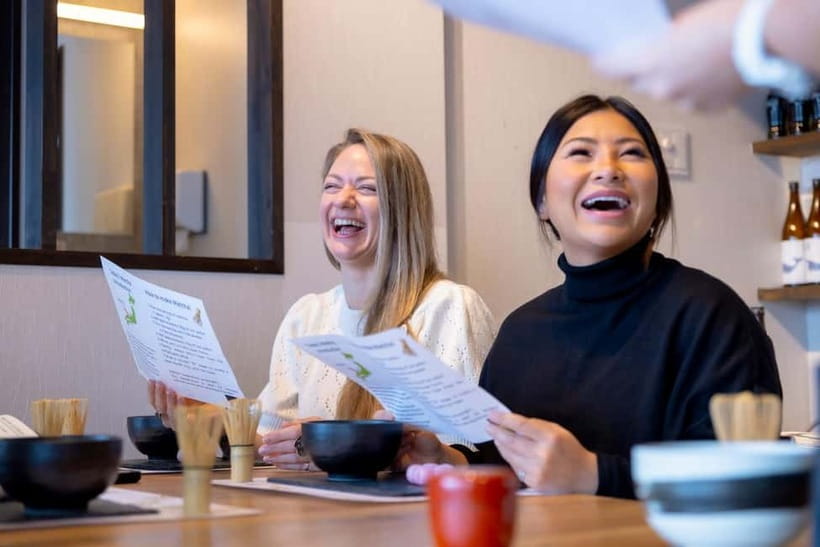
Matcha is more than a green drink here. In this one-hour class in Asakusa, you learn a little about its history and customs, then prepare your own cup with traditional tools and share it with Japanese sweets. The relaxed, English-language format makes this an easy way to add a hands-on cultural activity to a Tokyo day.
I like two things in particular: you get to make the matcha yourself, rather than just watch a demonstration, and the short quiz and friendly teaching keep the cultural background lively. The class costs $22, so it also fits neatly between bigger sights without taking half a day.
One consideration: this is a brief introduction, not a full-length tea ceremony or a meal. If you want an extended study of tea etiquette, you may want more; if you want a friendly, practical first lesson, an hour is just right.
What to know before you book
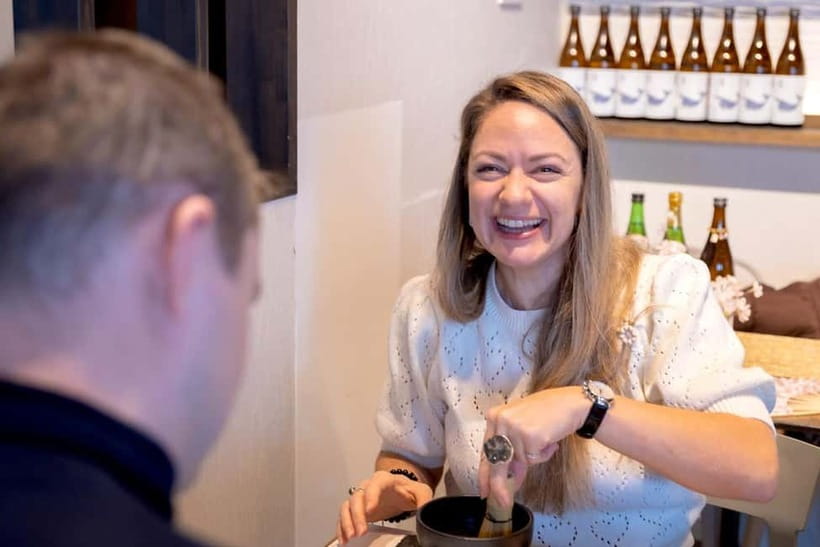
- You make your own matcha: The instructor demonstrates the process, then guides you as you prepare your tea with traditional tools.
- The history comes with a quiz: Expect a lighthearted, interactive introduction to matcha and Japanese tea customs.
- Sweets are part of the tasting: Your freshly made matcha is served with Japanese sweets, including mochi-style treats.
- English is the working language: Instructors such as Ken, Mana, Hayato, and Hiyo have led classes, though the specific teacher can vary.
- The setting is central Asakusa: The class meets on the sixth floor of the Relink KAMINARIMON building, about a minute from Asakusa Station.
- It’s a compact, seated activity: At one hour and $22 per person, it is easy to fit into a sightseeing day and does not require prior experience.
A small lesson in matcha, not a formal ceremony
This class gives you an approachable entry point into matcha. Rather than asking you to arrive with tea knowledge or ceremonial experience, the instructors explain the basics in clear English and keep the session interactive. That makes it a good fit if you’re curious about Japanese tea but unsure where to begin.
The tone is friendly and light. An introductory quiz helps bring the history to life without turning the hour into a lecture. The class also covers preparation and customs, so you leave with more than a taste of matcha: you have a better idea of how it is made and why the process matters.
Several instructors have been warmly named by people who took the class, including Ken, Mana, Hayato, Hiyo, Honoka, and Midori. The names are useful to know, but don’t assume any particular person will lead your session. What you can expect is English instruction and a welcoming, interactive approach.
More Asakusa tours in Tokyo:
- Tokyo: Japanese Dance Cabaret Theater Asakusa-Kaguwa Ticket
★ 4.8 · 2,270 reviews - Tokyo: Meiji Shrine, Asakusa, Skytree Bus Tour and Cruise
★ 4.7 · 1,986 reviews - Tokyo: Roll and Authentic Sushi Making Class in Asakusa
★ 4.9 · 1,957 reviews
From Asakusa Station to your seat
The meeting point is the Relink KAMINARIMON building, on the sixth floor, about a minute from Asakusa Station. That short walk makes the class convenient to pair with a day in Asakusa, though you’ll still want to check your booking information for the precise directions and start time.
The class is held indoors and is described as a seated activity. That is a practical plus if you don’t want to kneel for a traditional-style tea experience, or if you’ve already spent the day walking. It also means the focus stays on the lesson and the tasting, rather than on ceremony or a particular room setting.
Asakusa gives the activity a fitting neighborhood context. The area is known for its traditional Tokyo character and sits close to Tokyo Skytree, so you can combine the class with nearby sightseeing. The building itself is not presented as a historic tea house; think of it as a convenient place to learn about a tradition while you’re exploring an older part of the city.
The lesson begins with matcha’s story
The session starts with an introduction to matcha, including its origins and place in Japanese culture. The short quiz gives you a chance to join in rather than simply listen. You don’t need to study beforehand, and the format is designed to work for newcomers as well as people who already enjoy matcha.
This context is useful because the preparation can otherwise look like a simple matter of stirring powder into water. The class connects the technique to the customs around tea, giving you a few details to notice the next time you order matcha or see it served in Japan.
The hour is short, so expect a broad introduction rather than a deep historical survey. That’s a sensible trade-off for a hands-on activity you can fit between other plans. If you want a serious course on tea history, this will be too brief. If you want enough background to make the tasting more meaningful, it does the job.
Whisking your own bowl
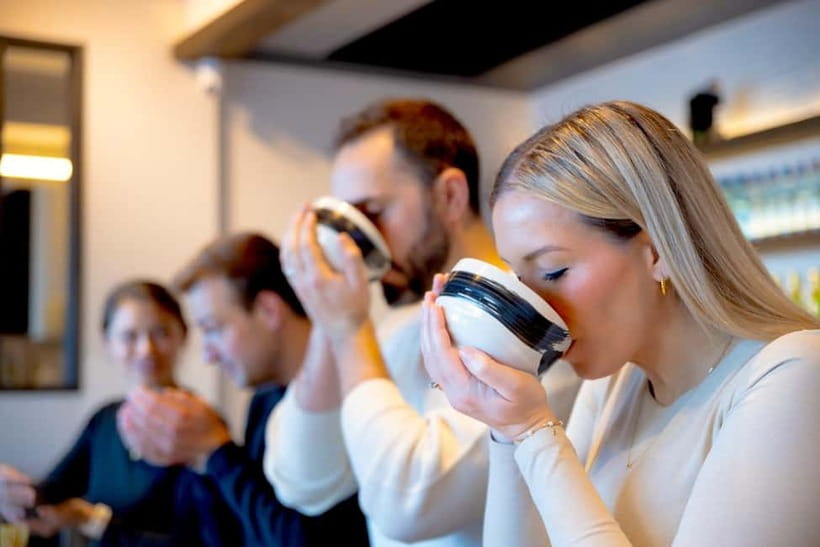
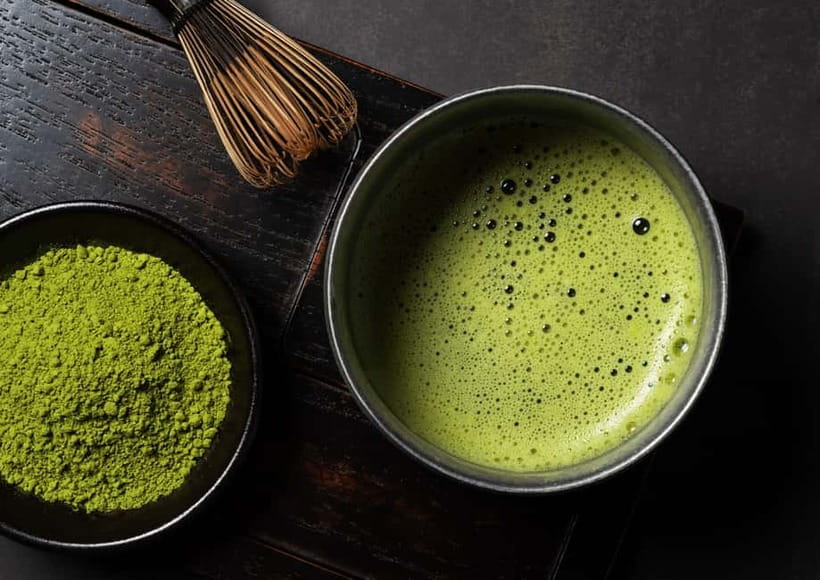
After the introduction, the instructor demonstrates how to prepare matcha with traditional tools. Then you follow along and make your own. No prior experience is needed, and the instructor is there to explain the steps and help you as you go.
This is the heart of the class. Watching someone make matcha can be pleasant, but doing it yourself gives you a better feel for the technique. You can see how the powder and water come together, try the whisking motion, and taste the result of your own work. It’s a simple skill, but one you can take home and repeat.
The teaching style matters here. Instructors are described as patient, clear, and playful, with room for questions and individual help. The names vary by session, but people have praised teachers such as Mana, Ken, and Hayato for keeping the lesson warm and engaging. The class is not a performance where you sit quietly at the edge; you take part.
The practical lesson is useful even if you’re not devoted to matcha. If you already drink it, you’ll learn a more considered way to prepare it. If you’re new to it, the class gives you a chance to taste matcha without needing to commit to buying equipment or a tin of tea first. Some sessions offer matcha-making equipment for purchase afterward, but that is not part of the included price.
More tea ceremonies in Tokyo:
- Matcha Making Class in Tokyo with Authentic Japanese Sweets Set
★ 5.0 · 744 reviews - Tokyo: Traditional Tea Ceremony with a Tea Master
★ 5.0 · 528 reviews - Tokyo: Matcha and Kimono Experience
★ 4.7 · 219 reviews - Tea Ceremony Workshop in Tokyo by the Experienced Instrucor
★ 5.0 · 189 reviews
Matcha and sweets at the table
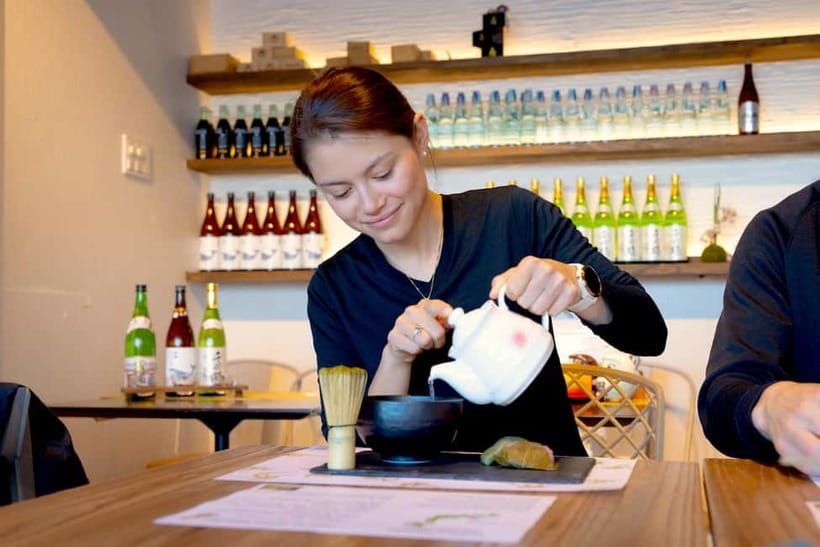
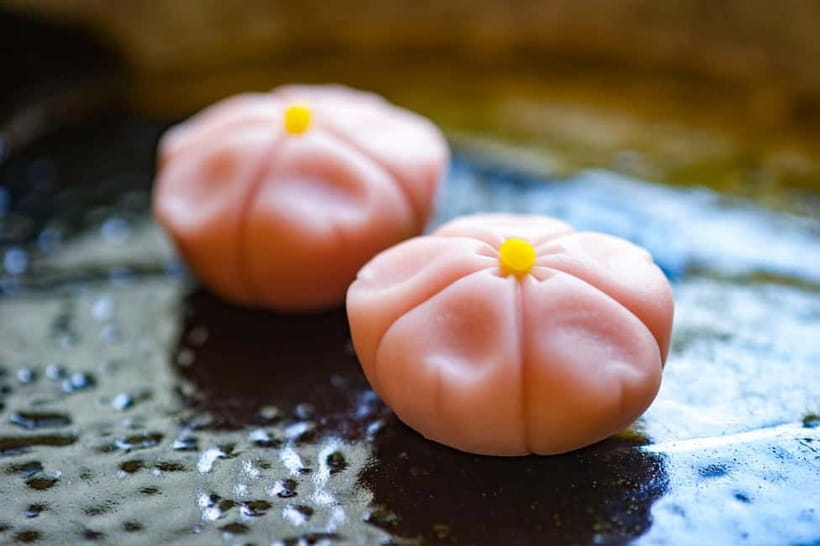
Once the preparation is done, you drink your matcha and eat Japanese sweets with the local staff. The sweets are an important part of the experience, not just a garnish. Their sweetness pairs with matcha’s more pronounced, unsweetened taste, helping you understand why the two are served together.
Don’t expect a full lunch. The activity includes ingredients for the class and a tasting, but it is not advertised as a meal. If you’re hungry, plan to eat before or after. That’s easy enough in Asakusa, where the class can be a pleasant pause in a longer day of sightseeing.
The tasting also gives you time to talk with the instructors and ask questions. People who come alone can share the activity with others, while families can prepare and taste together. The format is social without requiring you to arrive with a group. It’s a good way to meet people briefly, though the main point remains the tea lesson.
What $22 gets you
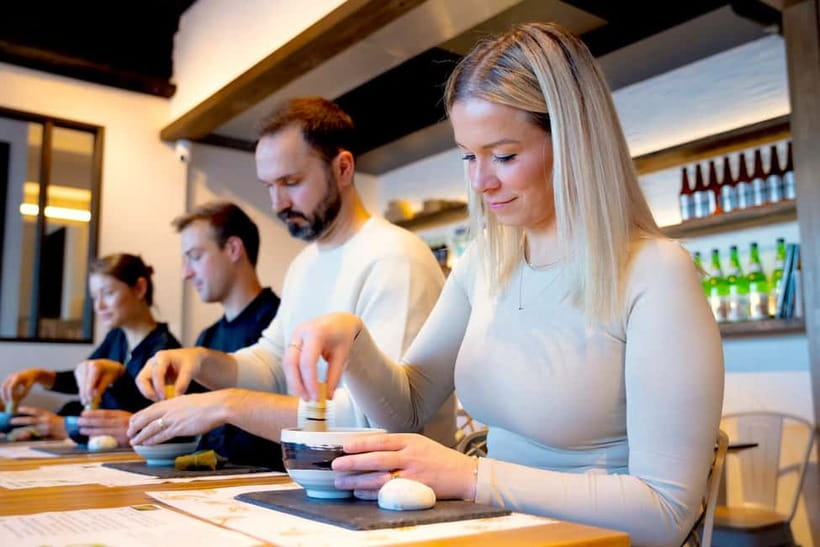
At $22 per person, the price covers a one-hour cooking class, ingredients, and an instructor. You’re paying for direct participation and explanation, not just a cup of tea. The value is strongest if you want an activity that teaches you something, gives you a taste, and fits into a packed Tokyo itinerary.
The short duration is a benefit for some and a limit for others. You can add the class without giving up most of a day, and the central location makes it straightforward to combine with Asakusa or Tokyo Skytree. On the other hand, the hour leaves little room for an extended ceremony or a detailed course on tea culture. Set your expectations accordingly.
The activity has a listed rating of 4.9 from 388 reviews. That high score fits the parts of the experience that matter most: clear explanations, personable instruction, hands-on practice, and a good matcha-and-sweets tasting. It is still a compact class, so the rating should not lead you to expect a grand tea-house setting or an elaborate meal.
Who will enjoy this class most
I’d recommend it to first-time visitors who want a simple, active introduction to Japanese tea culture. It also suits matcha drinkers who would like to learn how to prepare it themselves, solo visitors looking for a friendly group activity, and families seeking something more participatory than another museum stop.
The seated format is a useful detail for families and anyone who would rather not kneel. Children have enjoyed the class, and the quiz gives younger participants a way to stay involved. Still, the activity is educational as well as social, so it works best if everyone in your group is willing to listen, try the technique, and taste the tea.
You don’t need to be a matcha fan to take part. The class is a low-pressure way to find out what the drink is like when freshly prepared, and to learn why it is served with sweets. If you already dislike matcha’s distinctive taste, the tasting may not change your mind, but the preparation and cultural background can still be interesting.
A few practical details for your Tokyo day
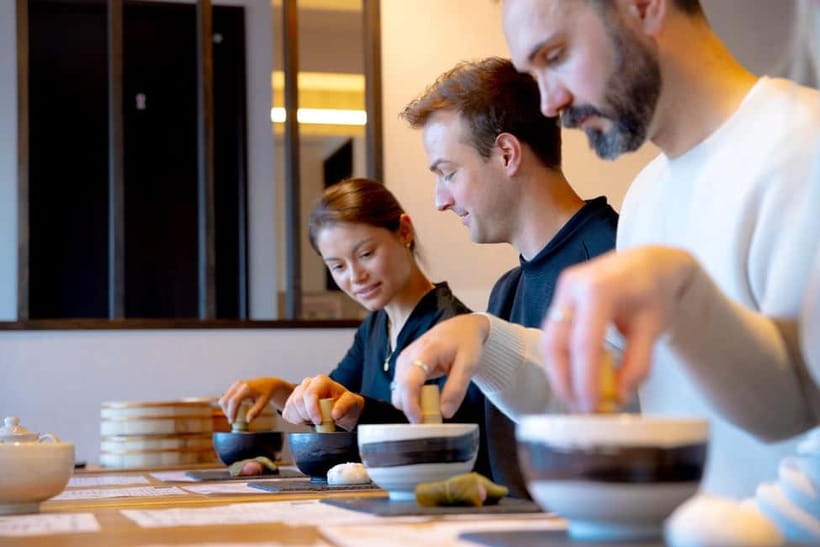
The class is in English, and no previous matcha-making experience is required. Groups and solo participants are welcome. The instructor, tools, and ingredients are included; hotel pickup and drop-off are not.
The venue is listed as a minute from Asakusa Station, at Relink KAMINARIMON, sixth floor. The coordinates are 35.710774, 139.7956532. Use the building name and floor as well as the map location when you head there, since the class is not a street-level storefront.
Starting times depend on availability, so check the time that suits your sightseeing plans. The booking allows you to reserve without paying immediately, and cancellation up to 24 hours in advance qualifies for a full refund. Those terms are handy if your Tokyo schedule is still taking shape.
Should you book the Asakusa matcha class?
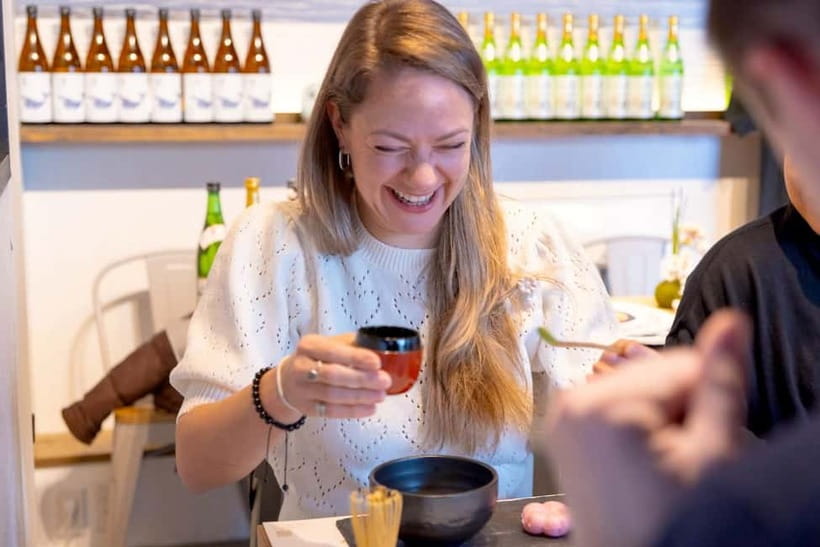
Book it if you want to do more than order matcha at a café. In an hour, you get a short cultural introduction, an interactive quiz, guided practice with traditional tools, and a tasting with Japanese sweets. The English-language instruction and central location make it an easy addition to an Asakusa day.
Skip it if you’re seeking a long, formal tea ceremony, a substantial meal, or an in-depth course. For a friendly first lesson at $22, though, it offers a solid mix of hands-on learning and local flavor without asking for much of your day.
FAQ
How long is the matcha-making experience?
The class lasts one hour. Check availability for the starting times offered on your date.
How much does the class cost?
The listed price is $22 per person.
Where does the class meet?
It meets at Relink KAMINARIMON building, sixth floor, about one minute from Asakusa Station. The coordinates are 35.710774, 139.7956532.
Is the class taught in English?
Yes. English-speaking instructors lead the class.
Do I need experience making matcha?
No. The instructors guide beginners through the preparation.
What happens during the class?
You learn about matcha and its history, take part in an interactive quiz, watch a preparation demonstration, and make your own matcha with traditional tools.
Are sweets included?
Yes. You drink your matcha with Japanese sweets, including mochi-style sweets.
Is the class suitable for solo participants?
Yes. Solo participants and groups are both welcome.
Is hotel pickup included?
No. Hotel pickup and drop-off are not included.
Can I cancel my booking?
You can cancel up to 24 hours in advance for a full refund. Booking also offers a reserve-now, pay-later option.
More dessert tours in Tokyo
- Make Traditional Nerikiri Sweets & Matcha experience in Shibuya
★ 5.0 · 130 reviews - Private Mochi Sweets Making class near Shibuya area
★ 5.0 · 93 reviews - Japanese Traditional Sweets making and Tea Ceremony
★ 4.7 · 50 reviews - Tokyo: Two Types of Japanese Sweets Making and Tea Ceremony
★ 4.6 · 26 reviews
Freshly reviewed in Tokyo
- Tokyo: Toshimaya Sake Brewery Tour with Sake Tasting★ 5.0 · 6 reviews
- :Tokyo,Shibuya /Meiji Shrine tour in KIMONO/English-friendly★ 5.0 · 4 reviews
- Tokyo: Tour Privado por Tokio en español★ 4.3 · 4 reviews
- Tokyo:Tea ceremony experience at Komaba Warakuan★ 4.8 · 9 reviews
- :Tokyo,Shibuya/ Pro Photography in Kimono / English-Friendly★ 5.0 · 26 reviews
- Tokyo:Samurai Training : Swords, Bushido & Mental Discipline★ 5.0 · 6 reviews
- Tokyo:Mt Fuji & Hakone Day Tour with English Speaking Driver★ 5.0 · 26 reviews
- Tokyo:Nikko UNESCO World Heritage Sites Private 1-Day Tour★ 3.8 · 6 reviews
Tokyo Tea Ceremonies, compared.
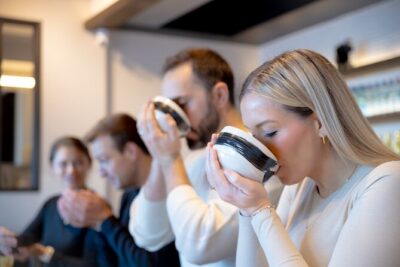
Matcha Making Class in Tokyo with Authentic Japanese Sweets Set
Read our review →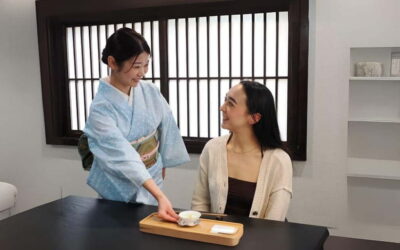
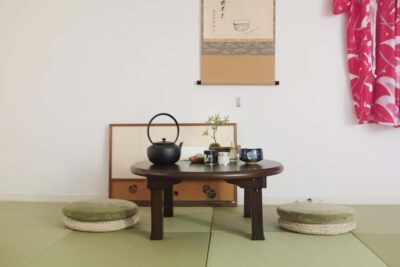
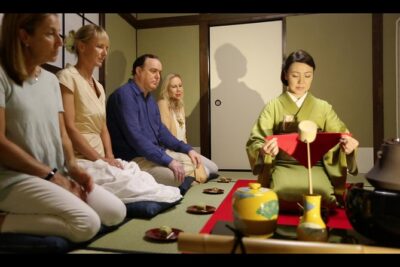
Tea Ceremony Workshop in Tokyo by the Experienced Instrucor
Read our review →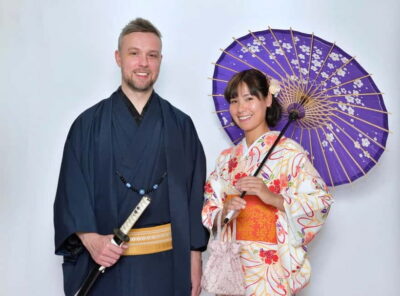
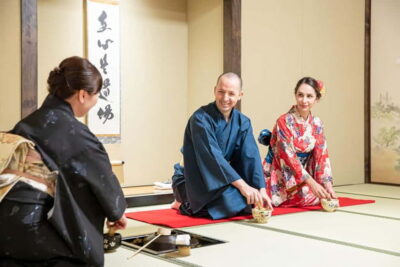
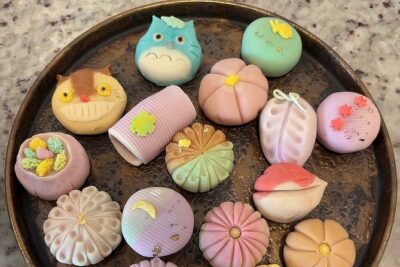
Make Traditional Nerikiri Sweets & Matcha experience in Shibuya
Read our review →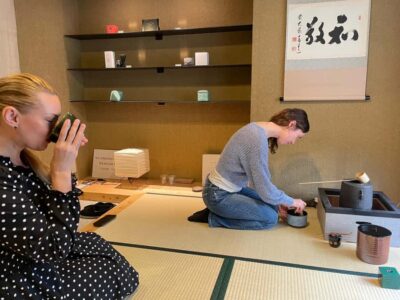
Tea Ceremony Experience in a Private Tea Room in Shibuya
Read our review →Browse the lists this tour appears in