

Reviewed · SHIBUYA TOURS
Private Mochi Sweets Making class near Shibuya area
Mochi is more than a chewy sweet to sample between sightseeing stops. In Sangenjaya, Sakura teaches you to make fruit daifuku and dango in her home, then serves your handiwork with tea. The small class turns a familiar Japanese treat into a chance to learn by doing.
I like two things in particular: you make the sweets yourself rather than watching a demonstration, and Sakura connects the recipes to mochi’s cultural role. The eight-person limit also leaves room for individual guidance, which matters when your hands are busy and the dough needs attention.
One consideration: this is a home-based class, not a formal studio. The venue is upstairs, reached by stairs, and Sakura has a dog, so it is not a good fit if you have a dog allergy.
What makes this class worth considering
- Make fruit daifuku and dango by hand, with Sakura guiding the process.
- Hear how mochi fits into Japanese life, alongside traditional recipes and practical cooking tips.
- Eat what you make with green tea or matcha, with decaffeinated black tea available if you prefer to avoid caffeine.
- Learn in a local home in Sangenjaya, rather than in a restaurant or demonstration kitchen.
- Keep the group small, with a maximum of eight people, and take any remaining sweets away in a provided bag.
Making mochi in Sakura’s Sangenjaya home
The central appeal here is the setting. Sakura hosts the class in her own home in Sangenjaya, a Tokyo neighborhood near Shibuya, so the lesson gives you a look at everyday hospitality as well as a practical introduction to Japanese sweets.
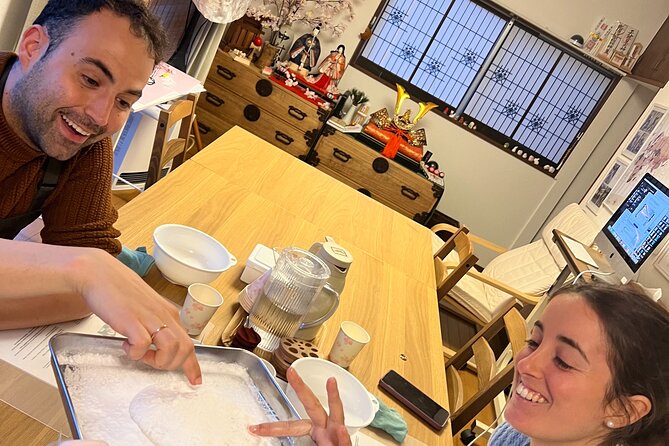
That personal setting changes the pace. You are not sitting in a row while someone else does the cooking. Sakura guides you through the work, and you take part in shaping and cooking the sweets yourself. The class is designed for beginners, and the small group size gives her room to help each person follow the steps.
Sakura has taught more than 1,000 people from over 35 countries and has also been invited to Switzerland as a guest instructor. She is used to welcoming international visitors, and English-language communication has been praised by participants. That can make a difference when you want to ask questions about a recipe or the meaning behind a sweet.
The home setting also comes with practical details. The activity is on the second floor, so you need to climb stairs. Sakura has a dog in the house, which makes the class a poor choice if you have a dog allergy.
More Shibuya tours in Tokyo:
- Official Street Go-Kart in Shibuya
★ 5.0 · 3,435 reviews - Tokyo: Street Kart Experience in Shibuya
★ 4.9 · 1,484 reviews - Shibuya Meltdown Nightlife Tour: All-You-Can-Drink Bar Hopping
★ 5.0 · 1,058 reviews
From cultural introduction to handmade sweets
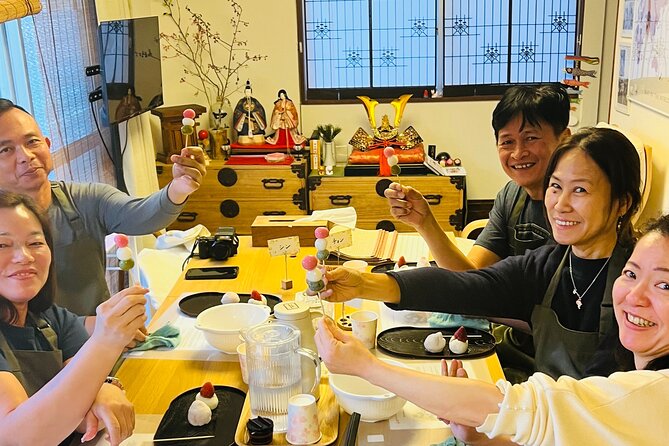
The class lasts about two hours. It begins with an introduction to mochi and its cultural significance, then moves into the hands-on work of making sweets. The cultural context helps explain why these foods are more than a cooking project: mochi appears in Japanese traditions and everyday life, and learning about those connections gives the recipe a wider meaning.
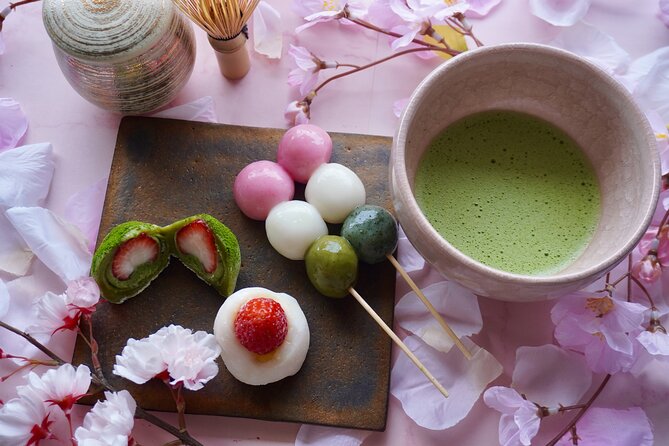
The main sweets are fruit daifuku and dango. Daifuku pairs soft mochi with a filling, while dango is made by shaping dough into small pieces and cooking them. The exact rhythm of the lesson depends on the instructor and the group, but you can expect to do the work yourself rather than simply observe.
A few participants have described making more than one type of daifuku and dango, and some sessions have included matcha preparation or a dango haiku. These details may vary, so treat them as possible extras rather than guaranteed parts of every class. The core promise is hands-on mochi and dango making, cultural explanation, and a chance to eat your results.
The sweets are described as containing no gluten, alcohol, or additives. If you have food allergies or dietary needs, it is sensible to ask about ingredients before booking rather than assume that every component suits you.
A small group makes the lesson more personal
The class has a maximum of eight participants. That is small enough to make questions and individual help practical, while still allowing families or friends to take part together. Some sessions may be much smaller: a couple, for example, may find themselves as the only participants.
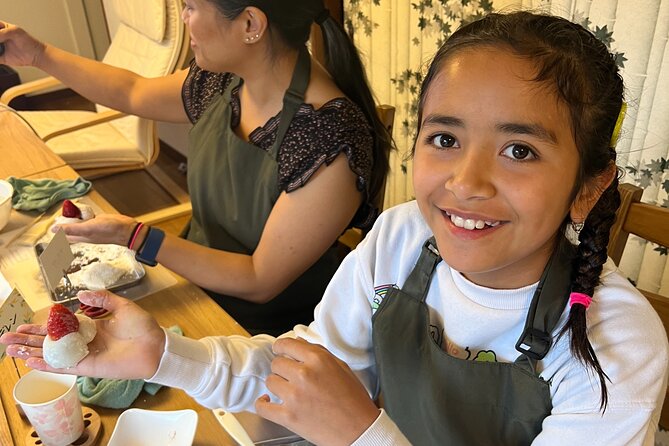
Sakura is also a parent and is described as patient with children. Families with school-age children and teenagers have enjoyed the activity, and the teaching approach is gentle rather than hurried. It can be a welcome change from a day built around long walks, shops, and crowded attractions.
Still, this is a cooking lesson, not a play space. Young children need to be comfortable listening and taking part in a guided activity. If you are booking for a family, consider whether two hours of food preparation and cultural explanation will hold your child’s interest.
The small-group format also means the class may feel quite different from a large commercial cooking school. You get a more personal exchange with Sakura, but the experience is centered on her home and teaching style. If you prefer a polished studio environment or a large menu of dishes, this may not be your ideal class.
Tea, tasting, and a useful take-home bag
After the cooking, you sit down to taste the sweets you have made. Japanese green tea or matcha is served, and decaffeinated black tea is available if you do not want caffeine. The tea gives you a simple pairing and a pause to enjoy the result rather than rushing straight back out.
A take-out bag is included, which is handy if you have made more than you can eat in one sitting. You may find that you do not need it: families have happily finished their sweets on the spot. But having a way to carry leftovers is a thoughtful touch, especially if you are heading back to your hotel.
Aprons are available to rent. Coffee or tea is included, but bottled water, brunch, soda, and alcoholic drinks are not. This is a sweets class, not a meal, so plan lunch or dinner separately if you will be hungry afterward.
More cooking classes in Tokyo:
- Sushi Making Tokyo Roll and Authentic Japanese Sushi Class
★ 5.0 · 3,971 reviews - Tokyo: Roll and Authentic Sushi Making Class in Asakusa
★ 4.9 · 1,957 reviews - Tokyo Shinjuku Chopsticks Making Class
★ 5.0 · 1,763 reviews - Tokyo: Sushi Making Class in a Happi Coat near a Famous Spot
★ 4.9 · 1,377 reviews
Why the $79.28 price can make sense
At $79.28 per person, this is not the cheapest way to taste mochi in Tokyo. You can buy sweets in shops for much less. The value is in the two-hour lesson, the chance to make daifuku and dango yourself, the cultural explanation, and the personal home setting.
Tea and a take-out bag are included, and the class is capped at eight. Those details make the price easier to justify if you want a participatory activity rather than a quick snack. It may be especially worthwhile for families, couples, or curious cooks who would enjoy learning a recipe they can try again at home.
The recipes use ingredients that can be found outside Japan, according to a participant who made the sweets with colleagues from several countries. That makes the class more useful than a one-off tasting: you may be able to recreate the experience once you return home. The instructor’s guidance and tips are part of the value, not just the ingredients on the table.
Group discounts are available, though the discount amount is not specified. If you are booking for a group, check the current price rather than assuming how much you will save.
Getting to the meeting point and planning your visit
The meeting point is at 1-chōme-11-13 Sangenjaya, Setagaya City, Tokyo 154-0024. The class ends back there, so there is no separate drop-off or transport to arrange. The venue is near public transportation, and the neighborhood itself can make a pleasant place to explore before or after the lesson.
Private transportation is not included. You will need to make your own way to the meeting point, and the activity does not include a meal or bottled water. Confirmation is provided within 48 hours of booking, subject to availability, so avoid building a tight connection around an unconfirmed reservation.
The class is approximately two hours, making it easy to fit into a Tokyo itinerary without giving up an entire day. It could work well as a slower morning or afternoon activity, especially if you want a break from major sights and a more local setting.
The experience requires a minimum number of participants. If that minimum is not met, you may be offered another date or experience, or a refund. Poor weather can also lead to a rescheduled date or refund. Free cancellation is available up to 24 hours before the start time; changes or cancellations inside that window are not accepted for a refund.
Who will get the most from this mochi class
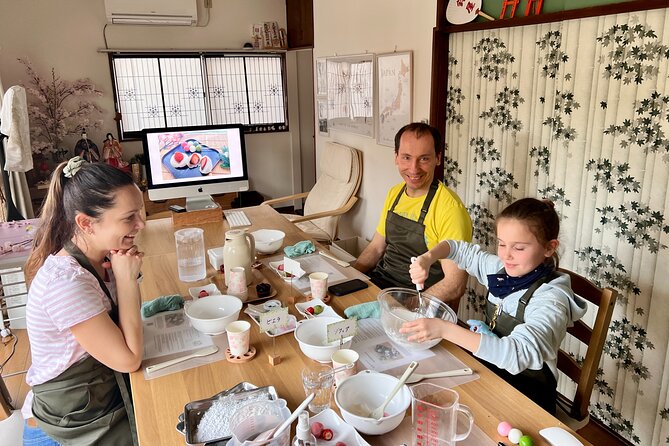
This class suits you if you enjoy learning a food’s story as much as eating it. It is a good match for families with children who like hands-on activities, couples looking for a shared experience, and anyone who wants a more personal introduction to Japanese sweets than a shop visit can offer.
It also makes sense if you are curious about Japanese home life. Sakura welcomes you into her home, and the lesson combines cooking with conversation about mochi’s place in culture. The result is a compact activity with both a practical skill and a human connection.
You may want to skip it if you have a dog allergy, cannot manage the stairs, or are looking for a full meal. It is also less compelling if you only want to taste sweets and have little interest in making them. The best reason to book is the chance to shape, cook, and share the sweets yourself.
Should you book Sakura’s mochi class?
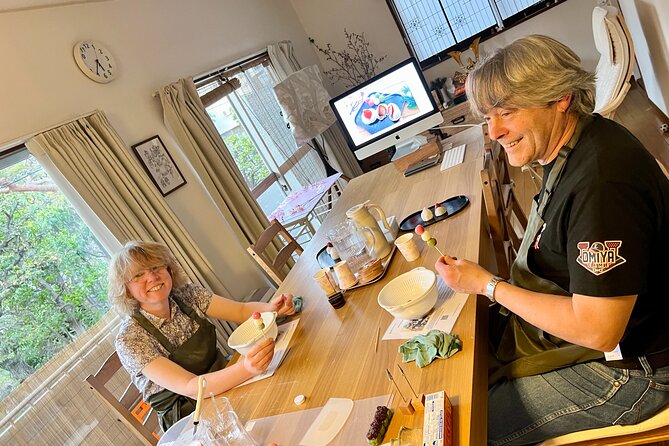
Book it if you want a friendly, hands-on food activity with more substance than a quick cooking demonstration. Sakura’s home setting, patient instruction, small group, and cultural introduction make this a particularly appealing choice for families and curious first-time cooks.
At this price, you are paying for teaching and time with a local host, not simply a plate of mochi. Check the stair access, dog allergy note, and current group discount before booking. If those details suit you, this is a thoughtful way to spend two hours in Tokyo and leave with new skills, a taste of your own work, and perhaps a recipe to try at home.
FAQ
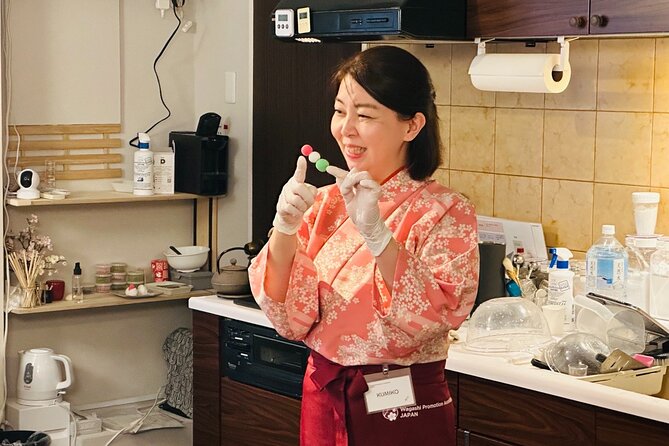
How long is the mochi-making class?
The class lasts approximately two hours.
Where does the class take place?
It takes place in Sakura’s home at 1-chōme-11-13 Sangenjaya, Setagaya City, Tokyo. The activity ends at the same meeting point.
What sweets will I learn to make?
The class teaches you to make fruit daifuku and dango by hand.
Are drinks included?
Yes. Japanese green tea or matcha is served. Decaffeinated black tea is available if you prefer to avoid caffeine.
Is the class suitable for children?
Yes. Sakura is experienced teaching children, and families with children and teenagers have taken part. The class is a guided, hands-on activity.
Are there any access or allergy concerns?
The venue is on the second floor and requires climbing stairs. Sakura has a dog in her home, so the class is not recommended for people with a dog allergy.
What is the cancellation policy?
You can cancel at least 24 hours before the start time for a full refund. Cancellations or changes made less than 24 hours in advance are not accepted for a refund.
More hands-on workshops in Tokyo
- Chopstick Making Workshop in Ginza
★ 4.8 · 1,366 reviews - Tokyo Sushi Making Class in Tsukiji with Professional Chef
★ 5.0 · 1,177 reviews - Ramen & Gyoza Cooking Class in Tokyo with Local Supermarket Visit
★ 5.0 · 823 reviews - Tokyo: Samurai Sword & Archery Class from Samurai Descendant
★ 5.0 · 603 reviews
More dessert tours in Tokyo
- Matcha Making Class in Tokyo with Authentic Japanese Sweets Set
★ 5.0 · 744 reviews - Tokyo: Matcha Making Experience with Mochi Sweets in Asakusa
★ 4.9 · 388 reviews - Make Traditional Nerikiri Sweets & Matcha experience in Shibuya
★ 5.0 · 130 reviews - Japanese Traditional Sweets making and Tea Ceremony
★ 4.7 · 50 reviews
Freshly reviewed in Tokyo
- Tokyo: Toshimaya Sake Brewery Tour with Sake Tasting★ 5.0 · 6 reviews
- :Tokyo,Shibuya /Meiji Shrine tour in KIMONO/English-friendly★ 5.0 · 4 reviews
- Tokyo: Tour Privado por Tokio en español★ 4.3 · 4 reviews
- Tokyo:Tea ceremony experience at Komaba Warakuan★ 4.8 · 9 reviews
- :Tokyo,Shibuya/ Pro Photography in Kimono / English-Friendly★ 5.0 · 26 reviews
- Tokyo:Samurai Training : Swords, Bushido & Mental Discipline★ 5.0 · 6 reviews
- Tokyo:Mt Fuji & Hakone Day Tour with English Speaking Driver★ 5.0 · 26 reviews
- Tokyo:Nikko UNESCO World Heritage Sites Private 1-Day Tour★ 3.8 · 6 reviews
Shibuya Tours, compared.


Shibuya Meltdown Nightlife Tour: All-You-Can-Drink Bar Hopping
Read our review →



Premium Go-Kart Tour with Tower & Shibuya Crossing
Read our review →
Japanese Speaking Experience Meet the locals Friend Cafe Shibuya
Read our review →Browse the lists this tour appears in