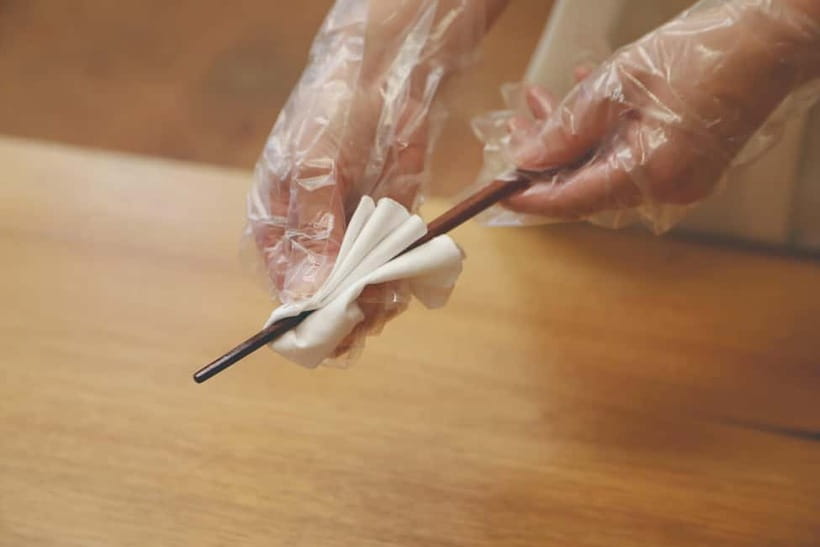
Reviewed · TOKYO TOURS
Chopstick Making Workshop in Ginza
In the heart of Ginza, you can turn a block of wood into something you’ll use at home: a pair of chopsticks shaped by your own hands. I like the choice of 24 woods and two lengths, and I like that the work is real hand planing and sanding, not a quick craft kit. Staff guide you through each step, and you can add an engraved name or phrase.
One thing to know before booking: planing takes some strength and patience, especially with harder woods. The class is listed as one hour, but careful sanding can take longer, and a busy session may mean you need to wait for help.
At a glance
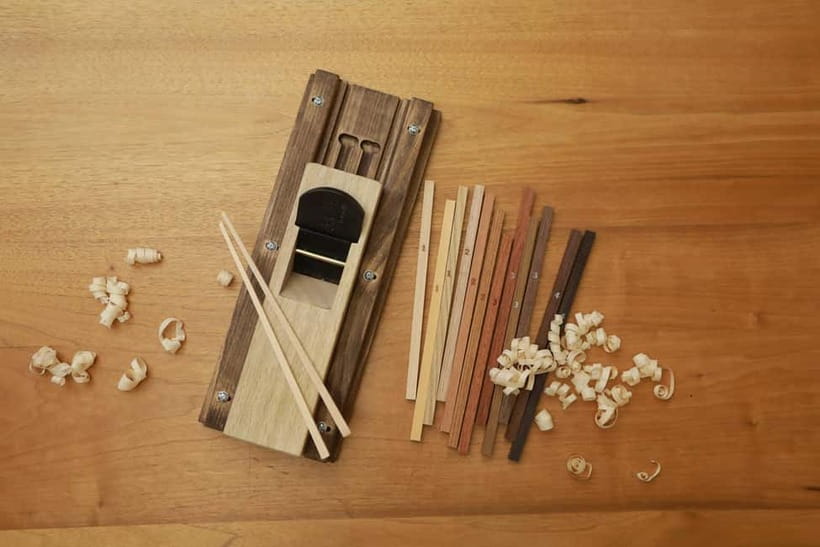
- Choose your wood: Pick from 24 types, with five included in the base price and 19 higher-grade choices that cost extra.
- Use hand tools: Shape the wood with a plane, then smooth the tips and corners with sandpaper.
- Make a useful keepsake: Take your finished chopsticks home the same day.
- Add a personal mark: Engraving is optional and costs an additional ¥1,100 per pair.
- Get English-language help: Instructors speak English and Japanese, and the ¥1,000 guide fee is included in the experience price.
- Allow for effort: The task is beginner-friendly, but shaving wood by hand can work your arms.
Choosing wood is part of the craft
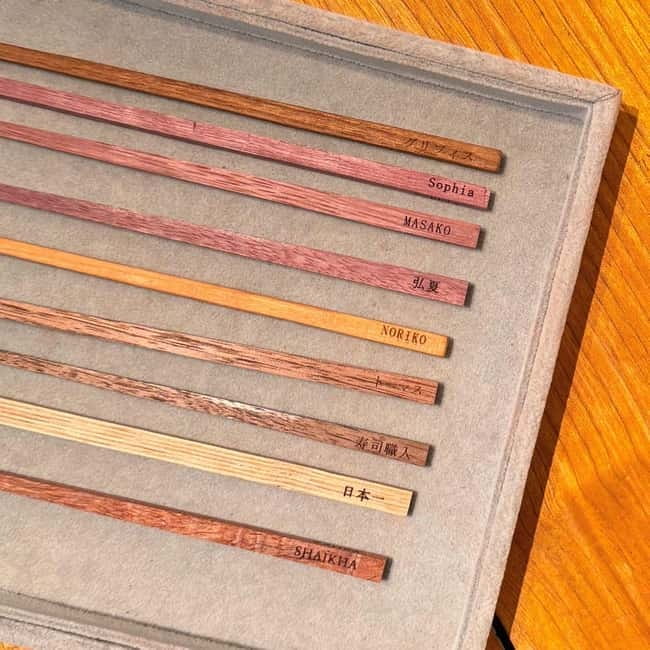
The workshop begins with a choice that’s more than a color or pattern. You select from 24 wood types and two lengths, and the material affects both the look of the finished pair and how much effort it takes to shape them.
Five wood types are included in the $25 experience price. The other 19 are higher-grade options and carry an extra charge. The exact upgrade prices aren’t specified here, so ask before settling on a wood if you want to keep your total close to the base price. It’s a useful question to raise at the start, not when you’re ready to pay.
The difference in work can be noticeable. Olive wood, for example, proved tough for one participant to plane, while other woods felt easier to shape. If you want a relaxed first go, ask the instructor which included woods are easiest to work. If you enjoy a hands-on challenge, a harder or upgraded wood may add to the satisfaction, but don’t choose one just for its price tag or name.
You’ll also choose between two lengths. The available information doesn’t give the exact measurements, so check with the staff if you have a strong preference. The wood selection is handled by the woodworking company that runs the workshop, which processes its materials in-house and offers woods you may not find in an ordinary souvenir shop. That focus on material gives the class a more grounded feel than simply decorating a ready-made pair.
More hands-on workshops in Tokyo:
- Sushi Making Tokyo Roll and Authentic Japanese Sushi Class
★ 5.0 · 3,971 reviews - Tokyo: Roll and Authentic Sushi Making Class in Asakusa
★ 4.9 · 1,957 reviews - Tokyo Shinjuku Chopsticks Making Class
★ 5.0 · 1,763 reviews
Planing: the part that feels like woodworking
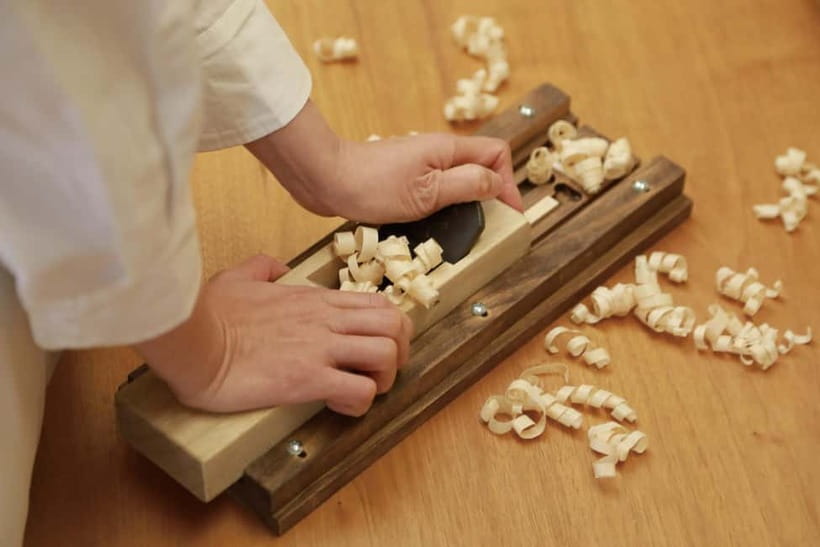
Once you’ve chosen your wood, you place the chopsticks on a stand and begin shaping them with a plane. The instructor demonstrates the motion and explains how to remove wood gradually. You’re not operating electric machinery; the work is done by hand, with each pass changing the shape a little.
This is where the class earns its keep. The task asks you to pay attention, apply pressure, and keep the chopsticks even. Several people found that the planing required more strength than they expected, especially at first. It’s not a reason to avoid the workshop, but it’s worth knowing that this is hands-on work rather than a sit-back-and-watch demonstration.
Take the instructions slowly. If you’re unsure which side to plane or how the chopstick should sit, ask for help instead of guessing. The instructors can assist in English or Japanese, and their patience is one of the best reasons to try this as a beginner. Some sessions can be busy, so a clear question helps you get the right guidance when you need it.
The process is simple to follow, but simple doesn’t mean effortless. That small gap between knowing what to do and making your hands do it is part of the fun. You’re not just picking up a souvenir; you’re shaping it.
Sanding and finishing the pair
After planing, you use sandpaper to smooth the tips and corners. This is the slower, more exacting stage. You can refine the feel of the chopsticks in your hands and work toward a clean finish, but it takes patience to make both pieces look and feel alike.
The one-hour duration gives you a useful guide, not a promise that every pair will be finished at the same pace. Many people complete the activity in about an hour, and some have been allowed extra time when they wanted to keep sanding. Don’t count on an extension, though, especially if the class is full or you’re making more than one pair. If precise finishing matters to you, leave room in your schedule afterward.
Once the sanding is done, you apply oil to finish the wood. It gives the chopsticks a polished look and completes the making process. You can take the finished pair home that day, so there’s no need to return later to collect it.
Engraving that makes the souvenir yours
You can have your name or a favorite phrase engraved in Japanese or your own language. The extra charge is ¥1,100 per pair. A high-performance laser engraves the wording, and staff can help translate a name or phrase into Japanese if you’d like a more local touch.
Engraving is optional, not part of the $25 starting price. If you’re making a pair for yourself and one for someone else, budget for the additional fee on each pair you want engraved. It’s a small detail that can make the chopsticks feel less like a craft project and more like a personal memento, especially if you’re giving them as a gift.
The finished pair is meant to be used, not just displayed. That’s a practical advantage over many travel keepsakes: you can bring a piece of the workshop into ordinary meals at home. Still, treat the activity as a chance to make something personal, not as a way to buy chopsticks cheaply. Store-bought ones will cost less; the point here is that you shaped your own.
More tours and experiences in Tokyo:
- Mt Fuji and Hakone 1-Day Bus Tour Return by Bullet Train
★ 5.0 · 26,383 reviews - 1-Day Tokyo Bus Tour
★ 5.0 · 14,250 reviews - Tokyo: teamLab Planets TOKYO Digital Art Museum Entry Ticket
★ 4.6 · 9,779 reviews - Mt Fuji & Hakone Cruise, Drum Show Bullet Train 1 Day from Tokyo
★ 4.0 · 7,413 reviews
Friendly instruction, with a note about busy sessions
English-speaking staff are on hand throughout the class, and the instruction is designed for beginners. You’re shown each stage, then supported as you work. Names mentioned by people who took the class include Tina, Kotoha, Shion, Koko, and Waka. Staff names and who is teaching will vary by session, but the helpful, patient instruction is a consistent strength.
At a quiet pace, the workshop can feel calm and focused. At full capacity, the room may feel tighter, and instructors may be helping several people at different stages at once. If you tend to need close, continuous coaching, consider that possibility. You’ll still have English-language support, but you may need to ask for attention rather than expect an instructor beside you every moment.
The activity has worked for families with children, but the stated age guidance says it is not suitable for children under three or people over 70. Because family experiences can vary, check the age conditions before booking if someone in your group falls near those limits. Planing also needs some physical effort, so take that into account when deciding who will enjoy the hands-on part.
Is $25 good value?
At $25 per person, the base price includes the workshop, tools and materials, English-speaking staff, and a pair of chopsticks you make yourself. The guide fee of ¥1,000 is included. For an hour of instruction and a usable keepsake, that’s a fair price, particularly if you enjoy making things rather than shopping for them.
The final bill can rise if you choose one of the 19 upgraded woods or add engraving. Those extras may be worth it if a particular wood appeals to you or you want a personalized gift, but they aren’t required to complete the experience. Ask about the cost of your chosen wood before you begin so there are no surprises.
This is a better value for someone who wants the process as much as the object. If your priority is simply to bring home inexpensive chopsticks, you can buy a pair without spending an hour planing and sanding. But if you like the idea of making a practical item from raw wood, the workshop gives you both a small skill-building experience and a souvenir with a story attached.
Getting to the Ginza workshop
The meeting point is 2-9-13 Ginza, Chuo-ku, Tokyo. Check the address carefully before setting out. It’s easy to go to the wrong place if you rely on an old map or a search result rather than the exact meeting-point details.
The activity lasts about one hour, and starting times depend on availability. It’s wheelchair accessible, and instruction is offered in English and Japanese. You can reserve now and pay later, and cancellations made at least 24 hours in advance qualify for a full refund.
Should you book it?
Book this workshop if you want a short, hands-on break in Ginza and like the idea of taking home something you made and can use. It suits curious beginners, couples, and families with children who meet the stated age guidance. You don’t need woodworking experience, but you should be ready to use your hands and give the shaping process your attention.
Skip it if you’re looking for a passive cultural demonstration, have very little time, or want the cheapest possible pair of chopsticks. If you do book, decide how much you’re comfortable spending on wood and engraving, ask about upgrade prices early, and leave a little breathing room after the class. That gives you time to finish carefully instead of rushing the last few strokes.
FAQ
How long does the chopstick-making workshop last?
The activity is listed as one hour. Some people may need longer for careful sanding, but extra time is not guaranteed.
Where is the meeting point?
Meet at 2-9-13 Ginza, Chuo-ku, Tokyo. Check the address closely before you go.
What languages do the instructors speak?
Instruction is available in English and Japanese.
How many types of wood can I choose from?
There are 24 types of wood and two lengths. Five wood types are included in the base price; the remaining 19 are higher-grade options that cost extra.
Is engraving included in the price?
No. Name or phrase engraving is optional and costs an additional ¥1,100 per pair. You can request Japanese or your native language.
Can I take my chopsticks home the same day?
Yes. You can take your finished chopsticks home on the day of the workshop.
Is the workshop suitable for young children and older adults?
The activity is listed as not suitable for children under three or people over 70. It is wheelchair accessible.
Freshly reviewed in Tokyo
- Tokyo: Toshimaya Sake Brewery Tour with Sake Tasting★ 5.0 · 6 reviews
- :Tokyo,Shibuya /Meiji Shrine tour in KIMONO/English-friendly★ 5.0 · 4 reviews
- Tokyo: Tour Privado por Tokio en español★ 4.3 · 4 reviews
- Tokyo:Tea ceremony experience at Komaba Warakuan★ 4.8 · 9 reviews
- :Tokyo,Shibuya/ Pro Photography in Kimono / English-Friendly★ 5.0 · 26 reviews
- Tokyo:Samurai Training : Swords, Bushido & Mental Discipline★ 5.0 · 6 reviews
- Tokyo:Mt Fuji & Hakone Day Tour with English Speaking Driver★ 5.0 · 26 reviews
- Tokyo:Nikko UNESCO World Heritage Sites Private 1-Day Tour★ 3.8 · 6 reviews
Tokyo Tours, compared.

Mt Fuji and Hakone 1-Day Bus Tour Return by Bullet Train
Read our review →

teamLab Planets TOKYO Digital Art Museum Entry Ticket
Read our review →
Mt Fuji & Hakone Cruise, Drum Show Bullet Train 1 Day from Tokyo
Read our review →
Shinjuku Food Tour (13 Dishes at 4 Local Eateries)
Read our review →
Tokyo Mt Fuji 5th St & Hakone Cruise Bus Tour w/Bullet Train
Read our review →
Flagship 2-Hours Official Street Go-Kart Tour – Tokyo Bay Shop
Read our review →