
Reviewed · TOKYO SUSHI MAKING CLASSES
Tokyo: Roll and Authentic Sushi Making Class in Asakusa
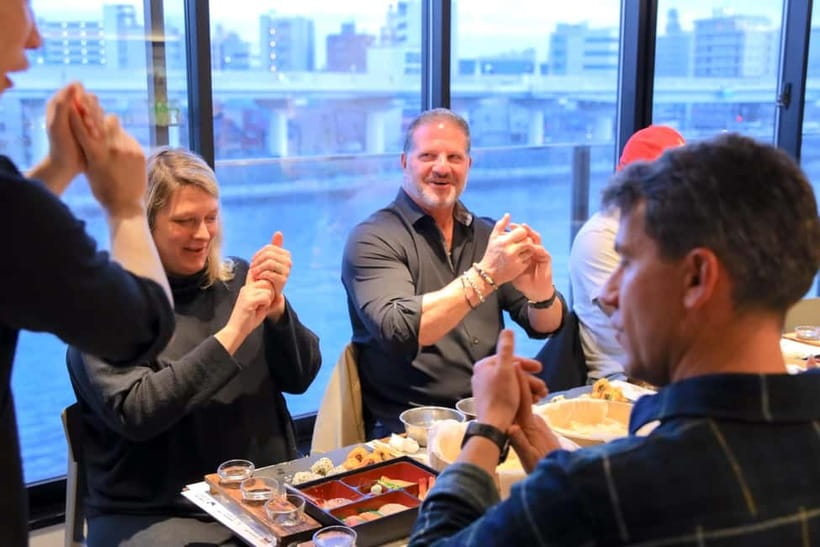
Asakusa’s best-known sights are temples and old shopping streets. This class gives you a hands-on way to meet another part of the neighborhood’s character: its food. In about 100 minutes, you learn a little sushi history, make maki and nigiri, then sit down to eat what you have made.
I like two things in particular: the mix of a short history lesson and practical instruction, and the friendly English-speaking team, with instructors such as Hitomi, Ken, and Jun leading classes. You do not need prior cooking skills, and solo participants and families are welcome.
One consideration: the session moves at a lively pace. Some people find the time flies, so treat this as a cheerful introduction rather than a slow, technical cooking course. If you need a dietary adjustment, arrange it when booking, not on the day.
What makes this class worth considering
- You make two styles: Learn to form maki rolls and nigiri, rather than watching a demonstration from the sidelines.
- Sushi comes with context: A lighthearted quiz introduces the food’s history before you start preparing it.
- English instruction is included: The instructor and local staff guide you through the steps and help you along.
- You eat what you make: The class ends with your own sushi as the meal.
- The location works well with Asakusa sightseeing: The meeting point is about three minutes from Asakusa Station, near Sensoji Temple and Tokyo Skytree.
- Dietary requests need advance planning: Vegan, vegetarian, gluten-free, halal, and allergy-related menu changes are listed as possible, but the team cannot handle changes on the day or meet ingredient specifications.
A hands-on change of pace in Asakusa
This class makes a useful counterpoint to a morning of temples, shopping, and sightseeing. Instead of simply ordering sushi at a restaurant, you get to handle the ingredients and see how two familiar forms are assembled. The format is social and practical, with an instructor explaining each step in English.
The setting matters. Asakusa is a historic part of Tokyo, and the class sits close to Sensoji Temple, so it can fit naturally into a day spent exploring the area. Tokyo Skytree is also nearby. You will need to make your own way there, since hotel pickup and drop-off are not included.
The atmosphere sounds deliberately light. Instructors use humor and keep the class interactive, which can help if you are nervous about getting the technique right. This is not a silent, formal lesson. Expect encouragement, clear demonstrations, and a bit of group energy.
More Asakusa tours in Tokyo:
- Tokyo: Japanese Dance Cabaret Theater Asakusa-Kaguwa Ticket
★ 4.8 · 2,270 reviews - Tokyo: Meiji Shrine, Asakusa, Skytree Bus Tour and Cruise
★ 4.7 · 1,986 reviews - Tokyo: Asakusa Walking Tour with Sensoji Temple Visit
★ 4.8 · 1,583 reviews
Start with a quiz, not a knife
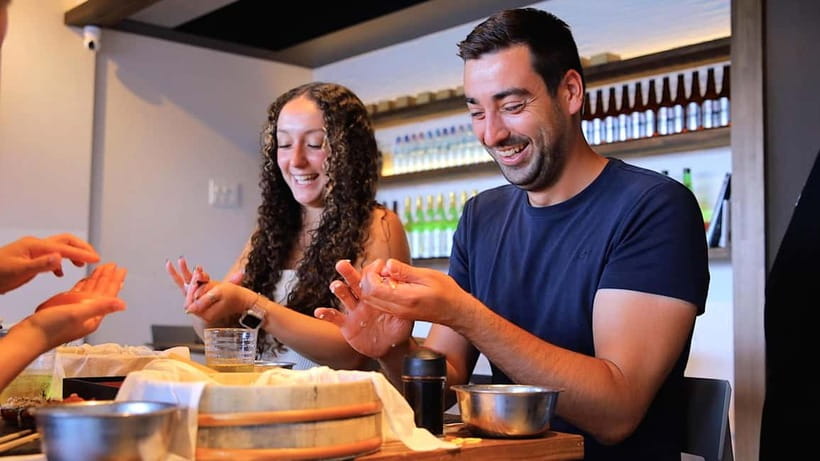
The class opens with an interactive quiz about sushi history. That small dose of background gives the food more context before you begin making it. You are not signing up for a long lecture; the aim is to learn a few things in an easy, lively way and then get working.
I like this order. Sushi can look simple when it arrives on a plate, but the ingredients and forms have a story behind them. Even a short introduction helps you notice that maki and nigiri are not just different shapes of the same snack. The quiz also gives solo participants and mixed-age groups an easy way to join in before the hands-on part begins.
The teaching style is designed for beginners. You do not need to bring cooking experience, and the instructors explain the process with demonstrations and practical tips. If you make an untidy roll on your first try, that is part of the lesson, not a reason to worry. The point is to learn by doing, not to pass a sushi exam.
Make maki, then shape nigiri
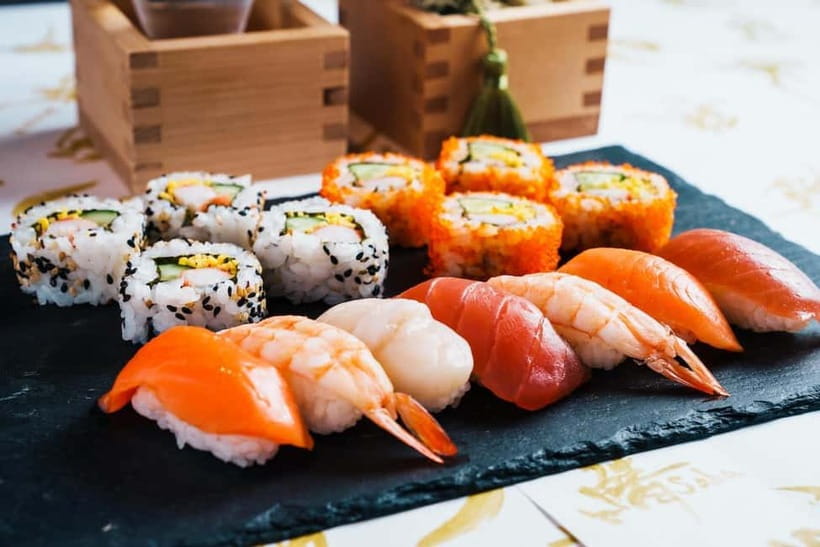
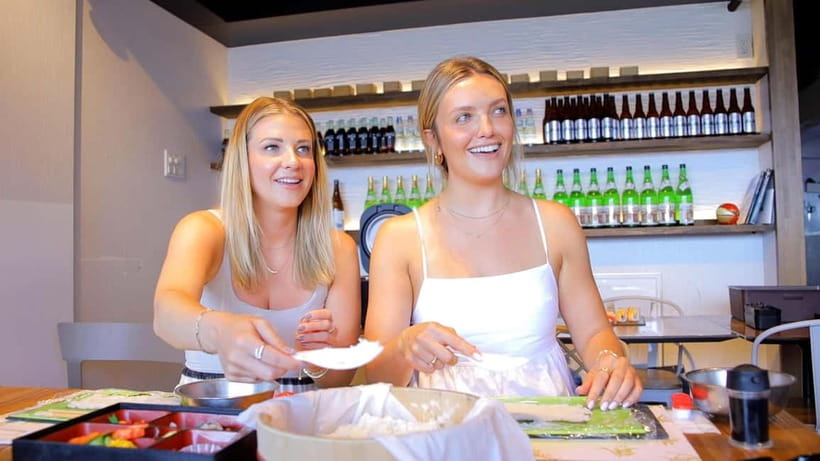
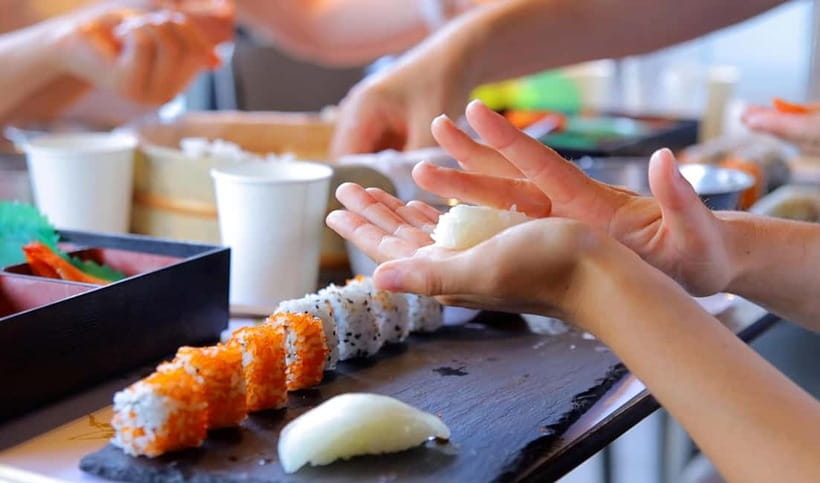
The hands-on portion covers two types of sushi: maki rolls and nigiri. Maki gives you a chance to work on rolling and forming a neat shape. Nigiri asks for a different touch, since you shape sushi rice and pair it with a topping. The instructors guide you through both, step by step.
The contrast makes the session more useful than a class focused on only one style. You get a feel for how technique changes from one form to another, and you can compare your results as you go. Participants have described the process as easy to follow, though more challenging than it looks. That is a good sign: the class is accessible without making the craft seem effortless.
The staff are there to help, not just to talk at the front of the room. Instructors named in class accounts include Hitomi, Ken, Jun, Moe, Kaori, and Hide. Names and staffing may vary by session, so do not book expecting a particular person. What you can expect is English-language guidance from local staff who make the steps clear and encourage you as you work.
The ingredients are another part of the appeal. People who have taken the class often praise their freshness and quality. That matters because you are eating the food you prepare, not just practicing with ingredients that never reach the table.
Eat what you have made
At the end, you sit down to eat your sushi. This is the payoff, and it makes the class more than a craft activity. You have watched the ingredients come together and had a hand in shaping them, so the meal feels personal, even if your first roll is not perfectly square.
The amount seems to work as a substantial snack or light meal for many people. Some families describe having plenty to eat, while one person wished for a little more rice. Appetite varies, so I would not plan on this as a guaranteed large lunch if you are especially hungry. It is safer to think of it as a good-sized tasting meal that you have made yourself.
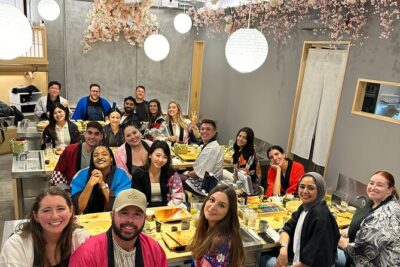
There is also a social side to the meal. Couples can turn the class into a shared activity, families can make something together, and solo participants can meet others while working at the same tables. You do not need to arrive as part of a group. The format gives you something to do and talk about from the start.
Sake flights and beer have been available at some sessions, according to one account, but these are not listed among the included items. If a drink is important to your plans, check with the provider rather than assuming it comes with the class.
More cooking classes in Tokyo:
- Sushi Making Tokyo Roll and Authentic Japanese Sushi Class
★ 5.0 · 3,971 reviews - Tokyo Shinjuku Chopsticks Making Class
★ 5.0 · 1,763 reviews - Tokyo: Sushi Making Class in a Happi Coat near a Famous Spot
★ 4.9 · 1,377 reviews - Tokyo Sushi Making Class in Tsukiji with Professional Chef
★ 5.0 · 1,177 reviews
What 100 minutes feels like
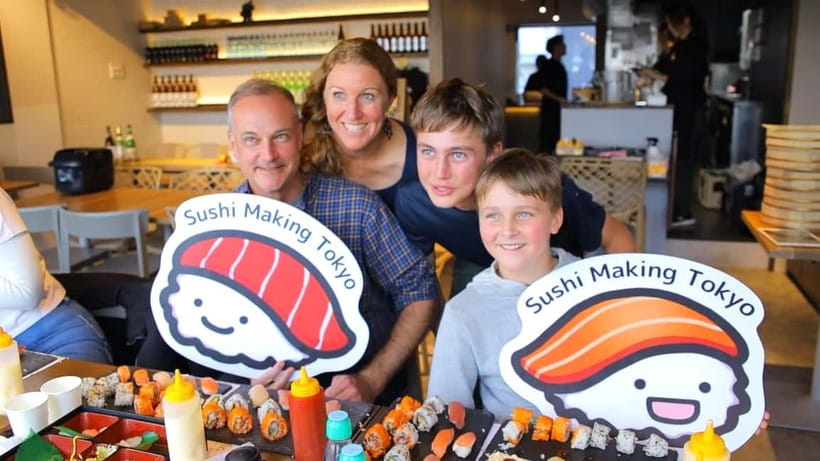
The advertised duration is 100 minutes. That is enough time for a brief history activity, instruction, practice with both sushi styles, and eating what you make. The pace is active, not leisurely. A participant who wanted a longer session felt another half hour would have made it less rushed, while others described the timing as comfortable.
That difference is worth keeping in mind. If you like a tightly guided activity that fits between sightseeing plans, the schedule should suit you. If you want a slow, detailed course with lots of time to repeat each technique, this may feel short. Build in a little flexibility around the class rather than scheduling another activity immediately afterward.
A small group can make a difference. One person who took an earlier session found there were fewer people and received extra attention, almost like a private lesson. That does not guarantee a quiet class, but an earlier time may be worth considering if the available schedule gives you a choice and you prefer more individual help.
A convenient stop near Sensoji
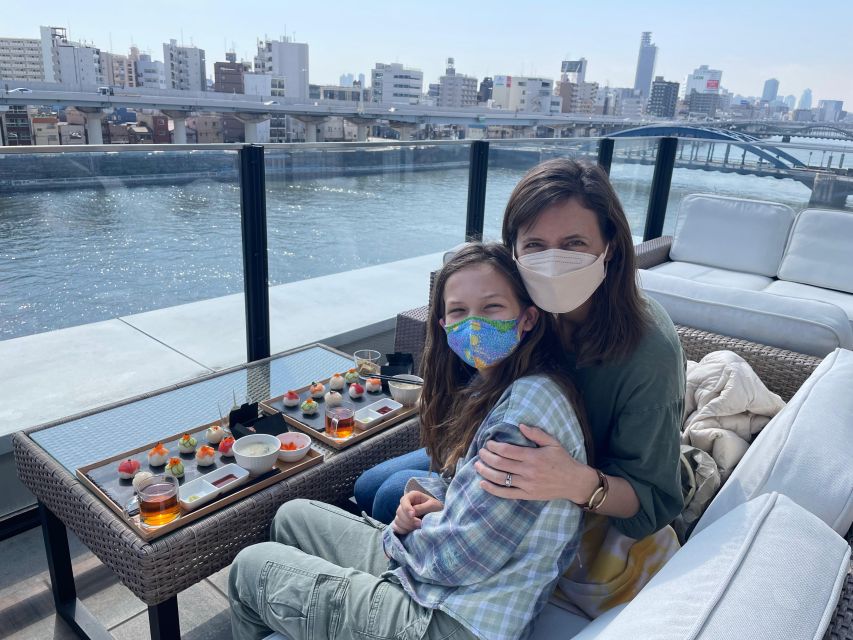
The meeting point is about a three-minute walk from Asakusa Station. The class is also described as being close to Sensoji Temple, making it easy to pair with a visit to one of Tokyo’s best-known historic sites. Its location is one of the strongest practical reasons to choose it: you can add a food activity without crossing the city.
Check your route to the exact meeting point before setting out. Asakusa is a busy sightseeing area, and being near a major landmark does not mean every entrance or nearby street is interchangeable. The activity is listed as wheelchair accessible, which is useful to know when planning, though you should confirm any particular access needs with the provider.
There is no hotel transfer. That is not a major drawback in this part of Tokyo, but it does mean you should include the journey to Asakusa in your day’s plan. The class is in the city rather than at a hotel or a transport hub with pickup.
The $58 question
At $58 per person, you are paying for a 100-minute guided activity, the ingredients, and the chance to eat the food you make. The value is in the combination: you get instruction, a little cultural context, and a meal, all in a central sightseeing district. Compared with simply buying sushi, the extra cost buys participation and a skill you can try again at home.
It is a better fit for someone who values an activity over a restaurant meal alone. If you are already planning to spend time in Asakusa, the location keeps the outing convenient. If your main goal is a serious culinary course or a long session devoted to refining technique, look for a more advanced format.
The class has a high overall rating of 4.9 from 1,957 ratings. That offers a useful indication that the format works for many people, but it is not a guarantee that every session will match your preferred pace or teaching style. The lively, upbeat approach is part of the appeal for some, while anyone seeking a very quiet or formal lesson may find it a little too energetic.
Dietary needs and practical planning
The provider lists vegan, vegetarian, gluten-free, halal, and allergy-related menu changes as available. You need to contact the team when you book if you need an adjustment. They cannot respond to requests on the day, and they do not accept specifications for particular ingredients.
That last point matters if you have a serious allergy or strict dietary requirement. Do not assume a general menu label guarantees that every ingredient or preparation detail will meet your needs. Explain your requirements in advance and confirm what the provider can accommodate before paying.
Cooking class, ingredients, and instructor are included. Hotel pickup and drop-off are not. Free cancellation is available up to 24 hours in advance for a full refund, and a reserve-now, pay-later option is offered. The activity is listed as wheelchair accessible, and the instruction is in English.
Who will enjoy this class most?
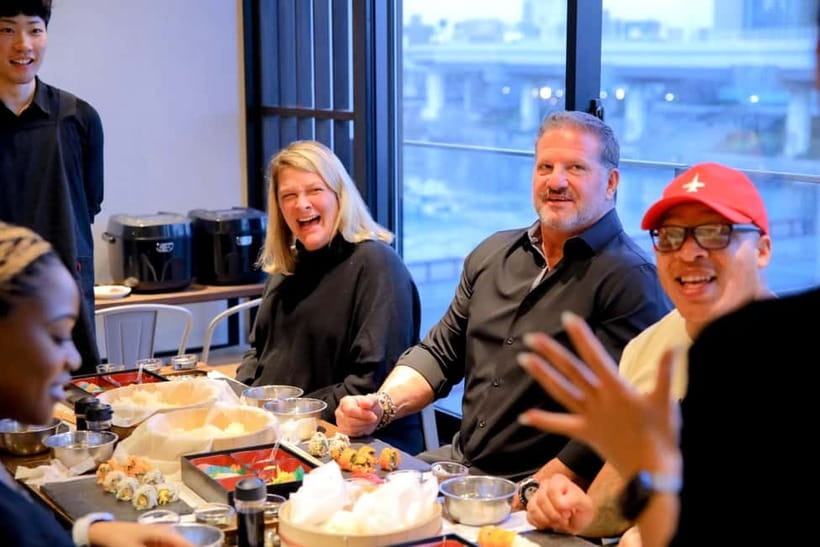
I would choose this class if you want an easygoing, hands-on activity that adds something beyond sightseeing. It suits beginners, couples, families, and solo visitors. Families with children and teenagers have found it a good group activity, and the step-by-step format gives younger participants a clear job rather than asking them to sit through a long talk.
It is also a good pick if you are curious about Japanese food but do not need a professional-level lesson. The quiz and instruction give the meal a little more meaning, while the making keeps the class active. You leave having tried the techniques yourself, which is more memorable than simply reading about them.
You may want a different activity if you prefer calm, highly technical instruction or want to spend several hours practicing. The class leans toward friendly entertainment as well as learning. That balance is a strength for most first-timers, but it is worth knowing before you book.
Should you book the Asakusa sushi class?
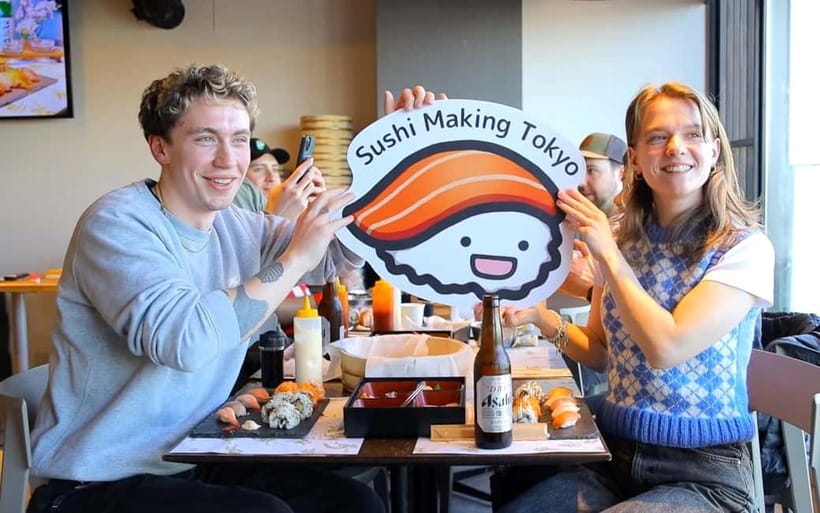
Book it if you want to make maki and nigiri, eat your own work, and spend a couple of hours doing something hands-on near Sensoji Temple. The English-speaking guidance, beginner-friendly format, and convenient location make it an easy addition to an Asakusa day.
Skip it if your priority is a slow, advanced cooking course or if you need ingredient-level dietary guarantees that the provider cannot confirm. Otherwise, $58 buys a practical lesson, a taste of sushi-making technique, and a meal with a story behind it. For a first introduction, that is a fair trade.
FAQ
How long is the sushi class?
The advertised duration is 100 minutes. Plan for a lively session that includes a history quiz, sushi-making instruction, and time to eat what you prepare.
How much does the class cost?
The listed price is $58 per person.
Where does the class meet?
The meeting point is about three minutes from Asakusa Station. The class is also close to Sensoji Temple and Tokyo Skytree.
Is the class taught in English?
Yes. The instructor speaks English, and English is the listed language for the activity.
What kinds of sushi will I make?
You will make two types: maki rolls and nigiri.
Do I need cooking experience?
No prior experience is needed. The staff guide you through the process.
Is food included?
Yes. Ingredients are included, and you eat the sushi you make during the class.
Can I request a vegetarian or other special menu?
Vegan, vegetarian, gluten-free, halal, and allergy-related menu changes are listed as available. Contact the provider when you book, since changes cannot be made on the day and ingredient specifications are not accepted.
Is the activity wheelchair accessible?
Yes, the activity is listed as wheelchair accessible.
Can I cancel and get a refund?
You can cancel up to 24 hours in advance for a full refund.
More hands-on workshops in Tokyo
- Chopstick Making Workshop in Ginza
★ 4.8 · 1,366 reviews - Ramen & Gyoza Cooking Class in Tokyo with Local Supermarket Visit
★ 5.0 · 823 reviews - Matcha Making Class in Tokyo with Authentic Japanese Sweets Set
★ 5.0 · 744 reviews - Tokyo: Samurai Sword & Archery Class from Samurai Descendant
★ 5.0 · 603 reviews
More sushi making classes in Tokyo
- Make Sushi and Create Unforgettable Memories in Tokyo
★ 5.0 · 1,413 reviews - Tsukiji Fish Market Guided Tour and Sushi Making with Pro Chef
★ 5.0 · 775 reviews - Tokyo: Tsukiji Fish Market Sushi Making Class with Pro Chef
★ 4.9 · 506 reviews - Tokyo Tsukiji Fish Market Tour and Sushi Making Lesson
★ 5.0 · 390 reviews
Freshly reviewed in Tokyo
- Tokyo: Toshimaya Sake Brewery Tour with Sake Tasting★ 5.0 · 6 reviews
- :Tokyo,Shibuya /Meiji Shrine tour in KIMONO/English-friendly★ 5.0 · 4 reviews
- Tokyo: Tour Privado por Tokio en español★ 4.3 · 4 reviews
- Tokyo:Tea ceremony experience at Komaba Warakuan★ 4.8 · 9 reviews
- :Tokyo,Shibuya/ Pro Photography in Kimono / English-Friendly★ 5.0 · 26 reviews
- Tokyo:Samurai Training : Swords, Bushido & Mental Discipline★ 5.0 · 6 reviews
- Tokyo:Mt Fuji & Hakone Day Tour with English Speaking Driver★ 5.0 · 26 reviews
- Tokyo:Nikko UNESCO World Heritage Sites Private 1-Day Tour★ 3.8 · 6 reviews
Tokyo Sushi Making Classes, compared.
Sushi Making Tokyo Roll and Authentic Japanese Sushi Class
Read our review →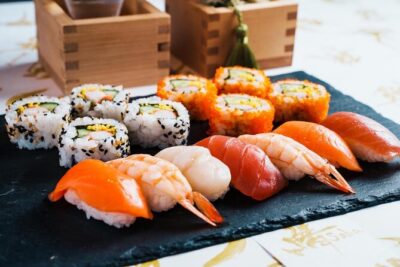
Make Sushi and Create Unforgettable Memories in Tokyo
Read our review →
Sushi Making Class in a Happi Coat near a Famous Spot
Read our review →
Tokyo Sushi Making Class in Tsukiji with Professional Chef
Read our review →
Tsukiji Fish Market Guided Tour and Sushi Making with Pro Chef
Read our review →
Tsukiji Fish Market Sushi Making Class with Pro Chef
Read our review →
Browse the lists this tour appears in