
Reviewed · SHINJUKU TOURS
Tokyo Shinjuku Chopsticks Making Class
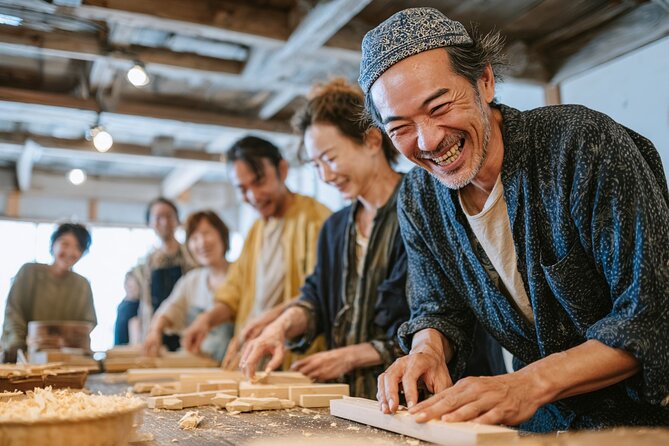
You start with plain wooden sticks and turn them into a pair of chopsticks using a traditional kanna, a small Japanese hand plane. It’s a tactile, beginner-friendly way to make a useful souvenir, not just watch someone else demonstrate a craft.
I like two things in particular: you get to work with the wood yourself, and the guided steps make a hands-on craft accessible even if you have never used woodworking tools. You can also choose among wood types, each with its own color, texture, and scent.
The main caveat is that the room can get busy. When many people need help at once, instruction may feel less personal, and premium wood or engraving can add to the base price.
Key points before you book
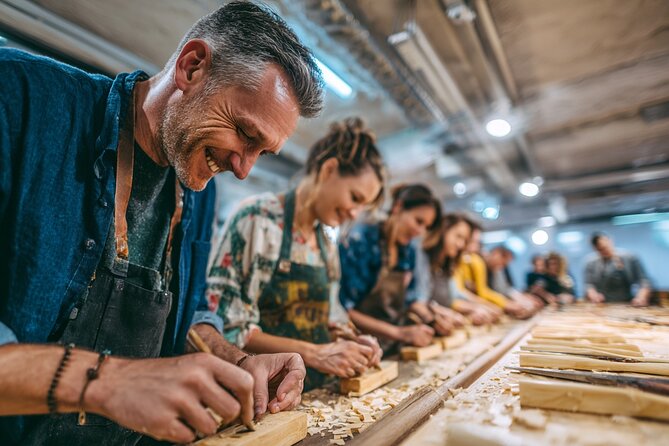
- You shape the chopsticks by hand with a small kanna, then smooth and oil them.
- The session lasts about one hour and is designed for beginners.
- Two wood types are included; premium choices cost extra.
- Engraving is optional and costs extra. One participant paid 2,000 yen for it.
- The group can reach 32 people, so the pace and amount of individual help may vary.
- The workshop begins and ends at the same Shinjuku address: 7-chōme-4-5 Nishishinjuku.
Turning plain sticks into a personal souvenir
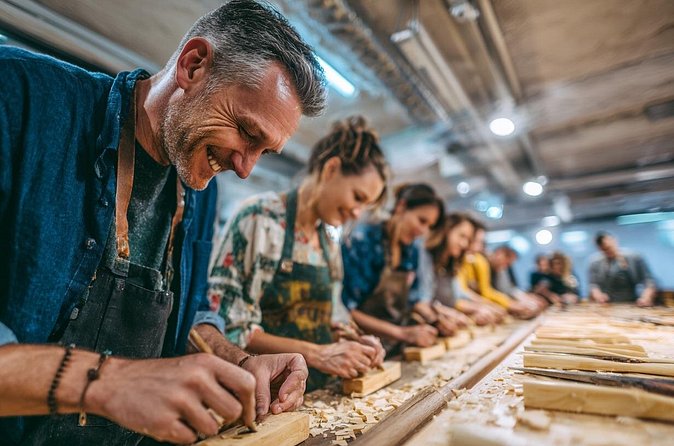
This workshop’s appeal is its simple premise: you make something you can use, rather than buying another ready-made keepsake. The raw material is wood, and the main tool is a traditional kanna. Under staff guidance, you shave the surface into shape, smooth it, and finish it with oil.
That process gives the activity a welcome sense of purpose. You are not only hearing about a Japanese craft; you are handling a tool and seeing the wood change under your hands. The grain, scent, and color become part of the finished pair, which makes the result feel personal even if your technique is a little uneven.
You do not need woodworking experience. Staff explain the steps and provide the tools, and the activity is set up for beginners. Still, expect to pay attention and use some effort. Shaving wood takes practice, and one participant found the work more demanding when using a harder wood. Take your time and ask for help if you are unsure of your next cut.
More Shinjuku tours in Tokyo:
- Tokyo: Shinjuku Food Tour (13 Dishes at 4 Local Eateries)
★ 5.0 · 6,603 reviews - Tokyo Bar Hopping Tour in Shinjuku (All-You-Can-Drink + Dinner)
★ 5.0 · 3,587 reviews - Tokyo: Shinjuku Food Tour (15 Dishes and 4 Eateries)
★ 4.9 · 2,033 reviews
How the one-hour workshop unfolds
The session starts with an introduction to the materials and the basic method. You choose wood, then begin shaping the sticks with the kanna. Staff guide you through the work, with the aim of turning rough wood into chopsticks that feel comfortable and look finished.
After shaping, you smooth the surfaces with sanding and apply oil. That finishing work matters: it gives the chopsticks a more polished feel and makes the wood grain easier to appreciate. The full sequence is hands-on, but you are not left to figure it out alone. English-speaking instructors have helped participants through the process, with names including Tom, Yuki, Nana, Ken, Sayaka, Mimi, Yin, and Kiwa.
The workshop is described as lasting about an hour. Your exact pace may depend on the wood you choose, how quickly you get comfortable with the tool, and how busy the room is. Some people find the first attempt tricky, and staff have sometimes let them try again after a mistake. That is useful reassurance, though you should not assume every session will have the same amount of spare time or one-to-one attention.
At the end, you leave with your own handmade chopsticks. Some people also keep the curls of wood shaved off during the process, a small memento of the work itself. If that detail appeals to you, ask the staff whether you can take your shavings home.
Choosing wood, and deciding on extras
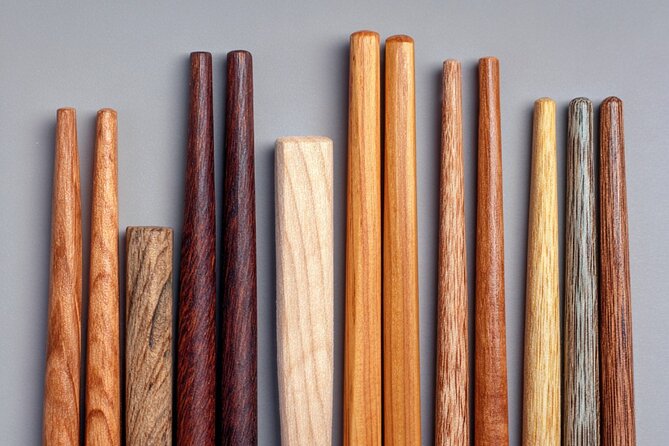
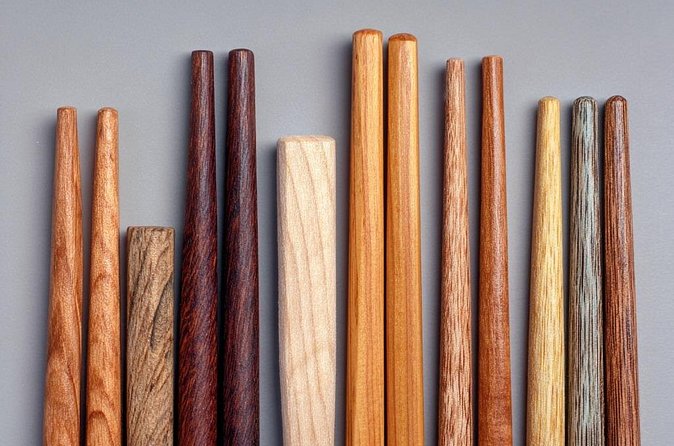
You can choose from several types of wood, with different textures, scents, and colors. Two types are included in the base activity; premium woods cost extra. The choice adds a personal touch, but it can also change the price, so ask which options are included before you settle on a pair.
Some participants felt the additional wood charges were steep, especially when combined with engraving. Engraving is optional, not part of the stated base price. One person paid 2,000 yen to have the chopsticks engraved. If you want a name or other personalization, confirm the current cost before agreeing to it.
I would decide your budget before arriving. The advertised price is $20 per person, a reasonable starting point for a guided craft session and a handmade object, but add-ons can push the total higher. If you are happy with one of the included woods and do not need engraving, the value is clearer. If you have your heart set on a premium wood or personalized lettering, factor that into your plans.
The room, the instructors, and the pace
The workshop uses multiple workstations, with a maximum group size of 32. That format can suit families or friends who want to work side by side. It also means the room may feel crowded when several people need help at once. In quieter sessions, instructors can check in and offer patient guidance; during busy periods, individual support may be harder to get quickly.
The strongest part of the setup is the staff’s role in making a new craft approachable. Instructors named by participants include Masa, Tom, Yuki, Nana, Ken, Sayaka, Shae, Yin, Kiwa, and Mauro. Names are not a guarantee of who will teach your session, but the workshop is designed around staff explanation and help rather than a self-guided project.
There is some unevenness to be aware of. A few participants found the instructions less clear when the room was crowded, and some felt the tools were blunt, which made shaving harder. Others found the staff patient, friendly, and helpful when a first attempt went wrong. The practical takeaway is to book this for the activity itself, not on the assumption that every minute will be a private lesson.
If you prefer a calmer pace, avoid the middle of the day when possible. That advice comes from direct comments about busy sessions, though no particular time is guaranteed to be quiet. If you arrive and the room is full, ask how long the process is taking before you begin, especially if you have plans immediately afterward.
More cooking classes in Tokyo:
- Sushi Making Tokyo Roll and Authentic Japanese Sushi Class
★ 5.0 · 3,971 reviews - Tokyo: Roll and Authentic Sushi Making Class in Asakusa
★ 4.9 · 1,957 reviews - Tokyo: Sushi Making Class in a Happi Coat near a Famous Spot
★ 4.9 · 1,377 reviews - Tokyo Sushi Making Class in Tsukiji with Professional Chef
★ 5.0 · 1,177 reviews
A good fit for families and curious beginners
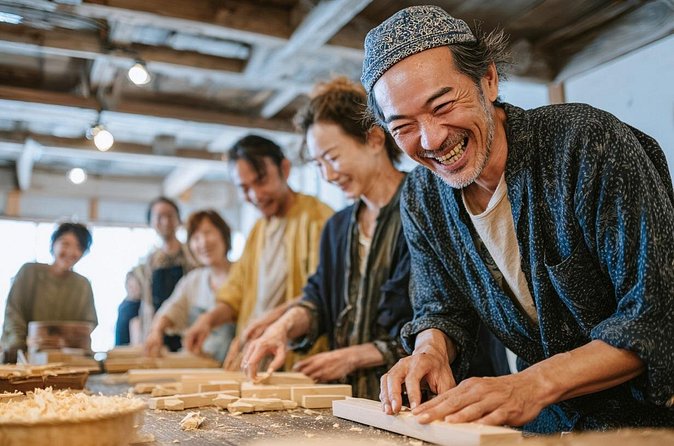
The activity works across a wide range of ages and skill levels. Families have completed it together, including multigenerational groups, and children who enjoy making things may find it more engaging than a standard sightseeing stop. It can also suit a solo visitor looking for a short, creative activity in Shinjuku.
You do not need to know how to use a plane or sand wood. The task is approachable, but it still asks you to focus and put in a little physical effort. That balance makes the finished chopsticks feel earned rather than simply assembled.
It is less suitable if you want a quiet, highly individualized lesson or a low-cost activity with no optional spending. The base price is modest, but wood upgrades and engraving are sold separately. You can keep the cost controlled by choosing one of the two included woods and skipping extras.
Finding the Shinjuku meeting point
The meeting address is 7-chōme-4-5 Nishishinjuku, Shinjuku City, Tokyo 160-0023, Japan, and the activity ends back at that point. The venue is near public transportation, but no specific station or walking route is provided. Use the full address when planning your route, and check your booking details before setting out.
A mobile ticket is available, and confirmation is received at booking. One participant had trouble finding the venue after following conflicting location information, so do not rely on a vague pin or an old message alone. Confirm the address shown in your current booking and allow a little time to locate the workshop.
The activity allows service animals. Free cancellation is available up to 24 hours before the start time; cancellations made less than 24 hours ahead are not refunded, and changes within that window are not accepted. Cut-off times use local time.
Is this chopstick-making class worth booking?
I would book it if you want a short, hands-on break from sightseeing and like the idea of bringing home something you made yourself. The best value comes from the process: choosing wood, learning to use the kanna, and shaping a practical object with guidance. It is especially appealing for families, craft-curious beginners, and anyone who prefers a personal souvenir to another shop purchase.
Go in with realistic expectations. The room may be busy, the tools may take some getting used to, and premium wood or engraving can raise the cost. If you are comfortable with those limits, this one-hour Shinjuku workshop offers a memorable way to spend part of a day and leave with chopsticks that carry a little of your own work.
FAQ
How long does the chopstick-making class take?
The activity lasts about one hour.
Where does the workshop meet?
It starts at 7-chōme-4-5 Nishishinjuku, Shinjuku City, Tokyo 160-0023, Japan, and ends at the same meeting point.
Do I need woodworking experience?
No. The activity is designed for beginners, and staff guide you through the steps.
What will I make?
You will shape, sand, and oil a pair of wooden chopsticks using a traditional kanna.
Are all wood types included in the price?
No. Two wood types are included, while premium woods are available for an additional charge.
Is engraving included?
Engraving is optional and costs extra. One participant paid 2,000 yen for it.
Can I cancel for a refund?
You can receive a full refund if you cancel at least 24 hours before the start time. Cancellations made less than 24 hours in advance are not refunded.
More hands-on workshops in Tokyo
- Chopstick Making Workshop in Ginza
★ 4.8 · 1,366 reviews - Ramen & Gyoza Cooking Class in Tokyo with Local Supermarket Visit
★ 5.0 · 823 reviews - Matcha Making Class in Tokyo with Authentic Japanese Sweets Set
★ 5.0 · 744 reviews - Tokyo: Samurai Sword & Archery Class from Samurai Descendant
★ 5.0 · 603 reviews
Freshly reviewed in Tokyo
- Tokyo: Toshimaya Sake Brewery Tour with Sake Tasting★ 5.0 · 6 reviews
- :Tokyo,Shibuya /Meiji Shrine tour in KIMONO/English-friendly★ 5.0 · 4 reviews
- Tokyo: Tour Privado por Tokio en español★ 4.3 · 4 reviews
- Tokyo:Tea ceremony experience at Komaba Warakuan★ 4.8 · 9 reviews
- :Tokyo,Shibuya/ Pro Photography in Kimono / English-Friendly★ 5.0 · 26 reviews
- Tokyo:Samurai Training : Swords, Bushido & Mental Discipline★ 5.0 · 6 reviews
- Tokyo:Mt Fuji & Hakone Day Tour with English Speaking Driver★ 5.0 · 26 reviews
- Tokyo:Nikko UNESCO World Heritage Sites Private 1-Day Tour★ 3.8 · 6 reviews
Shinjuku Tours, compared.
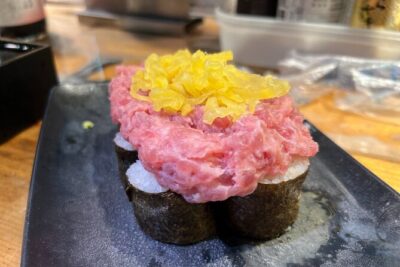
Shinjuku Food Tour (13 Dishes at 4 Local Eateries)
Read our review →
Tokyo Bar Hopping Tour in Shinjuku (All-You-Can-Drink + Dinner)
Read our review →
Best of Shinjuku: Izakaya Food Tour (4 Stops, 14+ Tastings)
Read our review →
Shinjuku Local Bar and Izakaya Guided Walking Tour
Read our review →
Tokyo Shinjuku Sumo Show & Experience with Photo
Read our review →
Tokyo Night Foodie Tour in Shinjuku – Seasonal Sushi, Wagyu Beef
Read our review →
Browse the lists this tour appears in