
Reviewed · TOKYO TEA CEREMONIES
Tokyo: Matcha and Kimono Experience
Matcha is more than a green drink here. In this workshop near Shinjuku, you wear a kimono, taste first-flush matcha and learn the thinking behind tea ceremony and teaism, then whisk a bowl yourself. The named host, Komei, leads the lesson with a relaxed, conversational style.
I like two things in particular: the chance to taste several matchas from a collection of more than 100, and a practical lesson that shows you how to prepare matcha at home. The kimono is designed to be quick to put on, so you can enjoy wearing one without committing to the longer dressing process of a traditional kimono.
One consideration: the workshop covers several subjects, from kimono to tea history and matcha preparation. If you are chiefly interested in whisking matcha, you may wish the hands-on portion were longer. Bring socks, arrive on time, and remember that a late arrival of more than 10 minutes cancels the booking without a refund.
What makes this workshop worthwhile
- Taste first-flush matcha: You try a carefully selected tea described as the highest quality, with more varieties available for comparison.
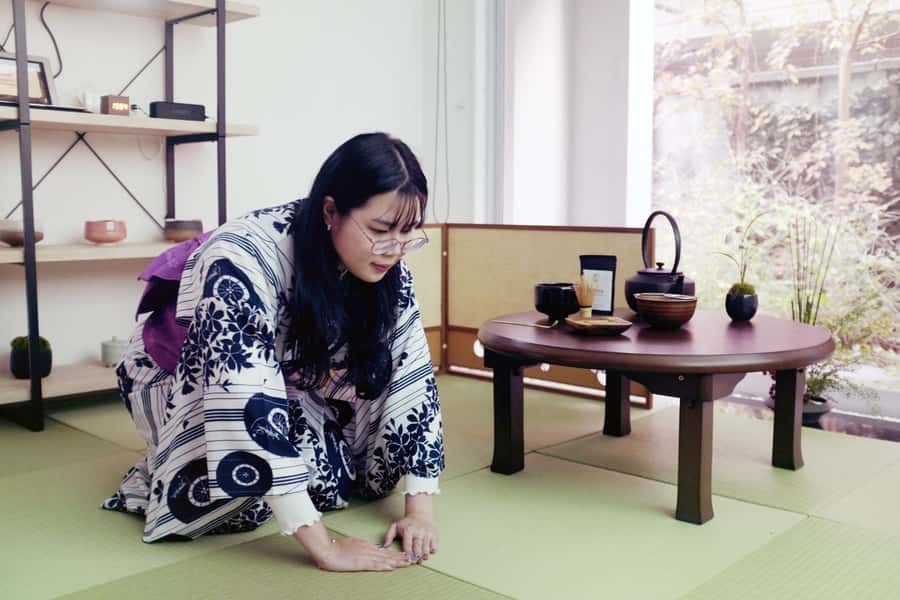
- Choose a kimono to wear: The easy-to-wear style makes dressing part of the activity without the usual lengthy process.
- Learn four connected traditions: The lesson covers tea ceremony, teaism, matcha and kimono.
- Whisk your own bowl: You learn four key points for making matcha at home, along with basic manners for drinking it.
- Compare matcha styles: The session explores differences between Japanese and overseas matcha, as well as the distinction between real and fake matcha.
Starting near Yotsuya, a short walk from Shinjuku
The meeting point is in front of the LUUP scooter stand beside the ACN Yotsuya Building, about a six-minute walk from Yotsuya Station. The workshop ends back at the same place, which makes this a simple activity to fit into a Tokyo day without arranging transport between separate locations.
Give yourself time to find the meeting point. The late-arrival rule is strict: your booking is automatically canceled if you are more than 10 minutes late, and there is no refund in that case. That is a real practical drawback if you are navigating an unfamiliar station or relying on a tight connection. I would plan to reach Yotsuya early rather than aim for the last possible minute.
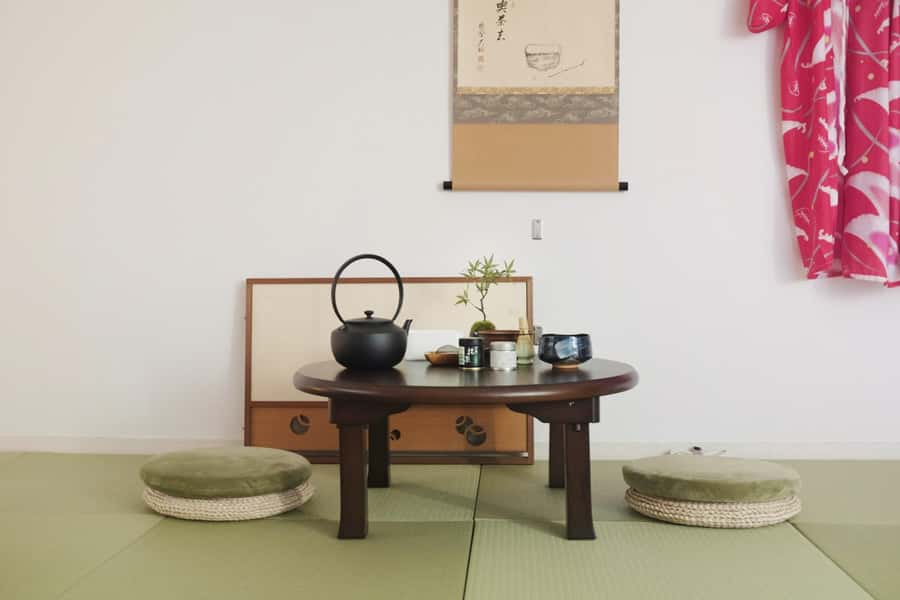
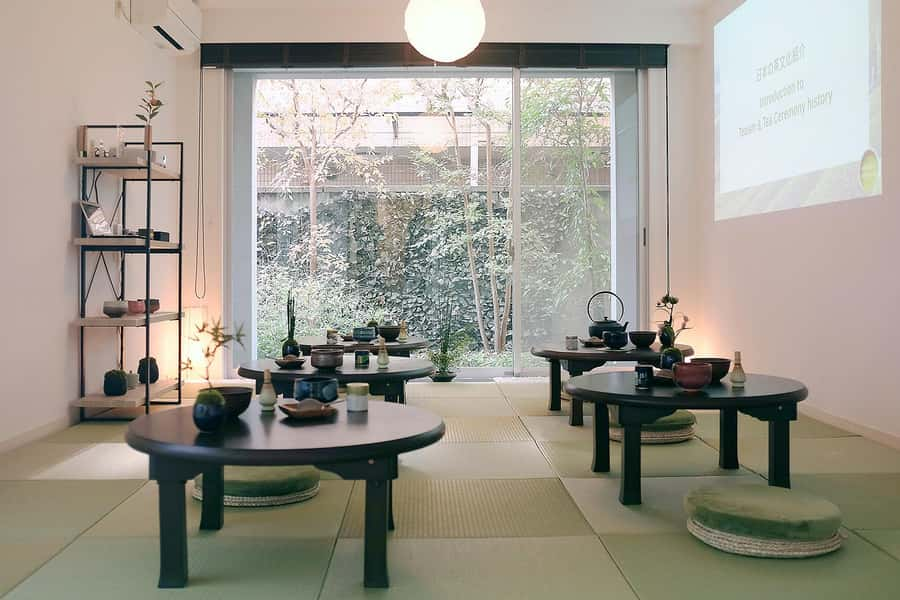
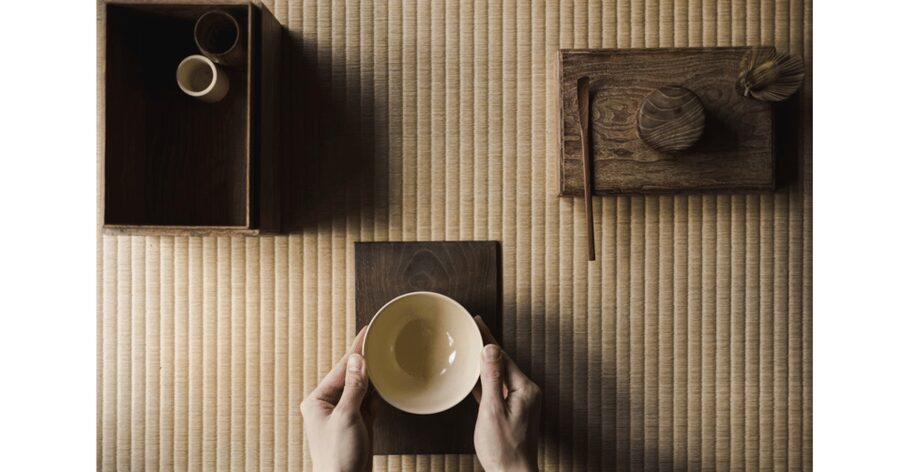
The experience takes place in a workshop setting, and some descriptions of the room suggest a carefully arranged tea space. It is a chance to focus on a small cultural activity rather than a large sightseeing circuit. There is no walking tour or string of landmarks to cover, so the value lies in what you learn and do indoors.
More tea ceremonies in Tokyo:
- Matcha Making Class in Tokyo with Authentic Japanese Sweets Set
★ 5.0 · 744 reviews - Tokyo: Traditional Tea Ceremony with a Tea Master
★ 5.0 · 528 reviews - Tokyo: Matcha Making Experience with Mochi Sweets in Asakusa
★ 4.9 · 388 reviews
Choosing a kimono before the tea lesson
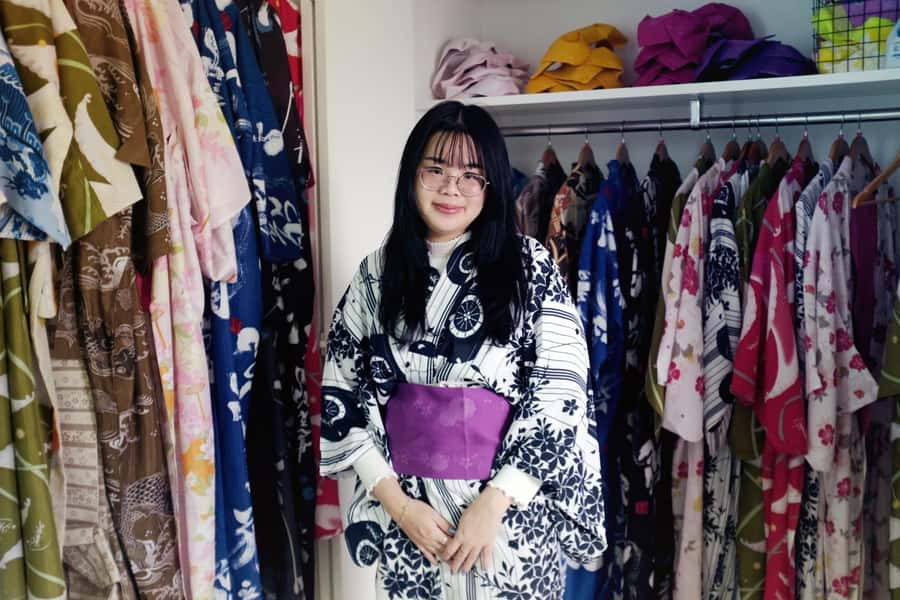
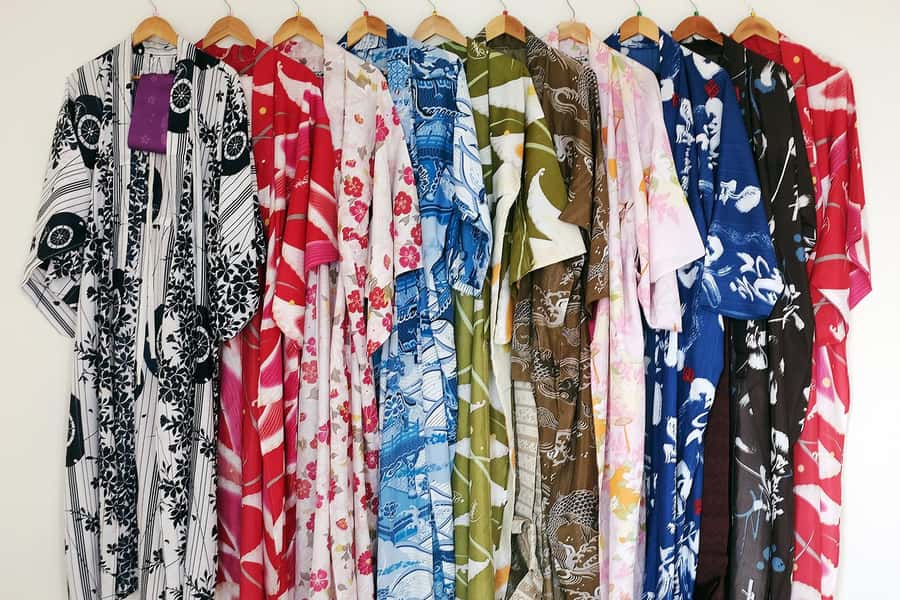
Before the lesson begins, you select an easy-to-wear kimono and put it on. That small change of clothes helps set the mood for the ceremony, and it gives you a chance to see how a traditional garment feels and looks while learning some basics about wearing it.
The format is deliberately simpler than the standard kimono dressing process, which can take about 30 minutes. That makes the activity accessible to people who want the experience without spending a large part of the session getting dressed. The kimono remains part of the workshop, so you can enjoy it throughout rather than changing into it just for a quick photo.
The garment is also a popular photo opportunity, and the host has taken group photographs during sessions. Still, treat photos as a pleasant extra, not the main point. The more useful takeaway is gaining a little familiarity with kimono and the way it fits into the wider cultural lesson.
Do not forget socks. They are required to protect the traditional flooring, and if you arrive without them, you may be asked to buy a pair at the workshop. It is a small detail, but an easy one to handle before you leave your hotel.
Tasting matcha from a broad Japanese collection
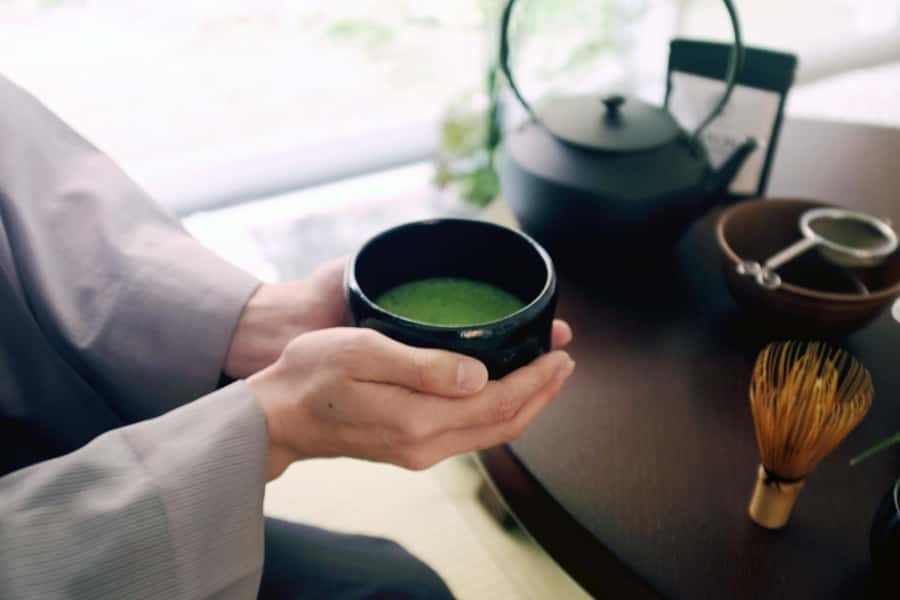
The tea portion begins with a chance to use your eyes, nose and taste to compare matcha. The host selects a first-flush tea, described as the highest quality, from a collection of more than 100 matchas gathered from across Japan. That selection gives the tasting a useful focus: rather than treating matcha as one uniform product, you can notice that different teas have their own character.
You also learn about differences between Japanese and overseas matcha, and the activity includes a comparison of real and fake matcha. This can be useful if you enjoy matcha at home and want a better basis for choosing what to buy. The session promises to help you identify a favorite by sight, smell and taste, not just by packaging or a label.
There is a limit to what any short class can teach. The tasting is an introduction, not a full course in tea growing or production. But tasting several examples alongside an explanation gives you a more grounded starting point than simply ordering a bright-green drink in a café and hoping for the best.
A welcome drink and traditional Japanese sweets are included. These add a little hospitality to the tasting and give you something to enjoy alongside the tea. The experience is centered on learning and making matcha, not on a large meal, so do not book it as a substitute for lunch.
Learning teaism and tea ceremony without the mystery
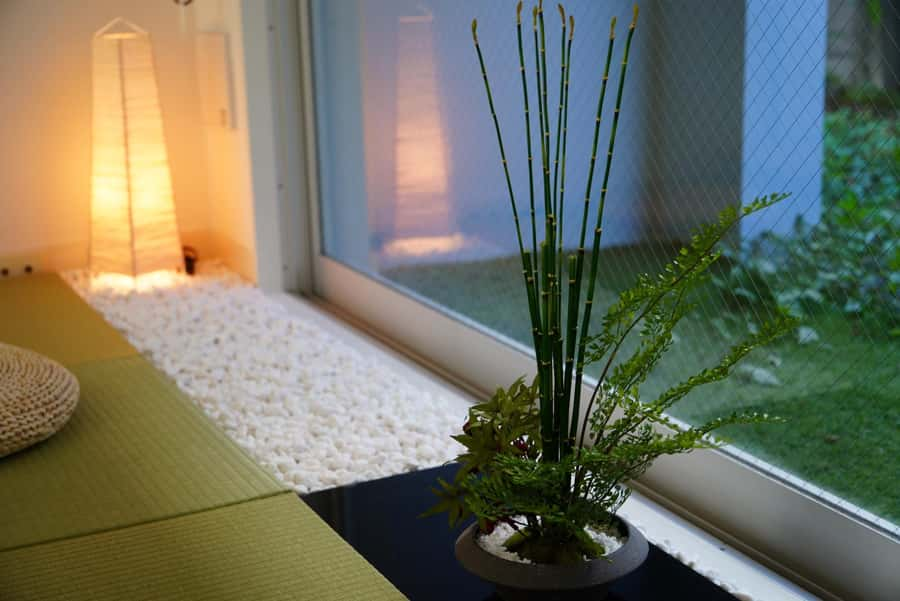
The lesson also places matcha in a wider context. You hear about different kinds of tea, including green, black and Chinese teas, as well as the ideas behind teaism and the tea ceremony. The point is not only to memorize rules. It is to understand why the ceremony gives attention to tools, gestures and the act of serving tea.
That explanation is one of the workshop’s strongest features. A tea ceremony can seem formal or hard to follow if you encounter it without context. Here, the host explains the meaning behind the practice in accessible language, then teaches basic manners for drinking a bowl of matcha. You come away with enough background to watch a ceremony with a better sense of what is happening.
Komei is repeatedly named as the host and tea teacher, and the teaching style is described as warm, funny and easy to follow. The session includes a structured presentation, with history and cultural context alongside conversation and questions. That balance should suit you if you like learning through explanations, not only watching a demonstration.
The range of subjects is broad. Kimono, tea history, teaism, tea types and matcha preparation all share the session, so the pace may feel more like a cultural introduction than an intensive tea school. If your main aim is to spend as much time as possible with the whisk and bowl, keep that trade-off in mind.
More kimono experiences in Tokyo:
- Let’s make kimono !(Kimono is a gift for you
★ 5.0 · 252 reviews - Tokyo: Asakusa Kimono Dressing and Matcha Experience
★ 4.9 · 173 reviews - Asakusa: Kimono Tea Ceremony with Matcha and Sweet
★ 4.9 · 153 reviews - Matcha Kimono Tea Ceremony in Tokyo
★ 5.0 · 104 reviews
Whisking your own matcha bowl
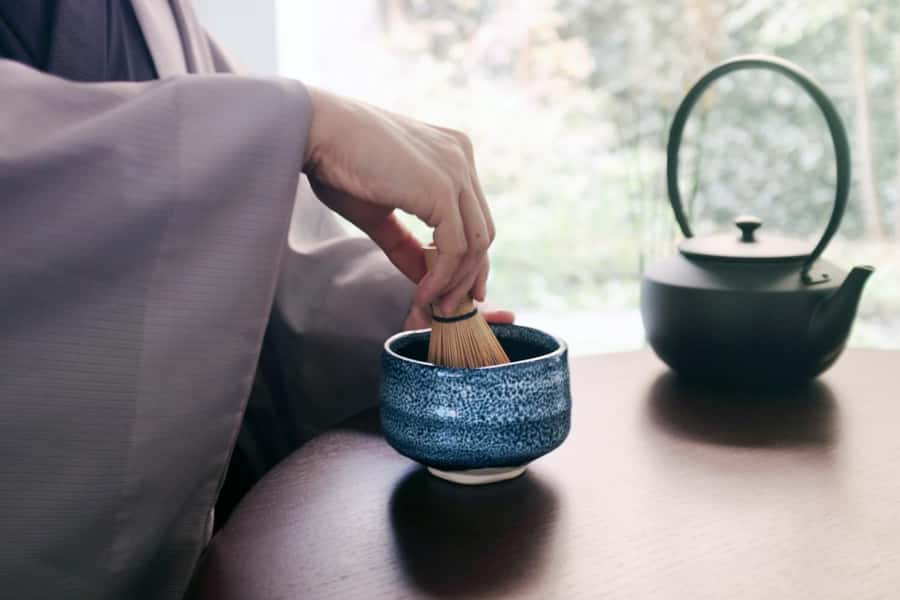
After the explanation, you use traditional tea tools to prepare matcha. The teacher demonstrates the process and breaks it into four key points, with the aim of helping you make a presentable bowl at home. You also practise the basic way to drink it, connecting the preparation to the manners of the ceremony.
This hands-on part is the payoff for many people. Making matcha can look simple, but the lesson shows that a good bowl involves more than adding powder to hot water and stirring. You get to handle the tools and put the instruction into practice, rather than leaving with only a list of facts.
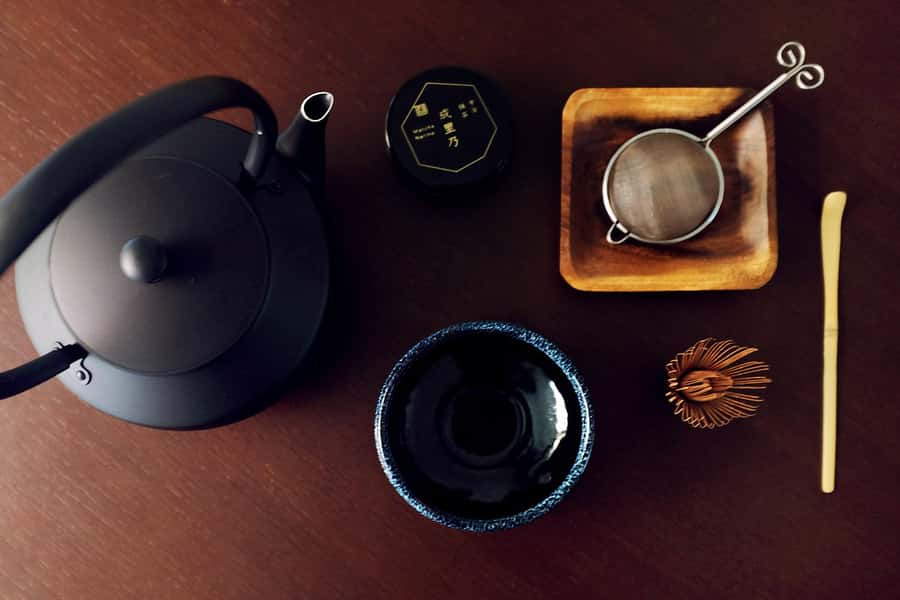
Tea tools are provided for the activity, and the matcha itself is included. You do not need to bring equipment or buy a bowl of tea separately. The lesson is still an introduction, so do not expect to leave as a trained tea master. But you should leave with a practical routine and a clearer sense of what to pay attention to when making matcha at home.
One helpful way to approach the class is to ask questions as you go. The host is described as answering questions throughout, and the small-group format some participants have experienced made the instruction feel personal. Group size is not specified, though, so do not count on a private lesson.
How the $57 price measures up
At $57 per person, this is a fair value if you want a guided cultural activity rather than a brief photo stop. The price includes the kimono for the session, a tea and teaism lesson, matcha preparation, first-flush matcha, traditional sweets, a welcome drink and the use of tea tools. Taken together, those inclusions make the cost easier to justify than a simple tea tasting.
The strongest value is in the combination. You are not paying only to wear a kimono or only to drink matcha. You get a short introduction to several connected traditions, then take part in tasting and preparation. If you are curious about Japanese culture but unsure where to begin, that broad approach can make the experience feel substantial.
The value depends on your priorities. A matcha enthusiast hoping for a long, technical workshop may want more time devoted to the tea itself. Someone looking for a friendly first look at matcha, tea ceremony and kimono is more likely to appreciate the mix. There is no duration stated, so check the booking details before planning the rest of your day around it.
The activity has a 4.7 rating from 219 reviews, and the most consistent praise is for the host’s teaching, the clear explanations and the enjoyable matcha-making lesson. People also value the kimono as a memorable part of the experience. That pattern points to a class where the human element matters: the host is not just handing over equipment, but explaining what you are doing and why.
Who will enjoy this experience most
This is a good fit if you want a manageable cultural activity in Tokyo that combines participation with explanation. It suits first-time matcha drinkers, people who already enjoy matcha, and anyone curious about tea ceremony but unsure what the gestures and tools mean. The kimono adds a visual and tactile element without requiring you to book a separate dressing experience.
It also works well for a mixed group. You do not need to arrive with specialist tea knowledge, and the lesson is taught in English and Japanese. The friendly, conversational approach should help if you prefer questions and discussion to a silent demonstration.
The workshop is not suitable for children under five. Strong fragrances, alcohol, drugs and making noise are not allowed. These rules fit the tea setting, where a calm room and a clear sense of smell matter, especially during a tasting.
Booking details to keep in mind
Bring socks, and aim to arrive early enough to find the LUUP stand by the ACN Yotsuya Building without rushing. The meeting point is about six minutes on foot from Yotsuya Station, and the activity returns there at the end.
You can reserve and pay later, and cancellation is available up to 24 hours in advance for a full refund. That flexibility is useful when planning a Tokyo itinerary, but it does not soften the no-refund rule for arriving more than 10 minutes late. Confirm your time and route before setting out.
Should you book the Tokyo matcha and kimono experience?
Book it if you want more than a costume photo and a cup of tea. The combination of kimono, matcha tasting, cultural explanation and hands-on whisking gives you a thoughtful introduction to everyday traditions that can be hard to understand from observation alone. At $57, the included tea, sweets, kimono and tools make it a solid choice for a half-day cultural stop, though the exact duration is not provided.
Think twice if you want a highly technical matcha class or a ceremony focused almost entirely on tea preparation. The workshop covers several subjects, and that breadth is part of its appeal as well as its main limitation. For a friendly, practical first encounter with matcha and tea ceremony near Shinjuku, it is an easy activity to recommend.
FAQ
How much does the experience cost?
The listed price is $57 per person.
Where does the activity meet?
Meet in front of the LUUP scooter stand beside the ACN Yotsuya Building. It is about a six-minute walk from Yotsuya Station.
Where does the activity end?
It ends back at the meeting point.
What languages are available?
The experience is offered in English and Japanese.
What is included in the price?
The price includes the matcha experience, kimono to wear during the activity, a tea and teaism lesson, a matcha-making lesson, first-flush matcha, traditional Japanese sweets, a welcome drink and rental of tea ceremony tools.
Do I need to bring anything?
Bring socks to protect the traditional flooring. If you forget, you may be asked to buy socks at the workshop.
Is the activity suitable for young children?
It is not suitable for children under five.
What is the cancellation policy?
You can cancel up to 24 hours in advance for a full refund. Arriving more than 10 minutes late automatically cancels the booking, with no refund.
Freshly reviewed in Tokyo
- Tokyo: Toshimaya Sake Brewery Tour with Sake Tasting★ 5.0 · 6 reviews
- :Tokyo,Shibuya /Meiji Shrine tour in KIMONO/English-friendly★ 5.0 · 4 reviews
- Tokyo: Tour Privado por Tokio en español★ 4.3 · 4 reviews
- Tokyo:Tea ceremony experience at Komaba Warakuan★ 4.8 · 9 reviews
- :Tokyo,Shibuya/ Pro Photography in Kimono / English-Friendly★ 5.0 · 26 reviews
- Tokyo:Samurai Training : Swords, Bushido & Mental Discipline★ 5.0 · 6 reviews
- Tokyo:Mt Fuji & Hakone Day Tour with English Speaking Driver★ 5.0 · 26 reviews
- Tokyo:Nikko UNESCO World Heritage Sites Private 1-Day Tour★ 3.8 · 6 reviews
Tokyo Tea Ceremonies, compared.
Matcha Making Class in Tokyo with Authentic Japanese Sweets Set
Read our review →
Matcha Making Experience with Mochi Sweets in Asakusa
Read our review →
Tea Ceremony Workshop in Tokyo by the Experienced Instrucor
Read our review →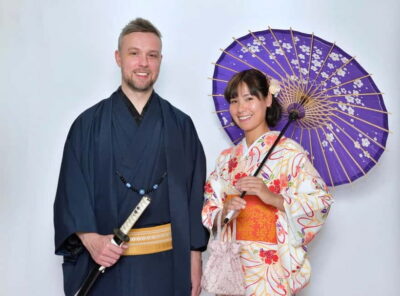
Make Traditional Nerikiri Sweets & Matcha experience in Shibuya
Read our review →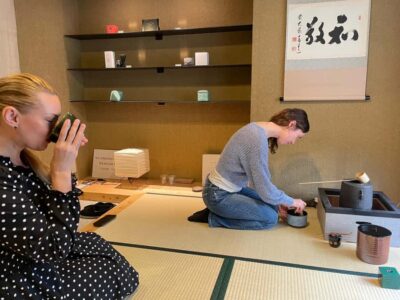
Tea Ceremony Experience in a Private Tea Room in Shibuya
Read our review →Browse the lists this tour appears in