
Reviewed · TOKYO TEA CEREMONIES
Matcha Kimono Tea Ceremony in Tokyo
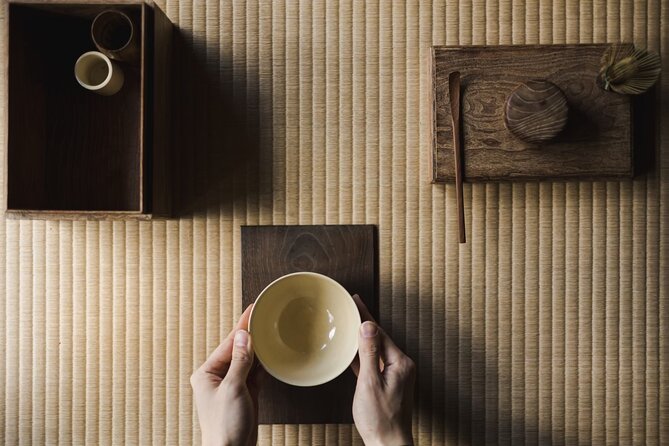
The most appealing part of this Shinjuku workshop is that you don’t just watch someone prepare matcha. You put on a specially designed, easy-to-wear kimono, learn how to use the tea tools, and make a bowl yourself. It is a practical introduction to Japanese tea culture, not a long ceremony that takes over your day.
I like two things in particular: the chance to compare matcha by sight, smell, and taste, and the time set aside for questions. The small group, capped at 10, should make it easier to follow the host’s explanations and ask about what you’re seeing.
One consideration: this is a compact workshop, about 90 minutes, so it offers an introduction rather than an in-depth study of tea ceremony. You’ll also need socks for the tatami room, and arriving more than 10 minutes late can mean automatic cancellation without a refund.
Key points
- Try a high-grade first-flush matcha: The host selects it from a collection of more than 100 matchas from around Japan.
- Wear a quick-to-put-on kimono: This version is designed to take less time than a standard kimono.
- Make your own bowl: Tea tools are provided, and you’ll learn basic preparation and drinking manners.
- Compare tea types: The presentation covers green, black, and Chinese teas, as well as matcha and tea culture.
- Keep the outing short and focused: The workshop lasts about 90 minutes and meets and ends at the same Shinjuku location.
A 90-minute introduction to tea in Shinjuku
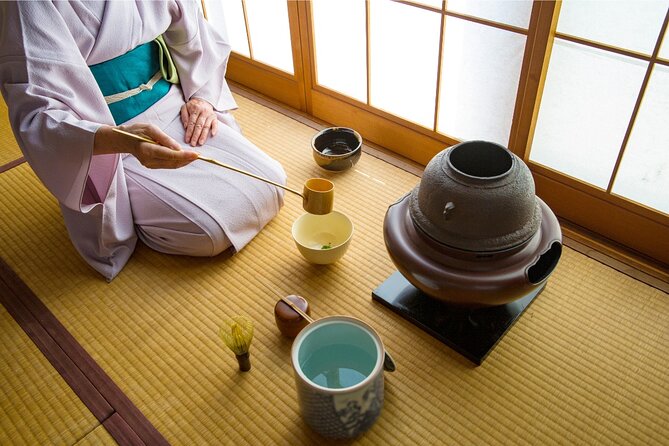
The workshop brings together three things that can be hard to connect on your own: tea varieties, tea ceremony ideas, and the simple physical steps of preparing matcha. You’ll hear an explanation, taste tea, then put the tools to use. That sequence makes the experience more useful than a demonstration alone.
The format is deliberately approachable. The host explains the subject in a friendly, question-friendly way, and the group is limited to 10 people. That gives you a better chance to ask for clarification than you might get in a large tour. The instructor is described as fluent in English, which matters when the details include both unfamiliar words and small points of etiquette.
The activity is based in Shinjuku, with the meeting point listed by a map code. It lasts about an hour and a half and ends back where it begins. That makes it easy to fit between sightseeing plans, though you’ll need to leave enough time to find the meeting point and arrive promptly.
More tea ceremonies in Tokyo:
- Matcha Making Class in Tokyo with Authentic Japanese Sweets Set
★ 5.0 · 744 reviews - Tokyo: Traditional Tea Ceremony with a Tea Master
★ 5.0 · 528 reviews - Tokyo: Matcha Making Experience with Mochi Sweets in Asakusa
★ 4.9 · 388 reviews
First, change into an easy-to-wear kimono
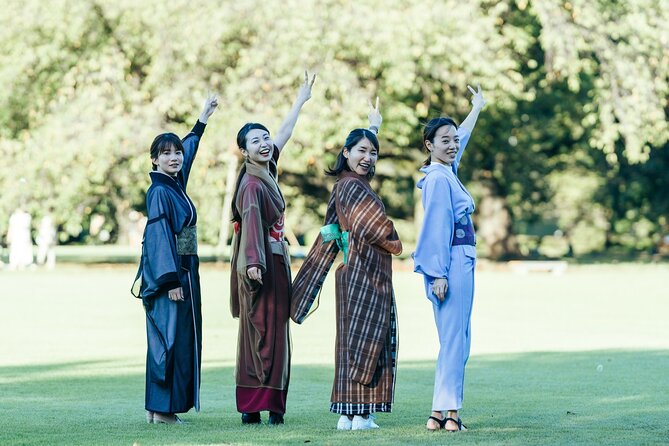
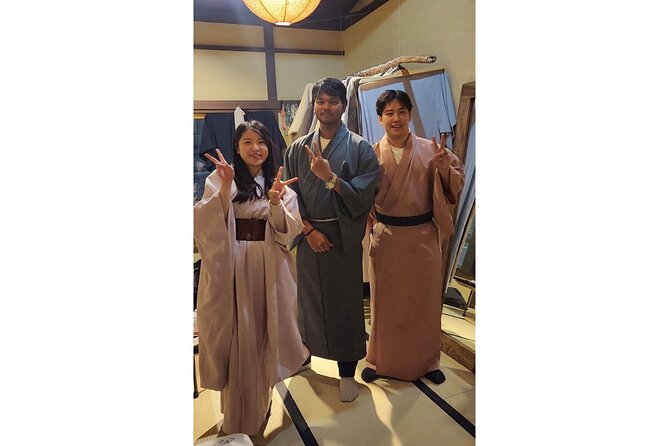
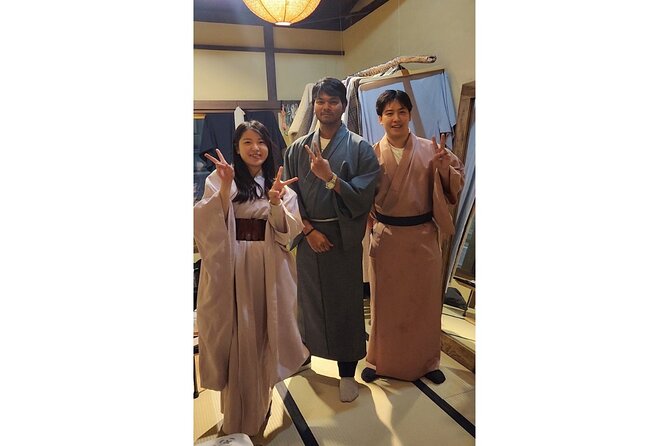
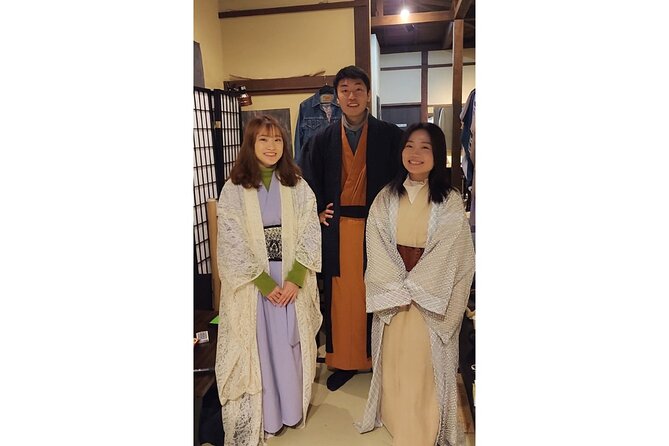
Before the tea lesson, you can put on a casual kimono designed to be quick and simple to wear. That is a practical distinction. A standard kimono can take considerable time to put on, while this workshop’s version is intended to get you dressed without turning the change into the main event.
The clothing adds a tangible cultural element to the session. You’re not only hearing about tea customs; you’re taking part in a setting where traditional clothing and tea practice meet. At the same time, this is a simplified, comfortable option rather than a full formal kimono dressing service. If your main goal is a detailed kimono lesson, the workshop’s focus is broader.
Wear socks, as you’ll be asked to have them on in the tatami room. If you forget, the workshop asks you to buy a pair there. That is a small but useful detail to remember when packing for the day.
Taste matcha before you make it
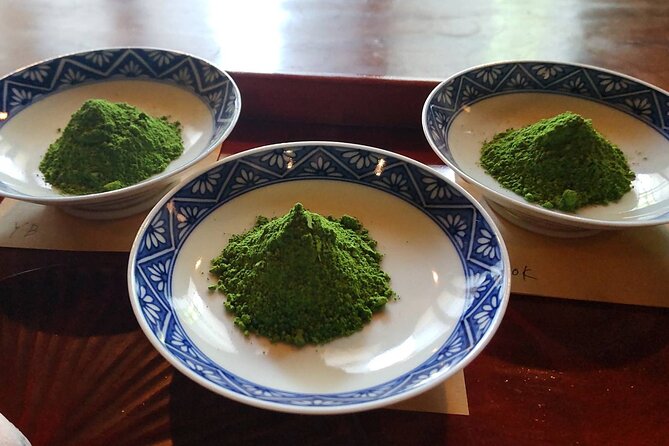
The tasting is more than a quick sip before the lesson. The host presents a first-flush matcha, described as a high-quality selection, and invites you to use your eyes, nose, and tongue to work out what you like. The matcha comes from a collection of more than 100 varieties gathered from around Japan.
That comparison can sharpen your sense of what is in the cup. Matcha is often treated as one uniform flavor, especially outside Japan, but this session explains differences among Japanese matcha and matcha produced overseas. You’ll also hear how matcha relates to other kinds of tea, including green and black tea.
There are decaf and “Terror” matcha options listed. The description does not explain the latter option, so ask the host what it means if you’re curious. If caffeine is a concern, confirm which tea is decaffeinated before you begin tasting.
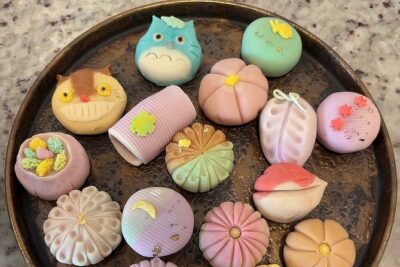
Japanese traditional snacks are included, giving you something to enjoy alongside the tea. The snack is part of the workshop, not a full meal, so plan lunch or dinner separately.
Learn what tea ceremony is trying to express
The presentation covers more than how to whisk a bowl. It introduces the philosophy of Teaism and tea ceremony, and explains why the practice is about more than making a drink. You’ll also learn about the differences among tea styles, with the host placing matcha in a wider Japanese and international context.
This is useful if you want more than a photo in a kimono. The background helps explain why particular tools and manners matter, and gives you a framework for noticing those details later. You won’t come away with the full history or mastery of a formal ceremony in one short class, but you should leave with a clearer idea of what you’re watching when tea is prepared.
The teaching style is described as patient and detailed, with plenty of room to ask questions. That suits curious beginners especially well. If you already know a lot about matcha, you may find the basic etiquette portion familiar, but the broad tasting selection could still give you something new to consider.
More kimono experiences in Tokyo:
- Let’s make kimono !(Kimono is a gift for you
★ 5.0 · 252 reviews - Tokyo: Matcha and Kimono Experience
★ 4.7 · 219 reviews - Tokyo: Asakusa Kimono Dressing and Matcha Experience
★ 4.9 · 173 reviews - Asakusa: Kimono Tea Ceremony with Matcha and Sweet
★ 4.9 · 153 reviews
Whisk your own bowl and learn how to drink it
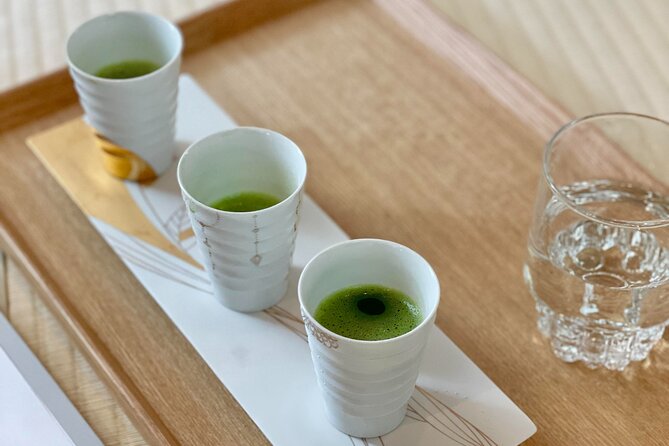
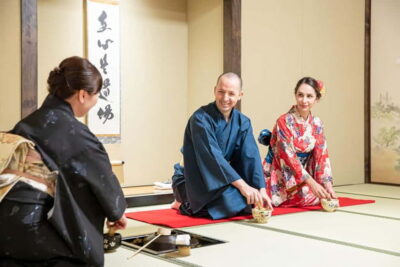
After the talk and tasting, you get to prepare matcha with the proper tools. The host demonstrates how to make a bowl, then guides you through the process. You also learn basic manners for drinking it, so the lesson covers both sides of the experience: preparing the tea and receiving it.
This hands-on part is the heart of the workshop. Watching a bowl being made can be pleasant, but using the tools yourself makes the method easier to remember. It also gives you a better feel for how the preparation differs from stirring matcha into a mug at home.
The activity is intended for newcomers, and the mood is informal rather than intimidating. If you’re unsure about the taste of matcha, you don’t need to be an enthusiast to take part. The cultural explanation and the chance to try the process can still make the session worthwhile, even if the drink itself is not your favorite.
A small group keeps the lesson personal
The maximum group size is 10. That is a sensible cap for a workshop involving clothing, tasting, questions, and shared tea tools. A smaller group can make the instructions easier to hear and give the host more opportunity to help people through the preparation.
The host’s role is central. The experience depends on clear explanations, a welcoming atmosphere, and a willingness to answer questions. The instructor is described as patient and fluent in English, and the class is designed to be accessible even if you have never attended a tea ceremony or worn a kimono.
The session is also a good fit for people who like learning through conversation. You can ask about tea types, etiquette, and the difference between matcha sold in Japan and abroad. If you prefer a silent, highly formal ceremony, this workshop’s teaching-and-tasting format may not be what you’re looking for.
What the $59.46 price includes
At $59.46 per person, the price covers the 90-minute workshop, easy-to-wear kimono rental, tea ceremony tools, Japanese snacks, matcha, and a welcome drink described as coffee and/or tea. You are paying for instruction and participation, not just a cup of tea. The clothing and tools are included, so you don’t need to arrange those separately.
The value is strongest if you want several things in one short activity: a taste comparison, cultural context, a chance to wear a kimono, and a hands-on tea lesson. It also works well in a busy Tokyo schedule, since it is shorter than a half-day tour and does not involve transport between stops.
Private transportation is not included. The meeting point is near public transportation, but you will need to make your own way there and back. Each child attending is charged in full, so families should factor that into the total cost before booking.
Plan your arrival and dress for the tatami room
The activity starts and ends at the listed Shinjuku meeting point. Your ticket is mobile, and confirmation is provided at booking. Since the workshop automatically cancels a reservation after a 10-minute delay, treat the start time as firm. Build in a little extra time to locate the meeting point rather than aiming to arrive at the last minute.
Bring socks for the tatami room. If you forget, you’ll be asked to buy them at the workshop. There is no need to bring tea utensils or a kimono, since both are provided for the session.
The experience requires a minimum number of participants. If that minimum is not met, you’ll be offered another date or experience, or a full refund. You can cancel for a full refund up to 24 hours before the start time; cancellations or changes made later are not accepted.
Who will get the most from this workshop
This activity suits first-time visitors who want a concise, hands-on introduction to Japanese tea culture. It is also a good match for matcha drinkers who want to understand how matcha is prepared and how Japanese varieties compare with those sold overseas. The tasting and question time give the session more depth than a simple costume-and-photo stop.
It can work for families, but remember that children are charged the full price. The short duration is helpful if you are fitting the activity around other plans, while the small group and English-language instruction make the lesson less daunting for beginners.
You may want to choose another activity if you’re seeking a long, highly formal tea ceremony, an extensive kimono dressing experience, or transportation from your hotel. This workshop is best understood as an informal cultural lesson with tasting and practice, not a full-day immersion in either tea or kimono.
Should you book it?
I’d book this if you want to learn by doing, have an interest in matcha, or need a short cultural activity in Shinjuku. The combination of tasting, tea tools, kimono rental, and patient instruction gives the price a clear purpose, and the small group should make questions easier.
Skip it if your priority is a formal ceremony or an extended lesson. For everyone else, it offers a thoughtful way to spend 90 minutes, with one simple piece of advice: bring socks and arrive on time.
FAQ
How long does the experience last?
It lasts approximately 1 hour and 30 minutes.
Where does the workshop meet?
It starts at the listed meeting point in Shinjuku City, Tokyo, identified by the map code MPPG+HH. The activity ends back at the same point.
What is included in the price?
The price includes Japanese traditional snacks, an easy-to-wear kimono rental, tea ceremony tools, high-quality matcha, and a welcome drink described as coffee and/or tea.
Do I need to bring a kimono or tea tools?
No. The kimono and tea ceremony tools are provided for use during the workshop.
Should I bring socks?
Yes. Socks are required in the tatami room. If you forget them, you’ll be asked to buy a pair at the workshop.
How many people can join?
The activity has a maximum of 10 participants.
Are children charged?
Yes. All children attending the experience are charged in full.
Is transportation included?
No. Private transportation is not included. The meeting point is near public transportation.
Are decaf options available?
A decaf option is listed. A “Terror” matcha option is also mentioned, but its meaning is not explained in the activity information.
What happens if I arrive late or need to cancel?
A reservation is automatically canceled if you are more than 10 minutes late, with no refund. You can cancel for a full refund up to 24 hours before the start time; later cancellations and changes are not accepted.
Freshly reviewed in Tokyo
- Tokyo: Toshimaya Sake Brewery Tour with Sake Tasting★ 5.0 · 6 reviews
- :Tokyo,Shibuya /Meiji Shrine tour in KIMONO/English-friendly★ 5.0 · 4 reviews
- Tokyo: Tour Privado por Tokio en español★ 4.3 · 4 reviews
- Tokyo:Tea ceremony experience at Komaba Warakuan★ 4.8 · 9 reviews
- :Tokyo,Shibuya/ Pro Photography in Kimono / English-Friendly★ 5.0 · 26 reviews
- Tokyo:Samurai Training : Swords, Bushido & Mental Discipline★ 5.0 · 6 reviews
- Tokyo:Mt Fuji & Hakone Day Tour with English Speaking Driver★ 5.0 · 26 reviews
- Tokyo:Nikko UNESCO World Heritage Sites Private 1-Day Tour★ 3.8 · 6 reviews
Tokyo Tea Ceremonies, compared.

Matcha Making Class in Tokyo with Authentic Japanese Sweets Set
Read our review →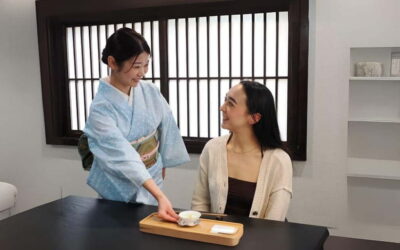
Matcha Making Experience with Mochi Sweets in Asakusa
Read our review →
Tea Ceremony Workshop in Tokyo by the Experienced Instrucor
Read our review →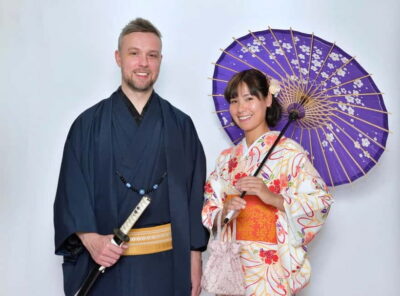
Make Traditional Nerikiri Sweets & Matcha experience in Shibuya
Read our review →Browse the lists this tour appears in