
Reviewed · TOKYO SUMO EXPERIENCES
Watch Sumo Morning Practice at Stable in Tokyo
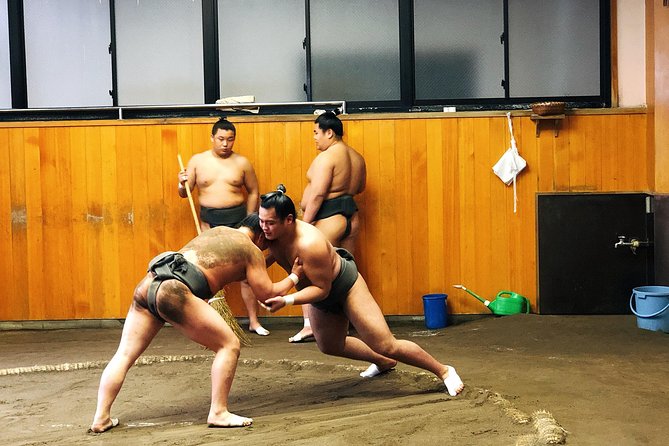
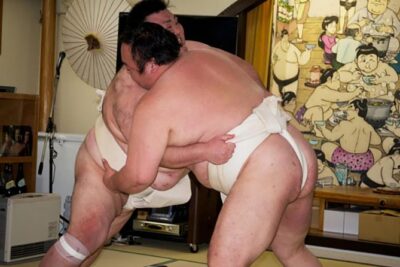
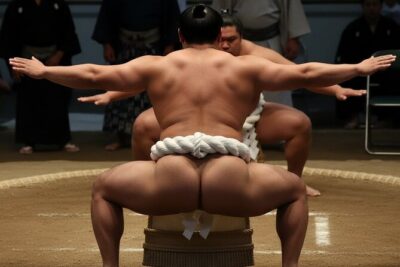
Sumo practice is not a staged match. You watch wrestlers work through the routines and hard contact of a real morning session, close enough to notice the force of each collision and the discipline behind the ritual. The stable setting gives you a rare look at a part of sumo life most Tokyo visitors never see.
I like two things here: the practice builds from warm-ups into more intense sparring, so you see the athletes prepare as well as compete; and the photo opportunity with wrestlers gives the visit a personal finish. It is a small window into a serious sport, not a performance arranged around an audience.
The main drawback is comfort. You may sit on the floor for a long time, in near silence, and the session can last longer or shorter than expected. If floor sitting is difficult for you, ask about a chair before booking, and be prepared for a less comfortable view if one is available.
Sumo practice at a glance
- Watch a working training session: Wrestlers stretch, warm up, repeat techniques, and spar in the dohyo, the sumo ring.
- Keep quiet and watch closely: Eating, loud conversation, bright flash, and intrusive camera sounds can distract the wrestlers.
- Allow for 60 to 90 minutes: Practice timing varies each day. During Tokyo tournament periods, sessions may last only 30 to 40 minutes.
- Prepare for floor seating: You need to be able to sit on the floor for an extended stretch. A chair may be available on request, but seating is limited.
- Check the final location details: The meeting point is in Tokyo, and the itinerary names Ryogoku Kokugikan, while the activity itself takes place at a stable. Confirm the precise address and route before setting out.
- Budget about $95.77 per person: The price includes entry and photos at the end, but no food or drinks.
Entering a sumo stable
The visit begins at a prearranged meeting point in Tokyo, where you meet your guide and the group before heading to the stable. That arrangement is useful in a city where a training venue may not be an obvious stop for a first-time visitor. Still, do not rely on a broad Tokyo address or assume the famous Ryogoku arena is the practice site. The listed itinerary names Ryogoku Kokugikan, but the activity description is specifically about watching practice at a sumo stable. Check your final meeting instructions for the actual address.
Location matters because the stable’s exact schedule and access depend on the wrestlers’ training routine. Conditions can be confirmed only about a week in advance, and the stable may be closed during tournament months. Give yourself time to reach the meeting point, and keep the address handy in Japanese if you plan to take a taxi. One practical note: the meeting point is not described as a hotel pickup, so plan to make your own way there.
The tour is listed for Monday through Saturday, from 8 a.m. to 10 a.m. during its scheduled date ranges in February, March, April, and May 2026. Those hours describe the operating window, not a guarantee that practice will fill two hours. The actual observation period is usually 60 to 90 minutes, with the end time varying from day to day.
More sumo experiences in Tokyo:
- Tokyo: Sumo Show Experience with Chicken Hot Pot and a Photo
★ 4.8 · 6,678 reviews - Tokyo: Sumo Show and Dining Experience
★ 4.8 · 2,742 reviews - the SUMO show
★ 5.0 · 1,960 reviews
Watching the training, not a show
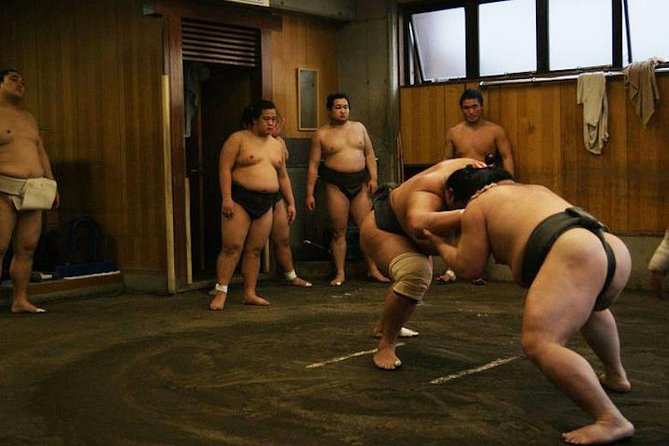
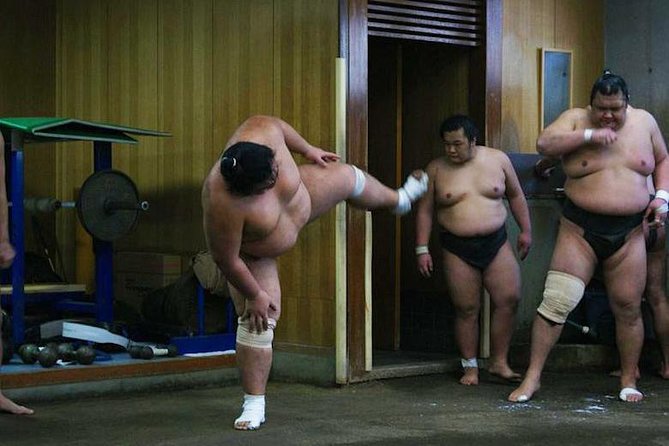
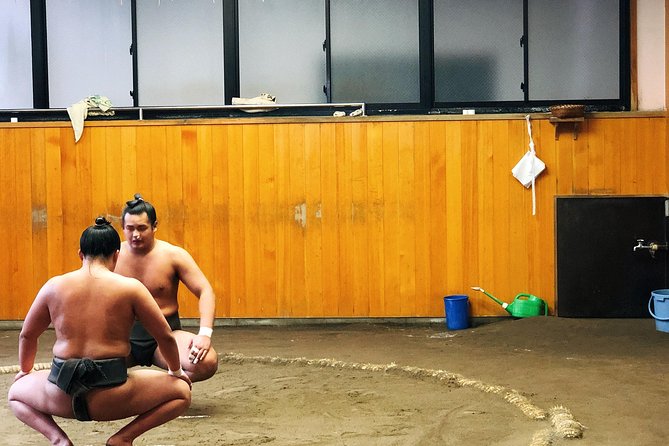
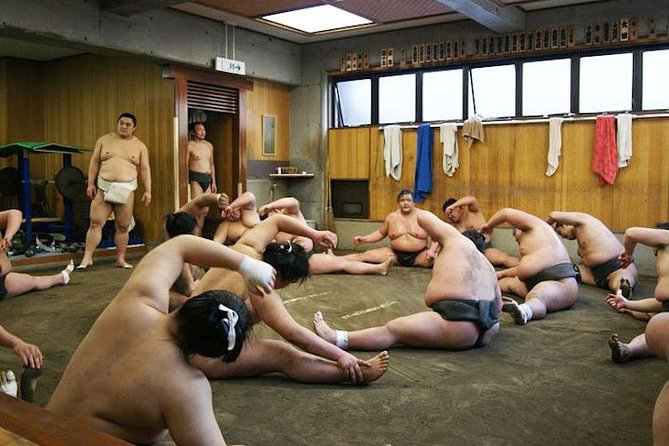
Inside, you take a place on the floor and watch the wrestlers prepare and train. Expect stretches and warm-ups first, followed by repeated practice of sumo techniques and bouts of sparring. The progression is part of the appeal: early movements may seem repetitive, but they show how athletes build into the forceful exchanges that make sumo so striking at close range.
This is a working practice, so the wrestlers’ focus comes first. Keep your voice down, do not eat, and avoid a camera flash or noises that might distract them. You are there to observe, not to direct the action or ask questions during training. That quiet atmosphere can feel intimate and respectful, but it also means the session may offer little explanation unless your guide provides it.
A little preparation helps. Learn basic terms and the ranking structure before you go, or watch a short introduction to sumo so the customs and routines have context. The supplied details do not promise a full educational talk, and the level of explanation may vary. If understanding the rules is as important to you as seeing the practice, ask in advance whether your guide will explain what is happening.
The physical action is not constant. You may see long stretches of warm-up or repeated drills before the intensity rises. That is valuable if you want to understand how wrestlers train, but less satisfying if you expect a sequence of dramatic bouts. The best frame of mind is to treat it as a training-room visit, not a ticket to a contest.
The view, the floor, and the photo
The close distance is the strongest reason to book. You can see the size and strength of the wrestlers, but also the technique, balance, and repetition that underpin the sport. When the sparring begins, the impact is immediate. The sound and physical power can be far more impressive than watching a match from a seat in a large arena.
The same intimate space creates a few practical compromises. You sit on the floor for much of the visit, and the surface may be hard beneath a thin mat. Sitting still in one position can become uncomfortable, especially if you have back or knee trouble. The activity requires extended floor sitting, so consider your comfort honestly rather than hoping you can shift around unnoticed.
A chair may be available on request, but there are few, and the view may be poorer than from the floor. Ask before booking rather than counting on one being free on arrival. If you do sit on the floor, arrive early enough to improve your chance of a clear sightline. The view can be affected by other people, the coach’s position, or the layout of the room, and you may not be able to move once practice starts.
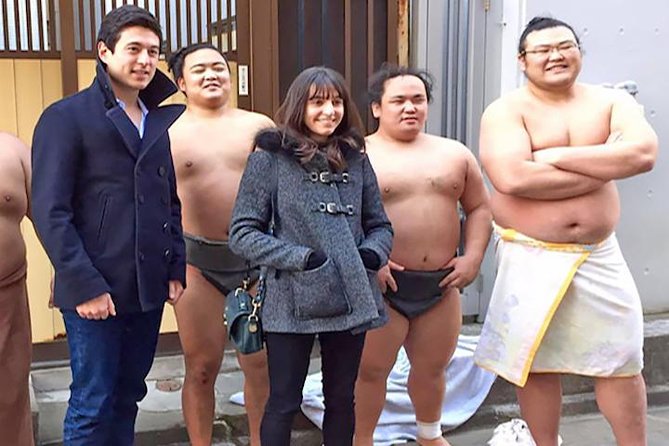
Photos with the wrestlers are included at the end, but do not build a tight onward schedule around them. Practice does not end at a fixed time, and the photo opportunity can be affected if the session runs long. The photo is a welcome extra, not the main event. The training itself is what you are paying to see.
Timing, seasons, and what the price buys
At about $95.77 per person, this is not a cheap hour of sightseeing. The price includes entrance to practice and photos with the wrestlers, and it buys access to a private training environment that is not generally part of a casual Tokyo visit. The value is strongest if you are curious about sumo, appreciate seeing skilled athletes at work, and are comfortable sitting quietly for a session whose rhythm is not designed for tourists.
The value is weaker if you want constant action, a long guided talk, or a guaranteed session of a set length. A morning practice is not a tournament bout, and the price stays the same even when practice is shortened during Tokyo tournament season. In January, May, and September, tournament dates fall around the 15th to 25th, though exact dates vary each year. During those periods, practice may be only 30 to 40 minutes.
The stable schedule can also rule out some dates. Tournaments take place in other months, and the stable is closed during those tournament periods. Availability is subject to confirmation, typically within 48 hours of booking, and conditions may be confirmed only about a week before the visit. If your trip dates are fixed, ask about the likely practice schedule before committing.
This experience is best for curious adults and teenagers who can sit quietly and accept a little uncertainty. The minimum age is 13. Families with teens can find the close-up view compelling, particularly if everyone understands that this is serious training rather than a show. It is a poor fit for anyone who needs a guaranteed chair, frequent movement, or a precisely timed finish.
More early-start experiences in Tokyo:
- Tokyo: Sumo Morning Practice Viewing Tour
★ 4.8 · 570 reviews - Tokyo: Sumo Morning Training Visit
★ 4.4 · 370 reviews - Tokyo: Sumo Morning Practice Tour at Sumida City
★ 4.8 · 308 reviews - Tokyo Sumo Morning Practice Tour at Stable
★ 5.0 · 298 reviews
Getting there and booking with care
The tour ends back at the meeting point, but transport to the start is your responsibility. The location may take more effort to reach than a major attraction, so allow extra time and confirm the final address. If you take a taxi, have the Japanese address available; the meeting notice should be your guide, not a guess based on the itinerary’s named stop.
Book well ahead if you have a particular morning in mind. The experience is booked on average about 62 days in advance, and stable access depends on the training calendar. Check that your date falls within the listed operating dates, then verify the final schedule once the operator confirms it.
The cancellation terms are worth reading before you pay. A full refund is available if you cancel at least six full days before the start time. Cancellations two to six full days ahead receive a 50% refund, while cancellations within two full days are not refunded. Changes close to the date are restricted, and a delay, illness, or similar problem is treated as a cancellation. If poor weather cancels the activity, you are offered another date or a full refund.
Should you book the sumo morning practice?
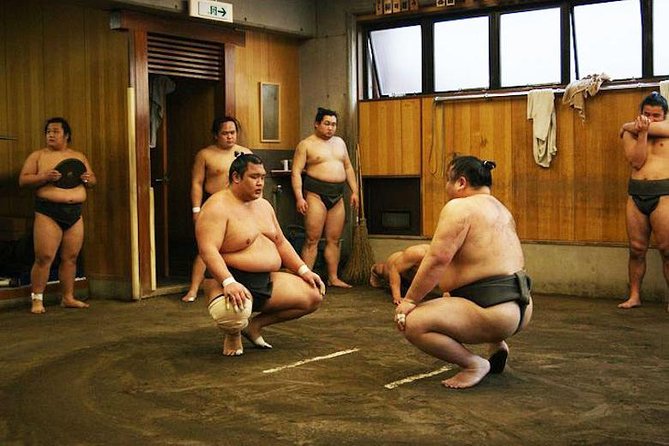
Book it if you want an up-close look at sumo as a sport and are happy to observe quietly rather than be entertained. The warm-up, repeated drills, and forceful sparring offer a view of the athletes’ work that a tournament alone cannot provide. The included photo is a nice bonus, and the small-scale setting can make the wrestlers’ strength and technique especially vivid.
Think twice if floor sitting is painful, if you need a firm end time, or if you expect a guide to explain every ritual. Check the site address, ask about seating and the schedule, and avoid booking around a tight connection. With those points settled, this is a distinctive way to see Tokyo’s sumo world from close range.
FAQ
How long does the sumo practice visit last?
The activity lasts about 60 to 90 minutes in most cases, though the end time varies each day. During Tokyo tournament season, practice may last only 30 to 40 minutes.
What is included in the price?
The price includes entrance to sumo practice and photos with the wrestlers at the end. Food and beverages are not included.
Do I need to sit on the floor?
Yes. Participants should be able to sit on the floor for an extended period. A chair may be available on request, but the number is limited and the view may not be as good.
What is the minimum age?
The minimum age is 13.
Can I talk or take photos during practice?
You should remain quiet and avoid eating, loud conversation, bright camera flashes, and intrusive camera sounds. There is time for photos with the wrestlers at the end.
Is practice held every month?
No. The stable is closed during tournament periods, which take place in other months. The schedule depends on the stable, and exact dates vary each year.
Where does the tour meet?
The tour starts at a meeting point in Tokyo and ends back there. The itinerary names Ryogoku Kokugikan, but the activity is at a sumo stable, so check the final meeting instructions for the precise address.
What is the cancellation policy?
Cancel at least six full days before the start for a full refund. Cancellations two to six full days ahead receive a 50% refund, and cancellations within two full days are not refunded. If poor weather cancels the activity, you are offered another date or a full refund.
Freshly reviewed in Tokyo
- Tokyo: Toshimaya Sake Brewery Tour with Sake Tasting★ 5.0 · 6 reviews
- :Tokyo,Shibuya /Meiji Shrine tour in KIMONO/English-friendly★ 5.0 · 4 reviews
- Tokyo: Tour Privado por Tokio en español★ 4.3 · 4 reviews
- Tokyo:Tea ceremony experience at Komaba Warakuan★ 4.8 · 9 reviews
- :Tokyo,Shibuya/ Pro Photography in Kimono / English-Friendly★ 5.0 · 26 reviews
- Tokyo:Samurai Training : Swords, Bushido & Mental Discipline★ 5.0 · 6 reviews
- Tokyo:Mt Fuji & Hakone Day Tour with English Speaking Driver★ 5.0 · 26 reviews
- Tokyo:Nikko UNESCO World Heritage Sites Private 1-Day Tour★ 3.8 · 6 reviews
Tokyo Sumo Experiences, compared.
Tokyo Shinjuku Sumo Show & Experience with Photo
Read our review →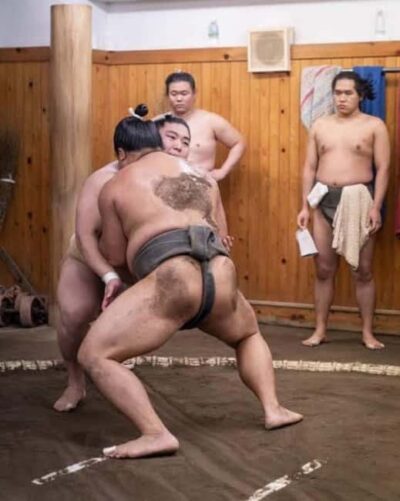

Authentic Sumo Experience in Tokyo: Enter the Sanctuary
Read our review →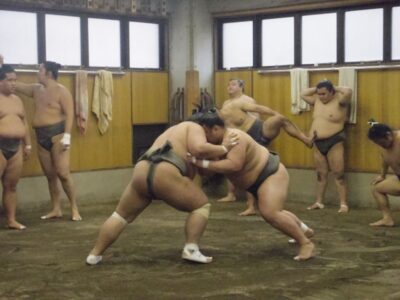
Tokyo Sumo Experience: Chanko & Mochi with a Former Pro
Read our review →Browse the lists this tour appears in