
Reviewed · TOKYO SUMO EXPERIENCES
Tokyo: Sumo Morning Practice Tour at Sumida City
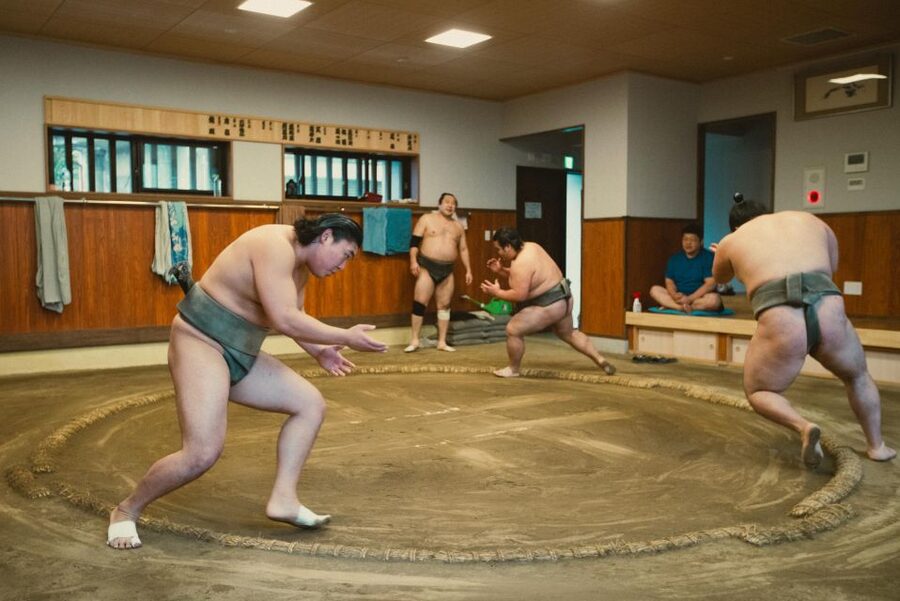
Sumo practice is not staged for visitors. You sit close to the ring as wrestlers train, watching the force of each clash and the ritual around it. I like two things about this morning: the unusually close view of real training and the chance to ask the stable master about the wrestlers’ lives and the sport.
The trade-off is a serious one: you’ll need to sit on the floor, quietly and without a chair, for much of the visit. The early start, a 15 to 20 minute walk to the stable, and strict rules about silence also make this a better fit for patient, mobile visitors than for anyone seeking an easygoing sightseeing stop.
- Practice, not a show: Watch wrestlers train inside a working sumo stable, where concentration matters more than entertaining an audience.
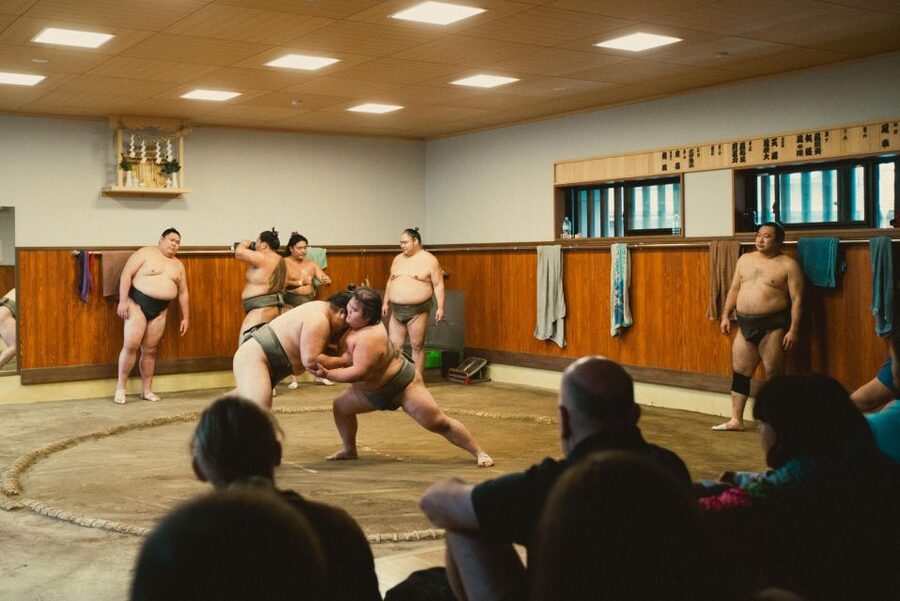
- A close seat by the ring: You may see the wrestlers’ strength and agility at close range, though your view can depend on where you sit and how many people are present.
- Questions after training: The stable master’s Q&A is a key part of the visit, offering a chance to learn about sumo and wrestlers’ daily lives.
- Early start near Tokyo Skytree: Meet at Oshiage Station at 7:15 a.m. and walk about 15 to 20 minutes to the stable.
- A few rules to plan around: No chairs, flash photography, large bags, food, or restroom break during practice. Photos and videos must not be uploaded to social media.
Inside a working sumo stable
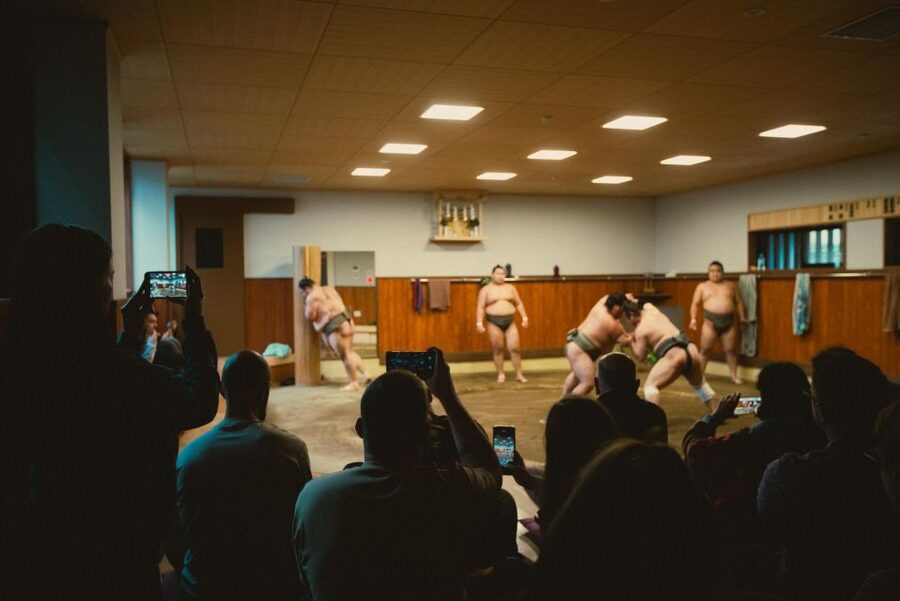
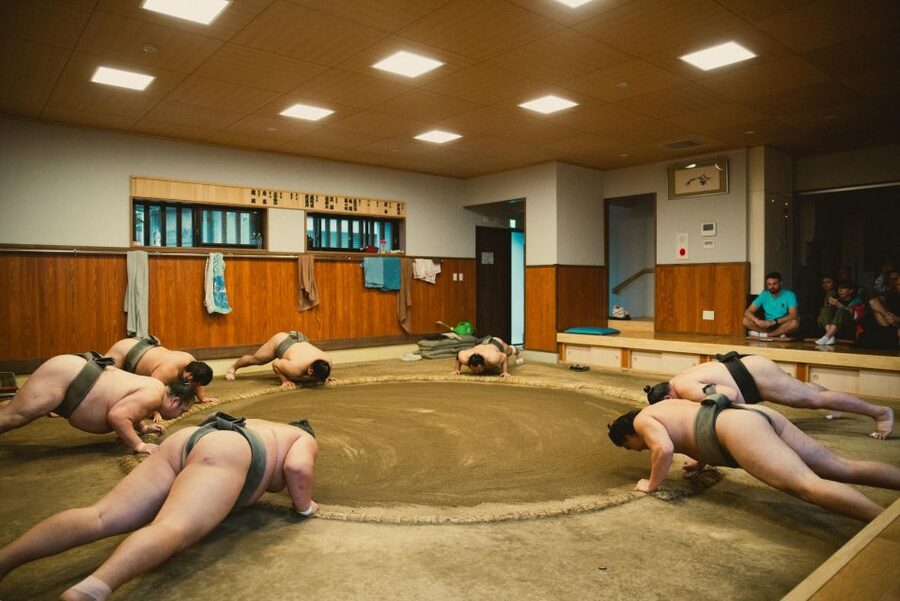
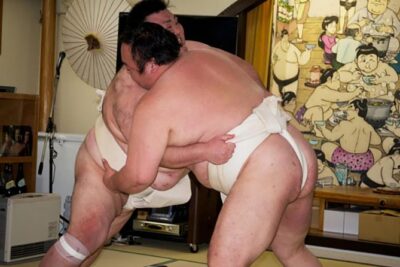
The main attraction is not a tournament bout, but the practice that prepares wrestlers for one. You watch them repeat drills and face each other in intense exchanges, with the stable’s own routines unfolding around you. This is a chance to see sumo as a demanding sport and a disciplined daily practice, not just the short bouts shown on television.
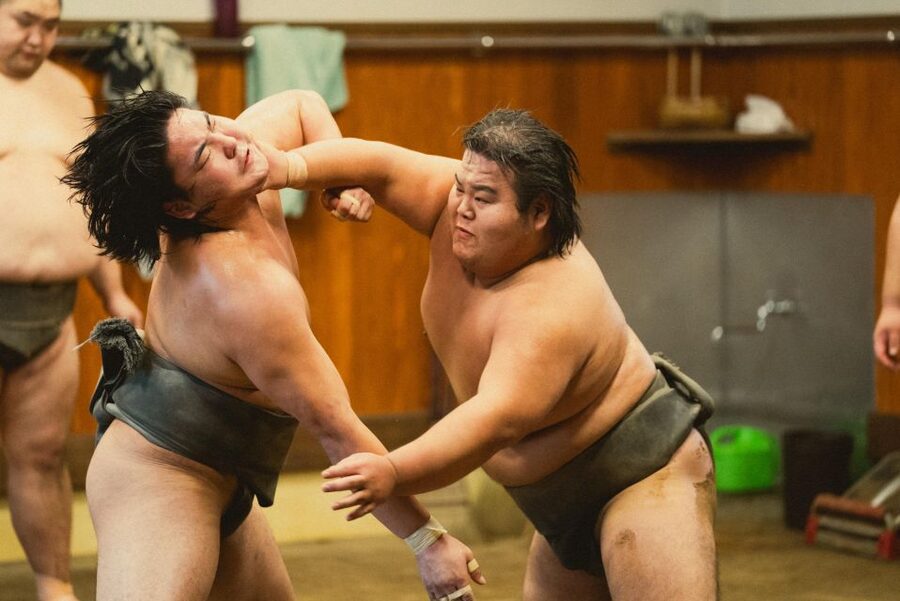
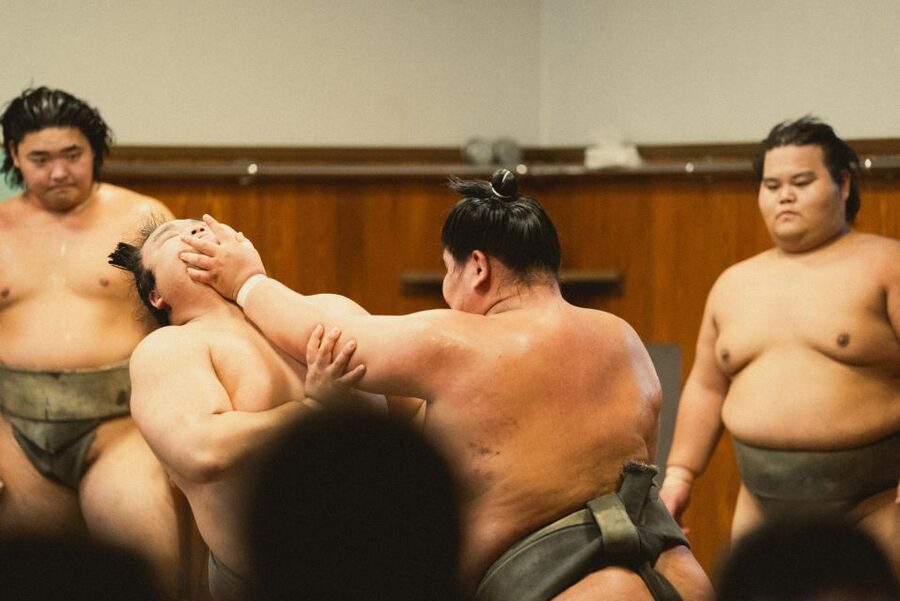
The close view is part of the appeal. You can notice the wrestlers’ size, but also their speed, balance, and flexibility. The training may include one-on-one clashes, though you should not expect every session to look the same. One visitor found practice less intense during a period when a tournament was underway, so the action can vary.
It is important to remember that the stable is not a theater. The wrestlers are there to train, and visitors are expected to watch quietly. That restraint is not a drawback so much as the price of seeing an authentic practice session. If you want a lively presentation with constant commentary, this is not that kind of tour.
The walk from Oshiage to the stable
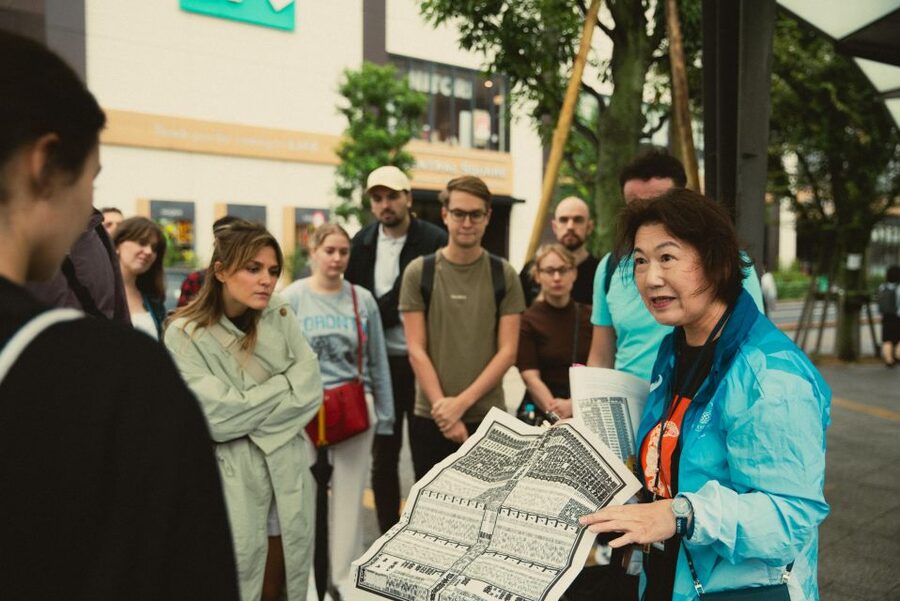
The meeting point is at the ground-floor A1 exit of Oshiage Station, served by the Tokyo Metro and Toei Asakusa Line. The group meets at 7:15 a.m., with the tour starting at 7:30. From there, expect a walk of about 15 to 20 minutes to the stable. Tokyo Skytree Town is a short walk from the meeting point, but the stable itself is described only as a secret stop.
That walk is worth factoring into your morning. Wear comfortable shoes that are easy to remove, since you will take them off at the stable. If rain could leave your feet wet, bring a small towel to wipe them before entering. The guide leads the group, which is useful in a city where a station exit can be easy to miss, but make sure you know the exact exit before setting out.
If you are running late, contact the activity provider. You may be given the stable address and told to make your own way there, but do not enter on your own. Wait outside for the guide, and do not ring the doorbell. The point is to avoid interrupting the wrestlers’ concentration.
More sumo experiences in Tokyo:
- Tokyo: Sumo Show Experience with Chicken Hot Pot and a Photo
★ 4.8 · 6,678 reviews - Tokyo: Sumo Show and Dining Experience
★ 4.8 · 2,742 reviews - the SUMO show
★ 5.0 · 1,960 reviews
Watching practice from the floor
Once inside, settle in for a long stretch of floor seating. There are no chairs, and visitors are asked to sit cross-legged for about 1.5 hours. If that position is painful or difficult for you, take the warning seriously. This is not a venue where you can count on finding another seat or stepping away for a break.
The tour lasts about two hours. Most of that time is spent watching practice, followed by questions and, when possible, photographs. The wrestlers’ work is the center of the visit, so your guide may keep explanations brief while training is underway. Some guides share information before or after practice, and the exact balance can vary.
Try to arrive with a little background curiosity, not a checklist of facts you expect to hear during every drill. The English-speaking guide can explain the rules, rituals, and context, while the stable master’s answers add a more personal perspective. Past guides have included Tadashi, Kiyomi, Oku, Yoko, and Yuriko. The guide’s role matters: visitors have valued clear explanations and practical help, while a large group or a softly spoken guide can make it harder to hear.
Why the stable master’s Q&A matters
The question period can turn an impressive spectacle into a more human encounter. You can ask about sumo’s traditions, training, and the lives of wrestlers, then hear directly from the stable master. Visitors have described this conversation as a major part of the morning, and some have learned details that made the practice feel less like an athletic display and more like a glimpse into a demanding way of life.
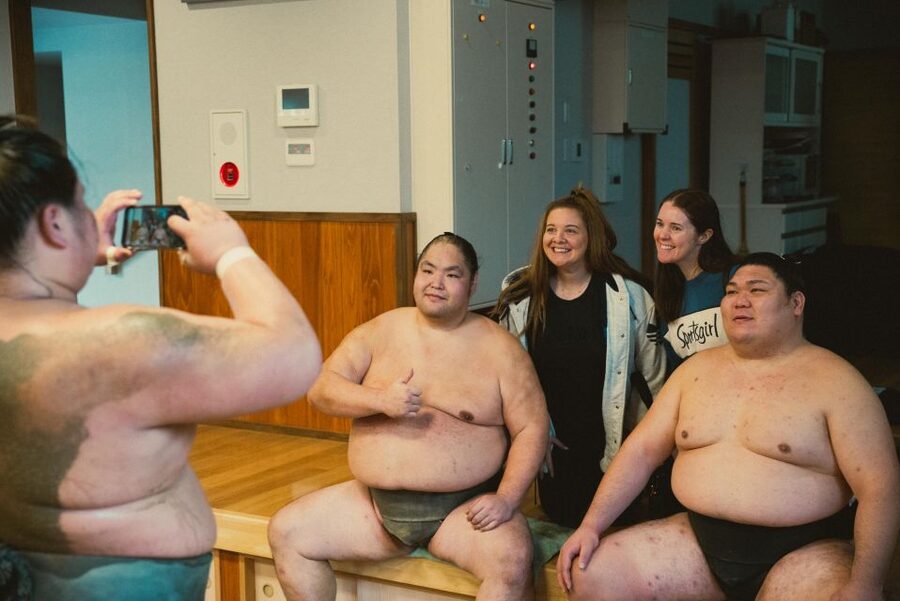
There may also be a chance to take a photograph with the wrestlers after practice. Treat that as a possibility, not a promise. The opportunity depends on what is appropriate at the stable that day, and the wrestlers’ training and routines come first.
The atmosphere is respectful rather than casual. Follow the guide’s instructions, keep quiet during practice, and wait for permission before taking pictures. You can take photos and videos without flash or shutter sounds, but you cannot upload them to social media. That restriction is worth knowing before you book, especially if sharing images is part of how you document a trip.
What the $116 price buys you
At $116 per person, this is not a low-cost way to fill two hours. The fee includes an expert English-speaking guide and admission to the sumo stable. It does not include hotel pickup, drop-off, food, or drinks, so you are paying chiefly for access to the practice and for help understanding what you are seeing.
I think the value is strongest if you care about Japanese culture or sport and want a close look at something you could not arrange easily on your own. The stable master’s Q&A, the guide’s explanations, and the chance to watch training from nearby give the tour more substance than simply peering into a practice space. If you are mostly curious about seeing famous wrestlers or want a guaranteed photo, the price may feel harder to justify. The experience centers on training, and the chance to pose with wrestlers is not assured.
The two-hour length is also a useful point of comparison. It is a focused morning outing, not a full-day commitment, but the early meeting and the floor seating take effort. If you are already staying near Oshiage or plan to visit Tokyo Skytree Town, the location can fit neatly into a day. You still need to allow for the walk and arrive on time.
More early-start experiences in Tokyo:
- Tokyo: Sumo Morning Practice Viewing Tour
★ 4.8 · 570 reviews - Tokyo: Sumo Morning Training Visit
★ 4.4 · 370 reviews - Tokyo Sumo Morning Practice Tour at Stable
★ 5.0 · 298 reviews - Tokyo Ryogoku Sumo Morning Practice + Photo Shoot with Wrestlers
★ 4.5 · 277 reviews
Timing, manners, and who should go
Practice and tours are not held in March, July, or November, when Grand Sumo tournaments take place outside Tokyo. The schedule is generally known one to two months ahead, and reservations open then. Check availability around two months before your preferred date rather than assuming a practice will run whenever you are in town.
The tour is for children aged six and older. Children must be able to sit quietly and watch without moving around; if they are noisy or restless, the group may be asked to leave the stable. The activity is not suitable for children under five or people with mobility impairments. The walk and floor seating also make it a poor choice if you need an accessible route or a chair.
Before leaving your hotel, use the restroom. You cannot go during practice. Leave large bags, food, hats, sunglasses, and strollers behind, and do not use flash photography. These rules are not fussy extras. They protect the quiet needed for the wrestlers to train and help keep a small, close viewing space workable.
Should you book this sumo morning tour?
Book it if you are willing to wake early, sit on the floor, and watch quietly in exchange for a rare look at sumo training from close range. The most rewarding parts are the physical intensity of practice and the chance to ask the stable master questions afterward. It is especially suited to visitors who want context as well as action, and who are comfortable following the stable’s rules.
Skip it if you need a chair, cannot sit still for an extended period, or expect a polished performance with guaranteed photos and constant narration. At $116, it asks for a real investment, but for a sumo-curious visitor, access to a working stable and the chance to hear from its master make the morning a distinctive use of time in Tokyo.
FAQ
How long does the tour last?
The activity lasts about two hours. The schedule includes roughly 1.5 hours of practice, with time for questions and possible photos afterward.
Where and when do I meet the guide?
Meet at 7:15 a.m. at the ground-floor A1 exit of Oshiage Station, served by the Tokyo Metro and Toei Asakusa Line. The tour starts at 7:30 a.m.
How far is the sumo stable from the meeting point?
The walk takes about 15 to 20 minutes. If you are late, contact the activity provider before going to the stable. Do not enter or ring the doorbell on your own.
Are tours held every month?
No. Morning practice tours are not held in March, July, or November because Grand Sumo tournaments take place outside Tokyo. The schedule is usually known one to two months ahead.
Can I take photos or videos?
You may take photos and videos without flash or shutter sounds. You may not upload them to social media, and a photo with the wrestlers is possible but not guaranteed.
Is there a chair at the stable?
No. You should be prepared to sit cross-legged on the floor for about 1.5 hours. The activity provider recommends not booking if you cannot do this.
What is included in the $116 price?
The price includes an English-speaking guide and the sumo stable entrance fee. Hotel pickup and drop-off, food, and drinks are not included.
Freshly reviewed in Tokyo
- Tokyo: Toshimaya Sake Brewery Tour with Sake Tasting★ 5.0 · 6 reviews
- :Tokyo,Shibuya /Meiji Shrine tour in KIMONO/English-friendly★ 5.0 · 4 reviews
- Tokyo: Tour Privado por Tokio en español★ 4.3 · 4 reviews
- Tokyo:Tea ceremony experience at Komaba Warakuan★ 4.8 · 9 reviews
- :Tokyo,Shibuya/ Pro Photography in Kimono / English-Friendly★ 5.0 · 26 reviews
- Tokyo:Samurai Training : Swords, Bushido & Mental Discipline★ 5.0 · 6 reviews
- Tokyo:Mt Fuji & Hakone Day Tour with English Speaking Driver★ 5.0 · 26 reviews
- Tokyo:Nikko UNESCO World Heritage Sites Private 1-Day Tour★ 3.8 · 6 reviews
Tokyo Sumo Experiences, compared.
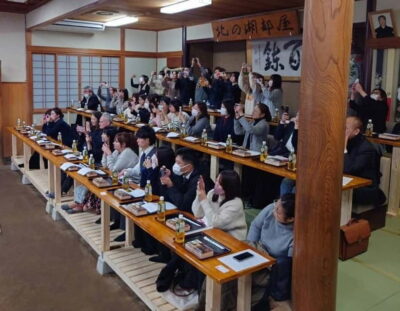
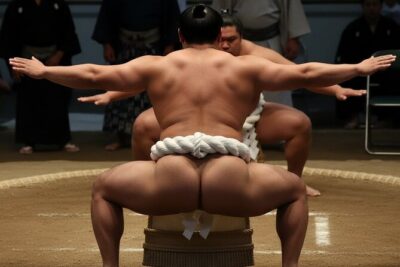
Tokyo Shinjuku Sumo Show & Experience with Photo
Read our review →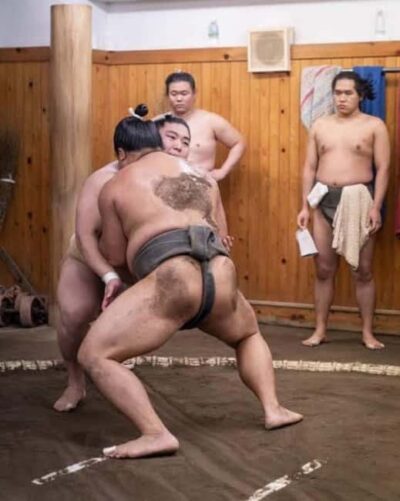

Authentic Sumo Experience in Tokyo: Enter the Sanctuary
Read our review →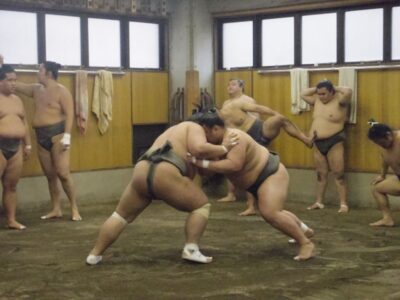
Tokyo Sumo Experience: Chanko & Mochi with a Former Pro
Read our review →Browse the lists this tour appears in