
Reviewed · TOKYO SUMO EXPERIENCES
Tokyo Ryogoku Sumo Morning Practice + Photo Shoot with Wrestlers
A sumo stable is not a stage. You watch wrestlers train for real, close enough to notice the footwork, ritual, and force behind each bout. That quiet, serious setting is what makes this two-hour morning visit different from watching a tournament.
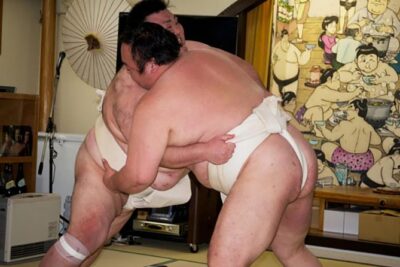
I like two things in particular: the guide helps explain a sport that can be hard to follow at first, and the small group, capped at seven, makes the stable feel less like a grandstand. The practice itself is the main event, with wrestlers warming up and working through drills and bouts.
The trade-off is that you must sit quietly on the floor, often for a long stretch, and the stable controls seating and photography. Practice schedules can change, too, so treat this as a special opportunity, not a guaranteed photo session.
What to Know Before You Go
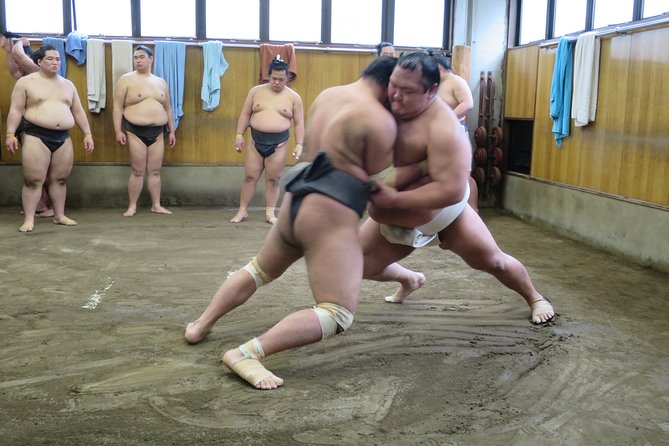
- Practice is real training: You watch wrestlers work, not a performance arranged for tour groups.
- The stable chooses the rules: Photos, posed pictures, seating, and access can vary by stable.
- Expect floor seating: Chairs are not usually available, and you may need to sit quietly for over an hour.
- Meet at the JR station: Use Ryogoku JR Station East Exit, not the separate Ryogoku Oedo Line Station.
- The route can change: The walk to the stable takes about 5 to 30 minutes, depending on which stable is available.
- This is for ages 12 and up: Children under 12 cannot enter the morning practice.
Close Enough to See the Work
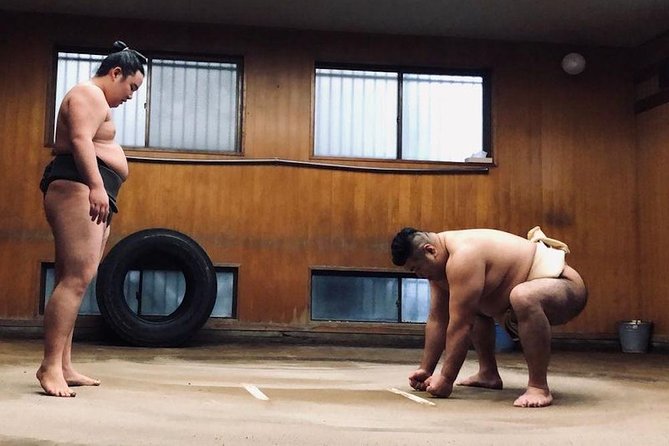
Sumo is easy to recognize and harder to understand from the outside. The tournament bouts are brief, but the training behind them is demanding. At morning practice, you see the daily work: warm-ups, exercises, technique drills, and practice bouts between wrestlers.
The appeal is not simply getting close to large athletes. It is watching the order and concentration of the stable at work. The wrestlers train in a shared space, and you are there as a quiet observer. This is not a show, so the pace, the length of the session, and the chance to see particular drills are not arranged around your schedule.
That distinction matters. If you expect a polished introduction followed by a series of demonstrations, the experience may feel spare. If you are curious about how athletes prepare, and willing to watch carefully, the stable offers an unusually direct view of a sport that most visitors encounter only from arena seats or television.
The practice can include intense bouts, but there is no promise that every session will look the same. Some groups have watched for more than an hour; a session may also run longer than expected. The stable’s needs come first.
More sumo experiences in Tokyo:
- Tokyo: Sumo Show Experience with Chicken Hot Pot and a Photo
★ 4.8 · 6,678 reviews - Tokyo: Sumo Show and Dining Experience
★ 4.8 · 2,742 reviews - the SUMO show
★ 5.0 · 1,960 reviews
Meeting at Ryogoku JR Station
The tour starts at 8:00 a.m. Meet your guide at Ryogoku JR Station East Exit, by Re.Ra.Ku Ryōgoku Ekimae beneath the elevated tracks. Look for the red or orange MagicalTrip sign. There are two Ryogoku stations, so do not head to the Ryogoku Oedo Line Station by mistake.
Aim to arrive early. The tour starts on time, and the operator says that people more than 15 minutes late from the stated meeting time cannot join, receive a refund, or reschedule. Since the meeting time is 10 minutes before the start, arriving with a little extra margin is the sensible plan.
Once the group is together, the guide walks you to whichever stable is available that morning. That walk may take just five minutes or as long as 30. It is a useful reminder that the stable is not a fixed attraction with a predictable visitor entrance. Access depends on the stable’s schedule and its willingness to host the group.
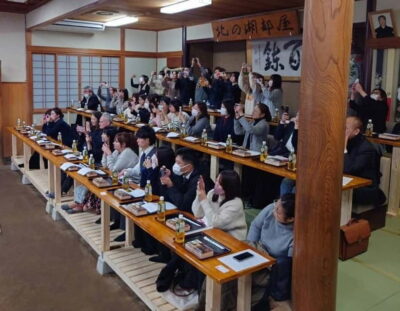
The group is limited to seven people, though a larger booking may be split into separate groups and sent to different stables. A small group helps keep the visit manageable, but it cannot guarantee a front-row place. Seating is first come, first served, and other tour groups may arrive before yours.
Inside the Stable: Quiet, Close, and Unscripted
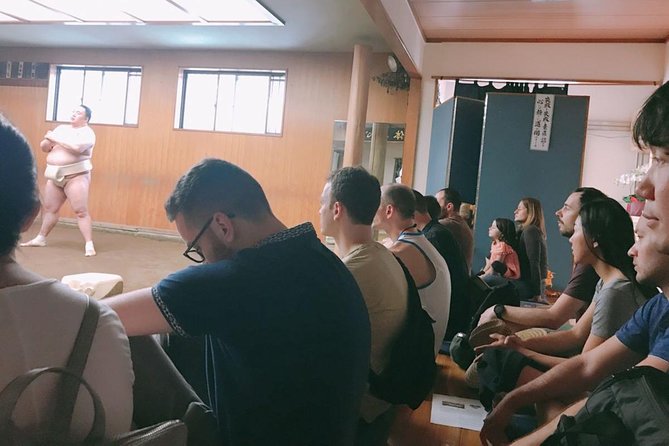
At the stable, your guide brings you inside and helps you understand how to behave. Only the tatami areas are open to visitors. The rest of the stable is off limits, and you should follow the guide’s instructions closely. This is a place of work, not a visitor center.
Expect to sit on the floor. Most stables do not usually provide chairs, and you may remain seated for much of the practice. One participant described sitting for about an hour and 20 minutes; the stable portion is listed at roughly an hour and a half, but the practice can run long. If sitting on the floor is uncomfortable for you, consider that carefully before booking.
Silence is part of the experience. You are there to watch, not to chat through the session. That quiet makes it easier to focus on the rhythm of practice, but it can feel restrictive if you expect an interactive lesson throughout. Guides may explain the sport before or after practice, and some have helped visitors follow the session with extra notes. During practice, however, the stable’s rules take priority.
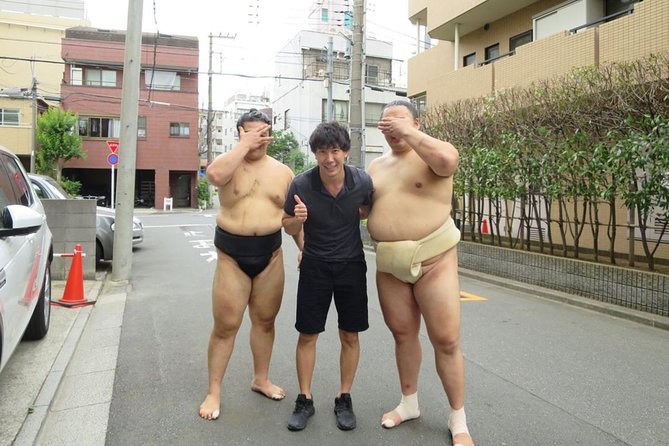
The stable also decides whether photography is allowed. Some groups have been permitted to take pictures during practice or pose with wrestlers afterward; others have not. Photos are included as a tour feature, but they are not guaranteed. Book for the chance to observe training, not for a promised image with a wrestler.
Small details can make the visit more rewarding. Watch how the wrestlers prepare, how the drills are repeated, and how practice bouts differ from the short contest you might see in a tournament. A good guide can point out what you would otherwise miss. Guides who have led this experience include Mayu, Masao, Ayaka, Yumiko, and others, but your guide will depend on the date.
A Short Walk Through Sumo’s Ryogoku
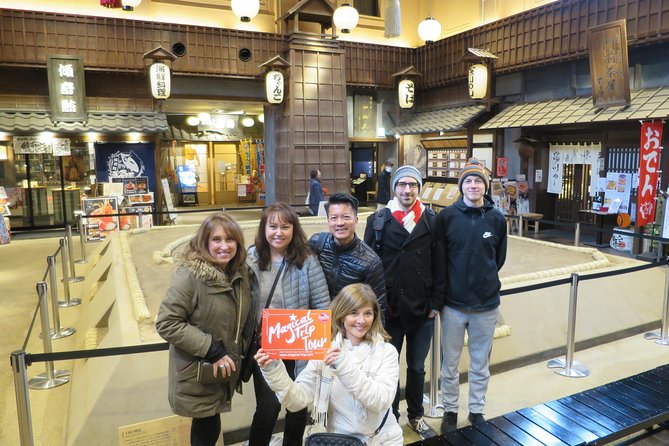
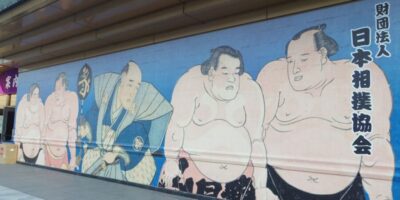
After practice, the group takes a brief look around Ryogoku, a neighborhood closely tied to sumo. The itinerary includes a stop at Ryogoku Kokugikan, the city’s sumo arena, for about 10 minutes. The arena is a useful landmark and gives the morning a little wider context, though this is not a full museum visit or an extended neighborhood tour.
The walk is an added orientation, not a second major attraction. Some guides may also include another nearby point of interest, but the exact route can vary. Listen for the guide’s instructions after leaving the stable. The group returns to the original meeting point at Ryogoku station.
The timing after practice is less predictable than the 10-minute stop suggests. If training continues longer than usual, the tour may finish later than its approximate two-hour duration. Avoid scheduling a tight connection or an important appointment immediately afterward.
More photo shoots in Tokyo:
- Tokyo Cyberpunk Street Photo Tour
★ 5.0 · 165 reviews - Tokyo by Night Photography Tour (Private Option Available)
★ 5.0 · 151 reviews - Tokyo Shinjuku Night Photo Tour with Pro Gota
★ 5.0 · 142 reviews - Tokyo Sumo Morning Practice Tour w/ Ring-Side Seat + Photo Shoot
★ 5.0 · 93 reviews
What the Guide Adds
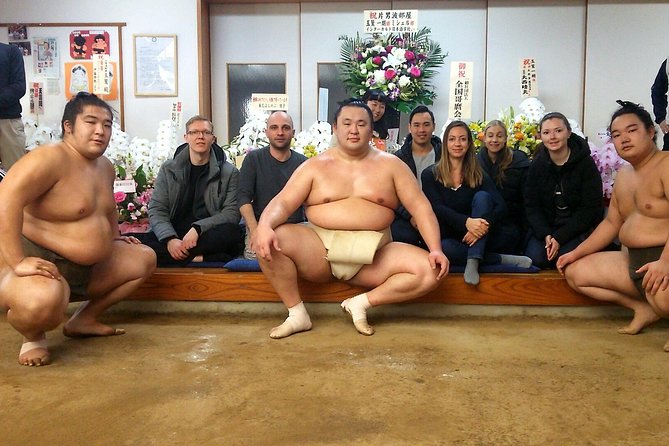
The guide’s role is more than getting you through the stable door. Sumo has its own customs and structure, and the practice can be difficult to read without context. A guide can explain what you are watching, offer background on the sport and stable life, and help answer questions when the setting allows.
The strongest experiences have been described with guides such as Masao, Mayu, Ayaka, and Yumiko, who explained the routines and gave visitors a clearer sense of the athletes’ lives and training. Some guides share background before entering the stable; others add observations during breaks or after practice. The format may vary, so do not assume there will be a detailed lecture throughout.
There is a practical caveat: a few people have found the explanations brief or the post-practice walk unclear. If you want a more organized experience, ask your guide what the group will do after practice and save your questions for an appropriate moment. The stable is not the place to press for conversation during training.
Is $98.16 a Fair Price?
At $98.16 per person, this is not a cheap way to watch sport. You are paying for local coordination and access that can be hard to arrange independently, plus a guide who can provide context and a short Ryogoku walk. The group size is small, which helps make the visit feel personal.
The value depends on what you want. If your main goal is to see genuine training from close range, and you are curious about sumo beyond tournament day, the price can make sense. The physicality and concentration of practice are hard to reproduce through a book or a match broadcast.
If you expect a long guided history lesson, guaranteed front-row seating, a set practice schedule, or a posed photo, the price may feel high. There is no lunch or other substantial activity included. The practice, access, and guide are the core of the outing.
For a lower-cost alternative, you could try contacting a stable directly, but access and visitor rules are set by each stable. The tour’s value is having a guide arrange the visit and help you understand what you are seeing. That does not remove every uncertainty, but it can make a complicated cultural encounter easier to navigate.
Practical Details That Matter
The tour is for people aged 12 and older. Children under 12 are not admitted to morning practice and may be denied entry without a refund. Bring water in hot weather, especially during Japan’s humid summer, and wear a hat while outside.
Use the restroom before the tour begins. Visitors may not be allowed to leave for the toilet during practice, and a long seated session is easier when you are prepared. Wear something comfortable for sitting on the floor, and be ready to remain quiet.
The stable may change its schedule at short notice because of tournament timing or a wrestler’s condition. The operator may cancel and issue a full refund if practice is suddenly canceled, or ask you to change your date or time based on availability. The activity also requires good weather; if poor weather cancels it, you are offered another date or a full refund.
You can cancel for a full refund up to 24 hours before the experience. Changes or cancellations inside that window are not accepted. These terms are worth noting because the stable’s schedule is not fully under the tour operator’s control.
Who Should Book This Sumo Morning?
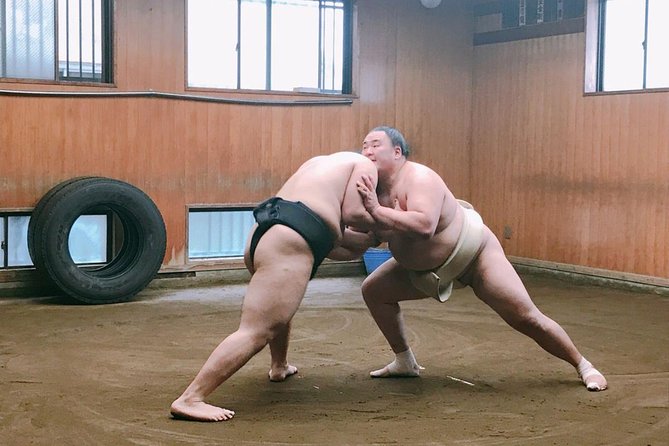
This experience suits sports fans, people curious about Japanese traditions, and anyone who enjoys watching skilled work up close. It can be a strong choice if you cannot attend one of the official tournaments or want to see what happens away from the arena. You do not need to know sumo in advance, but curiosity helps.
It is less suited to anyone who needs a chair, wants to talk during an activity, or is relying on a specific photo opportunity. It also requires an early start and strict punctuality. If those conditions sound manageable, the chance to watch authentic practice in a working stable is a rare and worthwhile use of a Tokyo morning.
My call: Book it if the practice itself is your priority and you are comfortable with the stable setting and its rules. Skip it if you need a predictable schedule, guaranteed photography, or a fully scripted tour.
FAQ
Where is the meeting point?
Meet at Re.Ra.Ku Ryōgoku Ekimae by Ryogoku JR Station East Exit, beneath the elevated tracks. Do not go to Ryogoku Oedo Line Station.
What time does the tour start?
The tour starts at 8:00 a.m. The meeting time is 10 minutes before the start, and late arrivals may not be allowed to join.
How long does the tour last?
The tour takes about two hours. The walk to the stable varies from around five to 30 minutes, and practice may run longer than expected.
Can I take photos with the wrestlers?
Possibly, but the sumo stable decides whether photos during practice or posed photos afterward are allowed. Photography is not guaranteed.
Are children allowed?
The tour is for ages 12 and up. Children younger than 12 cannot enter the morning practice.
Can I cancel for a refund?
You can cancel up to 24 hours before the experience for a full refund. Cancellations or changes made less than 24 hours before the start are not accepted.
More early-start experiences in Tokyo
- Tokyo: Sumo Morning Practice Viewing Tour
★ 4.8 · 570 reviews - Tokyo: Sumo Morning Training Visit
★ 4.4 · 370 reviews - Tokyo: Sumo Morning Practice Tour at Sumida City
★ 4.8 · 308 reviews - Tokyo Sumo Morning Practice Tour at Stable
★ 5.0 · 298 reviews
Freshly reviewed in Tokyo
- Tokyo: Toshimaya Sake Brewery Tour with Sake Tasting★ 5.0 · 6 reviews
- :Tokyo,Shibuya /Meiji Shrine tour in KIMONO/English-friendly★ 5.0 · 4 reviews
- Tokyo: Tour Privado por Tokio en español★ 4.3 · 4 reviews
- Tokyo:Tea ceremony experience at Komaba Warakuan★ 4.8 · 9 reviews
- :Tokyo,Shibuya/ Pro Photography in Kimono / English-Friendly★ 5.0 · 26 reviews
- Tokyo:Samurai Training : Swords, Bushido & Mental Discipline★ 5.0 · 6 reviews
- Tokyo:Mt Fuji & Hakone Day Tour with English Speaking Driver★ 5.0 · 26 reviews
- Tokyo:Nikko UNESCO World Heritage Sites Private 1-Day Tour★ 3.8 · 6 reviews
Tokyo Sumo Experiences, compared.
Tokyo Shinjuku Sumo Show & Experience with Photo
Read our review →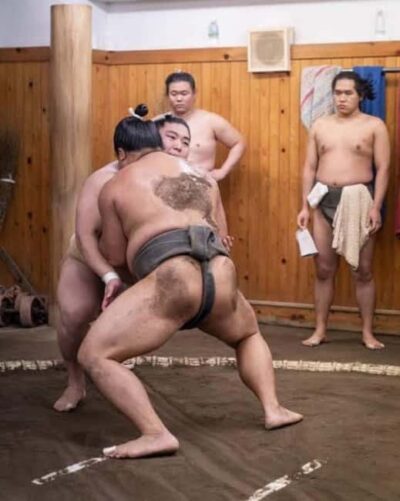

Authentic Sumo Experience in Tokyo: Enter the Sanctuary
Read our review →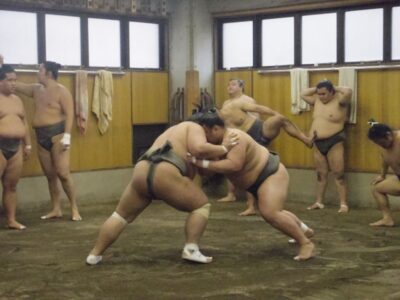
Tokyo Sumo Experience: Chanko & Mochi with a Former Pro
Read our review →Browse the lists this tour appears in