
Reviewed · TOKYO SUMO EXPERIENCES
Tokyo: Sumo Morning Practice Viewing Tour at a Real Stable
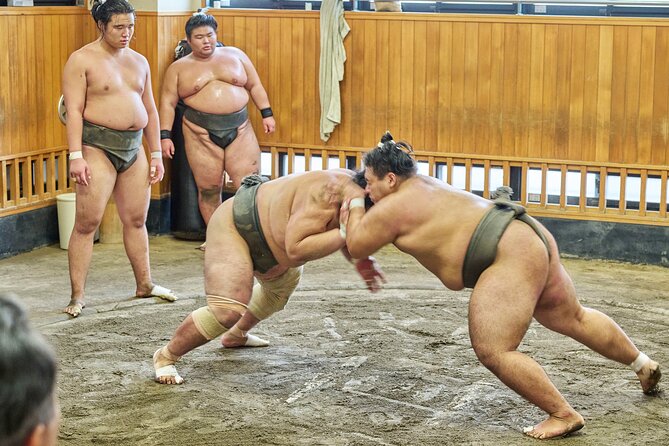
Sumo practice is not a show staged for visitors. Inside a working Tokyo stable, you sit close to the ring while wrestlers train with speed, force, and focus, carrying on as if you were not there. The atmosphere is quiet; the action is anything but.
I like two things in particular: an English-speaking guide explains the rules and rituals before you enter, and you get a rare look at a stable where wrestlers live and train. Guides such as Mao, Yuki, Kawa, and Tomo have led the visit, with clear, engaging explanations.
The main tradeoff is that you must arrive on time, stay through practice, and keep still and quiet. The session may run longer or shorter than expected, so this is not a good pick if you have a tight commitment afterward.
- Watch training from close to the ring: Hear the impact and see the wrestlers’ speed and strength at close range.
- Learn what the rituals mean: Your guide explains sumo’s rules and its ties to Shinto tradition.
- Visit a working stable: This is a place of work and daily life, not a performance venue.
- Speak with wrestlers after training: The chance to ask questions comes outside practice hours.
- Plan around the early schedule: Practice is usually around 9:00 to 10:00 AM, but timing can vary.
- Follow stable etiquette: Dress modestly, silence your phone, and remain seated and quiet.
Before the Ring: Meet at Kiyosumi-Shirakawa
The tour begins at Exit A1 of Kiyosumi-Shirakawa Station, served by the Toei Oedo Line and Hanzomon Line. Look for a guide holding a Local Guide Stars sign. After the group meets, you may take a train to the stable, so allow enough time to find the exit and join the group before the stated meeting time.
Being late is more than an inconvenience here. Entry may not be possible after the group has left, and one late arrival can also cut into the time everyone has inside the stable. Give yourself a generous buffer. One participant’s practical advice was to aim to reach the meeting area about 30 minutes early, a sensible cushion in a large city where a wrong station exit can eat up precious minutes.
The tour lasts about two hours, but that is an estimate, not a promise that every part runs to a fixed clock. The practice itself may be shorter or longer than expected, and you are asked to stay until it ends. If you have a flight, meal reservation, or other timed plan afterward, tell the guide in advance and avoid scheduling a close connection.
A Guide Turns the Rituals Into a Story
Before entering the stable, your English-speaking guide gives you the tools to understand what is happening. Guides named Mao, Yuki, Kawa, and Tomo have led visits, explaining sumo’s rules, history, and place in Japanese life. Their role matters: without some context, a training session can look like a series of stomps, claps, and bouts. With a guide, those actions begin to make sense.
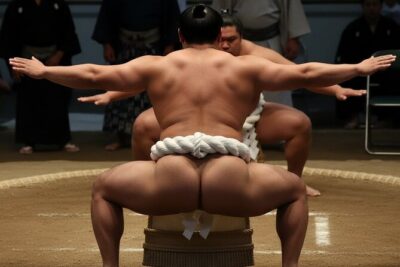
Sumo has roots in Shinto beliefs, and the practices around the ring are part of the experience, not decoration. Your guide can explain the meaning behind the rituals and the basic goal of a match: force an opponent out of the ring or make any part of their body, other than the soles of their feet, touch the ground. You will also learn how demanding training supports a wrestler’s ambition to rise through the professional ranks.
The best guides make this background clear without turning the visit into a lecture. Mao, Yuki, Kawa, and Tomo have each been praised for approachable explanations and for answering questions. You will want to listen closely before entering, since conversation and movement during practice are restricted.
More sumo experiences in Tokyo:
- Tokyo: Sumo Show Experience with Chicken Hot Pot and a Photo
★ 4.8 · 6,678 reviews - Tokyo: Sumo Show and Dining Experience
★ 4.8 · 2,742 reviews - the SUMO show
★ 5.0 · 1,960 reviews
Inside the Stable: Close Enough to Hear the Impact
A sumo stable is not simply a gym. It is where wrestlers train and live, and the morning practice you watch is part of their working day. The stable is normally closed to the public, so this visit offers a rare look inside a place few people can enter without an invitation.
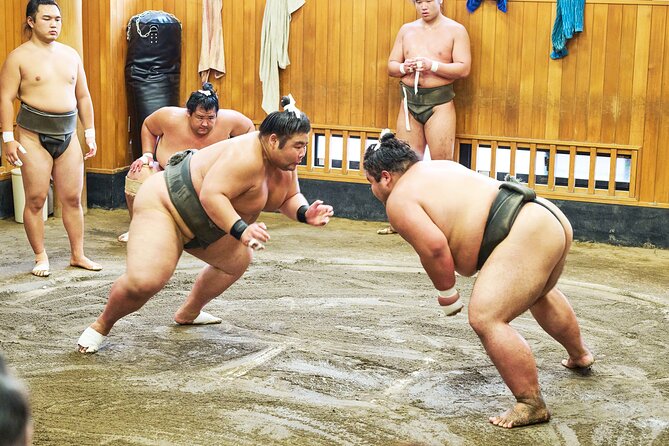
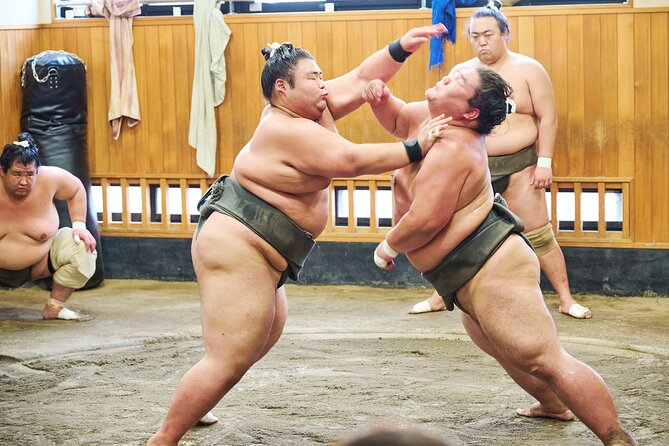
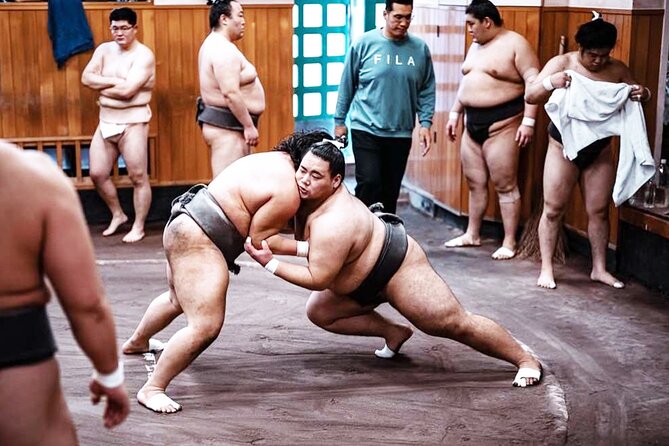
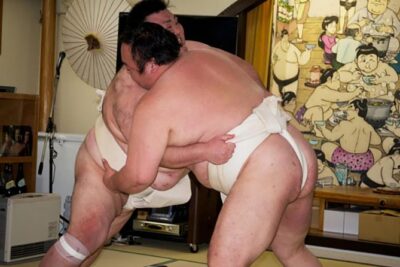
You sit beside the ring, close enough to see the wrestlers’ movement and hear the sharp slap of bodies meeting. The training is physical and direct. You may notice flexibility as well as strength, and the rapid changes of balance that can make a bout feel decided in an instant. The wrestlers are not performing for the group. They carry on with practice, and that lack of staged interaction is what gives the visit its force.
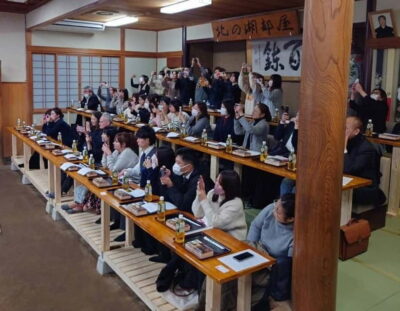
This closeness comes with rules. You must remain seated and avoid moving around during practice. Keep your phone on silent, do not make noise, and dress modestly. Eating and drinking are not allowed, apart from water, and it is wise to use the restroom beforehand. Once you leave the stable, you cannot re-enter.
The quiet may feel strict if you are used to taking photos or asking questions as you go. Treat it as part of the visit. You are watching people at work, and respecting their focus helps preserve the very thing you came to see: an ordinary practice session, not a show built around an audience.
What You Learn From Watching
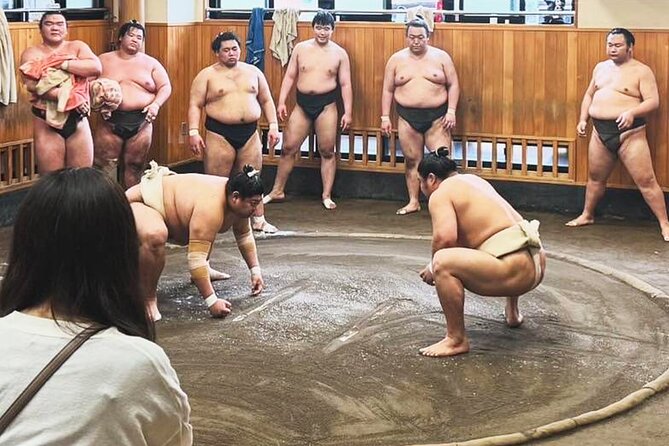
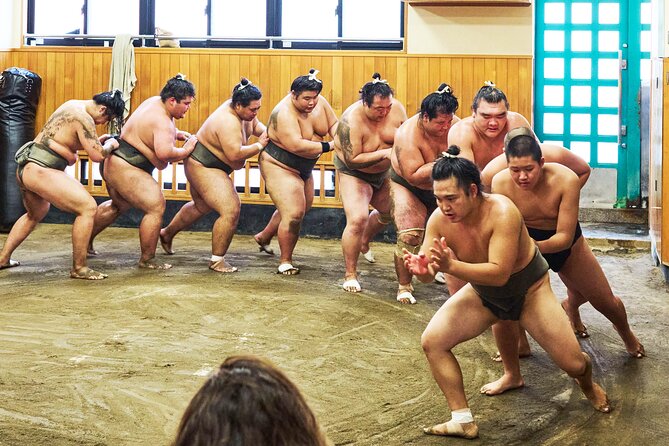
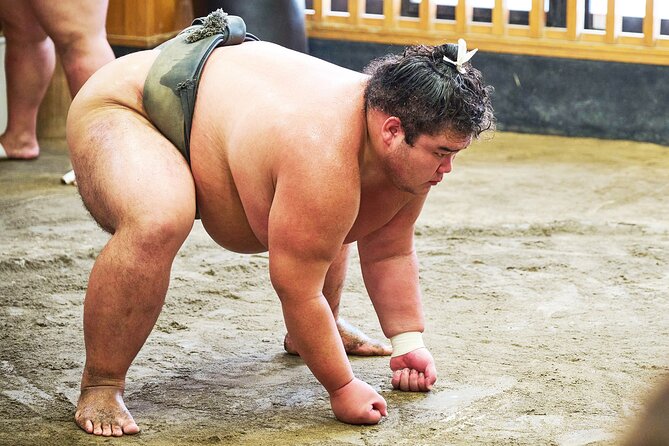
The ring is small, but the effort around it is not. Training begins early and calls for discipline and commitment. Watching young wrestlers work gives you a sense of the daily labor behind the sport, and why a tournament appearance represents far more than a few minutes in the ring.
You can also see how sumo combines athletic skill and ritual. The physical contests are easy to follow once you know the basic rules, but the ceremony and spiritual traditions add another layer. The guide’s explanations help you connect the movements to a sport shaped by custom as well as competition.
Depending on the training schedule, you might see wrestlers of different levels at work. One participant was fortunate enough to see a yokozuna, sumo’s highest rank, but that should be treated as a possibility, not a guarantee. The stable’s schedule and the wrestlers present are not details the tour can promise in advance.
After Practice: A Chance to Ask Questions
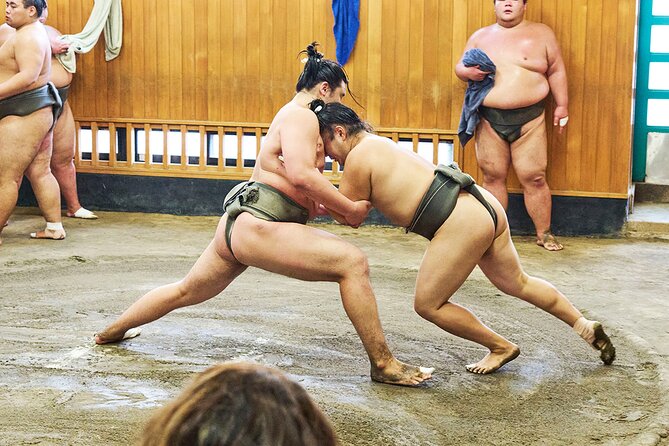
The opportunity to speak with wrestlers comes outside training hours. That timing is sensible: during practice, they need to concentrate, and the group is expected to remain quiet. Afterward, you may be able to ask about the sport and the wrestlers’ lives, gaining a more personal view than you can get from watching alone.
Do not expect a long, private interview with every wrestler. The tour promises an opportunity to speak with them, but the exact time and format are not specified. Some visitors have also been able to take photos, though you should not count on a photo as a guaranteed part of the experience. Follow the guide’s instructions and let the stable’s rules set the tone.
The ending point may differ from the station where you met. Keep a little flexibility in your plans, especially if you are heading to another appointment or attraction. The stable visit is the heart of the tour, and it is worth leaving room for it to unfold at its own pace.
More early-start experiences in Tokyo:
- Tokyo: Sumo Morning Practice Viewing Tour
★ 4.8 · 570 reviews - Tokyo: Sumo Morning Training Visit
★ 4.4 · 370 reviews - Tokyo: Sumo Morning Practice Tour at Sumida City
★ 4.8 · 308 reviews - Tokyo Sumo Morning Practice Tour at Stable
★ 5.0 · 298 reviews
Is $98 a Fair Price?
At $98 per person, this is a specialized cultural experience rather than a cheap way to fill two hours. The price includes an English-speaking guide, the stable visit, explanations of sumo rules and rituals, and the chance to speak with wrestlers. The stable access is the key part of the value: it is normally closed to the public, and the visit gives you a close view of real practice rather than a demonstration arranged for spectators.
The guide also helps make the experience useful to someone new to sumo. You get more than a view of the ring; you learn how to read the action and understand its traditions. If sumo is already a strong interest, the close setting and chance to meet wrestlers may make the cost worthwhile. If you only want a general introduction to Japanese culture, consider whether an early start and strict rules suit your plans.
The tour has a 4.9 rating from 32 reviews, and praise most often centers on the closeness of the viewing, the authentic feel of training, and the guides’ clear explanations. That high rating is encouraging, but the experience still depends on your comfort with a quiet, disciplined setting.
You can reserve now and pay later, and cancellation up to 24 hours in advance qualifies for a full refund. Those options help if your Tokyo schedule is still taking shape, but they do not change the need to arrive promptly on the day.
Who Will Enjoy This Visit Most?
This tour suits you if you are curious about sumo beyond tournament highlights, enjoy learning cultural context, and can sit quietly while other people work. It is especially appealing if you want to see athletic effort at close range and are willing to follow the stable’s rules in exchange for an unusually direct view.
It is not suitable for children under 11. It may also frustrate anyone who expects a hands-on activity, a staged show, or freedom to come and go. You cannot leave the stable and return, and you cannot move around during practice. If a silent audience setting sounds uncomfortable, choose another way to explore sumo.
The early morning timing can be a drawback, but it is also what puts you in the stable during its working routine. For many visitors, that is the point. You are not watching a polished presentation; you are being allowed to observe a demanding part of a wrestler’s day.
Should You Book?
Book this if you want a genuine look at sumo training, value the guide’s cultural explanations, and can give the morning a flexible schedule. The closest seats, the sound of practice, and the chance to meet wrestlers make it memorable without turning it into a tourist performance.
Skip it if you need to leave early, dislike strict viewing rules, or are traveling with a child under 11. And if you do book, arrive early, use the restroom first, dress modestly, and silence your phone. A little preparation lets you settle in and pay attention to what is happening in the ring.
FAQ
Where is the meeting point?
Meet your guide in front of Kiyosumi-Shirakawa Station at Exit A1. Look for a sign that says Local Guide Stars.
How do I get to Kiyosumi-Shirakawa Station?
The station is served by the Toei Oedo Line and the Hanzomon Line.
How long is the tour?
The tour is listed as two hours. The practice and visit may be a little shorter or longer than expected.
What time does the practice take place?
The practice is generally around 9:00 to 10:00 AM. Check the available starting times when booking, since the schedule can vary.
Can I leave the stable early?
You must stay until the end of practice. Once you leave the stable, you cannot re-enter.
Can I talk with the wrestlers?
There is an opportunity to speak with wrestlers outside training hours. The tour does not specify how long that conversation will last.
What should I wear and bring?
Wear modest clothing and make sure your phone is on silent. You must remain seated and quiet during practice; using the restroom beforehand is a good idea.
Is the tour suitable for children?
No. The tour is not suitable for children under 11.
Freshly reviewed in Tokyo
- Tokyo: Toshimaya Sake Brewery Tour with Sake Tasting★ 5.0 · 6 reviews
- :Tokyo,Shibuya /Meiji Shrine tour in KIMONO/English-friendly★ 5.0 · 4 reviews
- Tokyo: Tour Privado por Tokio en español★ 4.3 · 4 reviews
- Tokyo:Tea ceremony experience at Komaba Warakuan★ 4.8 · 9 reviews
- :Tokyo,Shibuya/ Pro Photography in Kimono / English-Friendly★ 5.0 · 26 reviews
- Tokyo:Samurai Training : Swords, Bushido & Mental Discipline★ 5.0 · 6 reviews
- Tokyo:Mt Fuji & Hakone Day Tour with English Speaking Driver★ 5.0 · 26 reviews
- Tokyo:Nikko UNESCO World Heritage Sites Private 1-Day Tour★ 3.8 · 6 reviews
Tokyo Sumo Experiences, compared.
Tokyo Shinjuku Sumo Show & Experience with Photo
Read our review →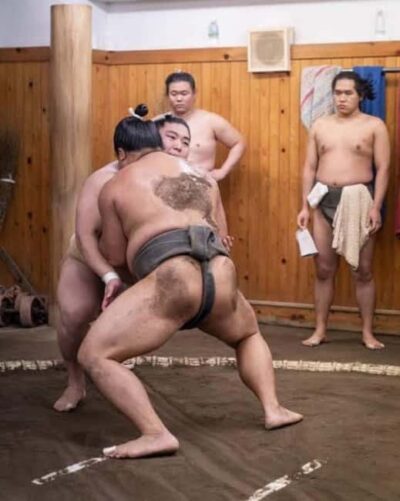
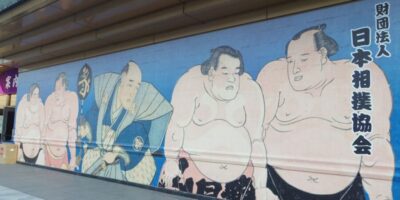

Authentic Sumo Experience in Tokyo: Enter the Sanctuary
Read our review →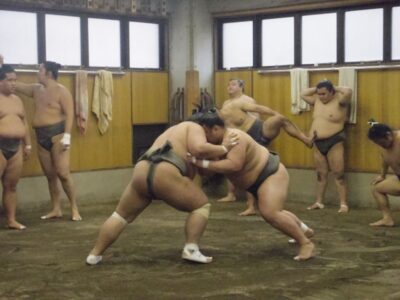
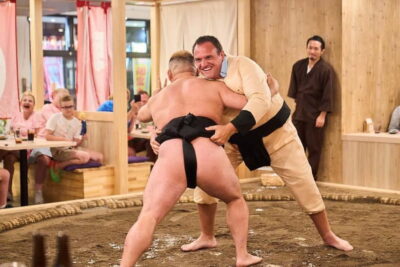
Tokyo Sumo Experience: Chanko & Mochi with a Former Pro
Read our review →Browse the lists this tour appears in