
Reviewed · TOKYO SAMURAI EXPERIENCES
Tokyo:Samurai sword and archery class from a samurai descendant
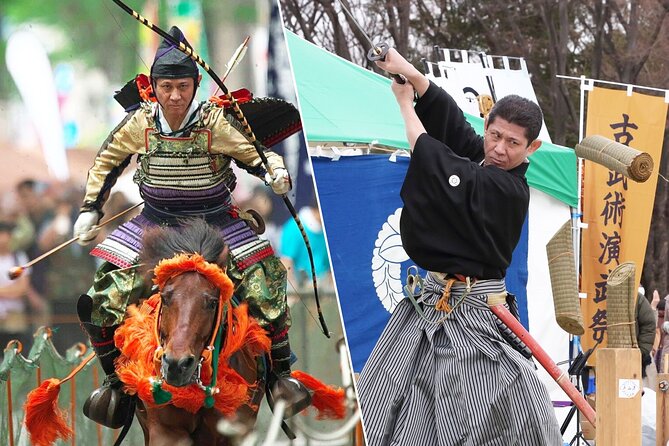
A sword class with kata, sparring, archery and target cutting is a more hands-on way to explore samurai culture than a museum display can offer. At a dojo in Machida, instructor Yoshioki Sumida introduces the sword and its use, then puts you to work with practice weapons and a bow.
I like two things in particular: the mix of history and physical practice, and the chance to learn in a small group where the instructor can give you individual guidance. There’s also a live Toyama-ryu demonstration, a useful look at demanding techniques rather than a staged show.
One consideration: the dojo is in Machida, outside central Tokyo, so getting there takes time. The listed price is $198.20 per person, and a facility charter fee may also apply, so check the final cost before you book.
- You start with sword history: Learn about the katana and its parts before handling a practice weapon.
- Kata comes before the action: Work on sword handling and slashing forms, then try sparring with practice swords.
- Archery is part of the class: You’ll try a real bow and arrow, described as a major samurai weapon a thousand years ago.
- Target cutting takes control: You’ll slash targets while moving, a difficult exercise that asks for more than a strong swing.
- Sumida Sensei leads the instruction: His class combines sword training, cultural context and a live Toyama-ryu demonstration.
- Plan for a trip to Machida: The session lasts about two and a half hours, and the dojo can be difficult to find, so allow extra time.
A dojo class, not a costume photo stop
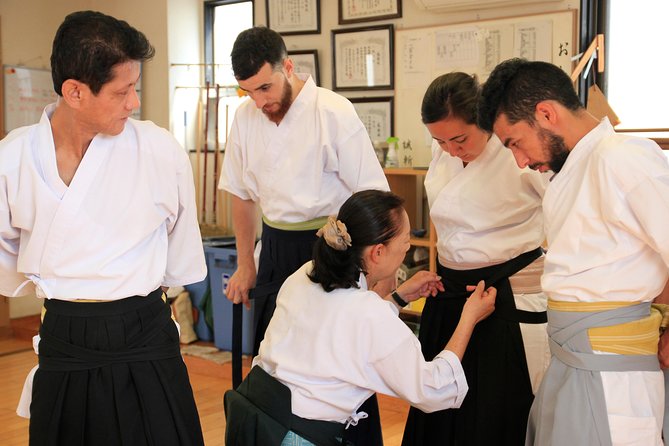
This session is built around learning and practice, not posing with a sword for a few minutes. You change into training clothes, hear about Japanese swords and samurai culture, and then spend much of the class working through techniques yourself.
That distinction matters at $198.20 per person. You’re paying for a structured lesson with an experienced instructor and several activities, rather than a brief, showy encounter. The small-group format, capped at 15 people, should give you more opportunity to follow demonstrations and ask questions than a large group activity would.
The class is offered by Toyama-Ryu BIZENKAI and led by Yoshioki Sumida, whom participants address as Sumida Sensei. His teaching style is described as patient, encouraging and safety-conscious, while still asking students to concentrate and work hard.
First, get to know the sword
The class begins with a short lecture on Japanese swords and samurai culture. You’ll hear about the blade and how it is handled, giving the later physical exercises context beyond simply learning how to swing.
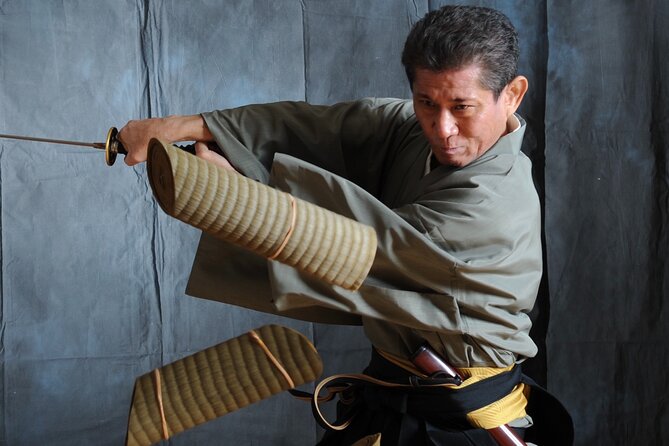
The sword lesson includes an iai component, where you practise handling and swinging a mock sword, and kata, or slashing forms. You’ll work on stance and movement under instruction. These basics matter: the session makes clear that proper sword technique is harder than it looks, and that control is more important than force.
The equipment is supplied, including a practice sword and bokken, a wooden training sword. You’re asked to provide your height and weight ahead of time so the right practice clothes can be prepared. That small detail is worth taking care of before the day, rather than arriving and hoping a uniform fits.
More samurai experiences in Tokyo:
- Tokyo: Samurai Restaurant Show Ticket with 2 Drinks
★ 4.5 · 1,307 reviews - Tokyo: Samurai Ninja Museum Guided tour and Experience
★ 4.6 · 1,010 reviews - Tokyo: Samurai Sword & Archery Class from Samurai Descendant
★ 5.0 · 603 reviews
Kata, timing and practice-sword sparring
After learning the basics, you move into gekken, the class’s sparring portion. Here, you practise the timing of attack and defense and spar with a practice sword. The training swords are described as mock or foam practice weapons, so this is a controlled way to experience the rhythm of a duel without treating it like a movie fight.
The sparring can be a highlight if you enjoy martial arts, but you don’t need a background in them to take part. The instructor demonstrates and guides the movements, and the class is designed for beginners as well as people with previous martial arts experience. Listen closely and don’t rush: the point is to learn the mechanics and timing, not to win.
You’ll also practise checking the blade line with a mock sword. It’s a small but revealing exercise, because it focuses attention on where the sword travels rather than on the drama of the swing. That kind of detail helps explain why swordsmanship demands precision and concentration.
Target cutting demands more than a big swing
The class includes test cutting and slashing at multiple targets while moving. The description warns that this is difficult, and that’s useful to know before you arrive. A sword may look simple in a film, but making a clean cut while moving takes technique, timing and control.
The target-cutting portion is one of the most distinctive parts of the session. It turns the earlier practice into a test of whether you can apply what you’ve just learned. You should come ready to focus and take correction, not assume that strength alone will do the job.
Participants have described cutting mats and bamboo targets, but the exact target material can vary. The class includes a mock sword for training and a test-cutting activity; if you want to know precisely what blade and target will be used on your date, ask the provider before booking.
A bow lesson and a live demonstration
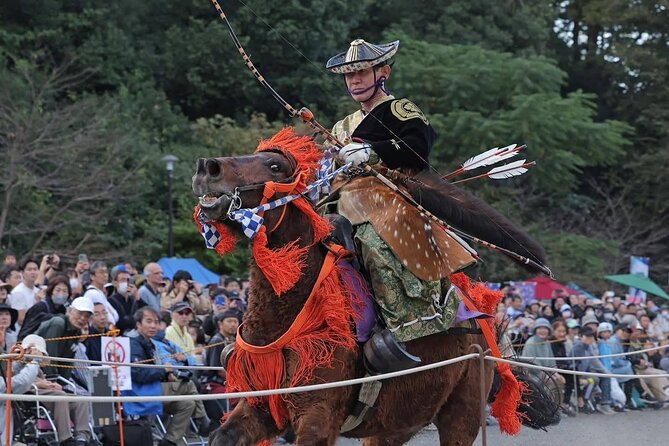
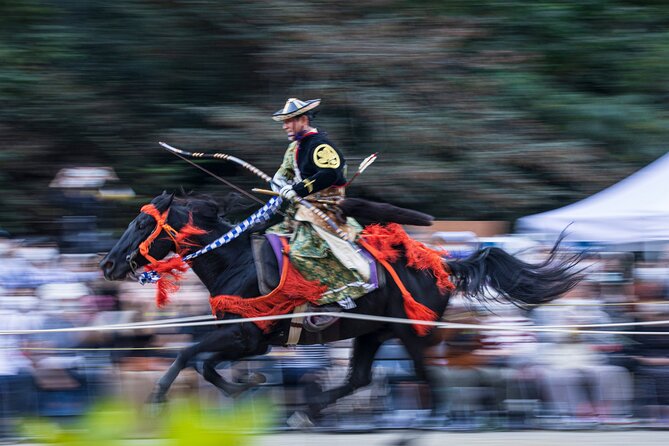
Swordsmanship isn’t the only skill on the schedule. You’ll also try a real bow and arrow, a chance to handle a weapon associated with samurai warfare before the sword became the focus of popular imagery. The listing identifies archery as part of the class, though it doesn’t specify how many shots you’ll take or how long this portion lasts.
The session also includes a live demonstration of Toyama-ryu techniques by a seventh-grade practitioner. Expect a display of difficult movements, not a theatrical sword show. Watching an expert perform can make the discipline behind the class easier to understand, especially after you’ve tried some of the same motions yourself.
More hands-on workshops in Tokyo:
- Sushi Making Tokyo Roll and Authentic Japanese Sushi Class
★ 5.0 · 3,971 reviews - Tokyo: Roll and Authentic Sushi Making Class in Asakusa
★ 4.9 · 1,957 reviews - Tokyo Shinjuku Chopsticks Making Class
★ 5.0 · 1,763 reviews - Tokyo: Sushi Making Class in a Happi Coat near a Famous Spot
★ 4.9 · 1,377 reviews
A demanding session, with safety at its center
At roughly two and a half hours, this is a substantial activity, and the schedule appears to keep moving between instruction and practice. The sequence gives you a broad taste of the subject: history, sword handling, forms, sparring, target work, archery and demonstration.
It can also be physical. Participants have warned that they felt sore in the days afterward, especially after being pushed through a range of sword activities. You don’t need to be an athlete to join, but a willingness to listen, concentrate and work at your own pace will make the experience better.
Safety is emphasized throughout the training. Follow the instructor’s directions closely, particularly when handling equipment or sparring. If you have a physical limitation or a concern about the level of exertion, contact the provider before booking; the available information says most people can participate but doesn’t spell out specific accommodations.
What the price includes, and what to check
The $198.20 price includes the practice uniform, practice sword, bokken, and real bow and arrow. It also covers instruction across several disciplines, not just one short sword lesson. If you want an active, instructor-led cultural activity, that range can make the cost worthwhile.
There’s an important caveat: a facility charter fee is listed as not included, but no amount is provided. Ask the provider what this fee will be and whether it applies to your booking. Private use of the facility is also possible by arrangement, but exclusive rental is separate and requires contacting the provider.
The class has a maximum of 15 participants. That’s small enough to feel more personal than a large tour, though it isn’t a private lesson. If individual feedback is a priority, consider asking how many people are booked for your date.
Getting to the Machida dojo
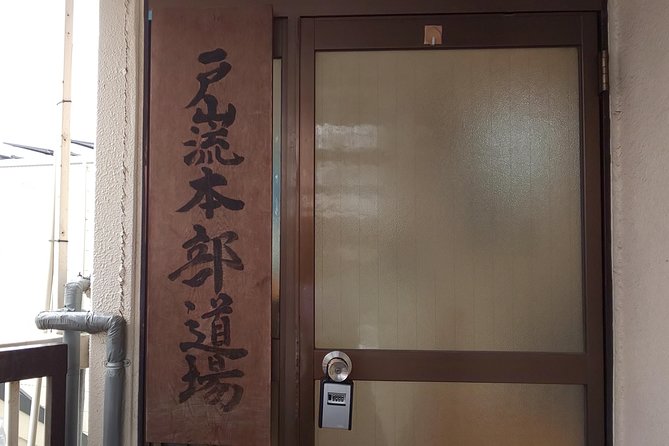
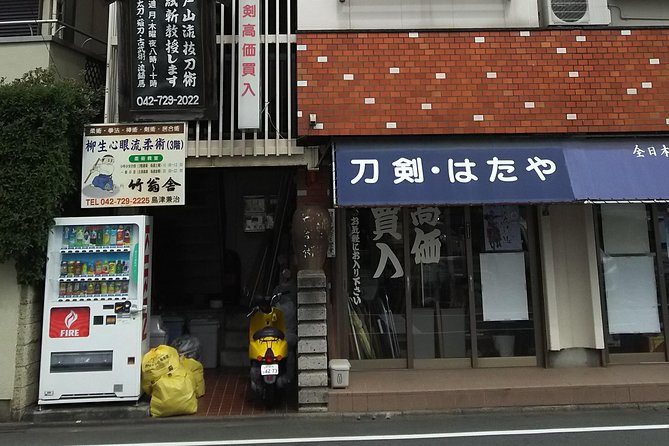
The meeting point is 3-chōme-14-14 Haramachida, Machida, Tokyo 194-0013, and the class ends back there. Machida is outside central Tokyo, so build travel time into your day rather than slotting this between nearby city sights. One participant reported a journey of about an hour and a half from Tokyo Daiba, a reminder that your route depends on where you’re staying.
The dojo can be a little hard to find, so leave a buffer and keep the address handy. It’s near public transportation, but the exact route and travel time will depend on your starting point. Arriving early may also give you a calmer start, especially when you need time to change into training clothes.
When you book, you’ll be asked to provide your height and weight so the instructor can prepare the uniform. The ticket is mobile, and booking confirmation is provided at the time of reservation. Free cancellation is available up to 24 hours before the start time; cancellations inside that window are not refundable. If poor weather forces a cancellation, you’ll be offered another date or a full refund.
Who will get the most from this class?
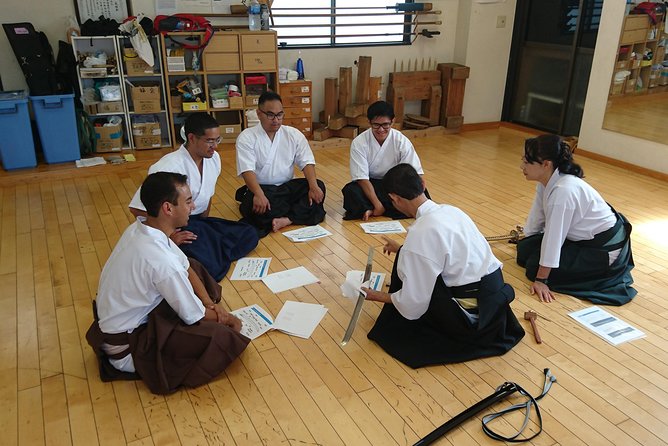
This is a good choice if you’re curious about martial arts, samurai history or Japanese swords and want to do more than watch a demonstration. It should also suit families with older children and teens who can pay attention to safety instructions, as well as couples and friends looking for a shared activity that is active and a little challenging.
You don’t need prior training. Beginners can learn the basic techniques step by step, while people with martial arts experience may appreciate the attention to detail and the chance to practise several forms. The instructor and staff have been described as welcoming, with a teaching approach that pairs high expectations with encouragement.
It may be a poor fit if you want a passive cultural activity, have little interest in physical practice or are short on time in Tokyo. The class takes about two and a half hours, not counting the journey to Machida, and you should be prepared for the possibility of soreness afterward.
Should you book the samurai class?
I’d book this if you want a substantial, hands-on look at swordsmanship and samurai culture, and you’re happy to spend part of your day getting out to Machida. The combination of history, kata, sparring, archery, target cutting and a live demonstration gives you a lot to do in one session, while Sumida Sensei’s patient, safety-minded instruction is a major part of the appeal.
Before paying, confirm the facility charter fee and check the route from your accommodation. If you’re ready to listen, practise and accept that sword work is harder than it appears, this is a distinctive class with more substance than a quick photo opportunity.
FAQ
How long is the class?
It lasts approximately two hours and 30 minutes. Travel time to and from the dojo is additional.
Where does the class meet?
The meeting point is 3-chōme-14-14 Haramachida, Machida, Tokyo 194-0013. The activity ends at the same point.
Who teaches the class?
The instructor is Yoshioki Sumida, a swordsmanship and horseback archery master. A live demonstration of Toyama-ryu techniques is also included.
What activities are included?
The class covers sword history, iai handling, kata, practice-sword sparring, blade-line practice, target cutting and bow-and-arrow practice. It also includes a live demonstration.
Is training equipment provided?
Yes. The included equipment is a practice uniform, practice sword, bokken, and real bow and arrow. You’ll need to provide your height and weight so the uniform can be prepared.
How many people can join?
The group has a maximum of 15 participants.
Is there an additional facility fee?
A facility charter fee is listed as not included, but its amount is not specified. Check with the provider before booking to confirm whether it applies and how much it costs.
What is the cancellation policy?
You can cancel up to 24 hours before the start time for a full refund. Cancellations or changes made less than 24 hours before the start time are not accepted. If poor weather cancels the activity, you’ll be offered another date or a full refund.
Freshly reviewed in Tokyo
- Tokyo: Toshimaya Sake Brewery Tour with Sake Tasting★ 5.0 · 6 reviews
- :Tokyo,Shibuya /Meiji Shrine tour in KIMONO/English-friendly★ 5.0 · 4 reviews
- Tokyo: Tour Privado por Tokio en español★ 4.3 · 4 reviews
- Tokyo:Tea ceremony experience at Komaba Warakuan★ 4.8 · 9 reviews
- :Tokyo,Shibuya/ Pro Photography in Kimono / English-Friendly★ 5.0 · 26 reviews
- Tokyo:Samurai Training : Swords, Bushido & Mental Discipline★ 5.0 · 6 reviews
- Tokyo:Mt Fuji & Hakone Day Tour with English Speaking Driver★ 5.0 · 26 reviews
- Tokyo:Nikko UNESCO World Heritage Sites Private 1-Day Tour★ 3.8 · 6 reviews
Tokyo Samurai Experiences, compared.

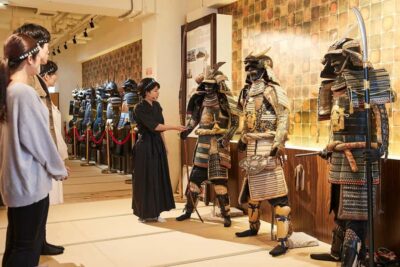
Samurai Ninja Museum Guided tour and Experience
Read our review →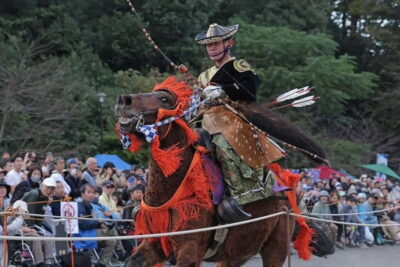
Samurai Sword & Archery Class from Samurai Descendant
Read our review →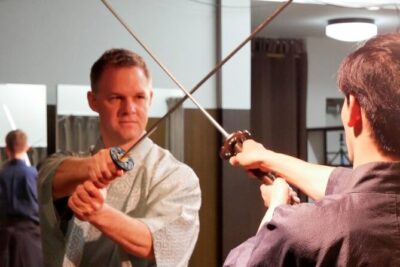
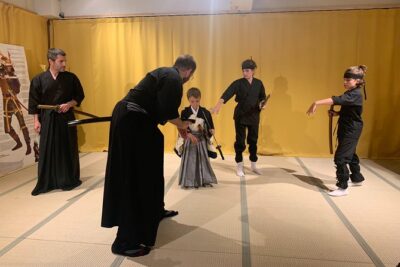
Ninja Experience (Family Friendly) at Samurai Ninja Museum TOKYO
Read our review →
Samurai Entertainment Night Show in Kanda Shrine
Read our review →
Tokyo Sword Experience – includes Museum Ticket/Ninja Experience
Read our review →
Samurai Ninja Museum Asakusa: Samurai Sword Lesson & Tour
Read our review →Browse the lists this tour appears in