
Reviewed · TOKYO TEA CEREMONIES
Tea Ceremony Workshop in Tokyo by the Experienced Instrucor
A matcha tea ceremony is less about getting a quick cup of tea and more about noticing how each movement, bowl, and pause has a purpose. In this small Tokyo workshop, you watch a formal preparation of koicha, then make a bowl of your own in a traditional tatami room.
I like the small-group format, which gives you room to ask questions and take part rather than just watch. I also like the progression from a short introduction to the ceremony, tea, and sweets, then a hands-on lesson that puts the ideas into practice.
One practical catch: the tearoom is upstairs in a 1940s house, and its staircase is very steep. You’ll also need socks, and the room is not set up for anyone who cannot manage the stairs.
What Makes This Tea Workshop Worth Your Time
- A formal koicha demonstration shows the careful preparation of the ceremony’s strong, thick matcha.
- You make usucha yourself, learning to whisk a thinner tea with a foamy top.
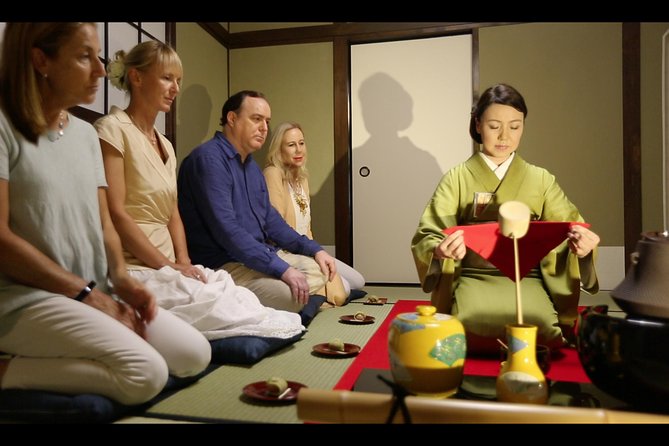
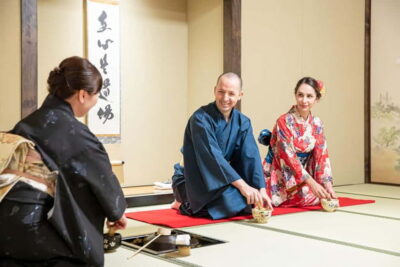
- The tea room is in an old Japanese house, with tatami mats and a calm setting for the lesson.
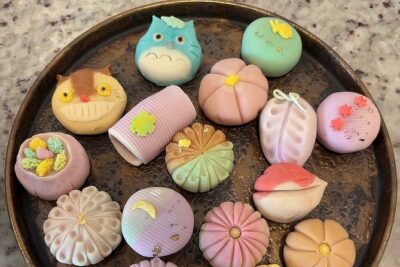
- Tea comes with Japanese sweets, including a traditional confection and dry sweets served before usucha.
- The group is small, with a stated maximum of six participants.
- Socks are required, but seiza is not. You can sit in another way, and a chair can be provided if needed.
A First Taste of Chado in Asakusa
This workshop introduces Chado, the Japanese way of tea, as both a practical craft and a set of customs. You are not simply shown how to whisk matcha. The session also explains the history and ideas behind the ceremony, the tearoom itself, and the choices involved in serving tea.
That context matters. Without it, the ceremony’s exact gestures can look like a string of formal steps. With an explanation, details such as the tea bowl, the way tea is served, and the quiet pauses become easier to follow. The instructor guides the session in English, making the customs accessible even if this is your first encounter with Chado.
The workshop takes place in a tea school licensed by the Urasenke Chado School in Kyoto. That connection gives the class a clear traditional framework, while its shorter, participatory format makes it practical for a Tokyo visit. You see a formal preparation, taste the tea, and then try a simpler preparation yourself.
The experience is based in Asakusa, at 2-chōme-3-12 Kotobuki, Taito City. Check the full address carefully: the meeting point information warns that Google Maps may show 2-3-3 instead. The activity returns to the meeting point at the end.
More tea ceremonies in Tokyo:
- Matcha Making Class in Tokyo with Authentic Japanese Sweets Set
★ 5.0 · 744 reviews - Tokyo: Traditional Tea Ceremony with a Tea Master
★ 5.0 · 528 reviews - Tokyo: Matcha Making Experience with Mochi Sweets in Asakusa
★ 4.9 · 388 reviews
Sakura Tea, Video, and the First Sweets
The welcome begins with a cup of sakura tea, a cherry blossom tea served by the host. It gives the session a gentle start and introduces you to a tea other than matcha before the main lesson begins.
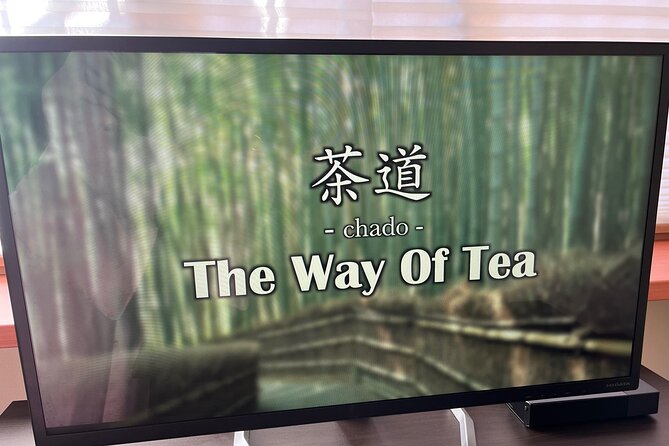
Next comes a 10-minute video about Chado’s history and core ideas. This is a useful primer, not the main event. It gives you some grounding before you enter the tea room, where the instructor can connect what you have just seen to the objects and customs in front of you.
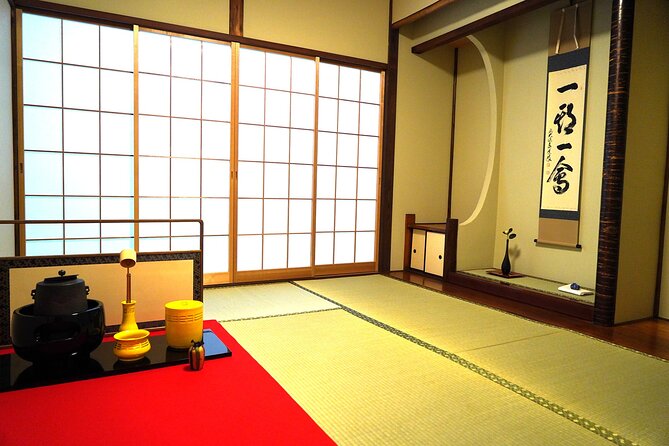
You then learn about the tearoom and spend time in it. The room has tatami mats, and the quiet setting is part of the lesson. This is not a grand hall or a staged tourist set. The workshop is held inside an old Japanese-style home, a detail that adds character but also comes with practical limits, especially the steep stairs.
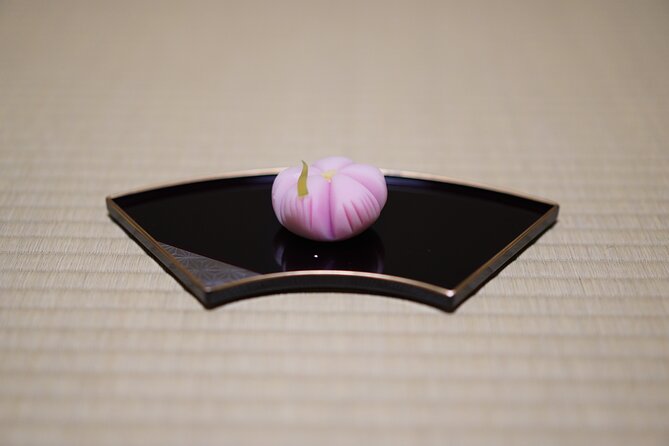
A traditional Japanese confection is served as part of the early ceremony. Later, you’ll have dry sweets before making and drinking usucha. The sweets are more than a snack between activities: they give you a taste of the food traditionally paired with tea and help make the tasting feel like a complete sequence.
Watching Koicha in the Tea Room
The formal part of the workshop centers on koicha, the strong, thick matcha associated with the main ceremony. The instructor prepares it as a demonstration, showing the measured movements and the deliberate pace of the ritual.
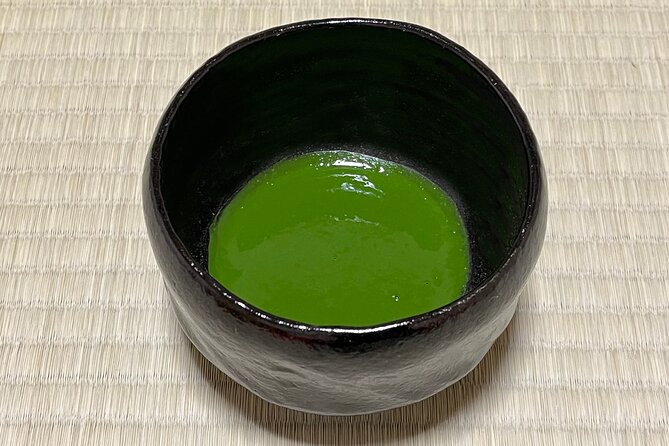
Koicha is described as the original form of matcha drunk by samurai. It is not the same experience as casually ordering a thin matcha drink in a café. The concentrated tea has a different texture and intensity, so come ready to taste rather than expecting a sweet, mild cup.
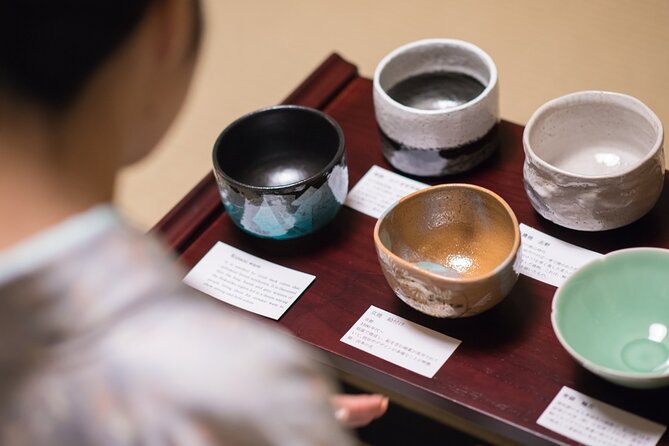
There is also time to consider tea bowls from different regions. You learn that shape can affect the taste and feel of drinking from a bowl. That may sound like a small distinction, but it gives you a more concrete way to understand why tea ceremony pays attention to its utensils as well as the tea itself.
The meditative element is part of the presentation. You are encouraged to set aside everyday distractions and pay attention to the room and the ceremony. You do not need prior experience or specialist knowledge to follow along. The instructor explains the steps, and the setting gives you time to watch them closely.
Making Your Own Usucha
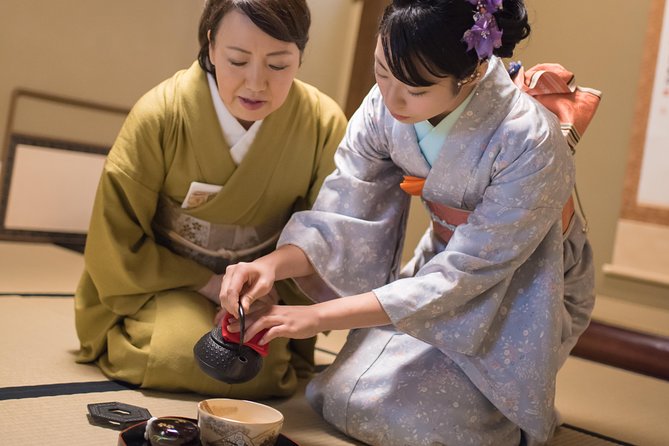
After the demonstration, the workshop shifts from watching to doing. You receive a hands-on lesson in preparing usucha, the thinner matcha served with a foamy top. The instructor shows you how to make a bowl, and you get the chance to try the process yourself.
This is the most useful part for many first-time learners. A formal ceremony can be beautiful to watch, but making the tea gives you a more direct sense of the tools and actions involved. You also taste your own usucha, with dry sweets served beforehand.
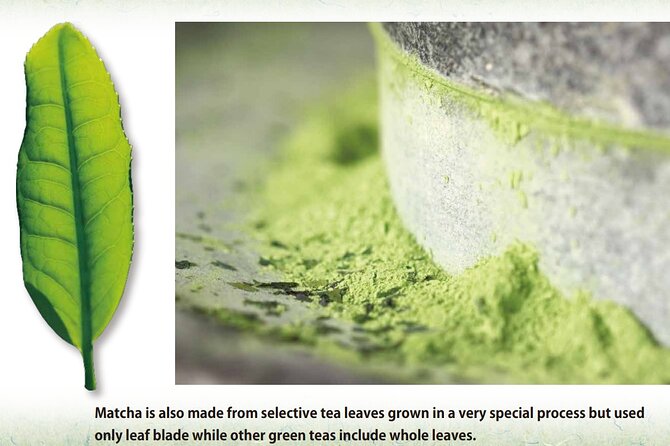
The workshop includes several teas and an introduction to matcha powder, giving you a chance to notice what you like. If you are mainly seeking a large matcha tasting or a deep technical course, this may feel introductory. The point is to learn the basics of Chado in context, not to become an expert in one sitting.
The session is designed to be shorter than a full traditional tea ceremony. That makes it easier to fit into a busy Tokyo schedule, while still offering a demonstration, explanation, tasting, and practice. The listed duration is approximately 1 hour and 30 minutes.
More hands-on workshops in Tokyo:
- Sushi Making Tokyo Roll and Authentic Japanese Sushi Class
★ 5.0 · 3,971 reviews - Tokyo: Roll and Authentic Sushi Making Class in Asakusa
★ 4.9 · 1,957 reviews - Tokyo Shinjuku Chopsticks Making Class
★ 5.0 · 1,763 reviews - Tokyo: Sushi Making Class in a Happi Coat near a Famous Spot
★ 4.9 · 1,377 reviews
Small Group, Real House, Practical Limits
The stated maximum is six participants, which suits a hands-on lesson. A small group makes it easier to see the ceremony and follow the instructor’s explanations. It can also make the room feel personal rather than like a performance for a crowd.
The house dates to the 1940s, and its age is not just atmosphere. The tea room is on the second floor, reached by a very steep staircase. There is no equipment to help people get up the stairs, so this is an important limitation for anyone with mobility concerns.
The house also has a weight capacity. Although the activity is capped at six, the host may ask a group to change its scheduled time to balance the building’s load. If this could affect your plans, contact the provider before booking to discuss it.
Inside the tea room, you do not have to sit in seiza, the formal kneeling position with bent knees. You can sit another way, and a chair can be provided if sitting on the tatami is not possible. That flexibility is helpful, but it does not solve the staircase issue.
Wear socks, since bare feet are not allowed in the tea room. Miniskirts and tight pants are not recommended, likely because they can make sitting and moving on tatami less comfortable. The workshop is for participants aged 10 and older.
The Cost and Who Should Book
At $38.47 per person, this is a reasonable way to get more than a quick tea tasting. The fee covers a guided introduction, a formal koicha demonstration, multiple tea tastings, Japanese sweets, and the chance to make usucha yourself. The small group and setting inside a Chado school add value if you want a cultural activity with real instruction.
The price makes less sense if your main goal is simply to drink matcha. You can find tea elsewhere without spending workshop time on history, etiquette, and ceremony. Here, the value lies in understanding why the tea is prepared and served in a particular way, then trying part of the process yourself.
The class is a good fit for curious first-timers, couples, and families with children aged 10 or older. It is also a welcome change of pace if your Tokyo days are full of movement and sightseeing. The quiet atmosphere offers a different kind of cultural experience: one built around attention and participation rather than a long list of sights.
Expect an introductory class, not a full course in tea ceremony. A few participants have found it basic, which is a fair expectation to set. The instructor explains the tradition clearly, but the session is designed to give you a welcoming first look, not advanced practice.
The workshop is especially appealing if you like learning through both explanation and action. You watch the precise preparation of koicha, ask questions, taste the tea, and then make usucha. If you prefer a purely visual ceremony, you can still appreciate the demonstration, but you would miss one of the experience’s strongest parts by not taking an active role.
A Calm Cultural Stop, With One Important Caveat
The best reason to book is the balance between observation and participation. You get the quiet formality of a tea ceremony, but you are not expected to sit silently through a long performance. The short video, guided explanation, sweets, and practical lesson make the customs easier to grasp.
I would book this if you want a grounded introduction to Chado and can manage the old house’s stairs. Bring socks, wear clothing that lets you sit comfortably, and arrive ready to taste strong matcha as well as the thinner usucha. If steep stairs are a problem, ask the provider before reserving. For everyone else, this is a thoughtful, compact way to spend part of a Tokyo day.
FAQ
How long is the workshop?
The listed duration is approximately 1 hour and 30 minutes.
Where does the workshop meet?
It meets at 2-chōme-3-12 Kotobuki, Taito City, Tokyo 111-0042. The address notes that Google Maps may show 2-3-3 instead.
Does the workshop end at the meeting point?
Yes. The activity ends back at the meeting point.
What teas are included?
The session begins with sakura tea, includes a formal koicha preparation and tasting, and gives you a hands-on lesson making usucha. It also introduces matcha powder and tea bowls.
Are Japanese sweets included?
Yes. You have a traditional Japanese confection and dry sweets served before usucha.
Do I need to sit in seiza?
No. You do not have to sit in seiza. If you cannot sit on the tatami, a chair can be provided.
What should I wear or bring?
Bring socks, since bare feet are not allowed in the tea room. Miniskirts and tight pants are not recommended.
Is the tea room accessible by elevator?
No elevator or machinery to assist with the stairs is provided. The tea room is on the second floor of an old Japanese-style house with a very steep staircase.
Freshly reviewed in Tokyo
- Tokyo: Toshimaya Sake Brewery Tour with Sake Tasting★ 5.0 · 6 reviews
- Tokyo: Tour Privado por Tokio en español★ 4.3 · 4 reviews
- :Tokyo,Shibuya /Meiji Shrine tour in KIMONO/English-friendly★ 5.0 · 4 reviews
- Tokyo:Tea ceremony experience at Komaba Warakuan★ 4.8 · 9 reviews
- :Tokyo,Shibuya/ Pro Photography in Kimono / English-Friendly★ 5.0 · 26 reviews
- Tokyo:Samurai Training : Swords, Bushido & Mental Discipline★ 5.0 · 6 reviews
- Tokyo:Mt Fuji & Hakone Day Tour with English Speaking Driver★ 5.0 · 26 reviews
- Tokyo:Nikko UNESCO World Heritage Sites Private 1-Day Tour★ 3.8 · 6 reviews
Tokyo Tea Ceremonies, compared.

Matcha Making Class in Tokyo with Authentic Japanese Sweets Set
Read our review →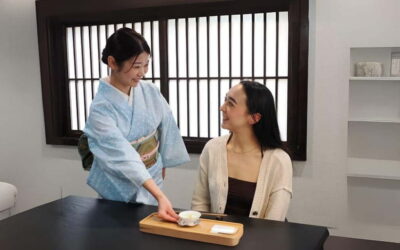
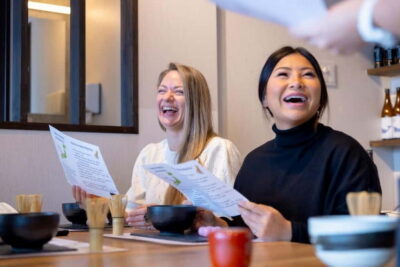
Matcha Making Experience with Mochi Sweets in Asakusa
Read our review →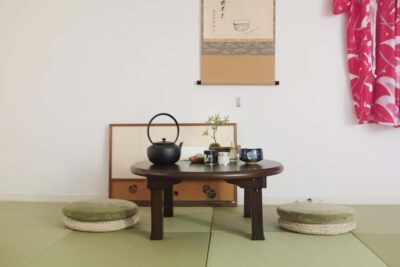
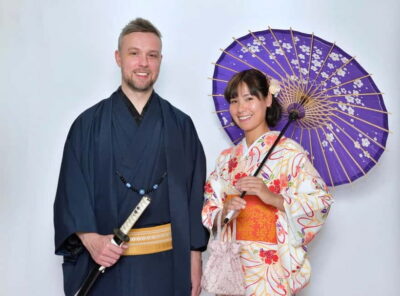
Make Traditional Nerikiri Sweets & Matcha experience in Shibuya
Read our review →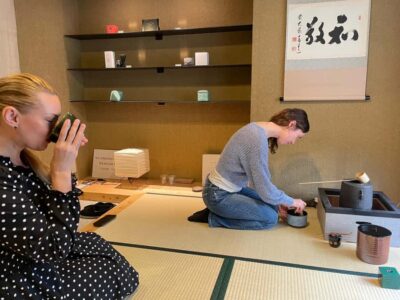
Tea Ceremony Experience in a Private Tea Room in Shibuya
Read our review →Browse the lists this tour appears in