
Reviewed · TOKYO SAMURAI EXPERIENCES
Tokyo: Samurai Sword & Archery Class from Samurai Descendant
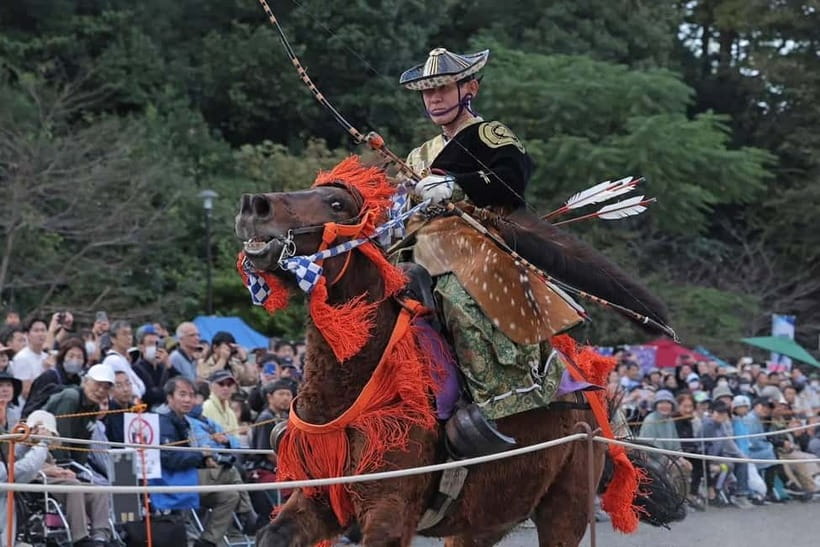
A sword class that puts you to work is a better window into samurai arts than a quick photo stop. At Toyama-ryu BIZENKAI, you learn basic handling and forms, practice friendly sparring, and try a traditional Japanese bow under the guidance of Yoshioki Sumida, a swordsmanship and horseback-archery master. I especially like the mix of hands-on training and history, and the chance to try archery with a bow connected to Japan’s mounted tradition.
The main consideration is the price: $193 for three hours is a meaningful spend, and the dojo is in Machida, outside central Tokyo. You’ll get the most from it if you want instruction and physical practice, not just a demonstration. The class is also shared, with a maximum of 15 participants, so the amount of individual attention can vary.
- Sword practice is active: Learn basic handling, kata forms, attack and defense timing, and friendly sparring with a practice sword.
- Archery has its own history: Try a Japanese bow associated with horseback archery, a tradition that predates the sword’s role as the samurai’s main weapon.
- You train in a real dojo: The class takes place at Toyama-ryu BIZENKAI, not in a staged attraction.
- History comes with the practice: Sumida Sensei discusses swords, samurai traditions, and how weapons changed over time.
- Plan for a workout: Repeated movements and sword swings take effort, and you may feel it the next day.
- Machida takes planning: The dojo is a 10-minute walk from JR Machida Station, but getting to Machida from central Tokyo can add substantial travel time.
The appeal is learning, not posing
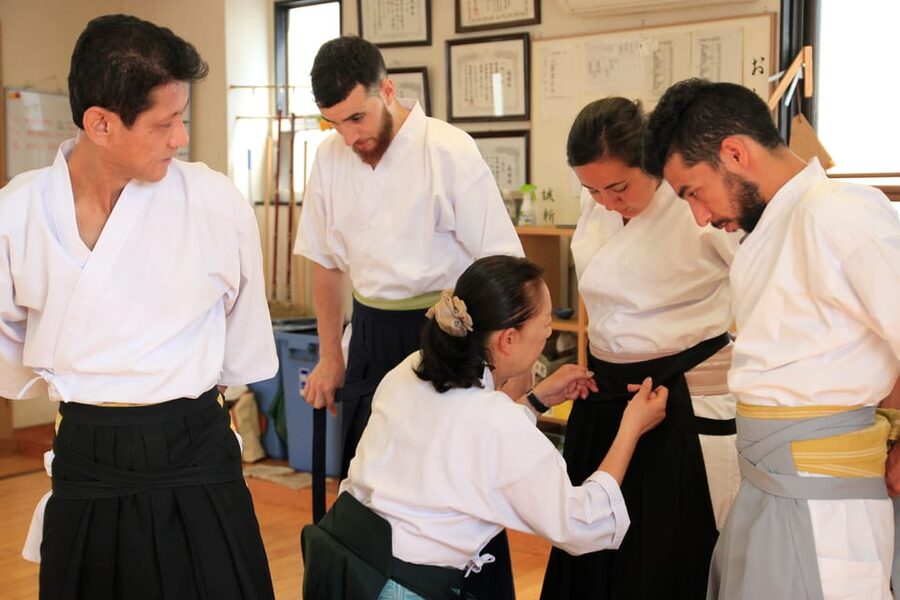
This three-hour session is for people who want to try the movements, not simply watch a sword demonstration and leave with a costume photo. You change into training wear, listen to an introduction, then work through basic sword skills and archery. The class is billed as practical training, and its structure reflects that: you’re expected to pay attention, follow instructions, and repeat movements.
I like that the experience joins two disciplines instead of treating samurai culture as swordplay alone. The bow came first as a key samurai weapon, and the class links archery to that older tradition. You also hear about the matchlock gun and the later importance of the sword, which gives the weapons practice a wider frame.
The price is high compared with a short cultural demonstration. But the fee covers three hours of instruction, a practice uniform, a practice sword, and a rare chance to try both swordsmanship and traditional archery in a dojo. If you want to learn something with your hands, rather than collect another brief photo stop, the value is easier to see.
Finding the dojo in Machida

The meeting point is Toyama-ryu BIZENKAI, written as 戸山流備前会 BIZENKAI. It’s on the third floor, about a 10-minute walk from JR Machida Station. The directions are specific: use the stairs at the back, between the sword shop and the vending machines on the first floor.
That location is convenient once you’re in Machida, but don’t assume it’s a quick hop from every Tokyo neighborhood. One participant estimated a journey of about 90 minutes from Shimbashi. Your own travel time will depend on where you start, so allow a generous margin and arrive on time. Sumida Sensei is said to appreciate punctuality, and a late arrival is a poor way to begin a lesson that relies on instructions and safety.
There may be a chance to watch practice or a demonstration before class, but don’t count on a specific start time for that. One useful tip from a participant was to arrive about 30 minutes early for a demonstration. Check your confirmation email for the precise meeting details and schedule.
More samurai experiences in Tokyo:
- Tokyo: Samurai Restaurant Show Ticket with 2 Drinks
★ 4.5 · 1,307 reviews - Tokyo: Samurai Ninja Museum Guided tour and Experience
★ 4.6 · 1,010 reviews - Best Samurai Experience in Tokyo
★ 5.0 · 458 reviews
Changing into training clothes
Training wear is provided, which helps the class feel like a lesson rather than a costume rental. You must send the organizer the height and weight of every participant so the right clothing can be prepared. Bring a camera if you want pictures, and drinks to stay hydrated.
The class is shared and can take up to 15 people. That’s a small enough group for a structured lesson, though it may not feel like a private session. Some participants have been in groups of just two, while others have joined a larger class. If close one-on-one instruction is essential to you, remember that group size can change.
The instructor teaches in Japanese and English. Participants describe Sumida Sensei and his assistants as clear, patient teachers who demonstrate movements and correct form. Harry is named as one assistant instructor. English ability can vary by instructor and session, but the class is offered in both languages.
Handling a sword with care
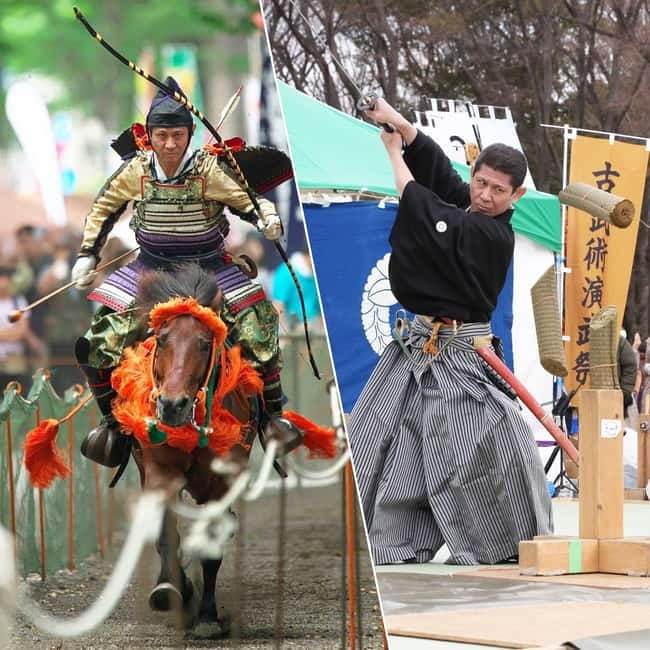
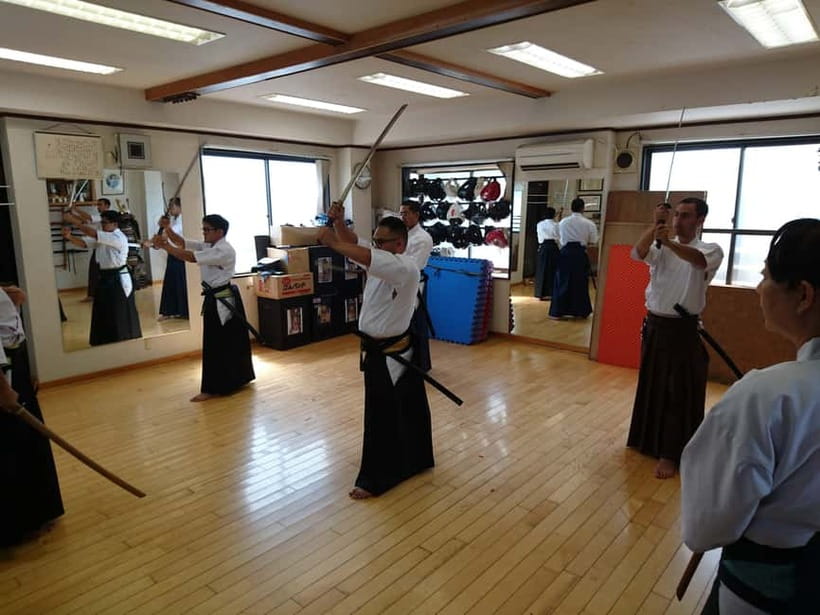
The first sword lesson is about how to handle and swing a mock or practice sword correctly. You learn basic posture and movement, then work on kata, a set of formal actions that helps you understand control and the path of a cut. The point is not to swing hard at random. It’s to learn where the blade line should go and how to move with purpose.
That distinction matters if your picture of sword training comes mostly from films. The class puts emphasis on form, timing, and safe handling, not theatrical flourishes. Sumida Sensei is described as exact about technique, but patient when correcting beginners. Expect to repeat an action until it starts to make sense.
The session also includes gekken, or practice sparring, where you work on the timing of attack and defense with a practice sword. This adds movement and decision-making to the lesson. It’s fun, but it’s still training: listen closely, keep control, and follow the instructor’s safety directions.
Some accounts of the session describe cutting targets, including attempts while moving. That challenge is a memorable part of the experience, but it is demanding. The supplied class information distinguishes the mock sword and practice sword lessons, so ask the organizer what equipment is used for each cutting exercise rather than assuming every sword is a live blade.
Learning the story behind the weapons
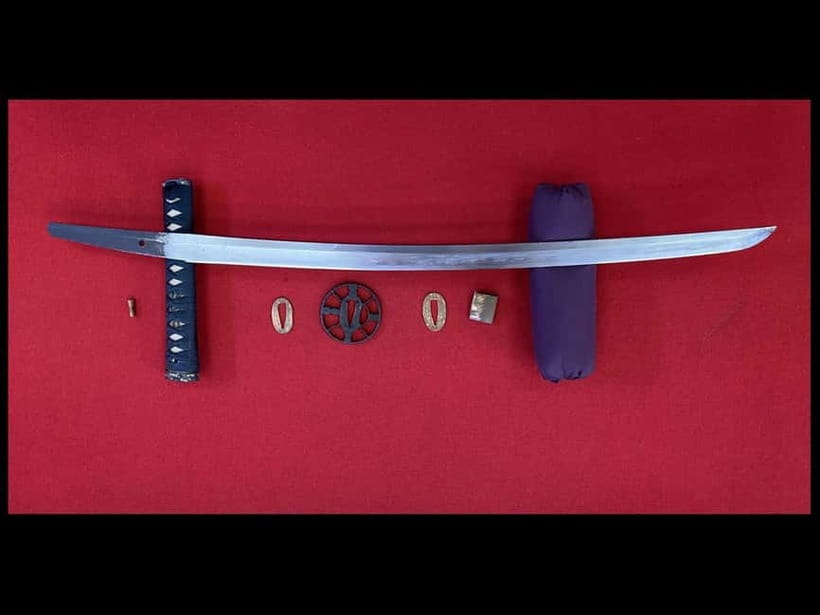
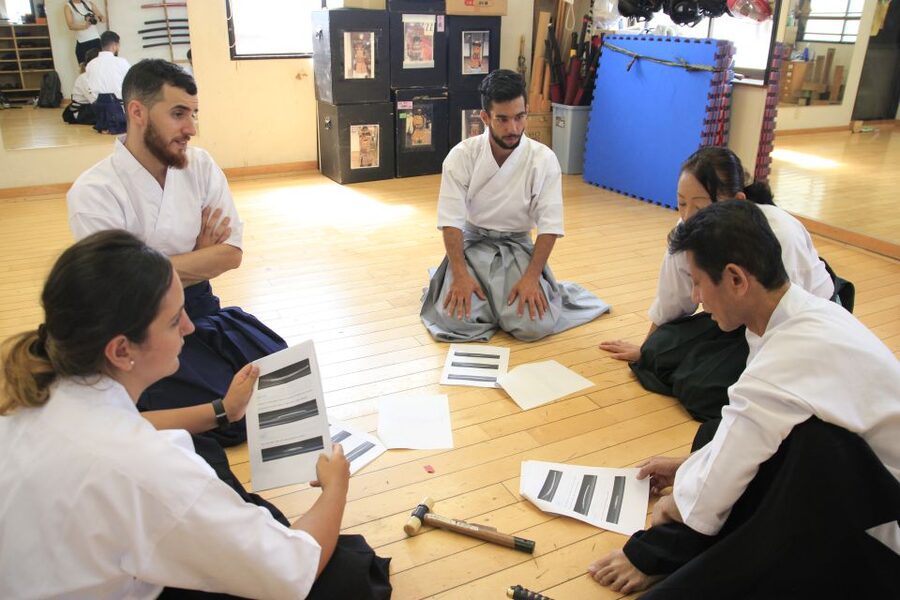
The history is brief enough to leave plenty of time for practice, but it helps make the activities more than a sequence of techniques. The class outlines a broad shift in samurai weapons: about 1,000 years ago, the bow was central; around 450 years ago, the matchlock gun became more powerful; and after civil war ended about 400 years ago, the sword took on a greater role.
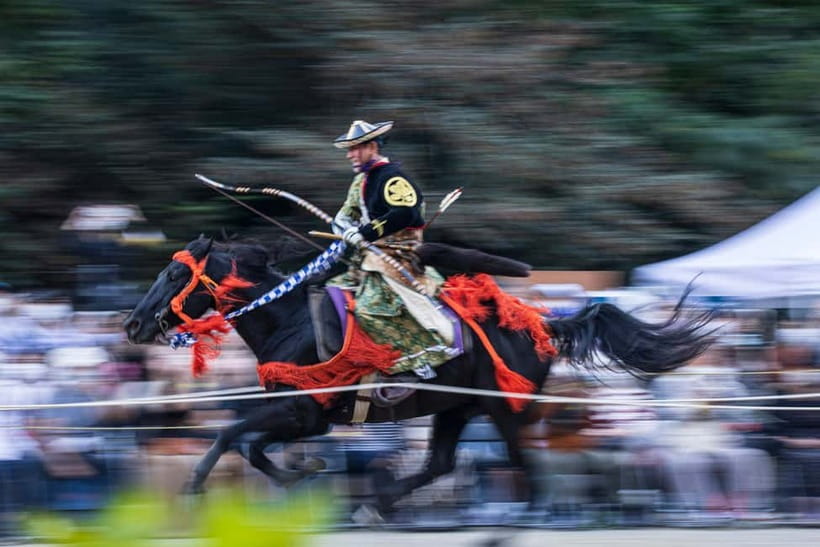
That timeline gives the archery session real context. The bow is not an extra novelty added after the sword lesson. It connects to an earlier period of samurai warfare and to traditional horseback archery. You’ll also have the chance to see traditional horseback-archery clothing and hold an antique matchlock gun, according to the class description.
Sumida Sensei’s family background and personal commitment to the arts are part of the teaching. The useful part for you is not simply the claim of descent, but the chance to hear someone explain the practices he continues to teach. The session also includes a live demonstration of Toyama-ryu by a practitioner identified as 7th grade. Treat that as a demonstration of difficult technique, not a promise that you will learn advanced skills in one afternoon.
More hands-on workshops in Tokyo:
- Sushi Making Tokyo Roll and Authentic Japanese Sushi Class
★ 5.0 · 3,971 reviews - Tokyo: Roll and Authentic Sushi Making Class in Asakusa
★ 4.9 · 1,957 reviews - Tokyo Shinjuku Chopsticks Making Class
★ 5.0 · 1,763 reviews - Tokyo: Sushi Making Class in a Happi Coat near a Famous Spot
★ 4.9 · 1,377 reviews
Trying the Japanese bow
Archery offers a change of pace after sword work. You get to handle a Japanese bow and try shooting arrows, with instruction on how to use it. The bow is associated with traditional horseback archery, an art Sumida Sensei is said to have mastered alongside swordsmanship.
This is an introduction, not a full archery course. The aim is to experience the equipment and basic action, and to understand why the bow mattered in samurai history. If you’re hoping for extensive target practice or a long outdoor archery session, the class description does not promise that. Think of it as one part of a three-hour sampler.
The archery section may also pose a small challenge for left-handed participants. One left-handed participant found the class was taught right-handed and noticed that it affected archery more than the sword portion. If you’re left-handed, ask the organizer in advance whether adjustments are possible.
Effort, comfort, and who should go
You don’t need prior martial-arts experience, but you do need to be ready to listen, move, and swing a sword. The pace is hands-on, and repeated practice can feel like a workout. Wear the provided training clothes, bring water, and be realistic about your stamina.
The activity is not suitable for pregnant people, people with back or heart problems, people with mobility impairments, wheelchair users, people with epilepsy, or people with visual impairments. The age information needs extra care: the listing says children under 18 are not suitable, but also says minors may participate with parental permission and supervision if they have the strength to swing a sword. Since those statements conflict, contact the organizer before booking for anyone under 18.
This is a strong fit for adults curious about Japanese martial arts, samurai history, or hands-on cultural instruction. It can work for beginners, including people who have never held a sword, provided they can follow directions and take part safely. It is less suited to someone looking for a low-effort activity, a staged show, or a class focused only on photographs.
Is $193 worth it?
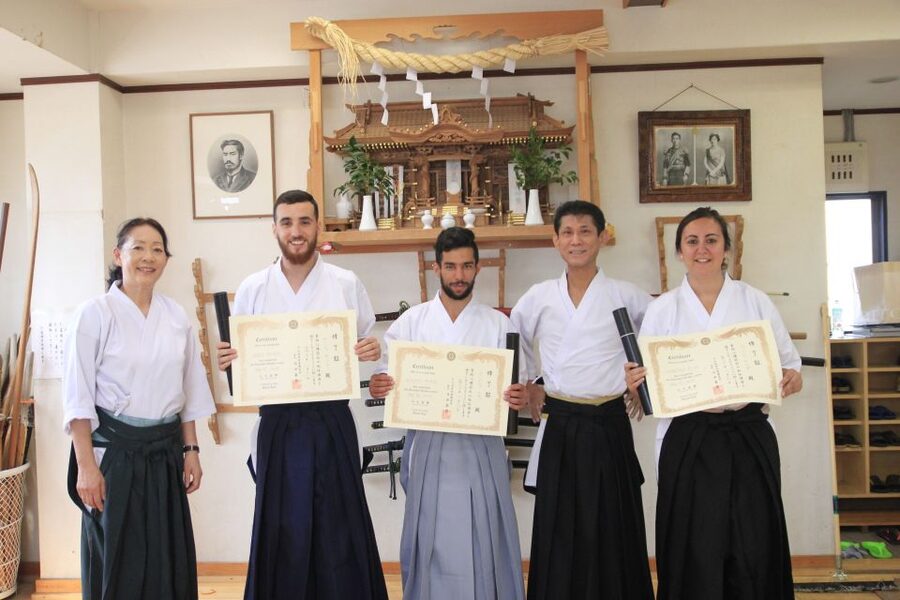
At $193 per person, this is not a budget activity. The value rests on the combination: three hours in a real dojo, instruction from a master of swordsmanship and horseback archery, training clothes and a practice sword, historical explanation, sparring, and a chance to try archery. The opportunity to handle an antique matchlock gun and watch a technique demonstration adds further interest.
What you’re paying for is access to instruction and practice, not a guaranteed private lesson or mastery of two disciplines. The shared class may include up to 15 people, and the amount of hands-on attention can depend on attendance. If you want a quick, inexpensive samurai-themed photo, this is more than you need. If you want to learn basic movements from someone dedicated to keeping these arts alive, the fee is easier to justify.
You can reserve now and pay later, and cancellation is free up to 24 hours before the activity. Those terms offer some flexibility, but the most important preparation is practical: confirm the meeting instructions, send everyone’s height and weight, and allow enough time to reach Machida.
Should you book this class?
Book it if you want a demanding, participatory introduction to samurai sword arts and archery, with history woven into the lesson. I especially recommend it to martial-arts enthusiasts and curious beginners who value instruction over spectacle. Skip it if the price, the journey to Machida, or the physical demands outweigh the appeal of trying the skills yourself.
FAQ
How long is the class?
The class lasts three hours. Starting times depend on availability.
Where does the class meet?
It meets at Toyama-ryu BIZENKAI, on the third floor, about a 10-minute walk from JR Machida Station. Use the stairs at the back between the sword shop and vending machines on the first floor.
What does the class include?
It includes an instructor, a samurai experience, training wear, and a practice sword. The lesson covers sword handling, kata, sparring, archery, and samurai history.
What languages are available?
Instruction is offered in Japanese and English.
Do I need to bring training clothes?
No. Practice uniforms are provided. Send the organizer the height and weight of each participant in advance.
What should I bring?
Bring a camera and drinks. Alcohol and drugs are not allowed.
How many people can join?
The class is shared and has a maximum of 15 participants.
Can children take part?
The information says minors may participate with parental permission and supervision if they have the muscle strength to swing a sword, but it also lists children under 18 as not suitable. Contact the organizer to clarify before booking.
Can I cancel for a refund?
Yes. You can cancel up to 24 hours in advance for a full refund.
Freshly reviewed in Tokyo
- Tokyo: Toshimaya Sake Brewery Tour with Sake Tasting★ 5.0 · 6 reviews
- :Tokyo,Shibuya /Meiji Shrine tour in KIMONO/English-friendly★ 5.0 · 4 reviews
- Tokyo: Tour Privado por Tokio en español★ 4.3 · 4 reviews
- Tokyo:Tea ceremony experience at Komaba Warakuan★ 4.8 · 9 reviews
- :Tokyo,Shibuya/ Pro Photography in Kimono / English-Friendly★ 5.0 · 26 reviews
- Tokyo:Samurai Training : Swords, Bushido & Mental Discipline★ 5.0 · 6 reviews
- Tokyo:Mt Fuji & Hakone Day Tour with English Speaking Driver★ 5.0 · 26 reviews
- Tokyo:Nikko UNESCO World Heritage Sites Private 1-Day Tour★ 3.8 · 6 reviews
Tokyo Samurai Experiences, compared.
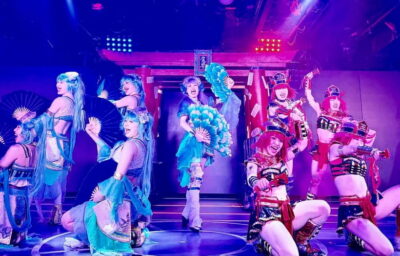
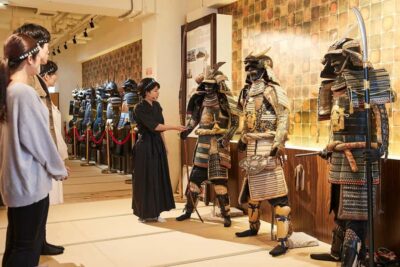
Samurai Ninja Museum Guided tour and Experience
Read our review →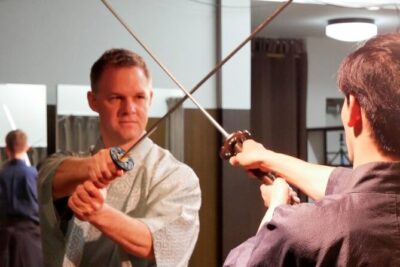
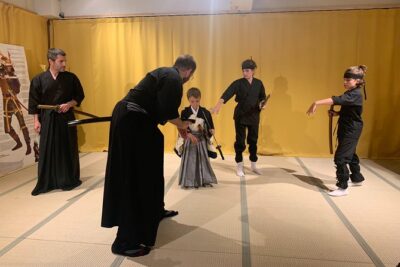
Ninja Experience (Family Friendly) at Samurai Ninja Museum TOKYO
Read our review →
Samurai Entertainment Night Show in Kanda Shrine
Read our review →
Tokyo Sword Experience – includes Museum Ticket/Ninja Experience
Read our review →
Samurai Ninja Museum Asakusa: Samurai Sword Lesson & Tour
Read our review →
Ninja Samurai 2-hour hands-on lesson by Japanese master in Tokyo
Read our review →Browse the lists this tour appears in