
Reviewed · TOKYO SUMO EXPERIENCES
Tokyo: Sumo Morning Practice with journalists. Not fake show
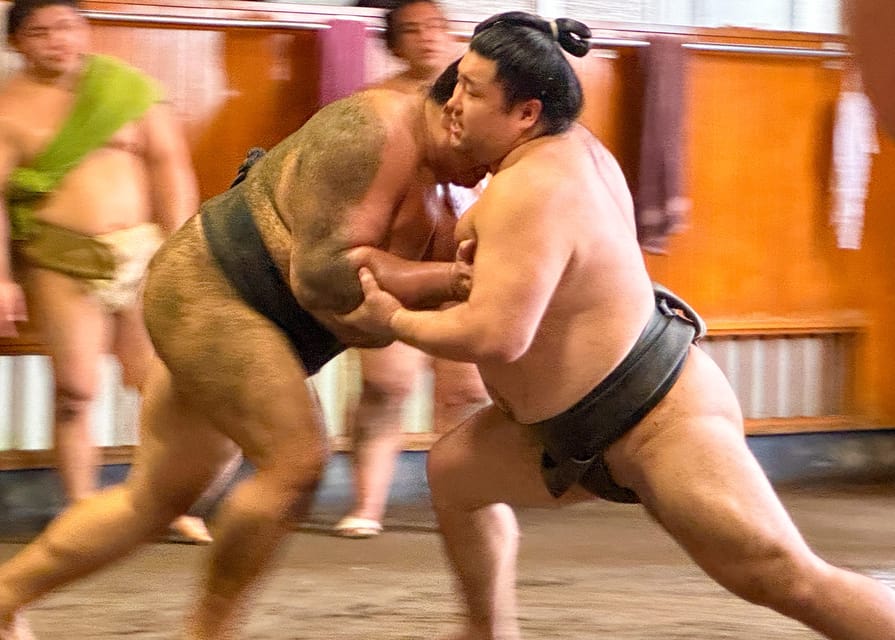
Sumo’s morning practice is not staged for visitors. You watch wrestlers train inside an active stable, where the usual rules of the room matter: sit quietly, keep your camera flash off and let the practice unfold. The guide helps you understand what you’re seeing without turning the session into a performance.
I like two things here: the access to Takasago-beya, which is difficult to arrange independently, and the journalist-guide’s insider view of sumo life. One consideration is the price, $103 per person, and the floor seating. This is also not a suitable tour for wheelchair users, despite conflicting accessibility information in the activity details.
Key points before you book
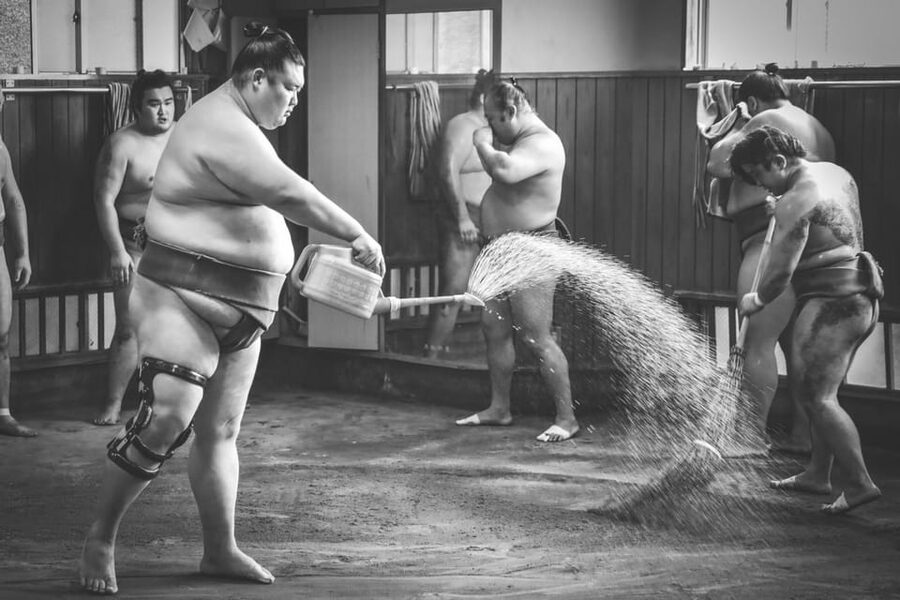
- Watch a real morning practice: The tour has special permission to enter Takasago-beya, a working sumo stable, rather than a venue staging a show.
- Get a reporter’s perspective: The English-speaking guide is a sumo specialist and national newspaper journalist. Guides named in past tours include Shinya Setsu, Shin, Karen and Ray, but assignments may vary.
- Expect a quiet, respectful visit: You’ll be asked to watch without interrupting practice. Flash photography is prohibited.
- Allow three hours: The schedule includes about two hours at the stable, short transfers and a 30-minute guided visit to Ryōgoku Edo NOREN.
- Prepare to sit on the floor: Wear comfortable clothes. The traditional setup makes this tour unsuitable for wheelchair users.
- Consider the cost against the access: At $103, it costs more than a simple museum visit, but stable access and expert explanations are the main draw.
A real practice, not a staged sumo show
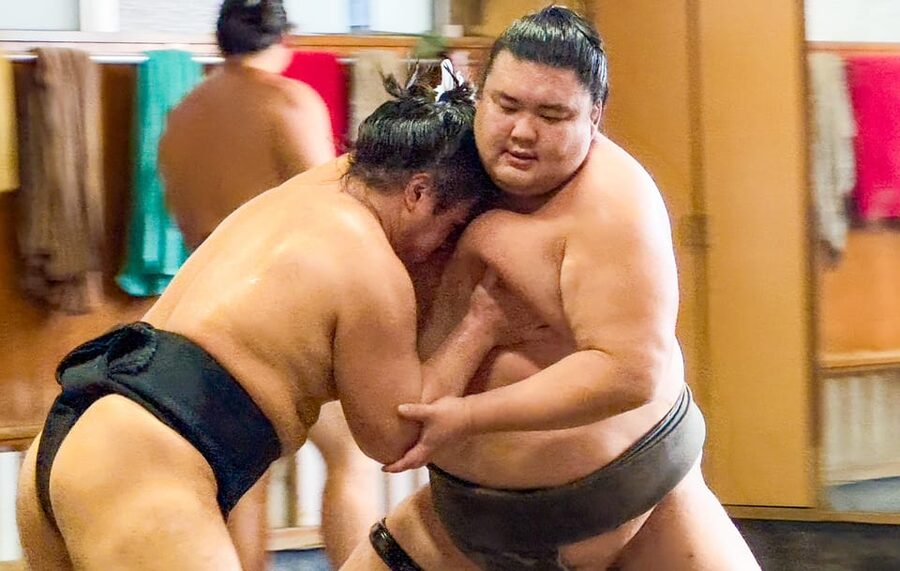
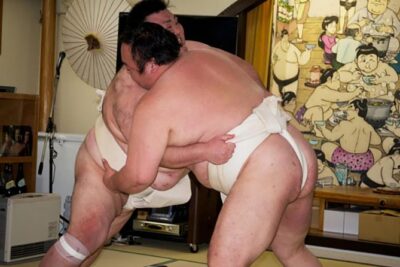
The main event is a morning training session at Takasago-beya. You’ll see wrestlers, or rikishi, working in the stable’s own training space, not performing a shortened routine for a crowd. The difference is important: practice can feel quiet and intense, and your role is to observe rather than to interact.
The tour’s special permission opens a door that can be hard to open on your own. A sumo stable is a place where wrestlers live and train, not a public attraction with regular visitor hours. The stable’s approval is what makes this visit possible, and it comes with an expectation that you respect the room and its routines.
The practice may include newer wrestlers and more experienced professionals. You can watch their strength and technique at close range, with the guide explaining the movements and the hierarchy behind them. A few people who follow sumo closely have also seen well-known wrestlers at practice, but the tour does not promise a particular athlete or training lineup.
The atmosphere is part of the point. You’re not promised a narrated show as the action happens. Instead, the guide prepares you to watch quietly, then gives you room to take in the training. That makes the briefing and follow-up conversation especially useful: without context, a visitor unfamiliar with sumo may not know what to look for.
More sumo experiences in Tokyo:
- Tokyo: Sumo Show Experience with Chicken Hot Pot and a Photo
★ 4.8 · 6,678 reviews - Tokyo: Sumo Show and Dining Experience
★ 4.8 · 2,742 reviews - the SUMO show
★ 5.0 · 1,960 reviews
Why the journalist-guide matters
The guide is more than a translator. The tour is led by an English-speaking sumo specialist who is also a national newspaper journalist, and past guides have drawn on reporting experience to explain the sport’s rules, traditions and personalities. Shinya Setsu is one name associated with the tour, while other groups have been led by Shin, Karen and Ray. The guide on your date may differ.
That reporting background can add the details that make a practice meaningful. You can ask about how the sport is organized, what a wrestler’s daily life involves, how stable hierarchy works and why rituals matter. The guide can also help you distinguish the technique and discipline in front of you from the simple spectacle of two large athletes colliding.
The question-and-answer time is a major part of the value. The tour is designed to leave room for questions, and guides have shared anecdotes from years of covering sumo. Some have also sent follow-up links and materials after the tour, though you should treat that as a possible extra, not a guaranteed service.
If you watch sumo on television, the session gives you a close view of the work behind tournament bouts. If you’re new to the sport, the guide’s explanations can make the rituals and movements easier to follow. Either way, the best approach is to arrive curious and ready to listen.
The three-hour route through Ryogoku
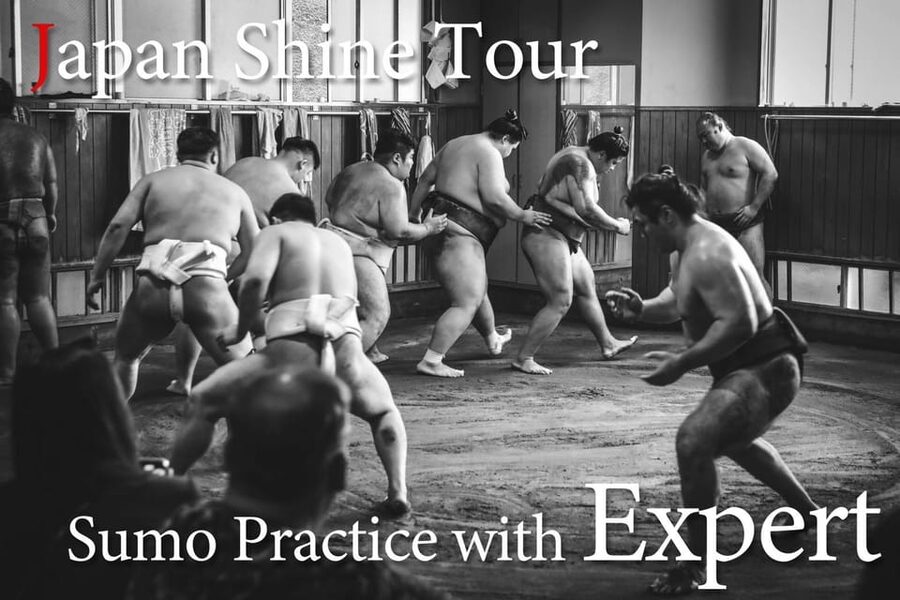
The tour begins at 両国HANAWAビル, near Ryogoku Station. The meeting point is a five-minute walk from the east exit of JR Ryogoku Station, or at Toei Oedo Line station E12, Exit A2 at ground level. Check the operator’s pre-tour message for exact instructions, and arrive early: the group leaves on time.
From the meeting point, it’s a short transfer of about five minutes to Takasago-beya. The stable visit is listed as two hours, though the period of active training can be shorter. One past tour included about 90 minutes of practice. Training schedules and what you see may vary, so think of the two-hour block as time at the stable, not a guaranteed two hours of uninterrupted action.
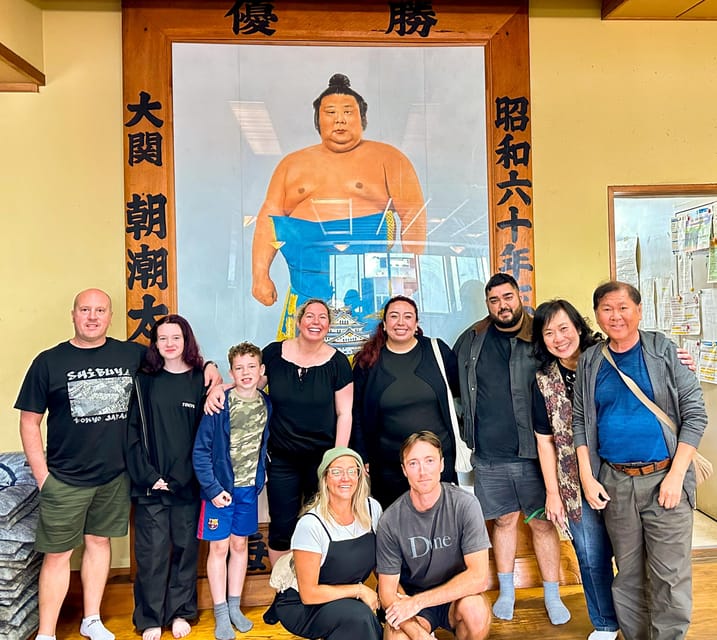
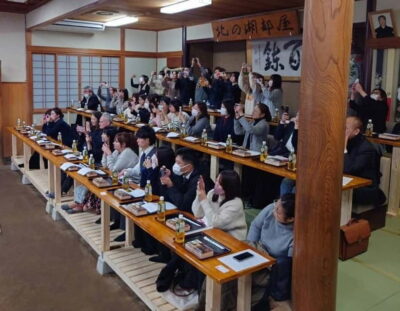
After practice, there is time for commemorative photos. The stable’s rules still apply, so follow the guide’s instructions about when and where you may take pictures. You can bring a camera, but flash photography is not allowed during practice. Keep food and drink out of the stable, and remove your shoes indoors.
The group then returns toward the Ryogoku area, with another short transfer before the final stop. The planned 30-minute visit is to Ryōgoku Edo NOREN, a sumo-themed facility near the station. It gives the guide another setting to explain the sport and its local connections before the tour ends at JR Ryogoku Station.
Don’t assume this means entry to the Kokugikan sumo arena or access to its ring. The listed final stop is Edo NOREN, and the tour details do not promise an arena visit. Some guides may point out nearby sumo landmarks or add commentary along the way, but the stable practice is the core attraction.
What to know about etiquette and comfort
This is a cultural visit with real rules, not a hands-on activity. You’ll need to stay quiet during training and follow the stable’s instructions. That respectful approach is not a drawback so much as the condition that allows visitors to watch in the first place.
Wear comfortable clothes, since you’ll be sitting on the floor during practice. The traditional setup is not suitable for wheelchair users, despite a general accessibility note elsewhere in the activity information. The specific restriction is clear: wheelchair users are listed as unsuitable, and electric wheelchairs and baby carriages are not allowed. Babies under one year are also not suitable for the tour.
Bring a camera if you’d like photos, but leave the flash off during practice. Food, alcohol and drugs are prohibited, and shoes are not worn indoors. The provided rules also prohibit fireworks. There is no meal or drink included, so plan around the morning schedule rather than expecting refreshments on the tour.
More shows in Tokyo:
- Mt Fuji & Hakone Cruise, Drum Show Bullet Train 1 Day from Tokyo
★ 4.0 · 7,413 reviews - Tokyo Shinjuku Sumo Show & Experience with Photo
★ 5.0 · 1,750 reviews - Tokyo: Samurai Restaurant Show Ticket with 2 Drinks
★ 4.5 · 1,307 reviews - Mt Fuji & Hakone Cruise, Drum Show Bus 1 Day from Tokyo
★ 4.0 · 1,287 reviews
Is $103 fair value?
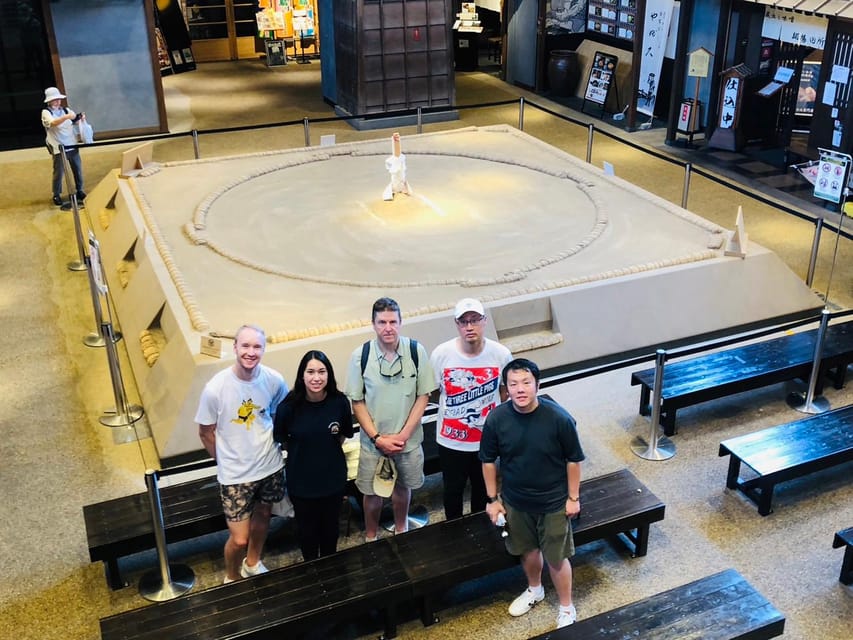
At $103 per person, this is a specialist activity, not a cheap way to fill a morning. You’re paying for access to an active stable, the coordination required to visit respectfully, and an English-speaking guide who can explain a world that is often difficult to approach without local connections.
The price makes more sense if you’re interested in sumo, Japanese traditions or the daily life behind a sport. It can also be a good alternative if you can’t get tournament tickets. A live match and a practice are different experiences: the tournament offers competition and a public arena, while the stable visit shows training, discipline and routine.
If you mainly want a brief photo opportunity with a wrestler, this may be more than you need. The practice requires quiet attention, and the longer conversation afterward is a substantial part of the experience. The value lies in seeing real training and learning how to interpret it, not in a polished show or a long list of stops.
The tour offers free cancellation up to 24 hours before departure, and you can reserve now and pay later. Starting times depend on availability. Those options can help if your Tokyo plans are still shifting, but the stable visit itself is a specific morning commitment.
Who will get the most from this visit
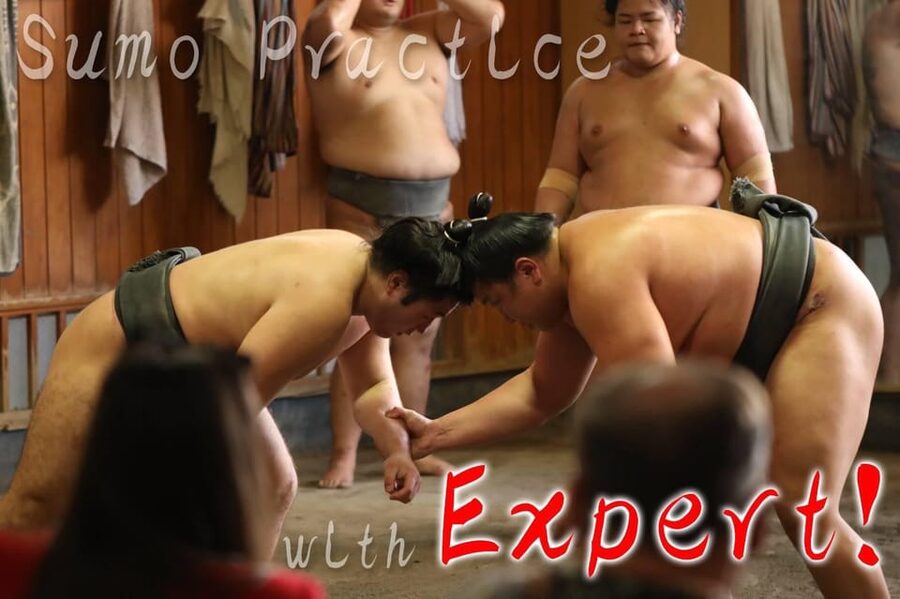
I’d put this tour high on the list for sumo fans, especially if you’ve watched tournaments and want to understand how wrestlers prepare. Seeing practice up close adds context to the bouts: the strength is obvious, but so are the repetition, technique and discipline.
It also suits curious visitors who want a cultural experience with a strong local focus. You don’t need to know the rules in advance. The guide’s explanations and time for questions are meant to make the sport accessible to newcomers, while the reporting stories can add details for people who already follow sumo.
It is less suitable if you need step-free or wheelchair access, are bringing a baby under one year, or find floor seating uncomfortable. It may also disappoint anyone expecting a staged introduction, a guaranteed meeting with a famous wrestler or a full tour of the sumo arena. The experience is quieter and more specific than that.
Should you book the sumo morning practice?
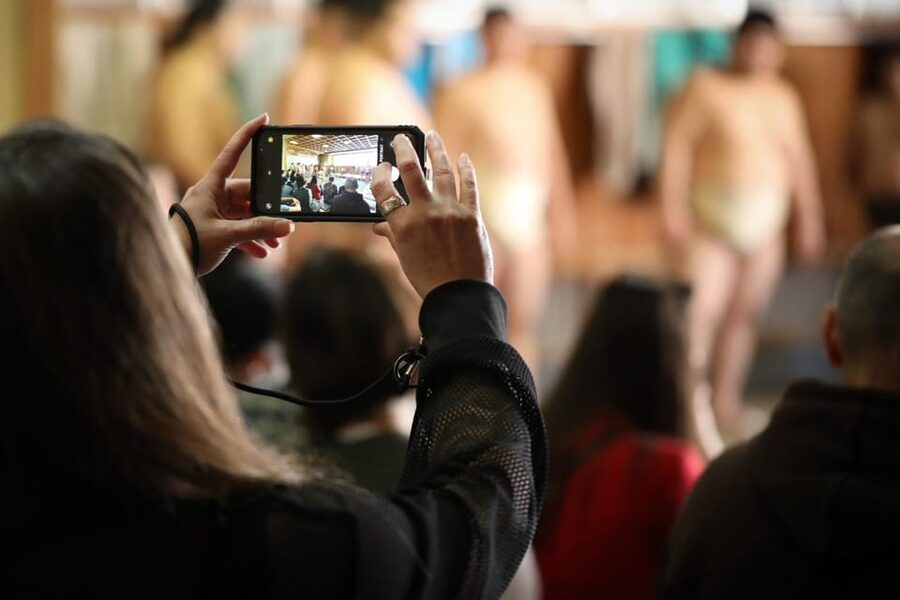
Book it if you want to see sumo in its working environment and value an expert explanation as much as the practice itself. The stable access is rare, the journalist’s perspective gives the visit substance, and the chance to ask questions helps turn observation into understanding.
Skip it if you’re looking for an easy, fully accessible attraction or an arena spectacle. For the right visitor, though, this is a memorable way to see a side of sumo that tournament tickets alone can’t show. Arrive early, dress for floor seating and be ready to watch quietly.
FAQ
How long is the sumo morning practice tour?
The tour lasts three hours. The planned schedule includes a two-hour visit to Takasago-beya, short transfers and a 30-minute guided visit to Ryōgoku Edo NOREN.
Where does the tour meet?
The meeting point is 両国HANAWAビル near Ryogoku Station. It is a five-minute walk from the east exit of JR Ryogoku Station, or near Toei Oedo Line Ryogoku Station, Exit A2 at ground level. The operator will send details before the tour.
Is the practice a staged show?
No. You watch a live morning practice at a sumo stable with special permission. It is a real training session, not a performance arranged for visitors.
What language is the tour in?
The live guide speaks English. The guide is a sumo specialist and national newspaper journalist.
Can I take photos during practice?
You can bring a camera, and commemorative photos are included. Flash photography is not allowed during practice, and you should follow the guide’s instructions about taking pictures inside the stable.
What should I wear or bring?
Wear comfortable clothes because you’ll sit on the floor during practice. A camera is allowed, but do not use flash during training.
Is the tour wheelchair accessible?
No. Although a general activity note says wheelchair accessible, the specific information says the traditional stable setup makes the tour unsuitable for wheelchair users. Electric wheelchairs and baby carriages are also not allowed.
Are meals or drinks included?
No. Meals and drinks are not included, and food is not allowed inside the stable.
Can I cancel for a refund?
Yes. You can cancel up to 24 hours in advance for a full refund. You can also reserve now and pay later.
More early-start experiences in Tokyo
- Tokyo: Sumo Morning Practice Viewing Tour
★ 4.8 · 570 reviews - Tokyo: Sumo Morning Training Visit
★ 4.4 · 370 reviews - Tokyo: Sumo Morning Practice Tour at Sumida City
★ 4.8 · 308 reviews - Tokyo Sumo Morning Practice Tour at Stable
★ 5.0 · 298 reviews
Freshly reviewed in Tokyo
- Tokyo: Toshimaya Sake Brewery Tour with Sake Tasting★ 5.0 · 6 reviews
- :Tokyo,Shibuya /Meiji Shrine tour in KIMONO/English-friendly★ 5.0 · 4 reviews
- Tokyo: Tour Privado por Tokio en español★ 4.3 · 4 reviews
- Tokyo:Tea ceremony experience at Komaba Warakuan★ 4.8 · 9 reviews
- :Tokyo,Shibuya/ Pro Photography in Kimono / English-Friendly★ 5.0 · 26 reviews
- Tokyo:Samurai Training : Swords, Bushido & Mental Discipline★ 5.0 · 6 reviews
- Tokyo:Mt Fuji & Hakone Day Tour with English Speaking Driver★ 5.0 · 26 reviews
- Tokyo:Nikko UNESCO World Heritage Sites Private 1-Day Tour★ 3.8 · 6 reviews
Tokyo Sumo Experiences, compared.
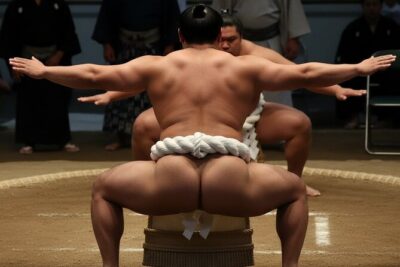
Tokyo Shinjuku Sumo Show & Experience with Photo
Read our review →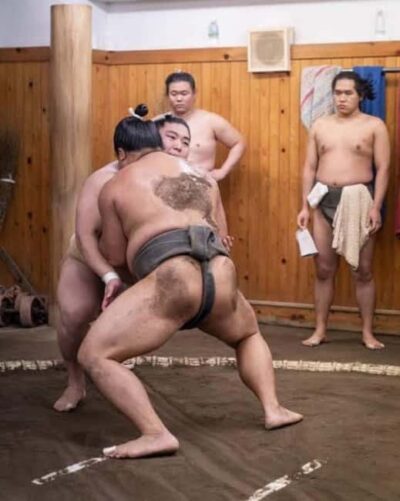

Authentic Sumo Experience in Tokyo: Enter the Sanctuary
Read our review →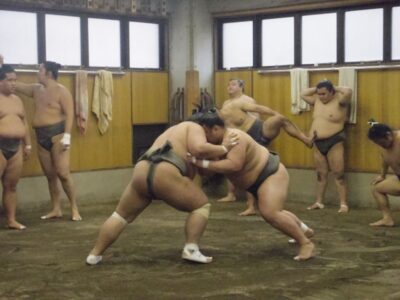
Tokyo Sumo Experience: Chanko & Mochi with a Former Pro
Read our review →Browse the lists this tour appears in