
Reviewed · TOKYO SUMO EXPERIENCES
Tokyo Sumo Morning Practice: Viewing & Exclusive Interaction
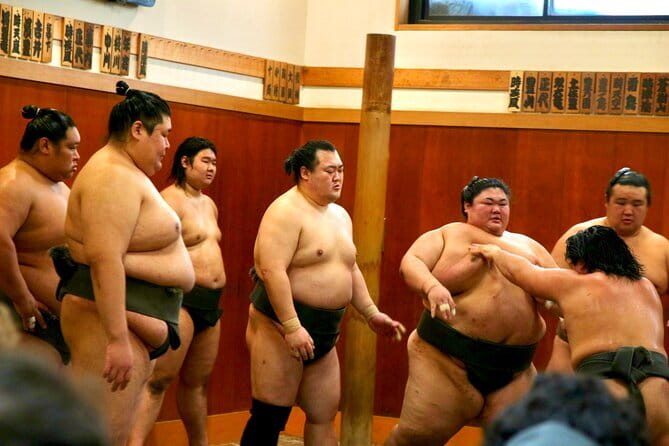
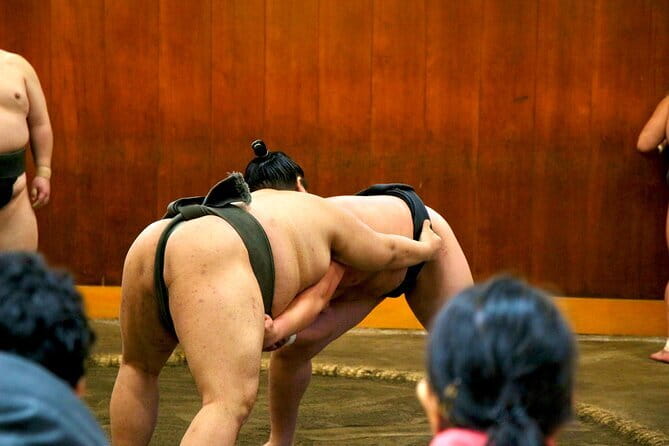
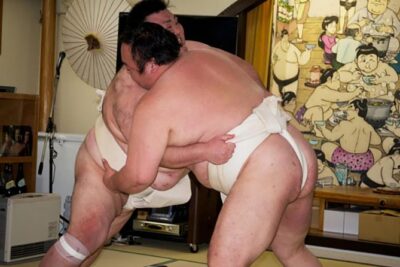
Sumo practice begins before the day gets going, with wrestlers stamping, stretching, and colliding at close range inside a working stable. This is not a staged dinner show. You watch active athletes train, then have a chance to speak with them.
I like two things in particular: the guide’s short introduction makes the rules and customs easier to follow, and the post-practice conversation lets you ask wrestlers about training and daily life. You can choose a floor cushion near the action or a stool farther back, and you leave with an official banzuke ranking sheet.
The main consideration is the early start and the need to stay quiet during practice. This is also a serious training session, not a performance scheduled around an audience, so the atmosphere and viewing time can vary, especially during tournament periods.
The short version: sumo as a working sport
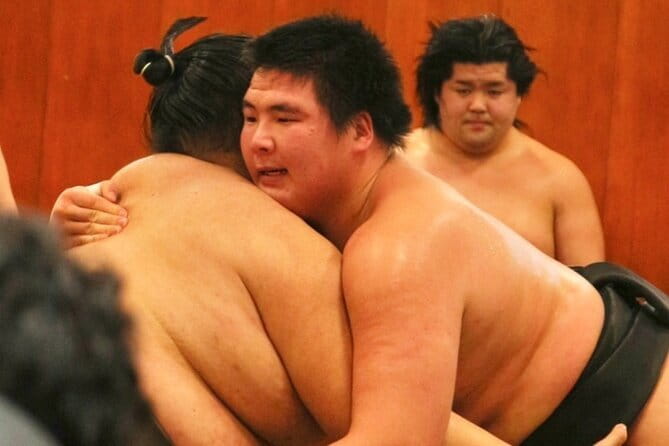
- You watch active wrestlers train inside a sumo stable, rather than seeing a staged demonstration.
- A guide prepares you first at Narihira Park, explaining sumo customs, rules, and viewing etiquette.
- You can ask wrestlers questions and take photos after practice, with the guide helping you communicate.
- Seating is flexible: choose a front-row zabuton cushion or a stool at the back.
- A banzuke comes with the tour, presented in a souvenir folder, and the guide stays for a final Q&A.
Meet at Narihira Park before the stable visit
The meeting point is near the multipurpose restroom at Narihira Park in Sumida. Your guide checks your name, gives you sumo-related materials, and explains the manners and rules to follow inside the stable. This briefing is useful: knowing when to be quiet and where to sit helps you pay attention to the training instead of wondering what you should be doing.
The park is also where the tour returns for its closing conversation. The full activity lasts about three hours and normally wraps up around 11:00 AM, leaving time to continue to Tokyo Skytree or Asakusa. You need to arrange your own transport to the meeting point, so check your route before setting out.
Guides have included Haru, Momo, Ryoko, Sarah, and Sana. The language options are English and Japanese. If you have questions about the sport, daily life in a stable, or Tokyo more broadly, the guide is there both before and after the visit to help make sense of what you have seen.
More sumo experiences in Tokyo:
- Tokyo: Sumo Show Experience with Chicken Hot Pot and a Photo
★ 4.8 · 6,678 reviews - Tokyo: Sumo Show and Dining Experience
★ 4.8 · 2,742 reviews - the SUMO show
★ 5.0 · 1,960 reviews
Inside the stable, watch practice rather than a show
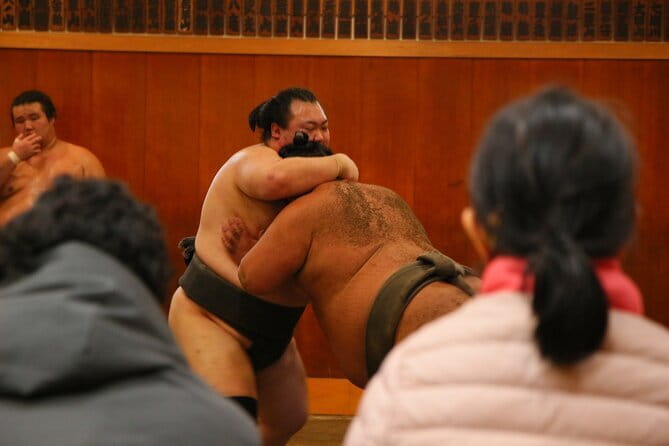
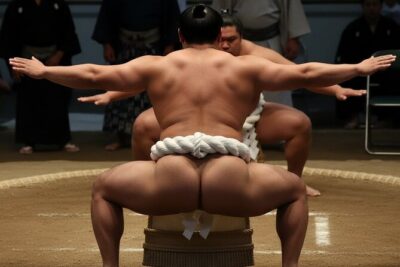
The walk from the park leads to an active sumo stable. Once inside, you are watching wrestlers at work: warm-ups, training drills, and, depending on the session, sparring. The close setting makes the physical force hard to miss. Sumo can look formal from the stands at a tournament; here, you see how much repetition and effort sit behind each bout.
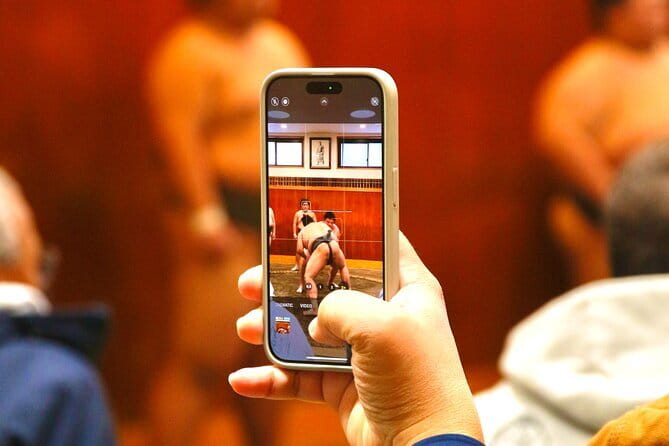
The practice is the heart of the tour, but it is not built for constant explanation. You should expect to watch quietly and follow the guide’s instructions about photography and seating. Flash photography, video recording, and audio recording are not allowed. Still photography is permitted, provided you remain quiet and respect the rules.
This distinction matters when deciding what you want from the morning. If you want a lively show with narration throughout, this may feel restrained. If you want to observe professional training without a performance laid on for tourists, the quiet is part of the point. You can watch the wrestlers’ concentration and the rhythm of the practice without a host interrupting it.
The tour offers two seating choices. A zabuton cushion in the front row puts you closer to the action, but it means sitting on the floor. Stools are available toward the back if sitting low is uncomfortable. Choose for your body, not for bragging rights: a clear view from a stool beats a sore back and a distracted hour.
A guide’s introduction helps you read the ritual
Before entering the stable, your guide explains sumo’s history, rules, and etiquette. That context is especially useful if your only prior knowledge comes from tournament highlights or a passing interest in Japanese culture. The briefing gives you a few guideposts, so the movements and formalities have meaning rather than appearing as a string of unexplained rituals.
You do not need to arrive as a sumo expert. The guide can also help frame questions for the wrestlers after practice. Visitors have praised guides including Haru, Momo, Ryoko, Sarah, Sana, and others for clear explanations and helpful answers. Your guide depends on the date, but the tour is designed around English or Japanese guidance.
I would use the introduction to ask about anything you are curious about, even if it seems basic. Sumo has its own customs and vocabulary, and a question asked before the practice can make the next hour more rewarding. Then, when you return to the park, you can follow up on the details that caught your attention.
The conversation afterward is more than a photo stop
After practice, you have a chance to talk directly with the wrestlers and take commemorative photos. The guide helps with questions about their training, daily routines, and mindset as athletes. That personal exchange is a significant part of the value: you have watched the work up close, then can ask the people doing it what the work means to them.
The wrestlers are described as generous with their time, but keep in mind that this is a chance to ask questions, not a private interview with a guaranteed length or topic. Be respectful, listen to the guide, and be ready with a question or two. Photos are allowed at this stage, subject to the stable’s rules.
On some occasions, male audience members have been invited to try a brief bout with a professional. That sounds like fun, but it is not something to count on as a standard part of the tour. You can enjoy the interaction just as much by watching, asking questions, and taking a photo.
More early-start experiences in Tokyo:
- Tokyo: Sumo Morning Practice Viewing Tour
★ 4.8 · 570 reviews - Tokyo: Sumo Morning Training Visit
★ 4.4 · 370 reviews - Tokyo: Sumo Morning Practice Tour at Sumida City
★ 4.8 · 308 reviews - Tokyo Sumo Morning Practice Tour at Stable
★ 5.0 · 298 reviews
Banzuke, park Q&A, and a useful finish
After leaving the stable, the group returns to Narihira Park. You receive an official banzuke, the sumo ranking sheet, in a specially designed souvenir folder. It is a more meaningful keepsake than a generic tour item because it connects directly to the sport you have just watched.
The final Q&A gives you time to ask the guide about sumo traditions or get personal suggestions for your Tokyo plans. This is not a meal stop, so do not expect breakfast or brunch to be included. Bring your own plan for food afterward, and use the guide’s time for questions you could not ask inside the stable.
The tour’s schedule also works well as a morning activity. Finishing around 11:00 gives you a natural opening to visit Tokyo Skytree or continue toward Asakusa. Those nearby options make it easier to build a fuller day without committing to a long excursion across the city.
Is $93 good value for three hours?
At $93 per person, this is not a cheap way to fill a morning. But the fee includes the sumo stable visit, an English-speaking guide, and the banzuke souvenir. More important, it provides access to a real training session and a chance to speak with active wrestlers, rather than simply watching a public performance.
The value depends on what you want. If you are interested in sumo, Japanese customs, or seeing how athletes train, the guide’s explanations and the post-practice interaction add substance to the viewing. If you only want a quick photo with a wrestler, or would rather spend the money on a tournament ticket or another attraction, the price may be harder to justify.
Transport to Narihira Park is not included. You can reserve now and pay later, and cancellations made at least 24 hours in advance qualify for a full refund. Those terms offer some flexibility, but the early start still calls for a bit of planning.
Timing and practical details to know
The regular activity lasts three hours, with the group typically finishing around 11:00 AM. During a Grand Sumo Tournament period, which lasts about two weeks in January, May, and September, practice starts 30 minutes earlier and the viewing portion is about one hour. Check the available start time for your date, since tournament-period timing differs.
Food, alcohol, and drugs are not allowed. Neither are flash photography, video recording, or audio recording. You may take photos, but stay quiet during practice and follow instructions about flash and where to sit.
Children under six are not suitable for this activity. The floor-cushion option may also be uncomfortable if you have difficulty sitting on the floor, though stools are available at the back. If you are unsure about your seating needs, ask the operator before booking.
Who should book this sumo morning?
I would choose this tour if you want an authentic look at sumo as a discipline, not just a photo opportunity. It suits curious first-time visitors, sports fans, and anyone who values explanation and conversation alongside the spectacle. The option to ask active wrestlers questions is the detail that turns watching practice into a more personal cultural encounter.
It may not suit you if you need a late start, want a loud and highly produced show, or cannot sit quietly during training. Nor should you book expecting to wrestle a professional; that has happened on some occasions, but it is not guaranteed.
For most people with an interest in Japan’s sporting traditions, I think the combination of real practice, guide context, and wrestler interaction makes the morning worthwhile. Book it for the training and the conversation, and treat the souvenir and any chance to try a bout as welcome extras.
FAQ
How long is the tour?
The activity lasts three hours and normally wraps up around 11:00 AM.
Where is the meeting point?
Meet near the multipurpose restroom at Narihira Park. Your guide will check your name and provide materials before the stable visit.
Is transportation to the meeting point included?
No. You need to arrange your own transportation to Narihira Park.
What languages are available?
The tour is available with a live guide in English or Japanese.
Can I take photographs inside the stable?
Photography is allowed, but you must remain quiet and follow the rules about flash and seating. Flash photography is not allowed.
Can I record video or audio?
No. Video recording and audio recording are not allowed.
What is included in the price?
The price includes the sumo stable visit fee, guidance by an English-speaking guide, and a special souvenir.
What is the banzuke souvenir?
It is an official sumo ranking sheet presented in a specially designed souvenir folder.
Does the tournament period change the schedule?
Yes. During the Grand Sumo Tournament period, practice starts 30 minutes earlier and viewing time is about one hour. Tournament periods last about two weeks in January, May, and September.
Can children under six join?
No. The activity is not suitable for children under six.
Freshly reviewed in Tokyo
- Tokyo: Toshimaya Sake Brewery Tour with Sake Tasting★ 5.0 · 6 reviews
- :Tokyo,Shibuya /Meiji Shrine tour in KIMONO/English-friendly★ 5.0 · 4 reviews
- Tokyo: Tour Privado por Tokio en español★ 4.3 · 4 reviews
- Tokyo:Tea ceremony experience at Komaba Warakuan★ 4.8 · 9 reviews
- :Tokyo,Shibuya/ Pro Photography in Kimono / English-Friendly★ 5.0 · 26 reviews
- Tokyo:Samurai Training : Swords, Bushido & Mental Discipline★ 5.0 · 6 reviews
- Tokyo:Mt Fuji & Hakone Day Tour with English Speaking Driver★ 5.0 · 26 reviews
- Tokyo:Nikko UNESCO World Heritage Sites Private 1-Day Tour★ 3.8 · 6 reviews
Tokyo Sumo Experiences, compared.
Tokyo Shinjuku Sumo Show & Experience with Photo
Read our review →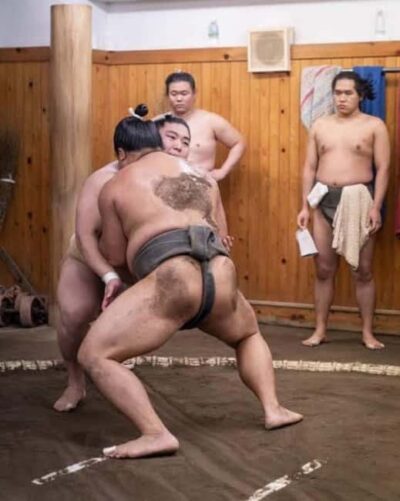
Authentic Sumo Experience in Tokyo: Enter the Sanctuary
Read our review →
Tokyo Sumo Experience: Chanko & Mochi with a Former Pro
Read our review →Browse the lists this tour appears in