
Reviewed · TOKYO SUMO EXPERIENCES
Tokyo: Sanctuary Authentic Grand Sumo Experience & Training
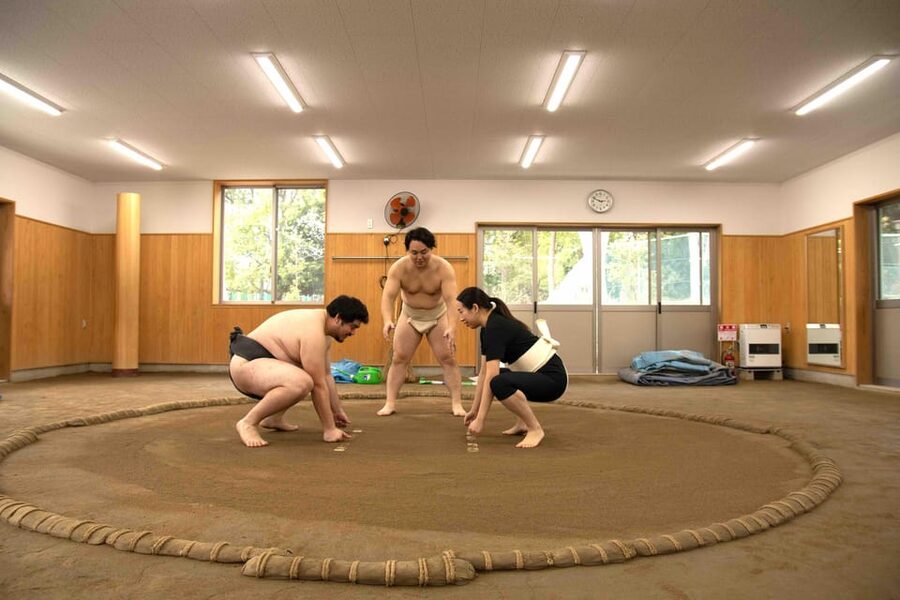
Sumo here is more than a ringside view: you step into a real clay dohyo, put on a mawashi and try the sport yourself. The two-hour session at Amita Sumo Dojo moves from basic training to a chance to wrestle, with a Japanese coach explaining the rules and traditions in English and Japanese.
I like two things in particular: you get practical instruction in the warm-ups and rituals, not just a photo opportunity, and the session ends with a real match against friends or, if you choose, a coach. Takeshi is named as one of the coaches, and families have found the training adaptable to different ages and skill levels.
The main consideration is the physical effort. Expect to sweat, bring water and towels, and remember that sumo involves contact and a risk of injury. The dojo is also a 10-minute walk from Heiwajima Station, so allow time for the trip.
- A real dohyo, not a stage: Train on a clay sumo ring at Heiwanomori Park Sumo-jo.
- Mawashi provided: You can wear the traditional sumo belt at no extra cost, or keep your own clothes on if you prefer.
- Learn before you wrestle: The coach covers stretches, warm-ups, ring rules and traditional rituals.
- Try a match: At the end, you can wrestle with friends or challenge a coach if you feel ready.
- Plan for a workout: Bring plenty of water and two towels. A nearby shower costs ¥100 for five minutes.
- Book ahead: The provider recommends booking at least two days in advance.
From the small office to the sumo ring
Meet at the small office at Heiwanomori Park Sumo-jo, at 2-1 Heiwanomorikoen in Ota City. From Heiwajima Station on the Keikyu Main Line, it is about a 10-minute walk. The dojo’s address is not right at the station, so save the walking route before you set off and leave a little buffer for finding the meeting point.
The location takes some planning if you are staying in central Tokyo. Train travel times listed for nearby districts range from about 22 minutes from Shinagawa to 56 minutes from Odaiba, before adding the walk and time to navigate the station. From Shibuya, allow about 36 minutes by train; from Shinjuku, around 49 minutes. Taxis are not a simple fallback: you need to arrange one yourself, as taxis do not come to the location unless requested.
Once there, the setting is a working sumo space rather than a tournament venue or a staged show. That distinction matters. You are not going to sit back and watch professional bouts; you are there to learn some of the basic practice and take part. If you want a close look at the physical side of sumo, this is the point of the outing.
Warm-ups, rules and the meaning of ritual
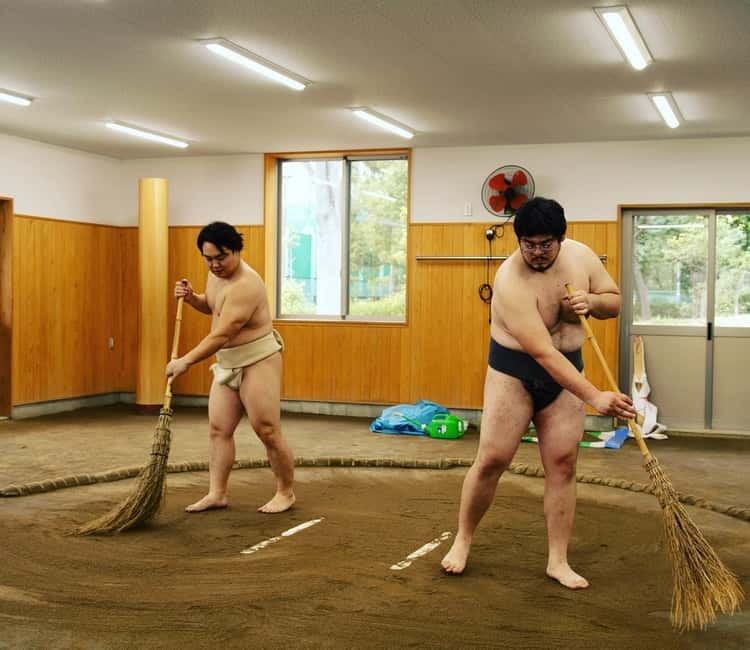
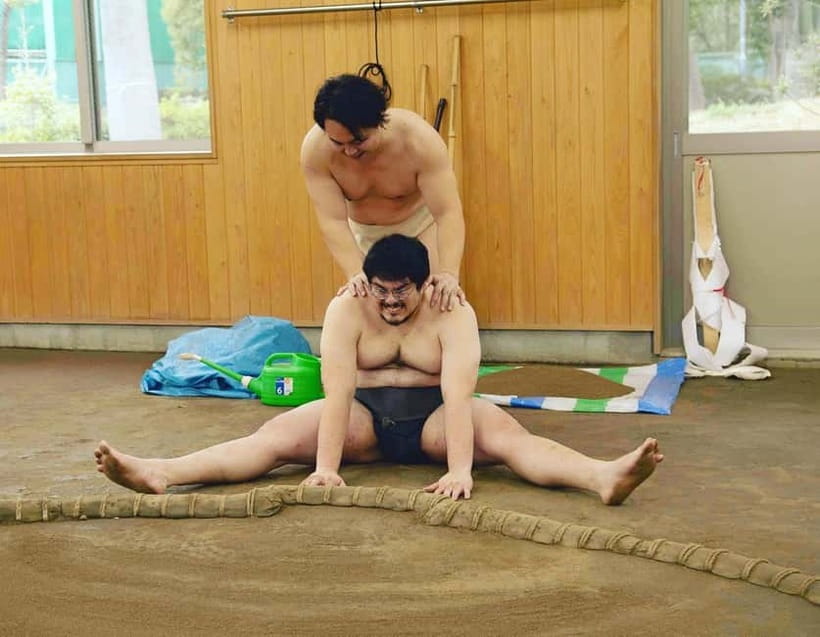
The coach leads the session in Japanese and English, starting with sumo fundamentals. Expect stretches and warm-ups before getting into the rules of wrestling in the dohyo. This gives you context for the action: sumo has clear customs and boundaries, and the ring is not simply an open space where you shove until someone falls out.
The session also introduces traditional sumo and Shinto rituals. These customs are part of the sport’s identity, and learning their place in the practice makes the experience more than a novelty bout. You get an explanation before trying the movements yourself, which is especially useful if sumo is new to you.
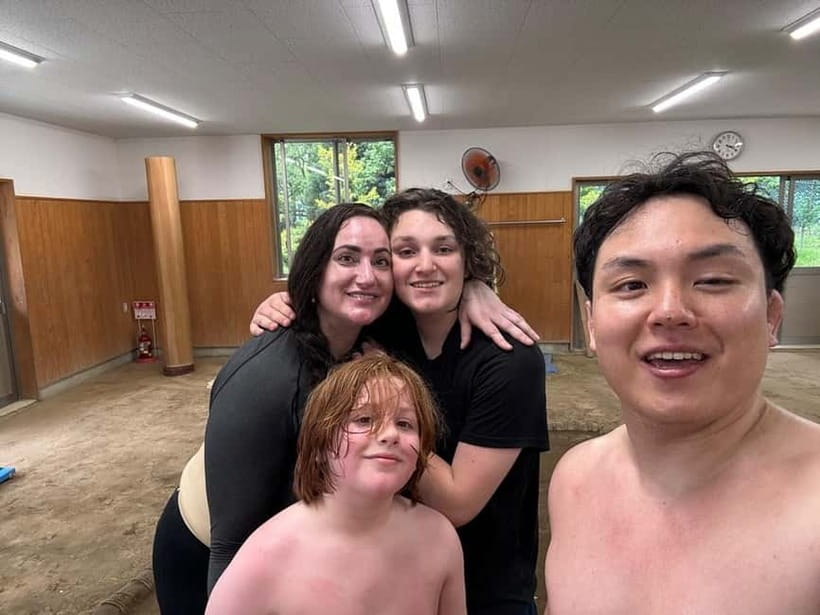
The pace and level of exertion can vary by participant. A family group with children and adults, including a former youth wrestler, found the instruction engaging and the matches manageable at different skill levels. That does not make it a no-effort activity, but it suggests you do not need prior training to join. The coach can guide the basics, and you can decide how much to take on.
More sumo experiences in Tokyo:
- Tokyo: Sumo Show Experience with Chicken Hot Pot and a Photo
★ 4.8 · 6,678 reviews - Tokyo: Sumo Show and Dining Experience
★ 4.8 · 2,742 reviews - the SUMO show
★ 5.0 · 1,960 reviews
Wearing a mawashi and entering the dohyo
The dojo provides a mawashi at no additional cost. You can wear it for the training, or keep your own clothes on if you prefer. If you have never worn one, that is part of the experience, but there is no need to bring your own gear.
The dohyo is a real clay sumo ring, not a prop built for photographs. Learning and practicing in the ring gives the customs and rules a practical setting. You are not just hearing about how a match works; you are preparing to move within the space where one takes place.
The provider does not specify what clothing to wear underneath or how changing works, so ask ahead if you have questions about comfort or modesty. The important point is that participation is not compulsory in the mawashi: the session allows you to keep your clothes on if that suits you better.
The match: the part you came to try
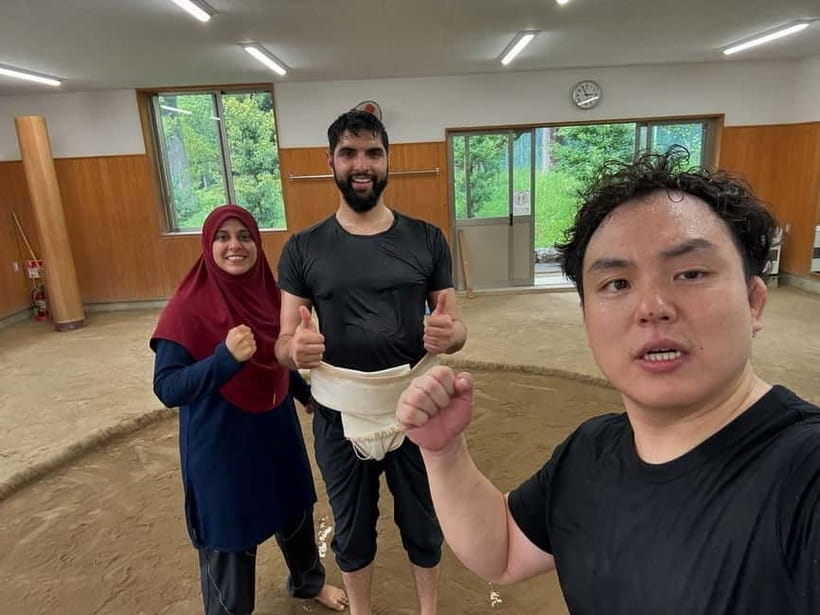
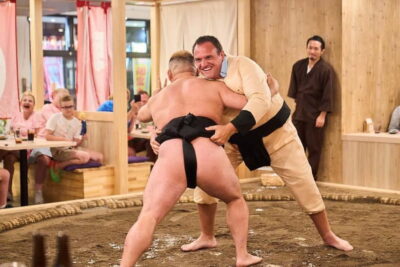
After the introductory work, you get the chance to wrestle with your friends. If you are brave enough, you can also take on a coach. That final step turns a lesson in technique and ritual into a physical test, even if your match lasts only a short while.
The coaching and rules help make this approachable for beginners, but it is still contact sport. You can choose your level of involvement, and you should not treat the match as a contest you have to win. If you are traveling with children or a mixed-ability group, the format lets you learn together and decide how far to go.
One family described the coach as Takeshi and found him warm and easy-going, while another group praised his ability to explain the traditions and the way sumo is fought. Those details matter because a good introduction depends on more than the ring and belt: you want a coach who can make the customs clear and help nervous first-timers feel at ease.
A sweaty two hours, so pack for it
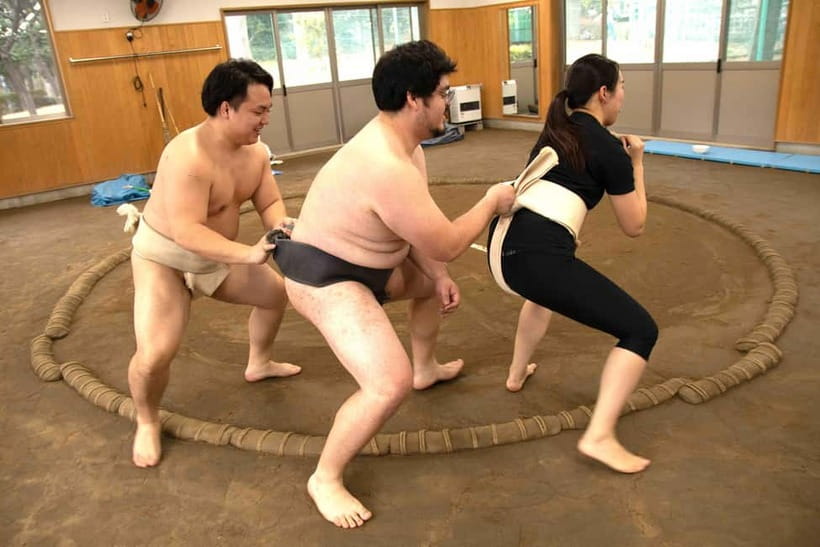
Two hours is enough time for an introduction, practice and a match without making the activity an all-day commitment. But do not mistake the short duration for a gentle sit-down lesson. The provider specifically recommends bringing several bottles of water and two towels, one for training and another for the shower. You should expect to sweat.
There is a shower room near the venue, charged at ¥100 for five minutes. Bring the coins and a towel if you plan to use it. No food is included, so eat beforehand or plan a meal afterward. The information provided does not specify changing-room details, so check with the dojo if you need to know more.
The provider also notes that it is not responsible for injuries or accidents. That is a useful reminder to listen carefully to the coach, work within your limits and avoid pushing through discomfort just to get a photograph or finish a match.
More tours and experiences in Tokyo:
- Mt Fuji and Hakone 1-Day Bus Tour Return by Bullet Train
★ 5.0 · 26,383 reviews - 1-Day Tokyo Bus Tour
★ 5.0 · 14,250 reviews - Tokyo: teamLab Planets TOKYO Digital Art Museum Entry Ticket
★ 4.6 · 9,779 reviews - Mt Fuji & Hakone Cruise, Drum Show Bullet Train 1 Day from Tokyo
★ 4.0 · 7,413 reviews
Who will get the most from this experience
This is a good fit if you want to do something active and distinctly Japanese, rather than watch another performance from a seat. It suits curious beginners, families with older children, and anyone interested in how sumo practice feels from inside the ring. You do not need previous experience, and the instruction is offered in English as well as Japanese.
Children under four may accompany you but can only observe. Children aged five and older can observe for free; if they want to participate, each child needs a booking. For families, this makes it possible for some members to take part while younger children watch, though parents should decide whether a two-hour sports session is right for their group.
It is less suitable if you want a tournament, a passive cultural talk or an activity with food included. This is hands-on training with physical effort and contact. If your idea of a good afternoon is learning a few rituals, warming up and testing your balance in a sumo ring, the format makes sense.
Is $199 worth it?
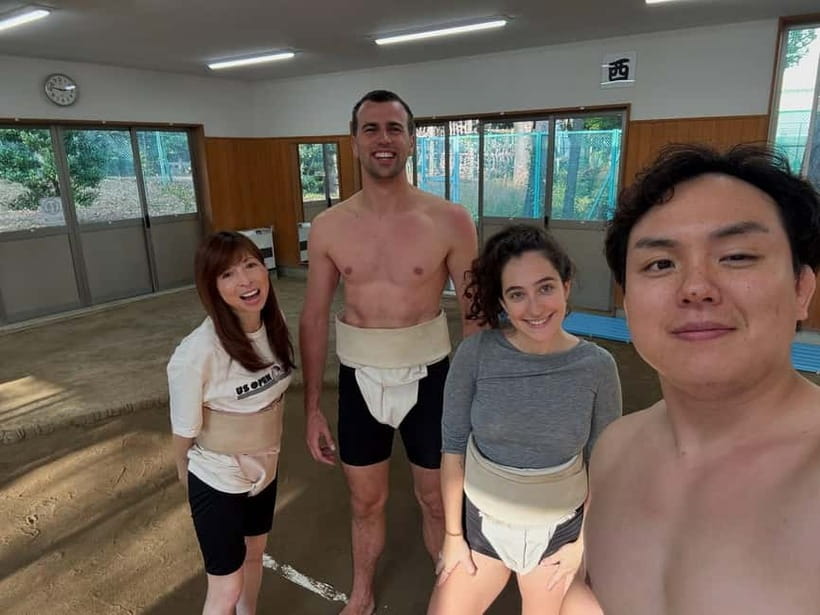
At $199 per person, this is a substantial spend for a two-hour activity. The value comes from the access and participation: you train in a real clay dohyo, use a mawashi provided at no extra cost, learn from a sumo coach and get a chance to wrestle. It is a more involved experience than watching a demonstration, and the coaching gives the physical activity cultural context.
The price may feel steep if you mainly want a quick photo in a sumo belt or a general introduction to the sport. You are paying for the training and the chance to enter the ring, so book it if those are the parts you care about. With a five-star rating across seven bookings in the supplied details, the experience has earned strong approval, particularly for the friendly instruction, the chance to take part and the explanations of sumo customs. A small sample is not a guarantee, but those are the strengths most likely to matter during your visit.
Book at least two days ahead, as the dojo recommends. Although a booking may be possible closer to the date, planning early is the safer choice. You can reserve and pay later, and cancellation up to 24 hours in advance is eligible for a full refund.
Should you book the sumo session?
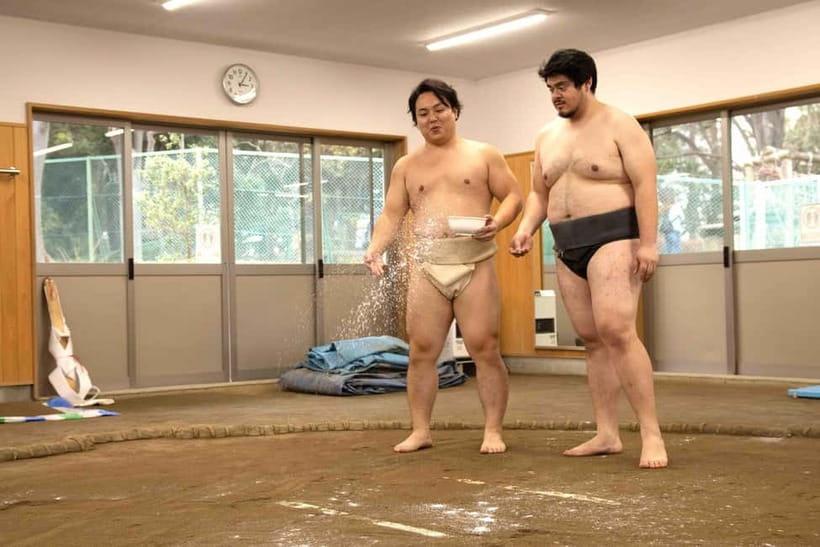
Book it if you want to do sumo, not just see it. The strongest reasons are the real dohyo, the hands-on training, the mawashi supplied for the session and the chance to try a match with friends or a coach. The English instruction and explanations of rituals make the activity useful even if you arrive knowing little about the sport.
Skip it if you are looking for a tournament, an easy seated activity or a bargain. It costs $199, involves a workout and requires some travel to Ota City. For a curious family or an active visitor who wants a memorable, participatory introduction to sumo, though, those trade-offs may be worthwhile.
FAQ
Do I need sumo experience?
No. The session is open to beginners, and the coach teaches sumo fundamentals.
Is the instruction available in English?
Yes. The coach leads the session in English and Japanese.
Is a sumo belt provided?
Yes. A mawashi is provided at no extra cost.
Do I have to wear the mawashi?
No. You may keep your own clothes on if you prefer.
Where does the experience meet?
Meet at the small office at Heiwanomori Park Sumo-jo, 2-1 Heiwanomorikoen, Ota City, Tokyo.
How do I get to the meeting point by train?
Heiwajima Station on the Keikyu Main Line is about a 10-minute walk away.
Can children take part?
Children aged five and older may participate if you book a place for each child. Children under four may accompany you but can only observe.
Can children observe for free?
Yes. Observation is complimentary for children aged five and older. Children under four may also accompany you as observers.
What should I bring?
Bring a towel and drinks. The provider strongly recommends several bottles of water and two towels, one for training and one for showering.
Is there a shower nearby?
Yes. A shower room is near the venue and costs ¥100 for five minutes.
Freshly reviewed in Tokyo
- Tokyo: Toshimaya Sake Brewery Tour with Sake Tasting★ 5.0 · 6 reviews
- :Tokyo,Shibuya /Meiji Shrine tour in KIMONO/English-friendly★ 5.0 · 4 reviews
- Tokyo: Tour Privado por Tokio en español★ 4.3 · 4 reviews
- Tokyo:Tea ceremony experience at Komaba Warakuan★ 4.8 · 9 reviews
- :Tokyo,Shibuya/ Pro Photography in Kimono / English-Friendly★ 5.0 · 26 reviews
- Tokyo:Samurai Training : Swords, Bushido & Mental Discipline★ 5.0 · 6 reviews
- Tokyo:Mt Fuji & Hakone Day Tour with English Speaking Driver★ 5.0 · 26 reviews
- Tokyo:Nikko UNESCO World Heritage Sites Private 1-Day Tour★ 3.8 · 6 reviews
Tokyo Sumo Experiences, compared.
Tokyo Shinjuku Sumo Show & Experience with Photo
Read our review →
Authentic Sumo Experience in Tokyo: Enter the Sanctuary
Read our review →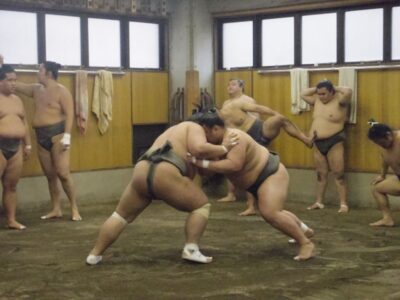
Tokyo Sumo Experience: Chanko & Mochi with a Former Pro
Read our review →Browse the lists this tour appears in