
Reviewed · TOKYO COOKING CLASSES
Tokyo: Private Japanese Cooking Class with a Local Chef
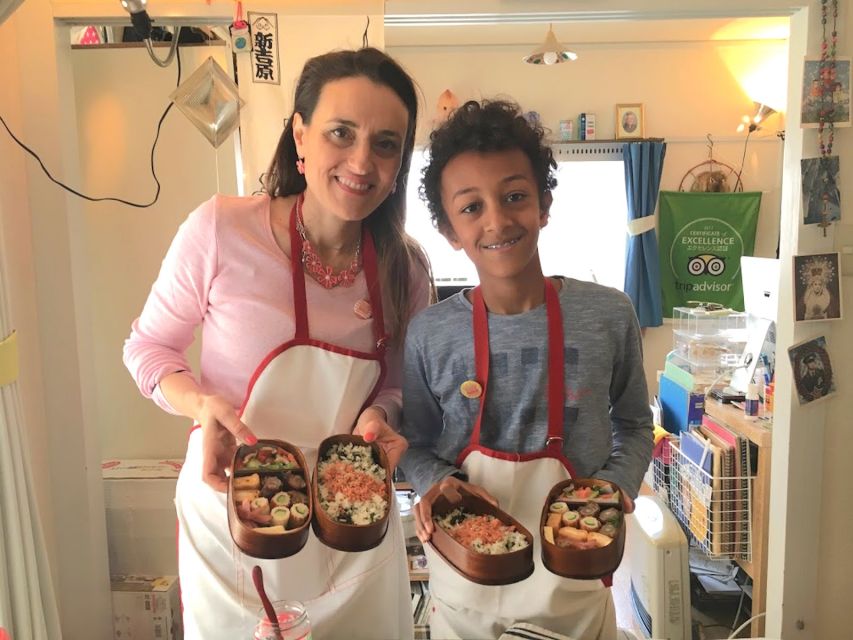
Japanese cooking here starts at the cutting board, not behind a restaurant counter. In Chef Sato’s Shinjuku apartment, you’ll help prepare a changing menu of two to four dishes, then sit down to eat what you made. The food may be a seasonal set meal, ramen, gyoza, curry, or another Japanese favorite, depending on the day.
I like two things in particular: the hands-on cooking and seasonal ingredients, and the chance to talk with Sato about family cooking and Japanese food as part of daily life. The optional walk after morning classes adds another way to see local Tokyo beyond the kitchen.
One point to check before booking: the listed class times run 2.5 hours, but the activity duration is also described inconsistently as three hours and 270 minutes. The menu changes by weekday, too, so choose your date with the food in mind.
What makes this class worth considering
- Chef Sato teaches in English and invites you to take part in the cooking, rather than simply watch.
- The menu depends on the weekday: traditional home-style meals are scheduled Saturday through Tuesday, while Wednesday through Friday feature popular dishes such as ramen, gyoza, curry, and okonomiyaki.
- You cook in Sato’s Shinjuku apartment, a personal setting that offers a glimpse of home cooking in Tokyo.
- You eat the meal you helped prepare, with Japanese barley tea included.
- Morning classes can be followed by an optional walk from 1 to 3:30 p.m., visiting local places not usually found in guidebooks.
- The experience is private, so it suits couples, families, or a small group looking for a more personal lesson.
A home kitchen, not a restaurant demonstration
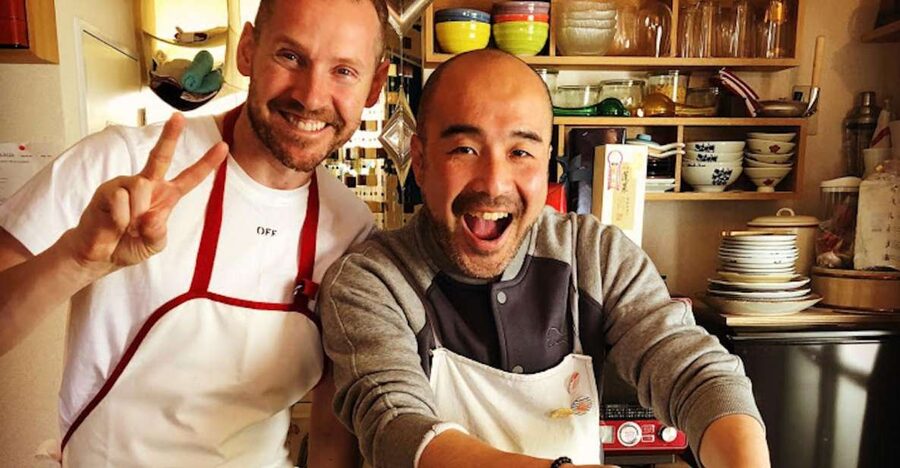
The experience begins at the east exit of Shinjuku Station, at the police box meeting point. From there, you meet Sato and walk to his apartment. This short transition matters: the class moves from one of Tokyo’s best-known urban districts into a private home, where the focus shifts from restaurant service to everyday cooking.
Sato is also known as Satoru in some introductions. He speaks English and has described learning traditional Japanese cooking from his parents from a very young age. In class, he explains ingredients, techniques, and the place dishes hold in Japanese food culture, while making room for questions and conversation.
The setting is deliberately small and domestic. That is a plus if you want to see how Japanese food comes together outside a restaurant, and if you like learning by doing. You may chop, season, prep, and cook alongside Sato, rather than stand back for a polished demonstration.
It is not a restaurant kitchen, and you should not expect a formal culinary-school setup. The appeal is closer to being welcomed into someone’s home and cooking together. If you prefer a tightly scripted class with a fixed menu and professional kitchen equipment, this relaxed format may feel less structured.
More cooking classes in Tokyo:
- Sushi Making Tokyo Roll and Authentic Japanese Sushi Class
★ 5.0 · 3,971 reviews - Tokyo: Roll and Authentic Sushi Making Class in Asakusa
★ 4.9 · 1,957 reviews - Tokyo Shinjuku Chopsticks Making Class
★ 5.0 · 1,763 reviews
Your menu depends on the day
The class menu changes with the weekday, so the calendar is part of the decision. Saturday, Sunday, Monday, and Tuesday are listed as traditional meal days. Wednesday, Thursday, and Friday focus on popular dishes.
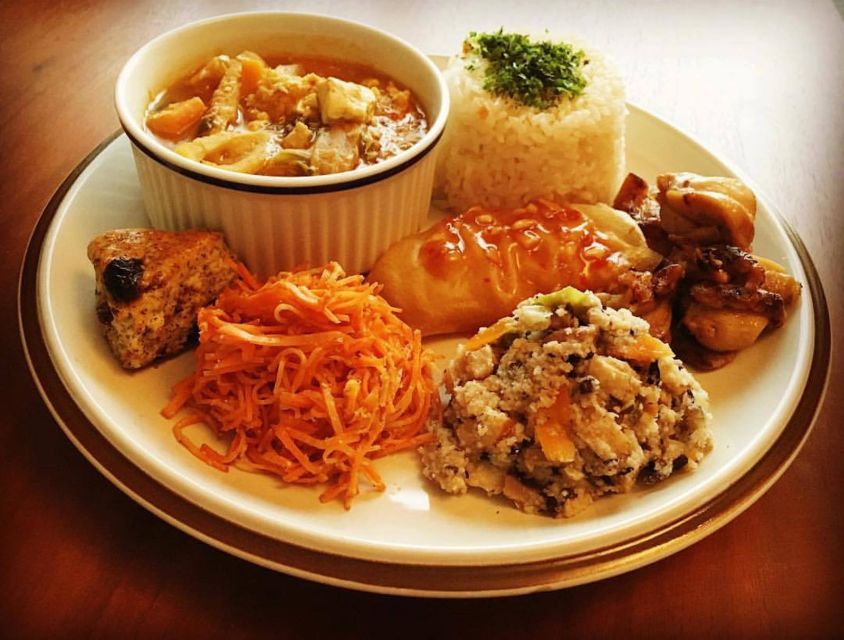
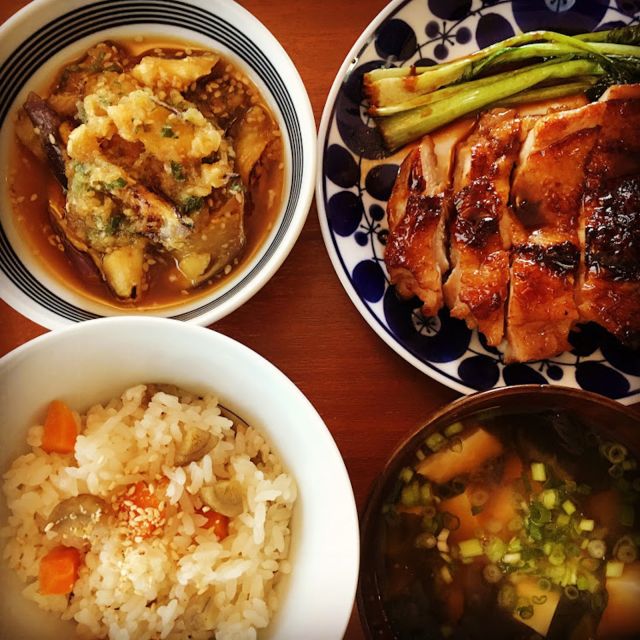
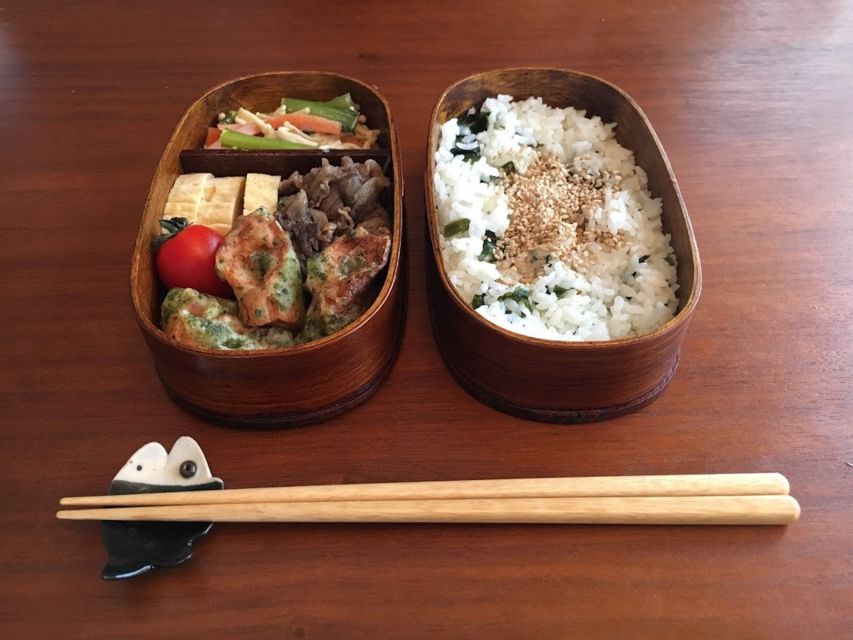
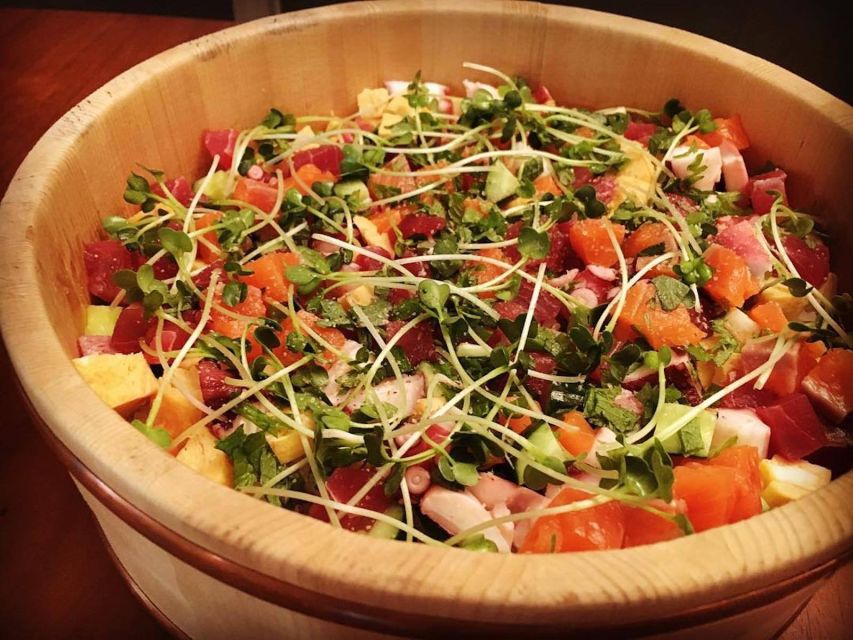
On traditional days, the menu may include teishoku, a set meal built around rice, a seasonal main dish, and two seasonal sides. Other possibilities include donburi, a rice bowl with toppings, obento, tonjiru pork-and-vegetable soup, or rice balls. The menu includes two to four items, and the exact selection can vary.
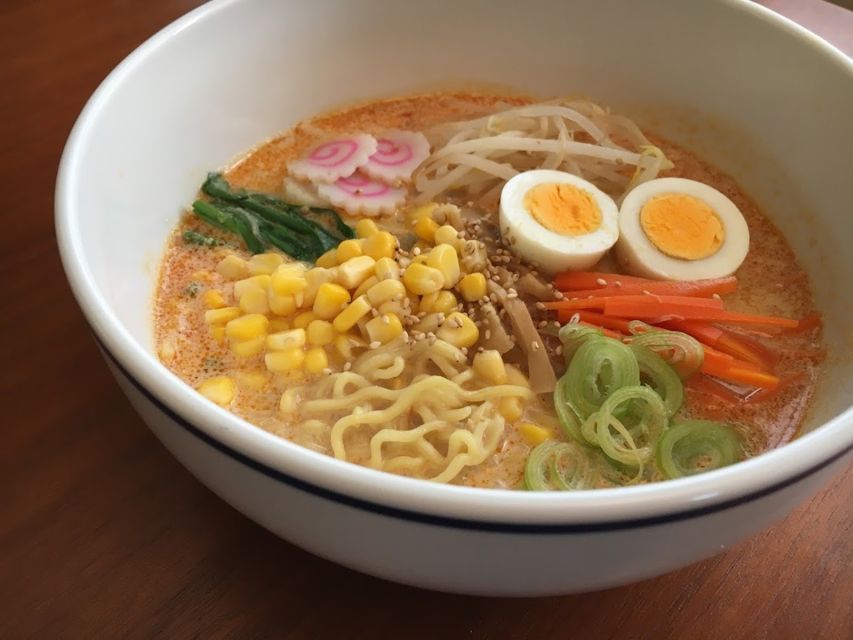
On popular-food days, you might cook a set meal with a fried main dish and seasonal sides, or make a dish such as curry rice, okonomiyaki, gyoza, ramen, a rice burger, kara-age fried chicken, or yakisoba. That range gives you a useful choice: book for familiar favorites like ramen and gyoza, or pick a day that leans toward the quieter rhythms of a Japanese home meal.
Seasonality is a central idea, not just a menu label. Sato emphasizes cooking with seasonal ingredients, and the class can help you notice how a dish is built around what is available. You may leave with more than a recipe: you can better understand why a Japanese meal often brings together rice, a main dish, and small sides instead of treating dinner as one large plate.
The menu is not guaranteed to include a specific dish on a particular date. If there is something you especially hope to learn, check the scheduled menu and ask about it before you book. One class account describes a menu tailored around a request, but that should not be taken as a promise that every requested dish can be arranged.
Cooking, eating, and learning by doing
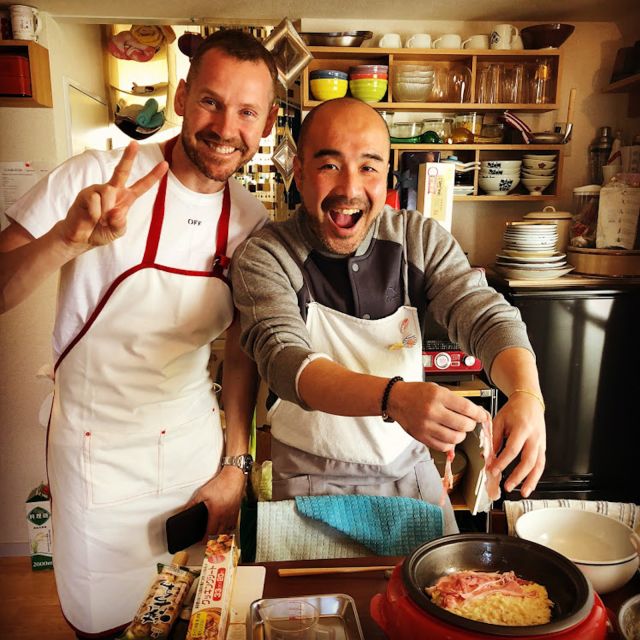
The class is designed for participation. You are not just watching Sato cook; you help prepare the meal, then eat it together. That practical format is especially useful if you want to recreate Japanese dishes at home, because you see the steps and ingredients in context.
Past menus have included ramen and gyoza made from scratch, teriyaki chicken with rice, miso soup, salad, katsu curry, tofu salad, and small appetizers. These are examples rather than a fixed menu. The contrast between the dishes also shows the range of home cooking: a comforting bowl of noodles is a different lesson from assembling a balanced set meal.
Sato’s teaching style is described as patient and easygoing. He explains ingredients and the background of dishes, and the relaxed pace leaves room for questions and conversation. Some participants have taken home recipes or practical tips, such as how to remove dark spots from potatoes. You should not assume printed recipes are included every time, but the class is geared toward useful cooking knowledge rather than a meal with no instruction.
Then comes the best test of the lesson: eating what you have made. The meal is included, along with Japanese barley tea. Sitting down together gives the class a natural finish and lets you taste how the ingredients and techniques work as a whole. If you have spent several days eating out, this home-cooked meal can also offer a welcome change of pace.
What the optional Shinjuku walk adds
Morning classes are scheduled from 10:30 a.m. to 1 p.m. An optional short trip follows from 1 to 3:30 p.m. Sato takes you to local places he describes as stops you are unlikely to find in guidebooks. The specific route and stops are not fixed in the details provided, so treat this as a chance for a locally guided walk, not a guaranteed list of sights.
The walk is a good fit if you want to keep the day going after lunch and enjoy hearing about the area from someone who lives and works in Tokyo. Some past classes have included walks through Shinjuku and Nakano, with Sato pointing out places participants might otherwise miss. The walk can add context to the cooking: you get a personal introduction to more than what is on the table.
It is optional, so you can finish after the meal if you have other plans or want a slower afternoon. It is offered after the morning class, not the evening session. If the walk is important to you, confirm the arrangements for your chosen date before booking.
More hands-on workshops in Tokyo:
- Tokyo: Sushi Making Class in a Happi Coat near a Famous Spot
★ 4.9 · 1,377 reviews - Chopstick Making Workshop in Ginza
★ 4.8 · 1,366 reviews - Tokyo Sushi Making Class in Tsukiji with Professional Chef
★ 5.0 · 1,177 reviews - Ramen & Gyoza Cooking Class in Tokyo with Local Supermarket Visit
★ 5.0 · 823 reviews
Timing, price, and practical details
The listed class times are 10:30 a.m. to 1 p.m. for the morning session and 6 to 8:30 p.m. for the evening session. Those windows are 2.5 hours, while the activity is also described as lasting three hours and, elsewhere, 270 minutes. Since those figures do not agree, check the exact session duration when selecting a time.
At $120 per person, this is not simply a low-cost meal. You are paying for a private-group cooking lesson in Sato’s home, English-language instruction, the ingredients and meal, and the chance to learn from a local cook. For anyone who values food as a way to understand daily life, that combination can justify the price more readily than a meal alone.
The class includes a meal and Japanese barley tea. You meet at the Shinjuku Station east exit police box, at 3-38-38-1 Shinjuku, Shinjuku-ku, Tokyo. The meeting point is specific, so save the address and allow time to find the correct station exit.
Booking terms include free cancellation up to 24 hours before the activity and a reserve-now, pay-later option. Those choices help if your Tokyo plans are still shifting, but do check the current conditions when booking.
Who will enjoy this class most
I’d put this class high on the list for people who love food and want more than a restaurant meal. It is also a good choice for beginner cooks: the instruction is participatory, and the point is to learn practical home dishes rather than master restaurant-level technique. You do not need to arrive as an expert cook to get something from the class.
Couples, friends, and families who enjoy conversation may find the private format especially appealing. The lesson is as much about spending time with Sato and hearing about his connection to cooking as it is about following recipes. If you are hoping for a quiet, formal lesson with little conversation, this social setting may not be your style.
It can also suit anyone who wants to take a piece of the trip home in a useful form. You might return with recipes, cooking ideas, or a better feel for how seasonal ingredients shape a Japanese meal. Pick a traditional-food day for a home-style set meal, or a popular-food day if ramen, gyoza, or curry is your priority.
Should you book Chef Sato’s cooking class?
Book it if you want to cook, eat, and talk in a Tokyo home, and if the personal side of food matters as much as the final plate. Sato’s English instruction, hands-on approach, and seasonal focus make this a strong choice for curious eaters and home cooks. The optional morning walk is a useful extra if you have time to spare.
Think twice if you need a fixed menu, a tightly timed professional demonstration, or a class with a clearly consistent stated duration. The weekday schedule gives you a good guide, but the exact dishes can change, and the duration details conflict. For most food-minded visitors, the best plan is simple: choose the day for its menu style, confirm the session details, and come ready to help cook.
FAQ
Where does the class meet?
Meet at the Shinjuku Station east exit police box, at 3-38-38-1, Shinjuku, Shinjuku-ku, Tokyo, 160-0022, Japan.
Who teaches the cooking class?
Chef Sato teaches the class in English. He is also referred to as Satoru in some descriptions.
Is the class private?
Yes. The activity is listed as a private group.
What food will I cook?
The menu changes by weekday and includes two to four items. Options may include seasonal set meals, ramen, gyoza, curry rice, okonomiyaki, and other Japanese dishes.
Which days feature traditional meals?
Saturday, Sunday, Monday, and Tuesday are listed as traditional meal days.
Which days feature popular dishes?
Wednesday, Thursday, and Friday are listed as popular-food days.
What are the class times?
Morning classes are listed from 10:30 a.m. to 1 p.m., and evening classes from 6 to 8:30 p.m. The stated duration elsewhere is inconsistent, so confirm the exact length for your selected session.
Is a meal included?
Yes. You eat the food prepared during the class, and Japanese barley tea is included.
Is there an activity after the morning class?
An optional short trip is scheduled daily from 1 to 3:30 p.m. after the morning class. It visits local places not usually found in guidebooks.
What is the cancellation policy?
You can cancel up to 24 hours in advance for a full refund. Booking also offers a reserve-now, pay-later option.
Freshly reviewed in Tokyo
- Tokyo: Toshimaya Sake Brewery Tour with Sake Tasting★ 5.0 · 6 reviews
- :Tokyo,Shibuya /Meiji Shrine tour in KIMONO/English-friendly★ 5.0 · 4 reviews
- Tokyo: Tour Privado por Tokio en español★ 4.3 · 4 reviews
- Tokyo:Tea ceremony experience at Komaba Warakuan★ 4.8 · 9 reviews
- :Tokyo,Shibuya/ Pro Photography in Kimono / English-Friendly★ 5.0 · 26 reviews
- Tokyo:Samurai Training : Swords, Bushido & Mental Discipline★ 5.0 · 6 reviews
- Tokyo:Mt Fuji & Hakone Day Tour with English Speaking Driver★ 5.0 · 26 reviews
- Tokyo:Nikko UNESCO World Heritage Sites Private 1-Day Tour★ 3.8 · 6 reviews
Tokyo Cooking Classes, compared.
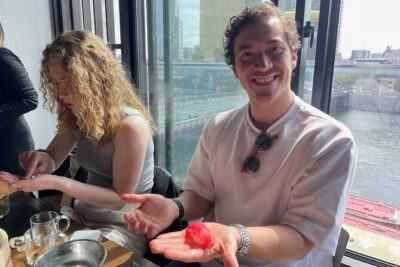
Sushi Making Tokyo Roll and Authentic Japanese Sushi Class
Read our review →
Roll and Authentic Sushi Making Class in Asakusa
Read our review →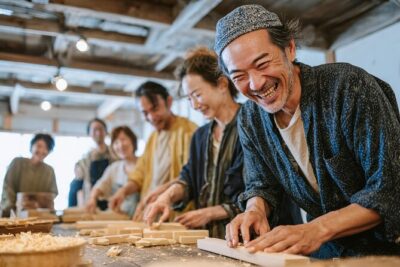
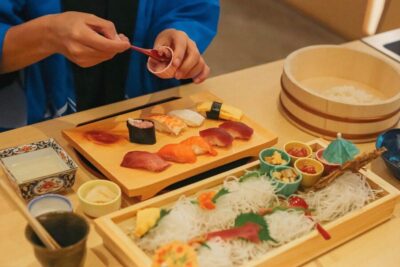
Sushi Making Class in a Happi Coat near a Famous Spot
Read our review →
Tokyo Sushi Making Class in Tsukiji with Professional Chef
Read our review →
Ramen & Gyoza Cooking Class in Tokyo with Local Supermarket Visit
Read our review →
Tsukiji Fish Market Guided Tour and Sushi Making with Pro Chef
Read our review →
Matcha Making Class in Tokyo with Authentic Japanese Sweets Set
Read our review →Browse the lists this tour appears in