
Reviewed · TOKYO SUMO EXPERIENCES
Tokyo: Not a show- a professional sumo practice with experts
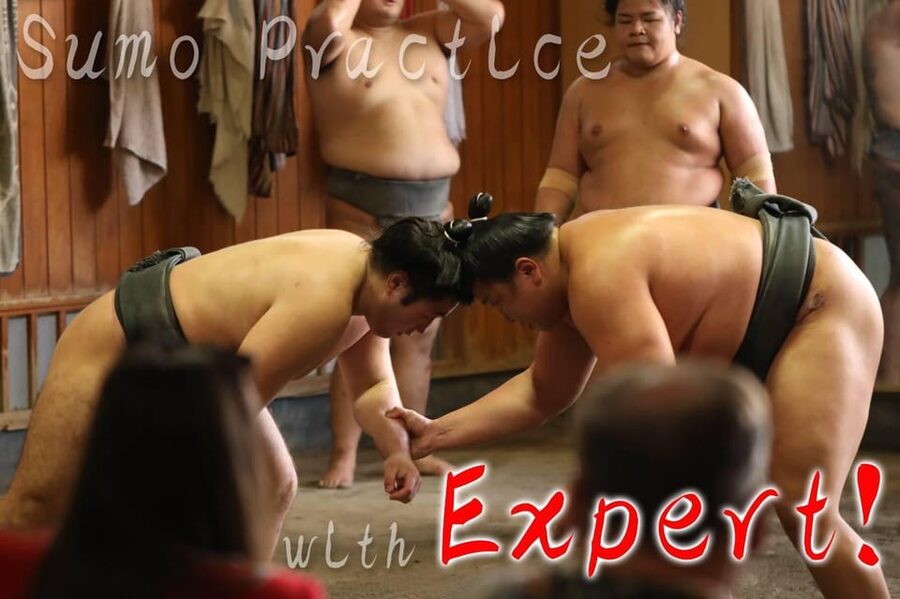
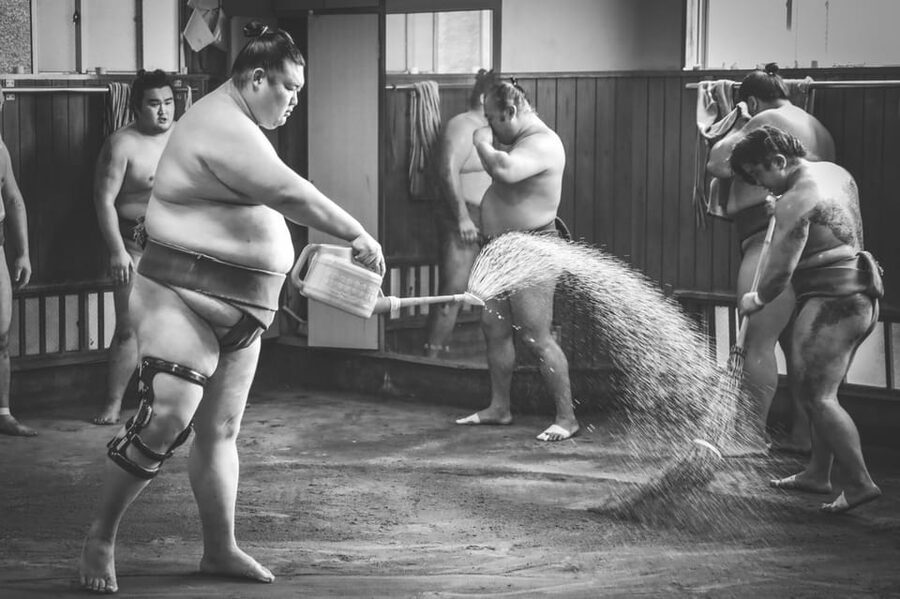
In Ryogoku, sumo’s home turf, this tour takes you inside a working stable to watch wrestlers train at close range. The practice is real, not staged for an audience: you see the warm-ups, drills and bouts in the space where the wrestlers prepare.
I like two things especially: you get an expert guide who can put the rituals and training in context, and you have time for questions and a photo with a wrestler. The small group, capped at 10, also makes this a more personal way to encounter sumo than a large performance-style attraction.
One thing to consider: you sit on the floor for an extended stretch, and the practice itself may not come with continuous commentary. If low seating is uncomfortable for you, or you want every moment explained as it happens, this may not be the right fit.
- Real stable, real training: Watch professional wrestlers practise at Takasago-beya, rather than seeing a staged demonstration.
- A sumo specialist as guide: The guide is a former newspaper journalist who covered sumo and can explain the customs and people behind the sport.
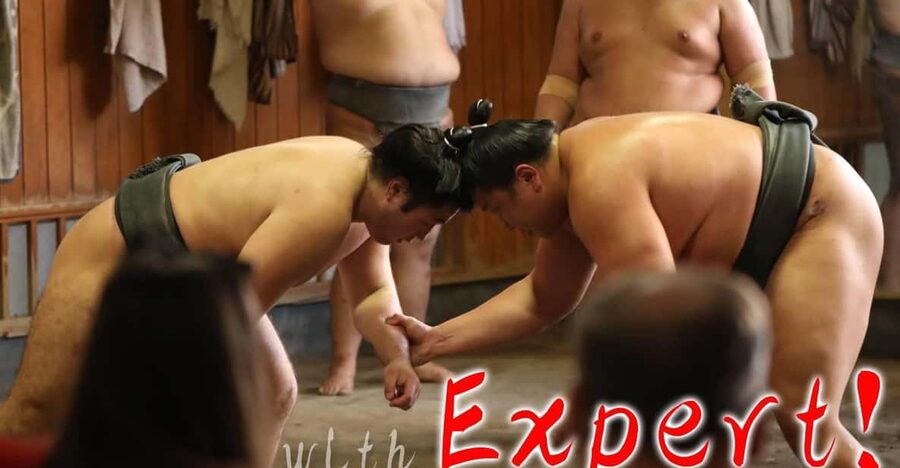
- A close-up view: The practice takes place just a few feet from the viewing area, so you can see the effort and discipline clearly.
- A photo and time for questions: The tour includes a photo with a wrestler and a Q&A with a long-time sumo expert.
- Ryogoku context: The walk also takes in the area around Ryogoku Kokugikan and Ryogoku Edo Noren.
- Floor seating is part of the deal: Cushions are provided, but the low position can get uncomfortable over time.
What makes this sumo practice different
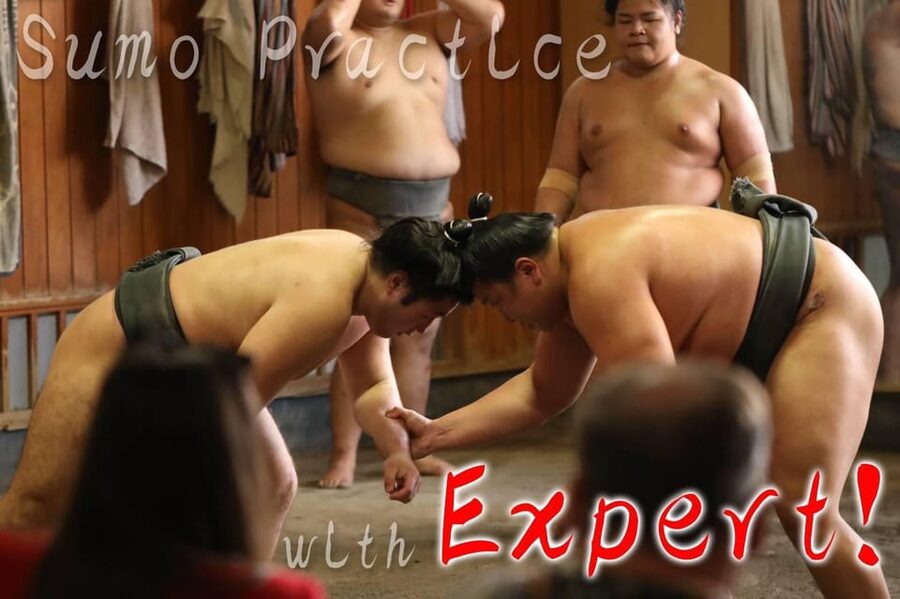
Sumo has a public face, with tournaments, ceremonies and familiar images of wrestlers facing off in the ring. This tour takes you behind that public face to a heya, the stable where wrestlers live and train. You watch the routine as it unfolds, rather than following a script built for tourists.
That difference is the main reason to book. A stable is a working place, and you are there as a guest. You see the wrestlers focus on practice, not on entertaining the group. The training can be intense, and even a short bout makes clear how much strength and discipline the sport demands.
The tour is based in Ryogoku, Tokyo’s best-known sumo district. The itinerary includes a two-hour visit to Takasago-beya, followed by short guided stops near Ryogoku Kokugikan and at Ryogoku Edo Noren. Across three hours, it offers a useful mix of close observation and background on sumo’s place in Japanese culture.
The guide adds the context you need
The tour’s guide is a major part of its appeal. Shinya, whose name appears in several accounts of the experience, is a sumo specialist and former newspaper journalist who covered the sport. That background matters: it gives him a grounding in both the rules and the people, traditions and tournament life around sumo.
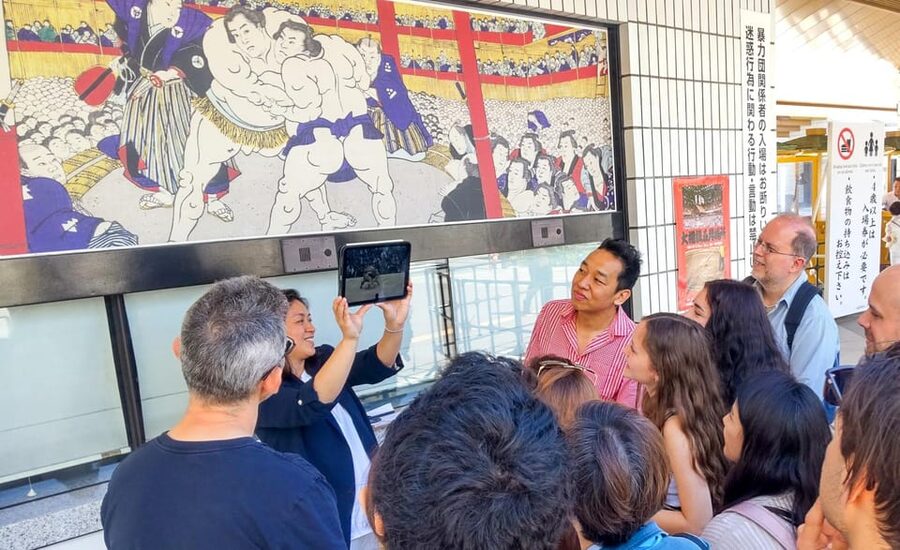
Before you enter the stable, expect an introduction to sumo’s history and rituals. That preparation helps you make sense of what you’re about to see. A bow, a pause or a repeated movement can carry meaning that might otherwise pass you by.
You can also ask questions, including ones that go beyond basic rules. The guide’s reporting experience is particularly useful if you want to understand how tournaments work or learn more about the wrestlers themselves. Visitors with years of experience living in Japan, and those who already know the sport, have found this part worthwhile too.
One practical point: don’t count on a running explanation throughout every minute of practice. You are there to observe a live training session, and the wrestlers need quiet and respect. The guide provides context, but you may have questions that are best saved for afterward. Keep them in mind so you can ask when there is time.
More sumo experiences in Tokyo:
- Tokyo: Sumo Show Experience with Chicken Hot Pot and a Photo
★ 4.8 · 6,678 reviews - Tokyo: Sumo Show and Dining Experience
★ 4.8 · 2,742 reviews - the SUMO show
★ 5.0 · 1,960 reviews
Inside Takasago-beya: close, quiet and intense
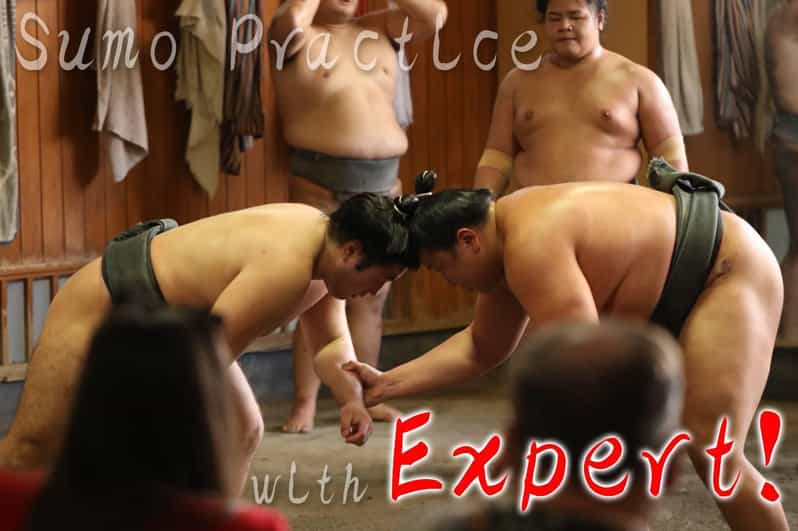
The stable visit is the heart of the tour. You sit on the floor, with cushions available, and watch from close range. One account describes being about five inches from the wrestlers, which gives a sense of how near the action can feel. You’re not watching from the far end of an arena; you can see the warm-ups, training and cool-downs up close.
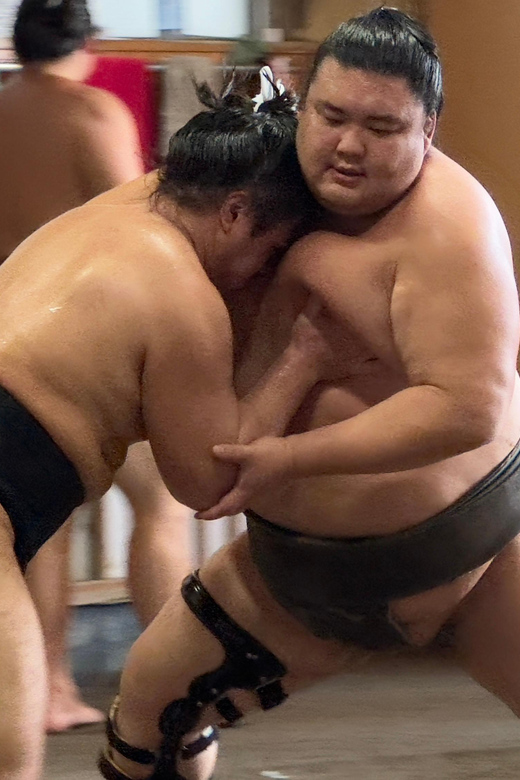
The practice lasts around two hours as part of the tour, though the time spent watching the wrestlers in action may vary. You may see younger wrestlers learning and practising alongside more experienced ones. The training is not a performance, and the wrestlers are focused on their work. That’s part of what makes the visit so compelling.
The atmosphere calls for simple manners. Stay quiet, follow your guide’s instructions and turn off your phone. No smoking is allowed indoors. The goal is to observe without interrupting the training, so don’t expect to move around freely or chat during the session.
Floor seating is the main comfort issue. A cushion helps, but it doesn’t change the fact that you’ll be sitting low for a long time. If you have trouble getting down to the floor, staying in that position, or rising again, take that seriously before booking. One person with a larger build found the seating and small stools uncomfortable after more than 90 minutes. Children under five are not considered suitable for this tour.
The wrestler photo and Q&A
The included photo with a sumo wrestler gives you a keepsake from a visit that is otherwise about quiet observation. It’s a brief personal moment, not the main event, but it can be a welcome chance to meet a wrestler after seeing the focus and physical demands of practice.
The Q&A is where you can fill in the gaps. Ask about training, rituals, tournament life or details you noticed but didn’t understand. The guide’s work as a sumo journalist gives him a different angle from a general city guide, and his explanations are a strong part of the experience.
Timing can affect how much room there is for questions. The tour continues to other stops after the stable, and the available time may not satisfy every curious visitor. If you have a list of questions, choose the ones you most want answered first. The tour is short enough that a focused question can be more useful than trying to cover everything.
A short walk through sumo’s Ryogoku district
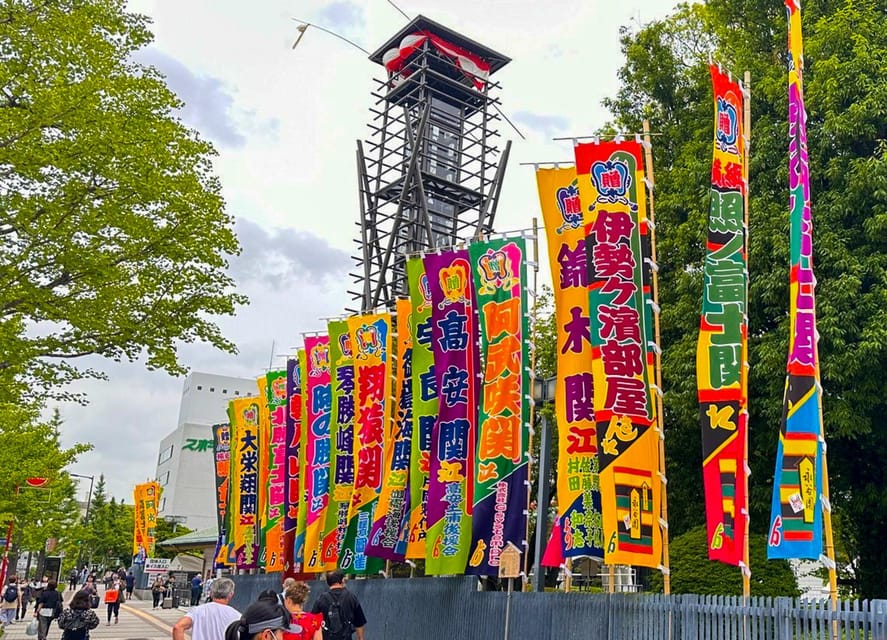
After the stable, the group continues to Ryogoku Kokugikan, the city’s major sumo arena, for a guided visit of about 15 minutes. This stop gives you a sense of the sport’s public setting after seeing its private training side. The tour does not include a tournament, so think of this as a neighbourhood and arena orientation rather than an event-day visit.
The itinerary then includes about 15 minutes at Ryogoku Edo Noren, followed by roughly 30 minutes for sightseeing and shopping there. This gives you a little breathing room after the focused stable visit and a chance to look around at your own pace.
These stops are brief. They add local context, but they are not a substitute for a full museum visit or a sumo tournament. If your priority is seeing a live competition, this tour does not provide that. Its strength is access to a training session that is usually much harder to see.
More shows in Tokyo:
- Mt Fuji & Hakone Cruise, Drum Show Bullet Train 1 Day from Tokyo
★ 4.0 · 7,413 reviews - Tokyo Shinjuku Sumo Show & Experience with Photo
★ 5.0 · 1,750 reviews - Tokyo: Samurai Restaurant Show Ticket with 2 Drinks
★ 4.5 · 1,307 reviews - Mt Fuji & Hakone Cruise, Drum Show Bus 1 Day from Tokyo
★ 4.0 · 1,287 reviews
Is $103 good value?
At $103 per person, this is not a budget activity. You are paying for special access to a working stable, a small group, an English-speaking guide with a sumo reporting background, a photo with a wrestler and time for questions. The value comes from the access and interpretation, not from a long list of included extras. Food, drinks and tips are not included.
For someone interested in sumo or Japanese traditions, the price can make sense. Watching professional wrestlers train from a few feet away is a different kind of experience from attending a staged sumo attraction. The guide’s background also helps turn an unusual visit into one you can understand, rather than a silent session where the rituals remain a mystery.
If you mainly want a light, entertaining activity with constant narration, this may feel expensive for what you get. The practice is not arranged around audience comfort, and the seating is basic. Compare it with your interest in the sport: the more curious you are about how sumo works, the more you are likely to get from the price.
Meeting point, timing and practical details
Meet at the Toei Oedo Line’s Ryogoku Station, Exit A2, at ground level. The start is also about a five-minute walk from the east exit of JR Ryogoku Station. The listed meeting address is Ryogoku HANAWA Building, and the operator will send details before the tour date.
The full experience lasts three hours, with start times depending on availability. Since this is a morning practice, check the available time when booking and plan your route to the meeting point carefully. One group found the walk to the training building brisk, so don’t leave yourself just enough time to find the guide at the last minute.
The group is limited to 10 participants, and the tour is offered in English and Japanese. You can cancel up to 24 hours in advance for a full refund, and a reserve-now, pay-later option is available. Those terms are helpful if your Tokyo plans are still taking shape.
Who should book this tour?
I’d choose this tour if you want to see sumo as a living practice, not just learn a few rules or take a novelty photo. It suits curious first-timers, long-time sumo followers and anyone who values access to an everyday cultural setting. It can also be a good alternative if you can’t attend a tournament, though it offers training rather than competition.
Families can enjoy it, but consider the seating and the quiet atmosphere before bringing children. The tour is not suitable for anyone under five. Older children who can sit quietly and follow instructions may find the session absorbing, but the experience is not built around games or constant entertainment.
Skip it if you need comfortable chairs, want a fast-paced sightseeing tour, or expect a fully narrated show. The best reason to book is simple: you want to watch real wrestlers train and have an expert help you understand what you’re seeing.
FAQ
How long is the tour?
The tour lasts three hours. The visit to Takasago-beya is listed as two hours, with additional stops around Ryogoku.
Where does the tour meet?
Meet at Toei Oedo Line Ryogoku Station, Exit A2, at ground level. It is about a five-minute walk from the east exit of JR Ryogoku Station.
Is the sumo practice a performance?
No. You watch a live morning practice at a professional sumo stable. The wrestlers train rather than perform for the group.
Is a photo with a wrestler included?
Yes. The tour includes a photo with a sumo wrestler.
Do I need to sit on the floor?
Yes. You sit on the floor to watch the practice, and a floor cushion is available. The low seating may become uncomfortable during the extended session.
Is the tour suitable for young children?
Children under five are not considered suitable for this activity.
Freshly reviewed in Tokyo
- Tokyo: Toshimaya Sake Brewery Tour with Sake Tasting★ 5.0 · 6 reviews
- :Tokyo,Shibuya /Meiji Shrine tour in KIMONO/English-friendly★ 5.0 · 4 reviews
- Tokyo: Tour Privado por Tokio en español★ 4.3 · 4 reviews
- Tokyo:Tea ceremony experience at Komaba Warakuan★ 4.8 · 9 reviews
- :Tokyo,Shibuya/ Pro Photography in Kimono / English-Friendly★ 5.0 · 26 reviews
- Tokyo:Samurai Training : Swords, Bushido & Mental Discipline★ 5.0 · 6 reviews
- Tokyo:Mt Fuji & Hakone Day Tour with English Speaking Driver★ 5.0 · 26 reviews
- Tokyo:Nikko UNESCO World Heritage Sites Private 1-Day Tour★ 3.8 · 6 reviews
Tokyo Sumo Experiences, compared.
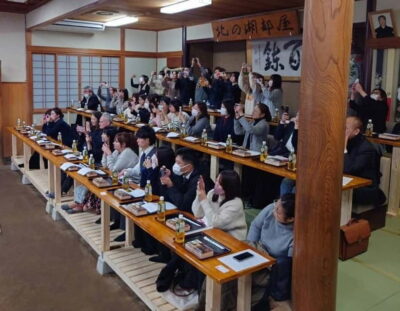
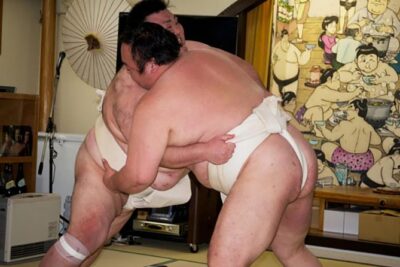
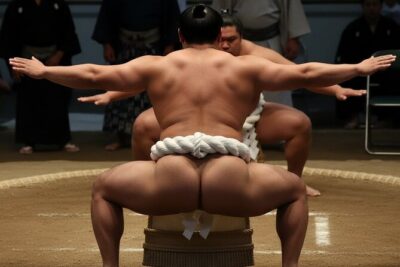
Tokyo Shinjuku Sumo Show & Experience with Photo
Read our review →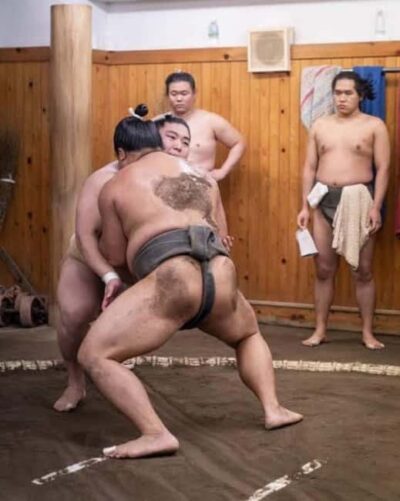

Authentic Sumo Experience in Tokyo: Enter the Sanctuary
Read our review →
Tokyo Sumo Experience: Chanko & Mochi with a Former Pro
Read our review →Browse the lists this tour appears in