
Reviewed · TOKYO COOKING CLASSES
Tokyo: Mochi-Making Class in a Private Studio
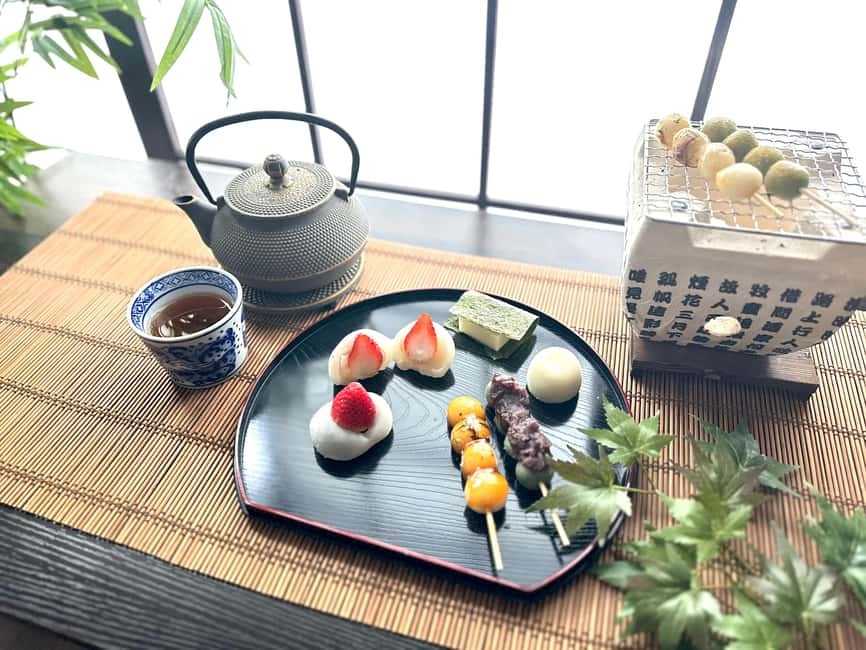
Mochi is more than a soft, chewy sweet in this two-hour Tokyo class. You’ll make five kinds from scratch, handle and shape the dough yourself, and learn why this treat matters in Japanese culture. The small studio setting keeps the focus on the food and the instructor, not a crowd.
I like that you get both practical skills and cultural context, and that the class ends with green tea and a recipe to try at home. One thing to plan for: the studio is not wheelchair accessible, and getting there is up to you.
What makes this class worth your time
- Make five mochi dishes: Work with the dough and shape it into several desserts, then taste what you’ve made.
- Hear the story behind the sweets: The instructor explains mochi’s cultural significance as well as the making process.
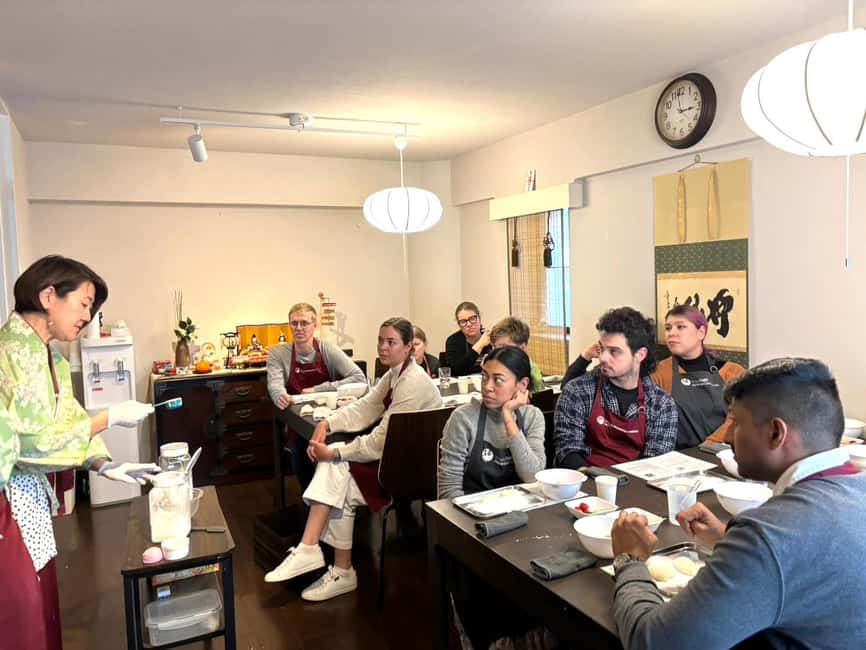
- Learn in a small group: The class is limited to eight people, so you can ask questions and follow each step.
- Try it with green tea: Taste your creations with tea served hot or cold.
- Take home a recipe: A downloadable recipe gives you a way to repeat the experience after your trip.
- Bring the family, with an age limit: Children must be at least four years old to enter the class.
Start with the dough, not a demonstration
This is a hands-on class, so you should expect to touch and shape mochi rather than watch a long demonstration from the sidelines. The instructor walks you through the process, explaining each step as you make five kinds of mochi dishes from scratch. That makes the class a good fit if you want an activity that is both social and practical.
The exact sequence of the recipes is not specified, so don’t count on a particular dessert being on the menu. Strawberries may be used, but another fruit will take their place if strawberries are unavailable. The broader promise is variety: you make and taste five different dishes, with the chance to handle the dough and turn it into several shapes.
Mochi’s texture is a big part of the appeal. It is soft and chewy, and shaping it by hand gives you a more direct sense of how this Japanese treat is made. The work also makes the class engaging for children old enough to take part, though a parent should be ready to help younger participants follow instructions.
More cooking classes in Tokyo:
- Sushi Making Tokyo Roll and Authentic Japanese Sushi Class
★ 5.0 · 3,971 reviews - Tokyo: Roll and Authentic Sushi Making Class in Asakusa
★ 4.9 · 1,957 reviews - Tokyo Shinjuku Chopsticks Making Class
★ 5.0 · 1,763 reviews
Cultural context gives the sweets more meaning
Mochi is a familiar food in Japan, and the instructor explains its cultural significance as part of the class. That background makes the activity more than a cooking lesson. You’ll learn not just how to form the dough, but why mochi holds a place in Japanese food culture.
The class also leaves room for conversation. Instructors have made the experience personal by asking about participants’ reasons for visiting Japan and answering questions along the way. That kind of exchange can make a small-group class feel less like a recipe demonstration and more like a friendly introduction to a piece of everyday culture.
The school’s instructors include Owa, Kiyoko, Ayumi, and Michiko, though your teacher will depend on the class you book. English and Japanese are the listed teaching languages. English-speaking visitors have found the explanations clear, but if you have a detailed question about ingredients or technique, ask it during the lesson rather than waiting until the end.
Five dishes, then tea
After making the mochi, you get to taste five kinds of dishes. That is a useful part of the class: you’re not only practicing a technique, you’re also comparing how the finished sweets look and taste. If you are interested in Japanese food, sampling several preparations can help you notice how one core ingredient works in different forms.
Green tea is served hot or cold alongside the tasting. It gives the class a simple, fitting finish, and lets you pause to enjoy what you’ve made. The class includes a photo-taking session, too, so you can keep a record of the hands-on part as well as the finished sweets.
If fruit is included, strawberries are not guaranteed. The school will use another fruit if they are unavailable, so book for the mochi-making and tasting experience as a whole rather than for one specific topping. The information provided does not list the exact five dishes, so anyone with strong preferences should ask the provider before booking.
A small studio is a practical advantage
The group is limited to eight participants. That size should make it easier to see the instructor’s steps, ask questions, and get a turn shaping the dough. It also suits families and small parties better than a large demonstration, although the class is not suitable for children under four.
The class lasts two hours, a manageable block in a Tokyo itinerary. It is long enough for instruction, making, and tasting, but short enough to fit around other plans. Check the available start times before choosing a day, and leave yourself enough time to reach the studio without rushing.
The meeting point is in a building to the right of a Family Mart convenience store. A drugstore and hair salon are on the ground floor. Go up the stairs or use the ramp in front of the sign, then press 303 followed by enter at the entrance. Since the directions involve finding a specific building entrance, it is worth saving them before you set out.
Transportation is not included. You’ll need to arrange your own route to the studio, and the supplied information does not specify a station or transit directions. Confirm the location details when planning your trip rather than assuming the class includes a pickup or escort.
More hands-on workshops in Tokyo:
- Tokyo: Sushi Making Class in a Happi Coat near a Famous Spot
★ 4.9 · 1,377 reviews - Chopstick Making Workshop in Ginza
★ 4.8 · 1,366 reviews - Tokyo Sushi Making Class in Tsukiji with Professional Chef
★ 5.0 · 1,177 reviews - Ramen & Gyoza Cooking Class in Tokyo with Local Supermarket Visit
★ 5.0 · 823 reviews
Is $82 a fair price?
At $82 per person, this is not a bargain snack stop. It is a guided, two-hour activity that includes instruction, five mochi dishes, green tea, a photo session, and a downloadable recipe. The value depends on whether you want to learn and take part. If you only want to taste mochi, you can spend less elsewhere; if you want a small-group lesson and a skill to try at home, the price is easier to justify.
The group cap of eight matters here. A smaller class gives you more opportunity to interact with the instructor and work through the steps at a comfortable pace. The recipe also adds value beyond the two hours, though recreating mochi at home may require ingredients or equipment you do not already have. The class does not include transportation, so factor in the time and cost of reaching the studio.
There is a gluten-free option built into the experience, and a non-dairy option is available. If you have allergies or dietary needs beyond those points, contact the provider ahead of time. The information does not specify ingredient substitutions, allergy controls, or whether the class can accommodate other restrictions.
Who will enjoy this class most
This is a strong choice if you like food activities that give you something to do, not just something to eat. It suits curious cooks, families with children aged four and up, and anyone who wants a closer look at Japanese sweets without committing to a full-day course. The English and Japanese instruction also makes it accessible to a range of visitors.
It is especially appealing if you value personal interaction. The small group gives you a better chance to ask questions and hear the instructor’s explanations than you might get in a larger class. One instructor, Michiko, has been noted for giving a thoughtful introduction to mochi’s background and making time to connect with participants. Other named instructors include Owa, Kiyoko, and Ayumi. Since the teacher may vary, treat those names as a sign of the school’s instructors, not a guarantee of who will lead your session.
This may be less suitable if you have limited mobility. The class is not suitable for wheelchair users, and the directions mention stairs or a ramp at the entrance. The source information does not confirm whether the ramp provides access to every part of the building, so check directly if you need step-free access.
Small details to settle before booking
The minimum age is four, and smoking is not allowed. The class is described as gluten-free, with a non-dairy option, but those statements do not answer every question about allergies or cross-contact. If food safety is a concern, ask the school for specific details before reserving.
You can cancel up to 24 hours in advance for a full refund. A reserve-now, pay-later option is also available, which can help if your Tokyo schedule is still taking shape. Check the start times and confirm the meeting-point instructions before you leave for class.
Should you book it?
Book this class if you want a relaxed, hands-on way to learn about Japanese food culture and you like the idea of making, tasting, and taking home a recipe. Five dishes, green tea, and a small group make the two hours feel like a complete activity rather than a quick demonstration.
Skip it if you are mainly looking for a cheap dessert tasting, need wheelchair access, or have dietary needs the school has not confirmed it can handle. For curious cooks and families with children aged four or older, it is a thoughtful Tokyo activity with a pleasingly practical souvenir: the know-how to try mochi again at home.
FAQ
How long is the mochi-making class?
The class lasts two hours.
How many kinds of mochi dishes will I make and taste?
You’ll make and taste five kinds of mochi dishes from scratch.
What languages are used in the class?
Instruction is available in English and Japanese.
Is the class suitable for children?
Children must be at least four years old to enter. Children under four are not suitable for the class.
Can I request a non-dairy option?
Yes. A non-dairy option is available. The experience is also described as gluten-free.
Is transportation to the studio included?
No. You need to arrange your own transportation to the venue.
Freshly reviewed in Tokyo
- Tokyo: Toshimaya Sake Brewery Tour with Sake Tasting★ 5.0 · 6 reviews
- :Tokyo,Shibuya /Meiji Shrine tour in KIMONO/English-friendly★ 5.0 · 4 reviews
- Tokyo: Tour Privado por Tokio en español★ 4.3 · 4 reviews
- Tokyo:Tea ceremony experience at Komaba Warakuan★ 4.8 · 9 reviews
- :Tokyo,Shibuya/ Pro Photography in Kimono / English-Friendly★ 5.0 · 26 reviews
- Tokyo:Samurai Training : Swords, Bushido & Mental Discipline★ 5.0 · 6 reviews
- Tokyo:Mt Fuji & Hakone Day Tour with English Speaking Driver★ 5.0 · 26 reviews
- Tokyo:Nikko UNESCO World Heritage Sites Private 1-Day Tour★ 3.8 · 6 reviews
Tokyo Cooking Classes, compared.
Sushi Making Tokyo Roll and Authentic Japanese Sushi Class
Read our review →
Roll and Authentic Sushi Making Class in Asakusa
Read our review →
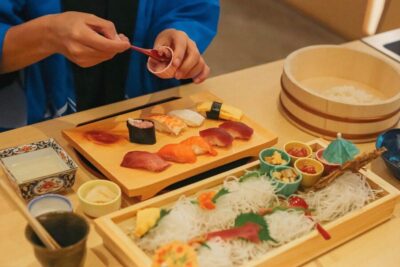
Sushi Making Class in a Happi Coat near a Famous Spot
Read our review →
Tokyo Sushi Making Class in Tsukiji with Professional Chef
Read our review →
Ramen & Gyoza Cooking Class in Tokyo with Local Supermarket Visit
Read our review →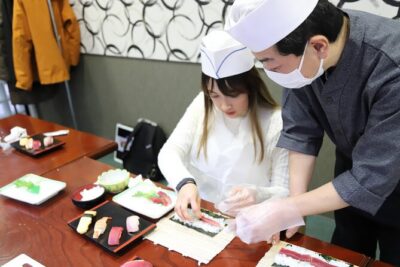
Tsukiji Fish Market Guided Tour and Sushi Making with Pro Chef
Read our review →
Matcha Making Class in Tokyo with Authentic Japanese Sweets Set
Read our review →Browse the lists this tour appears in