
Reviewed · TOKYO COOKING CLASSES
Tokyo: Kawaii Bento Cooking Class – Cute Character Lunchbox
A character bento turns an everyday Japanese lunch into edible artwork: rice becomes a face, and small side dishes complete the scene. This class gives you a practical way to try that craft while learning why bento matters in Japanese food culture.
I like two things in particular: instructors guide you through the fiddly parts, and the finished lunch is yours to eat. One consideration: the class uses common allergens, including seafood, soy, and sesame, so anyone with a severe allergy should check with the provider before booking.
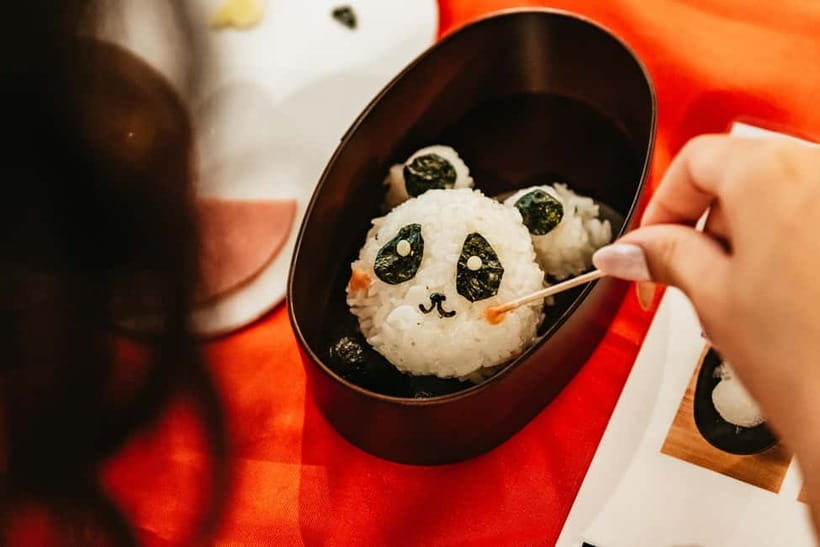
- Choose a character: Request a panda, brown character, or seasonal design. Your exact choice is confirmed by email after booking.
- Make it yourself: The 60-minute hands-on session includes ingredients, tools, clear instructions, and help from English-speaking instructors.
- Learn as you cook: A short introduction connects the cute lunchbox to Japanese bento culture.
- Take the meal and memories with you: There is time for photos, lunch, an English recipe, and a souvenir.
- Plan around Tameike-Sanno Station: The meeting point is at Exit 7, in a basement below a ramen shop.
- Bring your food needs up early: Vegetarian and vegan options, plus some allergy adjustments, may be possible with advance notice.
A Cute Lunch With a Cultural Point
Kawaii bento is more than a pretty lunchbox. The character faces and carefully arranged sides show how everyday food can become a small creative project, while the meal still has a practical purpose. This workshop lets you make one rather than just admire it in a shop window.
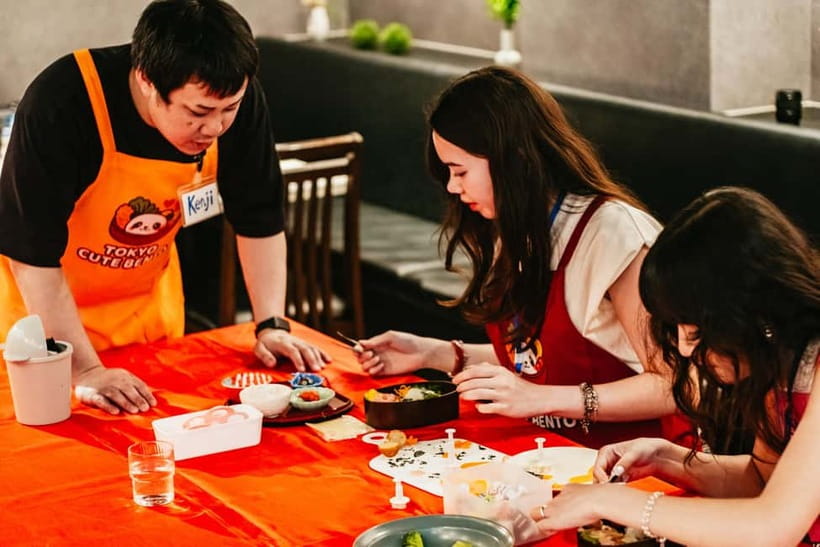
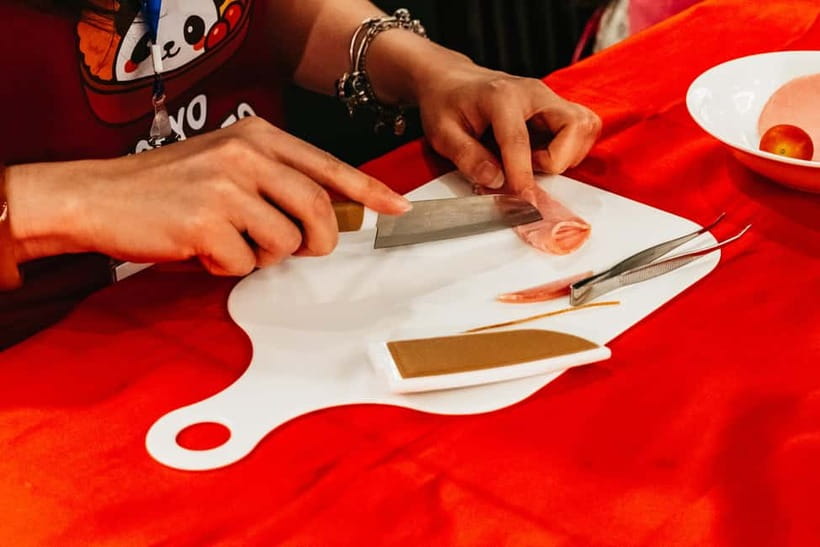
You do not need to be handy with a knife or confident in the kitchen. The instructors demonstrate each step, and the tools are supplied. That matters because shaping rice and arranging small details can look more difficult than it is. Several participants have found the process manageable even with no prior experience.
The class is run by Tokyo Cute Bento, with instructors including Kenji and Mari. The format is social but not dependent on coming with a group. Families, couples, friends, and solo participants are welcome, and the class can feel personal if attendance is small. Group size is not specified, so do not count on a private session.
Following the Two-Hour Class
The schedule is compact and easy to plan around. It starts with about 15 minutes on bento culture, then gives you roughly an hour to make your lunch. A 15-minute photography session follows, with about 30 minutes to sit down and eat.
That brief opening talk adds useful context before the craft begins. You will hear why bento is part of Japanese food culture, then see how a character design fits into the tradition of preparing and packing a meal. It is not a long history lecture. Think of it as a short introduction that gives the hands-on work more meaning.
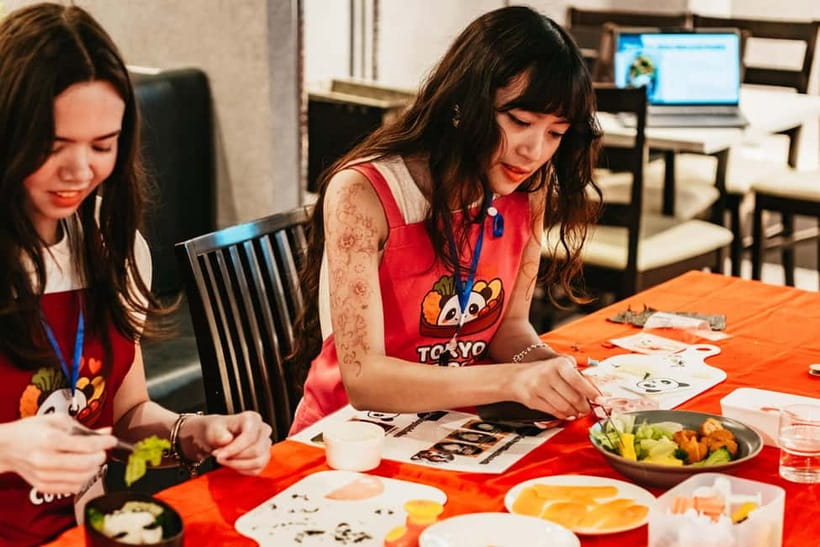
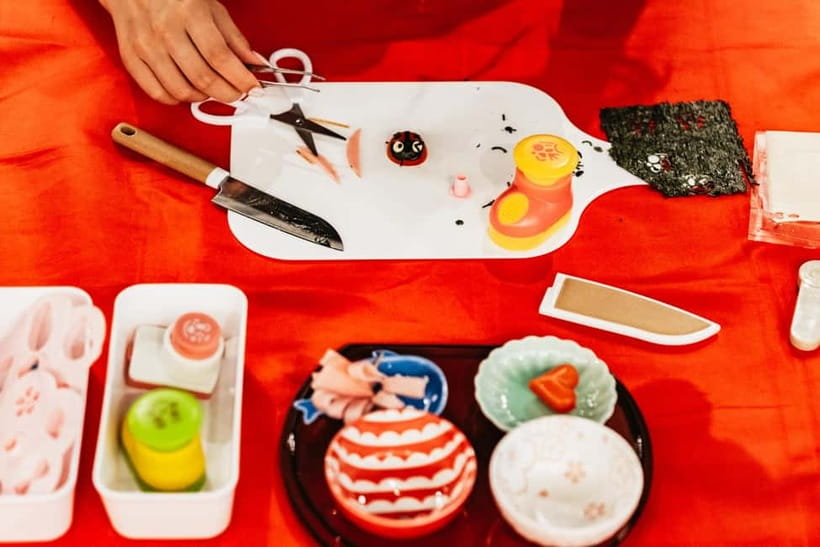
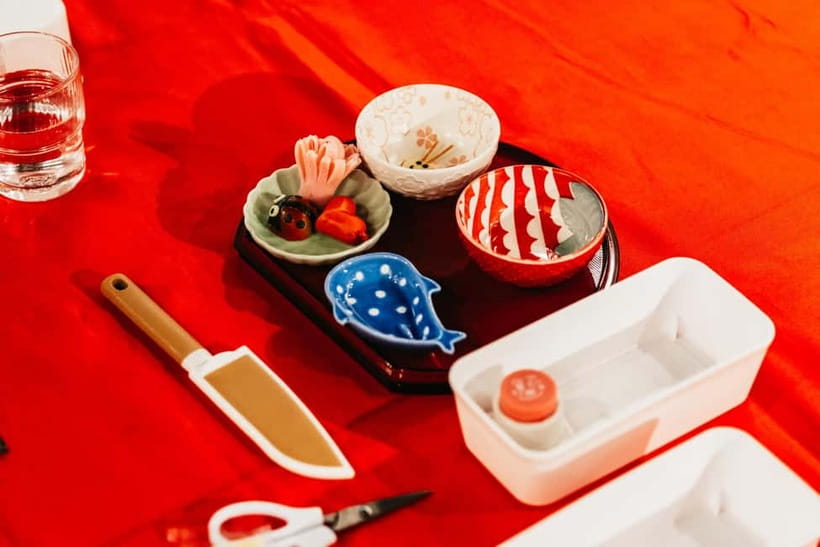
The main session is the heart of the class. You design a character bento with decorated faces and side dishes, following the instructor’s steps. Reviews of the class repeatedly describe clear, patient guidance, and the variety of tools makes it easier to work on small details. The result is meant to be cute, but you do not need an artist’s touch to make something you’ll be pleased to photograph.
There are three design options listed: a panda, a brown character, or a seasonal limited-edition bento. The exact choice is confirmed by email after you book, so check your messages and contact the provider if a particular design matters to you. Seasonal designs may change, and the available selection is not guaranteed beyond what the provider confirms.
The photography session gives you time to record the finished box before you eat it. This is a useful pause: once the lunch is opened, the little faces and carefully arranged details are on their way to becoming lunch. Then you sit down to enjoy what you made. The meal is part of the class, not an extra activity you need to arrange afterward.
More cooking classes in Tokyo:
- Sushi Making Tokyo Roll and Authentic Japanese Sushi Class
★ 5.0 · 3,971 reviews - Tokyo: Roll and Authentic Sushi Making Class in Asakusa
★ 4.9 · 1,957 reviews - Tokyo Shinjuku Chopsticks Making Class
★ 5.0 · 1,763 reviews
What You’ll Learn With Kenji and Mari
The strongest part of the class is the combination of practical instruction and a friendly teaching style. Kenji is named as a host, and Mari has also taught sessions. Participants describe the instructors as kind, organized, patient, and clear. Those qualities matter more here than a polished lecture: a calm teacher can keep the craft fun when a face or side dish needs a second try.
The class also appears to balance demonstration with room to personalize your lunch. You are not simply watching an instructor assemble a finished box. You make your own character and choose how to decorate it, with tools available to help you shape and arrange the food.
That makes the workshop more useful than a one-time photo opportunity. An English recipe is included, and participants have found the techniques approachable enough to try again at home. You may even come away wanting to buy bento-making tools of your own. The recipe and class do not promise that your next lunch will look exactly like the one made with an instructor beside you, but they give you a starting point.
Eating What You Make
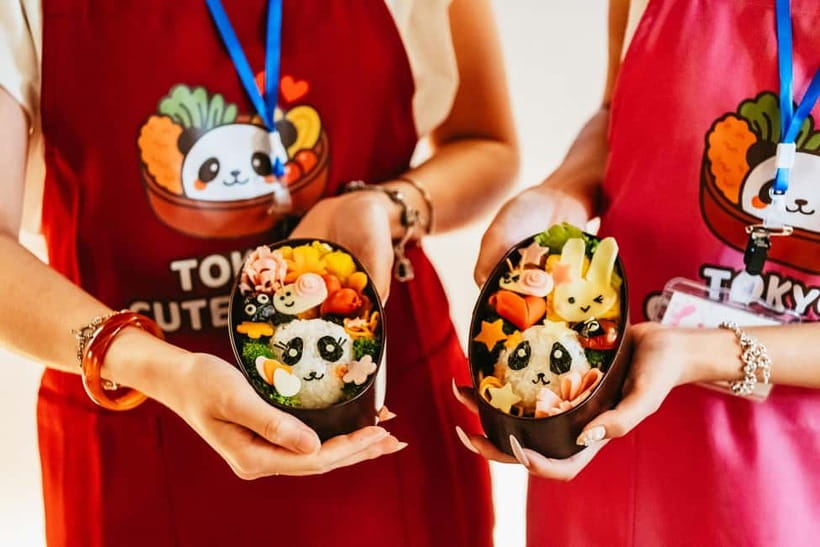
The 30-minute meal is a welcome finish, especially if you want the class to count as lunch rather than an activity squeezed between meals. You see the result, take photos, and then eat it. A few people have found that the lunchbox holds more food than they expected, so arrive ready to enjoy a proper meal.
Taste matters alongside the cute design. Participants describe the food as enjoyable, and the class includes the ingredients used to make the bento. The supplied information does not list a fixed menu, so do not assume particular dishes or ingredients beyond what the provider confirms for your session.
If you hope to take your bento elsewhere to eat, ask the provider before class rather than assuming that is part of the plan. The scheduled format ends with eating your meal at the workshop, though one participant chose to take a finished box to Shinjuku Gyoen. That is an individual choice, not a stated feature of the class.
Dietary Needs and Kitchen Safety
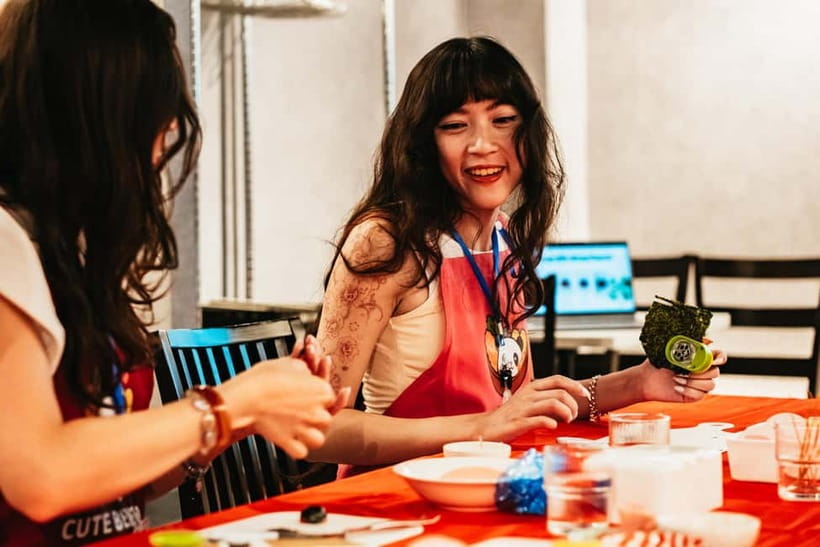
Vegetarian and vegan options are available, and the provider may accommodate allergies such as nuts or milk with advance notice. If you avoid pork or have another dietary need, contact them while booking. Instructors have been able to arrange substitutions, but that does not mean every restriction can be met.
Take the allergy warning seriously. The activity may involve seafood, soy, and sesame, and the provider says it may not be suitable for people with severe food allergies. Ask specific questions about ingredients and handling before reserving. If your needs are strict, get confirmation rather than relying on a general promise of flexibility.
Children are welcome, but knives and other cooking tools are used. Parents or guardians should supervise younger children. The class is hands-on, so adults should be ready to help keep the activity safe as well as fun.
More hands-on workshops in Tokyo:
- Tokyo: Sushi Making Class in a Happi Coat near a Famous Spot
★ 4.9 · 1,377 reviews - Chopstick Making Workshop in Ginza
★ 4.8 · 1,366 reviews - Tokyo Sushi Making Class in Tsukiji with Professional Chef
★ 5.0 · 1,177 reviews - Ramen & Gyoza Cooking Class in Tokyo with Local Supermarket Visit
★ 5.0 · 823 reviews
Finding the Tameike-Sanno Meeting Point
The meeting point is at Tameike-Sanno Station, Exit 7. Walk straight ahead, cross the intersection, and look for the building directly in front of you. The panda bento sign marks the place, which is in basement level B1 beneath a ramen shop. Ticket redemption and the class take place at the same address.
Although the activity is described as convenient to Tokyo Station, Shibuya, and Asakusa, use the specific Tameike-Sanno directions when planning your route. That is the clearest meeting-point information provided. The venue is indoors, which makes it a sensible choice on a rainy day or in hot weather, and it is listed as wheelchair accessible.
The workshop lasts two hours, with starting times varying by availability. Leave a little breathing room before and after it if you are connecting to another activity. The schedule includes instruction, making, photos, and a meal, so a tight transfer could make the relaxed pace feel rushed.
Is $64 a Good Use of Your Tokyo Budget?
At $64 per person, this is not the cheapest way to eat lunch in Tokyo. You are paying for more than the food: the price includes English-speaking instruction, ingredients, tools, a cultural introduction, your meal, a photography session, an English recipe, and a souvenir.
The value is strongest if you want an activity you can take part in, not just another meal out. You leave with a skill to try at home and a better sense of how a familiar Japanese lunchbox can become a creative expression. For families, the shared activity can also give children a role beyond following adults from sight to sight.
If you are focused on sightseeing and watching your budget, a two-hour class may not be the right use of time or money. The workshop is not a full cooking course, and its main appeal is the character design and guided making. Book it for the craft, the cultural introduction, and the chance to eat your own work, rather than expecting a broad survey of Japanese cooking.
Booking allows you to reserve now and pay later, and you can cancel up to 24 hours in advance for a full refund. There are also limited-time add-ons, including a 30-minute advanced side-dish preparation session before class and a 30-minute Akasaka tour afterward. These require advance requests, so confirm availability rather than counting on them.
Who Should Book This Bento Class?
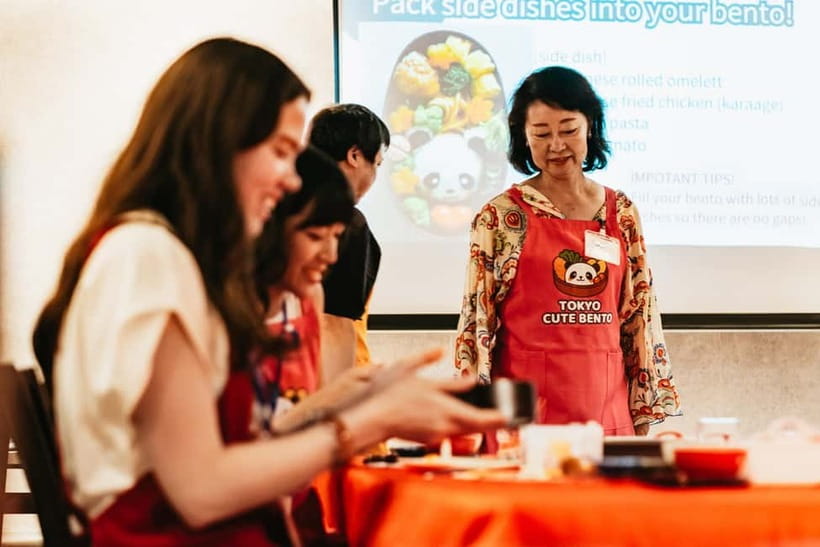
I would put this class high on the list for families with school-age children, couples, and friends who want a cheerful indoor activity with something to show for it. The clear steps make it accessible to beginners, and the finished lunch gives the session a satisfying end. Teenagers can enjoy it too, especially if they like crafts or character art.
Solo visitors are welcome, which makes this a good option if you want a structured activity that does not require a travel companion. The class is social, but its central task is individual: you make your own bento and can work at your pace with help nearby.
Choose another activity if you want a long, technical cooking lesson, have severe food allergies that the provider cannot address, or prefer to spend two hours exploring Tokyo outdoors. For everyone else, this is a well-defined way to spend part of a day: practical, playful, and rooted in a distinct part of Japanese food culture.
FAQ
How long is the kawaii bento class?
The class lasts two hours. The approximate schedule includes a 15-minute introduction, 60 minutes of bento making, 15 minutes for photos, and 30 minutes to eat.
How much does the class cost?
The listed price is $64 per person.
Where is the meeting point?
Meet at Tameike-Sanno Station, Exit 7. Walk straight ahead, cross the intersection, and look for the building with a panda bento sign. The class is in basement level B1, beneath a ramen shop.
What bento designs can I choose?
The listed options are a panda, a brown character, or a seasonal limited-edition design. Your choice is confirmed by email after booking.
Do I need cooking experience?
No. The class is open to beginners, and the instructors guide you step by step.
Are children allowed?
Yes. Children are welcome, but the class uses knives and other cooking tools. Parents or guardians should supervise younger participants.
Is the class taught in English?
Yes. English-speaking instruction is included, along with English recipes.
Can the class accommodate vegetarian or vegan diets?
Vegetarian and vegan options are available. Tell the provider about dietary needs when booking so they can discuss what can be arranged.
Can the class accommodate food allergies?
Some adjustments may be possible with advance notice, including for nuts or milk. The activity may involve seafood, soy, and sesame, so people with severe allergies should contact the provider before booking.
Is the class wheelchair accessible, and can I cancel?
The activity is listed as wheelchair accessible. You can cancel up to 24 hours in advance for a full refund, and the reserve-now, pay-later option lets you book without paying today.
Freshly reviewed in Tokyo
- Tokyo: Toshimaya Sake Brewery Tour with Sake Tasting★ 5.0 · 6 reviews
- :Tokyo,Shibuya /Meiji Shrine tour in KIMONO/English-friendly★ 5.0 · 4 reviews
- Tokyo: Tour Privado por Tokio en español★ 4.3 · 4 reviews
- Tokyo:Tea ceremony experience at Komaba Warakuan★ 4.8 · 9 reviews
- :Tokyo,Shibuya/ Pro Photography in Kimono / English-Friendly★ 5.0 · 26 reviews
- Tokyo:Samurai Training : Swords, Bushido & Mental Discipline★ 5.0 · 6 reviews
- Tokyo:Mt Fuji & Hakone Day Tour with English Speaking Driver★ 5.0 · 26 reviews
- Tokyo:Nikko UNESCO World Heritage Sites Private 1-Day Tour★ 3.8 · 6 reviews
Tokyo Cooking Classes, compared.
Sushi Making Tokyo Roll and Authentic Japanese Sushi Class
Read our review →
Roll and Authentic Sushi Making Class in Asakusa
Read our review →
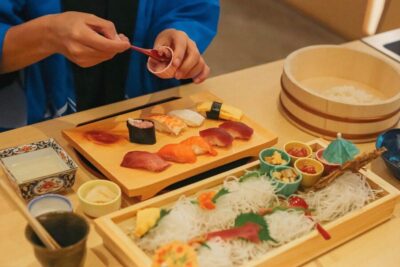
Sushi Making Class in a Happi Coat near a Famous Spot
Read our review →
Tokyo Sushi Making Class in Tsukiji with Professional Chef
Read our review →
Ramen & Gyoza Cooking Class in Tokyo with Local Supermarket Visit
Read our review →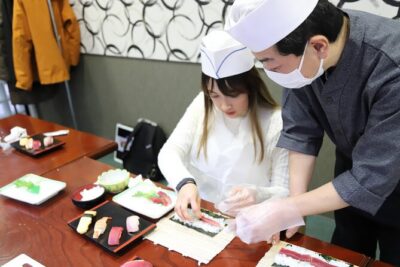
Tsukiji Fish Market Guided Tour and Sushi Making with Pro Chef
Read our review →
Matcha Making Class in Tokyo with Authentic Japanese Sweets Set
Read our review →Browse the lists this tour appears in