
Reviewed · TOKYO COOKING CLASSES
Tokyo: Japanese Home-style Cooking Class with Meal
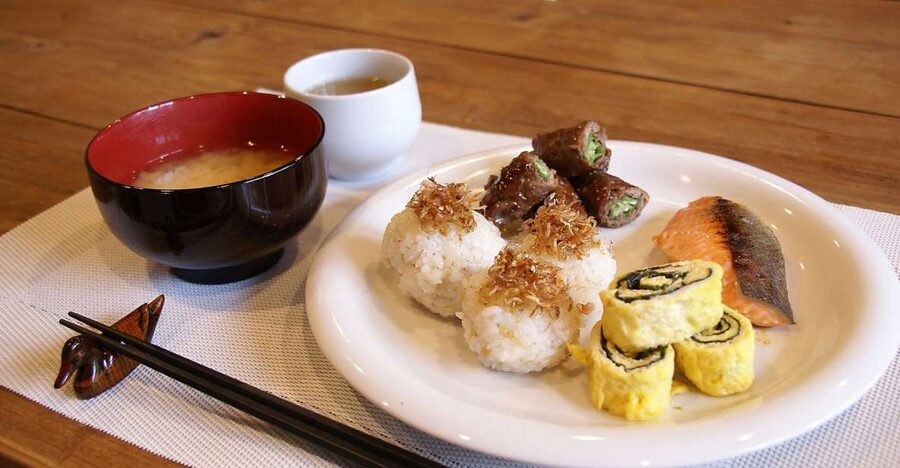
The best part of this Tokyo cooking class is its focus on everyday Japanese food, not restaurant showpieces. You’ll work with familiar home-style dishes such as miso-marinated fish and rolled omelet, then eat what you have made.
I like the promise of recipes you can repeat at home and a class that explains seasoning, nutrition and presentation along the way. One thing to check before booking: the overview mentions dashimaki tamago, but the detailed menu does not list it, and the instructor and studio location may vary.
At a glance
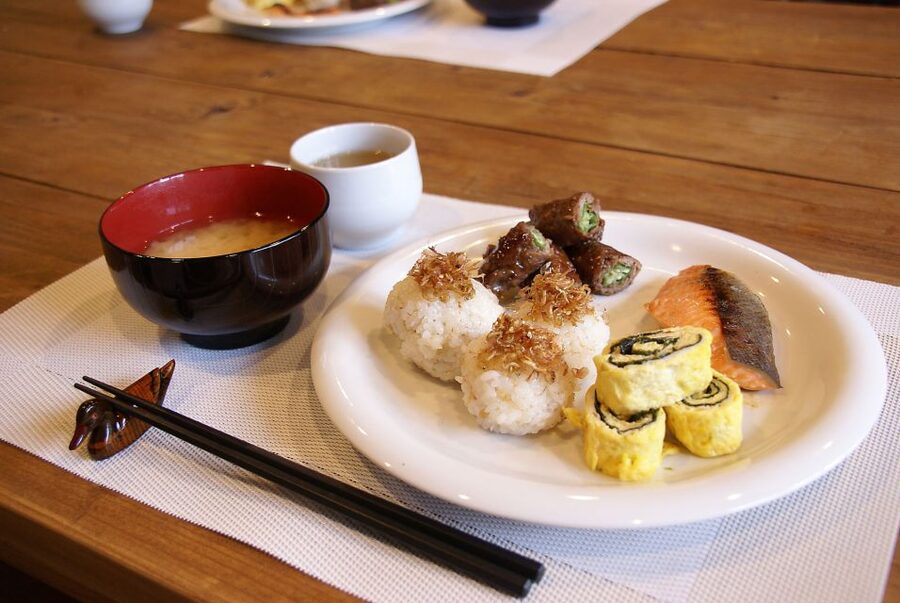
- The menu centers on home cooking: Expect dashi, Saikyo-yaki fish, rice and miso soup.
- You cook, then eat: The 150-minute visit includes class time and a 30-minute tasting period.
- English instruction is offered: Past classes have been led by Nao and Erika, but the instructor is not guaranteed.
- The studio address comes later: It is near Shinjuku, Chiyoda or Minato, and the exact location is sent three days ahead.
- The class costs $90: Ingredients, drinks and the meal are included; hotel transfers are not.
- Check the recipe details: Dashimaki tamago is named in the experience description but omitted from the detailed menu.
A taste of Japanese cooking beyond restaurant fare
Tokyo dining can make Japanese food seem like a parade of carefully finished dishes. This class takes a more useful angle: you learn about home cooking, where a few well-chosen ingredients and sound technique do much of the work.
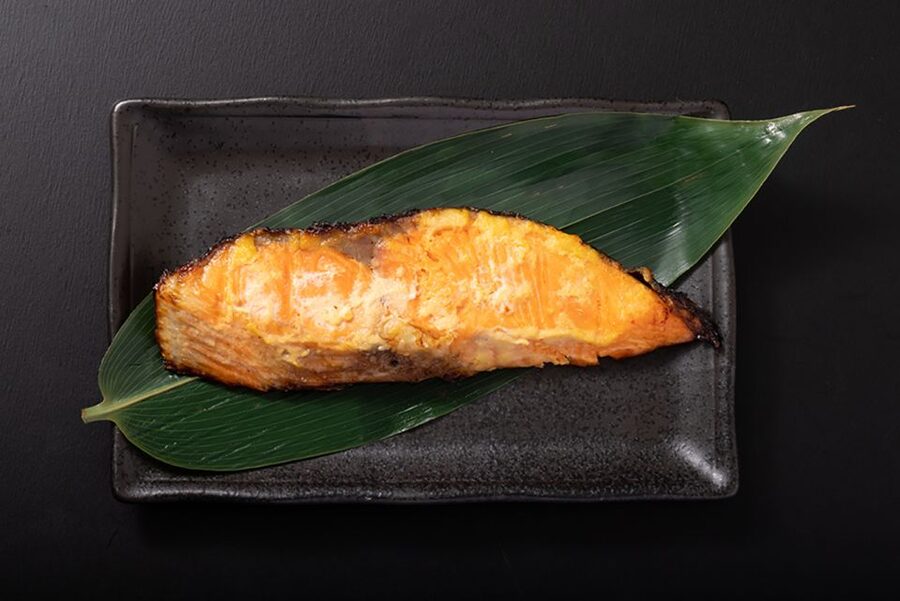
The featured recipes include Saikyo-yaki, fish marinated in a Kyoto-style sweet miso, and dashi-maki tamago, a rolled omelet made with dashi stock. The detailed menu also lists Japanese dashi, grilled fish, a rice ball and miso soup. The difference between the two descriptions matters, so ask the provider whether the omelet is part of the class on your date.
The focus on dashi is especially worthwhile. This stock is a foundation for many Japanese dishes, and learning what it contributes helps you understand why seasoning is not simply a matter of adding more salt. The class also promises guidance on nutritional balance and presentation, useful context if you want to make Japanese meals at home rather than just copy a recipe.
More cooking classes in Tokyo:
- Sushi Making Tokyo Roll and Authentic Japanese Sushi Class
★ 5.0 · 3,971 reviews - Tokyo: Roll and Authentic Sushi Making Class in Asakusa
★ 4.9 · 1,957 reviews - Tokyo Shinjuku Chopsticks Making Class
★ 5.0 · 1,763 reviews
What happens during the 150 minutes
The stated schedule runs from 11 a.m. to 1 p.m. for the cooking class, followed by tasting from 1 to 1:30 p.m. That makes the full visit two and a half hours, even though the cooking portion itself is described as about 1.5 hours.
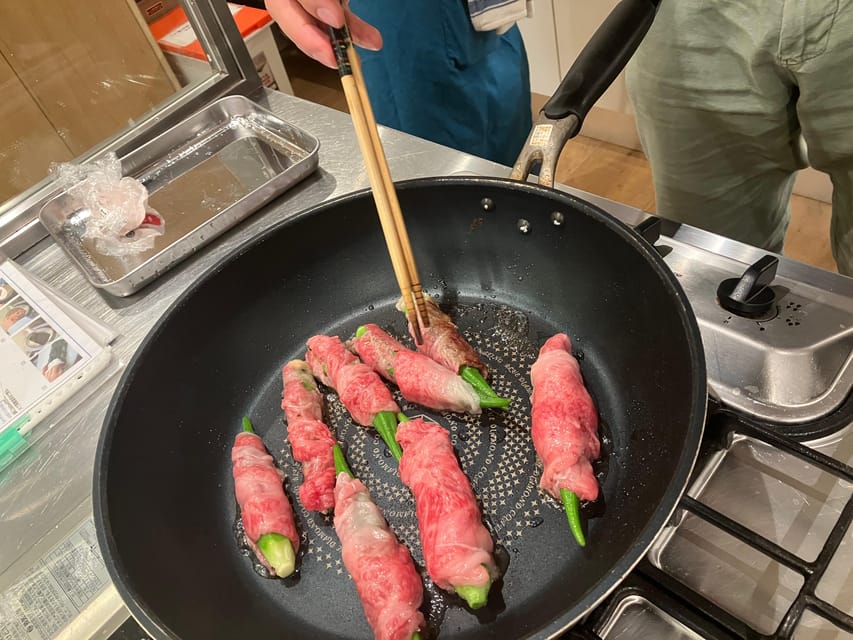
During class, you work through the dishes with an instructor. The supplied details do not specify the exact order, the number of participants or how much of each recipe you will prepare, so don’t assume this is a private lesson or a full meal-preparation session for every person.
The practical value lies in doing the work while you have someone there to answer questions. A recipe can tell you what goes into dashi or how to season fish, but a teacher can help make the steps less abstract. Feedback about past sessions has praised patient instruction and recipes simple enough to recreate at home. That is a good fit if you want useful basics more than advanced knife skills or restaurant techniques.
Once cooking ends, you sit down to eat the dishes you prepared. This finish gives the class a satisfying rhythm: learn, cook, taste. It also lets you see how the flavors work together, rather than judging each recipe on its own.
The dishes, and what they teach
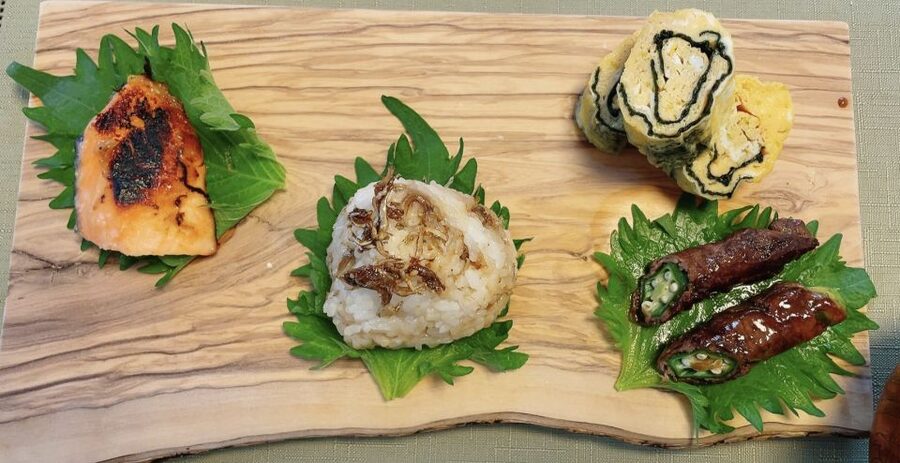
Saikyo-yaki gives you a direct lesson in how a marinade can do more than add flavor. The fish is prepared in a sweet miso style and grilled, offering an approachable way to explore a classic Japanese preparation. The description calls it a home-cooked recipe, not a complicated restaurant dish.
Dashi is the quiet workhorse of the menu. You’ll learn to prepare Japanese stock, then see it in the broader context of a meal. The experience promises instruction on seasoning, so this is a chance to notice how a base ingredient can help make a dish feel balanced without overpowering it.
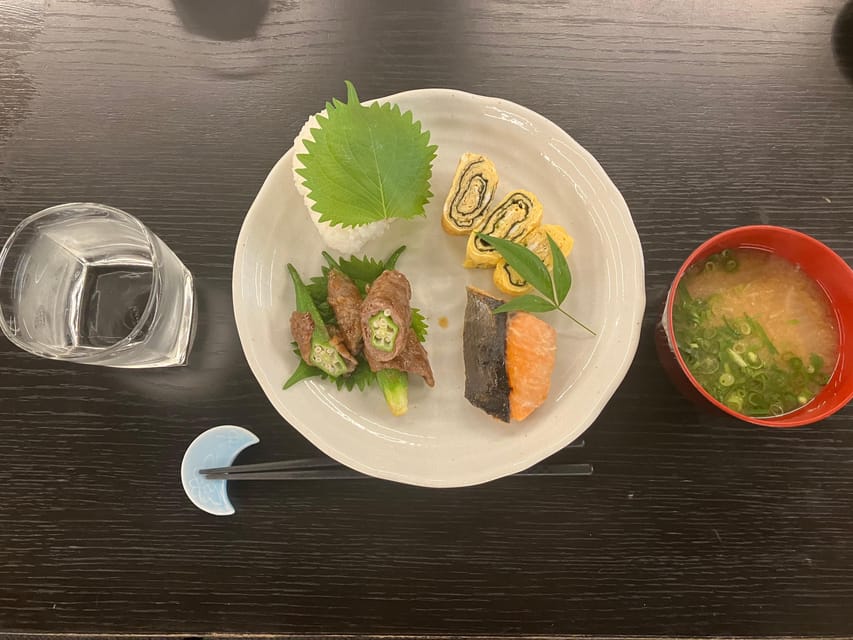
The rice ball and miso soup round out the listed menu with familiar, practical staples. Together, they make the meal feel more like a home lunch than a tasting menu. The class also mentions nutritional balance and food presentation, so pay attention to how the dishes are served as well as how they taste.
The rolled omelet deserves a clarification. Dashimaki tamago appears among the family recipes you may learn, but it does not appear in the detailed menu. If that is the dish you most want to make, contact the provider before paying rather than assuming it is included.
How much value you get for $90
At $90 per person, this is not simply a cooking demonstration followed by a restaurant meal. The price includes the class, ingredients, drinks and the meal made during the session. You are paying for a guided activity and a meal, with the added possibility of taking home techniques you can use again.
The value depends on what you want from your time in Tokyo. If your main aim is to eat as many different dishes as possible, a restaurant meal may offer more variety for the money. If you want to understand how a few home-style recipes come together, the hands-on format makes the cost easier to justify.
There is also a practical limit to what you should expect. The class is not presented as advanced culinary training, and the available details do not promise specialist instruction in knife work or extensive recipe variations. One past class was described as less polished, with blunt knives and an instructor consulting the recipe during the lesson. That is worth keeping in mind if you are an experienced cook seeking professional-level technique.
For a beginner or curious home cook, the simpler approach may be an advantage. You are likely to get more from clear explanations and recipes that feel achievable than from a fast-paced class full of specialist jargon. The strongest reported positives have been helpful, patient teaching and dishes that are manageable to make again.
More hands-on workshops in Tokyo:
- Tokyo: Sushi Making Class in a Happi Coat near a Famous Spot
★ 4.9 · 1,377 reviews - Chopstick Making Workshop in Ginza
★ 4.8 · 1,366 reviews - Tokyo Sushi Making Class in Tsukiji with Professional Chef
★ 5.0 · 1,177 reviews - Ramen & Gyoza Cooking Class in Tokyo with Local Supermarket Visit
★ 5.0 · 823 reviews
The instructor and the English-language experience
Instruction is in English, which makes this a straightforward way to ask questions about Japanese cooking while you work. Nao and Erika have led some sessions and were praised for helping participants make traditional food through simple recipes. The information does not promise that either will teach your specific class, so treat their names as a helpful reference, not a guarantee.
The broader teaching style may be home-kitchen informal rather than culinary-school formal. That can feel friendly and relaxed, but it also means the experience may depend more on the instructor assigned to your session. If you are booking for expert-level technique, ask what kind of instruction to expect; if you want a welcoming introduction, the format looks better suited to that goal.
You may also want to ask about the menu in advance, especially if you have your heart set on the omelet. The discrepancy between the recipe highlights and the detailed menu is the clearest point that needs clarification.
Finding the studio in Tokyo
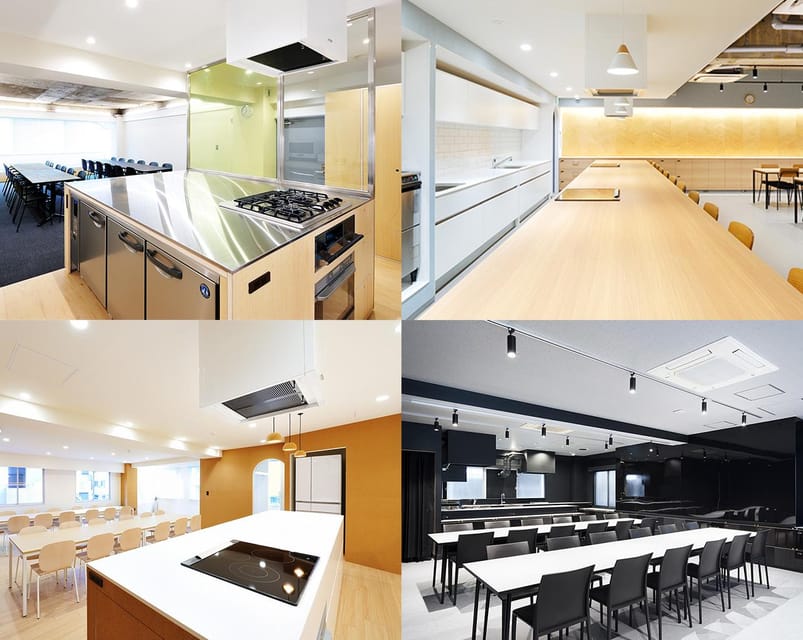
The meeting point needs extra attention. The address displayed on Google Maps is noted as incorrect, and the cooking studio will be near one of three areas: Shinjuku, Chiyoda or Minato. The exact studio details are sent three days before the reservation date.
That means you should not plan your route using the map pin shown during booking. Wait for the confirmed address, then check your route and allow enough time to arrive before the start. The class does not include hotel pickup or drop-off, so you are responsible for getting to the studio yourself.
The three possible areas are spread across different parts of central Tokyo. Since the exact one is not assigned in the information provided, avoid scheduling a tight connection or a distant activity immediately afterward until you know where you are going.
Who will get the most from this class
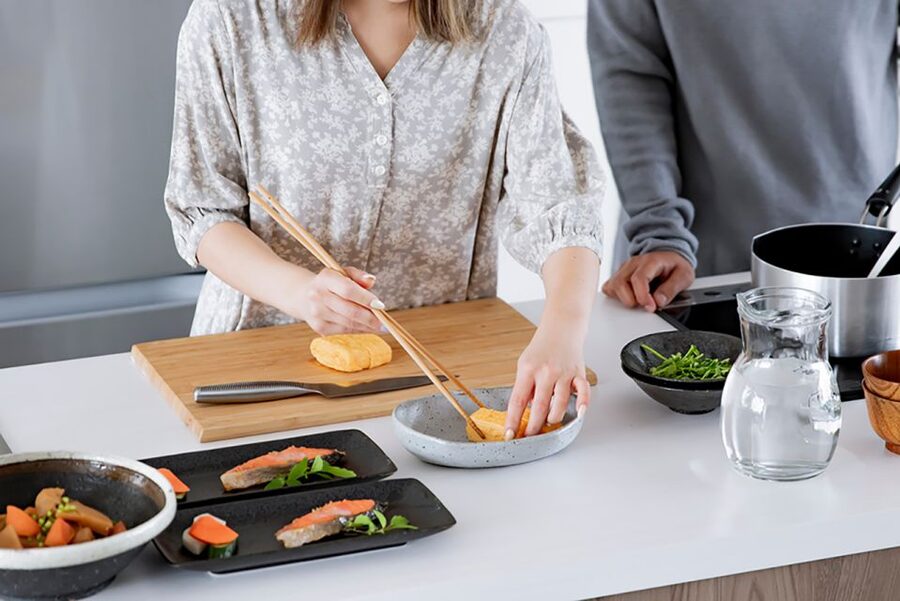
This class makes the most sense for someone who enjoys cooking and wants a practical introduction to Japanese food. It suits couples, friends or solo visitors who would rather spend part of a day making a meal than simply ordering one. The 150-minute format is long enough to include both preparation and eating without taking up a full day.
It is also a reasonable pick for cooks who value recipes they can try again at home. The dishes are described as simple and traditional, and the class covers fundamentals such as stock, seasoning and presentation. You do not need to arrive as an expert to find those useful.
It is not suitable for vegans, and children under three are not accepted. People with back problems are also listed as unsuitable, so consider the physical demands of a hands-on cooking session before booking. The available information does not describe seating or accommodations, so contact the provider if you need those details.
Booking details to settle beforehand
The class costs $90 per person and includes ingredients, drinks and the meal. Hotel transport is not included. You can reserve without paying immediately through the reserve-now, pay-later option, and cancellations made at least 24 hours before the experience qualify for a full refund.
Before you book, confirm whether dashimaki tamago is on the menu for your date. Also remember that the exact studio address arrives three days before the class, and the map location shown during booking may be wrong. These are small checks, but they can save a frustrating start to a pleasant cooking session.
The published rating is 4.5 from three ratings, a very small sample. I would treat that as a modest positive signal, not a firm guarantee of how your particular instructor or class will go.
Should you book it?
Book this class if you want to cook a small set of traditional Japanese dishes, eat what you make and leave with recipes that feel realistic to repeat. Its strongest appeal is practical: dashi, grilled miso-marinated fish, rice and soup are useful foundations, and instruction is offered in English.
Think twice if you expect a polished professional kitchen, advanced culinary coaching or a fixed instructor. The exact location also arrives only three days ahead, and the omelet’s place on the menu is unclear. Confirm that detail, then book if the home-cooking focus is what you came for.
FAQ
How long does the class last?
The full experience lasts 150 minutes. The schedule describes about 1.5 hours of cooking followed by 30 minutes to taste the meal.
What dishes are included?
The detailed menu lists Japanese dashi stock, grilled fish prepared Saikyo-yaki style, a rice ball and miso soup. Dashimaki tamago is mentioned elsewhere in the description, but not in that menu.
Is the class taught in English?
Yes. English is the stated language of instruction.
Where is the cooking studio?
The studio is near Shinjuku, Chiyoda or Minato. The exact location is sent three days before the reservation, and the address shown on Google Maps may be different.
What is included in the $90 price?
The price includes the cooking class, ingredients, drinks and the meal made during the class. Hotel pickup and drop-off are not included.
Can vegans or children under three join?
No. The experience is listed as unsuitable for vegans and children under three. People with back problems are also listed as unsuitable.
Freshly reviewed in Tokyo
- Tokyo: Toshimaya Sake Brewery Tour with Sake Tasting★ 5.0 · 6 reviews
- :Tokyo,Shibuya /Meiji Shrine tour in KIMONO/English-friendly★ 5.0 · 4 reviews
- Tokyo: Tour Privado por Tokio en español★ 4.3 · 4 reviews
- Tokyo:Tea ceremony experience at Komaba Warakuan★ 4.8 · 9 reviews
- :Tokyo,Shibuya/ Pro Photography in Kimono / English-Friendly★ 5.0 · 26 reviews
- Tokyo:Samurai Training : Swords, Bushido & Mental Discipline★ 5.0 · 6 reviews
- Tokyo:Nikko UNESCO World Heritage Sites Private 1-Day Tour★ 3.8 · 6 reviews
- Tokyo:Mt Fuji & Hakone Day Tour with English Speaking Driver★ 5.0 · 26 reviews
Tokyo Cooking Classes, compared.
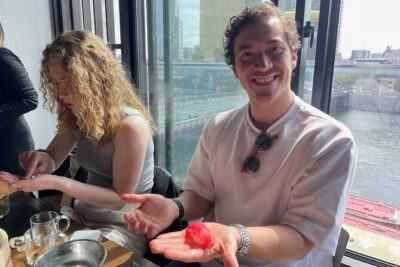
Sushi Making Tokyo Roll and Authentic Japanese Sushi Class
Read our review →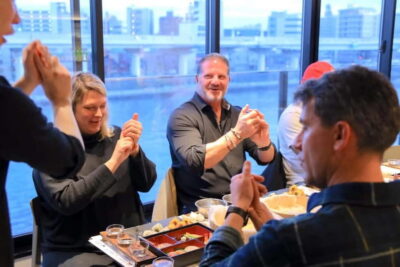
Roll and Authentic Sushi Making Class in Asakusa
Read our review →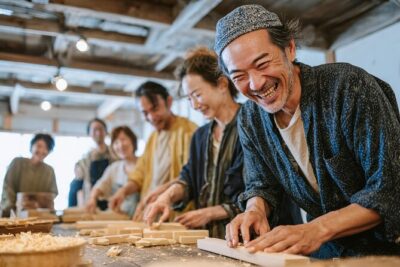
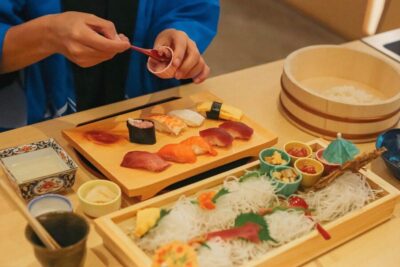
Sushi Making Class in a Happi Coat near a Famous Spot
Read our review →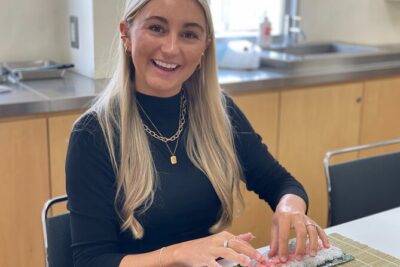
Tokyo Sushi Making Class in Tsukiji with Professional Chef
Read our review →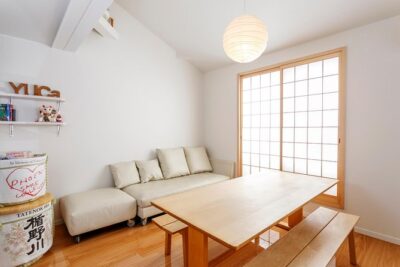
Ramen & Gyoza Cooking Class in Tokyo with Local Supermarket Visit
Read our review →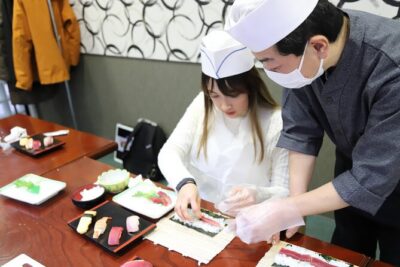
Tsukiji Fish Market Guided Tour and Sushi Making with Pro Chef
Read our review →
Matcha Making Class in Tokyo with Authentic Japanese Sweets Set
Read our review →Browse the lists this tour appears in