
Reviewed · TOKYO CALLIGRAPHY WORKSHOPS
Tokyo: Japanese Calligraphy Lesson with Skilled Instructor
A calligraphy lesson gives you a souvenir you make yourself, not one pulled from a shop shelf. In this one-hour Asakusa session, you choose a Japanese word or phrase, practice your strokes, then write your finished version on a traditional fan, decorative board, or hanging scroll.
I like two things in particular: Shusuke’s 10-plus years of teaching experience and clear English explanations make the art approachable, and the 20 practice sheets give you room to improve before you commit ink to your keepsake. The small group, capped at four, should also leave space for individual guidance.
The main consideration is time. One hour is enough for a focused introduction and a finished piece, not a full course in calligraphy. You’ll also need to confirm the exact Asakusa meeting point after booking, since the class uses a rental room.
What Makes This Calligraphy Class Worth Considering
- You choose the word: Browse samples and hear their meanings in English before settling on a word or phrase.
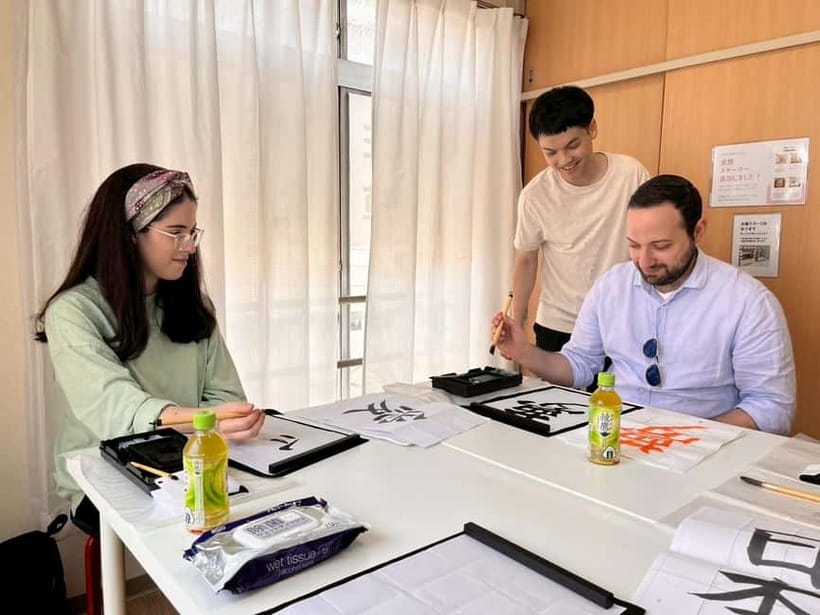
- Practice before the keepsake: Each person gets 20 sheets of hanshi paper, with about 30 minutes set aside for guided practice.
- Three souvenir formats: Finish your work on an uchiwa fan, shikishi board, or kakemono hanging scroll.
- A small class: Group size is limited to four, which suits a hands-on lesson where personal feedback matters.
- A qualified instructor: Shusuke is a 3rd Dan calligrapher with more than 10 years of teaching experience.
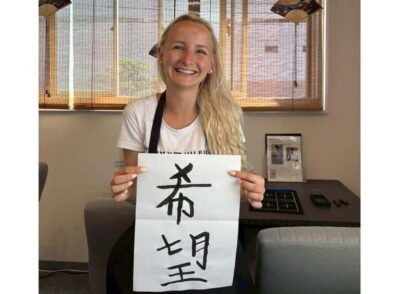
- A photo to mark the occasion: The session ends with a commemorative photo of you and your finished work.
Choosing a Word That Means Something to You
The class begins with a look at sample calligraphy. Each example comes with an explanation of its meaning and cultural significance in English, so you can make a thoughtful choice rather than picking a character just because it looks striking.
That choice is part of the appeal. You might settle on a word that connects with a personal value, a memory from your trip, or simply an idea you want to take home. The instructor can help you understand the options, but the final selection is yours.
If you arrive with a word in mind, stay open to the samples. A short explanation may point you toward a phrase that feels more fitting, or help you understand why a particular character has more than one layer of meaning. The goal is not to show off a dictionary entry. It is to create something you can explain when someone asks what your souvenir means.
More calligraphy workshops in Tokyo:
- Tokyo: Calligraphy on Kanji Fan & Scroll with Drink
★ 5.0 · 210 reviews - Let’s experience calligraphy in YANAKA, Taito-ku, TOKYO !!
★ 5.0 · 127 reviews - Tokyo: Calligraphy Workshop & Original T-Shirt Creation
★ 4.9 · 105 reviews
Practicing with 20 Sheets of Hanshi Paper
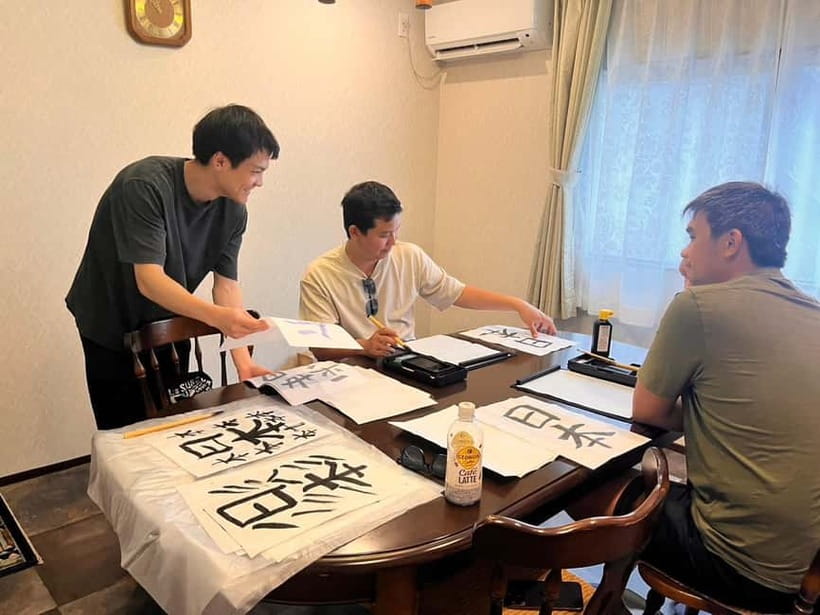
Once you have chosen a word or phrase, you move to practice. The class provides 20 sheets of hanshi, the paper used for calligraphy practice, and roughly 30 minutes are devoted to refining your writing with the instructor’s guidance.
That practice time is useful. Calligraphy can look simple from across the room, but a small change in brush movement can alter the weight and balance of a stroke. Repeating the character gives you a chance to notice those differences, ask for advice, and try again before working on the item you’ll keep.
This is a lesson, not a race to produce a perfect piece. You can work at your own pace, and the small group size makes one-to-one pointers more practical than they would be in a large class. Still, a half-hour of practice has limits. If you want to study brushwork in depth or master several characters, treat this as a first encounter rather than a complete course.
The session also makes room for the beginner’s learning curve. You do not need to arrive knowing how to hold a brush or write a Japanese character. The instructor demonstrates the techniques and gives step-by-step guidance, so you can concentrate on the marks in front of you.
Making Your Uchiwa, Shikishi, or Kakemono
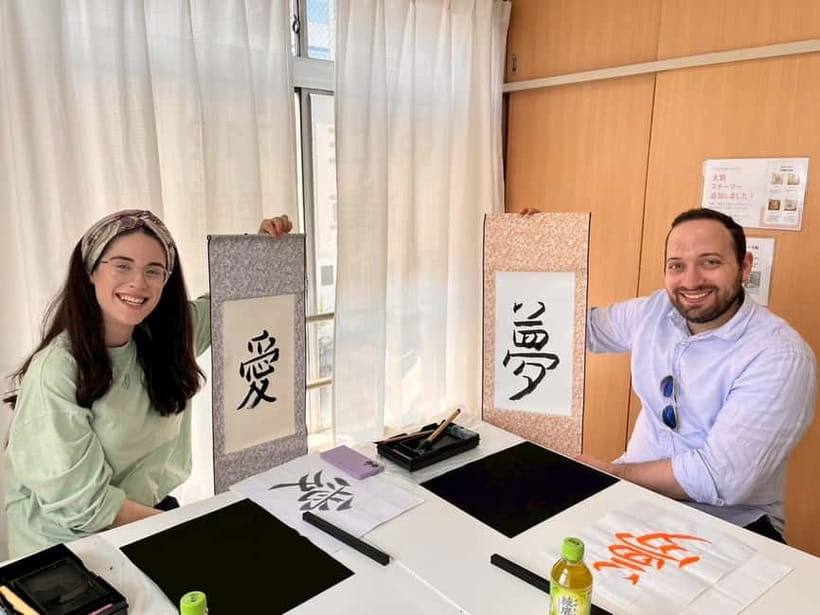
After practice, you transfer your chosen word or phrase onto one souvenir item. The choices are an uchiwa, a traditional fan; a shikishi, a decorative board; or a kakemono, a hanging scroll. Each gives your finished calligraphy a different form, so consider which you would most like to display or carry home.
The fan is a distinctly useful keepsake, while the board offers a straightforward way to present the writing. A scroll has a more traditional display feel. The experience information does not specify the size or materials of each item, so ask about those details if they matter to you before choosing.
This final step is where the practice pays off. You are no longer filling sheets just to get a feel for the strokes. You are putting your best effort on the item that will remind you of the lesson, which gives the activity a satisfying finish.
You should not expect every line to look identical to the sample. That is part of the point: your finished work carries the marks of your own practice. The instructor’s help can improve your result, but the souvenir remains yours rather than a pre-made piece.
Learning with Shusuke in a Small Group
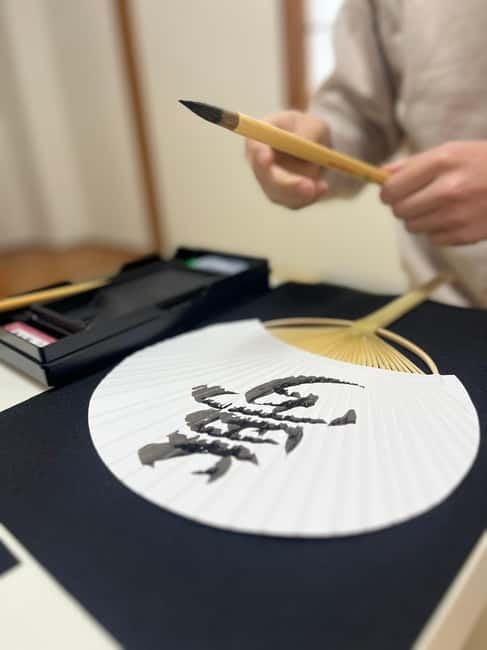
Shusuke is a certified Japanese calligraphy instructor with a 3rd Dan rank from the Japan Educational Calligraphy Federation and more than 10 years of teaching experience. He speaks Japanese natively, has advanced English, and knows beginner Korean. For an activity built around explaining word meanings and giving stroke-by-stroke advice, the English ability is a real practical advantage.
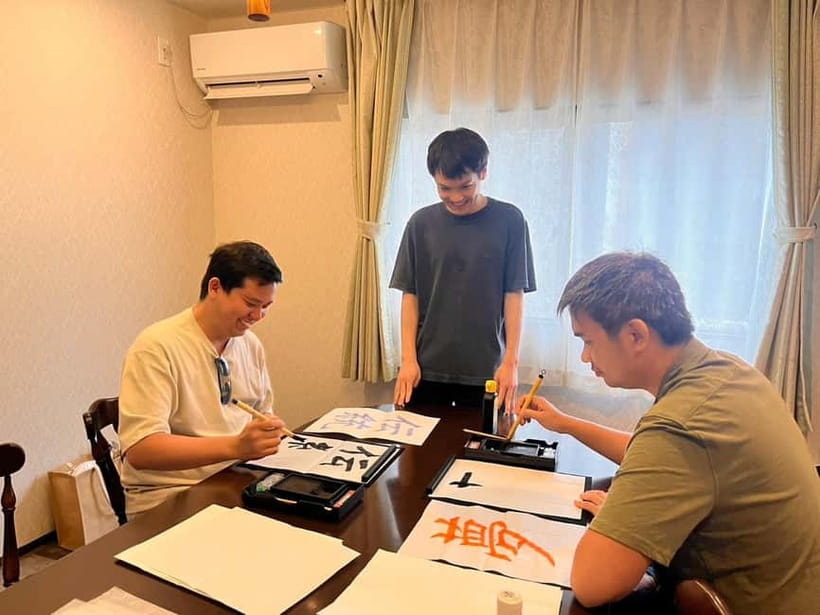
The group is limited to four participants. That creates a more personal setting than a big demonstration class, and it matters when everyone is working on a different word or moving at a different pace. You can ask questions and receive guidance without having to compete for the instructor’s attention.
The lesson takes place in a rental room in Asakusa. Depending on availability, it may be a Japanese-style tatami room or a Western-style room with a table and chairs. The exact room and meeting point are sent by email after reservation, so check that message carefully rather than assuming the class meets at a permanent studio.
One past participant found the private room calm and the meeting point easy to find, and praised Shusuke’s communication and help with questions. Those details fit the format: this is a quiet, focused activity, not a busy workshop with a crowd moving through. Shusuke has also travelled widely, including study abroad in the Philippines and Canada, and can share Japan travel tips if you have questions.
More hands-on workshops in Tokyo:
- Sushi Making Tokyo Roll and Authentic Japanese Sushi Class
★ 5.0 · 3,971 reviews - Tokyo: Roll and Authentic Sushi Making Class in Asakusa
★ 4.9 · 1,957 reviews - Tokyo Shinjuku Chopsticks Making Class
★ 5.0 · 1,763 reviews - Tokyo: Sushi Making Class in a Happi Coat near a Famous Spot
★ 4.9 · 1,377 reviews
What the One-Hour Schedule Means
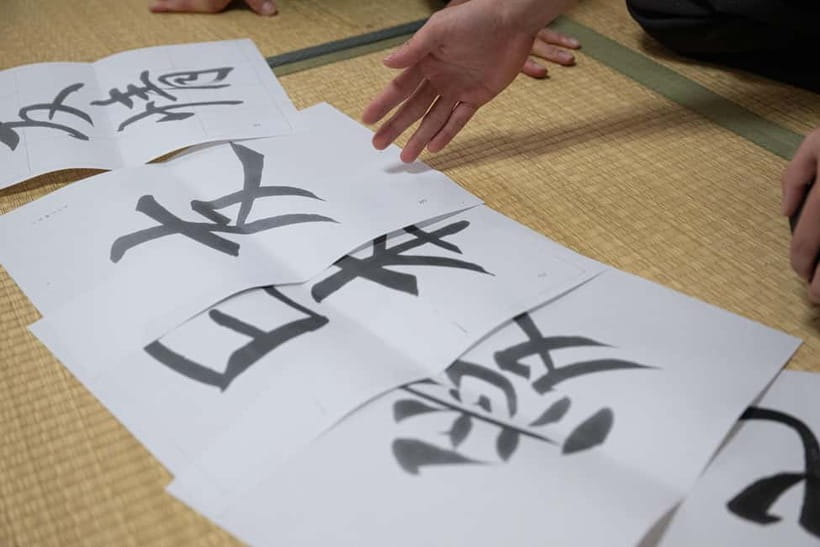
The hour is structured around four clear steps: selecting a word, practicing it, making the souvenir, and taking a commemorative photo. About 30 minutes are allocated to practice, leaving the rest of the time for choosing, instruction, transferring your writing, and finishing the session.
That pace keeps the activity manageable within a sightseeing day. You can fit it into a Tokyo itinerary without giving up half a day, though you will want to leave enough time to reach the Asakusa room. The exact start times vary, so check availability for your preferred date.
The short format also means it helps to focus. If you spend a long time choosing between words, you have less time to work through your strokes. Browse the samples with curiosity, but be ready to make a decision once you understand what the options mean.
The photo at the end is a small but welcome touch. It gives you a record of the finished work, especially useful if the souvenir is packed away during the rest of your trip. Photography is included, though the details do not specify how many photos you receive or how they are delivered.
Is $45 a Fair Price?
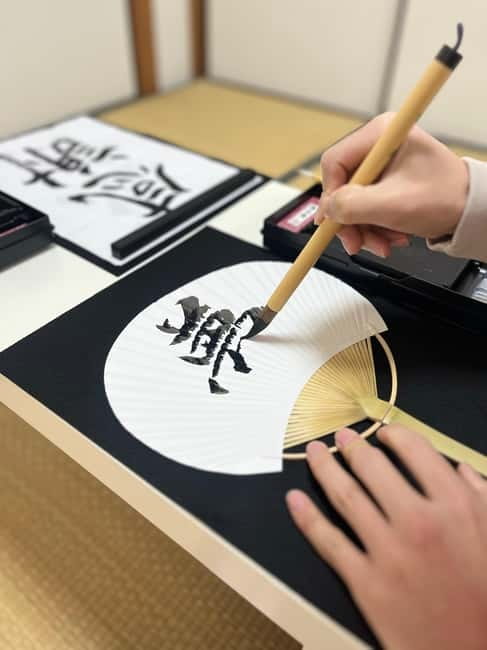
At $45 per person, the price covers more than a brief demonstration. You get an instructor-led lesson, explanations of sample words in English, 20 practice sheets, one finished souvenir in your choice of three formats, and a commemorative photo.
For a hands-on activity in a group of no more than four, that is a reasonable bundle. You are paying for guided practice and a personal keepsake, not simply access to materials. The value is strongest if you enjoy creative activities or want to understand the meaning behind the writing you take home.
It is less compelling if your only goal is to buy inexpensive calligraphy art, or if you want a long, technical course. This is a short introduction designed to help you make one personal piece. Keep that distinction in mind when comparing it with a museum visit, a longer workshop, or a shop-bought souvenir.
The reservation can be made with a pay-later option, and cancellation up to 24 hours in advance is eligible for a full refund. Those terms can help if your Tokyo schedule is still taking shape, but check the booking details for the exact conditions.
Who Will Enjoy This Lesson Most
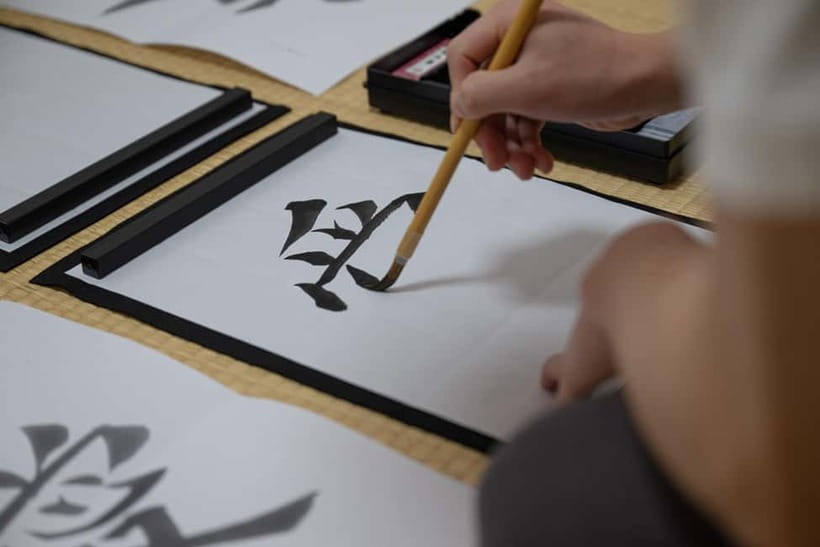
I’d recommend this class to you if you like learning by doing and want a souvenir with a story behind it. It suits couples, friends, solo visitors, and small family groups who are happy to spend an hour concentrating on one creative task. With only four places, it is especially suited to people who prefer a quieter class over a large group activity.
It can also work well for visitors curious about Japanese language and visual culture. You do not need to be fluent in Japanese, since the word meanings are explained in English. The class is also a good fit if you like the idea of choosing a phrase first and then making a physical object around it.
You may want to skip it if you prefer fast-paced sightseeing or want a deep technical study of calligraphy. One hour offers a clear introduction, but it cannot cover everything. And if you are particular about the room setup, remember that tatami or a Western-style table-and-chair room depends on availability.
Should You Book the Asakusa Calligraphy Class?
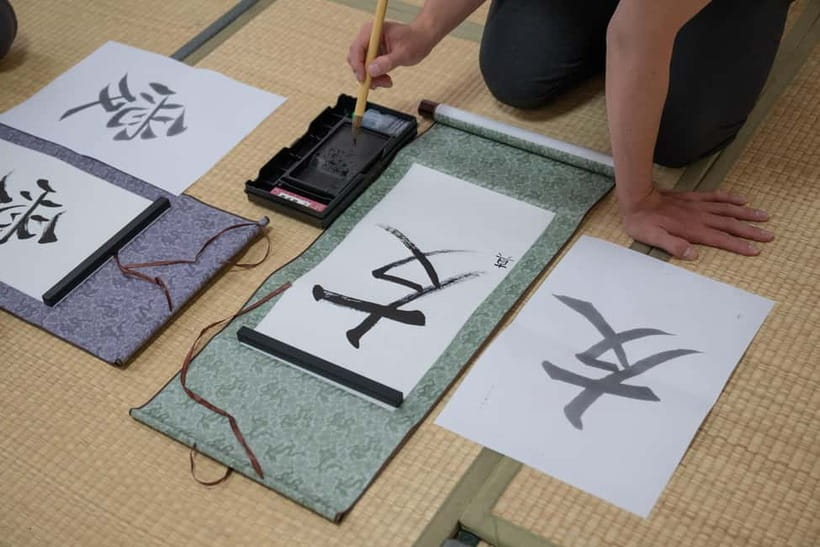
Book it if you want a calm, hands-on hour, personal instruction, and a keepsake you create yourself. The combination of English explanations, 20 practice sheets, and a maximum group size of four gives beginners a practical way into Japanese calligraphy without making the activity feel like a formal course.
Before reserving, think about which souvenir format appeals to you and allow time to check the emailed meeting details. If you want an authentic, personal memento rather than another purchased object, this is a worthwhile use of an hour in Tokyo.
FAQ
How long is the calligraphy lesson?
The activity lasts one hour. About 30 minutes are set aside for practicing your chosen word or phrase.
How much does the class cost?
The listed price is $45 per person.
Where does the class meet?
The lesson takes place in a rental room in Asakusa. The specific location and meeting point are sent by email after you make a reservation.
Will the room be Japanese-style?
It may be a tatami room or a Western-style room with a table and chairs, depending on availability.
What can I make during the lesson?
You can choose one souvenir: an uchiwa fan, a shikishi decorative board, or a kakemono hanging scroll.
Is the lesson taught in English?
Yes. The instructor teaches in English and Japanese, and sample word meanings are explained in English.
How many people can join?
The small group is limited to four participants.
What is included in the price?
The experience includes English explanations of word samples, step-by-step instruction, 20 sheets of hanshi practice paper, your choice of one souvenir, and a commemorative photo with your finished work.
Freshly reviewed in Tokyo
- Tokyo: Toshimaya Sake Brewery Tour with Sake Tasting★ 5.0 · 6 reviews
- :Tokyo,Shibuya /Meiji Shrine tour in KIMONO/English-friendly★ 5.0 · 4 reviews
- Tokyo: Tour Privado por Tokio en español★ 4.3 · 4 reviews
- Tokyo:Tea ceremony experience at Komaba Warakuan★ 4.8 · 9 reviews
- :Tokyo,Shibuya/ Pro Photography in Kimono / English-Friendly★ 5.0 · 26 reviews
- Tokyo:Samurai Training : Swords, Bushido & Mental Discipline★ 5.0 · 6 reviews
- Tokyo:Mt Fuji & Hakone Day Tour with English Speaking Driver★ 5.0 · 26 reviews
- Tokyo:Nikko UNESCO World Heritage Sites Private 1-Day Tour★ 3.8 · 6 reviews
Tokyo Calligraphy Workshops, compared.
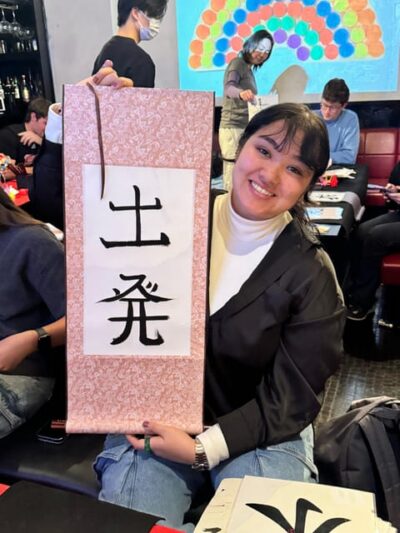
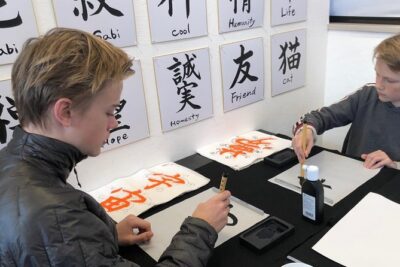
Let’s experience calligraphy in YANAKA, Taito-ku, TOKYO !!
Read our review →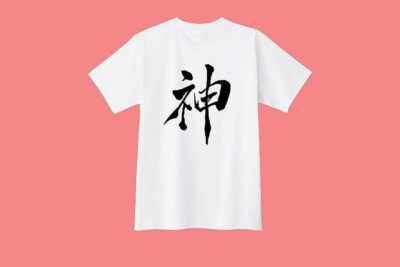
Calligraphy Workshop & Original T-Shirt Creation
Read our review →
Calligraphy &Make your original folding fan in Asakusa
Read our review →
Calligraphy Workshop Craft Your Own Art in Asakusa
Read our review →
Calligraphy & print your calligraphy on a T-shirt.
Read our review →Browse the lists this tour appears in