
Reviewed · AKIHABARA TOURS
Tokyo: Gameboy Mod Workshop at Akihabara
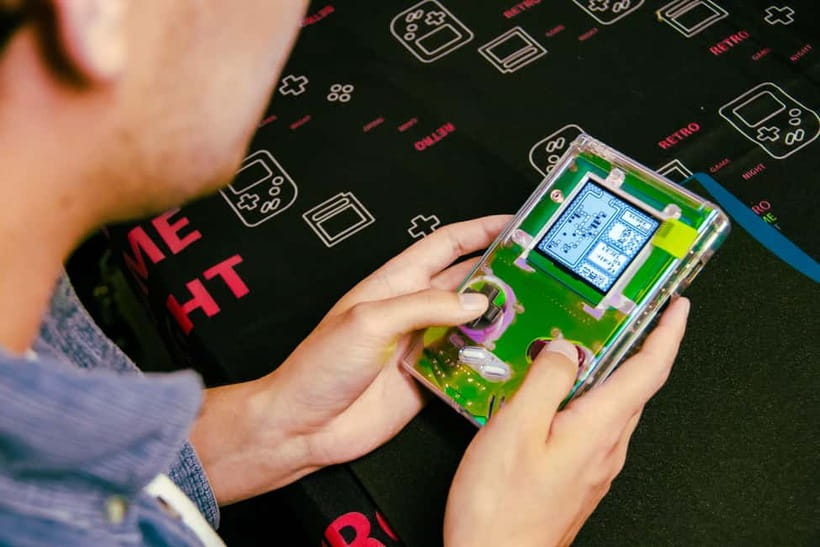
Akihabara is known for its gaming shops, but this two-hour workshop lets you go beyond browsing: you take apart and rebuild a Game Boy of your own. You choose the colors and parts, learn how the handheld fits into Nintendo’s story, and leave with a working console to play at home.
I like two things in particular: the small group, limited to four participants, means you can ask questions and get help as you work; and the finished Game Boy is a personal souvenir you can actually use, not just another collectible on a shelf. The instructors speak English and Japanese, and the workshop welcomes beginners as well as longtime fans.
The main consideration is the $360 per-person price. That is a substantial spend for two hours, so it makes the most sense if you value the hands-on build, the upgraded console, and the chance to personalize it. The workshop is on the second floor of the Wakita Building, with no elevator or escalator.
At a glance
- Build a DMG-01 Game Boy: Choose your case color, buttons, screen, and other parts, then take the console apart and put it back together.
- Get a short handheld-gaming lesson: The workshop introduces Game Boy history and the evolution of Nintendo’s handheld consoles.
- Work in a small group: There are no more than four participants, with instructors available to guide you through the process.
- Take home a working console: Your custom Game Boy is yours to keep and play after the workshop.
- Browse games afterward: A selection of retro games is available to try or buy, with some prices reported as lower than at other Akihabara shops.
- Plan for stairs: The workshop is upstairs in the Wakita Building and is not wheelchair accessible.
Start with Nintendo’s handheld story
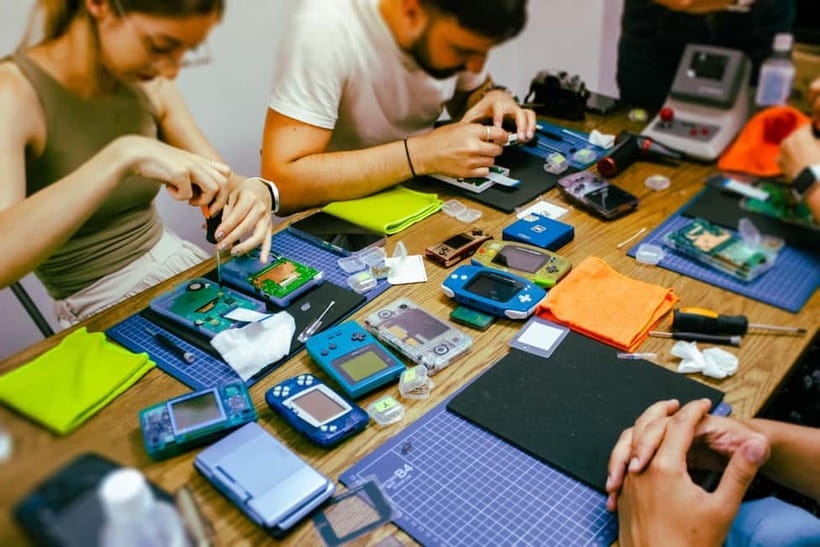
The workshop begins with a look at the Game Boy and other handheld consoles, giving you context before you pick up a screwdriver. You can expect an introduction to the system’s history and influence, with examples of different handhelds on hand for a closer look. It’s a useful start even if you already know your way around Nintendo games: the history gives the hardware you’re about to rebuild a little more meaning.
This is not a long lecture. The point is to help you understand what made the original Game Boy important, then connect that story to the device you’ll customize. If you arrive with questions about old consoles, this is a good time to ask. English and Japanese instruction is available, and the small group makes conversation feel natural rather than like a classroom.
The workshop is especially appealing if you grew up with a Game Boy and want more than a nostalgia hit. You get to handle the equipment, learn how the console developed, and then make a personal version of it. If you’re new to the system, you won’t need to study up in advance: the instructors explain the process and welcome beginners.
More Akihabara tours in Tokyo:
- Official Street Go-Kart Tour – Akihabara
★ 5.0 · 1,578 reviews - Tokyo Go Kart: Asakusa, Skytree, and Akihabara **IDP MUST**
★ 5.0 · 988 reviews - Akihabara Anime & Game Adventure Walking Tour (Group or Private)
★ 5.0 · 404 reviews
Choose colors and parts before the build
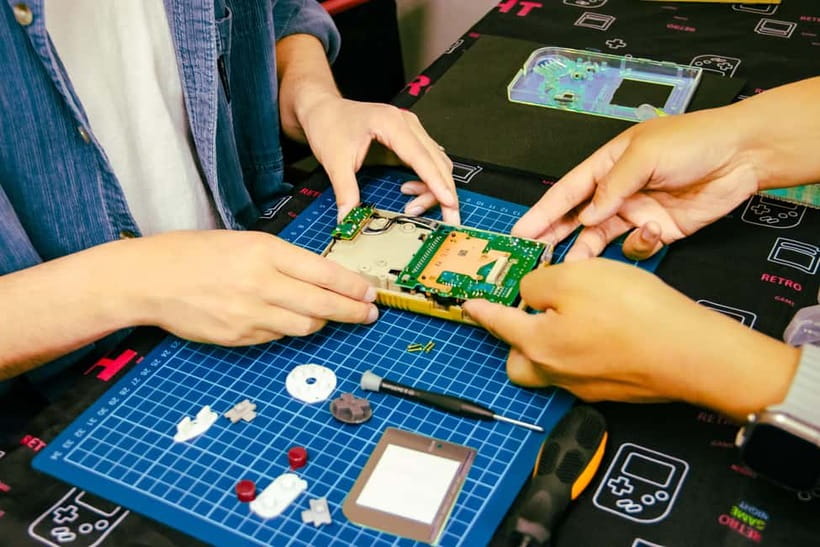
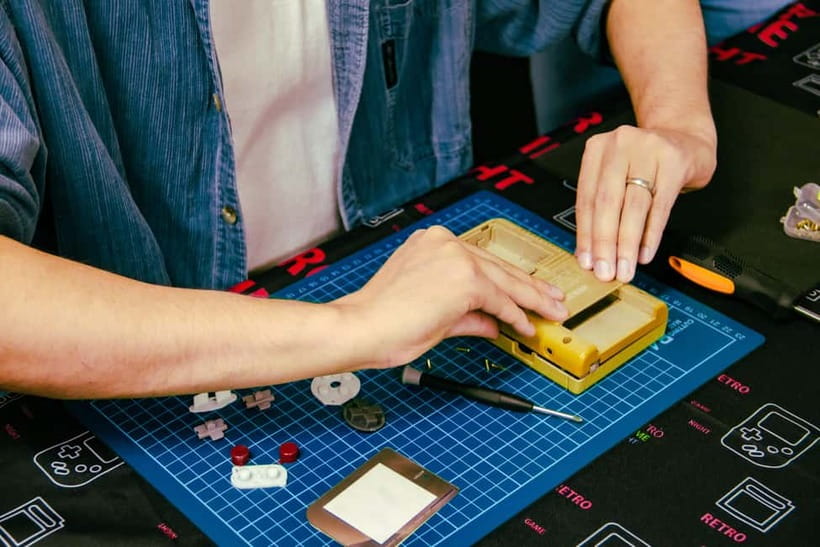
Next comes the creative part. You select a vintage DMG-01 Game Boy to customize, then choose from options for the case, buttons, screen, and other parts. The wide range of colors is a big part of the appeal. You can match a familiar look or combine colors for something less conventional.
Take your time choosing. One of the advantages of a four-person group is that the process isn’t described as a race, and participants have had time to consider different combinations. If you find decisions difficult, that breathing room helps. If you already have a design in mind, the selection gives you room to make it your own.
The parts are provided as part of the activity, along with guidance. That means you don’t need to source components or bring tools. The activity description includes changing the screen and buttons, so this is more than a cosmetic swap of the outer shell. The exact parts and options available may vary, but the aim is a personalized, functioning console.
Take the Game Boy apart, then put it back together
Once you’ve settled on your choices, you take apart the console and rebuild it with your selected parts. That hands-on work is the heart of the workshop. You’re not just watching someone modify a Game Boy for you; you get to participate, with the instructors there to explain each step and help if something catches you out.
You don’t need previous electronics experience. The process is guided, and the activity is designed for a range of skill levels. If you’re nervous about handling the parts, the instructors can help you through the tricky bits. If you’re already comfortable with electronics, you can ask questions and get into the details.
The process also gives the finished console a different value. You’ve chosen its look and helped assemble it, so it feels less like a shop purchase and more like a keepsake tied to something you did in Tokyo. For parents considering the workshop for a child, families have included children as young as 10 and 13. The activity is hands-on, though, so it suits a child who is interested in games and happy to follow instructions.
Check your finished console and look through the games
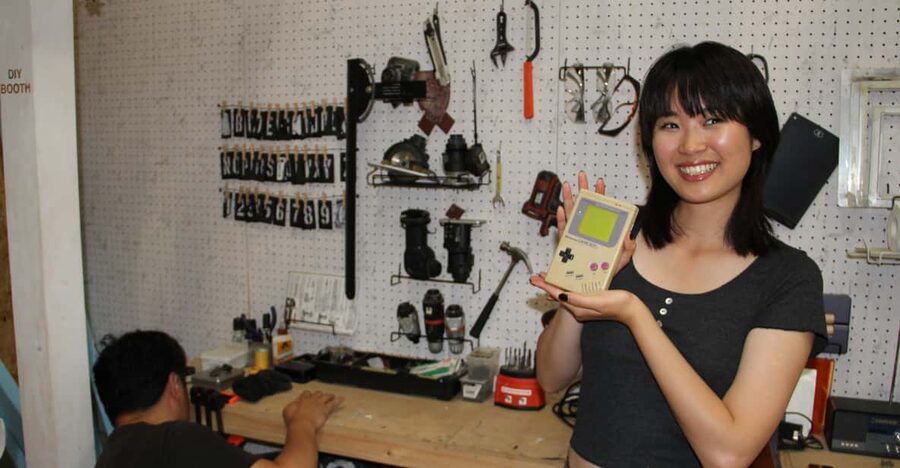
At the end, you leave with a working Game Boy that you can play. The console is the main takeaway, and it’s a practical one: you can take it home, add games, and keep using it. Some participants have also bought games at the workshop, where there is a selection of Japanese and international titles to browse.
Game purchases are separate from the $360 activity price, so budget extra if you hope to pick up a few classics. The game selection is a welcome convenience, especially if you’re already looking for titles in Akihabara. Some buyers have found prices better than those at other local shops, but prices and stock can change, so treat that as a possible bonus rather than a guarantee.
You may also get a chance to play or try games during the session. The emphasis, however, is the build itself, not an extended gaming session. If your main goal is to shop for retro games, the surrounding district offers other places to browse; this workshop is better understood as a craft activity with a collectible you can take home.
More hands-on workshops in Tokyo:
- Sushi Making Tokyo Roll and Authentic Japanese Sushi Class
★ 5.0 · 3,971 reviews - Tokyo: Roll and Authentic Sushi Making Class in Asakusa
★ 4.9 · 1,957 reviews - Tokyo Shinjuku Chopsticks Making Class
★ 5.0 · 1,763 reviews - Tokyo: Sushi Making Class in a Happi Coat near a Famous Spot
★ 4.9 · 1,377 reviews
What the $360 price buys you
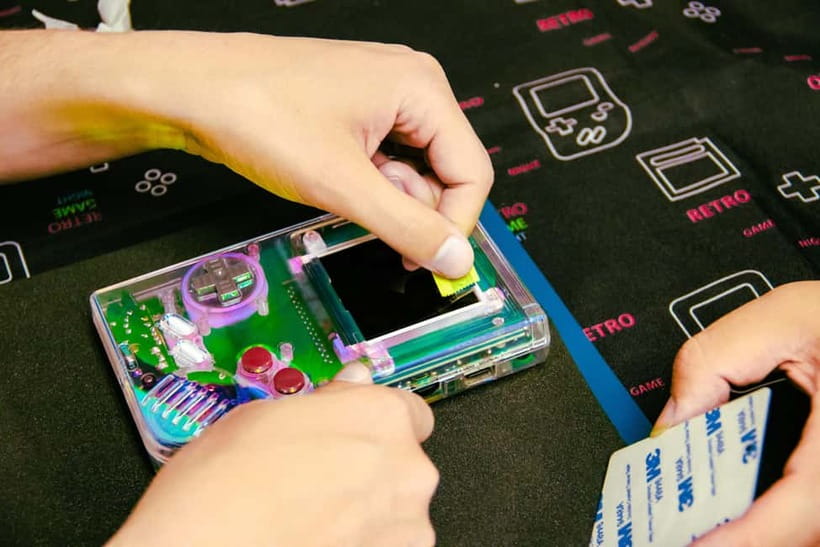
At $360 per person, this is a premium activity. You are paying for a two-hour, small-group workshop, the Game Boy and parts used in the build, an introduction to handheld gaming, and instructor support. That is a different proposition from buying a ready-made console, and it is worth comparing the price with the value you place on doing the work yourself.
I’d consider it good value if you’re a devoted Game Boy fan, interested in electronics, or looking for a memorable souvenir you’ll use. The finished device combines the keepsake and the activity, and the group size allows for individual help. The instructors’ enthusiasm is a key part of the experience: names associated with sessions include Gabi, Franz, Shio, and Ro, though staffing can vary.
For a casual gamer who simply wants a cheap way to play old titles, the price may be hard to justify. You’re not just buying a console, but the workshop, customization, and guidance. Still, if your schedule and budget allow, it can be a more personal use of two hours than another round of shopping.
Who will get the most from it
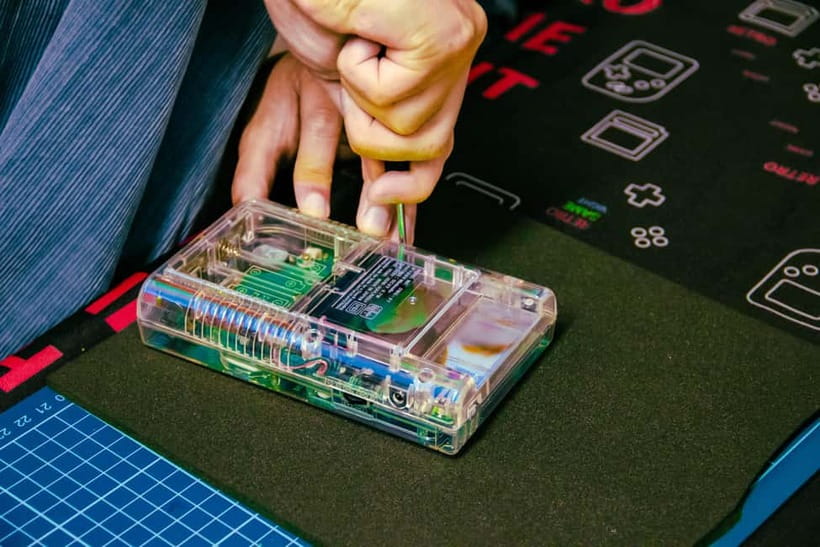
This is a natural fit for anyone with fond memories of Nintendo’s handhelds, especially people who enjoy both games and how devices work. It also suits design-minded visitors who like choosing colors and creating something personal. You don’t need technical experience, and the instructors can explain the steps as you go.
It can work well as a gift for a partner, teenager, or family member who loves retro gaming. The group stays small, and families have been able to attend together, including companions who weren’t building a console themselves. If you plan to bring someone who won’t participate, check the booking details for your session so you know who is included in the activity.
This may be less compelling if Game Boy nostalgia means little to you, or if you’d rather spend your budget on several hours of shopping and sightseeing. The experience is focused: a short history lesson, customization, assembly, and a finished device. That focus is a strength for fans, but it isn’t a general-purpose electronics class.
Getting there and planning your visit
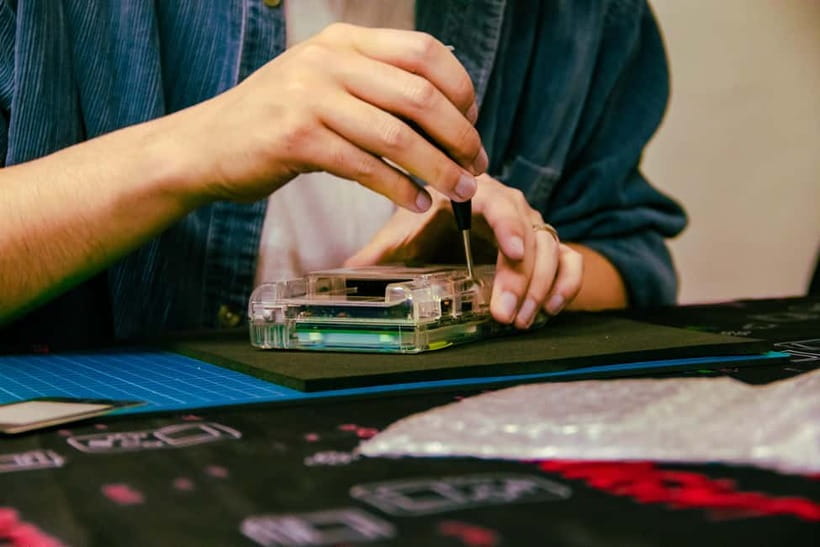
The workshop takes place on the second floor of the Wakita Building in Akihabara. Follow the address to the building, then expect to use the stairs: there is no elevator or escalator, so the venue is not wheelchair accessible. Allow a little time to locate the entrance, particularly if you have not visited the area before.
The activity lasts two hours, and starting times depend on availability. The group is limited to four participants, which keeps the session small but also means you’ll want to check dates that fit your plans. English and Japanese are the stated languages for instruction.
Booking offers some flexibility: you can reserve now and pay later, and cancel up to 24 hours in advance for a full refund. That is helpful when arranging a Tokyo itinerary, but check the exact terms when booking.
Should you book the Akihabara Game Boy workshop?
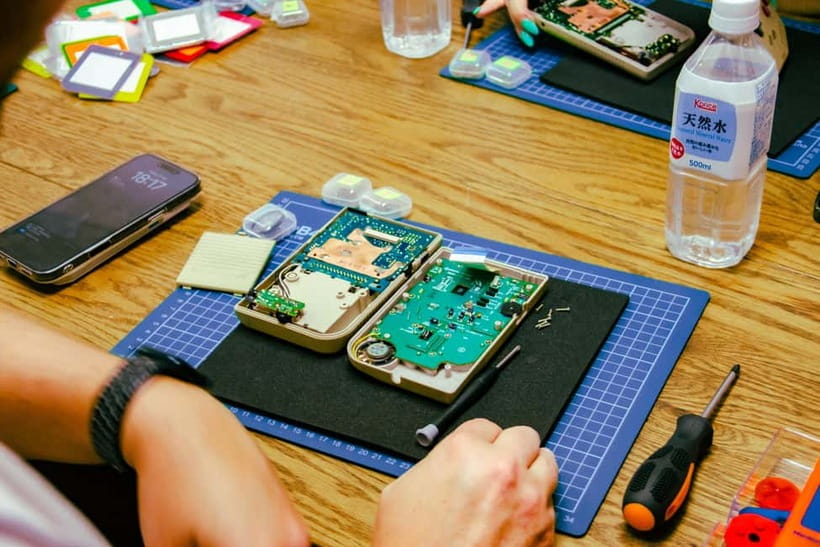
Book it if you love retro gaming, want to understand the Game Boy beyond the screen, or would like a souvenir you helped build. The small group, patient instruction, range of customization choices, and playable end result make the price easier to appreciate if those details matter to you.
Skip it if you’re mainly looking for a low-cost activity or a quick stop between shops. At $360, it’s a considered purchase, not an impulse add-on. For the right person, though, two hours of making a custom Game Boy can be one of the most memorable ways to spend time in Akihabara.
FAQ
How long does the workshop last?
The workshop lasts two hours. Check availability for the starting times offered during your visit.
How much does it cost?
The listed price is $360 per person. Game purchases, if you choose to buy any, are separate.
What do I build?
You customize and rebuild a vintage DMG-01 Game Boy, choosing colors and parts that can include the case, buttons, and screen.
Do I need electronics experience?
No prior experience is specified as a requirement. The instructors guide you through the process, and the activity is suitable for beginners.
What languages are available?
Instruction is available in English and Japanese.
How many people are in each group?
The group is limited to four participants.
Is the workshop wheelchair accessible?
No. The workshop is on the second floor of the Wakita Building, and there is no elevator or escalator.
Freshly reviewed in Tokyo
- Tokyo: Toshimaya Sake Brewery Tour with Sake Tasting★ 5.0 · 6 reviews
- :Tokyo,Shibuya /Meiji Shrine tour in KIMONO/English-friendly★ 5.0 · 4 reviews
- Tokyo: Tour Privado por Tokio en español★ 4.3 · 4 reviews
- Tokyo:Tea ceremony experience at Komaba Warakuan★ 4.8 · 9 reviews
- :Tokyo,Shibuya/ Pro Photography in Kimono / English-Friendly★ 5.0 · 26 reviews
- Tokyo:Samurai Training : Swords, Bushido & Mental Discipline★ 5.0 · 6 reviews
- Tokyo:Mt Fuji & Hakone Day Tour with English Speaking Driver★ 5.0 · 26 reviews
- Tokyo:Nikko UNESCO World Heritage Sites Private 1-Day Tour★ 3.8 · 6 reviews
Akihabara Tours, compared.
Tokyo Go Kart: Asakusa, Skytree, and Akihabara **IDP MUST**
Read our review →
Akihabara Anime & Game Adventure Walking Tour (Group or Private)
Read our review →
Akihabara Tailor-made Private Tour for Anime Fans
Read our review →
Ramen Making from Scratch +Akihabara Tour –Tokyo Cooking Class
Read our review →
Tokyo’s Must-Sees: 5-hour Tsukiji, Akihabara & Asakusa Tour
Read our review →
Tokyo Akihabara, Anime, Manga, Video Games & Maid Cafe Tour
Read our review →Browse the lists this tour appears in