
Reviewed · TOKYO GO-KART TOURS
Official Street Go-Kart Tour – Akihabara
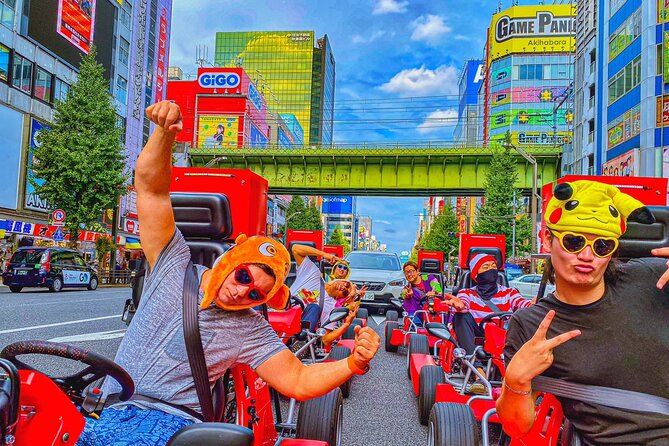
Akihabara is usually explored on foot, but this tour puts you behind the wheel of a small go-kart and sends you onto Tokyo’s streets. A guide leads the group past Tokyo Station and through Ginza before returning to the starting point. It is less a conventional sightseeing tour than a short, lively road adventure.
I like two things in particular: you cover several distinct parts of central Tokyo in a compact outing, and a guide handles the route so you can focus on driving. Guides including Sam, Khan, Billy and Julian have earned praise for clear directions, friendly help and taking photos along the way.
The trade-off is real: you drive in city traffic, not on a closed course. It can feel stressful at first, and the experience is only an option if you meet Japan’s strict license rules. Check those rules before booking, not on the day.
- You drive public roads: Expect a guided road tour, not a go-kart track.
- The route links three Tokyo names: Akihabara, Ginza and Tokyo Station feature in the ride.
- It lasts about 60 to 90 minutes: Several departure times are offered.
- The guide leads the group: The maximum group size is six travelers.
- Costumes are included, with limits: Mario and Nintendo-themed clothing or items are not allowed.
- Your documents matter: Bring a valid driving permit in the required format, your physical license where applicable, and your physical passport.
A road tour, not a go-kart track
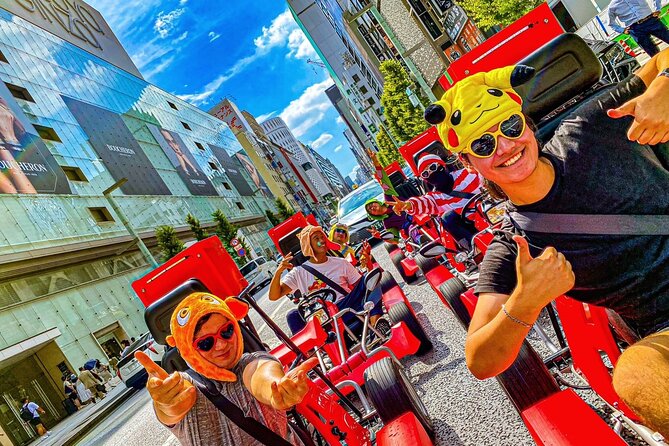
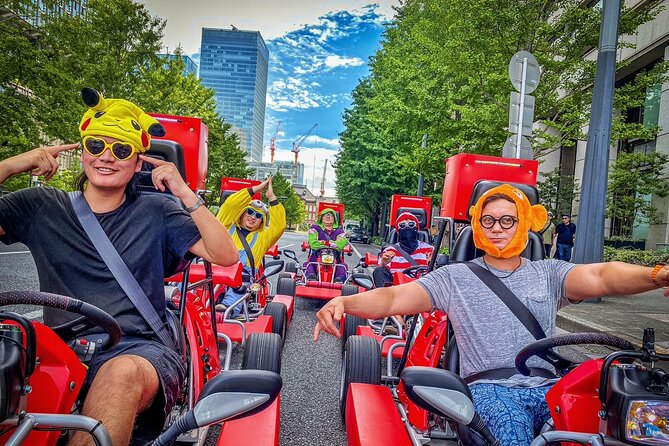
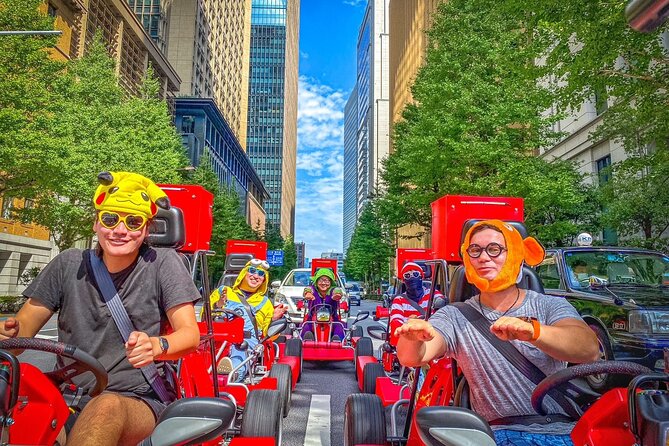
The central appeal is the unusual point of view. You are low to the road in a single-seat kart, moving through central Tokyo behind a guide. Cars, shopfronts and city landmarks pass at street level, and you get a quick look at several districts without planning a route or navigating on your own.
That is also what makes this different from a standard bus tour. You are actively driving, so you need to pay attention to the road and follow the guide’s directions. The reward is a memorable outing with a little adrenaline; the cost is that you cannot simply sit back and watch the city go by.
The tour is described as about one hour to one hour and 30 minutes. That range gives you a short activity rather than a half-day commitment, which can fit neatly between other Tokyo plans. It is a compact overview, though, not a substitute for time on foot in Akihabara, Ginza or around the station.
From Akihabara to Ginza and Tokyo Station
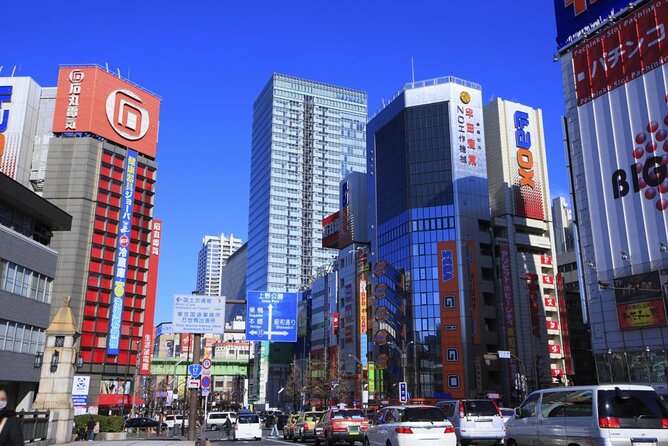
The starting point is in Sotokanda, Chiyoda City, close to Akihabara. From there, the route takes in three very different city scenes. The exact route and time spent at each point are not specified, so think of these as places you pass through or see on the drive, not guaranteed walking stops with time to explore.
Tokyo Station gives the tour a striking architectural reference point. Its Marunouchi Station building is known for its restored red-brick façade, a welcome contrast to the glass and steel that define much of central Tokyo. You can appreciate the building as part of the moving route, but do not expect a separate station visit or time to go inside.
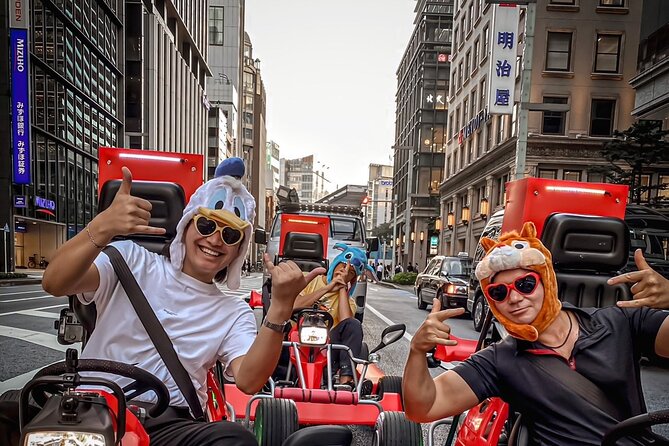
Ginza shifts the mood. It is known for upscale shopping, dining and entertainment, with department stores, boutiques, galleries, restaurants, cafés and nightclubs. A drive through the district offers a quick sense of its grand commercial streets and polished storefronts. If you want to shop or eat, plan to return independently; the ride is too brief to serve as a Ginza visit in itself.
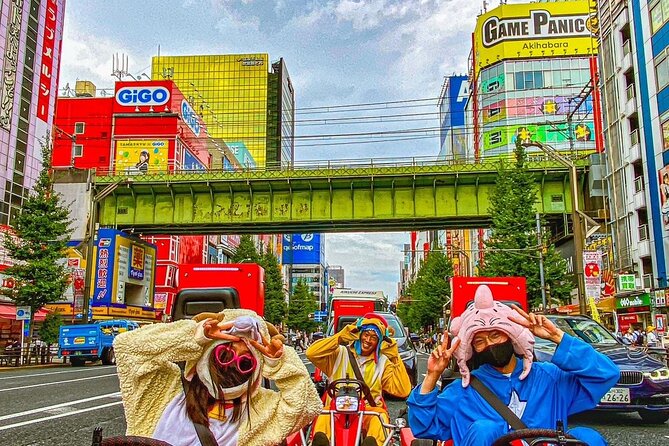
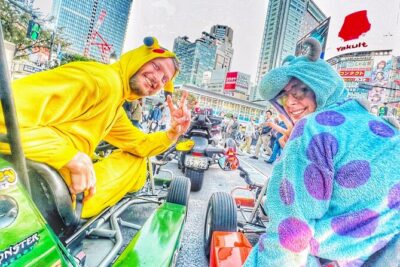
Akihabara is the tour’s home ground and its most distinctive setting. Known for anime, games and related pop culture, it gives the outing a fitting start and finish. The karts and costumes suit the district’s playful side, although the costume choice has an important restriction: Mario and Nintendo-themed outfits or accessories are prohibited because of copyright rules.
Seeing these places in one short ride is useful if you want a broad snapshot of central Tokyo. It is less useful if your priority is detailed history, quiet observation or time at a particular landmark. The guide leads the route, and the outing’s pace is built around driving.
More Akihabara tours in Tokyo:
- Tokyo Go Kart: Asakusa, Skytree, and Akihabara **IDP MUST**
★ 5.0 · 988 reviews - Akihabara Anime & Game Adventure Walking Tour (Group or Private)
★ 5.0 · 404 reviews - Tokyo: Gameboy Mod Workshop at Akihabara
★ 5.0 · 253 reviews
The guide sets the pace
You follow a lead guide in a kart, rather than driving independently or following a self-guided route. That matters in a city where getting lost would be the least of your concerns: traffic, turns and staying with the group all call for attention. Guides are also the main source of help during the ride.
Names praised by riders include Sam, Khan, Billy and Julian, among others. Specific accounts describe guides giving clear road instructions, helping nervous drivers settle in and sharing brief commentary at red lights. Some guides have also taken photos, so you can stay focused on driving instead of trying to use your phone. Treat photos as a possible bonus rather than a promised inclusion, since the formal inclusions list does not specify them.
Groups are capped at six travelers. That is small enough to keep the line of karts manageable, and it gives the guide fewer people to watch than a large bus tour would. If you are booking as a group, make one group booking rather than separate individual reservations: separate bookings do not guarantee that you will ride together.
What driving feels like
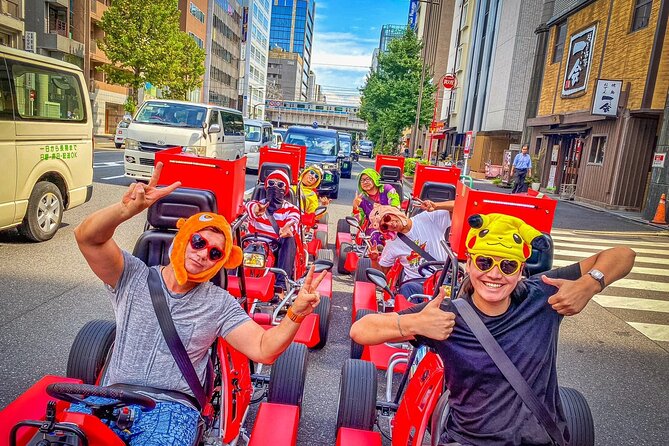
The first part may feel more nerve-racking than the costume and novelty suggest. You receive a safety briefing, then take the kart onto public roads. Some riders say the start felt stressful before they grew more comfortable; others describe the ride as an adrenaline rush. Both reactions make sense. This is a fun activity, but it asks you to drive in traffic and stay alert.
The guides’ clear instructions are a recurring strength, but they do not remove the need to be comfortable operating a vehicle on city streets. If you are an anxious driver, dislike traffic or want a calm sightseeing experience, this may not be the right fit. If you enjoy an unusual challenge and can follow directions, the driving itself is a large part of the appeal.
Night departures are especially popular with people who want to see Tokyo’s illuminated streets. Some riders recommend going at night for the city lights and, in their experience, lighter traffic. Conditions can vary, so do not count on a particular traffic level. Choose a departure time that suits your schedule and your comfort behind the wheel.
Cost, inclusions and what is extra
At $61.02 per person, the listed price covers the kart, costume rental, fuel surcharge, lead guide and applicable taxes and fees. For a guided activity that combines equipment rental and a city route, that is a reasonable price if you value the novelty and the chance to drive. It is not a low-cost way to see Tokyo’s landmarks if your main goal is simply sightseeing; public transport and walking will serve that purpose more efficiently.
Full-coverage insurance is not included. The listed price for it is ¥1,000 per person. Food, drinks and hotel transport are also excluded. The tour starts and ends at the same meeting point, so arrange your own way there and back.
Several departure times make it easier to fit the ride into a day, but the tour’s short duration does not mean you can arrive late without risk. The meeting address is 4-chōme 12-9, Hulic Akihabara Building, Sotokanda, Chiyoda City, Tokyo. Double-check the exact meeting point and allow time to reach it. A rider once arrived at the wrong location after confusing two meeting spots, so do not rely on a similar-sounding address.
More go-kart rides in Tokyo:
- Flagship 2-Hours Official Street Go-Kart Tour – Tokyo Bay Shop
★ 5.0 · 4,974 reviews - Official Street Go-Kart in Shibuya
★ 5.0 · 3,435 reviews - Tokyo: Street Kart Experience in Shibuya
★ 4.9 · 1,484 reviews - Shibuya Official Street Go-Kart in Shibuya Annex
★ 5.0 · 972 reviews
The driving-permit rule is essential
You cannot use only your home-country driver’s license. Most participants need an International Driving Permit issued under the 1949 Geneva Convention by an authorized organization in their country. A permit in another format may not be accepted.
There are exceptions for licenses issued in Switzerland, Germany, France, Taiwan, Belgium and Monaco. Drivers from those places must bring their physical domestic license and an official Japanese translation from the Japan Automobile Federation, or JAF. Licenses from countries not covered by the 1949 Geneva Convention, including China, Indonesia, Mexico, Qatar and Saudi Arabia, are not accepted for this activity in Japan.
Bring the physical permit or required license and translation, plus your physical passport. Do not assume a digital copy will do. The minimum age is 18, and every participant must be an eligible driver. There are no passenger seats for children or adults who do not drive.
Wear closed footwear. Skirts and long dresses are not advised for operating the karts. If you have any level of hearing or mobility impairment, you must inform the operator. The listed physical demand is moderate, so consider whether driving and getting into a kart will suit you.
Who will get the most from this ride
This tour makes the most sense for adults who have the correct documents, are comfortable driving in traffic and want a story to tell beyond another city viewpoint. It can be a fun choice for a couple, friends or a family with adult drivers. One family described the ride as a highlight for a daughter celebrating her 21st birthday, but this is not an activity for children or non-drivers.
It also suits repeat visitors who already know Tokyo’s major sights and want a different way to spend an hour. For a first visit, it can introduce several central districts quickly, but it will not explain them in depth. Pair it with time on foot if you want to browse Akihabara’s shops or spend an evening in Ginza.
If you are booking with others, make sure everyone meets the license requirements before reserving. The tour’s maximum group size is six, and separate individual bookings may not be grouped together. Confirmation is provided within 48 hours, subject to availability.
Weather matters. The activity requires good weather, and poor conditions can lead to a different date or a full refund. You can cancel for a full refund up to 24 hours before the start time; later cancellations are not refunded.
Should you book it?
Book this if you have the right permit, enjoy driving and want an energetic way to connect Akihabara, Ginza and Tokyo Station. The small group, guide-led route and included kart and costume rental make the price easier to justify, especially if the ride itself is the point.
Skip it if you want a relaxed sightseeing tour, need a passenger seat, cannot meet Japan’s permit rules or would rather avoid public-road traffic. Before paying, verify your documents, check the meeting address and decide whether a daytime ride or the city lights of an evening departure better suit you. Those three checks will tell you more than the costume rack will.
FAQ
How long is the tour?
The ride lasts approximately one hour to one hour and 30 minutes.
Where does the tour start and end?
It starts at the listed meeting point in Sotokanda, Chiyoda City, and ends back at that same meeting point.
What places are included in the route?
The route includes Akihabara, Ginza and Tokyo Station. The tour information does not specify separate walking time at each location.
What driving documents do I need?
Most participants need a physical International Driving Permit issued under the 1949 Geneva Convention, along with a physical passport. Drivers with licenses from Switzerland, Germany, France, Taiwan, Belgium or Monaco need their physical domestic license and an official Japanese translation from JAF instead.
Can I drive with only my home-country license?
No. A home-country license alone is not enough. Licenses from countries not covered by the 1949 Geneva Convention are not accepted for driving on this tour in Japan.
Can children or non-drivers ride along?
No. The karts are single-seaters, all participants must be at least 18, and each participant must hold a valid license accepted for driving in Japan.
Are costumes included, and can I wear a Mario outfit?
Costume rental is included, but Mario and Nintendo-themed costumes, clothing and items are prohibited because of copyright restrictions.
Is insurance included in the price?
Full-coverage insurance is not included. It is listed as an optional extra costing ¥1,000 per person.
Freshly reviewed in Tokyo
- Tokyo: Toshimaya Sake Brewery Tour with Sake Tasting★ 5.0 · 6 reviews
- :Tokyo,Shibuya /Meiji Shrine tour in KIMONO/English-friendly★ 5.0 · 4 reviews
- Tokyo: Tour Privado por Tokio en español★ 4.3 · 4 reviews
- Tokyo:Tea ceremony experience at Komaba Warakuan★ 4.8 · 9 reviews
- :Tokyo,Shibuya/ Pro Photography in Kimono / English-Friendly★ 5.0 · 26 reviews
- Tokyo:Samurai Training : Swords, Bushido & Mental Discipline★ 5.0 · 6 reviews
- Tokyo:Mt Fuji & Hakone Day Tour with English Speaking Driver★ 5.0 · 26 reviews
- Tokyo:Nikko UNESCO World Heritage Sites Private 1-Day Tour★ 3.8 · 6 reviews
Tokyo Go-Kart Tours, compared.
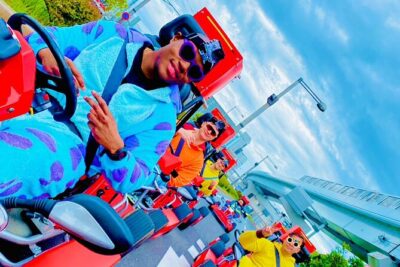
Flagship 2-Hours Official Street Go-Kart Tour – Tokyo Bay Shop
Read our review →
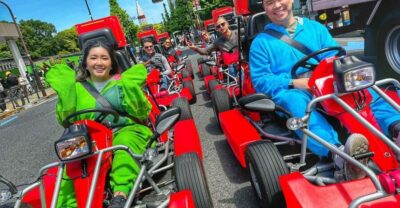
Tokyo Go Kart: Asakusa, Skytree, and Akihabara **IDP MUST**
Read our review →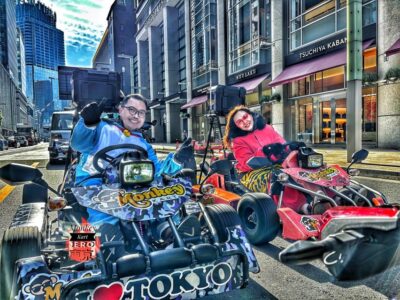
Asakusa, Skytree & Akhihabara Go-Kart City Experience
Read our review →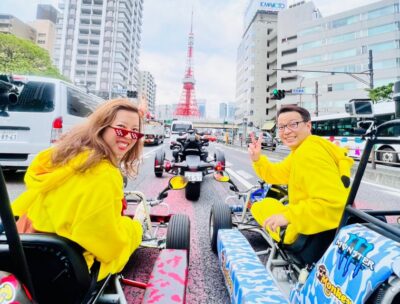
Premium Go-Kart Tour with Tower & Shibuya Crossing
Read our review →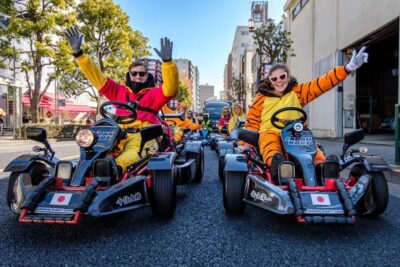
Best Go Kart Experience in Shibuya Crossing with Iconic Photos
Read our review →Browse the lists this tour appears in