
Reviewed · TOKYO COOKING CLASSES
Small-Group Wagyu Beef and 7 Japanese Dishes Tokyo Cooking Class
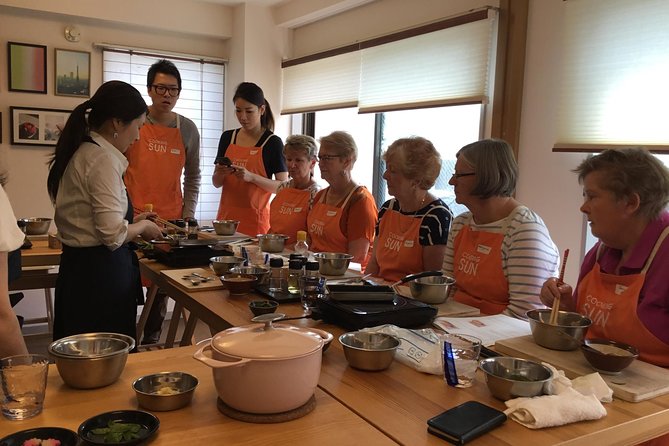
Wagyu is the headliner, but the real lesson begins with dashi, the stock that gives many Japanese dishes their savory backbone. In this three-hour class, you’ll make a meal of seven dishes, then eat what you’ve prepared with green tea and, according to the activity description, sake.
I like two things in particular: the maximum group size of eight gives you room to take part, and the instructors explain ingredients and techniques in English so you can try the recipes at home. The meal also reaches beyond one showy beef dish, introducing the seasonings and everyday cooking that make a Japanese menu work.
One caution: the Shinanomachi meeting point can be hard to locate, so plan extra time to find the building. And while the class is hands-on, you may do more chopping and mixing than cooking over heat, since some components are prepared by the staff.
- Dashi comes first: Learn to make the stock used in many Japanese dishes, then see how it works in the meal.
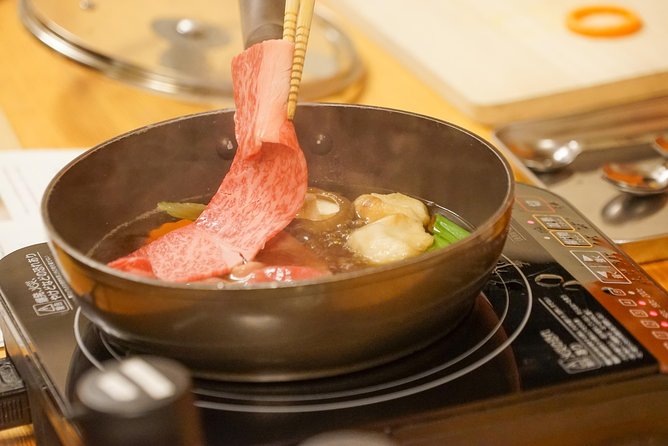
- Wagyu is the main course: Prepare tender Japanese beef, including sukiyaki in some classes.
- Seven dishes make a full meal: Expect a mix of recipes, ingredients, and food presentation rather than a single cooking demo.
- You get a small-group lesson: The class is capped at eight, with English-speaking local instructors.
- Useful gear is supplied: Ingredients, recipes, an apron, and a towel are included.
- Allow time to find the studio: The meeting point is in Shinanomachi, and the building can be tricky to spot.
A morning lesson that starts with dashi
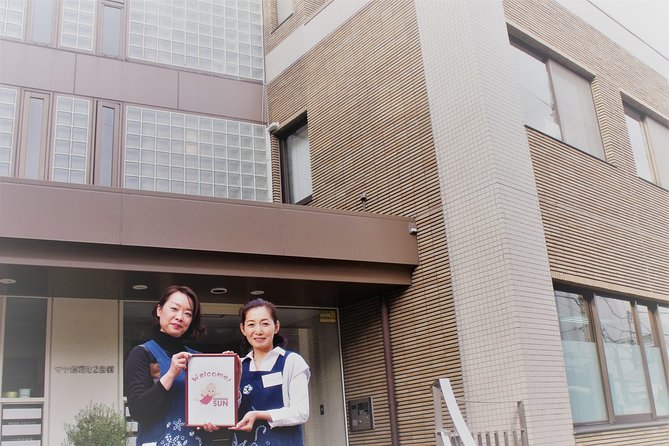
The class begins at 9:30 am at Cooking Sun Tokyo, at 18-39 Shinanomachi in Shinjuku City. The activity lasts about three hours and ends back at the meeting point. It is a practical way to spend a Tokyo morning: you learn by making lunch, rather than watching someone else cook it.
The first lesson is dashi, a foundational Japanese stock. Starting here is useful because it gives you a simple way to understand why soups and sauces can taste deep and savory without relying on long lists of ingredients. Your instructor also introduces common seasonings, so you can begin to recognize the flavors and methods behind the dishes you make.
The class is taught in English by local instructors. Aya, Hidemi, Kaori, Megumi, and Yoko are among the instructors named by people who have taken the class. You won’t necessarily have a particular instructor, but the format is intended to be friendly and approachable, with explanations as you work.
The small cap matters. With no more than eight people, you are not meant to spend the morning at the back of a crowd watching a chef perform. You can ask questions and get feedback, though the exact amount of individual instruction will depend on the group and the recipes of the day.
Seven dishes, from stock to Wagyu
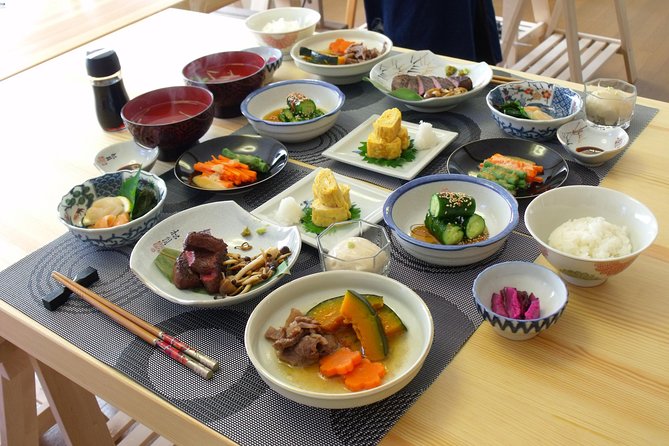
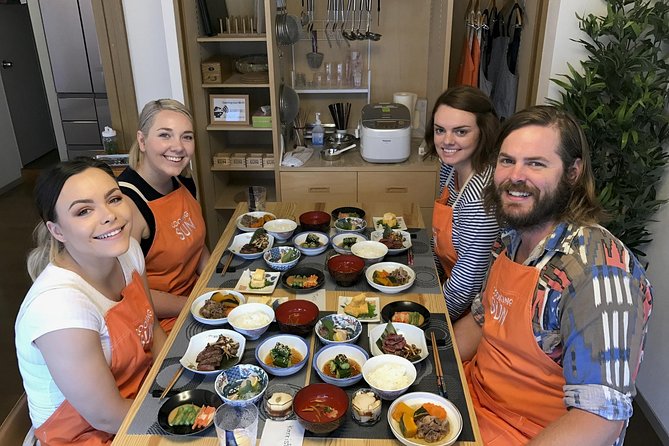
After dashi, you move on to a seven-dish menu that may include appetizers, a main course, and dessert. The class works with Japanese vegetables, traditional seasonings, and different approaches to preparation and presentation. The exact menu is not specified, so think of the dishes as a broad introduction rather than a fixed list you can count on.
Wagyu is the main event. The word combines wa, meaning Japanese, and gyu, meaning beef. You’ll prepare it as part of a full-course meal, and sukiyaki, a beef dish, is a favorite example from classes. The chance to cook with Wagyu gives this class a memorable centerpiece, but it’s also useful to see how the meat fits into a meal rather than treating it as a restaurant splurge on its own.
There may be other familiar home-style dishes on the menu. Past classes have included miso soup, rice, potatoes, cucumber salad, and lotus root filled with minced chicken. Some participants have also made ramen, but the available information does not establish that ramen is part of every session. Ask about the current menu if a particular dish is important to you.
The varied recipes are part of the class’s appeal. You are not simply learning one Wagyu preparation: you get an introduction to a range of ingredients, cutting techniques, dressings, and ways to arrange food. The goal is to leave with a set of recipes and methods you can adapt in your own kitchen.
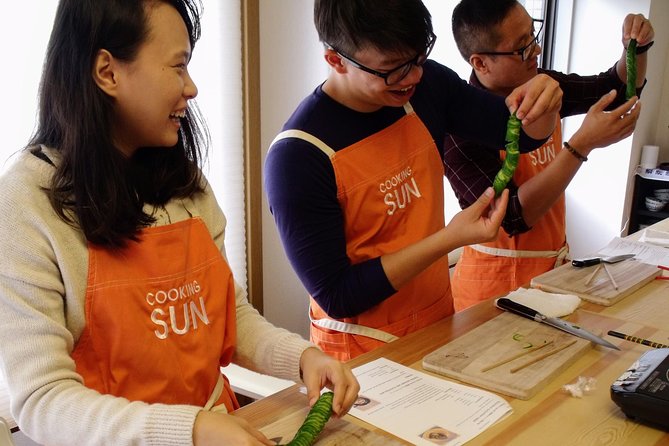
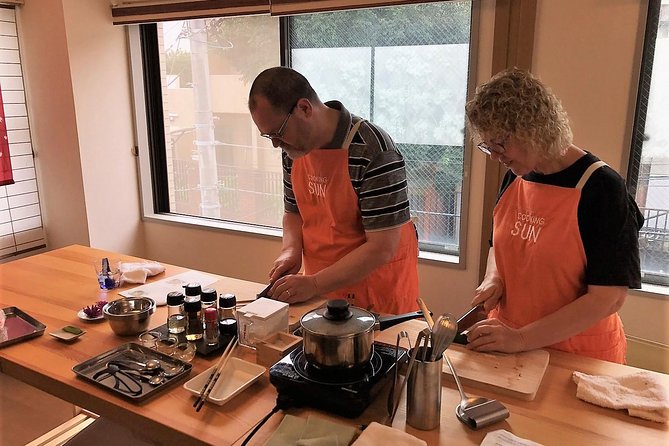
There is a useful qualification to the phrase hands-on. You will take part, but not every component is prepared from scratch in front of you. Some food, such as rice, miso soup, or potatoes, may be handled by the staff, while you focus on chopping, mixing, preparing an egg, or other assigned tasks. If you want every dish to involve extended cooking at the stove, this may feel less active than expected. If you want to learn a broad menu at a steady pace, that division of work helps fit a lot into three hours.
More cooking classes in Tokyo:
- Sushi Making Tokyo Roll and Authentic Japanese Sushi Class
★ 5.0 · 3,971 reviews - Tokyo: Roll and Authentic Sushi Making Class in Asakusa
★ 4.9 · 1,957 reviews - Tokyo Shinjuku Chopsticks Making Class
★ 5.0 · 1,763 reviews
From the cutting board to lunch
The pace is brisk enough to cover several dishes, but the class is designed to make the steps manageable for beginners. Instructors explain recipes as you go and offer guidance on technique. You don’t need to arrive with Japanese cooking experience, and the class is suitable for a range of skill levels.
A detail worth noticing is the attention to presentation and cutting. Japanese food is often shaped and arranged with care, and this class introduces some of those habits alongside basic cooking. You may not master every technique in one morning, but you’ll get a clearer idea of how small choices in cutting and plating contribute to a finished meal.
When cooking is done, everyone sits down to eat. That shared meal is more than a convenient finish: it lets you taste how the dishes work together, compare textures and seasonings, and ask questions while the food is in front of you. The meal is described as accompanied by sake and green tea, though one class participant hoped for a small cup of sake. If a drink is an important part of your decision, confirm what is included before booking.
The class has a relaxed, homey feel rather than the formality of a restaurant kitchen. That suits the subject. You are learning how to prepare Japanese dishes at home, not training for a professional service. The recipes and instructor tips are part of the value, especially if you want to recreate a dish after your trip.
What the $72.96 price gets you
At $72.96 per person, this is a fairly direct exchange: a three-hour class, ingredients, a local instructor, recipes, apron and towel rental, and a multi-dish meal. The number of recipes is a strong point. You’re not paying only for a Wagyu tasting; you’re getting a structured introduction to several parts of Japanese cooking.
The value depends on what you want from the morning. If your priority is a large amount of independent stove time, you may find that some preparation is done for you. If you value instruction, ingredient context, and tasting a full meal you helped make, the mix of cooking and explanation makes good use of the time.
The small group is another part of the price. A class capped at eight can offer more room for questions than a larger demonstration, and the instructors are there to help rather than simply present recipes. It is also an easy activity to share with family or friends, since no one needs to be an experienced cook to take part.
Hotel pickup and drop-off are not included. You’ll need to make your own way to Shinanomachi, and the building can be difficult to find. Check the address and route before setting out, and give yourself a little extra time instead of aiming to arrive at the last minute.
Finding the studio and preparing to go
The meeting point is Cooking Sun Tokyo, 18-39 Shinanomachi, Shinjuku City, Tokyo 160-0016. The class ends at the same address. It is near public transportation, but the supplied details do not name a specific station or walking time, so check your route using the exact address before leaving.
The location may be easier for some people than others. One useful tip is to follow a map closely; the surrounding area has been described as quiet and leafy, with a park nearby. Still, don’t assume the studio will be obvious from the street. If you are taking a taxi, have the full address ready.
You don’t need to bring cooking supplies. The class provides ingredients, recipes, an apron, and a towel. English instruction is available, and you should tell the provider at booking if you need the vegetarian option or have other dietary requirements. The activity information does not spell out exactly how every dietary need is handled, so describe your requirements clearly rather than waiting until class begins.
The class starts at 9:30 am. At about three hours, it takes up a morning and finishes with lunch, leaving the rest of the day open. It could be a good early-trip activity if you want useful food context before exploring Tokyo’s restaurants, or a fitting final-day experience if you want recipes to take home.
More hands-on workshops in Tokyo:
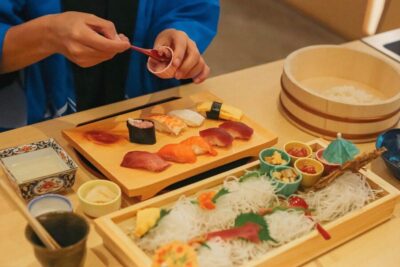
- Tokyo: Sushi Making Class in a Happi Coat near a Famous Spot
★ 4.9 · 1,377 reviews - Chopstick Making Workshop in Ginza
★ 4.8 · 1,366 reviews - Tokyo Sushi Making Class in Tsukiji with Professional Chef
★ 5.0 · 1,177 reviews - Ramen & Gyoza Cooking Class in Tokyo with Local Supermarket Visit
★ 5.0 · 823 reviews
Who will enjoy this class most
This class is a good fit if you are curious about Japanese food beyond restaurant menus. You’ll learn about dashi, seasonings, vegetables, and preparation methods, then put them to work across a meal. It also suits beginners, since the instructors explain each step and the group is small.
Families and couples can use it as a shared activity, while solo participants have a chance to cook and eat with a small group. It is especially worthwhile if you like bringing home practical skills from a trip. The recipes make the class more useful than a one-off tasting, and the meal gives you a chance to enjoy the results right away.
It may be less suitable if you want a specialized Wagyu masterclass or an entirely from-scratch, stove-heavy session. Wagyu is a key dish, but the focus is broader Japanese cooking. And because some ingredients may be prepared by the staff, the class is not a promise that you’ll personally cook every part of all seven dishes.
Should you book the Tokyo cooking class?
I’d book this if you want a friendly, practical introduction to Japanese home cooking, with Wagyu as part of a larger meal. The small group, English instruction, recipes, and chance to sit down to lunch make it a strong value for someone who wants to learn as well as eat.
Look elsewhere if your main goal is an intensive, chef-level lesson focused only on Wagyu, or if you expect to prepare every component from scratch. For most curious cooks, though, the balance of dashi, multiple dishes, instructor guidance, and a meal at the end makes this a worthwhile Tokyo morning. Check the route in advance, and share any dietary needs when you book.
FAQ
How long is the cooking class?
The class lasts about three hours.
What time does the class start?
The start time is 9:30 am.
Where does the class meet?
It meets at Cooking Sun Tokyo, 18-39 Shinanomachi, Shinjuku City, Tokyo 160-0016. The activity ends at the same meeting point.
How many people are in the class?
The class has a maximum of eight participants.
What food will I cook?
You’ll prepare seven dishes, including a main dish featuring Wagyu beef. The class begins with dashi, and the specific menu may vary.
Are ingredients and cooking supplies included?
Yes. Ingredients, recipes, an apron, and a towel are included.
Is the class taught in English?
Yes. Instructions are in English, and the instructors are local English-speaking cooks.
Can I request a vegetarian option or share dietary requirements?
A vegetarian option is available. You should advise the provider when booking if you need it or have other dietary requirements.
Freshly reviewed in Tokyo
- Tokyo: Toshimaya Sake Brewery Tour with Sake Tasting★ 5.0 · 6 reviews
- :Tokyo,Shibuya /Meiji Shrine tour in KIMONO/English-friendly★ 5.0 · 4 reviews
- Tokyo: Tour Privado por Tokio en español★ 4.3 · 4 reviews
- Tokyo:Tea ceremony experience at Komaba Warakuan★ 4.8 · 9 reviews
- :Tokyo,Shibuya/ Pro Photography in Kimono / English-Friendly★ 5.0 · 26 reviews
- Tokyo:Samurai Training : Swords, Bushido & Mental Discipline★ 5.0 · 6 reviews
- Tokyo:Mt Fuji & Hakone Day Tour with English Speaking Driver★ 5.0 · 26 reviews
- Tokyo:Nikko UNESCO World Heritage Sites Private 1-Day Tour★ 3.8 · 6 reviews
Tokyo Cooking Classes, compared.
Sushi Making Tokyo Roll and Authentic Japanese Sushi Class
Read our review →
Roll and Authentic Sushi Making Class in Asakusa
Read our review →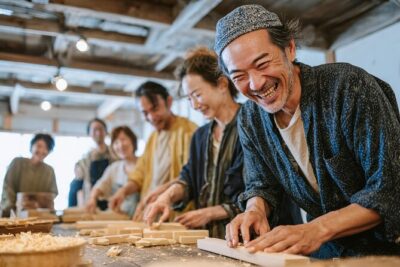
Sushi Making Class in a Happi Coat near a Famous Spot
Read our review →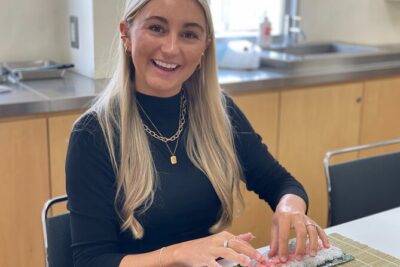
Tokyo Sushi Making Class in Tsukiji with Professional Chef
Read our review →
Ramen & Gyoza Cooking Class in Tokyo with Local Supermarket Visit
Read our review →
Tsukiji Fish Market Guided Tour and Sushi Making with Pro Chef
Read our review →
Matcha Making Class in Tokyo with Authentic Japanese Sweets Set
Read our review →Browse the lists this tour appears in