
Reviewed · TOKYO SUMO EXPERIENCES
Experience the Sumo World in Tokyo
A morning at a working sumo stable offers something more revealing than a polished performance: you watch wrestlers train, close enough to see the power, effort and tactics behind the sport. Afterward, there’s a chance to try pushing a wrestler yourself, take photos and share a meal.
I like two things especially: guides such as Ryoko and Tomer explain sumo history and terminology along the train ride, and the stable visit gives you a front-row view of real practice. The main consideration is the early start and the need to follow meeting instructions closely. The tour begins at 7:45 am, and a communication mix-up could cost you part of the training.
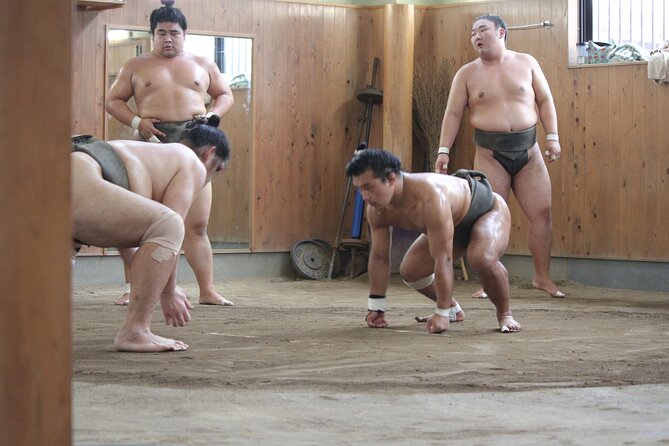
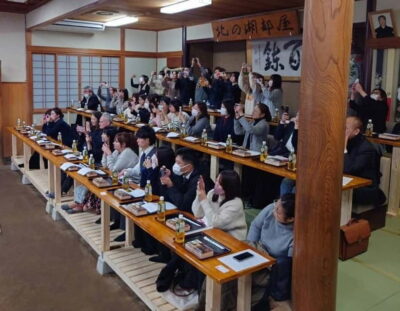
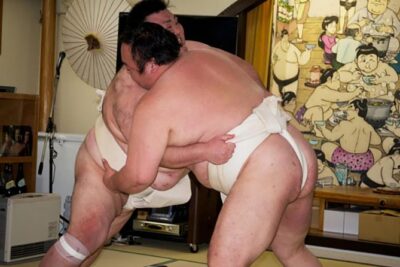
- Training at Asahiyama stable: Watch sumo wrestlers practice from chairs near the training area.
- A chance to test your strength: After practice, you can try pushing a wrestler and take photos.
- Two train rides from Ueno: The journey to the stable includes transfers at Matsudo and Kunugiyama.
- Chanko nabe lunch: The meal is included, with vegetarian service available if you request it at least three days ahead.
- A small-group format: The tour has a maximum of 26 participants, though the group may be smaller.
- A separate train fare: Budget another ¥1,060, about $7, for the round-trip JR train journey.
At the stable, sumo becomes more than spectacle
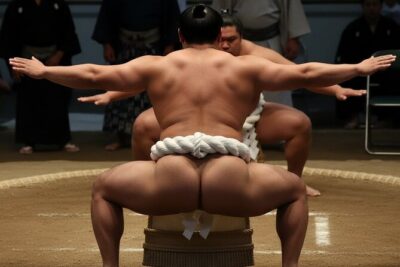
Sumo is easy to recognize from a tournament, but a training session gives you a different view of the sport. You see wrestlers working through practice under the stablemaster’s direction, rather than meeting them only as performers in a ring. The close setting makes the physical demands plain: strength matters, but so do balance, agility and timing.
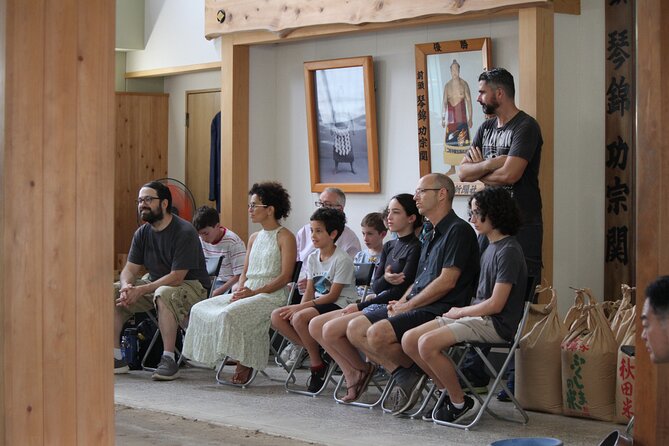
The visit takes place at Asahiyama stable, reached by train from Ueno. You watch from chairs beside the training area, a useful arrangement for anyone who would rather observe comfortably than sit on the floor. The stable visit is listed as two hours, though that period covers the stable portion of the tour, not necessarily two hours of uninterrupted wrestling.
Practice can be intense, and the training itself may be shorter than the full stable visit. One family described watching about 45 minutes of practice before the wrestlers stretched. That still gives you time to see the drills and hear explanations, but it is worth adjusting expectations: this is a glimpse into a working training day, not a long sequence of staged bouts.
That distinction is part of the appeal. You are seeing wrestlers train in their own setting, and the session is not designed as a show for tourists. The trade-off is that you need to respect the practice schedule and the stable’s routine. The tour information allows for minor itinerary changes due to weather, transport or scheduling.
Ueno Station is the start of an early rail journey
The meeting point is Ueno Station, at the JR Information area, and the scheduled start is 7:45 am. Ueno is a major Tokyo station, but it can still feel busy and confusing first thing in the morning. Read the meeting instructions carefully and make sure you know how to contact the operator before the tour day.
From Ueno, the route goes by JR train to Matsudo, then onward to Kunugiyama, followed by a short walk or transfer to Asahiyama stable. The itinerary lists 19 minutes to Matsudo and 15 minutes to Kunugiyama, with brief stops at each station. The train fare is not included, so bring or budget ¥1,060 for the round trip, about $7.
The train ride is more than transportation. Guides have used the time to explain sumo history, rules and terminology, so you arrive with some context for what you are watching. Guides named by participants include Ryoko, Haru, Tomer, Tammy and Yassmine. The tour depends on the guide assigned that day, but the consistent role is clear: they help you follow the practice and act as a bridge between visitors and the stable.
One practical caution deserves special attention. Communication has occasionally caused confusion when updates were sent through WhatsApp and a participant was not using the app. Confirm the meeting details and contact method in advance, and do not assume that an email alone contains the latest day-of instructions. A missed departure can mean an expensive taxi ride and lost practice time.
More sumo experiences in Tokyo:
- Tokyo: Sumo Show Experience with Chicken Hot Pot and a Photo
★ 4.8 · 6,678 reviews - Tokyo: Sumo Show and Dining Experience
★ 4.8 · 2,742 reviews - the SUMO show
★ 5.0 · 1,960 reviews
Watching practice from the front row
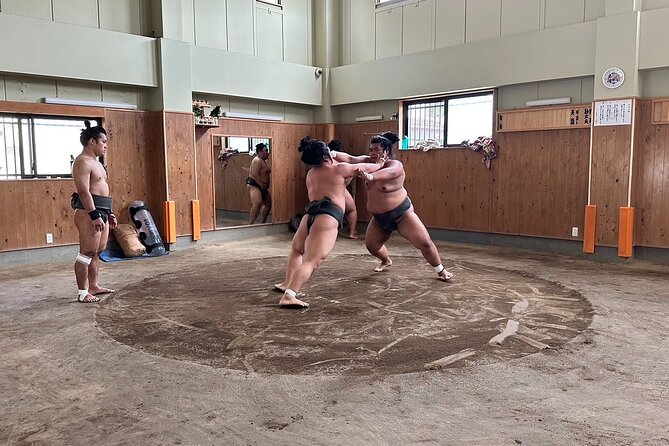
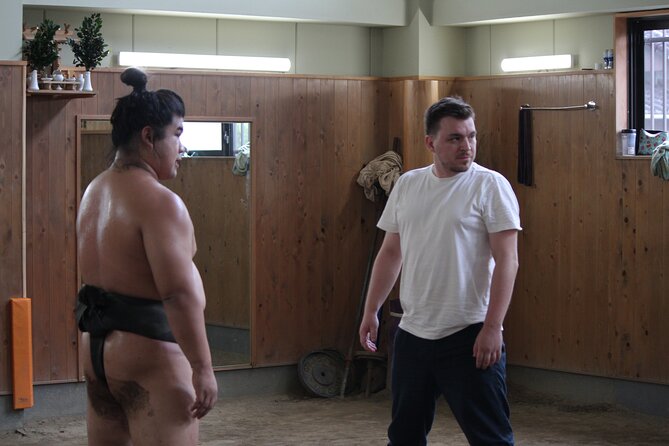
At the stable, you are seated close to the training area. That proximity helps you notice the athletic detail: the wrestlers’ balance, movement and effort, as well as the coach or stablemaster directing practice. You do not need prior knowledge of sumo to follow along. The guide explains what is happening and can translate information shared at the stable.
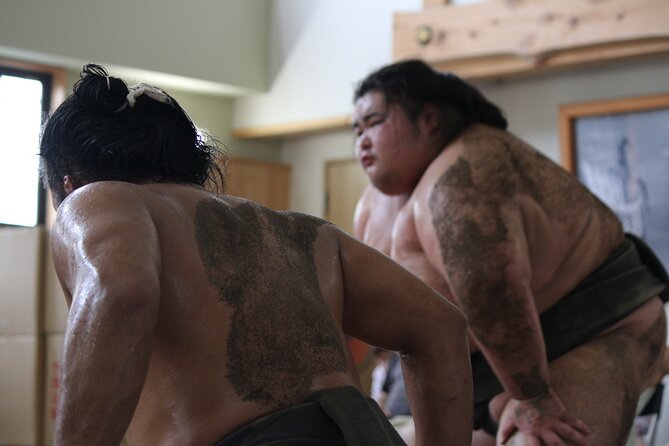
For many first-time viewers, this is the part that changes their understanding of the sport. Sumo is often reduced to size and spectacle, but training reveals how much movement and technique are involved. It also gives you a sense of the discipline and daily work behind each match.
The stable setting is a privilege, but it also calls for a little patience. Training is not arranged around your preferred photo or question, and the schedule may shift. The stable portion is the heart of the tour, so give it your attention rather than treating it as a quick stop before lunch.
A friendly push, then photos and conversation
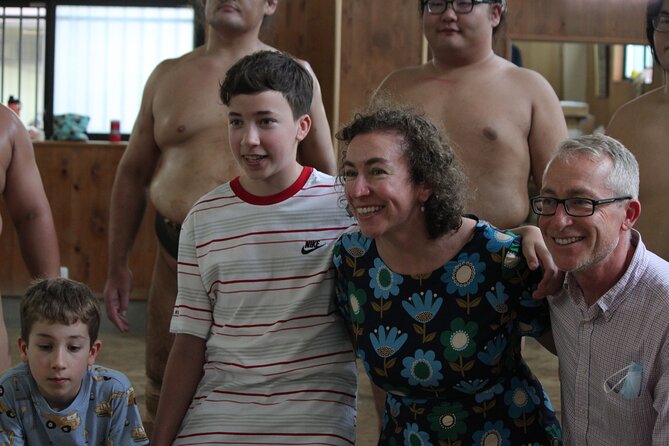
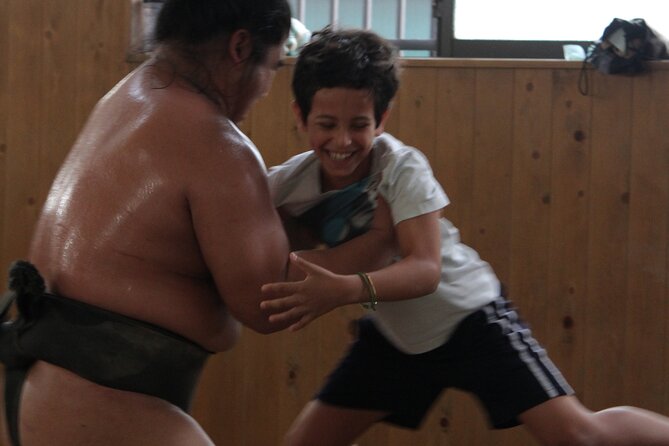
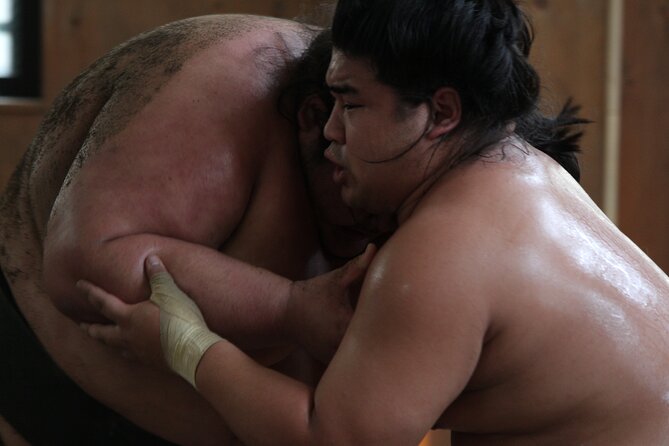
Once practice is over, the experience becomes more interactive. You can try to push one of the wrestlers, with the obvious caveat that moving a trained sumo wrestler is a tall order. The attempt is meant to be fun, not a serious contest. Children have taken part, and the wrestlers have been described as friendly and gentle during these exchanges.
Photography is allowed at the end of the session. That timing matters: you get a chance to take pictures after the practice rather than interrupting it. You may also be able to ask questions and hear about the wrestlers’ lives and routes into sumo. English conversation is possible with some wrestlers, while the guide can help translate.
This informal contact adds real value. Watching from a chair is fascinating; learning about the people doing the training makes the sport feel less distant. Still, conversation depends on the schedule and language, so think of it as a welcome opportunity rather than a guaranteed extended interview.
Chanko nabe makes the meal part of the story
Lunch is included, and the traditional dish is chanko nabe, a hearty stew associated with sumo wrestlers. It is designed to provide energy for athletes, and the version described on this tour has been served as a light broth with vegetables and chicken. The meal offers a practical way to connect the sport’s training routine with what wrestlers eat.
Vegetarian service is available, but you must request it at least three days in advance. Do not wait until the morning of the tour to mention a dietary need. The information provided confirms vegetarian options, but does not specify other dietary accommodations.
The meal is not just an extra item tucked into the price. It gives the visit a natural ending and helps explain the daily life surrounding sumo, beyond the moments in the ring. If you are expecting a large restaurant feast, keep in mind that one description characterizes the meal as light. Its value is as much cultural as culinary.
More tours and experiences in Tokyo:
- Mt Fuji and Hakone 1-Day Bus Tour Return by Bullet Train
★ 5.0 · 26,383 reviews - 1-Day Tokyo Bus Tour
★ 5.0 · 14,250 reviews - Tokyo: teamLab Planets TOKYO Digital Art Museum Entry Ticket
★ 4.6 · 9,779 reviews - Mt Fuji & Hakone Cruise, Drum Show Bullet Train 1 Day from Tokyo
★ 4.0 · 7,413 reviews
What the four-hour schedule means for your morning
The full experience lasts about four hours and ends back at the meeting point. The schedule starts early, travels out from central Tokyo by train, spends time at the stable and returns to Ueno. Build the rest of your day around that window, but allow flexibility in case transport or stable timing changes.
The group maximum is 26. That is small enough to keep the experience focused compared with a large coach outing, though it is not a private tour. Some sessions may have fewer people, but the group size can vary.
This is a morning activity, not an all-day commitment. It can fit well before an afternoon in Tokyo, provided you do not schedule something that requires a precise arrival immediately afterward. The two train changes are manageable with a guide, but they make punctuality important.
Is $105.71 a fair price?
The listed price is $105.71 per person, with the round-trip train fare of ¥1,060, about $7, paid separately. Lunch, the guide, the stable visit and the chance to interact with wrestlers are included. That puts the practical cost at roughly $113 before any other personal expenses.
This is more than a ticket to watch a sporting event. You are paying for access to a training stable, explanations that make the practice easier to understand, the meal and the transport coordination. If sumo is high on your Japan wish list, the direct access and personal scale make the price easier to justify. If you only want to see a few minutes of wrestling, it may feel expensive.
The strongest value comes from the combination: a real practice, a guide who explains what you are seeing, the chance to ask questions and a taste of chanko nabe. The stable experience is the main reason to book; the food and friendly push are worthwhile additions.
The tour is often booked around 23 days in advance on average. That is a useful planning clue, not a promise that spaces will remain available until then. Free cancellation is available up to 24 hours before the start time. If the minimum number of participants is not met, the operator offers another date or experience, or a full refund.
Who will enjoy this sumo tour most
This tour suits anyone curious about Japanese sport and culture, whether you already follow sumo or know only the basics. The guide’s explanations make it approachable for newcomers, while the close view of training offers details that a tournament audience may not get. Families can also find it engaging: children have watched practice, tried pushing wrestlers and taken photos.
It is less suited to someone who dislikes early mornings, needs a leisurely start or wants a guaranteed, fixed-length performance. The practice is real, which means it follows the stable’s schedule. You should also be comfortable with train transfers and a morning that depends on meeting promptly.
I would book it for the access and the chance to understand how sumo works day to day, not because it promises a staged spectacle. Confirm communication details, arrive early at Ueno and give yourself room after the tour. If you do those things, this is a memorable way to see sumo beyond the tournament ring.
FAQ
How long does the tour last?
The tour lasts about four hours and ends back at the meeting point. The stable visit is scheduled for two hours.
Where and when do I meet the guide?
Meet at the JR Information area at Ueno Station. The start time is 7:45 am.
Is train travel included in the price?
No. The round-trip JR train fare costs ¥1,060, about $7, and is paid separately.
What is included in the tour?
The tour includes lunch, the sumo experience, seated viewing of practice and photography at the end of the session.
Can I request a vegetarian meal?
Yes. Vegetarian service is available, but you must notify the operator at least three days in advance.
Can I take photos during practice?
Photography is allowed at the end of the session. The information provided does not say that photos are allowed during practice.
How many people can join the tour?
The maximum group size is 26 people.
Can I cancel for a refund?
Yes. You can cancel at least 24 hours before the start time for a full refund. Cancellations or changes made less than 24 hours before the start time are not accepted.
Freshly reviewed in Tokyo
- Tokyo: Toshimaya Sake Brewery Tour with Sake Tasting★ 5.0 · 6 reviews
- :Tokyo,Shibuya /Meiji Shrine tour in KIMONO/English-friendly★ 5.0 · 4 reviews
- Tokyo: Tour Privado por Tokio en español★ 4.3 · 4 reviews
- Tokyo:Tea ceremony experience at Komaba Warakuan★ 4.8 · 9 reviews
- :Tokyo,Shibuya/ Pro Photography in Kimono / English-Friendly★ 5.0 · 26 reviews
- Tokyo:Samurai Training : Swords, Bushido & Mental Discipline★ 5.0 · 6 reviews
- Tokyo:Mt Fuji & Hakone Day Tour with English Speaking Driver★ 5.0 · 26 reviews
- Tokyo:Nikko UNESCO World Heritage Sites Private 1-Day Tour★ 3.8 · 6 reviews
Tokyo Sumo Experiences, compared.
Tokyo Shinjuku Sumo Show & Experience with Photo
Read our review →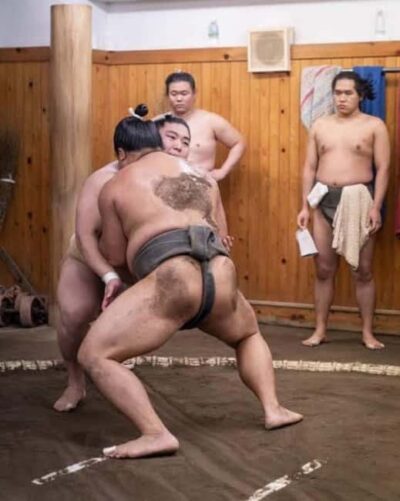

Authentic Sumo Experience in Tokyo: Enter the Sanctuary
Read our review →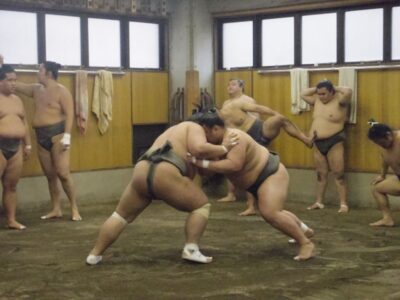
Tokyo Sumo Experience: Chanko & Mochi with a Former Pro
Read our review →Browse the lists this tour appears in