
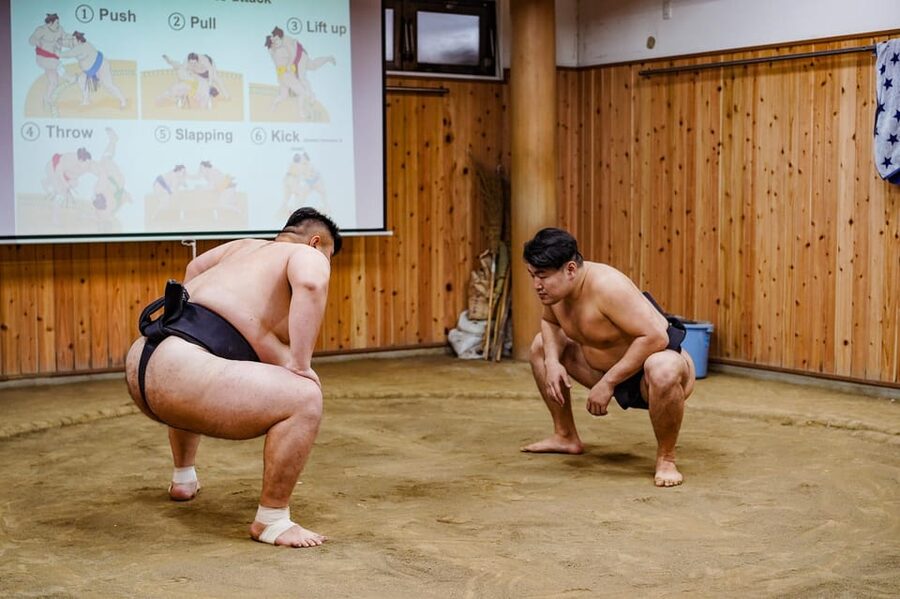
Reviewed · TOKYO SUMO EXPERIENCES
Tokyo: Authentic Sumo Wrestling Experience with Lunch
Sumo here is more than a ringside show: you sit close to practice in a real stable and get a look at the daily rituals behind the sport. The stable was officially used until 2022, so this is a chance to explore a working sumo space’s rooms and routines, even though it is no longer an active stable.
I like two things in particular: the guide explains the rules and customs before you try the moves, and lunch gives you time to talk with the wrestlers rather than simply watch them perform. You can also choose to step into the ring for a bout, but taking part is optional.
One consideration: this is an interactive, four-hour outing, not a passive demonstration. It may not suit you if you have mobility issues or certain health conditions, and dietary requests must be made at least a day ahead.
What makes this sumo visit different
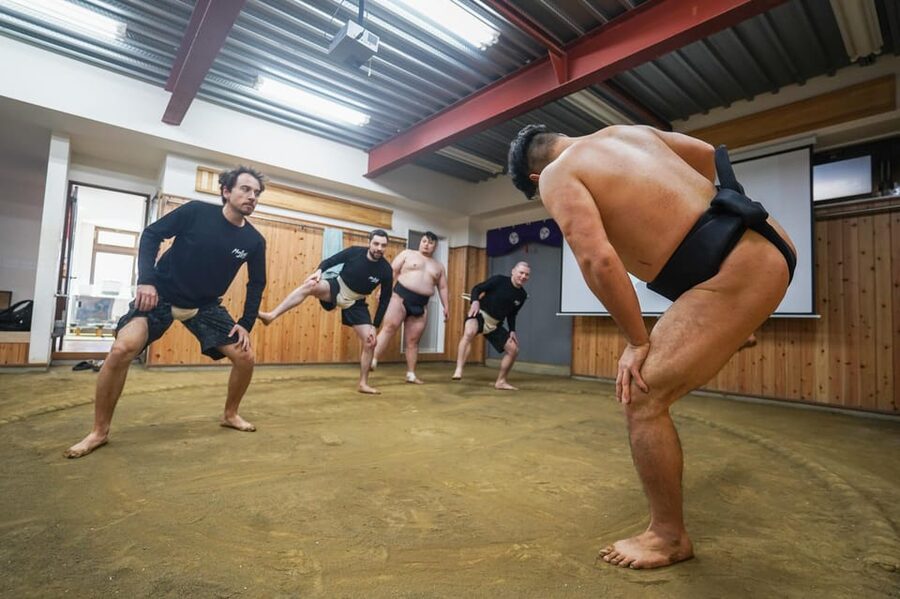
- Practice from the edge of the ring: Watch the morning session from close range, then try some of the movements yourself.
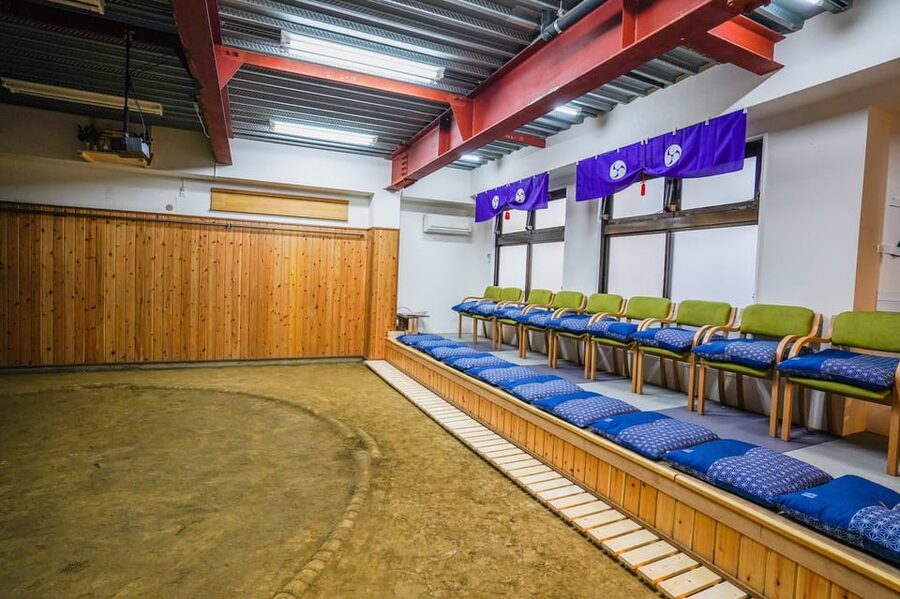
- A former sumo stable: Explore its practice area, dining room, and bath, and learn how the setting shaped wrestlers’ daily lives.
- A bout by choice: Take on a rikishi in a friendly match if you want, or enjoy the demonstrations from the sidelines.
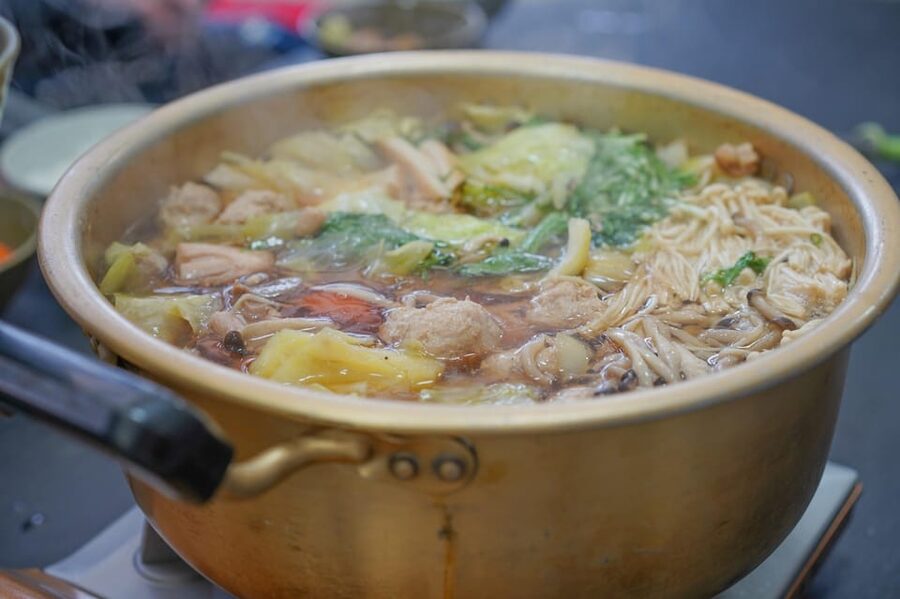
- Chanko-nabe made together: Prepare chicken dumplings and share the hearty sumo-style meal at a table once used in the stable.
- Time for real conversation: Ask the wrestlers questions over lunch, take photos, and make a paper handprint keepsake.
At Shin-Kawasaki Station, the tour begins simply
Meet your English-speaking guide just outside the one ticket gate at Shin-Kawasaki Station, in front of Kiyoken, the shumai shop. The guide carries a red or orange Magical Trip sign. The meeting point can be easy to miss if you expect to meet on a platform, so leave enough time to get through the station and find the shop.
The tour information places the stable about 10 minutes from Yokohama Station and 20 minutes from Tokyo Station. Your actual meeting point is Shin-Kawasaki, so check your route there before setting out. The group returns to the same spot after about four hours.
Guides on the tour have included Charlie, Mayu, Masao, and Jim, though your guide may be someone else. The guide’s role matters: sumo has specialized customs and terminology, and a clear explanation helps you follow what you see rather than just watching a sequence of drills.
More sumo experiences in Tokyo:
- Tokyo: Sumo Show Experience with Chicken Hot Pot and a Photo
★ 4.8 · 6,678 reviews - Tokyo: Sumo Show and Dining Experience
★ 4.8 · 2,742 reviews - the SUMO show
★ 5.0 · 1,960 reviews
Inside a stable used by sumo wrestlers
The stable is a real sumo setting, officially used until 2022. That detail is worth keeping in mind: you are visiting a former stable, not entering a current training base. You still get to see spaces tied to the wrestlers’ routine, including the dining room, bath, and practice area.
A tour of these rooms gives context to the sport’s demands. Sumo is not only what happens in the ring; the stable is also where wrestlers train, eat, and live within a distinct structure of customs. Your guide explains the lifestyle and traditions, then helps connect those routines to the practice you are about to see.
This is also where you can ask questions that might not occur to you while watching a match on television. The tour is designed for people with little or no sumo background, and guides have used explanations, pictures, and videos to cover history, rules, rankings, and training schedules. If you already follow the sport, you can use that groundwork to ask more specific questions later.
Watching morning practice from close range
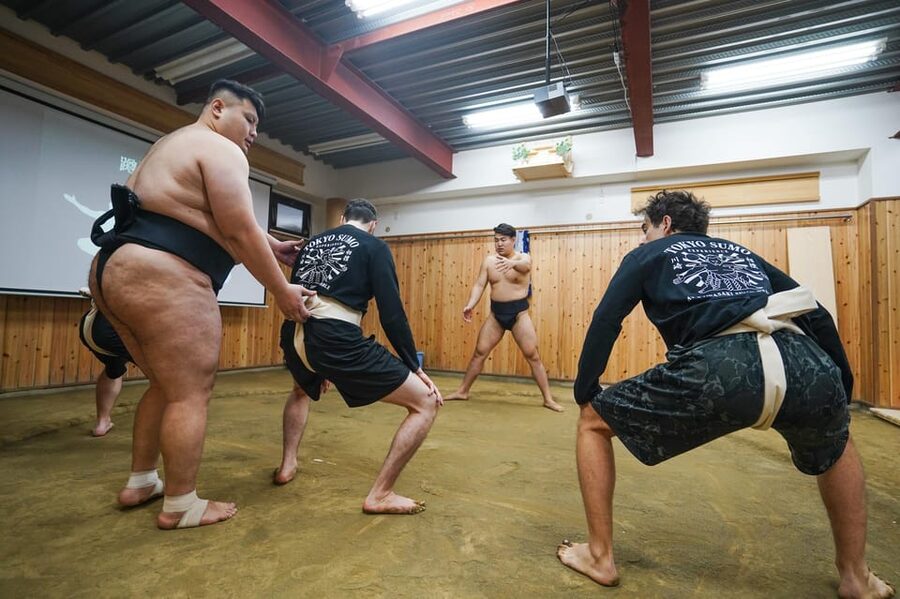
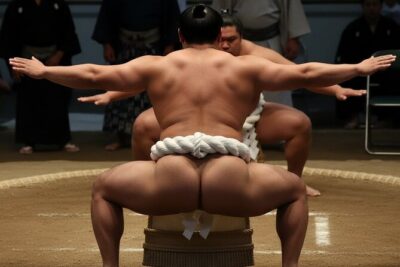
You take a seat right in front of the ring for the morning practice session. This is the tour’s strongest feature for anyone curious about how sumo works: you can see the wrestlers’ movements at close quarters, rather than relying on a distant view from tournament seats or a screen.
The guide explains how practice begins, what movements the wrestlers use, and why. That explanation makes the drills easier to read. Sumo can look simple at first glance: two wrestlers push, grapple, and try to force one another out of the ring. Watching the work up close shows the balance, footwork, and repeated effort behind those short bouts.
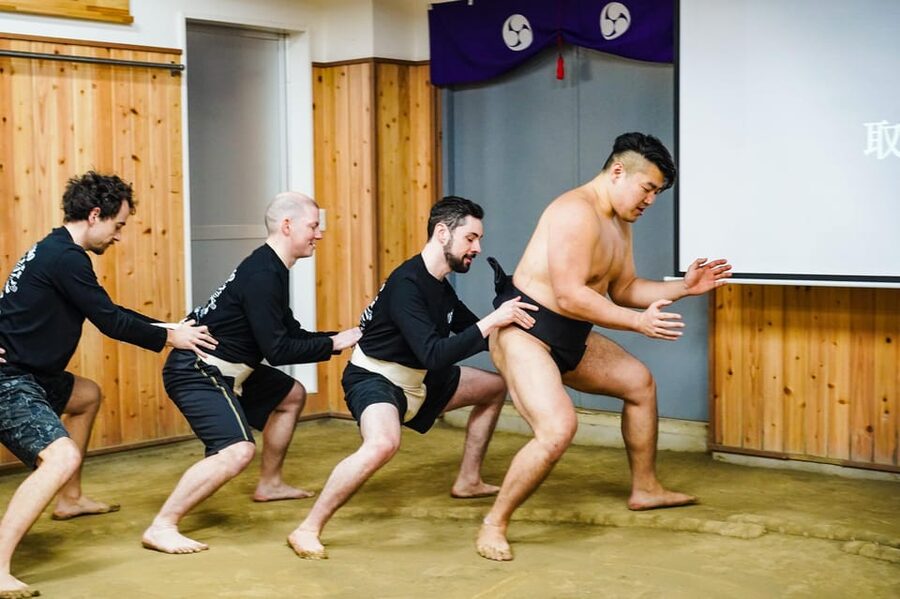
The session is followed by a chance to try some of the movements yourself. Expect this part to be lively and a little humbling. You do not need to be an athlete or a sumo fan to join in, and participation is part of the fun. If you would rather watch, you can sit it out.
The setting is intimate, which is a plus for seeing the action and asking questions. It also means this is not a large arena spectacle with a full tournament program. You are here to understand practice and customs, not to watch a formal competition.
Learning the rules, then choosing your bout
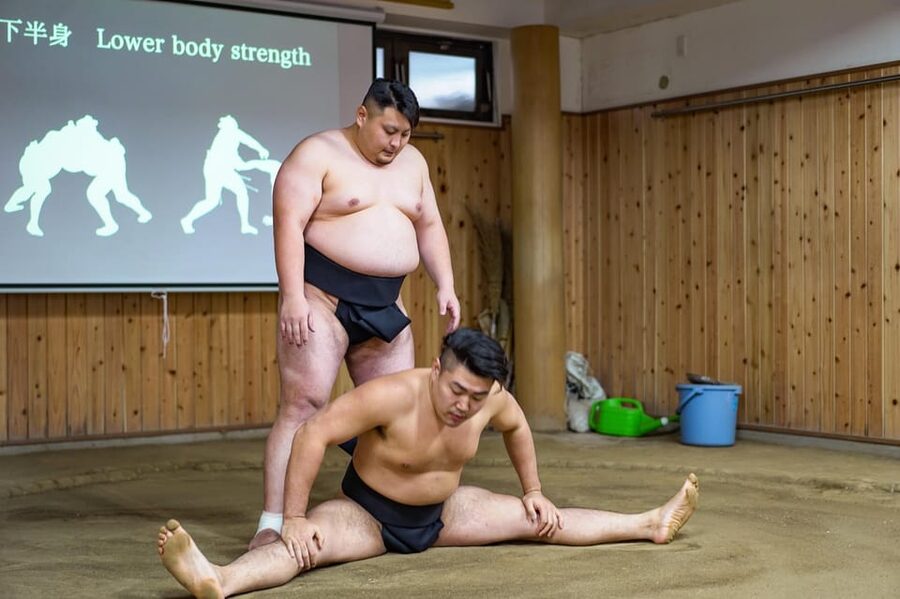
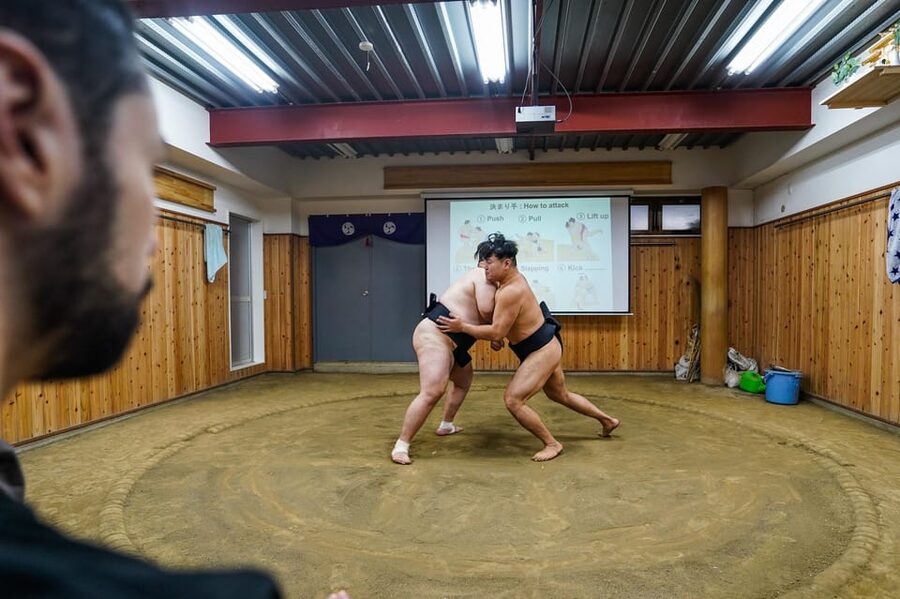
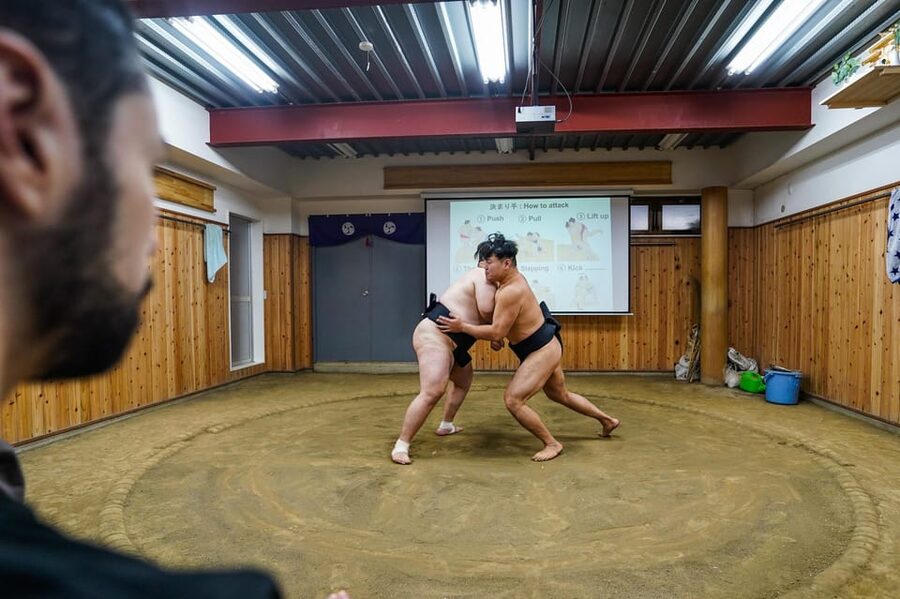
After practice, your guide covers sumo rules, techniques, and the way a real match begins. The wrestlers demonstrate the start of a bout, giving you a better sense of the ritual before you are invited to participate.
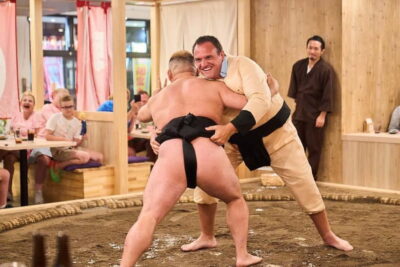
The match with a rikishi is optional. If you choose to step into the ring, expect a playful challenge, not a contest on equal terms. Wrestlers are powerful, and the bout is meant to give you a taste of the sport while keeping the atmosphere light. Past participants describe the wrestlers as patient and funny, but their strength is still part of the lesson.
You can also enjoy the demonstration without taking a turn. That flexibility makes the tour workable for a mixed group, where one person may be eager to wrestle and another may prefer to keep both feet on the sidelines. If you have a heart condition, a cold, high blood pressure, or a pre-existing medical condition, the tour is not recommended. Consider your comfort before booking, especially if you have concerns about physical activity.
More tours with lunch in Tokyo:
- Tokyo: Mt.Fuji & Lake Kawaguchiko 1-Day Bus Tour w/Optional Lunch
★ 4.5 · 839 reviews - Tokyo: Sumo Experience and Chanko Nabe Lunch
★ 4.8 · 257 reviews - Tokyo: Tsukiji Fish Market Tour with 6 Stops & Seafood Lunch
★ 4.5 · 165 reviews - Tokyo: 1 Day Bus Tour with Meiji-Jingu,Odaiba,lunch&Skytree
★ 4.6 · 156 reviews
Making chicken dumplings for chanko-nabe
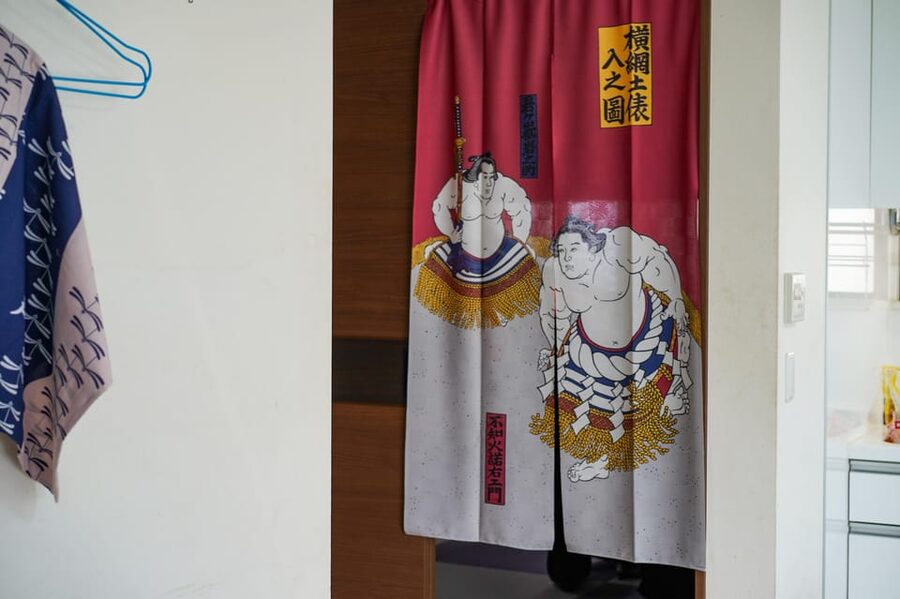
The meal is not just a bowl set in front of you. You make chicken dumplings with the wrestlers, then eat chanko-nabe together. This hot-pot dish is closely associated with sumo and is known as food that helps wrestlers build their bodies. Preparing part of the meal gives you a small hands-on role in a tradition you have just heard about.
Lunch is also the tour’s best chance for an unhurried conversation. You can ask the wrestlers about training and daily life, and get a more personal sense of the people behind the ring persona. The shared meal is a welcome change of pace after the physical demonstrations, and the group eats around a table that was actually used in the sumo room.
The food is included, but additional food and drinks are not. If you have an allergy or dietary request, tell the operator at least one day before the tour. Requests made on the day cannot be accommodated, and the food is prepared in kitchens outside the operator’s control, so an allergy-free meal or a particular substitution cannot be guaranteed. Vegetarian options have been arranged when requested in advance, but confirm your needs early.
Photos, keepsakes, and the tour’s small extras
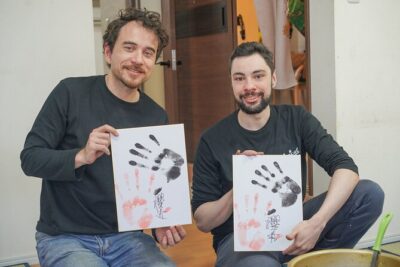
The tour includes photos and a T-shirt. You can also take pictures with the wrestlers and make a commemorative handprint on paper. These are simple mementos, but they help mark a day that is more personal than a standard sightseeing stop.
Some tour groups have also had photo opportunities in sumo-style or traditional clothing. Treat that as a possible extra rather than a guaranteed part of every session. The core value is the access to practice, the explanations, the optional participation, and the shared meal.
There can be a sales pitch for extra items at the end, so keep that in mind if you prefer tours with no shopping element. You are not required to buy anything to take part in the main activities.
Is four hours and $166 good value?
At $166 per person, this is not a cheap lunch or a quick photo stop. You are paying for a four-hour guided visit that combines a stable tour, an up-close practice session, instruction, optional ring participation, lunch with wrestlers, tour photos, and a T-shirt. The value is strongest if you want both cultural context and a hands-on activity.
The meal and conversation matter to the price. Without them, the visit might feel like a short demonstration; with them, you have time to understand the routines and ask questions. The tour also suits first-time sumo fans particularly well, since the guide explains basic rules and movements before asking you to interpret what you see.
If you only want to watch a formal sumo tournament, this is a different kind of outing. It focuses on practice, customs, and direct interaction, not a tournament day. If you want a quiet museum-style visit, the optional physical activities and group meal may be more social than you prefer.
The tour has a 4.9 rating from 88 reviews, and the most consistent praise centers on the same elements: clear guides, welcoming wrestlers, a fun chance to try sumo, and a satisfying lunch. One person described the start as slow, and an early version of the tour had some awkward sequencing, so allow a little patience at the beginning. Once the practice and demonstrations get going, four hours tends to feel full rather than drawn out.
Who should book this tour?
I would put this high on the list for curious first-time visitors, families with older children, couples, or friends who enjoy doing something rather than just looking. You do not need prior sumo knowledge, and the guide’s explanations help make the sport accessible. The optional bout lets you set your own level of involvement.
It is also a strong choice if you value conversation and food as part of cultural sightseeing. Sharing chanko-nabe with wrestlers gives the visit a human scale, while the stable rooms and practice explain the sport beyond its public image.
I would think twice if you have mobility limitations, a health condition listed as unsuitable, or dietary requirements that need a firm guarantee. The route includes places that are not wheelchair or stroller accessible, and the operator cannot promise allergy-free meals. Arrive on time: if you miss the group, you cannot join later, receive a refund, or reschedule.
FAQ
Where is the meeting point?
Meet just outside the only ticket gate at Shin-Kawasaki Station, in front of Kiyoken, the shumai shop. The guide will hold a red or orange Magical Trip sign.
How long is the tour?
The tour lasts four hours and returns to the starting point at Shin-Kawasaki Station. Check availability for the offered start times.
What language does the guide speak?
The live tour guide speaks English.
Do I have to wrestle with a sumo wrestler?
No. The bout is optional. You can watch the demonstrations and practice without stepping into the ring for a match.
Is lunch included?
Yes. Lunch with the wrestlers is included, including chanko-nabe and making chicken dumplings. Additional food and drinks are not included.
Can I request a vegetarian meal or mention an allergy?
Tell the operator about dietary requests or allergies at least one day before the tour. Requests made on the day cannot be accommodated, and allergy-free food or specific substitutions cannot be guaranteed.
Can I cancel for a refund?
You can cancel up to two days in advance for a full refund.
Freshly reviewed in Tokyo
- Tokyo: Toshimaya Sake Brewery Tour with Sake Tasting★ 5.0 · 6 reviews
- :Tokyo,Shibuya /Meiji Shrine tour in KIMONO/English-friendly★ 5.0 · 4 reviews
- Tokyo: Tour Privado por Tokio en español★ 4.3 · 4 reviews
- Tokyo:Tea ceremony experience at Komaba Warakuan★ 4.8 · 9 reviews
- :Tokyo,Shibuya/ Pro Photography in Kimono / English-Friendly★ 5.0 · 26 reviews
- Tokyo:Samurai Training : Swords, Bushido & Mental Discipline★ 5.0 · 6 reviews
- Tokyo:Mt Fuji & Hakone Day Tour with English Speaking Driver★ 5.0 · 26 reviews
- Tokyo:Nikko UNESCO World Heritage Sites Private 1-Day Tour★ 3.8 · 6 reviews
Tokyo Sumo Experiences, compared.
Tokyo Shinjuku Sumo Show & Experience with Photo
Read our review →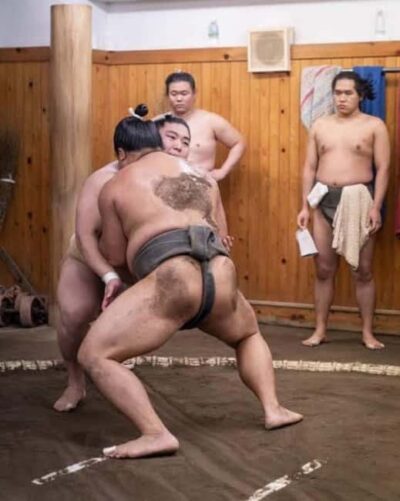
Authentic Sumo Experience in Tokyo: Enter the Sanctuary
Read our review →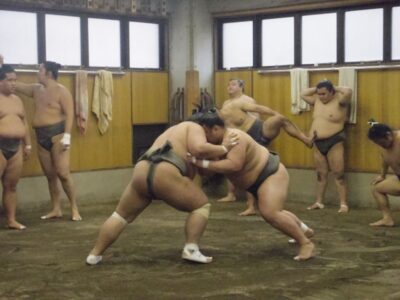
Tokyo Sumo Experience: Chanko & Mochi with a Former Pro
Read our review →Browse the lists this tour appears in