
Reviewed · TOKYO SUSHI MAKING CLASSES
Shibuya Tokyo: Sushi Making Class (Vegan/Vegetarian/Halal)
Shibuya’s sushi class turns a meal into a hands-on lesson: you make California rolls and nigiri, then sit down to eat what you have prepared. I like that the class welcomes vegan, vegetarian, halal-friendly, and gluten-free diets, a useful option in a city where it can take effort to explain food restrictions.
I also like the mix of practical instruction and a short sushi-history quiz. Instructors such as Momoyo and Kaito have helped make the class relaxed and easy to follow, even for beginners.
One thing to plan for: although the studio is about a seven-minute walk from Shibuya Station, the address may take extra time to find. And if you have a dietary restriction, tell the host when you book; menu changes cannot be made on the day.
- Make California rolls and nigiri: Learn two familiar sushi forms with step-by-step guidance.
- Start with a sushi quiz: Get a quick, light introduction to the dish’s history before cooking.
- Choose a diet-friendly menu: Request vegan, vegetarian, halal-friendly, or gluten-free food when booking.
- Eat what you make: The class ends with time to taste your sushi, not just admire it.
- Learn in English: Local instructors explain ingredients and techniques in English.
- Allow a little extra time to arrive: The studio is a seven-minute walk from Shibuya Station, but can be tricky to locate.
A Shibuya cooking class with dinner at the end
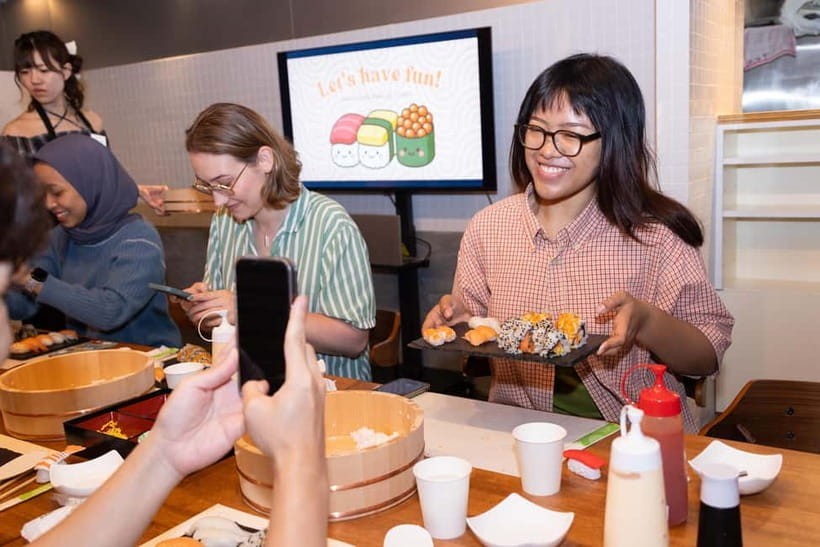
This 90-minute class offers a welcome change from Tokyo’s usual sightseeing rhythm. Instead of moving from one landmark to another, you stay put, work with fresh ingredients, and learn a few techniques you can use again at home. At $58 per person, it is not the cheapest meal you will find in Shibuya. You are paying for instruction, ingredients, equipment, and a shared activity, as well as the food you make.
The format suits a wide range of cooks. You do not need previous sushi-making experience, and the English-speaking instructor guides you through each step. The class is described as suitable for families, solo visitors, and food lovers, so it can work as a social activity as well as a cooking lesson.
The appeal is practical, too. If you are vegan or vegetarian, sushi restaurants in Japan can require extra care around ingredients and preparation. This class gives you a chance to make a meal suited to your needs and learn what goes into it. Halal-friendly and gluten-free options are also available, but you need to state your requirements when booking.
The short quiz sets the scene
The class begins with a brief quiz about sushi history. It is a low-pressure way to get everyone talking before the cooking starts, and it gives the meal a little context beyond the familiar image of rice and fillings wrapped in seaweed.
Expect a short introduction, not a lengthy lecture. The point is to share a few facts and get you ready to cook. That balance is useful if you are curious about Japanese food but would rather spend most of your time doing something than listening.
The quiz also helps ease you into a group activity. If you arrive alone, it offers a natural opening to chat with the instructor and other people in the class. If you are with family or a partner, it gives everyone a shared starting point before the hands-on part.
More Shibuya tours in Tokyo:
- Official Street Go-Kart in Shibuya
★ 5.0 · 3,435 reviews - Tokyo: Street Kart Experience in Shibuya
★ 4.9 · 1,484 reviews - Shibuya Meltdown Nightlife Tour: All-You-Can-Drink Bar Hopping
★ 5.0 · 1,058 reviews
Fresh ingredients and clear, practical instruction
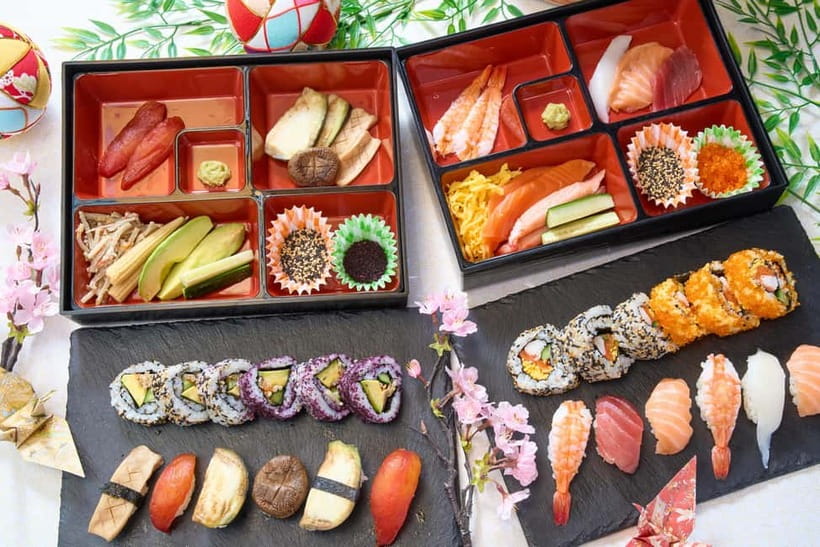
After the quiz, the instructor introduces the ingredients and offers tips for making good sushi. For vegan and vegetarian menus, ingredients can include vegetables such as eggplant, mushrooms, tomato, and avocado. The exact combination may vary, so do not count on a particular filling unless the host confirms it.
The instructors explain each step in English, and the class is designed for beginners. That matters because sushi can look simple on a plate but feel less straightforward when you first handle the rice and rolling tools. You are not expected to arrive with polished technique. The aim is to give you guidance and let you practise.
Some classes have been led by Momoyo and Kaito, names worth knowing if you have read about the experience before booking. Participants have especially valued the friendly, patient teaching style and clear instructions. Still, a particular instructor is not guaranteed for every session, so treat those names as examples rather than a promise.
Rolling California rolls and shaping nigiri
The lesson includes California rolls and nigiri, two different ways of working with sushi rice. With rolls, you learn how to assemble and shape the ingredients into a neat form. The instructor offers tips on technique, so you can focus on the process rather than guessing at each step.
Nigiri is the more iconic piece: rice shaped by hand and paired with a topping. Practising it gives you a chance to work on shape and handling, not just rolling. The class includes the tools and utensils you need, so there is no need to bring special equipment.
These are useful skills to take home because they give you a starting point for making sushi in your own kitchen. The class is not a promise that every piece will look restaurant-ready on the first try. That is part of the appeal: you get to practise, see how the ingredients behave, and improve with guidance.
A meal you make yourself
Once the sushi is ready, you sit down and eat your work. That final meal is a practical part of the class, not an optional extra. It lets you taste the combinations you have made and gives the session a satisfying finish.
The amount of food is not specified, so I would not book this as a guaranteed large lunch or dinner. One participant described leaving with a generous meal, but appetites vary and portions may depend on the session. Think of it as a meal included in a cooking activity, rather than a restaurant visit with a fixed menu.
Staff can also take photos of your finished sushi before you eat. That is a small but handy touch if you want a record of your first rolls or nigiri. Then the best part is simple: pick up your chopsticks and try what you made.
More cooking classes in Tokyo:
- Sushi Making Tokyo Roll and Authentic Japanese Sushi Class
★ 5.0 · 3,971 reviews - Tokyo: Roll and Authentic Sushi Making Class in Asakusa
★ 4.9 · 1,957 reviews - Tokyo Shinjuku Chopsticks Making Class
★ 5.0 · 1,763 reviews - Tokyo: Sushi Making Class in a Happi Coat near a Famous Spot
★ 4.9 · 1,377 reviews
Diet requests need to be arranged in advance
The class offers vegan, vegetarian, halal-friendly, and gluten-free options. If your diet is important for health, religious, or personal reasons, enter the details when you book rather than relying on a conversation once you arrive.
The menu cannot be changed on the day. That rule is worth taking seriously, especially if you have an allergy or need to avoid certain ingredients. The class is described as accommodating dietary requirements and allergies, but you should provide clear information in advance so the team can prepare appropriately.
The supplied description specifically names vegetables such as eggplant, mushroom, tomato, and avocado for vegan and vegetarian sushi. It does not provide a complete ingredient list for every dietary option. If you need to confirm a specific ingredient or allergy precaution, ask the provider before booking rather than assuming a menu label covers every concern.
Finding the studio in central Shibuya
The studio is about a seven-minute walk from Shibuya Station, putting the class within easy reach of one of Tokyo’s best-connected districts. That makes it convenient to pair with time in Shibuya before or after the lesson.
There is one small navigational wrinkle: the meeting point may vary depending on the option you book, and the venue can take extra time to find. Check the directions for your specific booking and give yourself a little breathing room. Arriving flustered is a poor warm-up for a class built around having fun with food.
The experience is listed for Honshu, Japan, and the studio is described as being in the heart of Shibuya. No transportation is included or needed as part of the activity details provided. Plan your own route to the meeting point.
What $58 buys you in Tokyo
At $58 per person, this costs more than simply ordering sushi for a meal. The extra value comes from the guided lesson, fresh ingredients, equipment, the quiz, and the chance to make the food yourself. You also get instruction in English and a menu designed to accommodate several dietary preferences.
I see the price making the most sense if you want an activity as well as something to eat. For a solo visitor, it offers a structured way to spend time with local instructors and other participants. For a couple or family, it gives you a shared task and a meal at the end. If you only want a quick, inexpensive lunch, a sushi counter will be a better fit.
The experience has an overall rating of 4.7 from 29 reviews, a strong sign of consistent satisfaction, though a rating cannot tell you exactly how much you will enjoy the cooking itself. The most frequently praised elements are the friendly staff, clear guidance, enjoyable pace, and tasty food made during class. Those are the parts that matter most if you are deciding whether the price is worthwhile.
Who will get the most from the class
I would consider this class if you want to make something rather than only watch a demonstration. It is especially useful for vegan and vegetarian visitors who want to work with ingredients that fit their diet, and for anyone curious about sushi but unsure how to begin.
Beginners should feel at ease: instruction is in English, equipment is supplied, and the lesson is designed to be approachable. Solo visitors can join without needing a cooking partner, while couples and families can share the steps and compare their finished pieces. The activity is also a good fit for a rainy day or a break from walking around Tokyo, though the class itself is short at 90 minutes.
It may suit you less if you are looking for a formal culinary course, a long food tour, or a guaranteed menu you can change on arrival. The class focuses on a small set of sushi basics, not an extensive survey of Japanese cuisine. And while the menu supports several dietary needs, you must tell the team ahead of time.
Should you book this Shibuya sushi class?
Book it if you want a friendly, hands-on food activity with a meal at the end, especially if you need vegan, vegetarian, halal-friendly, or gluten-free options. The combination of a short sushi-history quiz, California rolls, nigiri, and clear English instruction gives the 90 minutes a good mix of context and practice.
Before you reserve, check the meeting point for your chosen option, allow extra time to find the studio, and enter all dietary needs when booking. If you want a cooking experience that is social, beginner-friendly, and useful beyond the trip, $58 is a reasonable price for the lesson and meal together.
FAQ
How long is the sushi-making class?
The class lasts 90 minutes. Check availability for the starting times offered on your chosen date.
How much does it cost?
The listed price is $58 per person.
What kinds of sushi will I make?
The hands-on lesson includes California rolls and nigiri.
Are vegan and vegetarian options available?
Yes. Vegan and vegetarian options are available, using fresh ingredients such as vegetables including eggplant, mushroom, tomato, and avocado.
Can I request halal-friendly or gluten-free food?
Yes. Halal-friendly and gluten-free options are available. Provide your food preferences or restrictions when booking, since menu changes cannot be made on the day.
Is the class taught in English?
Yes. The instructor teaches in English, and the class includes a short quiz about sushi history before the cooking lesson.
How far is the studio from Shibuya Station?
The studio is about a seven-minute walk from Shibuya Station. The meeting point may vary depending on the option booked, and you should allow extra time to find the venue.
More vegetarian-friendly food tours in Tokyo
- Vegan Friendly Sushi & Okonomiyaki Shibuya Night Foodie Tour
★ 5.0 · 124 reviews - Ramen & Dumpling Cooking in Tokyo with Chef/Vegan possible
★ 5.0 · 107 reviews - Tokyo: 2-Hour Vegan and Vegetarian Ramen Guided Walking Tour
★ 4.8 · 33 reviews - Tokyo Vegan Food Tour
★ 5.0 · 8 reviews
More sushi making classes in Tokyo
- Make Sushi and Create Unforgettable Memories in Tokyo
★ 5.0 · 1,413 reviews - Tokyo Sushi Making Class in Tsukiji with Professional Chef
★ 5.0 · 1,177 reviews - Tsukiji Fish Market Guided Tour and Sushi Making with Pro Chef
★ 5.0 · 775 reviews - Tokyo: Tsukiji Fish Market Sushi Making Class with Pro Chef
★ 4.9 · 506 reviews
Freshly reviewed in Tokyo
- Tokyo: Toshimaya Sake Brewery Tour with Sake Tasting★ 5.0 · 6 reviews
- :Tokyo,Shibuya /Meiji Shrine tour in KIMONO/English-friendly★ 5.0 · 4 reviews
- Tokyo: Tour Privado por Tokio en español★ 4.3 · 4 reviews
- Tokyo:Tea ceremony experience at Komaba Warakuan★ 4.8 · 9 reviews
- :Tokyo,Shibuya/ Pro Photography in Kimono / English-Friendly★ 5.0 · 26 reviews
- Tokyo:Samurai Training : Swords, Bushido & Mental Discipline★ 5.0 · 6 reviews
- Tokyo:Mt Fuji & Hakone Day Tour with English Speaking Driver★ 5.0 · 26 reviews
- Tokyo:Nikko UNESCO World Heritage Sites Private 1-Day Tour★ 3.8 · 6 reviews
Tokyo Sushi Making Classes, compared.
Sushi Making Tokyo Roll and Authentic Japanese Sushi Class
Read our review →
Roll and Authentic Sushi Making Class in Asakusa
Read our review →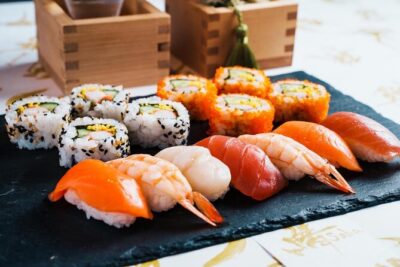
Make Sushi and Create Unforgettable Memories in Tokyo
Read our review →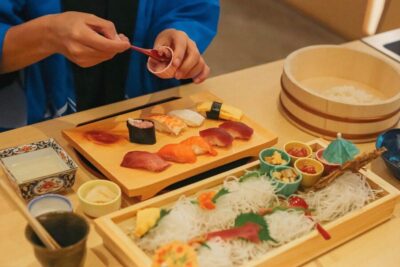
Sushi Making Class in a Happi Coat near a Famous Spot
Read our review →
Tokyo Sushi Making Class in Tsukiji with Professional Chef
Read our review →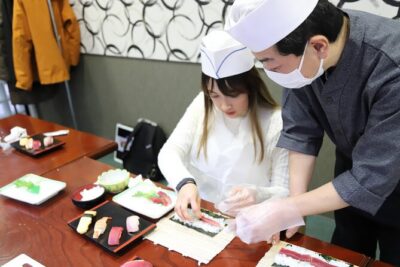
Tsukiji Fish Market Guided Tour and Sushi Making with Pro Chef
Read our review →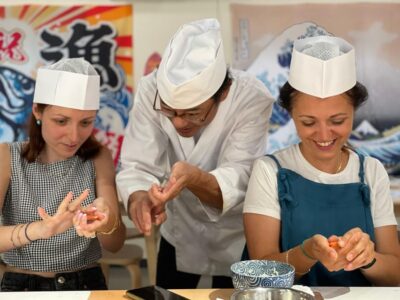
Tsukiji Fish Market Sushi Making Class with Pro Chef
Read our review →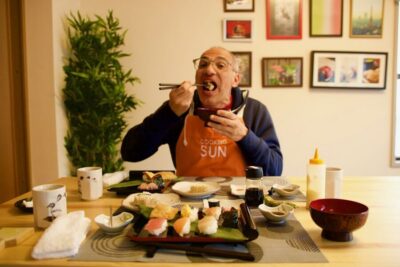
Browse the lists this tour appears in