
Reviewed · SHIBUYA TOURS
Shibuya Tokyo: Onigiri & Tamagoyaki Cooking Class
Onigiri may look like simple rice balls, but a good one depends on the rice, the shaping, and the balance of filling and seaweed. At this 90-minute class in Shibuya, you make three onigiri and half a portion of tamagoyaki, with an English-speaking host guiding you through the process.
I like that the class teaches choices you can use at home, from selecting rice to handling nori, rather than just handing you a finished snack. I also like the small-group format and the take-home recipes, which make the $49 price more useful than a meal alone.
One consideration: the class includes a modest amount of food, not a full cooking session or a large meal. You will also need to arrange your own transport, and anyone with a severe or life-threatening food allergy should not attend.
- Three rice balls per person: Make your own onigiri, with guidance on rice, shaping, and fillings.
- Tamagoyaki, too: The class includes ingredients and utensils for half a portion of rolled omelet per person.
- A small class: Groups are capped at eight, with one past session described as having just three participants.
- English instruction: The host explains each step in English, and no previous cooking skills are needed.
- Useful take-home extras: You receive recipes and a small souvenir, as well as an apron to use during class.
- Plan around dietary needs: Tell the provider about allergies or restrictions in advance; gluten-free options may be available on request.
Making Onigiri in Shibuya
Onigiri is everyday Japanese food: rice shaped into a portable bite, often filled or seasoned, then wrapped with nori. Its simplicity is part of the appeal, but that simplicity leaves little room to hide a poor texture or a heavy hand with the filling. This class gives you a chance to learn the basic craft instead of just picking one up from a shop.
At Sorisso, the focus is on doing the work yourself. You learn how to choose and cook rice, then practice shaping it into familiar triangles or other designs. The class also covers traditional nori wrapping and a range of fillings, from classic choices to newer interpretations. The exact filling menu is not specified, so go expecting variety rather than a particular ingredient.
That mix of technique and choice is what makes the workshop more interesting than a quick demonstration. You can see how small decisions affect the finished rice ball, then taste the result while the process is still fresh in your mind. For a food-focused stop in Tokyo, it is a practical introduction to a dish you are likely to encounter again and again.
Rice Texture Comes First
Rice is the foundation of onigiri, and the class puts attention on choosing and cooking it well. You are not simply told to scoop rice into your hands and press. The host explains how rice selection and cooking affect the texture and flavor, then helps you work toward the consistency needed for shaping.
The description does not identify a rice variety or give a technical recipe in advance. That is not necessarily a drawback: the useful lesson is learning what to pay attention to, rather than memorizing a brand name. If you already cook rice at home, you may find that this section gives you a clearer sense of why the same grain can feel different depending on how it is prepared.
You also get utensils and ingredients for the class, so you do not need to bring kitchen equipment. An apron is provided for the session. If you want to recreate the dish later, the included recipes give you a reference point after you leave.
More Shibuya tours in Tokyo:
- Official Street Go-Kart in Shibuya
★ 5.0 · 3,435 reviews - Tokyo: Street Kart Experience in Shibuya
★ 4.9 · 1,484 reviews - Shibuya Meltdown Nightlife Tour: All-You-Can-Drink Bar Hopping
★ 5.0 · 1,058 reviews
Shaping, Filling, and Wrapping
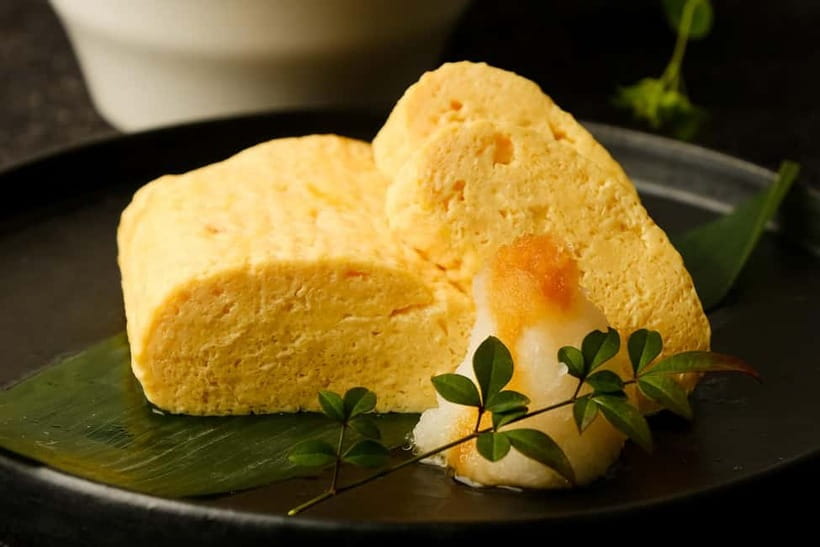
Once the rice is ready, you move on to shaping. The class covers traditional forms, including triangles, as well as more creative designs. That hands-on practice matters: the shape should hold together, but the rice should not be packed so tightly that the finished onigiri becomes dense. The host guides you through the steps, which is helpful if this is your first time working with rice in this way.
You make three rice balls per person, giving you a little room to try more than one approach. Fillings range from traditional to modern interpretations, with vegetarian options included among the possibilities. The specific choices can vary, so it is sensible to share dietary needs before class rather than assume a particular filling will be available.
Nori wrapping is another skill you will practice. The seaweed does more than decorate the rice: it adds flavor and changes how the onigiri feels in your hand. Learning a traditional wrapping technique is a small detail, but it gives you a more complete picture of how a familiar snack is put together.
A Short Lesson in Tamagoyaki
The class also includes half a portion of rolled omelet per person. Tamagoyaki is made by rolling cooked egg into layers, and making it alongside onigiri broadens the session beyond one dish. You receive the ingredients and utensils needed for your share, with the host guiding you through the cooking.
The portion is deliberately limited, so set your expectations accordingly. This is not a full meal built around several dishes. Instead, the omelet gives you a second technique to try and something else to taste with the rice balls you make.
The class description does not specify the exact recipe or seasonings for the tamagoyaki. If you have a dietary restriction or allergy, contact Sorisso ahead of time and ask what can be accommodated. Gluten-free options may be possible on request, but the provider cannot host people with severe or life-threatening food allergies.
What the 90 Minutes Feel Like
The session lasts about an hour and a half, a manageable block of time for a cooking activity in the city. The exact starting times depend on availability. You should expect the time to cover instruction, hands-on preparation, and eating what you make, rather than a long meal or an extensive tour of Japanese cooking.
The setting is a small shop with a cozy kitchen setup. That can be an advantage: in a compact room, the host is close at hand, and you can ask questions as you work. The maximum group size is eight. One session had three participants, which allowed for plenty of individual attention, but you should not assume every class will be that small.
The atmosphere is intended to be friendly and encouraging, and English instruction makes the process accessible if you do not speak Japanese. The host explains each step, so you do not need to arrive with cooking experience or a working knowledge of Japanese food terms. You can focus on the rice, the shaping, and the chance to ask about the food as you go.
At the end, you can eat what you have prepared. Sharing the finished food is part of the experience, and it turns the class into a modest meal as well as a lesson. Recipes and a small souvenir are included, so you leave with something practical and a keepsake.
More cooking classes in Tokyo:
- Sushi Making Tokyo Roll and Authentic Japanese Sushi Class
★ 5.0 · 3,971 reviews - Tokyo: Roll and Authentic Sushi Making Class in Asakusa
★ 4.9 · 1,957 reviews - Tokyo Shinjuku Chopsticks Making Class
★ 5.0 · 1,763 reviews - Tokyo: Sushi Making Class in a Happi Coat near a Famous Spot
★ 4.9 · 1,377 reviews
Is $49 Good Value?
At $49 per person, this is best judged as a small-group activity with instruction, ingredients, equipment, and a take-home recipe, not as a cheap way to buy lunch. The fee covers a 90-minute class, apron rental, the materials for three onigiri and half a portion of tamagoyaki, an English-speaking host, recipes, and a souvenir.
I see the value in the practical teaching. You are paying to learn how rice texture, shaping, fillings, and nori work together, and to try the process under guidance. That is more useful than simply eating a prepared snack if you want to repeat the dish at home. The small class limit also gives you a better chance to get help than a large demonstration would.
The trade-off is the scale. Three rice balls and half a portion of omelet are not a substantial meal for most people, and transport to and from the venue is not included. If you are mainly looking for a filling lunch, you may want to treat the class as an activity and plan other food around it. If you value a focused introduction to Japanese home cooking, the price is easier to justify.
Who Will Enjoy This Class
This is a good fit for food lovers who want more than a tasting, but do not need a long or advanced cooking course. You get to handle the ingredients, follow clear instructions, and finish with dishes you can try to make again. Since no prior experience is necessary, it also suits first-time cooks and families with children aged five or older.
It can work well for a couple, a family, or a solo participant who likes meeting people through food. The group is small by design, and the shared meal at the end gives the class a social note. If you prefer a private lesson, however, check the arrangement before booking; the stated format is a small group with a maximum of eight.
The class is less suitable if you have a severe or life-threatening food allergy, as the provider explicitly says it cannot accommodate that situation. For other dietary restrictions, contact Sorisso in advance. Gluten-free options may be available, but they are not guaranteed.
Practical Details Before You Go
Sorisso runs the class in Shibuya, Tokyo, and transportation is not included. A past participant found the small shop easy to locate, but you should still check the precise meeting details before setting out. The listed location is Shibuya, while the broader region is Honshu.
The instructor speaks English. Tell the provider about allergies or dietary needs ahead of time, and ask directly about what can be adjusted. This is especially important if you are avoiding gluten or specific ingredients, since accommodations depend on what can be arranged.
The experience is not suitable for children under five. If you are booking for a family, keep in mind that the cooking involves hands-on shaping and working with food, and that every participant’s included quantity is three rice balls and half a portion of rolled omelet.
Should You Book It?
Book this class if you want a friendly, practical introduction to making onigiri and tamagoyaki, and you value learning a technique as much as eating the result. The best reasons to go are the English guidance, the small group, and lessons you can use in your own kitchen. The recipes and small souvenir are useful extras, not the main event.
Skip it if your priority is a large meal, a broad survey of Japanese cuisine, or a class that can safely accommodate severe food allergies. For everyone else, this is a compact way to spend 90 minutes with two familiar foods and understand the care behind their simple appearance.
FAQ
How long is the onigiri and tamagoyaki class?
The class lasts 90 minutes.
Where does the class take place?
It takes place in Shibuya, Tokyo, on Honshu. The provider is Sorisso.
How much does the class cost?
The price is $49 per person.
What food will I make?
You will make three rice balls and half a portion of rolled omelet per person.
Is the class taught in English?
Yes. An English-speaking host provides the instruction.
Do I need cooking experience?
No. The class is suitable for beginners, and the host guides you through the steps.
What is included in the price?
The class, ingredients and utensils for the dishes, apron rental, recipes, a small souvenir, and guidance from an English-speaking host are included.
Is transportation included?
No. You need to arrange your own transportation to and from the venue.
Can dietary restrictions be accommodated?
Tell Sorisso about restrictions or allergies in advance. Gluten-free options may be available on request, but accommodation is not guaranteed.
Is the class suitable for young children?
It is not suitable for children under five.
More hands-on workshops in Tokyo
- Chopstick Making Workshop in Ginza
★ 4.8 · 1,366 reviews - Tokyo Sushi Making Class in Tsukiji with Professional Chef
★ 5.0 · 1,177 reviews - Ramen & Gyoza Cooking Class in Tokyo with Local Supermarket Visit
★ 5.0 · 823 reviews - Matcha Making Class in Tokyo with Authentic Japanese Sweets Set
★ 5.0 · 744 reviews
Freshly reviewed in Tokyo
- Tokyo: Toshimaya Sake Brewery Tour with Sake Tasting★ 5.0 · 6 reviews
- :Tokyo,Shibuya /Meiji Shrine tour in KIMONO/English-friendly★ 5.0 · 4 reviews
- Tokyo: Tour Privado por Tokio en español★ 4.3 · 4 reviews
- Tokyo:Tea ceremony experience at Komaba Warakuan★ 4.8 · 9 reviews
- :Tokyo,Shibuya/ Pro Photography in Kimono / English-Friendly★ 5.0 · 26 reviews
- Tokyo:Samurai Training : Swords, Bushido & Mental Discipline★ 5.0 · 6 reviews
- Tokyo:Mt Fuji & Hakone Day Tour with English Speaking Driver★ 5.0 · 26 reviews
- Tokyo:Nikko UNESCO World Heritage Sites Private 1-Day Tour★ 3.8 · 6 reviews
Shibuya Tours, compared.

Shibuya Meltdown Nightlife Tour: All-You-Can-Drink Bar Hopping
Read our review →


Premium Go-Kart Tour with Tower & Shibuya Crossing
Read our review →
Japanese Speaking Experience Meet the locals Friend Cafe Shibuya
Read our review →Browse the lists this tour appears in