
Reviewed · TOKYO SUMO EXPERIENCES
Ryogoku: Sumo Town Guided Walking Tour with Lunch
Ryogoku’s sumo story makes more sense when you see it in the neighborhood where wrestlers live and train. This 3.5-hour walk links sumo stables, the Kokugikan arena, and other local landmarks with a meal of chanko-nabe, the hearty hot pot associated with wrestlers’ diets.
I like two things in particular: the expert guide turns a walk into a cultural lesson, connecting sumo with Shinto, Buddhism, Japanese food, and daily life; and the included chanko-nabe lunch gives you a chance to try the dish at the center of the tour’s story. Guides have included Jeff, Taka, Sue, Yoko, and Jean.
One important limitation: you do not watch a sumo bout or attend a training session. Stable schedules and tournament travel can also mean you see no wrestlers, so book this for context and neighborhood insight, not a guaranteed close-up encounter.
Key points to know before you book
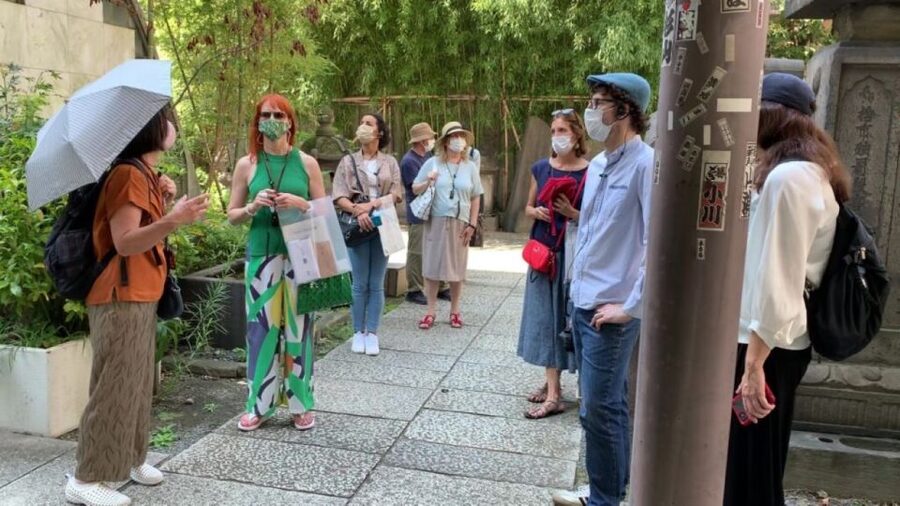
- Ryogoku’s sumo stables are viewed from outside. The guide explains how wrestlers live and train, but entry or a practice session is not part of the tour.
- The Kokugikan is part of the walking route. You visit the area around Tokyo’s main sumo arena, not a match.
- Chanko-nabe is both lunch and a lesson. The guide explains why a simple, shared hot pot suits life in a sumo stable.
- The group is capped at eight. That small size makes it easier to ask questions and keep the walk conversational.
- Expect a cultural tour as well as a sports tour. The route and commentary touch on temples, shrines, cuisine, and Japanese history.
- Plan on walking for 210 minutes. Comfortable shoes are advised, and the tour is not suitable for people with mobility impairments.
Why a walk through Ryogoku adds context
Sumo can look simple from the stands: two wrestlers, one ring, a quick contest. But the sport carries centuries of ritual and a way of life that extends beyond match day. This walk helps you read some of that context in the streets around Ryogoku.
The guide covers how sumo began and developed over roughly 1,600 years, then brings the discussion back to the neighborhood. You learn about stables, where wrestlers live and train, and about the routines and career paths that shape a wrestler’s life. That background can make a future tournament easier to follow, whether you see one in Japan or watch from home.
The tour also draws links between sumo and wider Japanese culture. Its stated themes include Shinto shrines, Buddhist temples, woodblock prints, gardens, swords, and cuisine. The value is not just a list of stops: a guide can explain how these subjects sit alongside one another in Ryogoku and help you notice more than the arena on a solo stroll.
The group limit of eight is a real advantage for this kind of outing. Sumo raises plenty of questions, and a small group gives you room to ask them without needing to catch up with a large crowd. Past guides have included Jeff, Taka, Sue, Yoko, and Jean. The names vary by date, but the strongest feature of the tour is the guide’s ability to make the sport’s customs and history clear and approachable.
More sumo experiences in Tokyo:
- Tokyo: Sumo Show Experience with Chicken Hot Pot and a Photo
★ 4.8 · 6,678 reviews - Tokyo: Sumo Show and Dining Experience
★ 4.8 · 2,742 reviews - the SUMO show
★ 5.0 · 1,960 reviews
From Ryogoku Station to the sumo stables
The meeting point is outside Ryogoku Station, at the Toei Oedo Line station. From there, the walk begins in the district that gives the tour its point of view: you are not hearing about sumo from across Tokyo, but moving through the neighborhood where its institutions are based.
One early stop is Hakkaku-beya, a sumo stable. You see it from outside, while your guide explains the stable’s role in a wrestler’s life. That distinction matters: this is not a visit inside a training facility, and the tour does not promise a practice session. Respect for the privacy of the stables is part of understanding the place.
The scheduled walk includes another guided sightseeing stop before the Kokugikan, though the exact name of that stop is not specified. The tour may also pass other nearby cultural landmarks. Its broad subject matter includes gardens, woodblock prints, and swords, but you should not assume every such site is an included interior visit. The guide’s commentary is central to making sense of what you see.
The Kokugikan and the sumo district
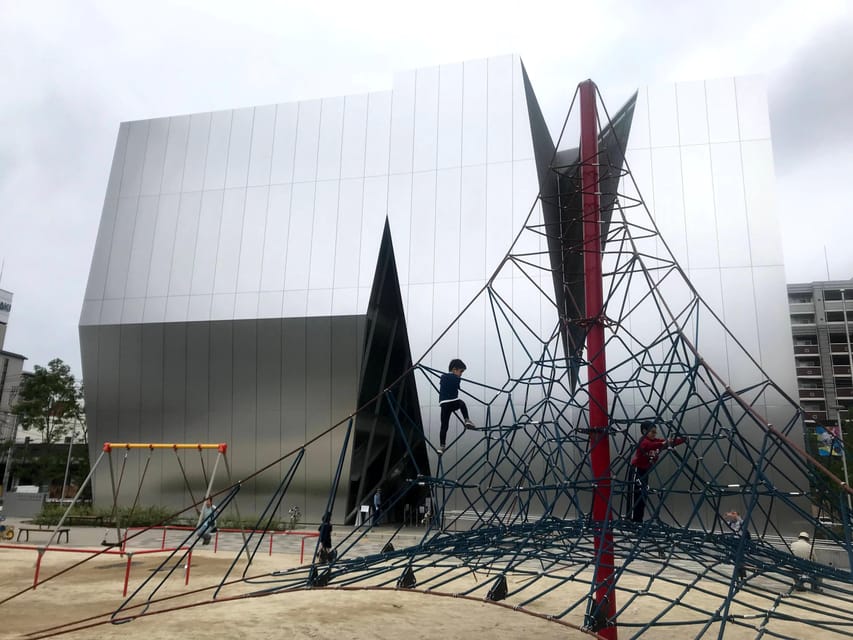
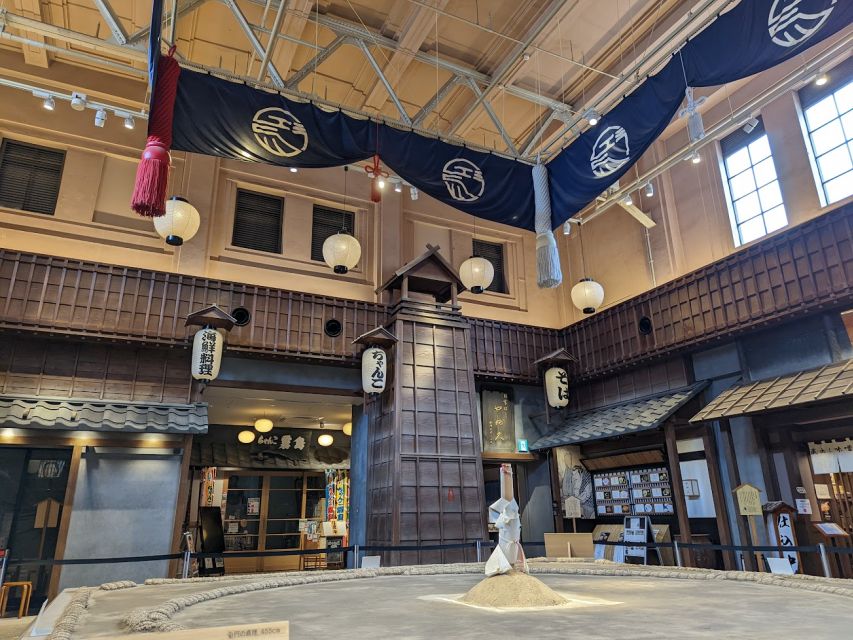
Ryogoku Kokugikan is the major sumo arena in Tokyo and an obvious anchor for the walk. You visit it as a landmark, with time to hear about its place in sumo culture. There is no bout included, and the tour does not provide entry to a tournament.
That caveat is worth taking seriously if you are planning around a specific match. The walking tour gives you useful background, but it is not a substitute for buying tickets to an event. Even when a tournament is taking place during your stay, this tour does not guarantee that you will attend a match or see wrestlers in action.
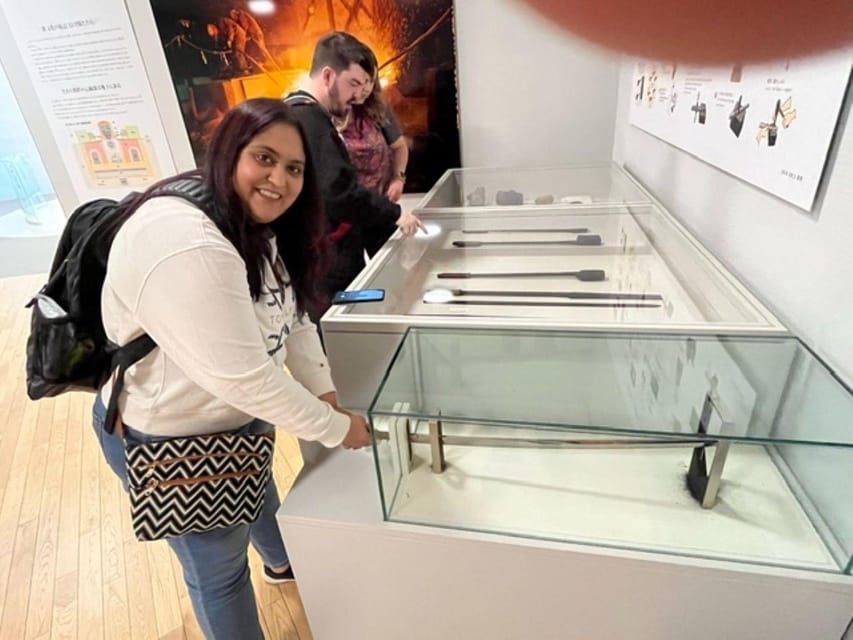
The itinerary also includes Ryōgoku Edo NOREN, followed by Ekō-in, a Buddhist temple, and Kasugano-beya, another stable viewed from outside. These stops help widen the story from sport to neighborhood and faith. At the temple, the guide can place Buddhist practice alongside the Shinto traditions that also shape Japanese culture. At the stable, you get another chance to discuss how the sumo world is organized.
The amount of time at each stop is modest, generally 15 or 30 minutes. Think of this as a guided overview rather than a set of long museum visits. That suits people who want a clear introduction to Ryogoku, but it may feel brisk if you prefer to linger at each site or explore collections at your own pace.
Chanko-nabe: a meal with a purpose
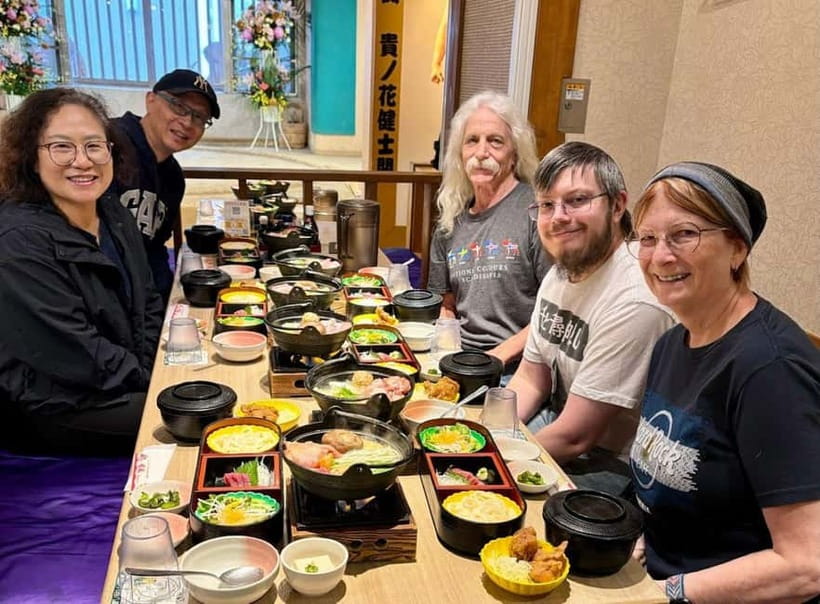
Lunch is the tour’s most tangible connection to a wrestler’s daily routine. Chanko-nabe is a hot pot associated with sumo wrestlers, and the guide explains why it became a practical staple. It is nutritionally balanced, cooks quickly, and is heated during preparation. Sharing a pot also encourages a sense of solidarity and teamwork.
The dish’s origins in stable life are part of its appeal. Wrestlers have traditionally prepared the meal themselves because stables do not have professional cooks. A dish that is manageable to make, nourishing, and suited to sharing makes practical sense in that setting. You get more than a restaurant meal: the food helps explain how daily habits support the larger culture of sumo.
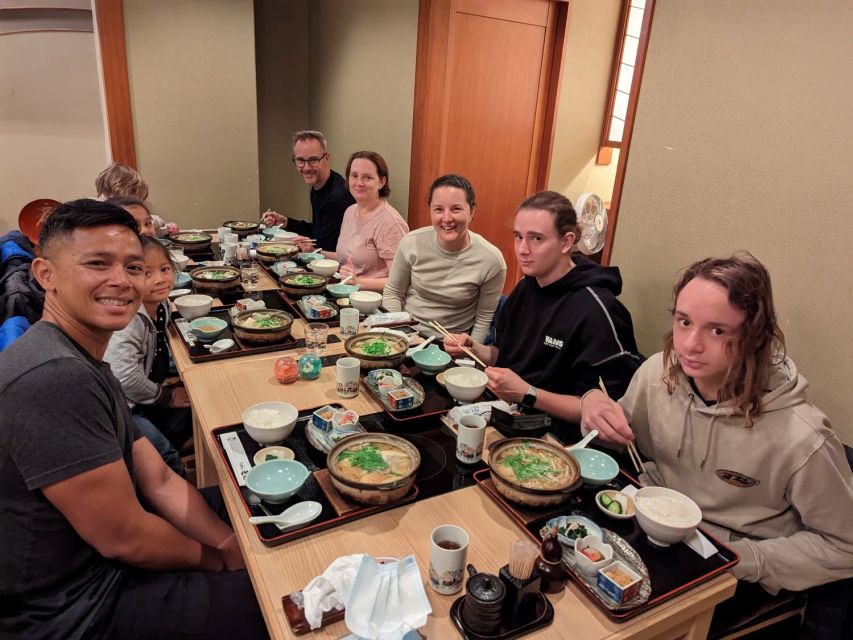
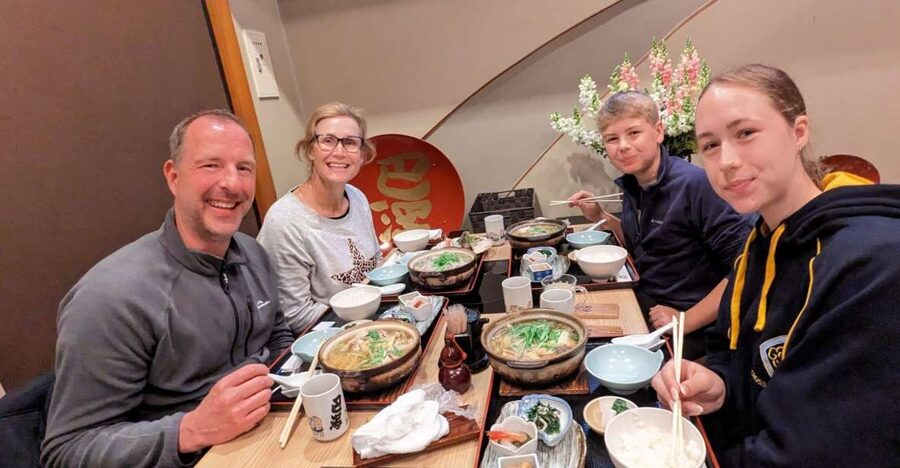
Lunch is included at Hana no Mai Edo-Tokyo Museum front, described as a seafood pub and a chanko-nabe restaurant in Ryogoku. The meal is regional food, and the lunch stop lasts about an hour. The provided details do not specify a menu, portions, or dietary substitutions, so ask ahead if you need to know exactly what will be served.
There is one possible drawback to the meal setting. A past account described several tour groups arriving at once, which made the restaurant feel crowded and less intimate. That is not a guaranteed issue, but it is useful to know if a quiet, leisurely lunch is important to you. The meal is best seen as a convenient and culturally relevant part of the tour, not a private dining experience.
More walking tours in Tokyo:
- Tokyo Tsukiji Fish Market Food and Culture Walking Tour
★ 5.0 · 3,184 reviews - Tokyo: Imperial Palace and Shogun Historical Walking Tour
★ 5.0 · 2,251 reviews - Tokyo: Shinjuku Local Bar and Izakaya Guided Walking Tour
★ 4.9 · 1,794 reviews - Tokyo: Tsukiji Fish Market Food and Walking tour
★ 5.0 · 1,724 reviews
What you may, and may not, see
The most reliable encounters are the landmarks and the guide’s explanations. Seeing actual wrestlers is a bonus, not a promise. Wrestlers may be away at a tournament, on vacation, or simply not visible from the street. One visitor on a past tour saw wrestlers relaxing in an alley near a stable, while others joined when wrestlers were away in Nagoya. Those examples show how much timing can change the day.
The tour does not include watching training. If a stable visit or practice is your main goal, do not treat this walk as a back door into one. Instead, book it for the neighborhood, the sport’s history, and a guide who can answer questions. You may come away wanting to plan a separate tournament or training experience, but that is not part of this tour.
Weather can also affect a walking day. A guide has managed a route in poor weather, but you should still wear comfortable shoes and dress for the conditions. The tour is not suitable for people with mobility impairments, and it is also listed as unsuitable for people with food allergies.
Is $122 a fair price?
At $122 per person, this is not a cheap neighborhood stroll. The price includes an English-speaking expert guide and chanko-nabe lunch, and the tour lasts 210 minutes with no more than eight participants. You are paying for interpretation as much as for the distance covered: a guide helps connect stables, the arena, temples, food, and the history of sumo into one coherent visit.
That can be good value if you are curious about sumo but lack the background to make sense of it on your own. The guide’s commentary is repeatedly praised for being clear, friendly, and full of useful detail. A walk through Ryogoku without that context would still show you the neighborhood, but it would not necessarily explain the stable system, the wrestlers’ routines, or why chanko-nabe matters.
The price is harder to justify if you mainly want to watch athletes. No match, training session, or stable entry is included. You may also find the lunch less special if you are focused on trying multiple restaurants or want a quiet meal. For a first visit to sumo country, though, the combination of a small guided walk and included local food offers a practical introduction.
The tour currently has a 4.8 rating from nine bookings. The most consistently praised elements are the guides’ command of sumo and their ability to make the walk personable. Jeff, Taka, Sue, Yoko, and Jean are among the named guides. The comments also point to the tour’s broader cultural value: it can leave you more interested in seeing a tournament later.
Who should book this walk?
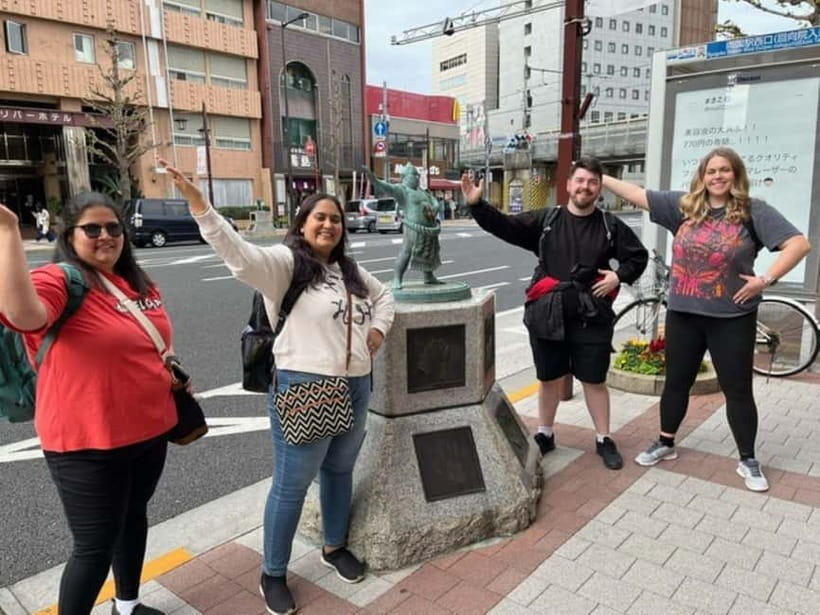
I’d recommend this tour if you want to understand sumo beyond the rules of a match. It suits first-time visitors to Ryogoku, people planning to attend a tournament, and anyone curious about how sport, food, religion, and everyday life meet in one Tokyo neighborhood.
It is also a good fit if you value conversation over access. The small group and English commentary make it easier to ask specific questions, while the included lunch gives the day a satisfying finish. If you are travelling with someone who is less interested in sumo, the broader cultural themes may help, though the sport remains the main thread.
Skip it if you expect to watch a match, enter a stable, or see wrestlers train. Those are not included, and their presence on the streets is unpredictable. Also choose another activity if long walks are difficult or you have a food allergy that the tour cannot accommodate.
If the goal is a grounded introduction to sumo and its home district, book it. If your main goal is live action, put your time and budget toward an actual tournament instead, and consider this walk only if you want the cultural background around it.
FAQ
How long is the tour?
It lasts 210 minutes, or three and a half hours.
Where does the tour meet?
Meet your guide outside Ryogoku Station, at the Toei Oedo Line station.
Is the tour conducted in English?
Yes. The live guide speaks English.
How large is the group?
It is a small-group tour, limited to eight participants.
Is a sumo match included?
No. The tour does not include watching sumo bouts.
Do you visit a sumo stable?
You see sumo stables from outside and hear about wrestlers’ lives and careers. Entry to a stable is not included in the information provided.
Is lunch included?
Yes. Lunch at a chanko-nabe restaurant in Ryogoku is included.
Is the tour suitable for people with mobility impairments or food allergies?
No. It is listed as unsuitable for people with mobility impairments and people with food allergies.
More tours with lunch in Tokyo
- Tokyo: Mt.Fuji & Lake Kawaguchiko 1-Day Bus Tour w/Optional Lunch
★ 4.5 · 839 reviews - Tokyo: Sumo Experience and Chanko Nabe Lunch
★ 4.8 · 257 reviews - Tokyo: Tsukiji Fish Market Tour with 6 Stops & Seafood Lunch
★ 4.5 · 165 reviews - Tokyo: 1 Day Bus Tour with Meiji-Jingu,Odaiba,lunch&Skytree
★ 4.6 · 156 reviews
Freshly reviewed in Tokyo
- Tokyo: Toshimaya Sake Brewery Tour with Sake Tasting★ 5.0 · 6 reviews
- :Tokyo,Shibuya /Meiji Shrine tour in KIMONO/English-friendly★ 5.0 · 4 reviews
- Tokyo: Tour Privado por Tokio en español★ 4.3 · 4 reviews
- Tokyo:Tea ceremony experience at Komaba Warakuan★ 4.8 · 9 reviews
- :Tokyo,Shibuya/ Pro Photography in Kimono / English-Friendly★ 5.0 · 26 reviews
- Tokyo:Samurai Training : Swords, Bushido & Mental Discipline★ 5.0 · 6 reviews
- Tokyo:Mt Fuji & Hakone Day Tour with English Speaking Driver★ 5.0 · 26 reviews
- Tokyo:Nikko UNESCO World Heritage Sites Private 1-Day Tour★ 3.8 · 6 reviews
Tokyo Sumo Experiences, compared.

Tokyo Shinjuku Sumo Show & Experience with Photo
Read our review →

Authentic Sumo Experience in Tokyo: Enter the Sanctuary
Read our review →
Tokyo Sumo Experience: Chanko & Mochi with a Former Pro
Read our review →Browse the lists this tour appears in