
Reviewed · TOKYO TEA CEREMONIES
Japanese Traditional Sweets making and Tea Ceremony
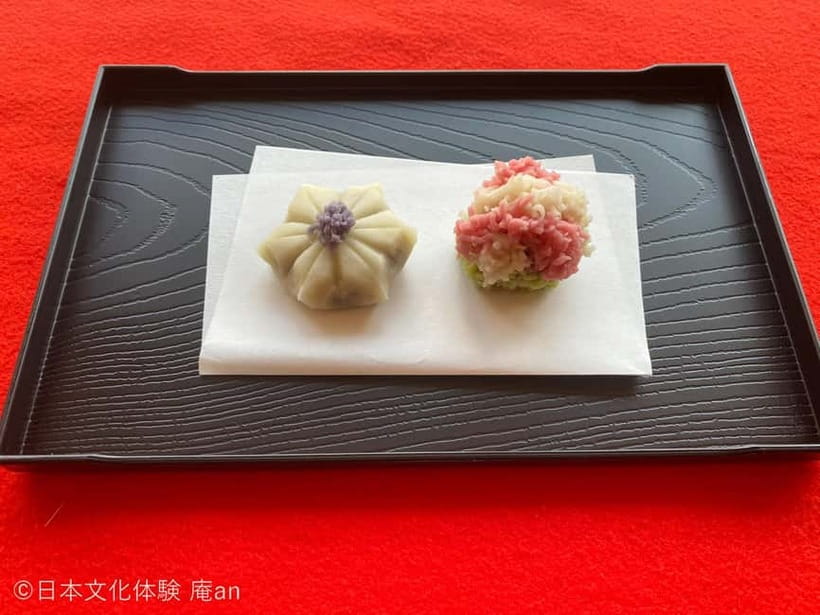
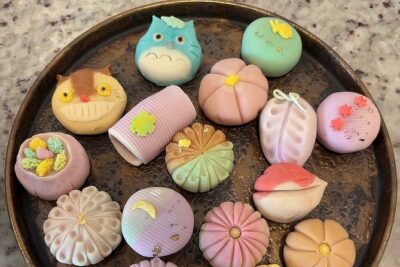
Nerikiri is a sweet you can admire before you taste it. In this 95-minute class, you color white bean paste, shape it into two seasonal confections, then prepare and drink Uji matcha with your own sweets. It is a hands-on way to meet two parts of Japanese food culture at one table.
I like that the ingredients have a clear connection to Japanese craft: the bean paste comes from long-established Kyoto shops, and the matcha is single-origin Uji tea. I also like the format, which gives you time to make two different sweets rather than simply watching a demonstration.
One thing to weigh is the language and group experience. The class is listed as Japanese-language, with English translation offered as much as possible by request. A class can also be hard to follow if the room is crowded, so contact the provider about translation and the setup before booking if clear instruction is important to you.
- Make two seasonal sweets: Shape one flower-style nerikiri and one kinton nerikiri.
- Use Kyoto-made bean paste: Start with white bean paste and add color before shaping.
- Learn about Uji matcha: Watch a matcha-grinding demonstration and take part in the tea ceremony.
- Taste what you make: Pair your sweets with matcha during the final part of the session.
- Plan for add-ons: A take-home box costs 100 yen, and a completion certificate costs 300 yen.
Color bean paste, then shape two nerikiri
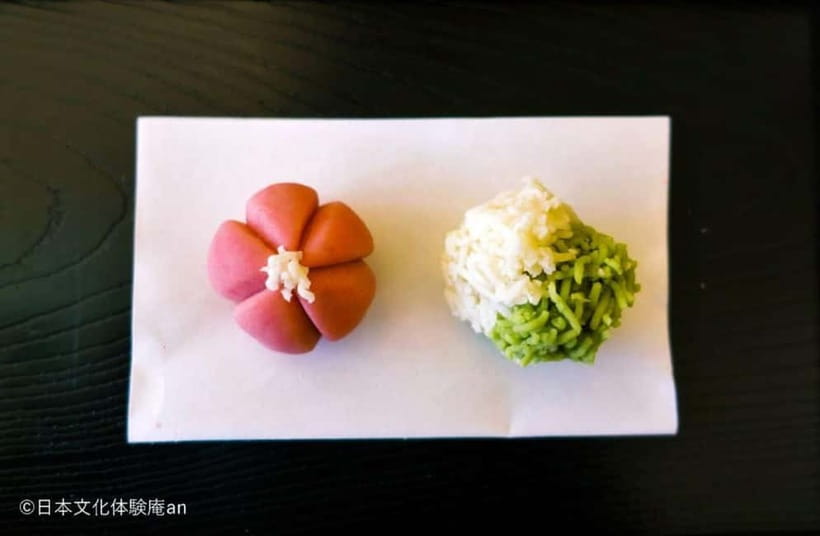
The class begins with an explanation of traditional Japanese sweets, followed by the first practical task: coloring the white bean paste. That simple step matters. Nerikiri is shaped and colored to suggest seasonal flowers or fruit, so you are not just decorating a sweet, you are translating a natural form into edible food.
You then make two sweets. The first is a flower-shaped nerikiri, which gives you a chance to work with the paste’s color and form. The second, kinton nerikiri, offers another style of shaping. The experience does not specify which seasonal designs will be taught, so expect the details to vary rather than count on making a particular flower.
The bean paste comes from established shops in Kyoto, a useful detail for anyone curious about the difference between a simple sweet and a carefully made wagashi. Its sweetness and smooth texture are part of the finished result, but the making itself is the point: you get to handle the paste, shape it, and see how small choices change the look.
This is a good activity for people who like learning through their hands. You do not need to be an artist to take part, though a little patience helps. The shapes are meant to be expressive, not factory-perfect. If your petals come out a bit uneven, that is part of making something yourself.
Take a short break before the tea lesson
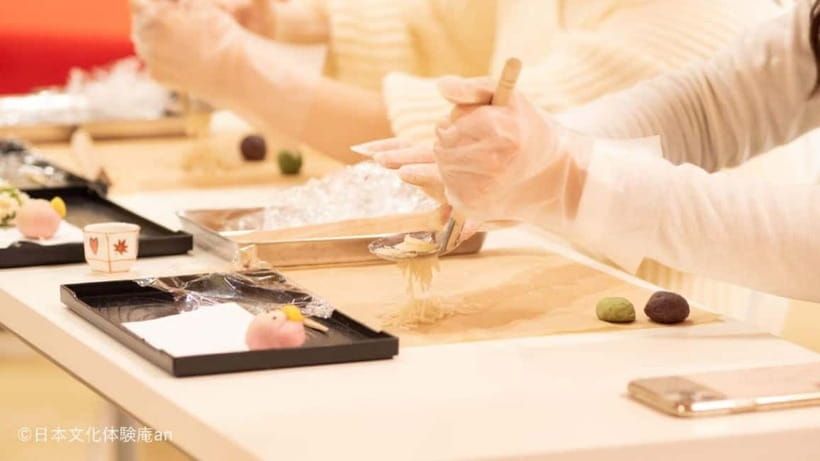
The schedule allows a break after about 55 minutes of sweet-making. Tea instruction begins around the 65-minute mark, so the pause gives you a moment to reset before shifting from shaping sweets to preparing matcha.
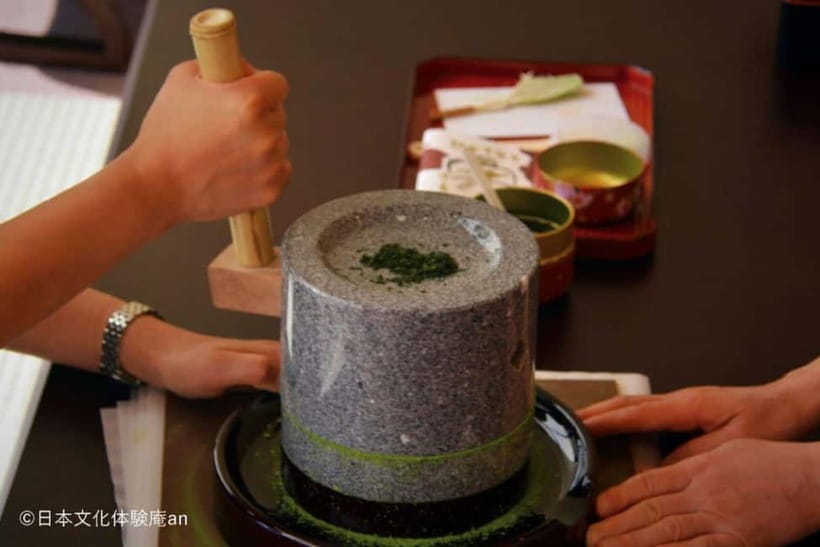
The change of pace is welcome. Nerikiri is tactile and creative, while the tea portion asks you to pay attention to how matcha is prepared and served. You will hear an explanation of tea, watch a matcha-grinding demonstration, and then take part in the tea ceremony.
The tea is described as single-origin Uji matcha. Uji is closely associated with Japanese green tea, and the class uses that matcha as more than a prop: you prepare it yourself and drink it alongside the sweets. The intended pairing is straightforward. The bean paste’s sweetness balances the matcha’s more pronounced taste.
The information provided does not spell out the ceremony’s specific movements or how much individual practice each person gets. If you are hoping for a long, formal tea ceremony, keep expectations measured. This is a short cultural class that combines an introduction to tea with participation, not a full-day study of tea practice.
More tea ceremonies in Tokyo:
- Matcha Making Class in Tokyo with Authentic Japanese Sweets Set
★ 5.0 · 744 reviews - Tokyo: Traditional Tea Ceremony with a Tea Master
★ 5.0 · 528 reviews - Tokyo: Matcha Making Experience with Mochi Sweets in Asakusa
★ 4.9 · 388 reviews
A visual teacher helps, but language matters
The instructor is Japanese, and the class is listed as operating in Japanese. English translation is available as much as possible, and the provider asks people who want it to get in touch. That is worth doing before you book, especially if you want to understand the cultural explanations rather than follow only by watching.
Marie is a presenter associated with the class, but the available details do not promise that she will lead every session. The teaching includes demonstrations, which can help when words are not enough. One participant with limited English found the visual instruction useful, while another found it difficult to hear the instructor in a crowded room. Those experiences point to the main practical question: not simply whether English is available, but whether you will be able to see and hear the demonstrations.
Ask the provider about language support and the class setup if either could make or break the experience for you. Group size is not specified, so I would not assume an intimate class. If you are traveling with children or anyone who may struggle to stay attentive in a group setting, consider whether a 95-minute activity involving two making stages and a tea lesson suits them.
Eat your sweets with the matcha you prepared
After the tea ceremony and a picture-taking period, the scheduled activity ends at about 85 minutes. The remaining ten minutes are for eating and drinking, and you can enjoy the sweets you made with your own matcha. That finish gives the class a satisfying shape: learn, make, prepare, taste.
You may want to keep your sweets for later, but the take-out box is not included. It costs 100 yen. If you do want to bring your work home, ask about the box before the end so you are not deciding at the last moment. A completion certificate is also available for 300 yen. For a certificate with your name on it, provide the names in advance; otherwise, the provider will leave the name field blank.
The food is the souvenir you make, but it is also the reason to stay for the final tasting. The class is not just a craft activity followed by a separate tea demonstration. The two parts are designed to meet at the table, where the sweetness of the bean paste and the flavor of the matcha can be enjoyed together.
What $18 gets you
At $18 per person, the price covers a 95-minute activity that combines two sweets-making projects with a matcha and tea ceremony experience. That is solid value if you want to do more than watch a cultural demonstration. You handle the ingredients, make something to eat, and prepare tea as part of the same class.
The use of Kyoto-produced bean paste and single-origin Uji matcha adds substance to the experience. Those ingredients give the class a specific food-culture focus rather than a generic souvenir-making feel. You are paying for guided activity and tasting, not for a take-home package or certificate, which are extra.
The value depends in part on what you want from the lesson. If you are curious about wagashi and tea, the combination is appealing. If your main goal is a long, detailed explanation in English, contact the provider first; the listed language is Japanese, and translation is offered as much as possible rather than guaranteed as full English instruction.
More dessert tours in Tokyo:
- Make Traditional Nerikiri Sweets & Matcha experience in Shibuya
★ 5.0 · 130 reviews - Private Mochi Sweets Making class near Shibuya area
★ 5.0 · 93 reviews - Tokyo: Two Types of Japanese Sweets Making and Tea Ceremony
★ 4.6 · 26 reviews - Japanese Traditional Sweets making
★ 4.1 · 19 reviews
Getting to AN TOKYO and booking sensibly
The meeting point is AN TOKYO Japanese Culture Experience, at coordinates 35.6916541, 139.7715022. The experience is in Tokyo, on Honshu. Although the sweets use ingredients associated with Kyoto, this is not a class in Kyoto, so be sure to plan around the Tokyo meeting point.
The activity lasts 95 minutes. Operating hours are 10:00 to 17:00, and reservations received after 17:00 are processed the next day. Check the available start times before planning your day, and arrive on time: the provider says it cannot hold the event for late arrivals.
You can reserve now and pay later, and cancellation is free up to 24 hours in advance. The provider also notes that fees apply after the free-cancellation period, and that changing the date or time after a cancellation fee has been incurred may bring an additional specified fee. Check the exact terms when booking; the provider does not compensate for travel costs if you cancel.
Only people taking part may enter. Children under two who sit on a parent’s lap are free, while the details do not specify other child pricing. If you are booking for a family, ask the provider about the arrangements before you go.
Who will enjoy this class most
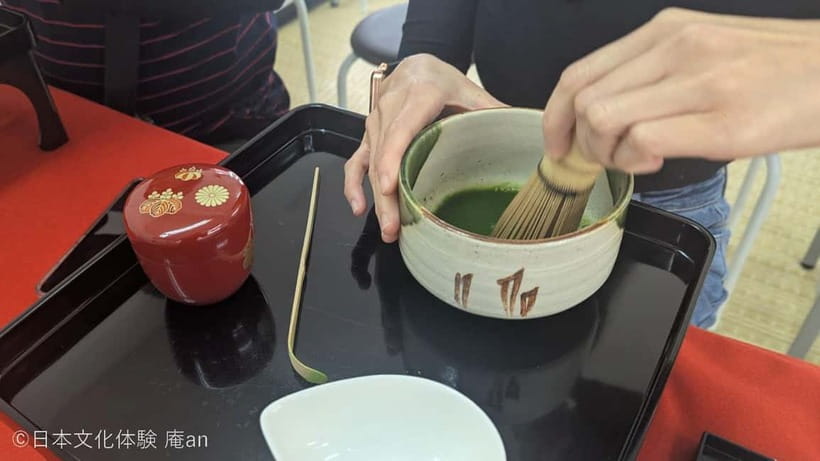
This class suits you if you like food, hands-on learning, and small cultural details. It is especially appealing if you want to know how traditional sweets are formed and colored, then connect that work to a cup of matcha. The two designs and the final tasting make the experience more engaging than a single demonstration.
It is also a good fit if you are looking for a compact activity. In under two hours, you move from an introduction to two sweets, take a break, learn about matcha, and taste what you have prepared. That makes it easier to fit into a Tokyo day than a long workshop.
I would be more cautious if you need full English instruction or a quiet, very small-group setting. Those details are not guaranteed. Get in touch ahead of time about translation and class size, and book if the provider’s answer matches what you need. If you are happy to learn partly by watching and want to make your own wagashi, the experience offers a thoughtful use of 95 minutes.
FAQ
Where does the sweets-making and tea ceremony class take place?
It meets at AN TOKYO Japanese Culture Experience in Tokyo, on Honshu. The coordinates are 35.6916541, 139.7715022.
How long does the experience last?
The full experience lasts 95 minutes. The scheduled activities end at about 85 minutes, followed by time to eat and drink before leaving.
What will I make?
You will make two seasonal Japanese sweets: a flower-shaped nerikiri and a kinton nerikiri.
What ingredients are used?
The class uses white and red bean paste produced by long-established shops in Kyoto. It also uses single-origin Uji matcha.
Is the class taught in English?
The listed language is Japanese. English translation is offered as much as possible, and you can contact the provider to request it.
What is included in the $18 price?
The price includes the Japanese sweets-making and tea ceremony experience. A take-out box and completion certificate cost extra.
How much do the take-out box and certificate cost?
A sweets take-out box costs 100 yen. A completion certificate costs 300 yen. For a named certificate, send the names in advance; otherwise, the name field is left blank.
Can I cancel for a full refund?
You can cancel up to 24 hours in advance for a full refund. Fees may apply after that period, so check the cancellation terms when you book.
Can children attend for free?
Children under two years old can attend for free if they sit on a parent’s lap. People who do not participate in the experience are not allowed to enter.
Freshly reviewed in Tokyo
- Tokyo: Toshimaya Sake Brewery Tour with Sake Tasting★ 5.0 · 6 reviews
- :Tokyo,Shibuya /Meiji Shrine tour in KIMONO/English-friendly★ 5.0 · 4 reviews
- Tokyo: Tour Privado por Tokio en español★ 4.3 · 4 reviews
- Tokyo:Tea ceremony experience at Komaba Warakuan★ 4.8 · 9 reviews
- :Tokyo,Shibuya/ Pro Photography in Kimono / English-Friendly★ 5.0 · 26 reviews
- Tokyo:Samurai Training : Swords, Bushido & Mental Discipline★ 5.0 · 6 reviews
- Tokyo:Mt Fuji & Hakone Day Tour with English Speaking Driver★ 5.0 · 26 reviews
- Tokyo:Nikko UNESCO World Heritage Sites Private 1-Day Tour★ 3.8 · 6 reviews
Tokyo Tea Ceremonies, compared.
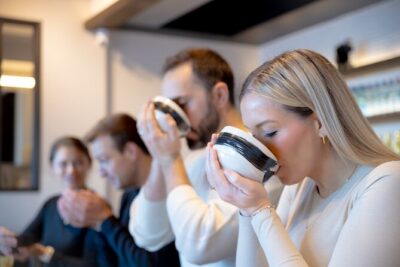
Matcha Making Class in Tokyo with Authentic Japanese Sweets Set
Read our review →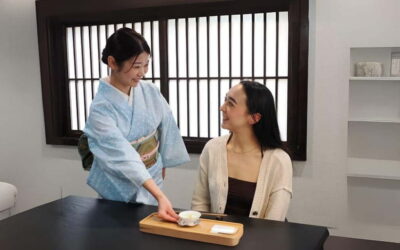
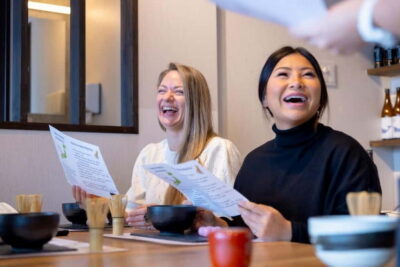
Matcha Making Experience with Mochi Sweets in Asakusa
Read our review →
Tea Ceremony Workshop in Tokyo by the Experienced Instrucor
Read our review →
Make Traditional Nerikiri Sweets & Matcha experience in Shibuya
Read our review →Browse the lists this tour appears in