
Reviewed · TOKYO TOURS
Japanese Traditional Sweets making
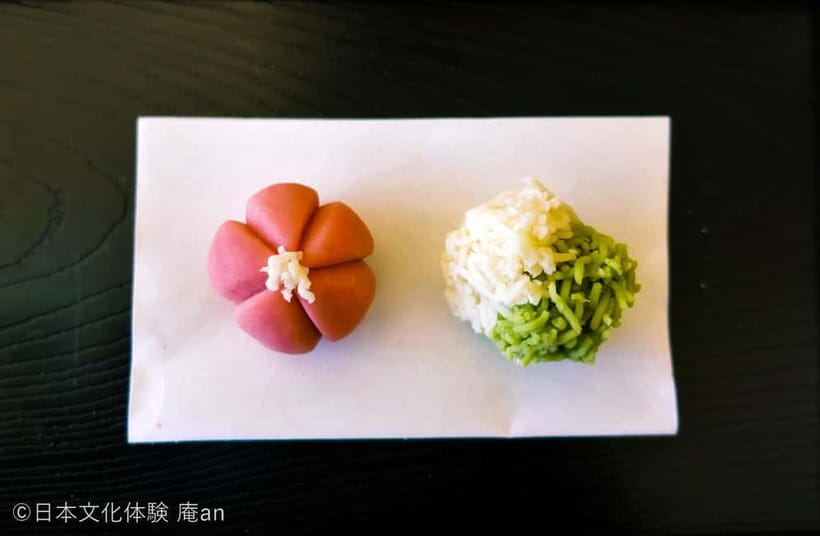
Nerikiri turns bean paste into small seasonal works of art, and this class gives you a chance to shape two of your own. You make a flower and a kinton sweet, using white and red bean paste from long-established Kyoto shops, then get to eat your handiwork on the spot.
I like the seasonal designs, which give the activity a clear connection to Japanese sweets, and the modest $11 price, which includes the making session. The finished sweets are edible, so this is art with a practical end point.
The main caution is the pace. The full visit lasts 65 minutes, but the making portion is scheduled to finish at 55 minutes, and some people have found the instruction rushed. If you want plenty of time to ask questions or work slowly, this may feel brisk.
At a glance: two sweets, one short class
- Two seasonal nerikiri: Make a flower-shaped sweet and a kinton nerikiri.
- Kyoto bean paste: The white and red bean paste comes from long-established shops in Kyoto.
- A quick, hands-on format: The class lasts 65 minutes, with making, photographs, and time to eat.
- A modest starting price: The $11 fee covers the nerikiri-making experience. A take-out box costs 100 yen extra.
- Japanese instruction: English translation is available as much as possible, but you should contact the organizer if you want it added.
- Plan to arrive on time: The class will not be held for late arrivals, and cancellation charges may apply.
Two seasonal sweets, made by hand
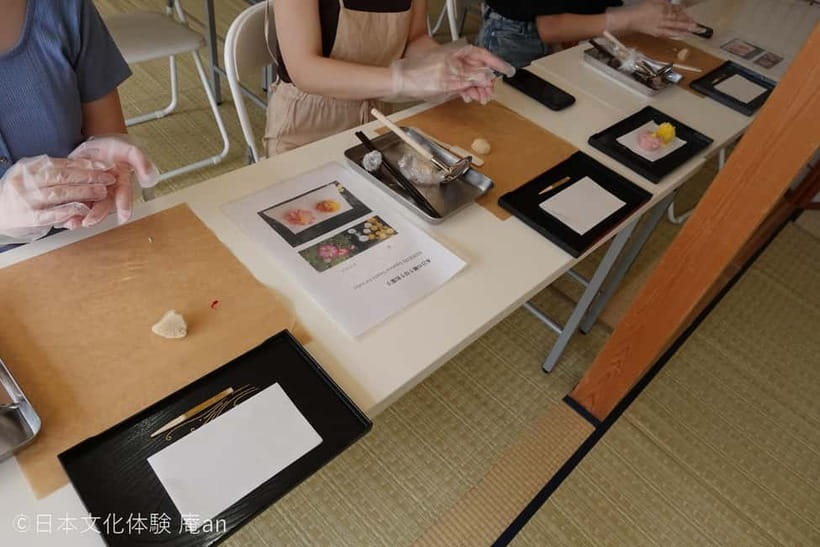
This is a compact introduction to nerikiri, a Japanese sweet made here with white and red bean paste. Rather than simply watching someone prepare a treat, you make two sweets yourself, each shaped to suit the season. That hands-on element is the point: you get to handle the ingredients, follow the instructor’s steps, and leave with a better sense of how a sweet can also be a small piece of decorative art.
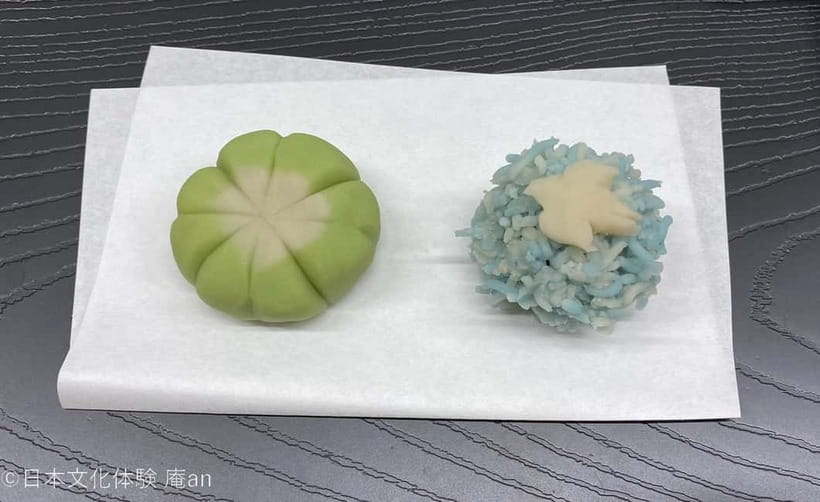
The first design is a flower-shaped nerikiri. The second is kinton nerikiri. The class description does not specify which flower or seasonal motif you will make, so expect the designs to vary with the time of year rather than arrive with a fixed picture in mind.
The bean paste is a useful detail. It comes from long-established Kyoto shops, giving the class a connection to the city’s sweets-making tradition even though the activity takes place in Tokyo. You are not just shaping generic modeling material: the sweets use ingredients intended to be eaten, and you can try them during the session.
That edible finish changes the mood of the activity. Your results do not need to be perfect to be worthwhile. The making itself is the souvenir, and the sweets are a snack you can enjoy before leaving.
More dessert tours in Tokyo:
- Matcha Making Class in Tokyo with Authentic Japanese Sweets Set
★ 5.0 · 744 reviews - Tokyo: Matcha Making Experience with Mochi Sweets in Asakusa
★ 4.9 · 388 reviews - Make Traditional Nerikiri Sweets & Matcha experience in Shibuya
★ 5.0 · 130 reviews
How the 65 minutes unfold
The schedule is short and structured. The experience begins with an explanation of Japanese traditional sweets, followed by the flower-shaped nerikiri and then the kinton nerikiri. The planned making and picture time runs to about 55 minutes. After that, you have an eating period, with the full visit ending at 65 minutes.
The opening explanation should help you understand what you are making before the hands-on work begins. Still, the class moves through two designs in less than an hour, so this is not a leisurely workshop where you can linger over each step. One person who found the experience too rushed described having only 30 to 40 seconds for some tasks before the instructor moved the class along. That is a useful warning if you prefer detailed demonstrations or need extra time to work with your hands.
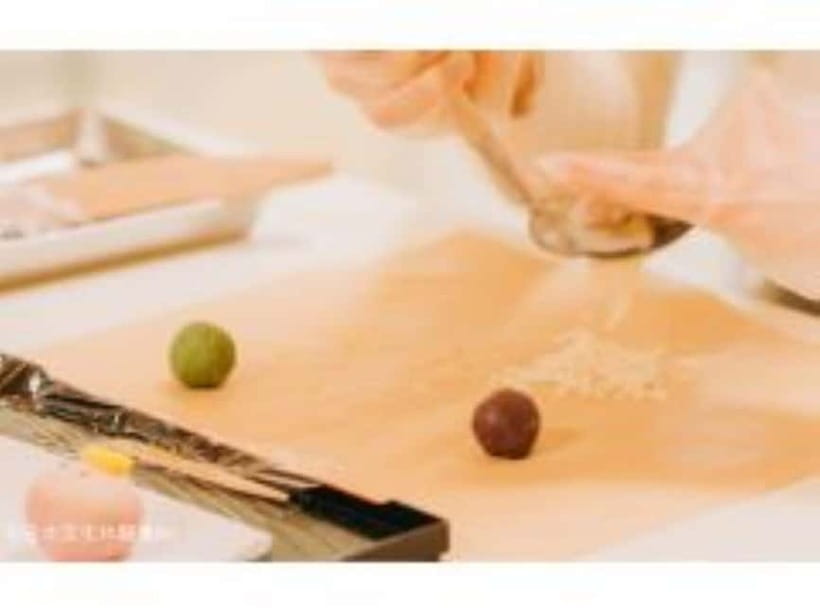
The flower design comes first, then the kinton. With both sweets, you follow the instructor’s guidance and shape the bean paste into the assigned form. The exact techniques are not detailed in advance, so I would not count on being taught a long list of specialist methods. Think of it as a brief, guided try at two seasonal forms.
Picture time follows the making. This is your chance to arrange the sweets on a plate and photograph what you have created. The class describes the finished plate as a small artwork, and that is a fair way to think about it: presentation is part of the fun, even if the shapes are not flawless.
Then comes the eating time. You can taste the sweets at the venue, which is included in the experience rather than an optional extra. The schedule allows roughly ten minutes for this final part, so enjoy your creations, but do not expect a long tea service or an extended break.
A quick class with a clear trade-off
The tight schedule has an upside. At 65 minutes, this can fit between other plans without consuming half a day. At $11 per person, it is also an inexpensive way to try a traditional craft and taste what you make. If you are curious about Japanese sweets but do not want a long formal lesson, the time and price are appealing.
The trade-off is that speed can leave little room for individual help. The class uses Japanese instruction, and English translation is provided as much as possible. That wording matters: translation is not presented as a guaranteed, fully bilingual lesson. Contact the organizer ahead of time if you want English support added, and be prepared for the pace to make detailed questions difficult.
Room size may matter, too. The teaching room has been described as large enough for around 30 people, and someone seated at the back may have trouble seeing the demonstration. The actual group size can vary, but if clear sightlines are important to you, it is sensible to ask the organizer about the planned session rather than assume this is a tiny class around one table.
There is also a practical comfort issue: coat storage is not clearly provided. One participant found there was nowhere to hang a coat and had to leave outerwear on the floor with bags. If you are carrying a bulky coat or several shopping bags, travel light if you can.
What the $11 price includes
The listed price is $11 per person and includes a set of the nerikiri-making experience. You make two sweets and can eat them at the venue. For a short activity with edible ingredients and a seasonal craft element, that is a fair entry price.
There are two small extras to consider. A take-out box costs 100 yen if you want to carry your sweets away, and an experience completion certificate costs 300 yen. The certificate can be made out to your name if you provide it in advance. Otherwise, the name space is left blank.
The low price does not mean this is a long or highly personalized class. You are paying for a brief, guided activity with a defined sequence, not an open-ended lesson. If you value a quick taste of a Japanese craft, the cost makes sense. If you want patient, one-to-one instruction, the short format may not be the best use of your time, even at this price.
The class has drawn strong praise for being fun and informative, for its staff, and for the taste of the sweets. It has also worked well as a social activity for someone attending alone. Those strengths fit the format: you have a shared task, a guide leading the steps, and a finished sweet to enjoy. The experience is less suited to anyone who expects a quiet, slow-paced lesson.
More tours and experiences in Tokyo:
- Mt Fuji and Hakone 1-Day Bus Tour Return by Bullet Train
★ 5.0 · 26,383 reviews - 1-Day Tokyo Bus Tour
★ 5.0 · 14,250 reviews - Tokyo: teamLab Planets TOKYO Digital Art Museum Entry Ticket
★ 4.6 · 9,779 reviews - Mt Fuji & Hakone Cruise, Drum Show Bullet Train 1 Day from Tokyo
★ 4.0 · 7,413 reviews
Finding AN TOKYO and arriving prepared
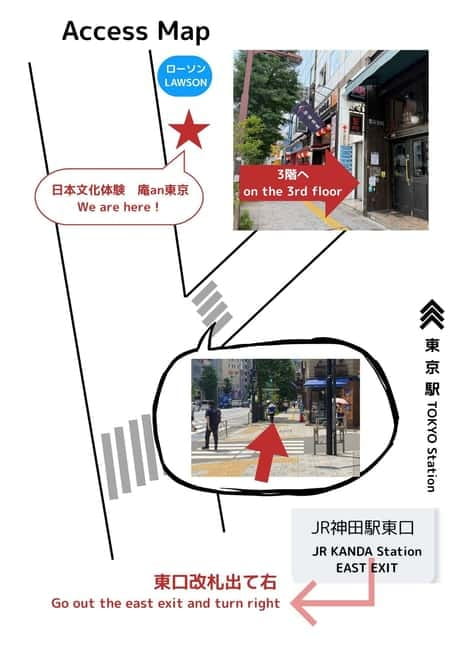
The meeting point is AN TOKYO Japanese Culture Experience, at coordinates 35.6916541, 139.7715022. The supplied location information gives coordinates rather than a street address, so check the venue details before setting out and allow time to find the exact entrance.
The experience operates from 10:00 to 17:00. Reservations received after 17:00 are processed the next day, so do not expect an evening message to be handled immediately. Starting times vary; check availability for the date you want.
Arrive on time. The organizer says the session will not be held to accommodate delays, and cancellation fees can apply depending on when you cancel. A change to your date or time after a fee has been incurred may also involve a specified charge. The stated free-cancellation window is up to 24 hours before the activity, but read the terms carefully, especially if you are making a tight connection or planning around unpredictable transport.
You can reserve now and pay later, which helps keep plans flexible. That does not remove the need to respect the cancellation rules. The organizer also says it cannot cover travel expenses if the activity is cancelled, so avoid building a costly onward plan around this short class without checking your arrangements.
Only people taking part may enter the experience. Children under two who sit on a parent’s lap are free, but other nonparticipants are not allowed inside. If you are booking for a family or group, make sure everyone who plans to enter has a place reserved.
Who will enjoy making nerikiri
I would choose this class if you want a short, affordable activity that gives you something to do with your hands, rather than another stop where you only look and take photos. It is a good fit for curious beginners, solo participants open to a social setting, and anyone who likes sweets enough to enjoy eating the results, whatever their shape.
It may also suit a group looking for a shared activity that does not take up much of the day. Everyone gets the same two designs, and the picture time gives you a natural moment to compare results. The class is not described as requiring prior experience, so you do not need to arrive with a background in Japanese confectionery.
I would think twice if you are especially sensitive to rushed instruction, need full English teaching, or want a small class with close individual attention. The language support is qualified, the room may be sizable, and the schedule is tightly timed. Those are not small footnotes if your main goal is to learn slowly and ask lots of questions.
For a first taste of nerikiri, though, the format has a sensible appeal. You use real bean paste, make two seasonal shapes, photograph them, and eat them, all within about an hour. The strongest reason to book is the combination of hands-on making and tasting at a low price. The strongest reason to skip it is a desire for a slower, more personal workshop.
Should you book this class?
Book it if you want a fun, economical introduction to Japanese sweets and are comfortable following a brisk group lesson. The Kyoto-made bean paste, seasonal designs, and chance to eat your work make the experience more satisfying than a craft activity with no edible payoff.
Skip it if you expect a relaxed, detailed lesson with guaranteed English throughout. Arrive promptly, keep your expectations modest, and treat the class as a lively sampler rather than a masterclass. If that suits your plans, 65 minutes and $11 can be a worthwhile way to spend part of a day in Tokyo.
FAQ
How long does the experience last?
The full experience lasts 65 minutes. The schedule sets aside about 55 minutes for the explanation, making, and photographs, followed by eating time.
How many sweets will I make?
You will make two Japanese sweets called nerikiri: a flower-shaped sweet and a kinton nerikiri.
Can I eat the sweets at the venue?
Yes. You can eat the sweets on the spot after the making and picture time.
What ingredients are used?
The class uses white and red bean paste produced by long-established shops in Kyoto.
What language is the class taught in?
The instructor’s language is Japanese. English translation is provided as much as possible, and you can contact the organizer if you would like it added.
Is a take-out box included?
No. A take-out box costs 100 yen.
Can I get a completion certificate?
Yes. A certificate costs 300 yen. Give the organizer your name in advance if you want it printed; otherwise, the name space is left blank.
What happens if I arrive late?
The class will not be held to accommodate delays, so plan to arrive on time.
Can someone enter without taking part?
No. People who do not participate in the experience are not allowed to enter. Children under two who sit on a parent’s lap are free of charge.
Freshly reviewed in Tokyo
- Tokyo: Toshimaya Sake Brewery Tour with Sake Tasting★ 5.0 · 6 reviews
- :Tokyo,Shibuya /Meiji Shrine tour in KIMONO/English-friendly★ 5.0 · 4 reviews
- Tokyo: Tour Privado por Tokio en español★ 4.3 · 4 reviews
- Tokyo:Tea ceremony experience at Komaba Warakuan★ 4.8 · 9 reviews
- :Tokyo,Shibuya/ Pro Photography in Kimono / English-Friendly★ 5.0 · 26 reviews
- Tokyo:Samurai Training : Swords, Bushido & Mental Discipline★ 5.0 · 6 reviews
- Tokyo:Mt Fuji & Hakone Day Tour with English Speaking Driver★ 5.0 · 26 reviews
- Tokyo:Nikko UNESCO World Heritage Sites Private 1-Day Tour★ 3.8 · 6 reviews
Tokyo Tours, compared.
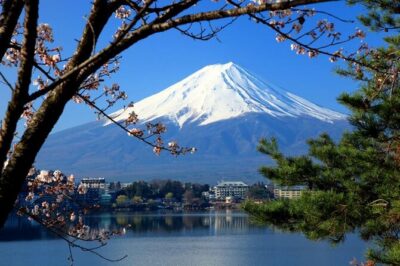
Mt Fuji and Hakone 1-Day Bus Tour Return by Bullet Train
Read our review →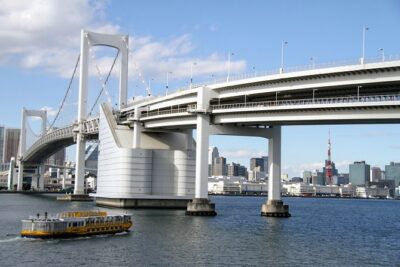
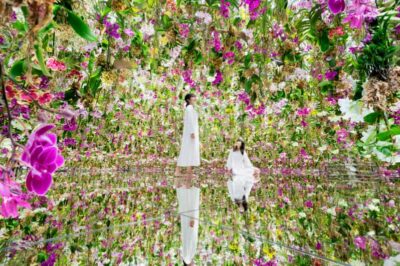
teamLab Planets TOKYO Digital Art Museum Entry Ticket
Read our review →
Mt Fuji & Hakone Cruise, Drum Show Bullet Train 1 Day from Tokyo
Read our review →
Shinjuku Food Tour (13 Dishes at 4 Local Eateries)
Read our review →
Tokyo Mt Fuji 5th St & Hakone Cruise Bus Tour w/Bullet Train
Read our review →
Flagship 2-Hours Official Street Go-Kart Tour – Tokyo Bay Shop
Read our review →
Browse the lists this tour appears in