
Reviewed · TOKYO SUSHI MAKING CLASSES
Taisho Sushi Making Class in Tokyo
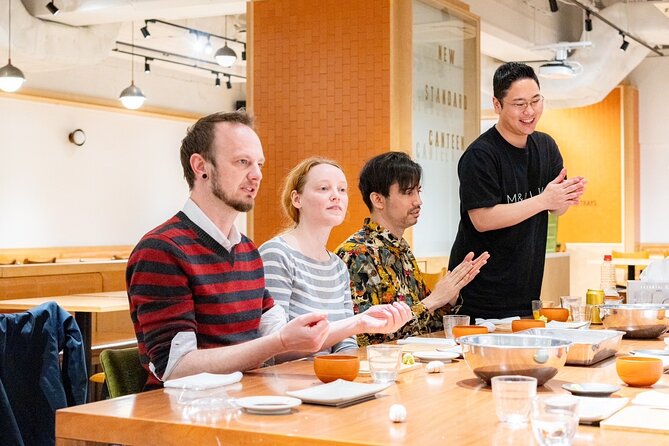
You don’t just watch someone make sushi here: you practise the hand movements on a model, then put them to work with real rice and fish. The class also teaches nigiri and gunkan, so you leave having tried more than one familiar sushi shape.
I like the step-by-step practice, which gives you time to learn the grip before handling real ingredients, and the chance to eat what you make. One thing to check before booking: the advertised duration is about one hour, while the class description calls it a 90-minute experience.
What to know before you book

- Practise before the fish arrives: You start with a model to learn the nigiri grip, then move on to rice and real fish.
- Make nigiri and gunkan: The class covers hand-formed nigiri and seaweed-wrapped gunkan, with examples such as salmon roe and negitoro.
- Seasonal fish shapes the menu: The varieties depend on the season, so the exact selection can change.
- You eat your work: The class includes time to enjoy the sushi you make, along with instruction in sushi-eating etiquette.
- Vegetarian and vegan options are available: Tell the provider about your needs when arranging your class.
- The group can be large: The maximum is 50 people, so ask about group size if you prefer a smaller, quieter lesson.
A quick class with a practical purpose
Tokyo is an easy place to eat sushi, but this class turns a meal into a skill you can take home. In a short session, you learn basic techniques for shaping nigiri and rolling gunkan, then sit down to eat what you have prepared. It suits a tight itinerary: you get a hands-on food activity without giving up half a day.
The class takes place at Taisho Sushi Making in Kōjimachi, Chiyoda City. The meeting point is 1-chōme-4-4 Kōjimachi, and the activity ends at the same address. It is near public transportation, which should make it easier to fit into a day of sightseeing, though the details provided do not name a particular station or route.
The format aims to teach, not simply entertain. Instead of asking you to copy a chef’s movements straight away, the instructor begins with a model and has you repeat the grip. That step matters because sushi rice and fish are delicate; a few practice rounds help you understand the shape before you work with ingredients you’ll eat.
More cooking classes in Tokyo:
- Sushi Making Tokyo Roll and Authentic Japanese Sushi Class
★ 5.0 · 3,971 reviews - Tokyo: Roll and Authentic Sushi Making Class in Asakusa
★ 4.9 · 1,957 reviews - Tokyo Shinjuku Chopsticks Making Class
★ 5.0 · 1,763 reviews
First, practise the nigiri grip
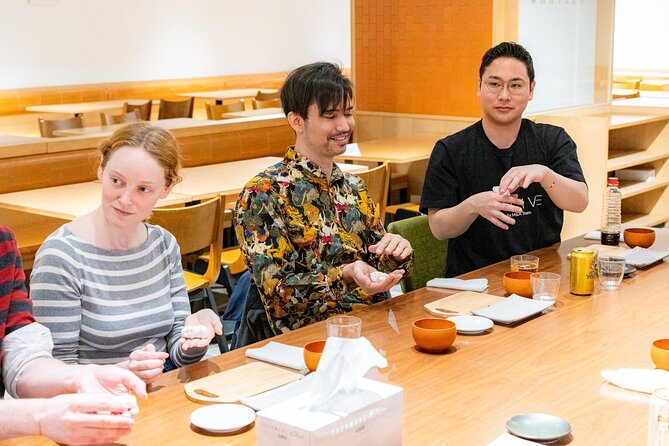
The lesson begins with a model rather than real fish and rice. You repeat the hand position and shaping procedure, building a feel for how nigiri is formed before moving on to the edible version. For beginners, this is a sensible use of limited class time. You can focus on your hands without worrying about wasting ingredients or producing a perfect piece on the first try.
This practice-first approach also makes the class more useful than a quick demonstration. You’re asked to do the work, and the model gives you a chance to repeat the movement. Don’t expect to master sushi-making in one visit, but you should come away understanding the basic process and what to pay attention to when you try it again.
Then you make nigiri with real rice and fish. The fish selection varies with the season, so the exact pieces are not fixed. That seasonal element is a nice change from a class built around a set menu, but it also means you cannot count on a particular fish being available.
The amount of fish and time for practice are especially relevant here. The class is designed to include both instruction and eating, not just a few rushed attempts at shaping rice. If you’re booking partly for the meal, keep in mind that the available information promises a generous variety and quantity, but does not list specific pieces or guarantee a particular menu.
Learn to shape gunkan, too
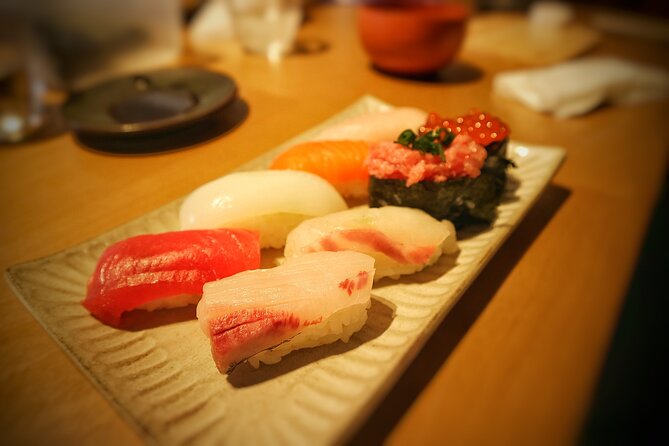
After nigiri practice, the class moves to gunkan. The name refers to a style of sushi with a strip of nori wrapped around the rice to hold its topping. Salmon roe and negitoro are among the examples given, though the precise toppings may vary.
Here you learn more than how to wrap seaweed around a mound of rice. The instruction includes the front and back of the nori and tips for rolling it. Those small details are the sort that are easy to miss when you’re eating sushi at a restaurant, yet useful when you try to make it at home.
Having two forms to practise gives the class a better balance than a lesson focused only on one basic roll. Nigiri asks you to shape rice and fish by hand; gunkan adds the task of wrapping nori neatly around a topping. In a short class, that variety makes the hour feel more like a compact introduction to sushi-making than a single-recipe demonstration.
Eat what you make, and learn the manners
The final reward is tasting your work. The class includes instruction in proper sushi-eating etiquette, so the meal is part of the lesson rather than an afterthought. That is a welcome detail for anyone who has wondered about the customary way to handle sushi at the table.
The balance between practice and eating is one of the class’s strongest points. You get to test what you have learned and see how your pieces compare with the examples you practised. It also makes the session a good fit for a family outing or a group of friends: everyone can make something, then share the meal.
You should arrive ready to eat, but do not assume the class is a full dinner replacement. The exact number of pieces and serving size are not specified, even though the experience is described as offering plenty of sushi. If you are especially hungry, plan your day with that uncertainty in mind.
More sushi making classes in Tokyo:
- Make Sushi and Create Unforgettable Memories in Tokyo
★ 5.0 · 1,413 reviews - Tokyo: Sushi Making Class in a Happi Coat near a Famous Spot
★ 4.9 · 1,377 reviews - Tokyo Sushi Making Class in Tsukiji with Professional Chef
★ 5.0 · 1,177 reviews - Tsukiji Fish Market Guided Tour and Sushi Making with Pro Chef
★ 5.0 · 775 reviews
Vegetarian options and group size
Fish is central to the standard lesson, but vegan and vegetarian options are available. If you do not eat fish, check that your dietary needs can be accommodated when booking rather than waiting until the class begins. The available information does not identify the exact plant-based ingredients, so it is worth asking what the alternatives include.
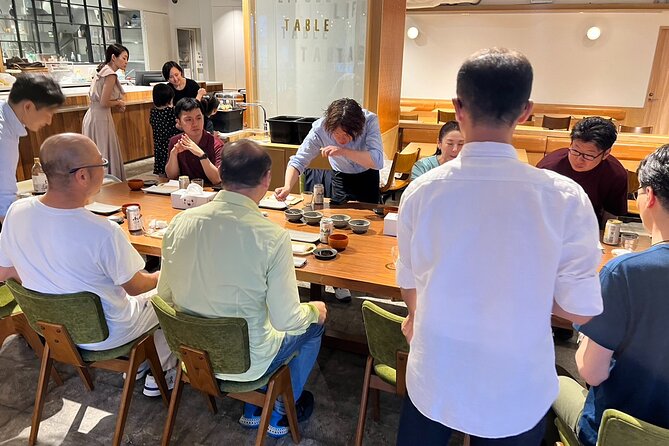
The maximum group size is 50. That capacity can work well for a family gathering or a larger group, and the hands-on model practice gives the session a clear structure even with many people. If you prefer close individual attention, however, a class with that maximum may feel busy. The actual number attending your date is not specified.
The experience is also a natural way to meet people who share an interest in Japanese food. You’ll be practising alongside other participants, then eating the results together. That social element is a bonus, but if you want a private lesson, the group format may not be the right match.
Price, timing, and practical details
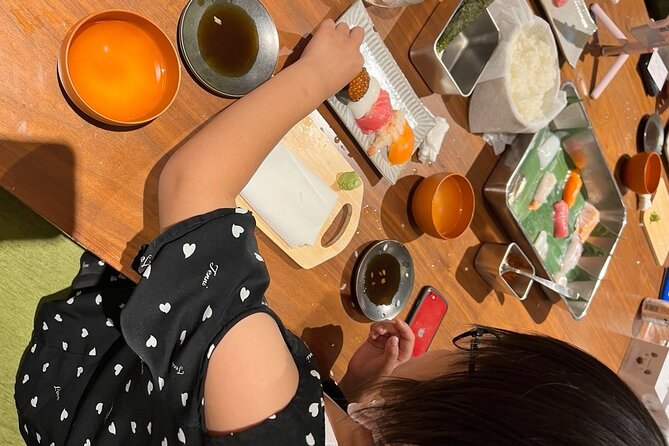
At $109.01 per person, this is not a bargain lunch. The price makes more sense if you value the instruction as well as the food: ingredients and equipment are supplied, you practise several techniques, and you eat what you make. For someone who simply wants sushi, a restaurant meal will be more direct. For someone curious about how nigiri and gunkan are formed, the class adds an activity and a meal in one stop.
There is a timing discrepancy worth sorting out before you commit. The tour summary gives an approximate duration of one hour, while the class description calls it a 90-minute experience. Because that difference can affect plans around a timed attraction or dinner reservation, confirm the expected length for your date.
Booking is often made about 23 days ahead, so I would not leave it until the last minute if the class is important to your schedule. Confirmation is provided within 48 hours, subject to availability. The experience requires a minimum number of participants; if that minimum is not met, you are offered another date or experience, or a full refund.
A mobile ticket is provided, and service animals are allowed. The class is near public transportation, but the details here do not specify a station, so check your route to the Kōjimachi meeting address before setting out. Free cancellation is available up to 24 hours before the start time; changes or cancellations inside that window are not accepted for a refund.
Who will get the most from this class?
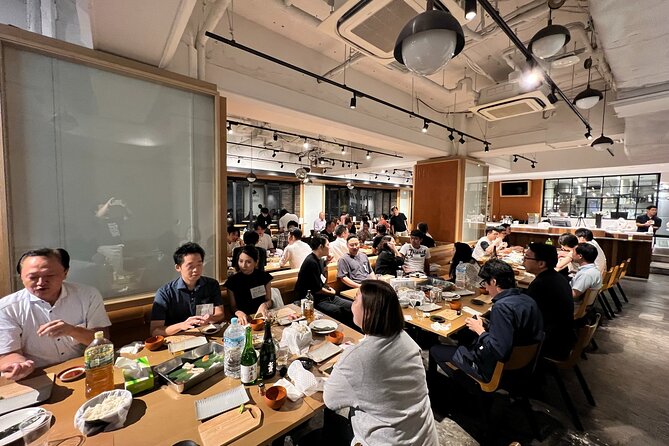
This is a good choice if you love sushi and want to know more than what is on the menu. It is also suited to food-focused visitors with limited time, since the lesson is short compared with a longer cooking course. Beginners should feel at home: practising on a model before handling real ingredients gives the class a clear starting point.
Families and groups may appreciate that the class combines hands-on work with a meal and can accommodate a sizeable group. Vegetarians and vegans can also take part, provided the available options meet their needs. If you are booking for a group, the 50-person maximum is useful to know, but it does not tell you how many people will be in a particular session.
I’d hesitate if you want a quiet, highly personal lesson, need a precisely timed one-hour activity, or are booking mainly for a specific kind of fish. The group can be large, the duration is described in two different ways, and the menu changes with the season. Those are manageable caveats, but worth checking before paying.
Should you book Taisho Sushi Making?
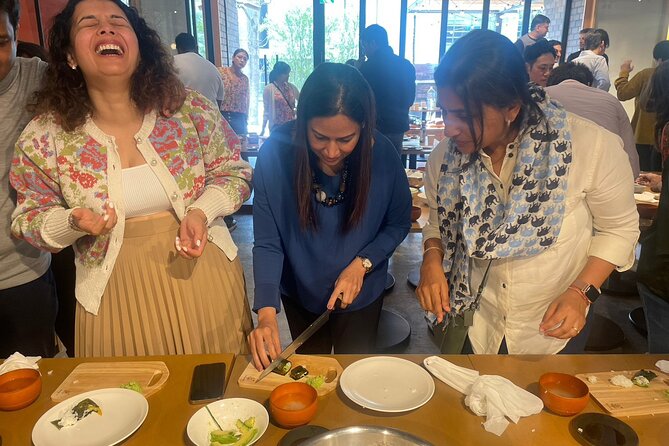
Book this class if you want a compact, practical introduction to sushi and like the idea of eating your results. Model-based nigiri practice, a lesson in gunkan, seasonal fish, and a meal make good use of a short visit. The price is easier to justify for someone who values the instruction and activity, not just the food.
Before you book, confirm the expected duration and ask about the fish or plant-based options if either matters to you. If you’re comfortable with a group setting and flexible about the exact menu, this is a useful way to turn a Tokyo sushi meal into something you can try making again at home.
FAQ
How long does the class last?
The tour summary gives an approximate duration of one hour, while the class description says 90 minutes. Confirm the expected duration for your date before planning other activities around it.
How much does the class cost?
The listed price is $109.01 per person.
Where does the class meet?
It starts at 1-chōme-4-4 Kōjimachi, Chiyoda City, Tokyo 102-0083, Japan, and ends back at the meeting point.
What will I learn to make?
You practise nigiri and gunkan. The class begins with nigiri grip practice on a model, then moves to making sushi with real rice and fish.
Are ingredients and equipment provided?
Yes. You do not need to bring equipment or materials.
Are vegan or vegetarian options available?
Yes. Vegan and vegetarian options are available for people who do not eat fish. The specific alternatives are not listed.
Does the fish selection stay the same?
No fixed selection is specified. The fish varies by season.
How large can the group be?
The maximum group size is 50 people. The number attending a particular session is not specified.
Can I cancel for a refund?
You can cancel at least 24 hours before the start time for a full refund. Cancellations and changes made less than 24 hours before the start time are not accepted for a refund.
More hands-on workshops in Tokyo
- Chopstick Making Workshop in Ginza
★ 4.8 · 1,366 reviews - Ramen & Gyoza Cooking Class in Tokyo with Local Supermarket Visit
★ 5.0 · 823 reviews - Matcha Making Class in Tokyo with Authentic Japanese Sweets Set
★ 5.0 · 744 reviews - Tokyo: Samurai Sword & Archery Class from Samurai Descendant
★ 5.0 · 603 reviews
Freshly reviewed in Tokyo
- Tokyo: Toshimaya Sake Brewery Tour with Sake Tasting★ 5.0 · 6 reviews
- :Tokyo,Shibuya /Meiji Shrine tour in KIMONO/English-friendly★ 5.0 · 4 reviews
- Tokyo: Tour Privado por Tokio en español★ 4.3 · 4 reviews
- Tokyo:Tea ceremony experience at Komaba Warakuan★ 4.8 · 9 reviews
- :Tokyo,Shibuya/ Pro Photography in Kimono / English-Friendly★ 5.0 · 26 reviews
- Tokyo:Samurai Training : Swords, Bushido & Mental Discipline★ 5.0 · 6 reviews
- Tokyo:Mt Fuji & Hakone Day Tour with English Speaking Driver★ 5.0 · 26 reviews
- Tokyo:Nikko UNESCO World Heritage Sites Private 1-Day Tour★ 3.8 · 6 reviews
Tokyo Sushi Making Classes, compared.
Sushi Making Tokyo Roll and Authentic Japanese Sushi Class
Read our review →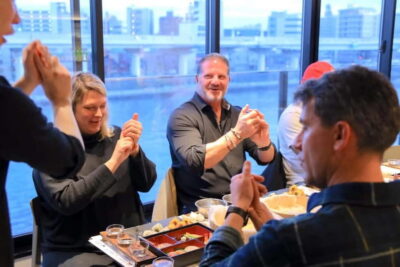
Roll and Authentic Sushi Making Class in Asakusa
Read our review →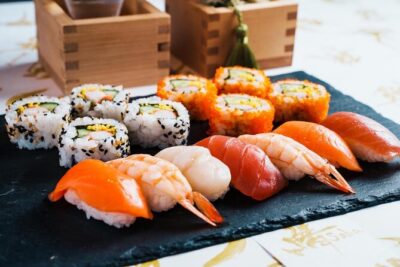
Make Sushi and Create Unforgettable Memories in Tokyo
Read our review →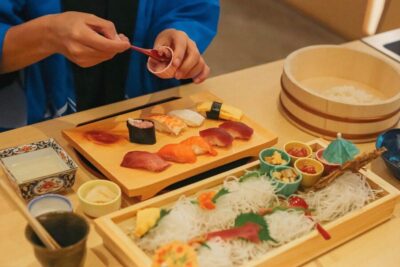
Sushi Making Class in a Happi Coat near a Famous Spot
Read our review →
Tokyo Sushi Making Class in Tsukiji with Professional Chef
Read our review →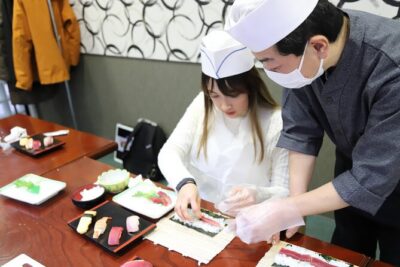
Tsukiji Fish Market Guided Tour and Sushi Making with Pro Chef
Read our review →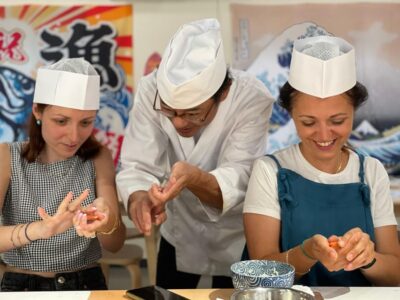
Tsukiji Fish Market Sushi Making Class with Pro Chef
Read our review →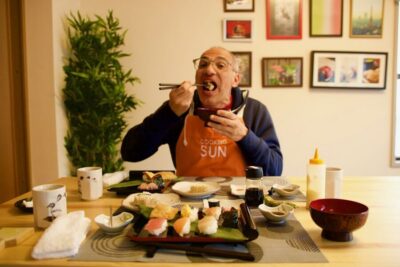
Browse the lists this tour appears in