
Reviewed · TOKYO TEA CEREMONIES
Make Traditional Nerikiri Sweets & Matcha experience in Shibuya
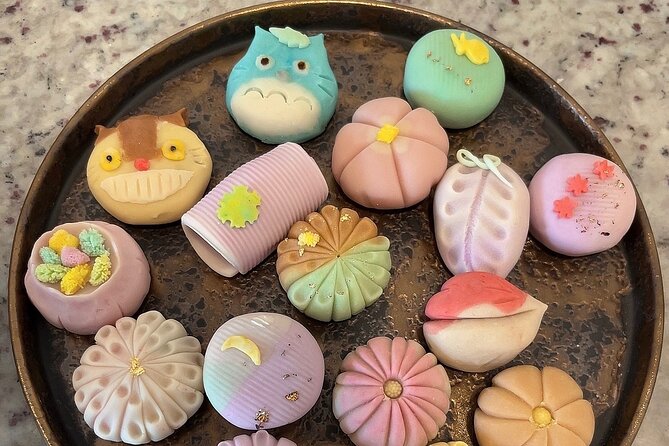
Nerikiri are the kind of Japanese sweets that can look too delicate to touch. In this small Harajuku class, you make four yourself: three based on sample designs, then one of your own invention. The finished sweets are yours to take home.
I like two things in particular: you get a real hands-on introduction to a traditional craft, and the class ends with matcha served in a relaxed, table-style tea ceremony. Hana also shares practical tips about Tokyo, which can be useful when you are planning the rest of your day.
One consideration: at about 90 minutes, this is a short introduction, not a full course in Japanese confectionery or tea ceremony. The class takes place in Hana’s home, so you should be comfortable with a small, personal setting. The group is capped at four, which keeps it intimate but means spaces are limited.
What to know before you book
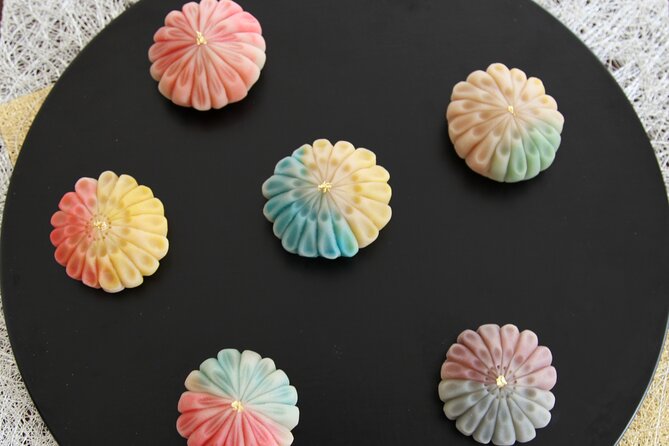
- Make four nerikiri sweets: Follow sample designs for three, then create an original design of your own.
- Take your creations with you: The sweets you make can be brought home.
- Meet Hana in her home: The workshop is about a 30-second walk from the meeting point near CHUMS Omotesando.
- Finish with matcha: Hana serves matcha alongside Japanese sweets selected from around Japan.
- Plan for a small class: The maximum group size is four, and the activity lasts about 90 minutes.
- Add it to a Harajuku day: Meiji Shrine, Takeshita Street, and Shibuya Crossing are all within reach after class.
Shaping nerikiri, one careful step at a time
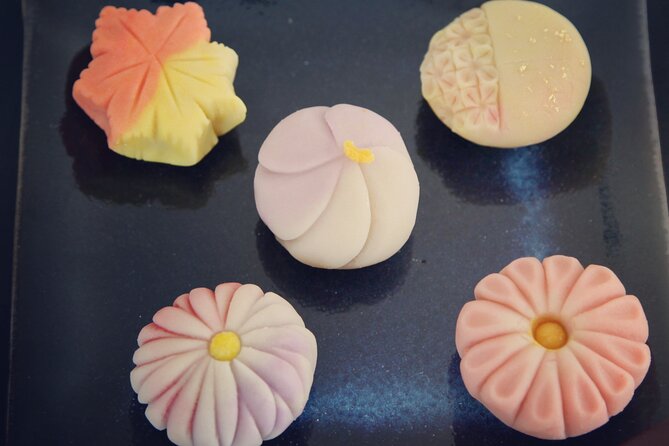
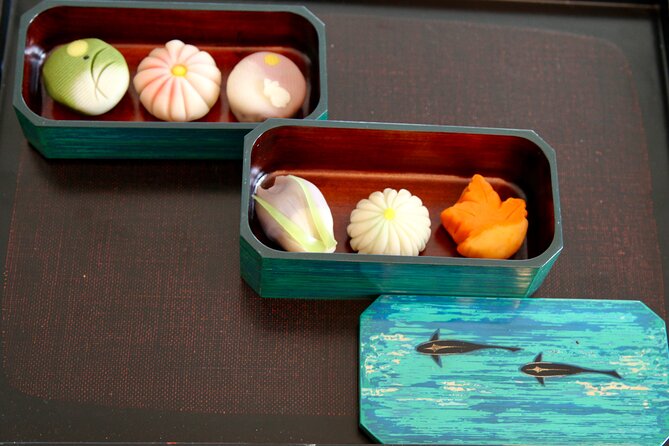
Nerikiri is a traditional Japanese confection made with bean paste, sugar, and other ingredients. Its appeal comes from both taste and appearance. The sweets are formed into small, decorative shapes, so making them asks you to pay attention to details as well as flavor.
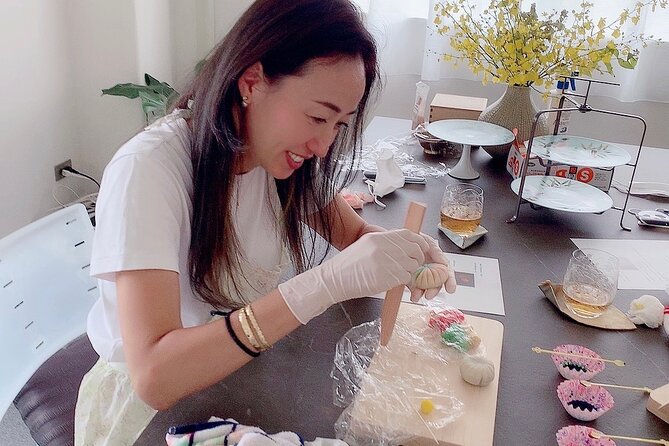
Hana starts by showing you sample designs. You choose from the examples and make three different shapes, with her guidance along the way. Then comes the most personal part: creating a fourth design of your own.
That balance works well for beginners. The sample shapes give you a clear starting point, while the final sweet lets you test your own idea. You do not need to arrive with artistic confidence. Hana’s teaching is described as patient and clear, and she can help you improve a design or technique as you work.
The process is hands-on, but not rushed. That matters when you are learning a craft where the look of the finished sweet is part of the point. You have time to focus on the shaping rather than simply follow a fast demonstration and move on.
Designs made in class have included familiar figures such as Hello Kitty and Totoro, as well as flowers and seasonal-looking shapes. Your exact choices will depend on the examples Hana has available, but the option to make an original piece means you are not limited to copying a model.
The sweets you make can be taken home. That gives the activity a useful souvenir beyond a photo, though it is worth thinking about how you will carry delicate food items for the rest of the day. The information provided does not specify packaging or how long the sweets keep, so ask Hana if you need advice before setting off.
More Shibuya tours in Tokyo:
- Official Street Go-Kart in Shibuya
★ 5.0 · 3,435 reviews - Tokyo: Street Kart Experience in Shibuya
★ 4.9 · 1,484 reviews - Shibuya Meltdown Nightlife Tour: All-You-Can-Drink Bar Hopping
★ 5.0 · 1,058 reviews
A tea service that gives the sweets context

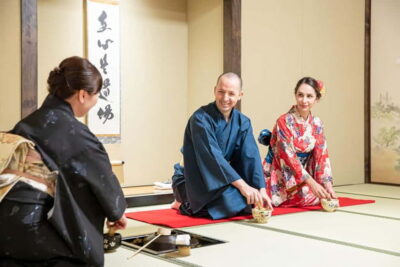
After shaping the nerikiri, you sit down for matcha and a table-style tea ceremony. Hana prepares the matcha and serves it with carefully selected Japanese sweets sourced from around Japan. The format offers a taste of tea etiquette without requiring you to attend a formal, extended ceremony.
This is a good pairing for the sweet-making lesson. Nerikiri is not just a pretty dessert; it belongs to a wider food culture in which presentation and the moment of eating matter. Taking a little time over the tea helps you notice that side of the craft.
The activity includes four sweets made during the class and a hot drink. The served sweets are an additional part of the tea service, according to the activity description. If you are booking mainly for food, keep in mind that this is a cultural workshop as well as a tasting. The making and conversation are the main event.
You may see the tea preparation as a chance to ask Hana about Japanese sweets and customs. Several people have appreciated the chance to learn about the process as well as try it, and Hana speaks both English and Japanese. The class is designed for visitors who want a practical introduction, not a lecture full of terms to memorize.
A home setting, with Hana as your guide
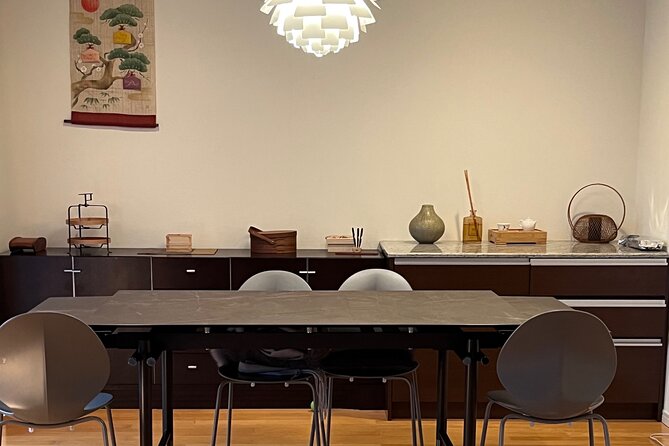
The class is hosted by Hana at her home. That makes this different from a demonstration in a shop or a large cooking school: you get a glimpse of a private home in central Tokyo, while spending time with the person teaching you.
Hana’s approach is a major part of the activity. She is described as welcoming, patient, and good at explaining the steps clearly. The family accounts also point to her ability to make children feel supported, including helping a child so a parent can focus on making their own sweets.
That personal setting has practical advantages. With no more than four participants, the group is small enough for individual guidance and conversation. You can ask for help as you work, rather than wait for an instructor to circulate through a crowded room.
The trade-off is that a home class is less like a polished visitor attraction. The atmosphere is informal and personal, which is exactly what many people want. If you prefer a large venue, a set-piece performance, or a highly formal tea ceremony, this may not be your ideal fit.
Hana also offers suggestions for places to visit in Tokyo. Treat those tips as a useful bonus, not the core reason to book. You are coming to make sweets and learn about matcha, and the local advice can help you fill in the rest of your day.
Finding the meeting point in Omotesando
The listed meeting point is at 5-chōme-2-21 Jingūmae, Shibuya, Tokyo. The group meets across from CHUMS Omotesando, in front of a brown building, then walks together for about 30 seconds to Hana’s home.
Omotesando Station is about a three-minute walk away, making this a straightforward activity to reach by public transport. The location is also within walking distance of Harajuku and Shibuya, though you should check your route and allow time to find the exact meeting spot.
The activity ends back at the meeting point. That makes it easy to continue exploring the area without needing to return to a distant tour office. Nearby places named for a post-class visit include Meiji Shrine, Takeshita Street, and Shibuya Crossing.
There are three listed start times: 9:00 a.m., 1:00 p.m., and 3:30 p.m. The early session is especially practical if you want to make a full day of it. Many shops open around 11:00, so a 9:00 class can fill the morning before you head out to shop or sightsee.
The later sessions suit a slower day or an afternoon break. Just remember that the class lasts around 90 minutes, and the 3:30 start will take up part of the evening. Choose the time based on what else you want to do, rather than assuming the workshop will fit neatly between every stop.
More tea ceremonies in Tokyo:
- Matcha Making Class in Tokyo with Authentic Japanese Sweets Set
★ 5.0 · 744 reviews - Tokyo: Traditional Tea Ceremony with a Tea Master
★ 5.0 · 528 reviews - Tokyo: Matcha Making Experience with Mochi Sweets in Asakusa
★ 4.9 · 388 reviews - Tokyo: Matcha and Kimono Experience
★ 4.7 · 219 reviews
Is $60 good value for 90 minutes?
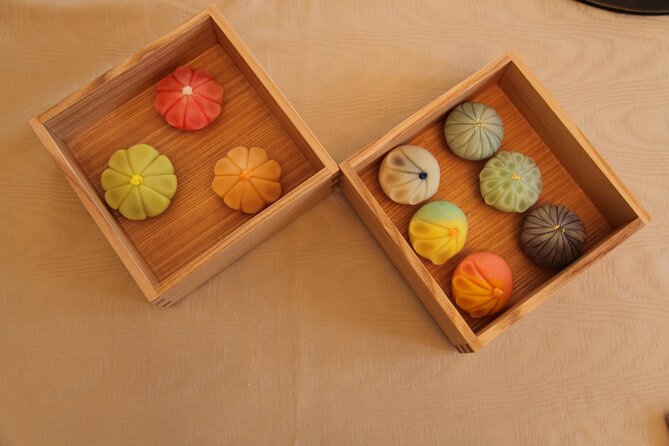
At $60 per person, this is not a cheap snack stop. You are paying for a guided, small-group craft lesson, four sweets you make yourself, matcha, and a tea service in a local home. The group limit of four also means the instructor can give more attention than you would get in a large class.
The value is strongest if you want to do something, not just watch. You learn a technique you can try again at home, get time to shape your own design, and take the results with you. You also get a personal introduction to a food tradition that can be easy to admire from a shop window without understanding how it is made.
If you are mainly looking for a full meal or a long formal tea ceremony, the price may feel high for the amount of food and time. It is better understood as a cultural activity with a tasting, rather than a cooking class designed to feed you.
The class is suitable for all ages, from young children to seniors, and is listed as appropriate for vegans and vegetarians. Families have made it work with children as young as seven, while older children and adults can enjoy the careful design work at their own pace. For a specific dietary concern, contact Hana before booking rather than assuming every ingredient will suit you.
Who will enjoy this class most?
I would put this near the top of the list for anyone curious about Japanese food culture who wants a calm activity between city walks and shopping. It is particularly well suited to families, couples, and small groups who like making things together and do not mind an informal setting.
It is also a thoughtful choice for a first visit to Japan. The class gives you an easy way to ask questions and spend time with a local host, while keeping the activity practical and approachable. You leave with a new skill, a better sense of how Japanese sweets are shaped, and a few hours that feel quite different from visiting another busy landmark.
Creative people may enjoy the open-ended final sweet most. Children can work from examples or invent their own character, and adults do not need to be skilled artists to take part. The class is about trying the process, not producing a perfect display piece.
If your Tokyo schedule is tight, the central location and short duration help. Still, give yourself enough time to get to the meeting point, and avoid stacking the class between appointments with no margin. The home setting and small group are part of the appeal, so arriving in a hurry would undercut the relaxed pace.
Should you book the nerikiri and matcha class?
Book it if you want a small, hands-on introduction to Japanese sweets, appreciate a patient teacher, or need a family-friendly activity near Harajuku and Omotesando. The combination of guided shaping, an original design, matcha, and a home setting makes the $60 price easier to justify for someone seeking more than a quick tasting.
Skip it if you want a formal tea ceremony, a full meal, or a detailed multi-session course in confectionery. For most curious visitors with 90 minutes to spare, though, this is a practical and personal way to try a Japanese craft. Choose the 9:00 start if you want the rest of the day free for the neighborhood.
FAQ
How long is the nerikiri and matcha class?
The activity lasts about 90 minutes.
How much does the class cost?
The listed price is $60 per person.
How many sweets will I make?
You make four nerikiri sweets: three based on sample designs and one original design of your own.
Can I take the sweets home?
Yes. The sweets you make can be taken home.
What is included with the sweets?
The activity includes a hot drink, matcha, and Japanese sweets served during the tea service.
Where do I meet Hana?
Meet at 5-chōme-2-21 Jingūmae in Shibuya, across from CHUMS Omotesando in front of a brown building. From there, the walk to Hana’s home takes about 30 seconds.
What time does the class start?
Listed start times are 9:00 a.m., 1:00 p.m., and 3:30 p.m.
How many people are in the group?
The maximum group size is four participants.
Is the class suitable for children and vegetarians?
The activity is described as suitable for all ages and for vegans and vegetarians.
More dessert tours in Tokyo
- Private Mochi Sweets Making class near Shibuya area
★ 5.0 · 93 reviews - Japanese Traditional Sweets making and Tea Ceremony
★ 4.7 · 50 reviews - Tokyo: Two Types of Japanese Sweets Making and Tea Ceremony
★ 4.6 · 26 reviews - Japanese Traditional Sweets making
★ 4.1 · 19 reviews
Freshly reviewed in Tokyo
- Tokyo: Toshimaya Sake Brewery Tour with Sake Tasting★ 5.0 · 6 reviews
- :Tokyo,Shibuya /Meiji Shrine tour in KIMONO/English-friendly★ 5.0 · 4 reviews
- Tokyo: Tour Privado por Tokio en español★ 4.3 · 4 reviews
- Tokyo:Tea ceremony experience at Komaba Warakuan★ 4.8 · 9 reviews
- :Tokyo,Shibuya/ Pro Photography in Kimono / English-Friendly★ 5.0 · 26 reviews
- Tokyo:Samurai Training : Swords, Bushido & Mental Discipline★ 5.0 · 6 reviews
- Tokyo:Mt Fuji & Hakone Day Tour with English Speaking Driver★ 5.0 · 26 reviews
- Tokyo:Nikko UNESCO World Heritage Sites Private 1-Day Tour★ 3.8 · 6 reviews
Tokyo Tea Ceremonies, compared.

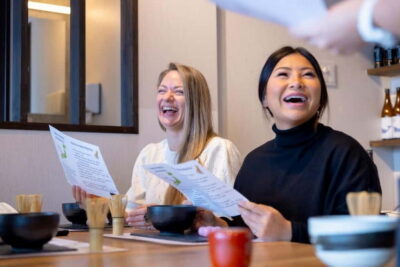
Matcha Making Class in Tokyo with Authentic Japanese Sweets Set
Read our review →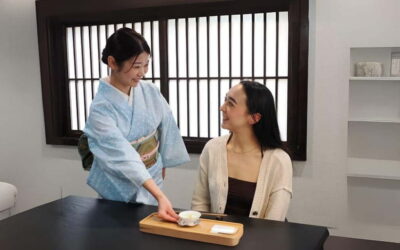
Matcha Making Experience with Mochi Sweets in Asakusa
Read our review →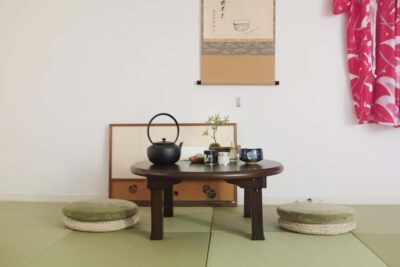
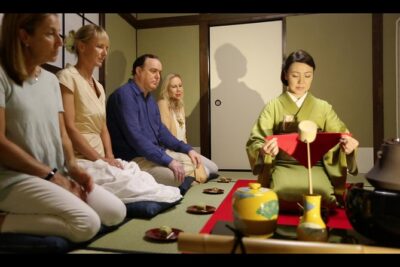
Tea Ceremony Workshop in Tokyo by the Experienced Instrucor
Read our review →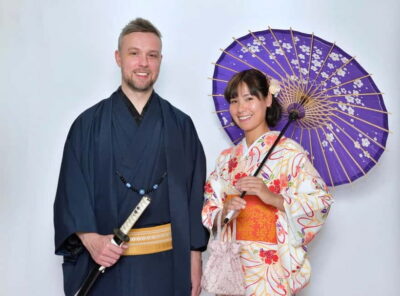
Tea Ceremony Experience in a Private Tea Room in Shibuya
Read our review →Browse the lists this tour appears in