
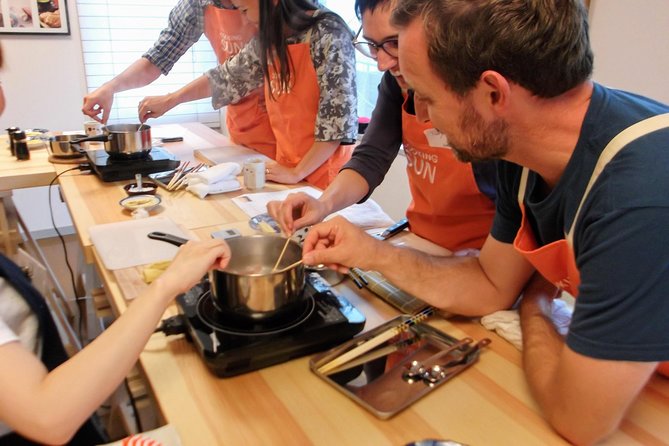
Reviewed · TOKYO SUSHI MAKING CLASSES
3-Hour Small-Group Sushi Making Class in Tokyo
In a quiet Shinjuku studio, you’ll turn rice, egg and prepared toppings into nigiri, inari and rolls, then eat the results for lunch or an early dinner. This three-hour class is less about watching a chef work than getting your own hands into the rice.
I like two things in particular: the small group, capped at nine, gives you room to ask for help, and the class teaches useful basics such as sushi rice and tamagoyaki, not just how to roll a California roll. The meal at the end makes the lesson feel like a proper afternoon activity, not a quick demonstration.
One point to keep in mind: the fish is pre-sliced, so this is not a lesson in sushi-grade fish or knife work. If your goal is to learn the full craft of a sushi chef, you’ll want a more specialized class.
- Make four sushi styles: Practice nigiri, inari, hosomaki and California rolls.
- Cook before assembling: Prepare tamagoyaki, sushi rice and toppings such as shrimp.
- Eat what you make: Finish with your sushi, miso soup, fresh wasabi and pickled ginger.
- Get direct instruction: The class is capped at nine and taught in English.
- Plan for an afternoon: It starts at 1:30 pm, lasts about three hours and returns to the same studio.
- Know the limit: Fish comes pre-sliced, and raw fish cutting is not part of the class.
From Shinjuku side street to sushi-making station
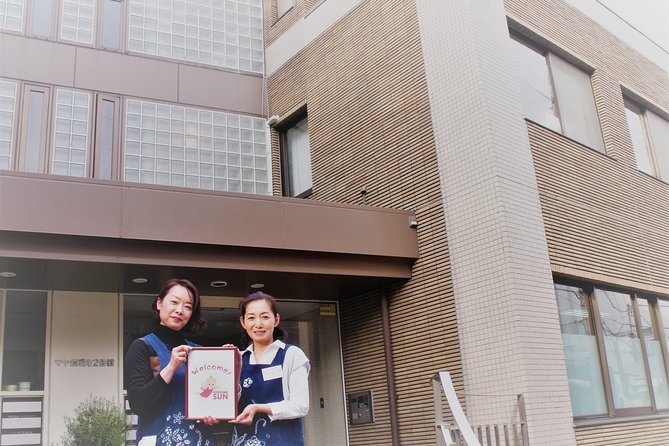
Cooking Sun Tokyo is at 18-39 Shinanomachi in Shinjuku City. The studio is described as being in a quiet residential area set back from the main roads, a welcome contrast to the traffic and crowds you may have spent the day navigating. The class meets and ends at the same address, so you won’t need to arrange a separate ride back after your meal.
The session begins at 1:30 pm and takes about three hours. That makes it a good fit for an afternoon when you want something more engaging than another restaurant meal, though it does take up a substantial part of the day. The class is near public transportation, but the exact station and walking directions aren’t specified here, so check your route before setting out.
The small-group format matters in a cooking class. With no more than nine participants, the instructor can guide you as you handle the rice and shape the sushi, rather than leaving you to copy from across a crowded room. It also creates a comfortable setting for questions, including the small practical ones that make a new technique easier to repeat at home.
A short introduction before the rice comes out
The class opens with an introduction to Japanese ingredients, including dashi, miso and traditional seasonings, followed by a demonstration. That context is useful: sushi is not simply fish placed on rice. Rice seasoning, fillings and accompaniments all shape the finished bite, and the lesson gives you a chance to see how these parts fit together.
You’ll also make miso soup as part of the meal, and some class descriptions and participants mention learning about dashi from scratch. That can help make the session feel like a broader introduction to Japanese home cooking, not just a roll-making workshop. The information is presented alongside hands-on work, so the class should suit you if you like learning the reason behind a step as well as how to perform it.
The instructors speak English, and no cooking experience is required. The class is designed for beginners, with guidance through the process. If you’re nervous about making neat sushi, don’t let that put you off. The aim is to learn the steps and enjoy the meal, not to produce restaurant-perfect pieces on your first try.
More cooking classes in Tokyo:
- Sushi Making Tokyo Roll and Authentic Japanese Sushi Class
★ 5.0 · 3,971 reviews - Tokyo: Roll and Authentic Sushi Making Class in Asakusa
★ 4.9 · 1,957 reviews - Tokyo Shinjuku Chopsticks Making Class
★ 5.0 · 1,763 reviews
Tamagoyaki, rice and the work behind a good roll
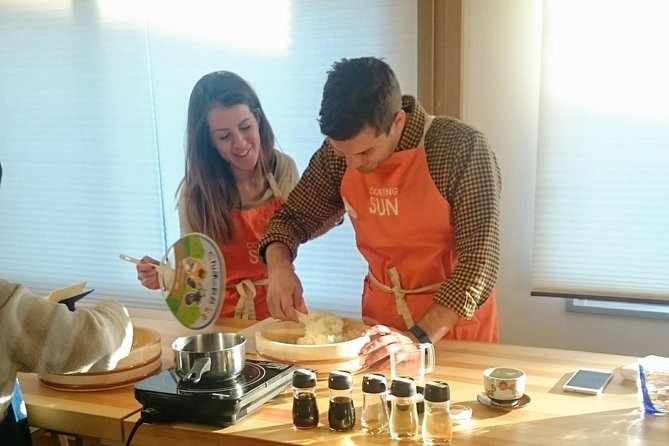
Before rolling begins, you’ll make tamagoyaki, the Japanese rolled omelet used as a filling. It can feel like the trickiest part for a first-time cook: the egg has to be cooked and rolled in stages. But it is also one of the most rewarding skills to take home, since it gives you something useful to practice beyond sushi night.
Next, you’ll prepare sushi rice and toppings such as shrimp. Rice is the foundation for several of the styles you’ll make, so this part gives you a better sense of how much care goes into sushi before the fish or fillings appear. The class provides the ingredients and recipes, which keeps the experience straightforward: you can focus on the cooking rather than shopping for unfamiliar items first.
The instructors then guide you through shaping and assembling your sushi. You get to work with the ingredients yourself, with help available as you go. That combination of demonstration and practice is a sensible way to learn. You’ll see the technique, try it, and have a chance to adjust rather than simply watching someone else make a polished plate.
Four styles, from hand-pressed nigiri to California rolls
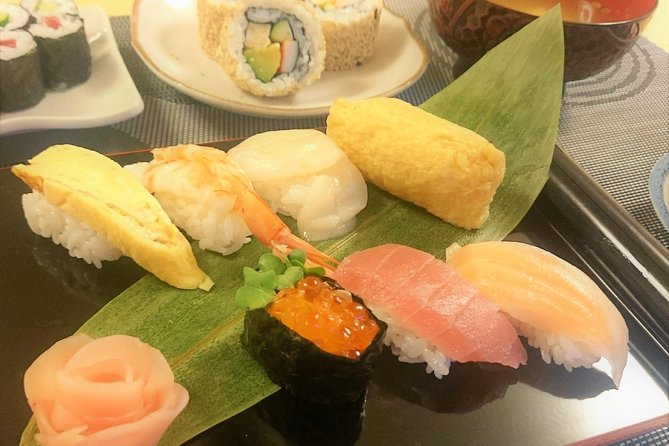
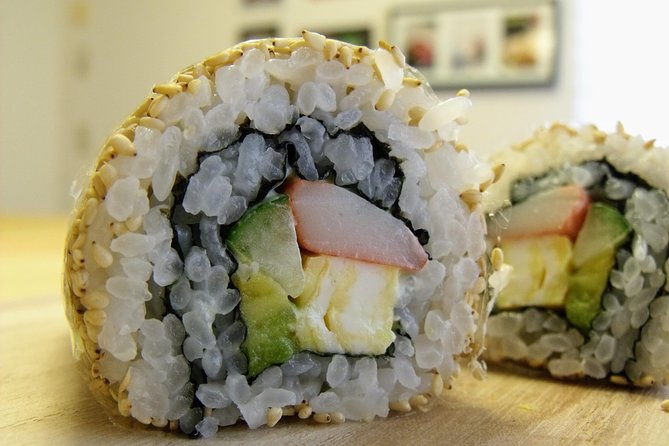
The planned menu includes nigiri, inari, hosomaki and California rolls. Each gives you a different task. Nigiri is hand-pressed sushi, so you learn to shape rice by hand. Inari uses a sweet tofu pouch. Hosomaki is a thin roll, while the California roll offers a familiar starting point for anyone who has tried sushi outside Japan.
The variety is a strength. Making several styles helps you see that sushi is not one fixed recipe, and the changing shapes keep the class lively. You’ll also prepare tamago for a sushi filling, and shrimp is among the toppings used. Participants have described making a generous spread that can include several types of sushi, miso soup and tamagoyaki. Exact dishes may vary, so treat the listed four styles as the core rather than counting on a specific number of pieces.
One limitation is worth spelling out: the fish is pre-sliced. You won’t learn how to select, portion or cut raw fish. That choice makes sense for a beginner class focused on safe, guided assembly, but it means this isn’t a deep technical course in sushi preparation. If your main interest is knife skills or fish handling, this class won’t meet that particular goal.
A meal that makes the lesson feel complete
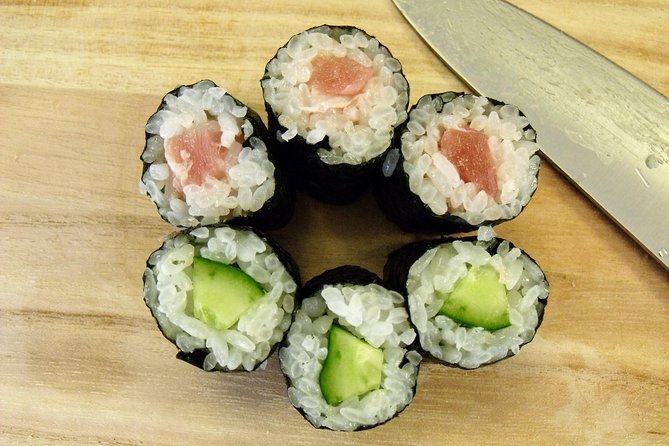
When the sushi is ready, you sit down and eat your work with miso soup, fresh wasabi and pickled ginger. This meal is more than a nice extra. It gives you a chance to taste how your rice, fillings and condiments work together, and it rewards the effort of learning several new tasks in one afternoon.
Come hungry. The class makes enough food to feel like a substantial meal, and some participants have found the portions difficult to finish. That’s useful to know if you’re planning a large dinner reservation soon afterward. The class is not described as a tasting of premium fish; one participant specifically cautions that the fish quality should not be the reason to book. Think of it as a cooking lesson with a satisfying meal, not a high-end sushi counter experience.
Vegetarian options are available, but you need to advise the operator when booking. The class also asks you to provide any other dietary requirements in advance. If you have strict needs, give clear details rather than assuming every ingredient can be substituted on the day.
More sushi making classes in Tokyo:
- Make Sushi and Create Unforgettable Memories in Tokyo
★ 5.0 · 1,413 reviews - Tokyo: Sushi Making Class in a Happi Coat near a Famous Spot
★ 4.9 · 1,377 reviews - Tokyo Sushi Making Class in Tsukiji with Professional Chef
★ 5.0 · 1,177 reviews - Tsukiji Fish Market Guided Tour and Sushi Making with Pro Chef
★ 5.0 · 775 reviews
What the $72.67 price buys you
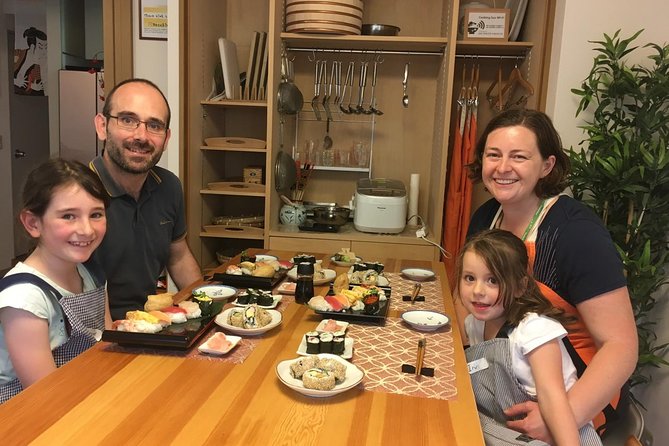
At $72.67 per person, this class costs more than simply ordering sushi, but that is not the right comparison. The price includes a local English-speaking instructor, ingredients, recipes, and apron and towel rental. You also spend roughly three hours learning several techniques and eating the food you prepare.
I see the value in the combination of instruction and a full meal. You are not paying only for a plate of sushi; you’re paying for a guided activity, a structured introduction to ingredients and techniques, and a recipe resource you can use at home. It is especially worthwhile if you enjoy cooking or want a memorable, participatory afternoon in Tokyo.
The value is less compelling if you only want to eat excellent sushi, or if you already make sushi confidently. In that case, put the money toward a meal or a more advanced class. And because raw fish is pre-sliced, don’t book expecting a professional-level lesson in fish preparation.
The class is often booked about 53 days ahead on average. That is a useful signal to plan early, particularly if you’re traveling with family or have only one open afternoon. Booking details state that children must be at least six years old, and the maximum group size is nine.
Who will enjoy this class most
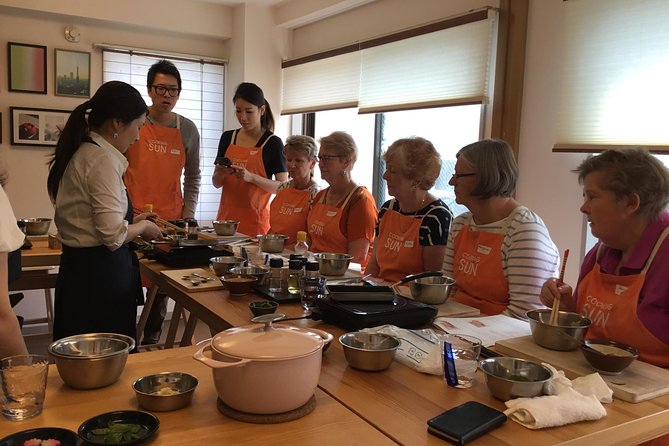
This is a good choice for first-time sushi makers, curious home cooks and sushi fans who want to understand more than what’s on the plate. Solo visitors, couples and families can all fit the format. Children are welcome from age six, and instructors have been described as patient with young participants. A family with children aged 10 and 12, for example, found the class a good fit, but the minimum age is the more useful rule when planning.
You don’t need to be a confident cook. The steps are broken down and the instructors help along the way, so a lopsided roll is no disaster. In fact, the occasional imperfect piece is part of the fun. You still get to eat it, and you’ll have a clearer idea of how the ingredients came together.
The class also suits anyone who wants a quieter, indoor activity. It takes place in a well-equipped cooking studio and can offer a break from a hot day outside. Just remember that it is a three-hour commitment, so it works best when you have enough time to enjoy the process rather than needing to rush off halfway through.
Practical details before you book
The activity starts at 1:30 pm at Cooking Sun Tokyo, 18-39 Shinanomachi, Shinjuku City, and finishes back at the meeting point. Hotel pickup and drop-off are not included. The class provides ingredients, recipes, an apron and towel rental, so you don’t need to bring cooking supplies.
The instructors are English-speaking. Names associated with classes include Yuki, Yuko, Aya, Miki and Yuma, but you should not assume a particular instructor will lead your session unless the operator confirms it. The class has a maximum of nine participants.
You can cancel for a full refund up to 24 hours before the start time. Changes or cancellations made less than 24 hours in advance are not accepted for a refund. The activity may also be affected by poor weather, in which case the stated options are a different date or a full refund.
Should you book the Tokyo sushi class?
Book it if you want to make sushi yourself, learn a handful of useful basics and end the afternoon with a meal you prepared. The small group, English instruction and range of sushi styles make it particularly appealing for beginners and families. I’d also choose it if you want a break from sightseeing that still connects you to Japanese food culture.
Skip it if you’re mainly after top-grade fish, already know the basics or want to learn raw fish cutting. The class is a practical introduction, not an advanced sushi apprenticeship. For the right person, though, $72.67 buys more than a meal: it gives you a relaxed afternoon of cooking, eating and skills worth trying again at home.
FAQ
How long is the sushi-making class?
The class lasts about three hours.
What time does the class start?
It starts at 1:30 pm.
Where does the class meet?
It meets at Cooking Sun Tokyo, 18-39 Shinanomachi, Shinjuku City, Tokyo. The activity ends back at the same meeting point.
What types of sushi will I learn to make?
The class covers nigiri, inari, hosomaki and California rolls.
Is the class suitable for beginners and children?
No cooking experience is necessary, and the minimum age is six years.
Is a vegetarian option available?
Yes. Vegetarian options are available, but you should advise the operator when booking.
Does the class teach how to cut raw fish?
No. The fish is pre-sliced, and the class does not include raw fish cutting instruction.
More three-hour experiences in Tokyo
- Tokyo Top Highlights 3h Guided E-bike Tour
★ 5.0 · 714 reviews - 3h Tokyo E-Bike Tour: Hidden Gems, and Local Life with guide
★ 5.0 · 670 reviews - Tokyo: 3-Hour Bike or E-Bike City Highlights Tour
★ 4.8 · 435 reviews - Tokyo: 3-hour Guided E-Bike Tour of the City’s Hidden Gems
★ 4.8 · 251 reviews
More hands-on workshops in Tokyo
- Chopstick Making Workshop in Ginza
★ 4.8 · 1,366 reviews - Ramen & Gyoza Cooking Class in Tokyo with Local Supermarket Visit
★ 5.0 · 823 reviews - Matcha Making Class in Tokyo with Authentic Japanese Sweets Set
★ 5.0 · 744 reviews - Tokyo: Samurai Sword & Archery Class from Samurai Descendant
★ 5.0 · 603 reviews
Freshly reviewed in Tokyo
- Tokyo: Toshimaya Sake Brewery Tour with Sake Tasting★ 5.0 · 6 reviews
- :Tokyo,Shibuya /Meiji Shrine tour in KIMONO/English-friendly★ 5.0 · 4 reviews
- Tokyo: Tour Privado por Tokio en español★ 4.3 · 4 reviews
- Tokyo:Tea ceremony experience at Komaba Warakuan★ 4.8 · 9 reviews
- :Tokyo,Shibuya/ Pro Photography in Kimono / English-Friendly★ 5.0 · 26 reviews
- Tokyo:Samurai Training : Swords, Bushido & Mental Discipline★ 5.0 · 6 reviews
- Tokyo:Mt Fuji & Hakone Day Tour with English Speaking Driver★ 5.0 · 26 reviews
- Tokyo:Nikko UNESCO World Heritage Sites Private 1-Day Tour★ 3.8 · 6 reviews
Tokyo Sushi Making Classes, compared.
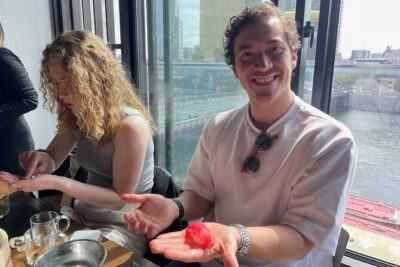
Sushi Making Tokyo Roll and Authentic Japanese Sushi Class
Read our review →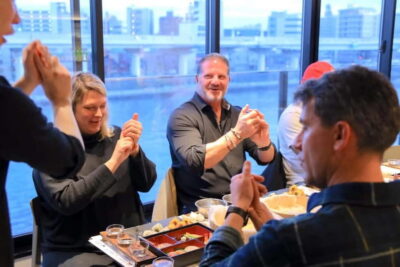
Roll and Authentic Sushi Making Class in Asakusa
Read our review →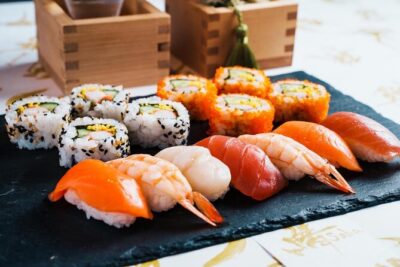
Make Sushi and Create Unforgettable Memories in Tokyo
Read our review →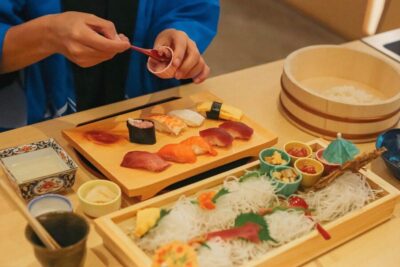
Sushi Making Class in a Happi Coat near a Famous Spot
Read our review →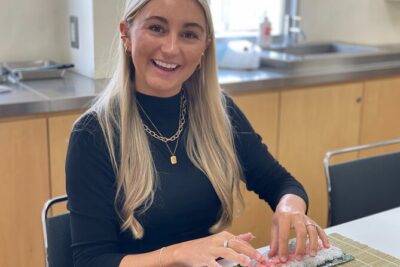
Tokyo Sushi Making Class in Tsukiji with Professional Chef
Read our review →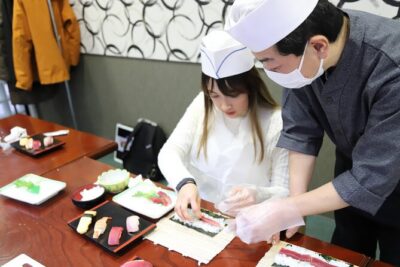
Tsukiji Fish Market Guided Tour and Sushi Making with Pro Chef
Read our review →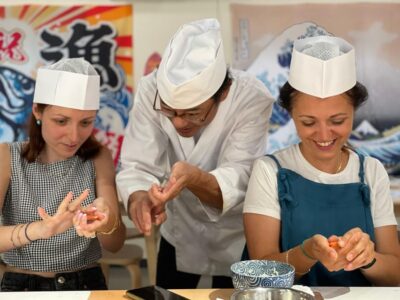
Tsukiji Fish Market Sushi Making Class with Pro Chef
Read our review →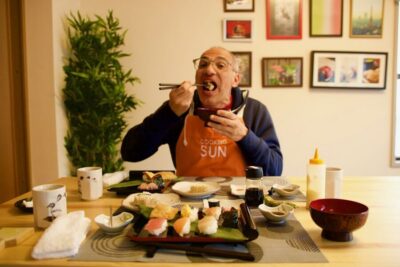
Browse the lists this tour appears in