
Reviewed · TOKYO SUMO EXPERIENCES
Tokyo: Grand Sumo May Tournament
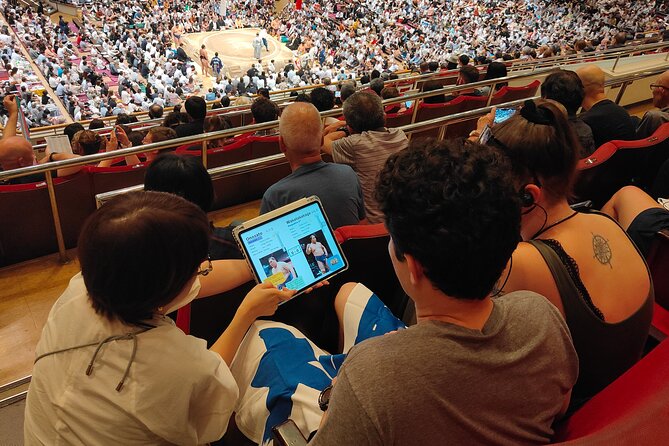
The real treat here is watching sumo at Ryogoku Kokugikan with someone beside you who can explain the ritual as well as the rules. A bout may be over in seconds, but the ceremony, rank, and wrestler customs give the afternoon much more to follow.
I like two things in particular: the optional walk introduces sumo landmarks around Ryogoku before you enter the arena, and the guide’s live commentary helps you keep up once the matches begin. The information pack, wrestler cheer goods, and optional chanko-nabe meal add useful context without requiring you to study sumo in advance.
The main consideration is value. At $198.20 per person, this costs more than arranging a tournament visit alone, and the amount you gain depends on how much you want a guide’s explanations. The experience is advertised as private, but it can have up to 35 participants, so check the specific option and group arrangement before booking.
At a glance
- The afternoon begins at 1 p.m. The optional two-hour Ryogoku walk visits sumo-related landmarks and sets the scene before the arena.
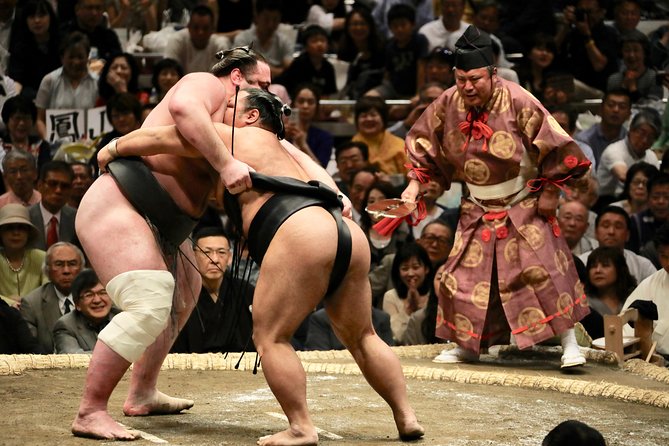
- Arena time runs from 3 to 6 p.m. You’ll see tournament bouts and can hear explanations from your English-speaking guide.
- The tour includes sumo background materials. Expect tournament information, rankings, profiles of prominent wrestlers, and cheer-up goods.
- A chanko-nabe meal is optional. It is served at a restaurant near the arena after the tournament; drinks cost extra.
- Seat style matters. Balcony chair seats are available in B or C sections. First-floor box seats require sitting on cushions on a flat floor.
- Book ahead if the date matters. This experience is booked an average of 41 days in advance, and sumo tickets can be difficult to secure.
Ryogoku before the first bout
The tour meets in Ryogoku, Tokyo’s traditional sumo district, and the first part of the afternoon is a two-hour neighborhood walk. It is optional, but I’d take it if you’re new to sumo. The walk gives you a reason to notice the places and traditions around the sport before the arena’s noise and action take over.
The route can include sumo-related landmarks, a sumo stable seen from outside, and a shrine associated with yokozuna, sumo’s highest-ranking wrestlers. Guides have also shared local lore and, on one tour, sung a sumo song. The exact stops may vary, but the point is to connect the sport to the neighborhood rather than treat it as a show that starts at the arena doors.
This background can make the tournament easier to follow. Sumo has formal customs and a ranking system, and a first-time viewer may not know what a wrestler’s standing means or why the ritual matters. The guide’s explanations help turn a quick bout into part of a larger sporting tradition.
The walk is still a walk, not a visit inside an active training stable. One reported stop was an exterior view, so don’t book expecting access to wrestlers’ living or training spaces. If you’re already well versed in sumo, you might prefer the arena-only option, if offered for your date.
More sumo experiences in Tokyo:
- Tokyo: Sumo Show Experience with Chicken Hot Pot and a Photo
★ 4.8 · 6,678 reviews - Tokyo: Sumo Show and Dining Experience
★ 4.8 · 2,742 reviews - the SUMO show
★ 5.0 · 1,960 reviews
Inside Ryogoku Kokugikan
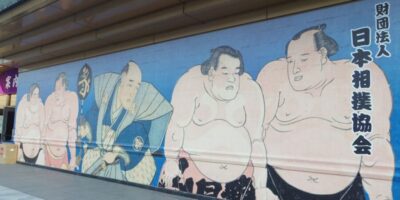
The arena portion runs from 3 to 6 p.m. The guide takes you inside and points out features such as the murals, championship prizes, the sumo museum, and displays of past yokozuna. These short stops give you a look at the sport’s history and presentation before you settle in to watch.
The tournament itself is the center of the day. The schedule includes bouts by grand champions and top-division wrestlers, with their ring-entering ceremonies. Those ceremonies are part of the spectacle: they give you a chance to see the wrestlers presented in full form before the bouts begin.
Your guide provides real-time commentary as the action unfolds. That can be especially helpful if you have never watched sumo. You can ask questions about the rituals, wrestlers, and what is happening in the ring, rather than trying to work it all out from the stands.
For a group of three or more, headsets are provided so each person can hear the guide clearly from a distance. This is a practical detail in a large arena, where the crowd and the distance between seats can make a quiet explanation hard to catch. If your group is smaller, the supplied information does not promise headsets, so ask how commentary will work for your option.
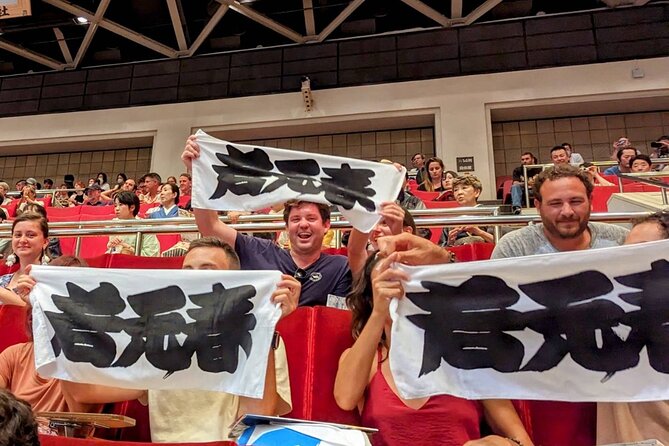
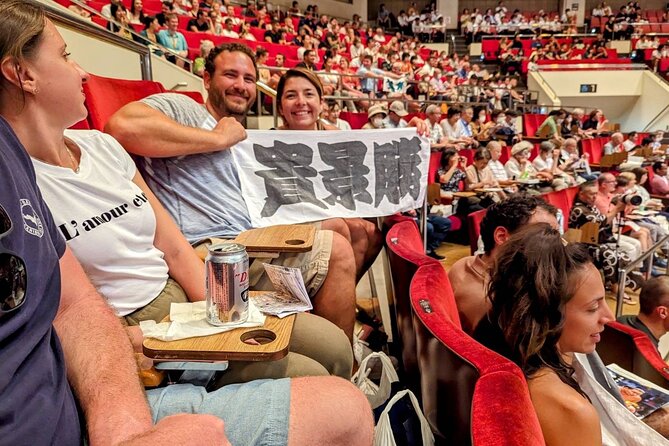
The tour also supplies tournament information, current rankings, profiles of prominent wrestlers, and cheer-up goods for backing a particular competitor. That gives you a simple way to join the crowd’s excitement, even if you arrive without a favorite. The guide may be seated near you, but seat placement and how much individual conversation you get can vary.
Choosing a seat you’ll enjoy
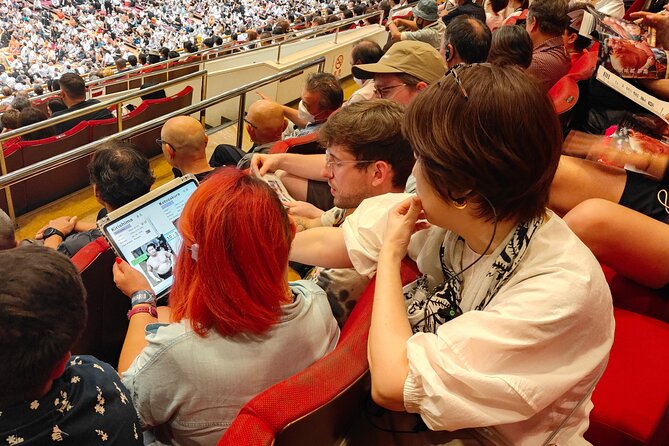
The seating option deserves a close look before you book. Balcony seats are in chair sections B or C, while first-floor seating uses traditional box spaces, where four people sit on cushions in a roughly 1.3-meter-square area. If sitting on the floor is uncomfortable for you, select the chair option.
The chair seats trade some closeness for comfort. First-floor box seating puts you nearer the action, but you’ll be sitting on a flat floor for an extended stretch. The available details identify chair seats on the balcony, but do not promise a particular view for every booking, so check the seat option and map when selecting.
This matters because the arena portion lasts about three hours. Think about whether you’d rather have a chair for the full session or sit on the floor in a box. If you’re attending with a group, also check that your chosen seating arrangement suits everyone.
Chanko-nabe after the tournament
The optional dinner starts around 6 p.m. at a chanko-nabe restaurant near the arena, and the meal portion is about an hour. Chanko-nabe is a hot pot associated with sumo wrestlers’ diets and their efforts to build strength and body mass. It makes a fitting end to an afternoon spent learning about the sport.
The guide takes you to the restaurant, where the meal is served after the tournament. One account describes dinner as ready on arrival, which can be welcome after a long afternoon on your feet and in the stands. The meal can be filling, and the hot pot may include fish, so take that into account if you avoid fish.
Drinks are not included and must be ordered separately. Dinner itself is optional, so you can choose the arena experience without it if you have other plans or would rather eat elsewhere. The supplied price is $198.20 per person, but the available details don’t break out the cost of each tour component, so compare the exact dinner and seating options when booking.
More tours and experiences in Tokyo:
- Mt Fuji and Hakone 1-Day Bus Tour Return by Bullet Train
★ 5.0 · 26,383 reviews - 1-Day Tokyo Bus Tour
★ 5.0 · 14,250 reviews - Tokyo: teamLab Planets TOKYO Digital Art Museum Entry Ticket
★ 4.6 · 9,779 reviews - Mt Fuji & Hakone Cruise, Drum Show Bullet Train 1 Day from Tokyo
★ 4.0 · 7,413 reviews
What the price buys you
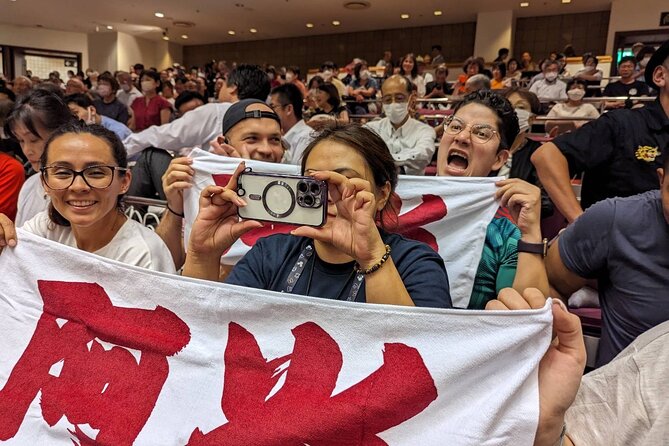
The price is easiest to justify if you want context, not just a ticket. You’re paying for an English-speaking sumo expert guide, the neighborhood introduction, arena orientation, live explanations, and the included information package. Depending on the option you choose, the tour can also arrange the chanko-nabe dinner.
That guidance can change the experience for a newcomer. Sumo has its own vocabulary, ranks, ceremony, and match rhythms. If you attend alone, you may still find the tournament exciting, but you won’t automatically get the same explanation of the rituals or the chance to ask questions as they arise.
There is a real trade-off. Some people find the guide’s commentary lively and useful; others may want more detail than a quieter guide provides. The guide names associated with past tours include Yoko, Aki, Ken, Ali, Yosh, Sue-san, and Ichirio, but you should not assume a particular person will lead your date. The experience’s quality depends in part on how much the guide engages your group.
At the stated $198.20 price, I’d see this as a guided cultural afternoon rather than a cheap way to buy a sumo ticket. If you’re a dedicated fan who already understands the sport and can secure your own ticket, going independently may suit you better. If you’re new to sumo, want the walk and commentary, or are concerned about getting a tournament ticket, the extra cost may feel worthwhile.
Timing, group size, and planning
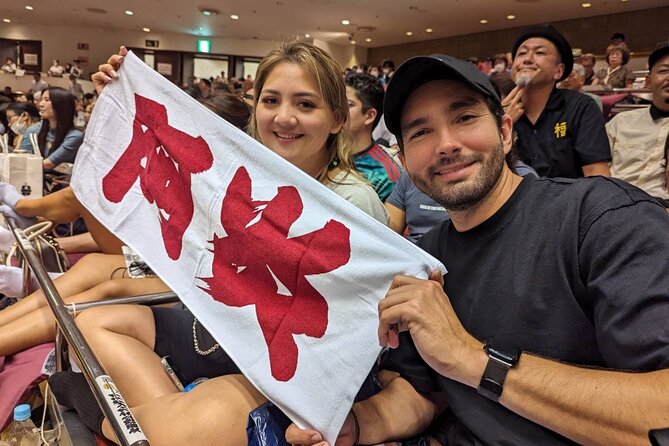
The scheduled day begins at 1 p.m. with the optional Ryogoku walk, continues with arena time from 3 to 6 p.m., and finishes with dinner from about 6 to 7 p.m. The whole experience is listed as roughly six hours, though the end time depends on whether you add dinner.
The tour has a maximum of 35 participants. That is worth weighing against the description of personalized attention: a guide can answer questions, but a larger group may offer less one-to-one conversation than a small private outing. For groups of three or more, headsets help everyone hear during the arena portion.
The tour is near public transportation, and hotel pickup and drop-off are not included. Confirmation is provided at booking. Most people can participate, but the floor-seat option involves sitting on cushions, so check the chair option if that is a concern.
Tournament tickets can be hard to get, and this experience is booked an average of 41 days ahead. If the tournament is a fixed part of your Tokyo plans, booking early is sensible. You can cancel for a full refund up to 24 hours before the experience starts; changes or cancellations made later are not accepted for a refund.
Who should book this sumo afternoon?
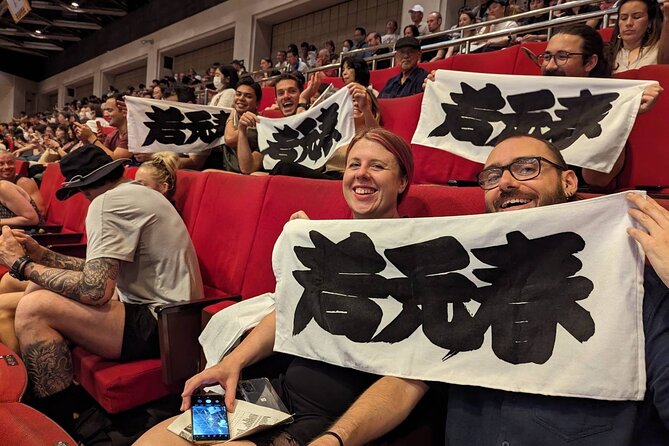
This tour suits first-time sumo spectators, sports fans who want context, and anyone curious about Japanese tradition beyond the match itself. The neighborhood walk, arena displays, live commentary, and optional hot pot make a fuller day than simply taking a seat and watching the bouts.
It is less compelling if you already know the sport well, prefer exploring at your own pace, or mainly want the lowest ticket cost. It may also disappoint if you expect a deeply personal tour in a very small group, since the maximum group size is 35 and the amount of commentary can vary.
I’d book it if the tournament is a priority and you want help understanding what you’re seeing. Choose chair seating if floor seating does not appeal, and add dinner if trying chanko-nabe is part of the point. If you’re confident attending on your own and have a ticket, the guided add-ons may not be worth the extra expense.
FAQ
How long is the Tokyo sumo tour?
The experience lasts about six hours. The walk is scheduled from 1 to 3 p.m., arena time from 3 to 6 p.m., and the optional dinner takes about an hour.
Is the Ryogoku neighborhood walk required?
No. The two-hour walk is optional and is intended to introduce sumo history and culture before the tournament.
What happens during the arena visit?
The guide shows you features such as murals, championship prizes, the sumo museum, and displays of past yokozuna. You then watch tournament bouts with explanations from the guide.
Is the guide’s commentary in English?
Yes. The tour includes guiding in English by a sumo expert guide.
Are headsets provided?
For groups of three or more, each participant gets a headset to hear the guide clearly from a distance.
Is chanko-nabe dinner included?
Dinner is an optional part of the tour. Drinks are not included and must be ordered separately.
What are the seating options?
The tour uses balcony chair seats in sections B or C, or first-floor seating if that option is selected. First-floor box seats use cushions on a flat floor.
How many people can join the tour?
The tour has a maximum of 35 participants.
Is hotel transportation included?
No. Hotel pickup and drop-off are not included. The meeting point is in Ryogoku, near public transportation.
How far ahead should I book, and what is the cancellation policy?
The experience is booked an average of 41 days in advance. You can cancel at least 24 hours before the start time for a full refund; later cancellations are not refunded.
Freshly reviewed in Tokyo
- Tokyo: Toshimaya Sake Brewery Tour with Sake Tasting★ 5.0 · 6 reviews
- :Tokyo,Shibuya /Meiji Shrine tour in KIMONO/English-friendly★ 5.0 · 4 reviews
- Tokyo: Tour Privado por Tokio en español★ 4.3 · 4 reviews
- Tokyo:Tea ceremony experience at Komaba Warakuan★ 4.8 · 9 reviews
- :Tokyo,Shibuya/ Pro Photography in Kimono / English-Friendly★ 5.0 · 26 reviews
- Tokyo:Samurai Training : Swords, Bushido & Mental Discipline★ 5.0 · 6 reviews
- Tokyo:Mt Fuji & Hakone Day Tour with English Speaking Driver★ 5.0 · 26 reviews
- Tokyo:Nikko UNESCO World Heritage Sites Private 1-Day Tour★ 3.8 · 6 reviews
Tokyo Sumo Experiences, compared.
Tokyo Shinjuku Sumo Show & Experience with Photo
Read our review →

Authentic Sumo Experience in Tokyo: Enter the Sanctuary
Read our review →
Tokyo Sumo Experience: Chanko & Mochi with a Former Pro
Read our review →Browse the lists this tour appears in