
Reviewed · TOKYO COOKING CLASSES
Tokyo: Wagyu and 7 Japanese Dishes Cooking Class
Tokyo’s Wagyu and 7 Japanese Dishes Cooking Class turns a meal into a practical introduction to everyday Japanese cooking. In a small studio in Shinjuku, you work through a full menu with an English-speaking instructor, then sit down to eat it, including tender Wagyu beef.
I like two things in particular: you learn techniques and ingredient basics you can use at home, and the eight-person limit makes it easier to follow along and ask questions. The main consideration is that this is a hands-on cooking lesson, not an advanced culinary course. If you want fine knife skills or a deep technical workshop, the pace and level may feel introductory.
The best parts, at a glance
- Wagyu is the centerpiece: Prepare a Japanese meal that includes a Wagyu dish, often sukiyaki hotpot.
- You make a full menu: The class covers eight dishes, from appetizers and soup to a Japanese sweet.
- The skills are home-friendly: Learn about dashi, seasonings, ingredients, and straightforward cooking methods.
- The instructors teach in English: Expect demonstrations, step-by-step guidance, and cultural context.
- It is small and practical: The group is limited to eight, and recipes, ingredients, utensils, apron, towel, and welcome tea are included.
- Allow three hours: About two and a half hours are spent cooking, followed by time to enjoy the meal.
A home-cooking lesson, not a restaurant show
At $67 per person, this three-hour class is built around participation. You are not simply watching someone prepare Wagyu while a parade of dishes arrives at the table. You help make the meal, learn how its parts fit together, and eat what you have cooked.
That distinction matters. Wagyu is a memorable draw, but the broader value is learning how Japanese meals are assembled. A soup made with dashi, a few small dishes, a main course, and a sweet offer a useful picture of the variety and balance found in a full meal.
The class is held at Cooking Sun, in a residential part of Shinjuku. It is a different side of Tokyo from the large stations and busy shopping streets. You will need to find the studio independently, but the location can also make the outing feel like a small neighborhood visit rather than another stop in a commercial district.
More cooking classes in Tokyo:
- Sushi Making Tokyo Roll and Authentic Japanese Sushi Class
★ 5.0 · 3,971 reviews - Tokyo: Roll and Authentic Sushi Making Class in Asakusa
★ 4.9 · 1,957 reviews - Tokyo Shinjuku Chopsticks Making Class
★ 5.0 · 1,763 reviews
From welcome tea to the first cuts
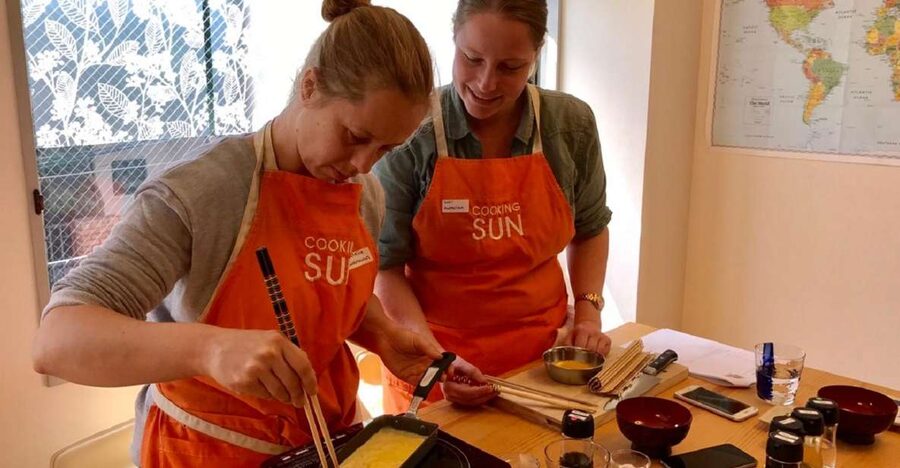
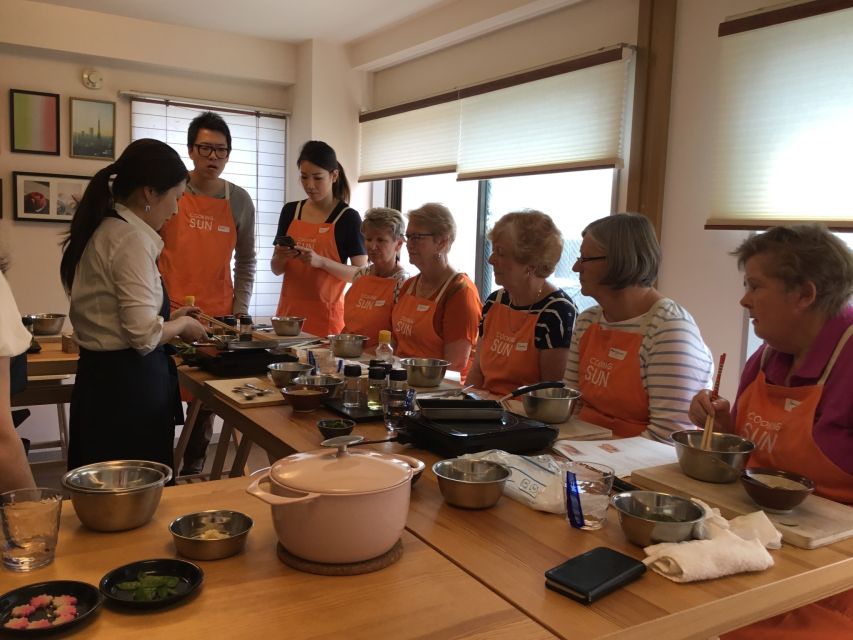
The session begins at the studio, where you meet the instructors and settle in with a welcome tea. Cooking utensils, ingredients, an apron, and a towel are provided, so you do not need to bring kitchen gear. The clean, well-prepared workspace helps keep the focus on cooking rather than hunting for equipment.
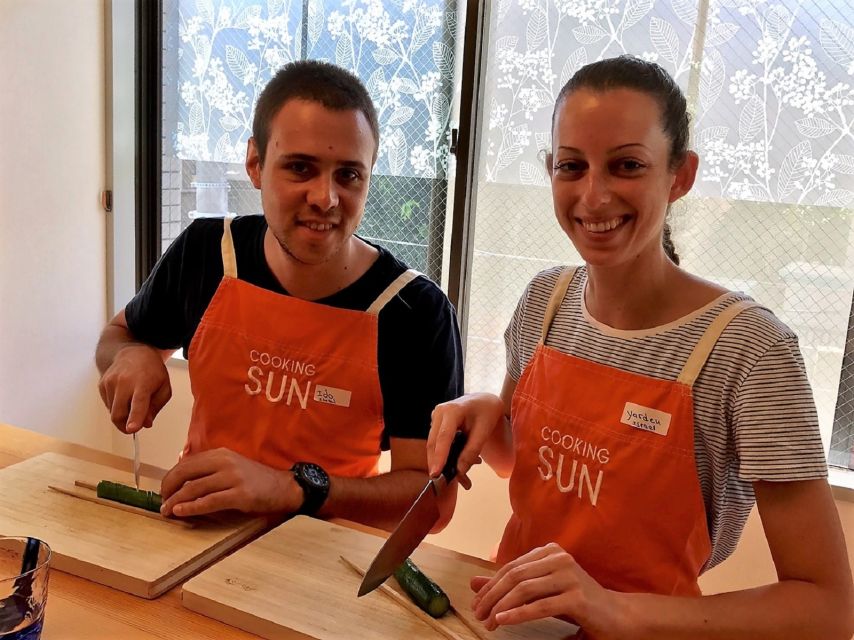
Expect demonstrations followed by hands-on tasks. The menu can introduce you to simple but characteristic techniques, such as making dashi from scratch, rolling an omelette, or cutting cucumber in an accordion pattern. These are approachable jobs, but they give you a feel for the care that goes into Japanese home cooking.
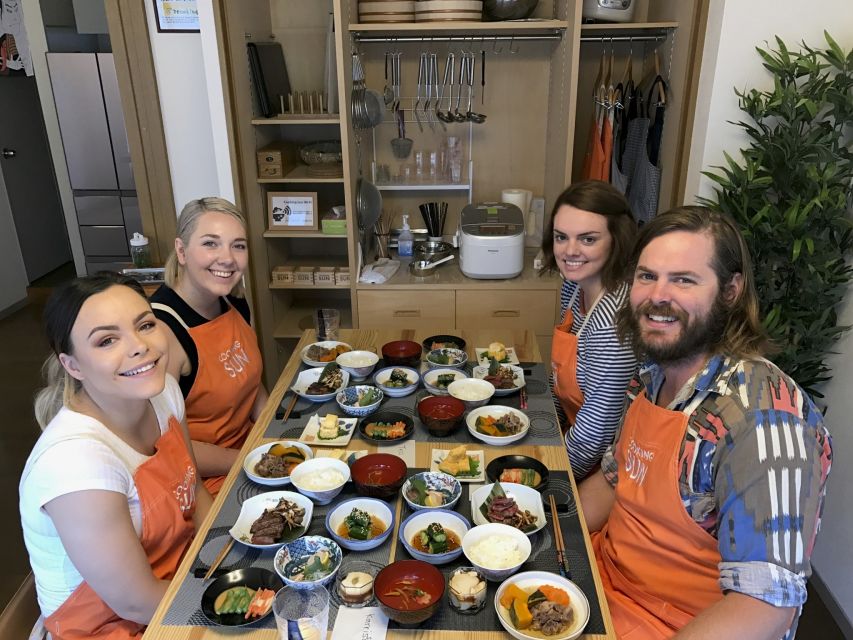
One example of a class menu has included miso soup, cucumber salad, sesame potato salad, tofu filled with ground chicken, ginger, and edamame, Wagyu sukiyaki, and rice-flour dorayaki pancakes. That gives you a sense of the range, but seasonal ingredients and class menus can vary. Think of the dishes as an example, not a guaranteed fixed menu.
Dashi and the small dishes explain the meal
The side dishes and soup are more than warm-up exercises before the beef. They show how a Japanese meal can bring together different textures and flavors without asking any one dish to do all the work. A crisp cucumber salad, a soft potato salad, and a bowl of miso soup each play a different part.
Dashi is especially useful to learn because it forms the base of many Japanese soups and other dishes. Making it yourself gives you a chance to see how a foundational stock contributes flavor. You can also ask about ingredient choices and substitutions, which is helpful if you want to recreate a dish outside Japan.
The instructors explain the food as you go, including the origins of dishes and the role of ingredients. You may learn practical distinctions, such as the difference between red and white miso, and get suggestions for finding ingredients or adapting recipes at home. That context turns a recipe into something you can understand and adjust, rather than a list of steps to copy.
Wagyu sukiyaki takes center stage
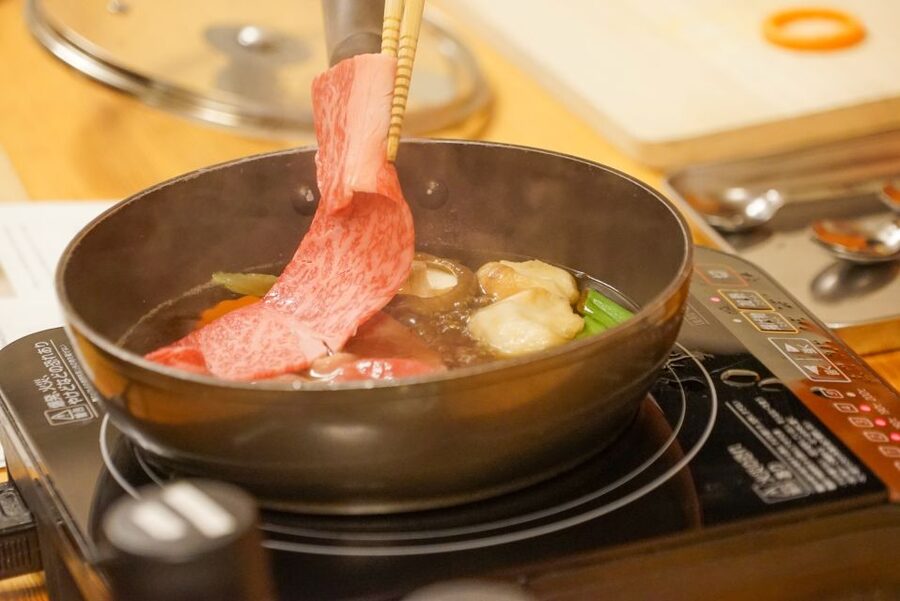
The Wagyu is the headline ingredient, and the class gives you a chance to prepare it as part of a dish rather than simply order it at a restaurant. One menu example features sukiyaki hotpot, a satisfying main course that brings the beef into a wider meal.
The attraction is not only the name on the menu. Cooking the beef yourself helps you pay attention to its texture and flavor, while the instructors guide you through the method. The meal is then served with the other dishes you have made, so the Wagyu is part of a complete spread rather than a standalone tasting.
If you are booking mainly for an extravagant Wagyu sampling, keep expectations in check. This is a cooking class with a Wagyu dish, not a dedicated beef tasting or a restaurant dinner. Its appeal is the combination of the main ingredient, the surrounding dishes, and the chance to learn how they come together.
More hands-on workshops in Tokyo:
- Tokyo: Sushi Making Class in a Happi Coat near a Famous Spot
★ 4.9 · 1,377 reviews - Chopstick Making Workshop in Ginza
★ 4.8 · 1,366 reviews - Tokyo Sushi Making Class in Tsukiji with Professional Chef
★ 5.0 · 1,177 reviews - Ramen & Gyoza Cooking Class in Tokyo with Local Supermarket Visit
★ 5.0 · 823 reviews
Dessert and the meal you have made
The final course brings the session to the table. A Japanese sweet such as dorayaki, made with rice-flour pancakes in one example, gives you a change of pace after the savory dishes. Then you sit down and eat the meal as a group.
This shared lunch is a satisfying finish, especially after working through several recipes. It also gives the class a natural social rhythm. You can talk with the instructors and other participants, compare results, and ask follow-up questions while eating.
The portion of the experience devoted to cooking is about two and a half hours, within a three-hour booking. Come ready to spend most of the session standing and taking part, rather than expecting a long lecture or a leisurely restaurant meal. It is sensible to arrive hungry: you will be preparing a full menu and will want room to enjoy it.
Friendly instruction and a small group
The class is limited to eight participants, a useful size for a hands-on lesson. There is room for individual guidance without turning the session into a private class. The English-speaking instructors demonstrate each step, explain ingredients, and keep the process accessible to beginners.
Instructors named in past sessions include Yuki, Yuko, Kaori, and Bifuka, though the teaching team can vary. The teaching style is practical and welcoming, with an emphasis on clear demonstrations and manageable tasks. You do not need to arrive with cooking experience.
The level is a strength for most visitors, but it is worth being clear about what it is. The class focuses on Japanese-style dishes and useful everyday methods, not advanced culinary training. If you already cook confidently, you may find the techniques straightforward. You can still get value from the ingredient explanations, cultural background, and menu planning.
The format also suits solo visitors, couples, families, and people who simply want an activity beyond sightseeing. The small group provides a chance to talk with others, but you are not dependent on bringing a companion to enjoy the class.
Is $67 good value?
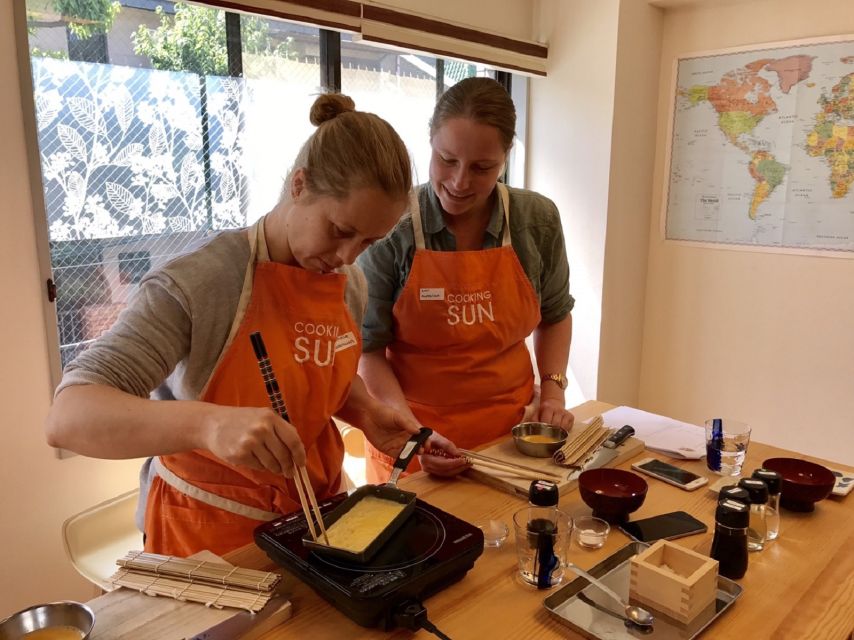
The price includes all ingredients and utensils, recipe materials, towel and apron rental, and welcome tea. It also covers the instruction and the meal you cook. For someone interested in Japanese food, those pieces make the fee easier to assess than a simple restaurant bill: you are paying for a lesson, a substantial menu, and recipes to take away.
The value is strongest if you want practical take-home skills. You leave with a better grasp of dashi, common ingredients, cooking steps, and ways to adapt dishes. The class is less compelling if your only goal is to eat Wagyu, since a cooking session takes time and attention that a restaurant meal does not.
A score of 4.9 from 273 ratings suggests that the experience has been consistently well received. More useful than the number alone is the pattern behind it: people praise the clear instruction, friendly hosts, organized preparation, clean studio, fresh ingredients, and tasty food. Those are the details that matter when you are giving up a chunk of a Tokyo day.
Finding the studio in residential Shinjuku
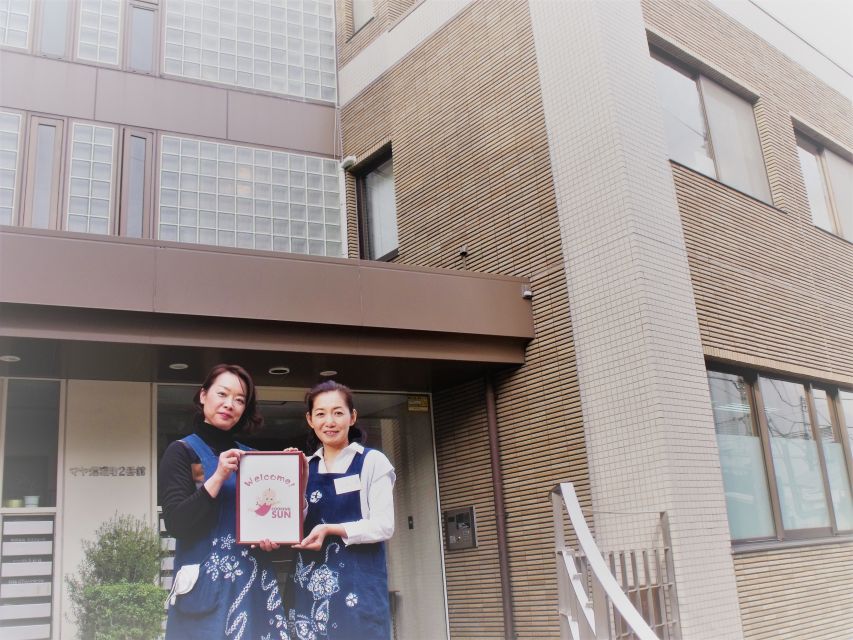
The studio can be a little tricky to spot because it is in a residential area, on the second floor of a beige apartment building. Use Google Maps to search for Cooking Sun Tokyo, at Shinanomachi 18-39, Shinjuku-ku. At the building entrance, take the door on the right, then press 314 on the intercom.
If you will not have mobile data or Wi-Fi, prepare the directions before leaving and check the detailed directions on the provider’s website. This is one outing where a little advance planning can prevent a last-minute search on quiet residential streets.
Hotel pickup and transportation are not included. If arriving by a privately arranged vehicle, ask the driver not to stop or wait outside the building. The neighborhood is quiet, and drivers who need to wait should use a nearby coin-operated parking lot.
Dietary needs and booking details
Dietary substitutions can be arranged for allergies, gluten-free diets, religious restrictions, and vegetarian preferences. Tell the provider about your needs when booking so the kitchen can plan ahead. If you have several restrictions, describe them clearly rather than waiting until you arrive.
The class lasts three hours, with about two and a half hours of cooking, and starting times depend on availability. You can reserve now and pay later, and cancellation up to 24 hours in advance allows a full refund. Check the current schedule before building the rest of your day around it.
Should you book this cooking class?
Book it if you want to understand Japanese home cooking, enjoy learning by doing, and like the idea of turning a lesson into lunch. It is especially useful early in a Tokyo trip, when learning about dashi, miso, and everyday dishes can give you a more informed eye for the meals that follow.
Skip it if you want an advanced cooking course, a Wagyu-only tasting, or a meal with no participation. For everyone else, the mix of English instruction, a small group, a full menu, and recipes to take home makes this a worthwhile way to spend three hours.
FAQ
How long is the cooking class?
The activity lasts three hours. The hands-on cooking portion takes about two and a half hours, followed by time to eat the dishes you prepared.
What dishes will I cook?
The class includes eight dishes, spanning appetizers, soup, meat dishes, and a Japanese sweet. Menus can vary with seasonal ingredients. One example has included dashi miso soup, salads, tofu with ground chicken, ginger, and edamame, Wagyu sukiyaki, and dorayaki pancakes.
Is the class taught in English?
Yes. The instructors teach in English and guide the group through the cooking steps, ingredients, and background of the dishes.
Do I need cooking experience?
No prior experience is specified as a requirement. The class is beginner-friendly, with demonstrations and step-by-step instruction.
Are ingredients and cooking equipment included?
Yes. All ingredients and utensils are included, along with recipe materials, towel and apron rental, and welcome tea.
Can the class accommodate dietary requirements?
The provider can substitute ingredients for needs such as allergies, gluten-free diets, religious restrictions, and vegetarian preferences. Tell them about your requirements when booking.
How do I find the studio?
Search for Cooking Sun Tokyo at Shinanomachi 18-39, Shinjuku-ku, using Google Maps. The studio is on the second floor of a beige residential building. Use the right-side entrance door and press 314 on the intercom.
Freshly reviewed in Tokyo
- Tokyo: Toshimaya Sake Brewery Tour with Sake Tasting★ 5.0 · 6 reviews
- :Tokyo,Shibuya /Meiji Shrine tour in KIMONO/English-friendly★ 5.0 · 4 reviews
- Tokyo: Tour Privado por Tokio en español★ 4.3 · 4 reviews
- Tokyo:Tea ceremony experience at Komaba Warakuan★ 4.8 · 9 reviews
- :Tokyo,Shibuya/ Pro Photography in Kimono / English-Friendly★ 5.0 · 26 reviews
- Tokyo:Samurai Training : Swords, Bushido & Mental Discipline★ 5.0 · 6 reviews
- Tokyo:Mt Fuji & Hakone Day Tour with English Speaking Driver★ 5.0 · 26 reviews
- Tokyo:Nikko UNESCO World Heritage Sites Private 1-Day Tour★ 3.8 · 6 reviews
Tokyo Cooking Classes, compared.
Sushi Making Tokyo Roll and Authentic Japanese Sushi Class
Read our review →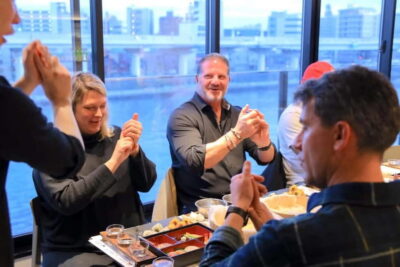
Roll and Authentic Sushi Making Class in Asakusa
Read our review →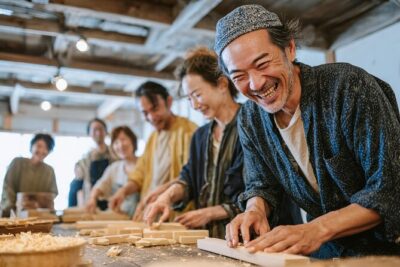
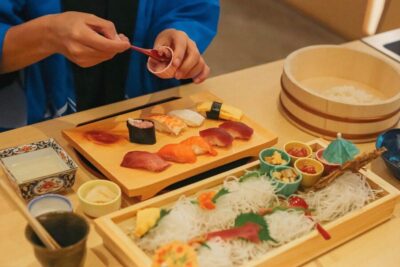
Sushi Making Class in a Happi Coat near a Famous Spot
Read our review →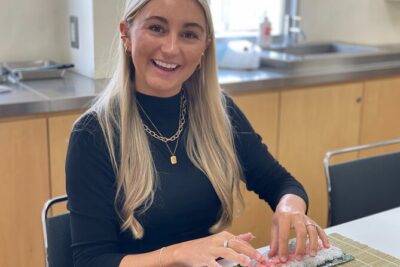
Tokyo Sushi Making Class in Tsukiji with Professional Chef
Read our review →
Ramen & Gyoza Cooking Class in Tokyo with Local Supermarket Visit
Read our review →
Tsukiji Fish Market Guided Tour and Sushi Making with Pro Chef
Read our review →
Matcha Making Class in Tokyo with Authentic Japanese Sweets Set
Read our review →Browse the lists this tour appears in