
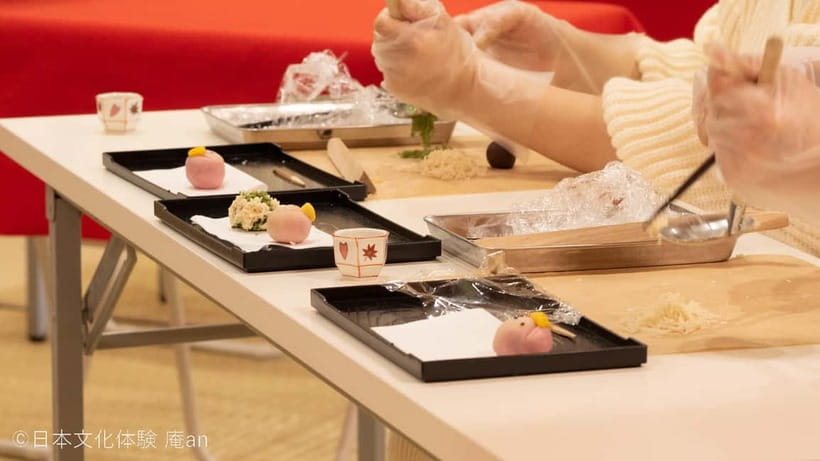
Reviewed · TOKYO TEA CEREMONIES
Tokyo: Two Types of Japanese Sweets Making and Tea Ceremony
Tokyo’s sweet-making class pairs two very different Japanese confections with a casual tea ceremony. You shape wasanbon ohigashi, a crisp, dried sweet, then make two seasonal nerikiri from white or red bean paste before preparing matcha.
I like the contrast between the simple ohigashi and the more delicate nerikiri, and I like that the tea session gives the sweets a proper setting rather than treating them as a craft project alone. One consideration: English translation is offered as much as possible, not guaranteed throughout, and the class cannot wait for late arrivals.
What makes this class worth your time
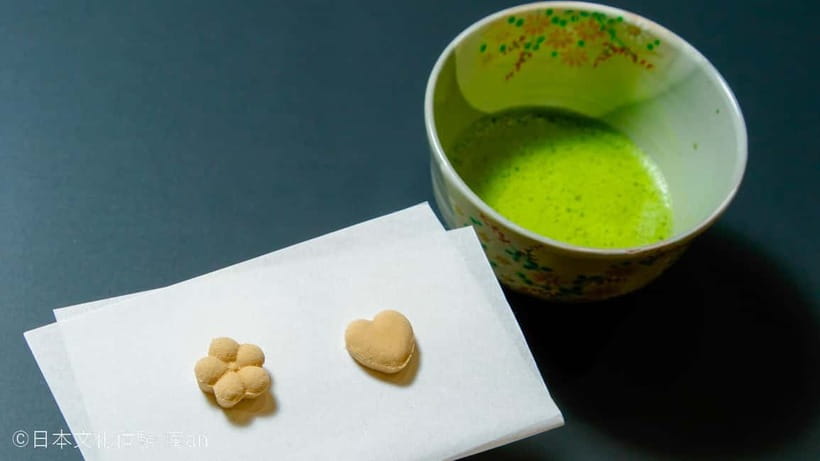
- Three activities in one 125-minute class: Make ohigashi, shape two nerikiri, and take part in a tea ceremony.
- Wasanbon sugar has a starring role: The dried sweets use a traditional Japanese sugar, with a straightforward process that makes a friendly first activity.
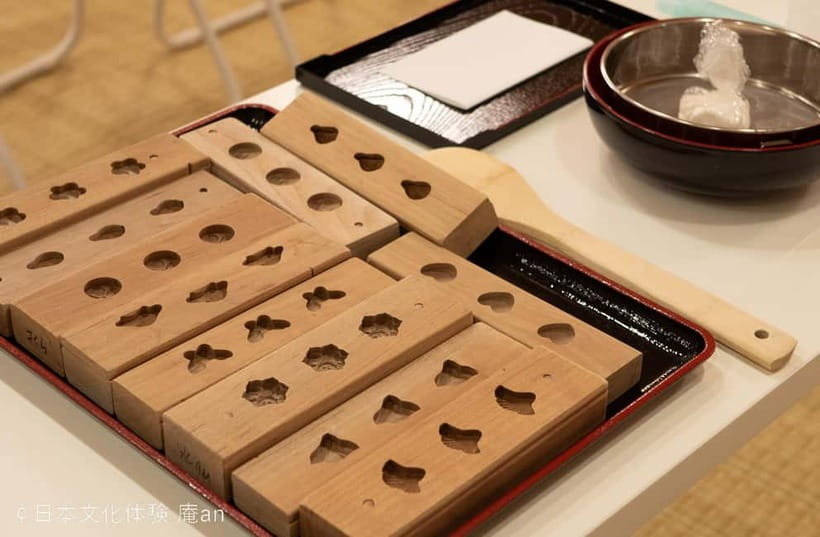
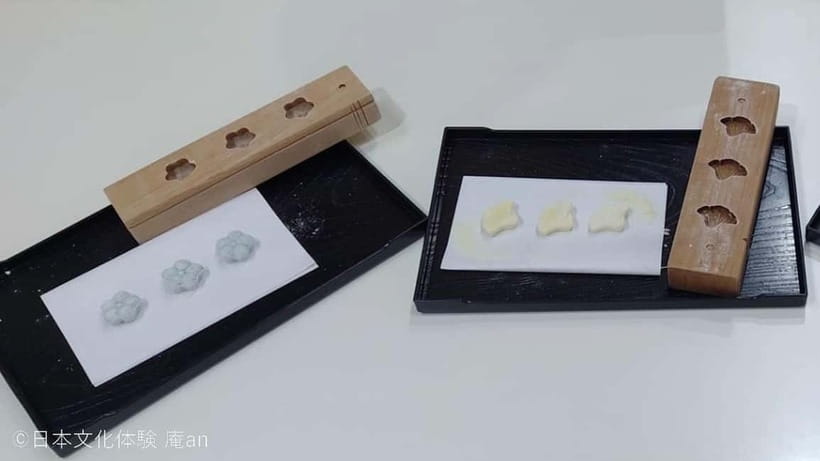
- Nerikiri calls for a steadier hand: You make a flower-shaped sweet and a kinton-style sweet, both shaped from bean paste.
- Ingredients come with a Kyoto connection: The white and red bean pastes are produced by long-established shops in Kyoto.
- Matcha is more than a drink break: You see a grinding demonstration, then prepare matcha and enjoy it with the sweets.
- The extra costs are modest but worth knowing: A take-home box costs ¥100, adding color costs ¥200, and a completion certificate costs ¥300.
Three Japanese traditions, one small class
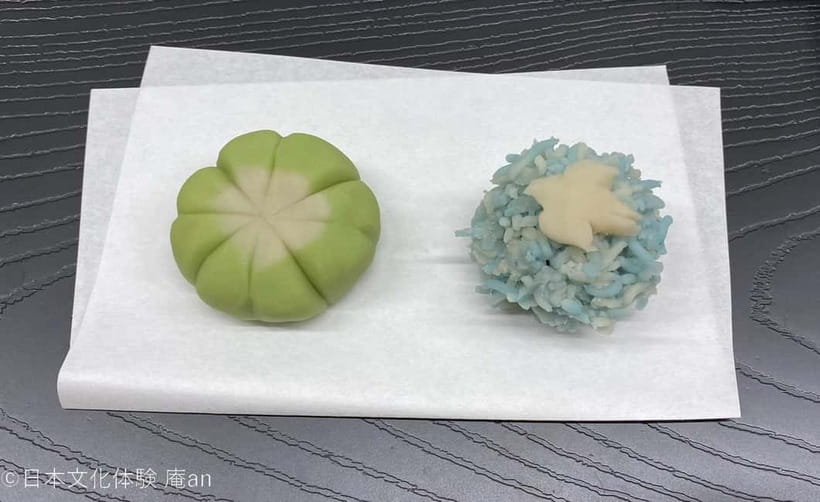
AN TOKYO brings together sweets and tea in a single program. That combination is useful if you want a compact introduction to Japanese food culture without booking separate activities or spending a full day on a formal ceremony.
The class covers ohigashi, a dried sweet made with wasanbon; nerikiri, a soft sweet formed from bean paste; and matcha preparation. These are not simply three versions of the same task. The first is about pressing and shaping a sugar-based mixture, the second asks for more careful handwork, and the final section shifts attention from making sweets to preparing tea.
The instructor is Japanese, and English translation is provided as much as possible. A class participant can expect explanations of the sweet types and some background on tea. The session is presented casually, so it is a way to learn the basic gestures and ideas without expecting a full-length formal tea ceremony.
The listed price is $28 per person for the three-part program. That is a fair value if you want both hands-on sweet making and a guided tea experience in one visit. The ingredients and instruction are part of the activity, while a take-home box, added color, and a completion certificate cost extra. If you want to bring your sweets with you, remember that the box is not included.
More tea ceremonies in Tokyo:
- Matcha Making Class in Tokyo with Authentic Japanese Sweets Set
★ 5.0 · 744 reviews - Tokyo: Traditional Tea Ceremony with a Tea Master
★ 5.0 · 528 reviews - Tokyo: Matcha Making Experience with Mochi Sweets in Asakusa
★ 4.9 · 388 reviews
First up: shaping wasanbon ohigashi
The session begins with an explanation of traditional Japanese sweets, then turns to ohigashi. These dried sweets are made with wasanbon, a traditional Japanese sugar. The activity is described as simple, which makes it a sensible warm-up before the more intricate nerikiri.
This first task gives you a chance to learn by doing. You handle the sweet mixture and shape it, rather than only hearing about how Japanese confections differ. The short process also gives the class an easy opening, especially if you have never made a Japanese sweet before.
After roughly 20 minutes, there is a break. That pause is useful: it separates the first craft from the longer nerikiri section and gives you a moment to reset before working with softer bean paste. The schedule is structured, so don’t count on turning the break into a long one.
Ohigashi’s simplicity is part of its appeal, but it may be the least challenging part of the class. If you are choosing this activity mainly for intricate pastry work, the next section is where you will get more of that.
Two seasonal nerikiri, with different shapes
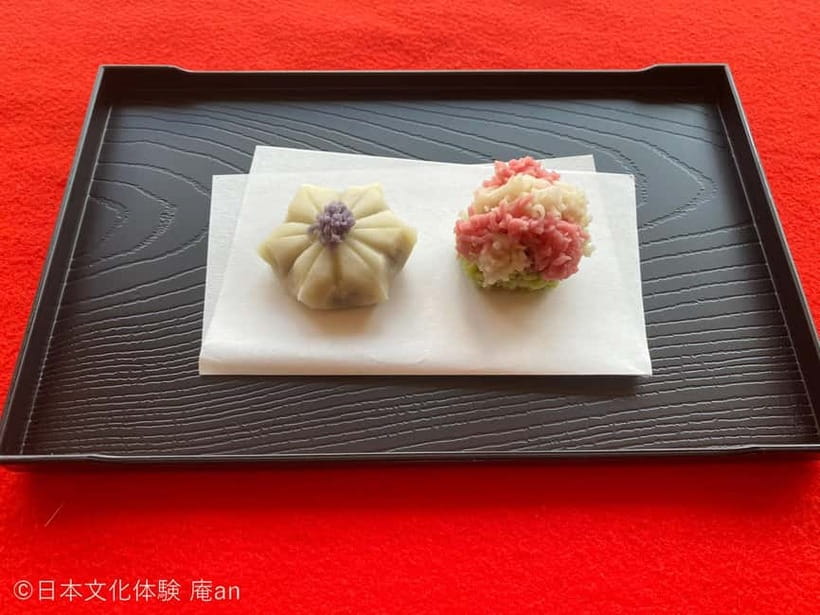
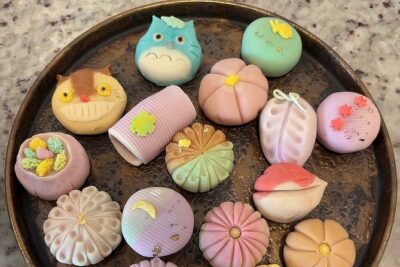
About 30 minutes into the program, you begin making nerikiri from white or red bean paste produced by long-established Kyoto shops. You make two seasonal sweets: a flower-shaped nerikiri and a kinton-style nerikiri.
The seasonal element is a meaningful detail. Japanese sweets often take shapes and colors from the time of year, so the designs connect the act of making them to the calendar. The exact designs will depend on the season, rather than being the same fixed pair every time. That gives the activity a little more sense of occasion than a standard, unchanging recipe.
This is also the section that asks for the most patience. Nerikiri shaping can require a light touch and some finesse, particularly if you want the finished forms to look tidy. You do not need to arrive with pastry-making skills, but it helps to slow down and follow the instructor rather than rushing to finish.
The two pieces give you a chance to try more than one style of shaping. You can compare the flower form with kinton, then see how the same broad ingredient, bean paste, can become sweets with different appearances. The class is hands-on, but the supplied details do not promise a particular level of individual attention or group size, so don’t assume a private lesson.
A second break follows the sweets-making portion. The schedule places it around the 85-minute mark, before the tea explanation begins. Together, the breaks make the 125-minute session feel divided into clear stages instead of one long stretch at the table.
Grinding matcha and taking part in the tea ceremony
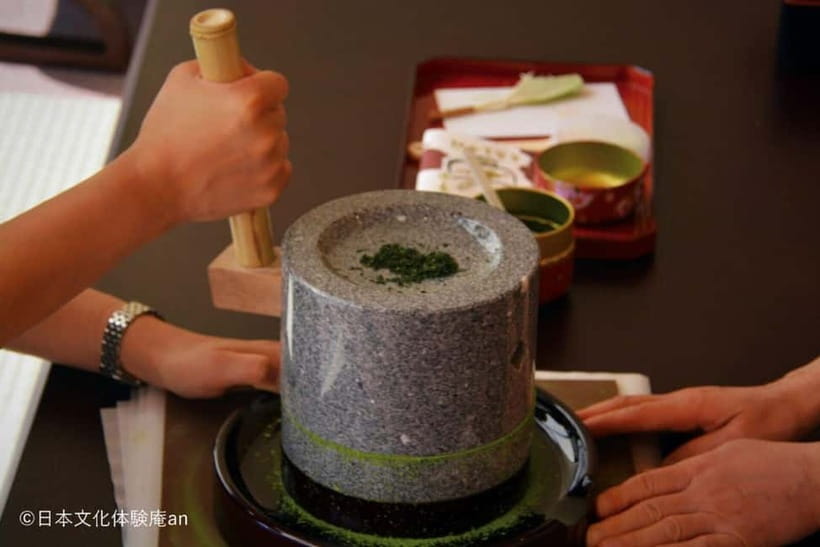
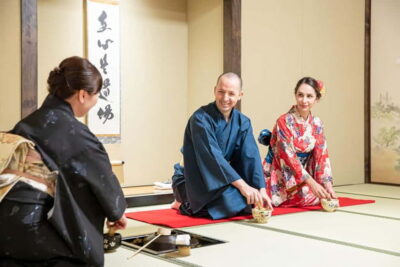
The tea portion begins with an explanation, followed by a matcha-grinding demonstration. The experience uses special single-origin matcha, and you then prepare your own matcha and enjoy it as part of a casual tea ceremony.
This is a good finish because the tea gives you a way to taste the sweets in context. Rather than making two confections and leaving, you get time to sit with them and learn how matcha fits into the experience. The tea preparation is described as easy to try, even if the nerikiri shaping has felt demanding.
The ceremony is casual, which matters when you are deciding what kind of class to book. Expect an accessible introduction, not a claim that you will master formal tea practice in one visit. You will get an explanation, watch the grinding demonstration, and participate in preparing and drinking matcha. A picture-taking period is included near the end.
The listed schedule puts the tea explanation at about 95 minutes, with the experience ending around 115 minutes. There is then an eating and drinking period before room departure at about 125 minutes. In practical terms, the class uses most of two hours, with the final minutes reserved for enjoying what you have made.
More dessert tours in Tokyo:
- Make Traditional Nerikiri Sweets & Matcha experience in Shibuya
★ 5.0 · 130 reviews - Private Mochi Sweets Making class near Shibuya area
★ 5.0 · 93 reviews - Japanese Traditional Sweets making and Tea Ceremony
★ 4.7 · 50 reviews - Japanese Traditional Sweets making
★ 4.1 · 19 reviews
How the $28 price works out
For $28, you get instruction and ingredients for three linked activities: one dried sweet, two seasonal bean-paste sweets, and a matcha experience. The value is strongest if you are interested in both making Japanese sweets and learning a little about tea. If you only want to sample matcha or watch a ceremony, this hands-on class may be more than you need.
The extra charges are small, though they can add up if you choose everything. A take-out box is ¥100, adding color is ¥200, and the completion certificate is ¥300. The box is the most practical add-on if you want to carry your sweets away; adding color may appeal if you want to personalize the finished work. The certificate is optional.
The activity includes eating and drinking time, so you can enjoy the sweets and matcha on site. The information does not specify how many sweets you may take away or how long they keep, so ask the instructor if those details affect your plans.
Timing, language, and useful planning details
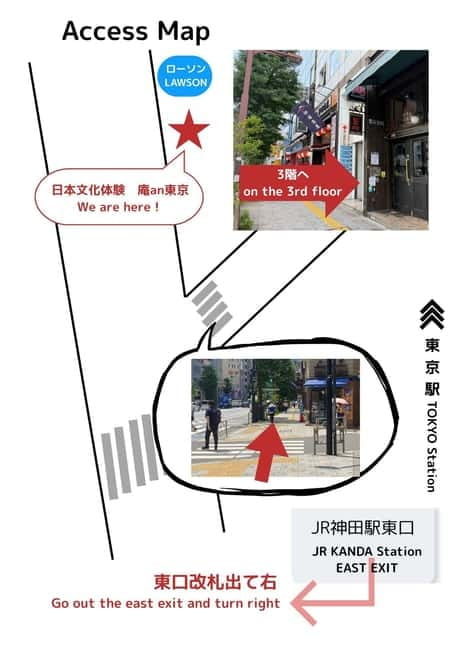
The full activity lasts 125 minutes. Operating hours are 10:00 to 17:00, and reservations received after 17:00 are processed the next day. Check the available start times when booking, and plan to arrive on time: the class cannot be held to accommodate delays.
English translation is available as much as possible, but Japanese is the listed language. If you are relying on English for every instruction, keep that limitation in mind. The class has received positive feedback for an instructor’s clear explanations and willingness to cover background on sweet varieties and the difference between green tea and matcha. No instructor name is provided, so you cannot request a particular teacher.
Children under two who sit on a parent’s lap are free. Anyone who does not participate in the experience is not allowed to enter, so this is not a good fit if one member of your party plans to watch while others take part. Contact the provider if you want to reserve the property.
You can cancel up to 24 hours in advance for a full refund, and the reserve-now, pay-later option lets you keep plans flexible without paying at booking. One practical caution: if the activity is cancelled, travel expenses to the venue are not compensated. Avoid making an expensive detour solely for this class unless you are comfortable with that risk.
Who should book this sweets and tea class?
I’d consider this a good choice if you want a focused cultural activity with plenty to do, but not a full-day commitment. It suits curious first-timers, food-minded visitors, and anyone who likes leaving an activity with a better sense of how a traditional sweet is made. The mix of straightforward ohigashi, more demanding nerikiri, and matcha keeps the pace varied.
It may be less suitable if you want a completely English-led lesson, a formal tea ceremony, or a flexible arrival window. The schedule is set, late arrivals cannot be accommodated, and English support is described as available as much as possible. The nerikiri also asks for patience, so book for the process, not just for an effortless craft.
Should you book it?
Book this class if the appeal is learning by making: you will shape three Japanese sweets across two styles, see how matcha is prepared, and enjoy the tea with your work. At $28 for 125 minutes, it offers good value for a compact introduction to both confectionery and tea.
Before committing, check your start time, arrive promptly, and decide whether you want the optional take-out box. If you are comfortable with some Japanese instruction and want a hands-on activity that is more involved than a tasting, this is a practical, appealing way to spend part of a Tokyo day.
FAQ
How long does the experience last?
The activity lasts 125 minutes, including the scheduled breaks and eating and drinking time.
What will I make?
You make wasanbon ohigashi and two seasonal nerikiri sweets, one flower-shaped and one kinton-style. You also prepare matcha as part of a casual tea ceremony.
Is the class conducted in English?
Japanese is the listed language. English translation is provided as much as possible, but full English instruction is not guaranteed.
What is included in the $28 price?
The price includes the experience of making two types of Japanese sweets and taking part in the tea ceremony.
Are there extra costs?
A take-out box costs ¥100, adding color costs ¥200, and an experience completion certificate costs ¥300.
Can children attend without paying?
Children under two who sit on a parent’s lap are free. Anyone who does not participate in the experience is not allowed to enter.
Freshly reviewed in Tokyo
- Tokyo: Toshimaya Sake Brewery Tour with Sake Tasting★ 5.0 · 6 reviews
- :Tokyo,Shibuya /Meiji Shrine tour in KIMONO/English-friendly★ 5.0 · 4 reviews
- Tokyo: Tour Privado por Tokio en español★ 4.3 · 4 reviews
- Tokyo:Tea ceremony experience at Komaba Warakuan★ 4.8 · 9 reviews
- :Tokyo,Shibuya/ Pro Photography in Kimono / English-Friendly★ 5.0 · 26 reviews
- Tokyo:Samurai Training : Swords, Bushido & Mental Discipline★ 5.0 · 6 reviews
- Tokyo:Mt Fuji & Hakone Day Tour with English Speaking Driver★ 5.0 · 26 reviews
- Tokyo:Nikko UNESCO World Heritage Sites Private 1-Day Tour★ 3.8 · 6 reviews
Tokyo Tea Ceremonies, compared.

Matcha Making Class in Tokyo with Authentic Japanese Sweets Set
Read our review →
Matcha Making Experience with Mochi Sweets in Asakusa
Read our review →
Tea Ceremony Workshop in Tokyo by the Experienced Instrucor
Read our review →
Make Traditional Nerikiri Sweets & Matcha experience in Shibuya
Read our review →Browse the lists this tour appears in