
Reviewed · TOKYO SUSHI MAKING CLASSES
Tokyo: Sushi Making Class
Tokyo’s sushi counter is a fine place to eat, but this class lets you see what happens before the plate arrives. Over three hours in a small Shinjuku studio, you’ll prepare sushi rice, make Japanese rolled egg, shape nigiri, and roll several kinds of sushi, then sit down to eat your work.
I like two things in particular: the small group size, which leaves room for individual help, and the lesson’s cultural details, from Japanese seasonings to the origins of the dishes. The instructors speak English, and past classes have been led by teachers including Mika, Aya, and Yuko, though the team may vary.
One thing to know before booking: this is a sushi-making class, not a fish-cutting lesson. The fish comes pre-sliced, and the studio can take some effort to find in its residential neighborhood, so study the directions before setting out.
- Make four sushi styles: Practice nigiri, inari, thin rolls, and California rolls.
- Get hands-on with the basics: Prepare sushi rice and learn techniques you can use again at home.
- Add Japanese cooking staples: The lesson also covers miso soup, dashi, seasonings, and tamagoyaki.
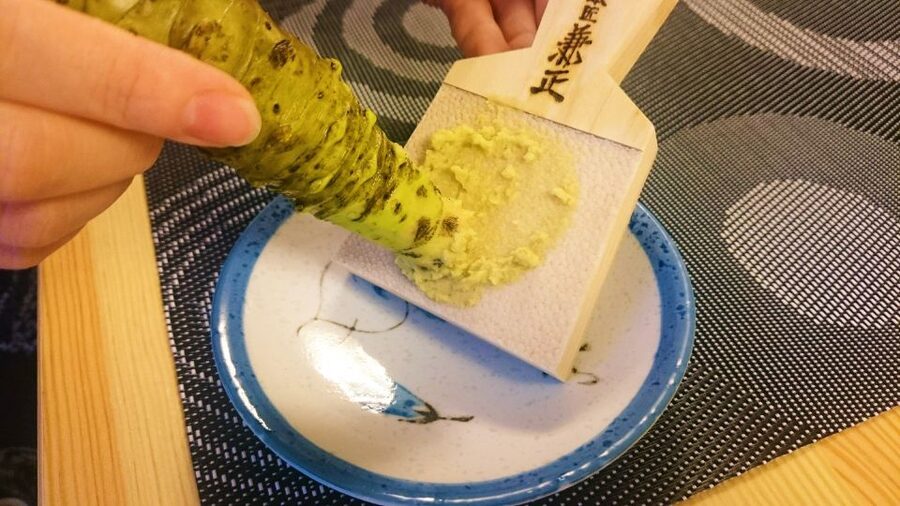
- Eat what you make: The class ends with a meal of your sushi and miso soup, with wasabi and pickled ginger on the side.
- Ask for dietary changes in advance: The team can accommodate needs such as vegetarian, gluten-free, allergy-related, and religious restrictions.
A small Shinjuku class, not a restaurant demo
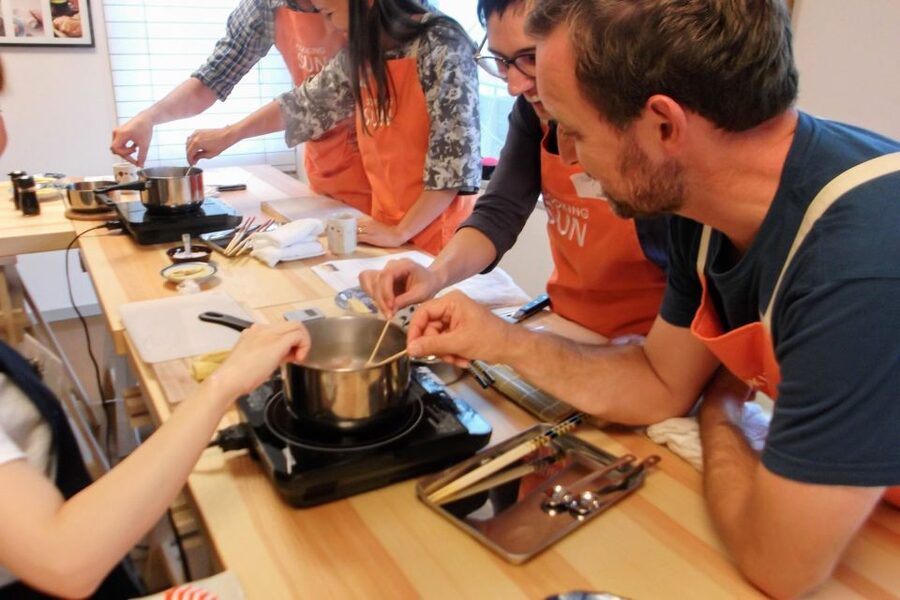
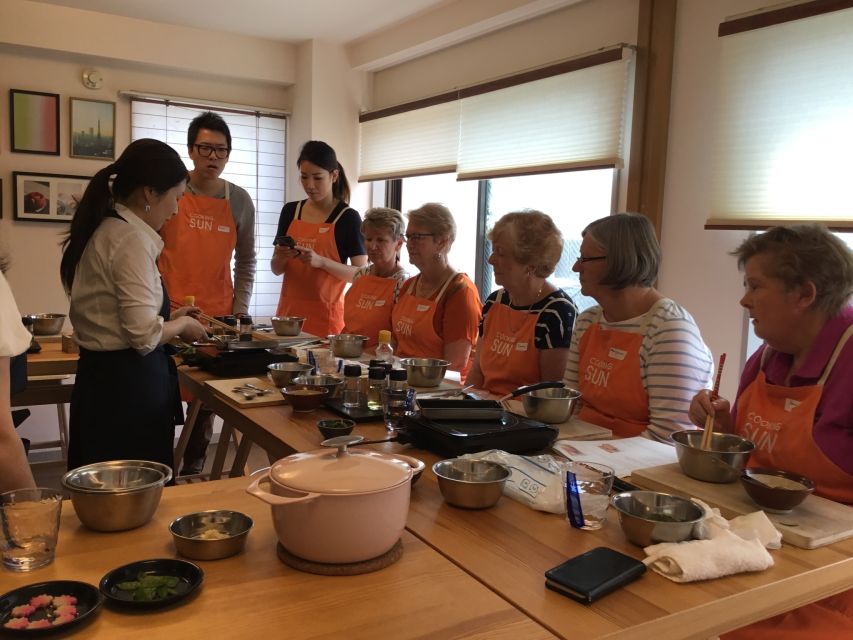
Cooking Sun’s class is designed for participation. You watch a demonstration, then work through the steps yourself, with English-speaking instructors close by to explain and help. The group is limited to nine, a useful cap in a kitchen setting: it means you’re less likely to spend the afternoon peering over someone else’s shoulder.
That format suits beginners particularly well. Sushi can look deceptively simple, and the sequence matters: prepare the rice, portion and handle ingredients, then shape or roll everything without turning lunch into a kitchen puzzle. The instructors break the work into manageable stages and offer support as you go.
You don’t need cooking experience. If you already make sushi at home, there’s still room to learn: the class covers several styles and the ingredients and techniques behind them. It is a practical lesson, not a test of your knife skills or a lecture you sit through while someone else does the work.
Starting with Japanese ingredients and miso soup
The session begins with an introduction to Japanese ingredients and flavors. You’ll hear about dashi, the soup stock used in Japanese cooking, along with traditional seasonings and how they fit into the meal. This context helps make the recipes more than a set of instructions to copy.
Miso soup is part of the class, too. It’s a useful addition to the sushi lesson because it puts another everyday Japanese dish on the table and gives you a broader sense of how a meal comes together. If you’re curious about ingredients, ask questions as you work. The instructors are there to explain the details, not simply call out the next step.
The class also makes space for Japanese cooking traditions and cultural background. You won’t need specialist knowledge to follow along, and the English instruction helps keep the explanations accessible. The result is a cooking lesson with more context than a quick demonstration.
More cooking classes in Tokyo:
- Sushi Making Tokyo Roll and Authentic Japanese Sushi Class
★ 5.0 · 3,971 reviews - Tokyo: Roll and Authentic Sushi Making Class in Asakusa
★ 4.9 · 1,957 reviews - Tokyo Shinjuku Chopsticks Making Class
★ 5.0 · 1,763 reviews
Making tamagoyaki, the rolled Japanese egg
Next comes tamagoyaki, a fluffy Japanese omelet made with step-by-step guidance. It adds a different cooking technique to the afternoon and gives you a taste of something beyond fish and rice. The lesson is hands-on, so you get to try making it rather than just watching the instructor.
Tamagoyaki is one of the class’s more useful details for a home cook. Sushi is the headline, but the egg and soup widen the range of what you can take away. The recipes are included, so you’ll have a written reference after the class instead of relying on your memory of a busy afternoon.
The pace is organized around demonstrations and practice. If you’re new to cooking, that structure helps you keep up. If you cook often, you can focus on how the technique differs from what you already know.
Getting the rice right before shaping sushi
Sushi rice is at the heart of the lesson. The class shows you how to prepare it and how to handle it for sushi, a key skill because rice is not just a bed for toppings. The texture and preparation affect how the finished pieces hold together and taste.
You’ll also prepare toppings, including shrimp, before moving on to shaping and rolling. The class uses pre-sliced fish, so it does not teach you how to cut raw fish. That’s worth noting if your main goal is to learn fish preparation; if you want a beginner-friendly introduction to assembling sushi, the focus here makes sense.
The hands-on format is the point. You watch the instructor demonstrate, then make the sushi yourself with help available. The goal is not restaurant-counter precision. It’s to leave understanding the basic process and able to try it again with the recipes at home.
Making nigiri, inari, and two kinds of rolls
The menu covers four types: nigiri, inari, thin rolls called hosomaki, and California rolls. That variety gives you a look at different ways rice and fillings can be combined, rather than spending three hours repeating one recipe.
Nigiri is hand-pressed sushi, so you’ll learn how to form the rice and add a topping. Inari uses sweet tofu pouches, offering a different texture and flavor from the rolls. Hosomaki keeps things narrow and simple, while the California roll gives you another familiar style to practice.
The instructors demonstrate before you begin and provide help throughout. That guidance matters most when you’re trying to roll neatly or shape rice for the first time. Don’t expect every piece to look identical to the instructor’s; the pleasure is in learning the motions and seeing what you can make.
More sushi making classes in Tokyo:
- Make Sushi and Create Unforgettable Memories in Tokyo
★ 5.0 · 1,413 reviews - Tokyo: Sushi Making Class in a Happi Coat near a Famous Spot
★ 4.9 · 1,377 reviews - Tokyo Sushi Making Class in Tsukiji with Professional Chef
★ 5.0 · 1,177 reviews - Tsukiji Fish Market Guided Tour and Sushi Making with Pro Chef
★ 5.0 · 775 reviews
Sitting down to eat the results
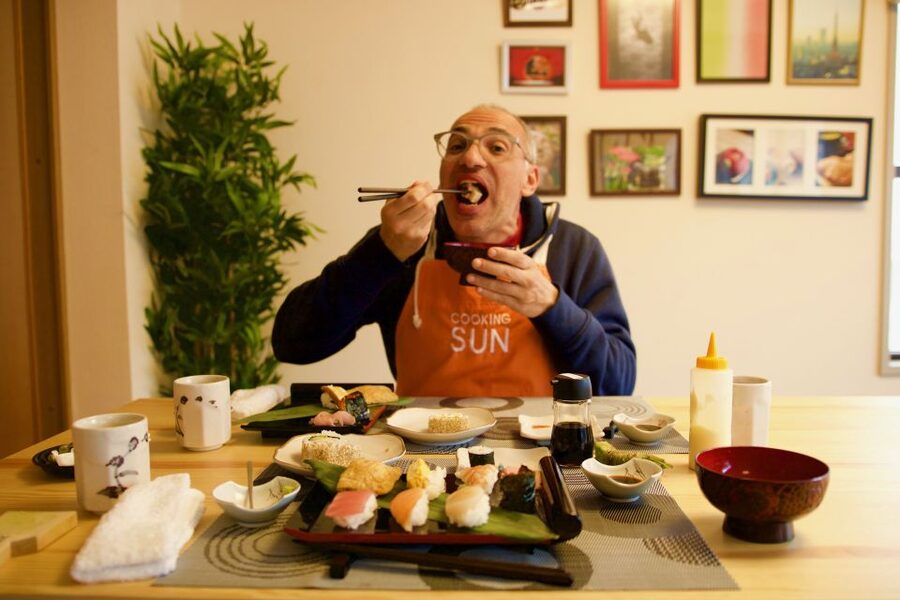
After the cooking, you sit down and eat the sushi you’ve made with miso soup. Wasabi and pickled ginger are served on the side. It’s a generous finish to a class that lasts three hours, so arrive ready for a substantial meal rather than planning on sushi as a small snack.
Eating the food you’ve prepared makes the lesson feel complete. You’ve learned the ingredients and techniques, then get to taste how they work together. It also gives you a natural chance to talk with the instructors and other people in the small group.
Recipes are included, which makes the experience more useful beyond the afternoon itself. You can take the instructions home and try the dishes again. The ingredients and utensils are provided during class, as are a towel and apron rental, so there’s no need to bring cooking equipment.
Is $67 good value for three hours?
At $67 per person, this is a mid-length cooking activity with ingredients, utensils, recipes, towel and apron rental, instruction, and a meal included. You’re paying for more than a short sushi demonstration: the lesson covers several dishes and includes time to make and eat them.
Value depends on what you want from a Tokyo afternoon. If you’re after a restaurant meal, you can spend your money elsewhere. If you want an activity that combines food, practical instruction, and cultural background, the three-hour format gives you time to work through the steps rather than rush through a single roll.
The small group is part of that value. With a maximum of nine people, the instructors can give individual help, and the class has room for questions. The price does not include transportation or hotel pickup, so factor in your own trip to the studio.
Finding the studio in a residential part of Shinjuku
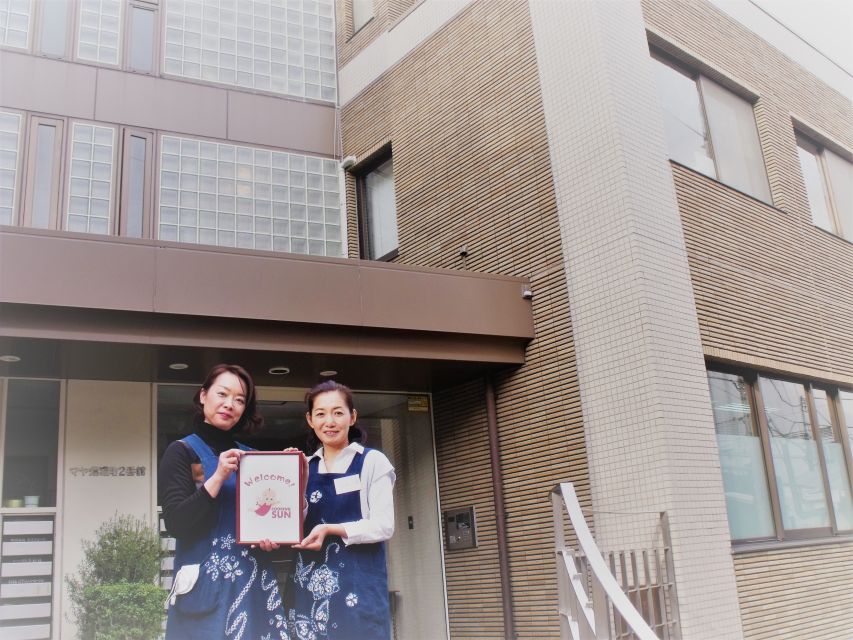
The meeting point is Cooking Sun at Shinanomachi 18-39, Shinjuku-ku. The studio is on the second floor of a beige residential building. At the entrance, use the right-side door and press 314 on the intercom.
This is not a prominent storefront, and the directions warn that the studio can be difficult to find. If you have Wi-Fi, search Google Maps for Cooking Sun Tokyo. Without Wi-Fi, prepare the route before leaving and check the detailed directions on the provider’s website.
If arriving by privately arranged vehicle, don’t stop or wait in front of the building or on the quiet residential street. The studio asks drivers to use a nearby coin-operated parking lot if they need to wait. There is no hotel pickup or transportation included.
Dietary needs, families, and who will enjoy it
Tell the team about dietary requirements when you book. They can substitute ingredients for allergies, gluten-free diets, religious restrictions, vegetarian preferences, and other needs. If you have a serious allergy or celiac disease, give clear details in advance so the team can explain what has changed and what is safe for you.
The class has worked well for families, including children, and instructors have been patient with younger participants. Still, it is a three-hour cooking session, so consider whether your child will enjoy a hands-on lesson of that length. The small group can make it easier for instructors to offer help when someone needs extra time.
This experience is a good fit for sushi fans, curious home cooks, families with interested children, and anyone who wants a structured food activity with cultural context. It may be less suited to you if you’re looking for an advanced chef course, raw-fish cutting instruction, or a brief stop between other plans.
The activity is taught in English. Free cancellation is available up to 24 hours in advance, and you can reserve now and pay later. Those options help if your schedule is still taking shape, but check the available start times before planning the rest of your day.
Should you book the sushi class?
Book this class if you want to make several kinds of sushi, learn the rice and preparation basics, and enjoy a meal you helped create. The friendly instruction, small group, recipes, and extra lessons in soup and tamagoyaki make it a well-rounded afternoon for beginners and experienced cooks alike.
Skip it if your main aim is learning to cut raw fish, or if you’d rather spend the same time eating at a sushi restaurant. For a hands-on introduction to Japanese cooking in a neighborhood studio, though, the three hours offer a useful mix of practice, food, and cultural detail.
FAQ
How long is the sushi-making class?
The class lasts three hours. Check the available start times when booking.
How much does the class cost?
The listed price is $67 per person.
What kinds of sushi will I make?
You’ll make nigiri, inari, thin rolls called hosomaki, and California rolls.
Does the class teach fish cutting?
No. The fish is pre-sliced, and the class does not include instruction on cutting raw fish.
Is the class suitable for beginners?
Yes. No prior experience is needed, and the instructors demonstrate each step and provide help.
Is the instruction in English?
Yes. The instructors teach in English.
How large is the group?
The class is limited to nine participants.
Can the class accommodate dietary requirements?
The team can substitute ingredients for needs such as allergies, gluten-free diets, religious restrictions, and vegetarian preferences. Tell them about your requirements when booking.
What is included in the price?
Recipes, ingredients, utensils, and towel and apron rental are included. Hotel pickup and transportation are not.
More hands-on workshops in Tokyo
- Chopstick Making Workshop in Ginza
★ 4.8 · 1,366 reviews - Ramen & Gyoza Cooking Class in Tokyo with Local Supermarket Visit
★ 5.0 · 823 reviews - Matcha Making Class in Tokyo with Authentic Japanese Sweets Set
★ 5.0 · 744 reviews - Tokyo: Samurai Sword & Archery Class from Samurai Descendant
★ 5.0 · 603 reviews
Freshly reviewed in Tokyo
- Tokyo: Toshimaya Sake Brewery Tour with Sake Tasting★ 5.0 · 6 reviews
- :Tokyo,Shibuya /Meiji Shrine tour in KIMONO/English-friendly★ 5.0 · 4 reviews
- Tokyo: Tour Privado por Tokio en español★ 4.3 · 4 reviews
- Tokyo:Tea ceremony experience at Komaba Warakuan★ 4.8 · 9 reviews
- :Tokyo,Shibuya/ Pro Photography in Kimono / English-Friendly★ 5.0 · 26 reviews
- Tokyo:Samurai Training : Swords, Bushido & Mental Discipline★ 5.0 · 6 reviews
- Tokyo:Mt Fuji & Hakone Day Tour with English Speaking Driver★ 5.0 · 26 reviews
- Tokyo:Nikko UNESCO World Heritage Sites Private 1-Day Tour★ 3.8 · 6 reviews
Tokyo Sushi Making Classes, compared.
Sushi Making Tokyo Roll and Authentic Japanese Sushi Class
Read our review →
Roll and Authentic Sushi Making Class in Asakusa
Read our review →
Make Sushi and Create Unforgettable Memories in Tokyo
Read our review →
Sushi Making Class in a Happi Coat near a Famous Spot
Read our review →
Tokyo Sushi Making Class in Tsukiji with Professional Chef
Read our review →
Tsukiji Fish Market Guided Tour and Sushi Making with Pro Chef
Read our review →
Tsukiji Fish Market Sushi Making Class with Pro Chef
Read our review →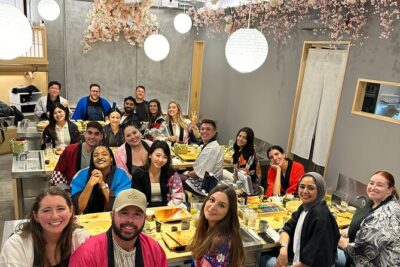
Browse the lists this tour appears in