
Reviewed · TOKYO COOKING CLASSES
Tokyo: Rice Ball Making Class
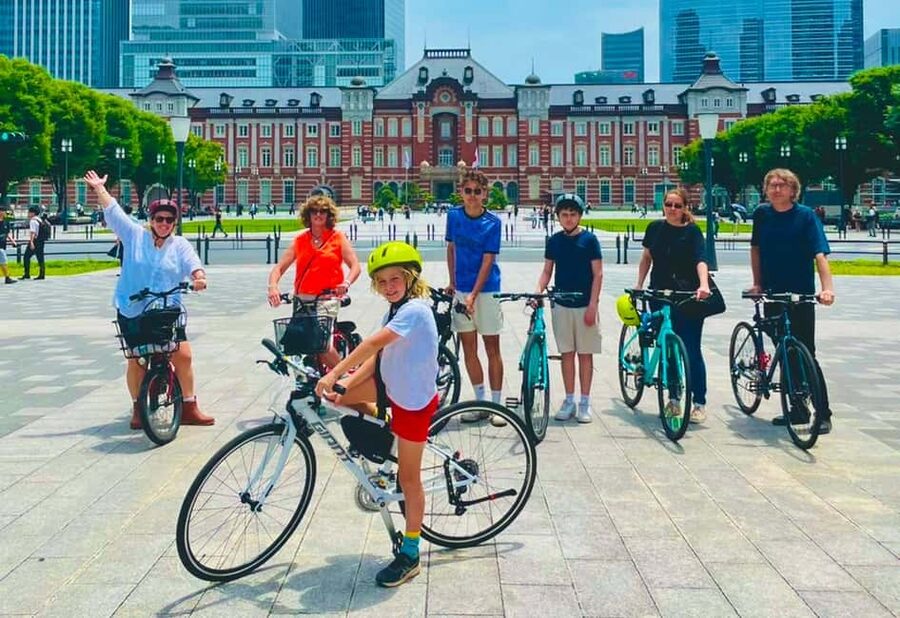
Tokyo’s rice ball class pairs a hands-on lesson with a picnic and a guided bike ride. You make onigiri from freshly steamed rice, pack it up, and eat it at Hamarikyu Gardens, where historic teahouses sit against the modern city skyline. It is a neat way to put a familiar Japanese snack in context, then see a few different sides of Tokyo at street level.
I like two things in particular: you make your own lunch, rather than simply watching a demonstration, and the route adds a garden visit and local cycling to the food lesson. The group limit of six should also make it easier to ask questions and keep pace with the guide.
One consideration: this is not a good fit if you cannot ride a bike or have mobility, back, vision, or certain health concerns. The tour also rules out children under 12 and people over 70, so check the suitability notes carefully before booking.
Key points
- Shape rice, then choose a filling: Make onigiri with salmon, pickled plum, or tuna-mayo.
- Take your lunch to Hamarikyu Gardens: Garden admission is included, along with the ingredients for your rice balls.
- Cycle beyond the class: A local guide leads you along backstreets and riverside paths toward Tokyo Bay.
- See several sides of the city: The route includes views of Tokyo Tower, the Imperial Palace, and Zozoji Temple.
- Keep the group small: No more than six participants, with an English-speaking guide.
- Plan for an active outing: Bring water and wear comfortable clothes for cycling.
Making onigiri by hand
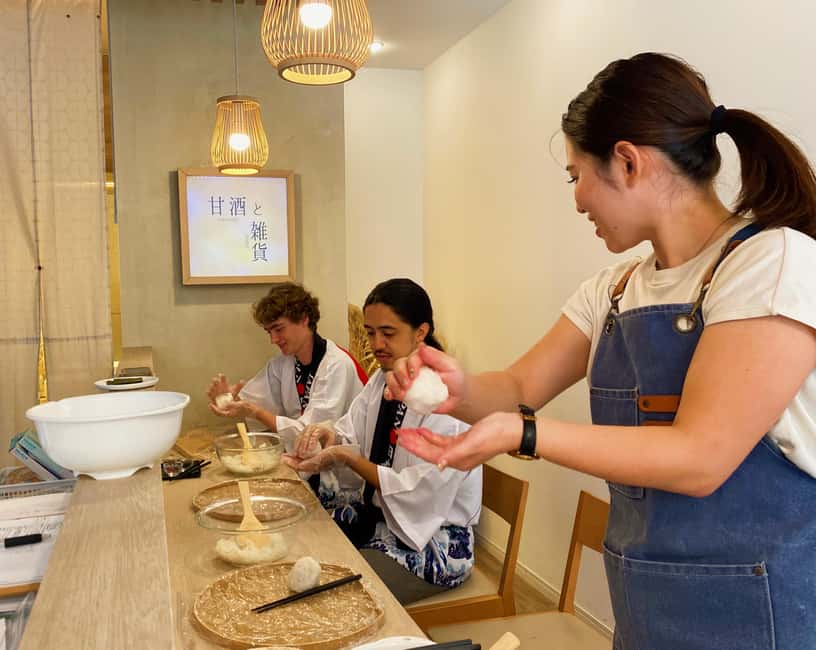
Onigiri is a Japanese rice ball, often shaped by hand and filled with something savory. It is simple food, but making it yourself gives you a better sense of how a few ingredients become a useful snack: rice, seasoning, and a filling, shaped into something easy to carry and eat.
The class begins with freshly steamed rice. With an expert guiding you, you season it and learn how to form the rice around a filling. Salmon, pickled plum, and tuna-mayo are among the options described for the lesson, giving you a mix of savory, tart, and creamy flavors. You are not just watching a cook work; you leave with rice balls you have made yourself.
That hands-on part is the heart of the experience. A short food lesson can add texture to a Tokyo visit, especially if you have already sampled Japanese meals but want to understand a familiar everyday food from the inside out. The class is also a practical introduction: onigiri is designed to be portable, and here you get to make your own before carrying it to the garden.
English is the stated tour language. The small group is capped at six, which should make instruction feel more personal than a large demonstration. Sho is one guide associated with the experience, but a particular guide is not guaranteed, so treat the name as a useful reference rather than a promise.
The information provided does not specify how many rice balls you make, how long the lesson itself lasts, or whether fillings can be adjusted for dietary needs. If you have allergies or strict food requirements, ask the provider before booking. The included ingredients cover the onigiri activity, but extra snacks and drinks are not included.
Taking your rice balls to Hamarikyu Gardens
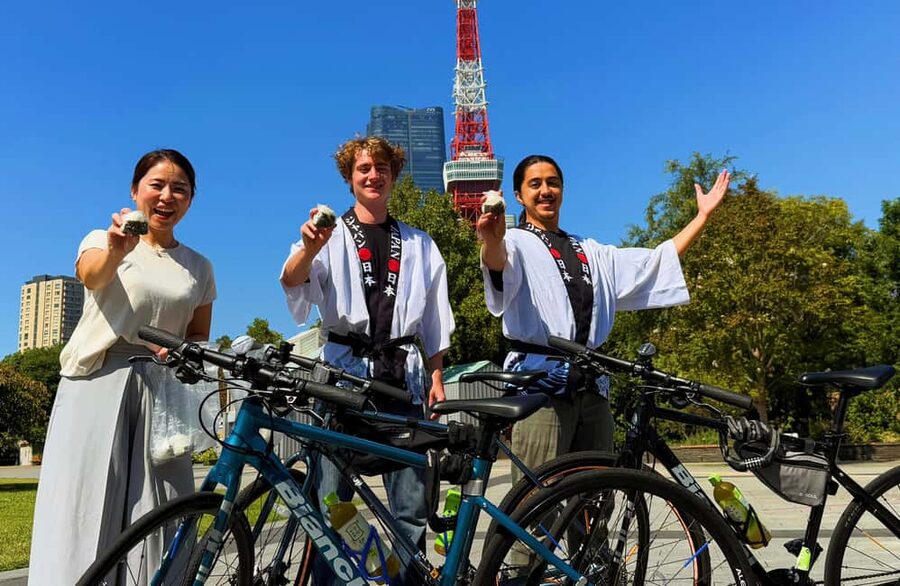
Once your onigiri are ready, you pack them for the ride to Hamarikyu Gardens. The garden sits by Tokyo Bay, and its saltwater ponds, paths, seasonal flowers, and traditional teahouses offer a change of pace from the city streets. The contrast is part of the appeal: you can eat a humble rice snack while looking across a historic garden toward modern Tokyo.
Admission to Hamarikyu is included, so you do not need to buy a separate garden ticket as part of this outing. The picnic is more than a convenient lunch stop. It gives you time to sit down, eat what you have just made, and enjoy the garden rather than passing through it only to reach the next cycling stretch.
The food is described as still warm when you eat it, which is a small but satisfying advantage of making lunch shortly beforehand. You can compare the fillings and see how your own shaping turned out. The experience does not specify a particular picnic spot or how long you stay, so expect the guide to manage the timing within the overall tour.
Hamarikyu is a strong choice for this kind of pause because it is both a green retreat and a place where old and new Tokyo meet in view. It is not a full garden tour, though. The focus is the picnic and the wider outing, rather than a detailed guided explanation of every feature.
More cooking classes in Tokyo:
- Sushi Making Tokyo Roll and Authentic Japanese Sushi Class
★ 5.0 · 3,971 reviews - Tokyo: Roll and Authentic Sushi Making Class in Asakusa
★ 4.9 · 1,957 reviews - Tokyo Shinjuku Chopsticks Making Class
★ 5.0 · 1,763 reviews
Cycling Tokyo’s backstreets and bay edge
After the garden, you ride again with a local guide. The route is described as a mix of backstreets and scenic riverside paths, moving through neighbourhoods where everyday life carries on before opening onto wider waterfront lanes with views across Tokyo Bay. That change in scale helps the ride feel like more than a transfer between the class and the picnic.
The bike gives you a different perspective from a train or taxi. You move slowly enough to notice local streets, then reach broader paths where the bay opens up. Along the way, the stated sights include Tokyo Tower in the distance, the Imperial Palace, and Zozoji Temple. These landmarks help orient you, while the route itself also gives you a look at quieter corners of the city.
A local guide leads the ride, and the bike is included. That matters if you do not want to work out a route on your own or navigate unfamiliar streets while trying to keep the outing on schedule. The exact route and cycling distance are not stated, so you should not assume this is a long-distance ride or a stop-by-stop sightseeing tour.
You do need to be comfortable riding a bicycle. The activity is not suitable for people who cannot ride, people with mobility impairments, wheelchair users, or people with back problems, and it also lists restrictions for people with high blood pressure, low fitness, visual impairment, and those over 70. These are meaningful limits, not fine print to brush aside. If you are unsure whether the ride is appropriate for you, check with the provider before reserving.
What the $51 price covers
At $51 per person, the price covers the onigiri lesson and ingredients, a local bike guide, a bicycle, and admission to Hamarikyu Gardens. In other words, you are paying for three connected parts: a food activity, a garden visit, and guided cycling. That is better value than judging it as a rice-making class alone.
The value depends on whether you want all three pieces. If you enjoy food but do not want to cycle, this package may not suit you, even if the class sounds appealing. If you want a compact outing that combines a small-group activity with time outdoors and a guided look at the neighbourhood, the included bike and garden entry make the price easier to justify.
Extra snacks and drinks at the shop are not included. Bring water, as requested, and wear comfortable clothes for cycling. The listed duration ranges from one to three hours, with starting times depending on availability. Since that is a wide window, check the time shown for your chosen date rather than planning around a fixed length.
The activity offers free cancellation up to 24 hours in advance for a full refund, and you can reserve now and pay later. Those terms offer some flexibility, but the main decision should still be whether you want an active outing and can comfortably take part.
Who will enjoy this outing
This is a good match if you like learning by doing, enjoy local food, and want a guided ride without committing to a full-day cycling trip. It suits people who are curious about Japanese everyday cooking and would rather eat something they made than sit through a long lecture. The limited group size is another plus for anyone who prefers a more direct exchange with a guide.
It may also work well early in a Tokyo stay. The class introduces one familiar food, while the route gives you a first look at neighbourhood streets, the bay, and several major sights. You get a mix of close-up and wide-angle views without needing to plan the route yourself.
Skip it if cycling is a poor fit, if you need a stroller, or if you fall into one of the listed suitability exclusions. Children under 12 are not accepted, and the activity is not suitable for people over 70. This is also not the right choice if you want a deep garden tour, a long cooking workshop, or a meal with drinks included. The appeal is the combination, not an extended lesson in any one part.
More hands-on workshops in Tokyo:
- Tokyo: Sushi Making Class in a Happi Coat near a Famous Spot
★ 4.9 · 1,377 reviews - Chopstick Making Workshop in Ginza
★ 4.8 · 1,366 reviews - Tokyo Sushi Making Class in Tsukiji with Professional Chef
★ 5.0 · 1,177 reviews - Ramen & Gyoza Cooking Class in Tokyo with Local Supermarket Visit
★ 5.0 · 823 reviews
Should you book the rice ball class?
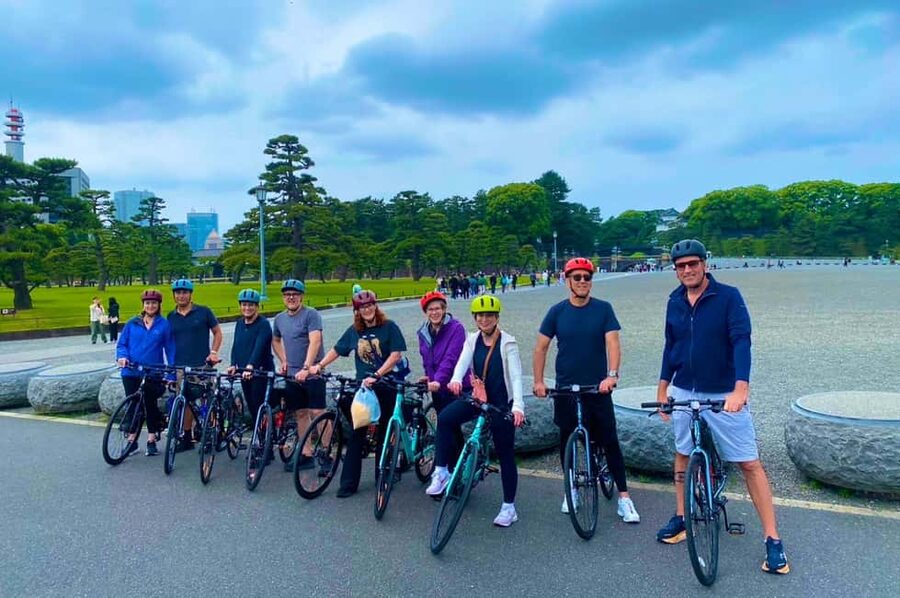
Book this outing if you want a small-group food activity with a real use for what you make, followed by an easy-to-understand route through garden and city. Making onigiri, eating it at Hamarikyu, and then cycling through local streets gives the experience a pleasing rhythm. At $51, the included ingredients, bicycle, guide, and garden admission make it a sensible package for someone who wants all three.
Pass if you are not comfortable on a bike or need a slower, more accessible activity. Before you reserve, check the start time, confirm any food requirements directly with the provider, and make sure the age and health restrictions fit your situation. For the right person, this is a practical way to spend a few hours seeing Tokyo while learning a small skill you can take home.
FAQ

How long does the tour last?
The listed duration is one to three hours. Check the available start times and duration for your chosen date.
Is the tour conducted in English?
Yes. The live tour guide speaks English.
What is included in the $51 price?
The price includes the onigiri-making class, ingredients, a local bike tour guide, a bicycle, and admission to Hamarikyu Gardens.
What fillings can I use for the onigiri?
The stated examples are savory salmon, pickled plum, and tuna-mayo.
What should I bring and wear?
Bring water and wear comfortable clothes for cycling.
Who is the activity not suitable for?
It is not suitable for children under 12, people over 70, people who cannot ride a bike, wheelchair users, or people with mobility impairments, back problems, visual impairment, high blood pressure, or a low level of fitness.
Freshly reviewed in Tokyo
- Tokyo: Toshimaya Sake Brewery Tour with Sake Tasting★ 5.0 · 6 reviews
- Tokyo: Tour Privado por Tokio en español★ 4.3 · 4 reviews
- :Tokyo,Shibuya /Meiji Shrine tour in KIMONO/English-friendly★ 5.0 · 4 reviews
- Tokyo:Tea ceremony experience at Komaba Warakuan★ 4.8 · 9 reviews
- :Tokyo,Shibuya/ Pro Photography in Kimono / English-Friendly★ 5.0 · 26 reviews
- Tokyo:Samurai Training : Swords, Bushido & Mental Discipline★ 5.0 · 6 reviews
- Tokyo:Mt Fuji & Hakone Day Tour with English Speaking Driver★ 5.0 · 26 reviews
- Tokyo:Nikko UNESCO World Heritage Sites Private 1-Day Tour★ 3.8 · 6 reviews
Tokyo Cooking Classes, compared.
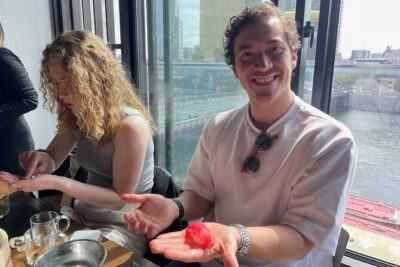
Sushi Making Tokyo Roll and Authentic Japanese Sushi Class
Read our review →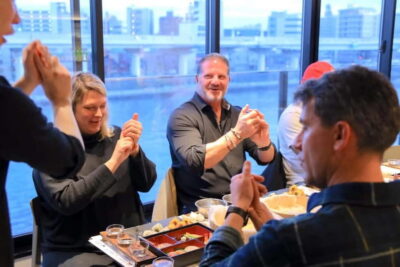
Roll and Authentic Sushi Making Class in Asakusa
Read our review →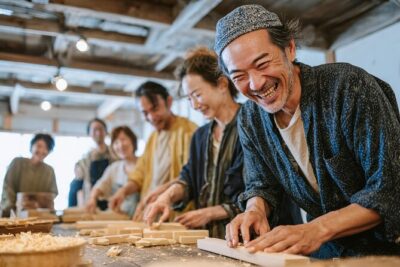
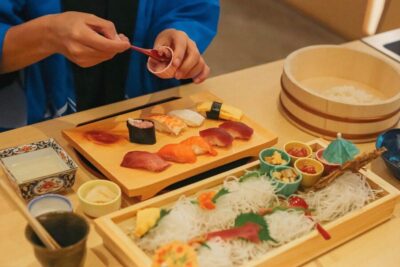
Sushi Making Class in a Happi Coat near a Famous Spot
Read our review →
Tokyo Sushi Making Class in Tsukiji with Professional Chef
Read our review →
Ramen & Gyoza Cooking Class in Tokyo with Local Supermarket Visit
Read our review →
Tsukiji Fish Market Guided Tour and Sushi Making with Pro Chef
Read our review →
Matcha Making Class in Tokyo with Authentic Japanese Sweets Set
Read our review →Browse the lists this tour appears in