
Reviewed · TOKYO PHOTO SHOOTS
Tokyo: Photography Masterclass – Private Photo Lesson
Tokyo’s famous crossing is more than a place to point your camera. On this private lesson, you learn how to handle changing light, moving crowds, and street scenes with an instructor beside you. I like that the session starts with a coffee and a check of your camera skills, rather than assuming you already know your settings.
I also like the choice of focus: you can spend time on Shibuya’s crossing and back streets, or give more attention to Harajuku’s youth fashion and street life. The main consideration is that this is a photography lesson, not a portrait session. Bring your own camera, and expect to be behind it rather than in front of it.
At a glance
- A private lesson for up to two: The $323 price covers a group of up to two people, with a personal instructor rather than a large class.
- A useful start over coffee: Your guide checks your level and camera familiarity before setting out, then uses technical sheets to help you get oriented.
- Shibuya and Harajuku through a photographer’s eye: Expect street scenes, the famous crossing, back streets, and opportunities to photograph Harajuku’s youth fashion.
- Instruction can get specific: The teaching may cover camera settings, focal length, slow shutter speeds, or time-lapse techniques, depending on your interests and the scene.
- Three-hour and longer formats are offered: You can choose a three-hour day or night session, or a six-hour combination of both.
- Bring your own equipment: A camera is not included. A tripod may be available to rent if you request one.
Starting at Hachiko, then setting your own focus
Meet your instructor at the Hachiko Memorial Statue outside Shibuya Station. The bronze statue honors Hachiko, the loyal Akita dog, and it is a handy landmark in a station area with many railway and subway lines. Use the station’s Hachiko exit to reach the meeting point.
The session begins with coffee and a conversation about what you want to learn. That small bit of planning matters. A first-time camera user may need help with the basics, while a more experienced photographer may want to work on exposure, composition, or a particular way of handling motion. The tour is meant to adapt to your level, not march everyone through the same set of camera lessons.
You’ll also get time to check that you understand your own camera before heading into the streets. Technical sheets are part of the opening, which gives you something practical to refer to as you shoot. If you have a specific interest, such as night photography or capturing people in motion, raise it at the start so the guide can shape the route and advice around it.
This is a private group, with the price covering up to two people. That works well if you’re travelling with a partner or friend and want to learn together. Keep in mind that one instructor is guiding the session, so two people with very different goals may need to agree on a shared focus.
More photo shoots in Tokyo:
- Tokyo Ryogoku Sumo Morning Practice + Photo Shoot with Wrestlers
★ 4.5 · 277 reviews - Tokyo Cyberpunk Street Photo Tour
★ 5.0 · 165 reviews - Tokyo by Night Photography Tour (Private Option Available)
★ 5.0 · 151 reviews
Working the Shibuya crossing
Shibuya’s pedestrian crossing is the obvious place to begin making pictures. It offers a chance to practise framing a busy scene and deciding what to include as people move through the frame. You can also spend time trying different camera approaches, rather than simply taking one quick picture and moving on.
The lesson is more useful than a standard photo stop because the guide can help you think through the shot. A camera instructor may suggest which focal length suits the scene, or when a slower shutter speed or time-lapse treatment might make sense. Those are the kinds of choices that help you move from recording a famous place to making a photograph with a clear idea behind it.
The crossing is also a popular, highly recognizable subject. If you already have a few similar pictures, ask to spend more time on the details around it or shift toward less obvious scenes. The tour is designed to respond to your interests, so the crossing need not take over the whole session.
Turning into Shibuya’s back streets
After the main crossing, the route can continue into Shibuya’s back streets. The change of pace gives you a different set of subjects from the open, crowded intersection: tighter street scenes and the smaller moments that can be easy to pass by when you are focused only on landmarks.
A local guide is useful here because choosing where to stop is part of the work. Guides who have led the tour include Karl, Tim, and Ivan. Feedback on their guiding has highlighted detailed knowledge of shooting locations, clear communication, and an ability to respond to what a visitor wants to photograph.
That local direction can save time in a three-hour session. Instead of spending much of your visit working out where to go next, you can put more attention into camera handling and composition. Still, the route is not a guarantee of any single set of stops. You and your instructor shape it together, so speak up if you have a particular scene in mind.
Photographing Harajuku’s youth fashion
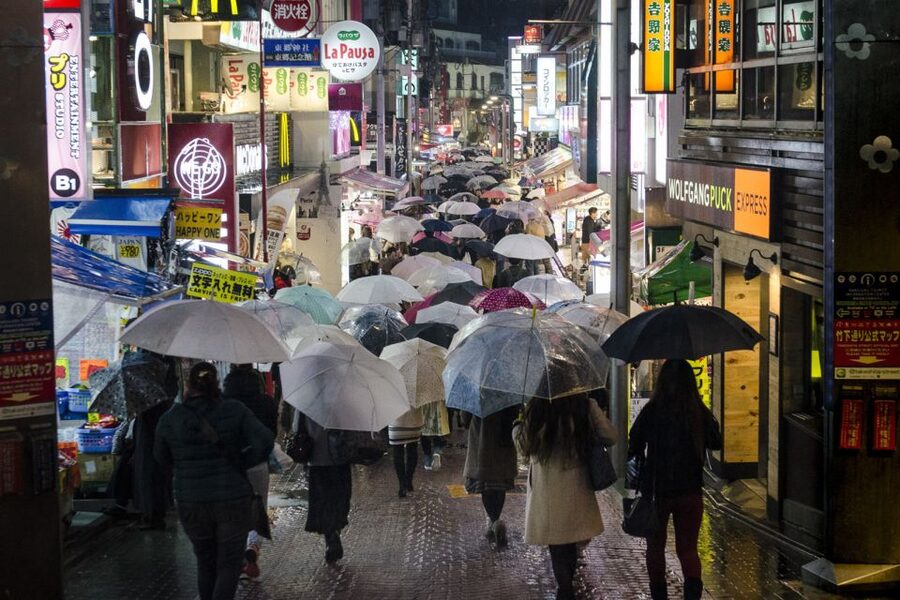
Harajuku adds a different kind of street photography to the session. The tour highlights the area’s eclectic youth fashion, giving you a chance to practise noticing colour, clothing, gestures, and the way people move through a street scene.
For this kind of photography, technical settings are only part of the lesson. You also have to decide what makes a moment worth framing and how much of the surrounding scene belongs in the picture. Your instructor can help you make those choices while you work, though the tour description does not promise particular encounters or specific photo subjects.
If photographing people feels unfamiliar, let your guide know. The session is about helping you improve your photographs of Tokyo, not about taking staged portraits. The important distinction is clear: the instructor teaches you how to use your camera, but does not take pictures of you.
More hands-on workshops in Tokyo:
- Sushi Making Tokyo Roll and Authentic Japanese Sushi Class
★ 5.0 · 3,971 reviews - Tokyo: Roll and Authentic Sushi Making Class in Asakusa
★ 4.9 · 1,957 reviews - Tokyo Shinjuku Chopsticks Making Class
★ 5.0 · 1,763 reviews - Tokyo: Sushi Making Class in a Happi Coat near a Famous Spot
★ 4.9 · 1,377 reviews
What the camera coaching can cover
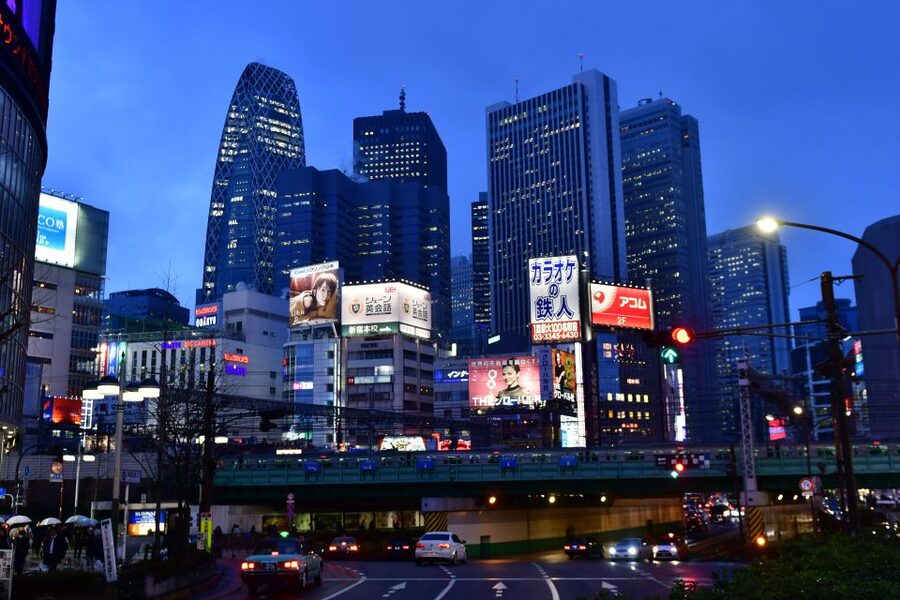
The tour is designed for a broad range of skill levels, from people picking up a camera for the first time to semi-professional photographers. That range makes the opening conversation especially useful. Be honest about what you already know and what still feels awkward, so the instructor can use the time well.
The advice can be hands-on and technical. Previous sessions have included tips on camera settings, focal length, slow shutter speeds, and time-lapse. Not every technique will fit every scene, so treat these as possible tools rather than a checklist you are promised to cover.
If you are new to photography, you may value having someone explain your camera while you use it in real streets, rather than trying to absorb a long technical lesson indoors. If you already shoot regularly, you can use the guide’s knowledge of locations to test a technique in a setting that gives it a purpose.
Bring the camera you plan to use. It is not included, and you should be comfortable carrying and operating it during the session. A tripod is also not included, though rental may be available by request. If you want one, ask about it before the tour rather than assuming one will be ready at the meeting point.
Choosing a day, night, or combined tour
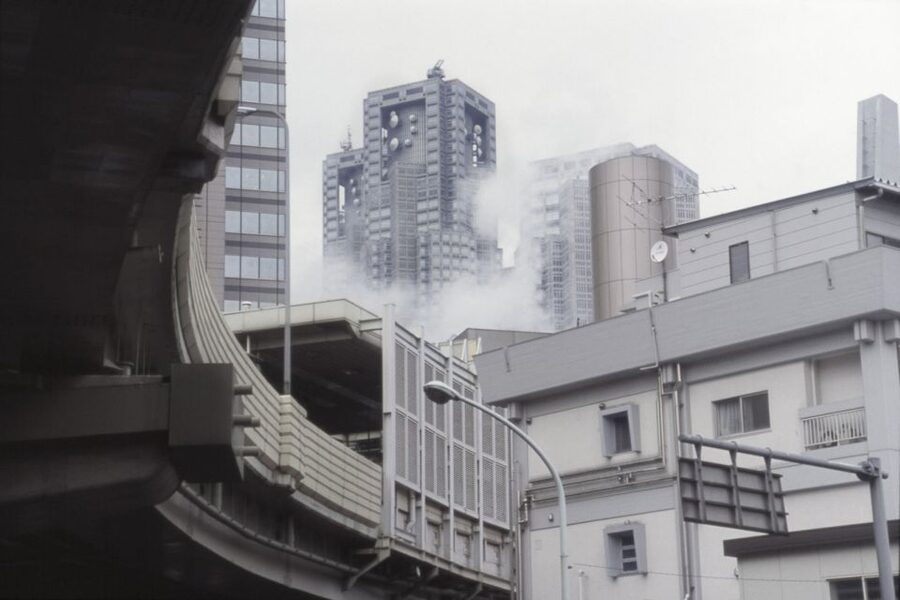
The three-hour day tour suits you if you want to work with daylight and street scenes during a shorter visit. The three-hour night tour gives you a chance to focus on Tokyo after dark; a night session has been used to practise camera settings and find strong photo locations.
If you want both kinds of light, a six-hour combined day and night option is available. It gives you more time to work across different conditions, but it is a much longer commitment than the three-hour lesson. Think about how much time you want to spend concentrating on photography, especially if you are already planning a full day of sightseeing.
Starting times depend on availability. The tour is in English, so you can discuss your camera and goals directly with the instructor. The experience is private, which helps keep the lesson focused, but it does not mean the route or light conditions are fixed in advance.
Is $323 good value for two?
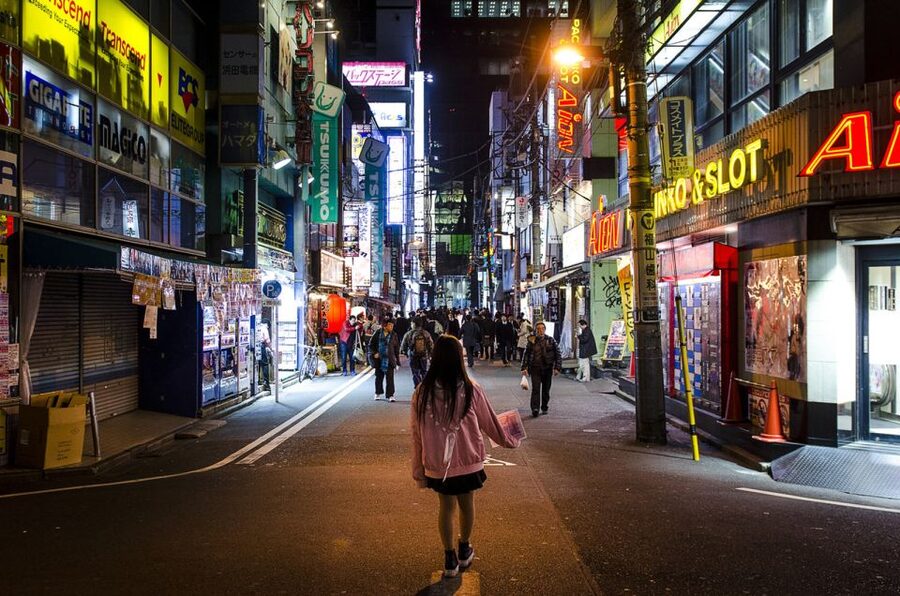
At $323 per group of up to two, this is not a low-cost way to see Shibuya. You are paying for a private guide who also teaches photography, with the chance to set the pace and choose the subjects that interest you. If you split the price between two people, the cost per person is lower, though you should both be happy sharing one lesson and its route.
The value depends on what you want from the time. If you only want a guide to point out landmarks, this is likely more instruction than you need. If you want help improving your photos while learning where to shoot, the mix of local guidance and camera coaching makes a stronger case for the price.
The practical payoff is that a good instructor can help you use limited time well. A guide familiar with the area can take you to suitable shooting spots, while the lesson helps you understand how to approach a scene once you arrive. The personal format is especially appealing if you want to ask questions as they occur, instead of waiting for a group to move on.
Getting there and planning ahead
Shibuya Station is served by JR East’s Yamanote, Saikyo, and Shonan-Shinjuku lines; the Keio Inokashira Line; Tokyo Metro’s Ginza, Hanzomon, and Fukutoshin lines; and Tokyu’s Den-en-toshi and Toyoko lines. Follow signs for the Hachiko exit and meet at the Hachiko statue.
The stated taxi request is to go to Shibuya Station near the Hachiko crossing. Since the station area is large, it is worth being clear that you are meeting at the statue, not just somewhere by the station.
The booking offers free cancellation up to 24 hours in advance for a full refund, and a reserve-now, pay-later option is available. Those terms can help if your plans are still shifting, but check the available start times before you settle on a session.
Who should book this lesson?
I’d consider this tour if photography is a real part of your trip, not just a way to document it. It suits beginners who want direct help with a camera, as well as more experienced photographers who would appreciate local advice on locations and shooting technique.
It is also a good fit for two people travelling together who share an interest in photography. If one person wants a technical lesson and the other simply wants a guided walk, agree on that before booking. The private format gives you room to set priorities, but the core activity remains learning to take better photos.
Skip it if you expect someone to photograph you, if you do not want to bring a camera, or if you prefer an ordinary sightseeing tour with no instruction. If you do book, arrive with your camera ready and a short list of what you want to improve. That gives the coffee conversation a clear starting point and helps the instructor make the three hours count.
FAQ
Where does the tour meet?
Meet at the Hachiko Memorial Statue in Shibuya. From Shibuya Station, use the Hachiko exit.
How long is the private lesson?
The featured session lasts three hours. Three-hour day and night tours are offered, as well as a six-hour combined day and night option.
What areas does the tour cover?
The tour focuses on Shibuya, including the famous pedestrian crossing and back streets, and Harajuku’s youth fashion. The route is shaped around your interests.
Is the tour suitable for beginners?
Yes. It is designed for all levels, from people new to photography to semi-professional photographers.
Is a camera included?
No. Bring your own camera. A tripod is not included, but may be available to rent by request.
Will the instructor take photos of me?
No. This is a photography lesson to help you take better photos of Tokyo, not a portrait session.
What language is the tour in?
The live guide and photography instruction are in English.
How much does the tour cost?
The listed price is $323 per private group of up to two people.
Can I cancel or reserve without paying today?
You can cancel up to 24 hours in advance for a full refund. A reserve-now, pay-later option is also offered.
Freshly reviewed in Tokyo
- Tokyo: Toshimaya Sake Brewery Tour with Sake Tasting★ 5.0 · 6 reviews
- :Tokyo,Shibuya /Meiji Shrine tour in KIMONO/English-friendly★ 5.0 · 4 reviews
- Tokyo: Tour Privado por Tokio en español★ 4.3 · 4 reviews
- Tokyo:Tea ceremony experience at Komaba Warakuan★ 4.8 · 9 reviews
- :Tokyo,Shibuya/ Pro Photography in Kimono / English-Friendly★ 5.0 · 26 reviews
- Tokyo:Samurai Training : Swords, Bushido & Mental Discipline★ 5.0 · 6 reviews
- Tokyo:Mt Fuji & Hakone Day Tour with English Speaking Driver★ 5.0 · 26 reviews
- Tokyo:Nikko UNESCO World Heritage Sites Private 1-Day Tour★ 3.8 · 6 reviews
Tokyo Photo Shoots, compared.
Tokyo Ryogoku Sumo Morning Practice + Photo Shoot with Wrestlers
Read our review →
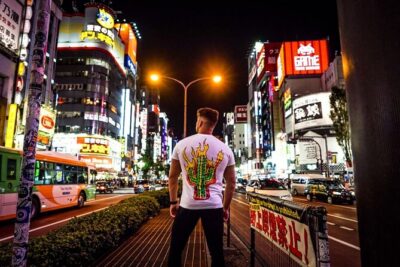
Tokyo by Night Photography Tour (Private Option Available)
Read our review →
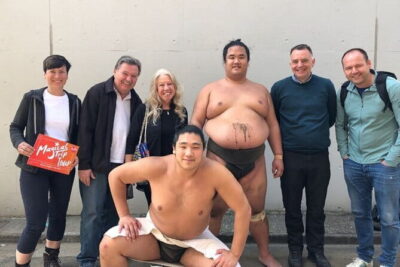
Tokyo Sumo Morning Practice Tour w/ Ring-Side Seat + Photo Shoot
Read our review →
Tour with Pro Tokyo Photographer and take Edgy Unique Portraits
Read our review →
Tokyo Asakusa: Miu Kimono Rental and Optional Photoshoot
Read our review →
Browse the lists this tour appears in