
Reviewed · ASAKUSA TOURS
Tokyo: Making a Lantern Workshop in Asakusa with a Craftsman
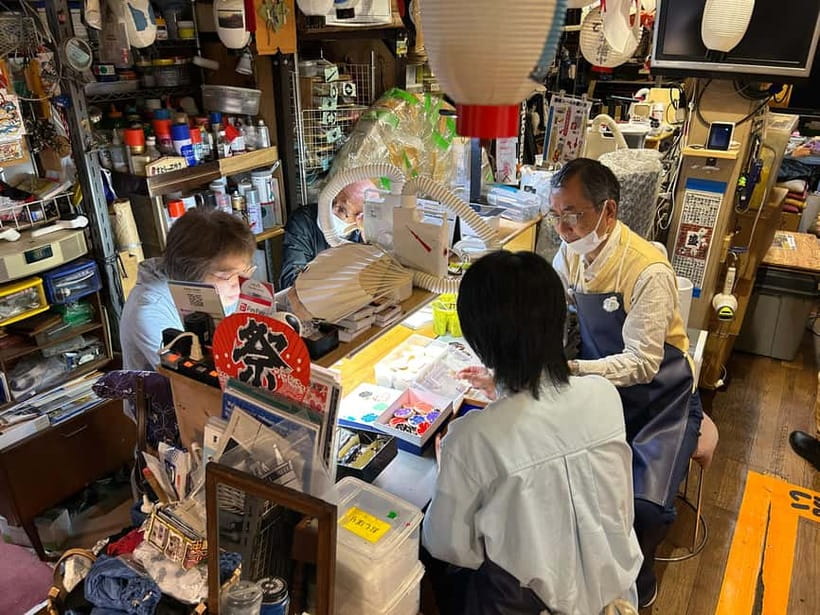
A paper lantern is a practical souvenir, but making one with a chochin master gives it a story you can carry home. In this two-hour workshop, you learn about Japanese lanterns, work with washi paper and bamboo, and make a lantern of your own in a traditional atelier in Sumida City.
I like two things in particular: you get hands-on time with real craft materials, not just a demonstration, and the English-speaking guide can help bridge the conversation with the artisan. The finished lantern is yours to keep, and you can also buy a professionally made one at the workshop.
One practical wrinkle: the venue changes during the January, May, and September 2026 Grand Sumo Tournament periods. The regular workshop is in Yokokawa, near Oshiage and Tokyo Skytree, while tournament dates use a venue near Ryogoku Kokugikan. Check your booking date and address before setting out.
At a glance
- A working craft setting: The regular atelier is a more personal setting than a large group class, with lanterns around the workshop.
- Make and take home: Materials and your completed lantern are included in the $96 per-person price.
- A guided introduction: Learn about chochin history and the craft with a Japanese and English-speaking guide or interpreter.
- Two hours, with time to focus: Decorating and calligraphy can take care, so the session is not just a quick make-and-go activity.
- For ages 6 and up: No prior craft experience is needed. Wear clothes you are comfortable getting stained.
- Check the venue: The workshop moves to the Ryogoku Kokugikan area during specified 2026 sumo tournament dates.
Why making a chochin is more memorable than buying one
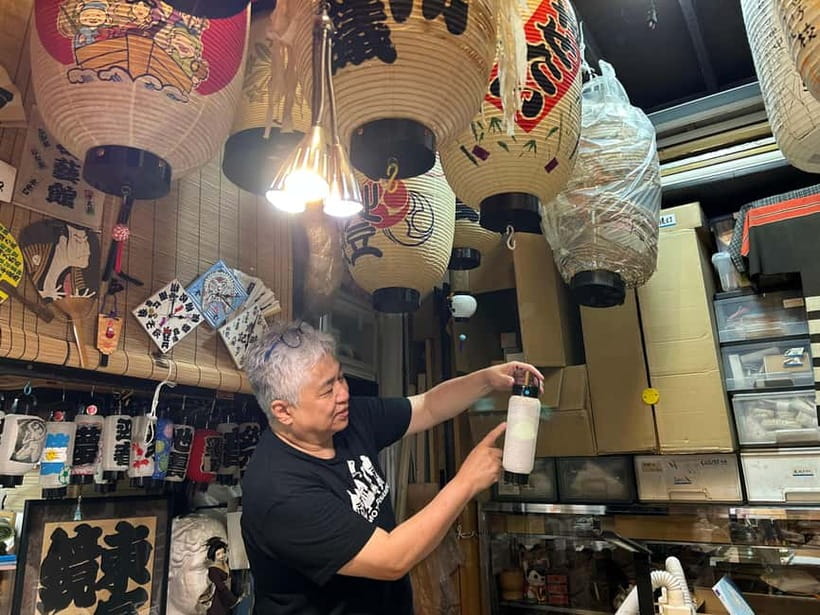
Tokyo is full of things to shop for. A handmade lantern is different: you spend time learning about the object, then leave with something that carries your own work as well as the artisan’s instruction. That makes this a good choice if you want a cultural activity that is relaxed and creative, rather than another stop where you mostly look and take photos.
Chochin are traditional Japanese paper lanterns, and this workshop gives you a close look at the skill behind them. The craft uses bamboo and washi paper, along with glue, brushes, and other traditional tools. The format is hands-on, but you are not expected to arrive with artistic experience. The artisan or assistant guides the process, with an English-speaking guide or interpreter available.
The setting is part of the appeal. The regular atelier is described as a family business and a working craft space, with colorful lanterns hanging around it. You can take photos during the session, so there is plenty to look at while you work. This is not a polished museum display; it is a chance to spend time in a craft environment and see how a familiar object is made.
More Asakusa tours in Tokyo:
- Tokyo: Japanese Dance Cabaret Theater Asakusa-Kaguwa Ticket
★ 4.8 · 2,270 reviews - Tokyo: Meiji Shrine, Asakusa, Skytree Bus Tour and Cruise
★ 4.7 · 1,986 reviews - Tokyo: Roll and Authentic Sushi Making Class in Asakusa
★ 4.9 · 1,957 reviews
Your two hours, from craft story to finished lantern
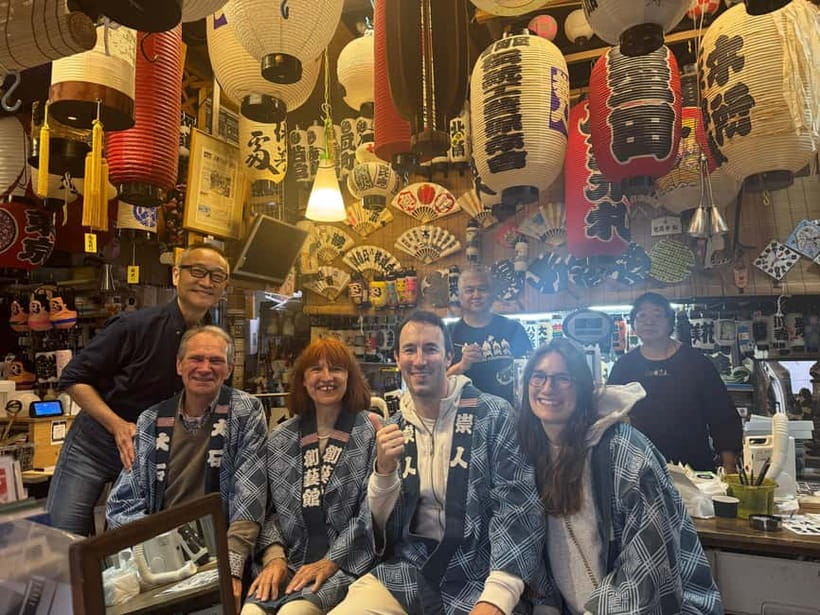
The session begins with an introduction to the origins and meaning of Japanese lanterns. This context helps make the project more than a simple paper craft: you get a sense of why chochin matter and what makes them distinctive. The exact length of this introduction may vary, but the workshop is designed to include both cultural background and making time.
Next, the master or assistant guides you through the lantern-making process. You work with materials such as washi paper and bamboo, using the tools provided. There is no prior experience requirement, and the activity is suitable for adults and children aged six and older. If you are coming with a child, you can take part together, though younger participants may need help with the careful parts.
The decoration is a key part of the experience. Calligraphy and hand-painted details may take time, so two hours gives you room to work without rushing through the finish. One useful expectation: this is not a race to produce a souvenir in a few minutes. Give yourself permission to slow down and follow the artisan’s guidance.
At the end, you take your completed lantern home. Some participants have had their finished pieces packaged carefully for the journey, but if you are concerned about carrying yours, ask the host what packing is available on your date. There is also an option to buy a lantern made by the master, which may suit you if you would like to compare your own work with a more finished artisan piece.
The artisan and guide make the difference
The personal element matters here. The artisan’s skill is the reason to choose a workshop over a craft kit, and the guide helps you understand what is being explained. English-language support is offered, though the exact guide may vary by date.
Guides named in past sessions include Rinka and Noriko. David Park has also helped translate and connect participants with the masters. One account identifies Master Oyakata and Co-master Uehala, but you should not assume the same people will lead every class. The important practical point is that the workshop is set up for communication in Japanese and English, with a guide or interpreter helping where needed.
The welcome is also a part of the experience, especially if you are visiting alone or feel unsure about joining a hands-on class. Solo participation is fine, and the activity is described as suitable for families, friends, couples, and independent visitors. You do not need to arrive with a group or know anything about lantern-making.
The Sumida setting, and the address to check
The title refers to Asakusa, but the listed regular workshop address is in Yokokawa, Sumida City, near Oshiage Station and Tokyo Skytree. Do not assume the regular venue is in central Asakusa. It is worth checking the address in your confirmation and planning your route from there.
During the 2026 Grand Sumo Tournament periods, the workshop moves to the Ryogoku Kokugikan area. The listed special venue is on the first floor of Ryogoku Kokugikan at 1-3-20 Yokoami, Sumida City. These dates are January 11 to 25, May 10 to 24, and September 13 to 27, 2026. Outside those windows, the regular location is 2-10-8 Yokokawa, Sumida City.
That venue shift is not a minor detail. It changes where you meet and may change the atmosphere and setting of the session. Confirm the date-specific address before you leave, especially if you are fitting the class between other Tokyo plans.
More hands-on workshops in Tokyo:
- Sushi Making Tokyo Roll and Authentic Japanese Sushi Class
★ 5.0 · 3,971 reviews - Tokyo Shinjuku Chopsticks Making Class
★ 5.0 · 1,763 reviews - Tokyo: Sushi Making Class in a Happi Coat near a Famous Spot
★ 4.9 · 1,377 reviews - Chopstick Making Workshop in Ginza
★ 4.8 · 1,366 reviews
Is $96 a fair price?
At $96 per person, this is not a bargain craft activity, but the fee covers more than the raw materials. You get a two-hour guided session, the supplies, English-language support, instruction from a lantern artisan, and the lantern you make. The value is strongest if you care about learning the process and want a souvenir you have worked on yourself.
The price makes less sense if you only want a quick photo or a finished lantern to take home. In that case, the optional professionally made lantern may interest you more, though it is an additional purchase. The workshop’s appeal is the making itself: the time, the explanation, and the chance to ask questions in a personal setting.
There are no meals, drinks, or transport included. Budget for getting to the correct venue, and plan your day around a two-hour activity rather than treating it as a brief stop. The workshop may involve ink or paint, so wear clothes you will not mind staining.
Who will enjoy this workshop most
This is a strong fit for creative travelers, families with children aged six and up, and anyone looking for a quieter cultural activity between sightseeing days. It is also a good choice if you like the idea of learning a traditional craft but do not want a class that expects prior skill.
The finished lantern gives the activity a clear payoff. You leave with an object you can display at home, and the process gives you a better sense of the patience and care involved in making one. If you like calligraphy or hand-painting, allow yourself to focus on the decoration rather than racing to finish.
It may be less suitable if your schedule is extremely tight, you dislike careful handwork, or you are mainly seeking a lecture or a demonstration. The workshop asks you to participate. That is its strength, but it is also the reason two hours is a sensible allocation.
The venue is listed as wheelchair accessible. Reservations are required in advance, and the experience offers free cancellation up to 24 hours before the start. You can also reserve now and pay later, which is useful if you are still arranging your Tokyo schedule. Bring a passport or ID card, and leave pets, alcohol, and drugs out of the plan.
Should you book it?
Book this if you want to do more than buy a souvenir and are happy to spend two hours making something by hand. The strongest reasons are the direct guidance from a lantern artisan, the included materials, and the personal nature of the workshop. At $96, it is best understood as a craft lesson and cultural experience, not simply a shopping stop.
Before booking, confirm the venue for your date. If you want a memorable, hands-on activity near the Skytree area or, on tournament dates, near Ryogoku Kokugikan, this is a thoughtful choice. If you would rather keep your schedule moving or do not enjoy detailed creative work, save the time and admire the lanterns elsewhere.
FAQ
How long is the lantern-making workshop?
The workshop lasts two hours. That gives you time for an introduction to chochin and the hands-on making and decorating process.
What is the price, and what does it include?
The listed price is $96 per person. It includes the guided workshop, materials such as bamboo, washi paper, glue, and brushes, English-language support, and the lantern you make.
Where is the workshop held?
The regular location is 2-10-8 Yokokawa, Sumida City, Tokyo. During the specified 2026 Grand Sumo Tournament periods, it moves to the first floor of Ryogoku Kokugikan at 1-3-20 Yokoami, Sumida City.
When does the meeting point change in 2026?
The special venue applies January 11 to 25, May 10 to 24, and September 13 to 27, 2026. Check your booking date and meeting-point details before travelling to the workshop.
Do I need experience to make a lantern?
No. The workshop is suitable for beginners, and the master or assistant guides you through the process.
Can children join?
Yes. The workshop is suitable for ages 6 and up. Children under 6 are not eligible.
What languages are available?
The activity lists Japanese and English. An English-speaking guide or interpreter is included to help with communication.
What should I bring or wear?
Bring a passport or ID card. The activity may involve ink or paint, so wear clothes you do not mind getting stained.
Freshly reviewed in Tokyo
- Tokyo: Toshimaya Sake Brewery Tour with Sake Tasting★ 5.0 · 6 reviews
- :Tokyo,Shibuya /Meiji Shrine tour in KIMONO/English-friendly★ 5.0 · 4 reviews
- Tokyo: Tour Privado por Tokio en español★ 4.3 · 4 reviews
- Tokyo:Tea ceremony experience at Komaba Warakuan★ 4.8 · 9 reviews
- :Tokyo,Shibuya/ Pro Photography in Kimono / English-Friendly★ 5.0 · 26 reviews
- Tokyo:Samurai Training : Swords, Bushido & Mental Discipline★ 5.0 · 6 reviews
- Tokyo:Nikko UNESCO World Heritage Sites Private 1-Day Tour★ 3.8 · 6 reviews
- Tokyo:Mt Fuji & Hakone Day Tour with English Speaking Driver★ 5.0 · 26 reviews
Asakusa Tours, compared.
Japanese Dance Cabaret Theater Asakusa-Kaguwa Ticket
Read our review →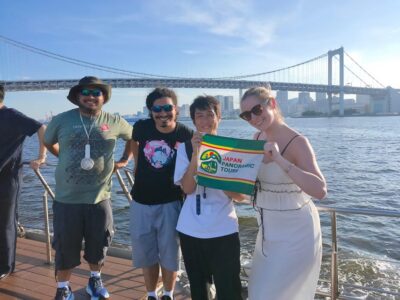
Meiji Shrine, Asakusa, Skytree Bus Tour and Cruise
Read our review →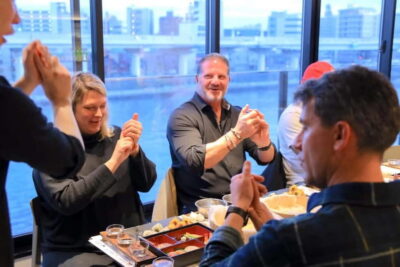
Roll and Authentic Sushi Making Class in Asakusa
Read our review →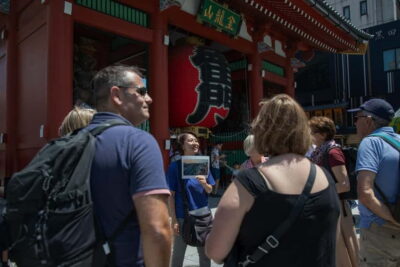
Asakusa Walking Tour with Sensoji Temple Visit
Read our review →
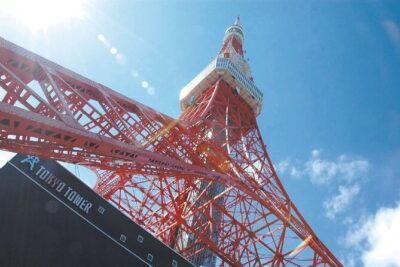
Tokyo Panoramic 1 Day: Meiji Shrine, Asakusa, Odaiba and SKYTREE®
Read our review →
Tokyo Go Kart: Asakusa, Skytree, and Akihabara **IDP MUST**
Read our review →
Asakusa, Skytree & Akhihabara Go-Kart City Experience
Read our review →Browse the lists this tour appears in