
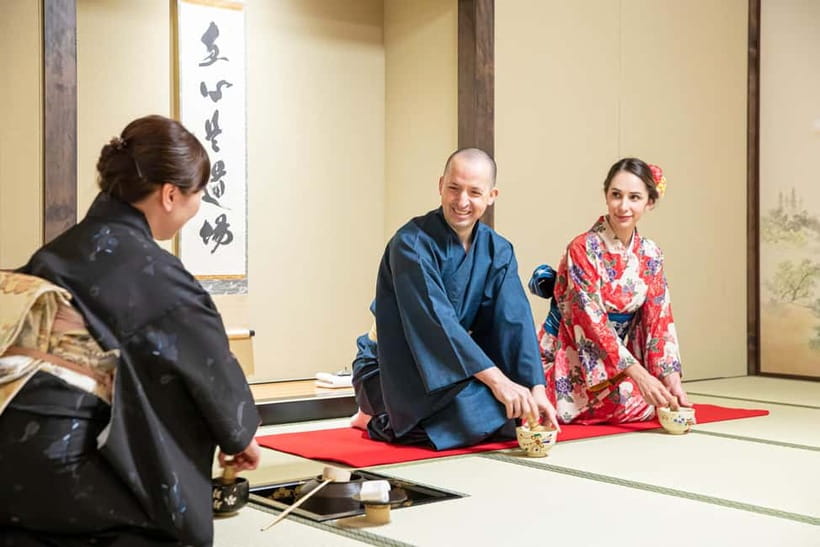
Reviewed · TOKYO TEA CEREMONIES
Asakusa: Kimono Tea Ceremony with Matcha and Sweet
A kimono changes the feel of a tea ceremony from something you watch into something you take part in. In this 90-minute Asakusa session, you choose a seasonal outfit, learn the ceremony’s customs from an English-speaking host, and whisk matcha yourself.
I especially like the hands-on tea preparation, which gives you a reason to pay close attention to each step, and the time spent choosing and wearing a kimono, complete with hair styling for women with long hair. The seasonal sweet adds a small but thoughtful finish.
One consideration: the ceremony is meant to be quiet, and you sit on tatami mats unless you request a bamboo chair in advance. The group may include 12 to 14 people, so this is a shared cultural activity, not a private lesson.
- Choose your kimono and accessories with staff help before the ceremony.
- Get an English explanation of the tea ritual and its principles: harmony, respect, purity, and tranquility.
- Whisk your own matcha after watching the tea master prepare it.
- Try seasonal wagashi with the tea, a pairing that changes with the time of year.
- Make time for photos in the small garden and staged indoor areas.
- Plan for tatami seating or request a bamboo chair ahead of time.
Choosing a Kimono in Asakusa
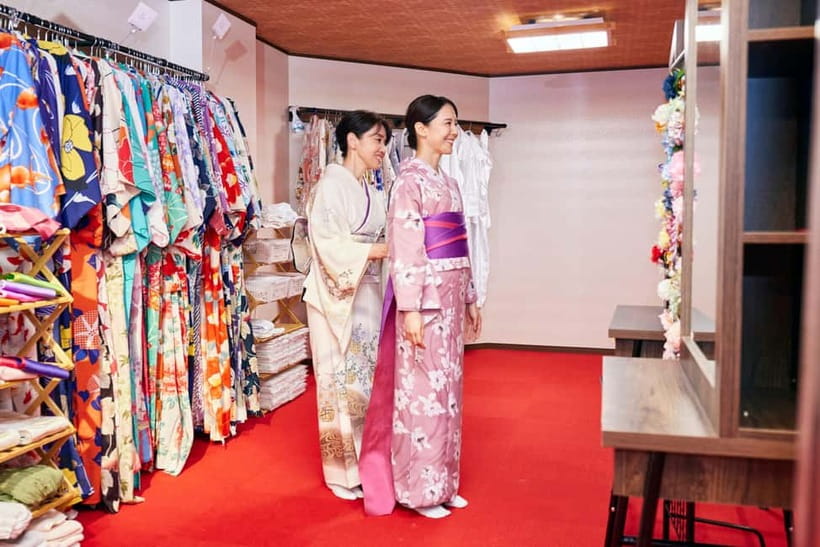
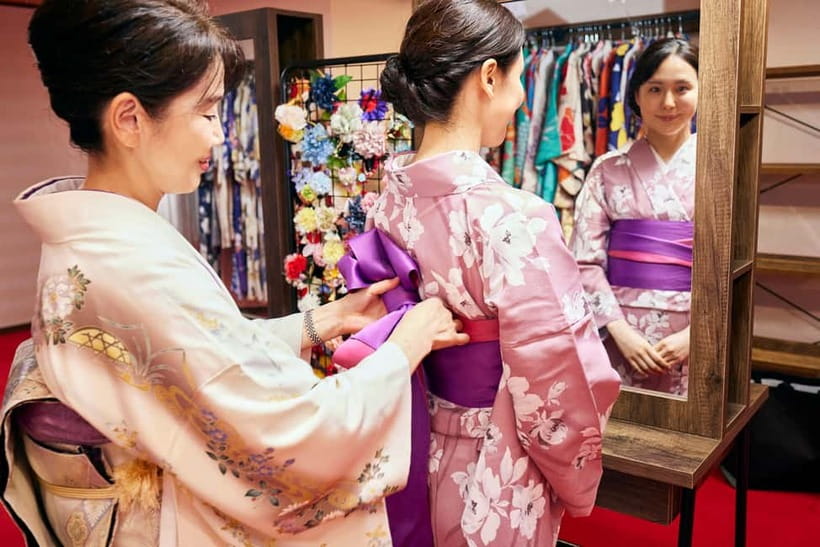
The experience begins with a practical pleasure: choosing what you will wear. You can select from a range of kimono colors and prints, then get help matching an obi and hair accessory. Staff handle the dressing, which matters because wearing a kimono is more involved than putting on a robe. Their assistance lets you focus on the look and the occasion rather than trying to manage the layers yourself.
The selection process is part of the activity, not just a quick costume change before the main event. If you already know which colors suit you, choosing may be easier. If you do not, allow yourself a moment to compare patterns and accessories rather than grabbing the first option.
Hair styling is included for women with long hair. The finished look also makes the photo time more satisfying, since the hair, kimono, and accessories come together as one outfit. The activity does not specify hair styling for other participants, so don’t count on it if you are booking as a man or have short hair.
This is a cultural introduction rather than a formal kimono lesson. You are dressed by staff, but the process still offers a closer look at how the garment is arranged and how carefully the details are chosen. If you want to spend the day in a kimono, some participants have been able to continue wearing theirs for nearby sightseeing afterward. Ask the staff to confirm the current arrangement before you plan around it.
Meeting the Tea Ceremony’s Four Principles
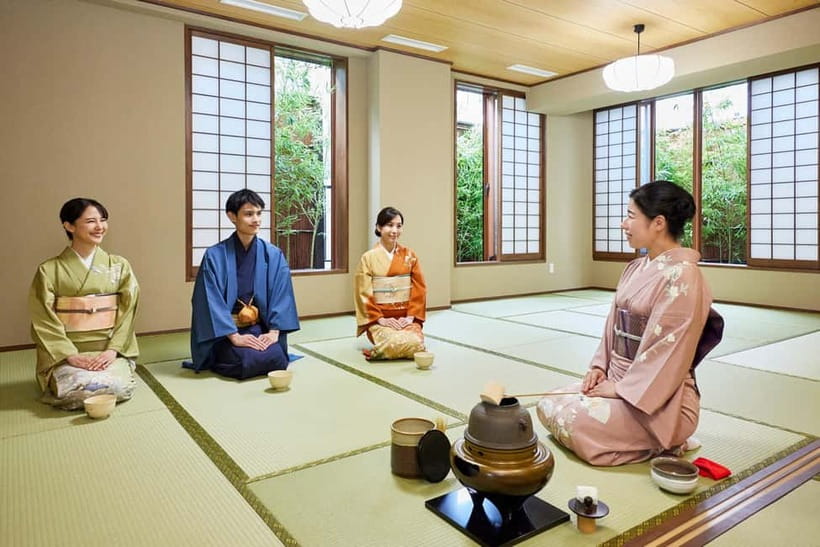
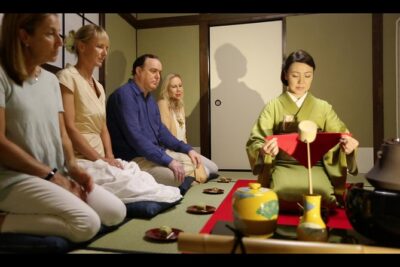
Once dressed, you enter a calm tea room for the ceremony. The host introduces the ideas that shape the practice: Wa, harmony; Kei, respect; Sei, purity; and Jaku, tranquility. These principles give the ritual context, so the gestures feel less like a sequence to copy and more like a way of showing care for the people, objects, and moment involved.
The English guidance is a real help here. Tea ceremonies can be hard to follow if you do not understand why the host handles an item in a particular way or pauses at a certain point. The instructor explains the history and etiquette as you watch, and named hosts at different sessions have included Mia, Wakana, Yoko, and Kyoko. Your instructor may be someone else, but the experience is offered in English.
Expect a quiet, measured pace. This is not a show built around fast entertainment, and the calm is part of the point. If you enjoy learning by watching and listening, you will likely appreciate the attention given to each movement. If you prefer lively group activities, the slower tone may feel restrained.
The session may have around 12 to 14 participants because people book through different sites. That is worth keeping in mind if you imagine an intimate, one-on-one lesson. The room may feel smaller or more personal in some sessions, but you should book expecting to share the experience with a group.
More Asakusa tours in Tokyo:
- Tokyo: Japanese Dance Cabaret Theater Asakusa-Kaguwa Ticket
★ 4.8 · 2,270 reviews - Tokyo: Meiji Shrine, Asakusa, Skytree Bus Tour and Cruise
★ 4.7 · 1,986 reviews - Tokyo: Roll and Authentic Sushi Making Class in Asakusa
★ 4.9 · 1,957 reviews
Watching the Matcha Take Shape
The tea master demonstrates how to handle the utensils and prepare matcha. Some of the tools are described as cherished artifacts, which adds a reason to watch closely and treat the objects with care. You are not simply handed a bowl of tea; you see how the host works through the preparation before trying it yourself.
Then comes your turn to whisk a bowl of matcha. This is the most direct way to connect the explanation with the action. You have just watched the process, heard why the ritual matters, and can now follow the steps yourself. The activity is suitable for someone who has never prepared matcha, as the host guides you through it.
The chance to participate makes the session more memorable than a demonstration alone. You may find the movements take concentration, especially if this is your first time, but that is part of the appeal. The goal is not to perform perfectly. It is to notice the care and rhythm involved in preparing the tea.
At the end, you drink the matcha you have made. Its flavor can be strong and grassy, so it may be different from a sweetened café drink. The seasonal wagashi is served alongside it, offering a sweet counterpoint and a small taste of Japanese confectionery.
A Seasonal Sweet and Time for Photos
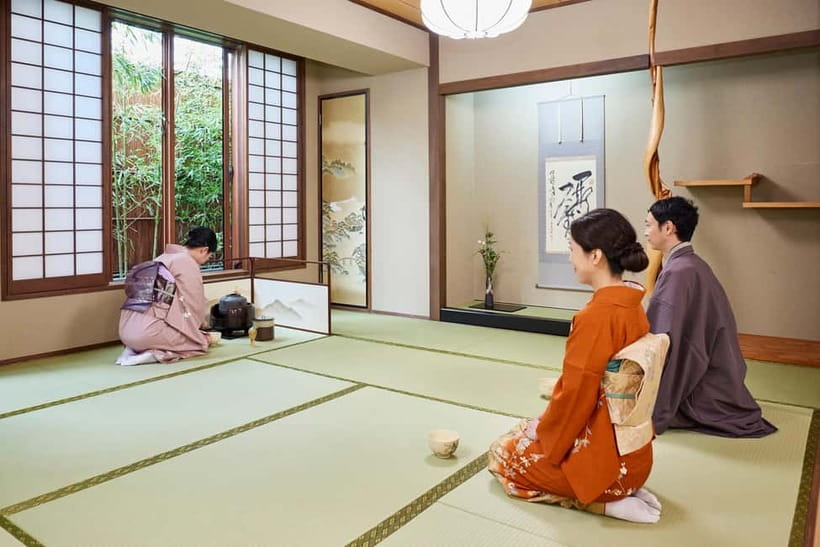
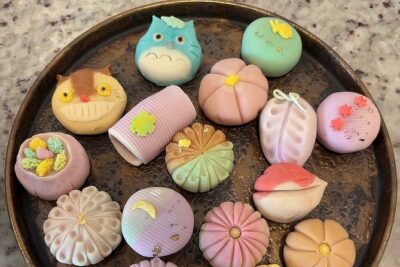
Wagashi are traditional Japanese sweets, and the serving changes with the season. Their colors and flavors reflect the time of year, making them more than a generic snack beside the tea. You get one sweet with your matcha, not a meal, so plan to eat beforehand or afterward if you need something substantial.
The kimono also makes this a natural occasion for photos. There is a small garden and indoor photo setups, and staff can help take pictures. That can be especially useful if you are traveling solo or want a photo with your companion rather than only separate portraits.
Some sessions allow time for photos after the ceremony, and the staff can help you capture the finished outfit. One participant even received a special Polaroid as a birthday keepsake, but treat that as a personal gesture, not a standard inclusion.
The photo element is a bonus, but it is not the whole point. The ceremony provides the structure and cultural context; the pictures help you remember how it felt to take part. If you want a polished set of images, arrive ready to make use of the time, but do not expect a professional photography package.
What the $66 Price Covers
At $66 per person, the price includes more than the tea itself. You get the traditional ceremony, kimono rental and professional dressing, hair styling for women with long hair, matcha preparation, a seasonal wagashi, and English guidance throughout. That combination makes the cost easier to justify than a brief tea tasting with no clothing or instruction.
The value depends on what you want from your time in Tokyo. If you are looking for a simple cup of matcha, this is more involved than you need. If you want to learn a little about ceremony etiquette, wear a kimono, make tea, and leave with photos, several parts of the experience are bundled into one visit.
The price does not include transport to the venue or any meal beyond the sweet. Factor in getting to Asakusa, and do not mistake the wagashi for lunch. The activity lasts about 90 minutes, which is a manageable block of time for a cultural stop in a Tokyo itinerary.
Free cancellation is available up to 24 hours in advance, and you can reserve now and pay later. Check the available start times before choosing a slot, especially if you are coordinating this with other plans.
More tea ceremonies in Tokyo:
- Matcha Making Class in Tokyo with Authentic Japanese Sweets Set
★ 5.0 · 744 reviews - Tokyo: Traditional Tea Ceremony with a Tea Master
★ 5.0 · 528 reviews - Tokyo: Matcha Making Experience with Mochi Sweets in Asakusa
★ 4.9 · 388 reviews - Tokyo: Matcha and Kimono Experience
★ 4.7 · 219 reviews
Seating, Timing, and Who Will Enjoy It
You sit on tatami mats, so shoes are not allowed in the activity. If sitting on the floor is difficult or uncomfortable, bamboo chairs are available by advance request. Make that request before the session rather than assuming a chair will be available on arrival.
Children under seven are not permitted. For older children, the calm setting and etiquette lesson may suit those who enjoy quiet activities, though the ceremony is not designed as a high-energy family attraction.
I’d recommend this for first-time visitors curious about Japanese customs, couples who want a shared keepsake, and solo travelers who appreciate staff help with photos. It also suits anyone who likes clothing, seasonal details, or learning through a demonstration followed by practice.
It is less ideal if you want a private ceremony, a full meal, or an activity with lots of movement and conversation. The session is quiet, the group can reach 12 to 14 people, and the ritual asks you to slow down. Those are not flaws, but they shape the kind of afternoon you are booking.
Should You Book This Asakusa Tea Ceremony?
Book it if you want more than a quick photo in a kimono. The strongest combination is getting dressed, hearing the meaning behind the ritual in English, and then making your own matcha. The wagashi, hair styling for eligible participants, and photo areas round out the visit without stretching it beyond 90 minutes.
Before booking, decide whether tatami seating works for you and request a bamboo chair in advance if needed. Also confirm whether you can keep wearing the kimono after the ceremony if nearby sightseeing in it is part of your plan. At $66, it is a good-value cultural activity for someone who wants a hands-on introduction, but its quiet pace and group format will not suit every itinerary.
FAQ
How long does the experience last?
The full activity lasts approximately 90 minutes.
What is included in the $66 price?
The price includes the tea ceremony, kimono rental and professional dressing, hair styling for women with long hair, matcha preparation, seasonal wagashi, and English guidance.
Is the experience conducted in English?
Yes. Full English guidance is provided throughout the activity.
Can I sit on a chair instead of the tatami mats?
Bamboo chairs are available upon advance request. Seating is otherwise on tatami mats.
Are children allowed?
Children under seven are not permitted.
Is transportation to the venue included?
No. Transportation to the venue is not included.
Can I cancel for a refund?
Yes. You can cancel up to 24 hours in advance for a full refund.
More kimono experiences in Tokyo
- Let’s make kimono !(Kimono is a gift for you
★ 5.0 · 252 reviews - Tokyo: Asakusa Kimono Dressing and Matcha Experience
★ 4.9 · 173 reviews - Matcha Kimono Tea Ceremony in Tokyo
★ 5.0 · 104 reviews - Tokyo Asakusa: Traditional Kimono Rental Experience at Wargo
★ 4.7 · 87 reviews
Freshly reviewed in Tokyo
- Tokyo: Toshimaya Sake Brewery Tour with Sake Tasting★ 5.0 · 6 reviews
- :Tokyo,Shibuya /Meiji Shrine tour in KIMONO/English-friendly★ 5.0 · 4 reviews
- Tokyo: Tour Privado por Tokio en español★ 4.3 · 4 reviews
- Tokyo:Tea ceremony experience at Komaba Warakuan★ 4.8 · 9 reviews
- :Tokyo,Shibuya/ Pro Photography in Kimono / English-Friendly★ 5.0 · 26 reviews
- Tokyo:Samurai Training : Swords, Bushido & Mental Discipline★ 5.0 · 6 reviews
- Tokyo:Mt Fuji & Hakone Day Tour with English Speaking Driver★ 5.0 · 26 reviews
- Tokyo:Nikko UNESCO World Heritage Sites Private 1-Day Tour★ 3.8 · 6 reviews
Tokyo Tea Ceremonies, compared.
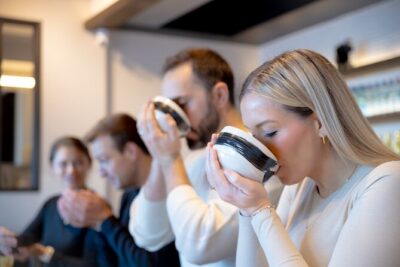
Matcha Making Class in Tokyo with Authentic Japanese Sweets Set
Read our review →
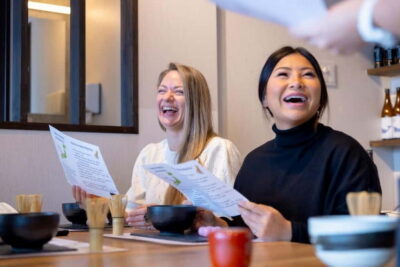
Matcha Making Experience with Mochi Sweets in Asakusa
Read our review →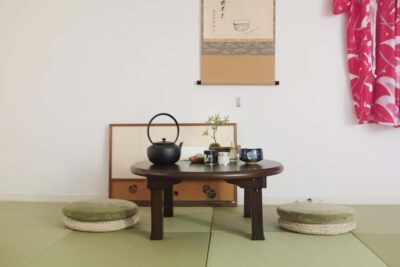
Tea Ceremony Workshop in Tokyo by the Experienced Instrucor
Read our review →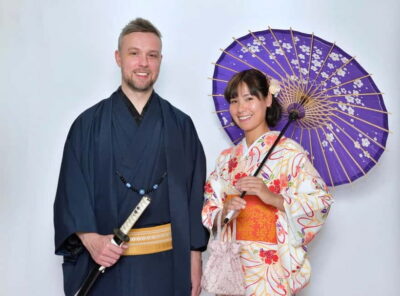
Make Traditional Nerikiri Sweets & Matcha experience in Shibuya
Read our review →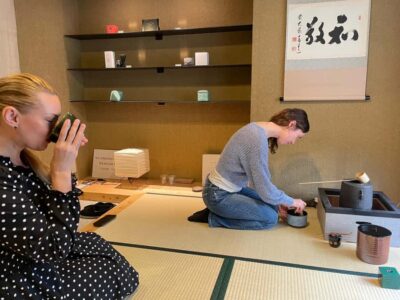
Tea Ceremony Experience in a Private Tea Room in Shibuya
Read our review →Browse the lists this tour appears in