
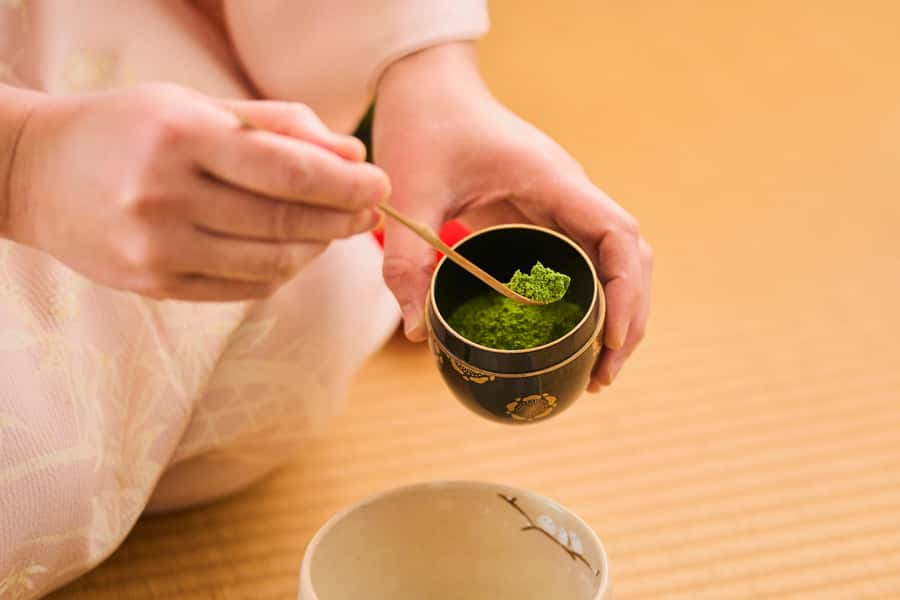
Reviewed · TOKYO TEA CEREMONIES
Tokyo: Tea Ceremony & Japanese Traditional Sweets
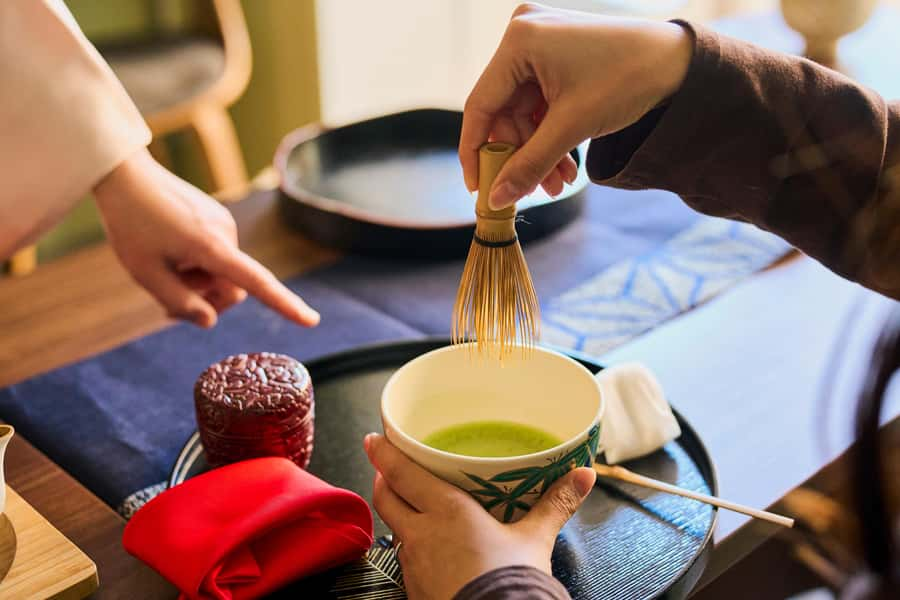
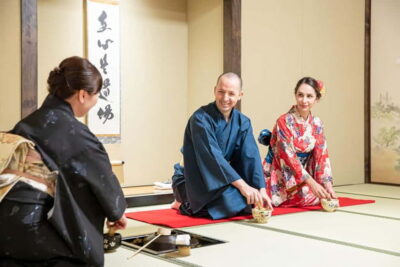
A bowl of matcha is more than a drink here. You watch a tea master perform otemae, the formal preparation of tea, then make your own matcha and a seasonal nerikiri sweet. It’s a compact way to see the care behind a familiar part of Japanese culture, not just order a cup and move on.
I like two things in particular: you get to make the tea and confection yourself, and the English-language guidance makes the ceremony approachable even if you’ve never handled a matcha whisk. The group is limited to 10, so there’s room to follow the steps and ask questions.
The trade-off is the short running time. One hour gives you a focused introduction, not a full study of tea ceremony, and the session is conducted in English only. If you want a longer or Japanese-language lesson, this won’t be the right fit.
- Watch otemae: See a tea master with more than 10 years of experience prepare matcha.
- Whisk your own bowl: Take part rather than just observe, then taste your freshly prepared tea.
- Make nerikiri: Shape a traditional sweet inspired by seasonal flowers and motifs.
- Get English explanations: The experience is guided in English, with no Japanese-language support.
- Keep the outing short: The session lasts one hour and welcomes up to 10 participants.
- Find the venue near Hakusan Station: It’s a five-minute walk from the Toei Mita Line station.
A Tokyo tea ceremony built around doing
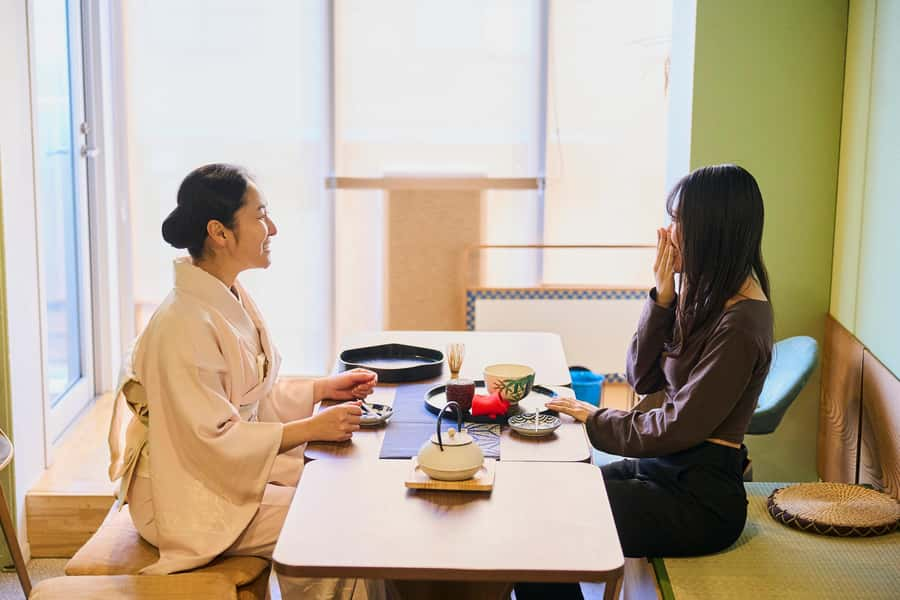
This session works best as a practical introduction to matcha and tea ceremony. You see a formal demonstration, hear explanations in English, and then try two hands-on tasks: whisking tea and shaping a Japanese sweet. That balance makes the hour more engaging than a talk alone, while keeping the experience manageable within a busy Tokyo itinerary.
The tea master is licensed and has more than 10 years of experience. That matters because ceremony is partly about technique and partly about attention: watching someone who has practiced for years gives you a clearer sense of the care involved than simply following a printed recipe. The host provides English explanations, so you can focus on what is happening instead of trying to work out unfamiliar instructions.
There is no individual instructor name provided, so you should not book expecting a particular named teacher. What you can count on is a guided English-language session led by an experienced tea professional and an expert host.
Watching the otemae demonstration
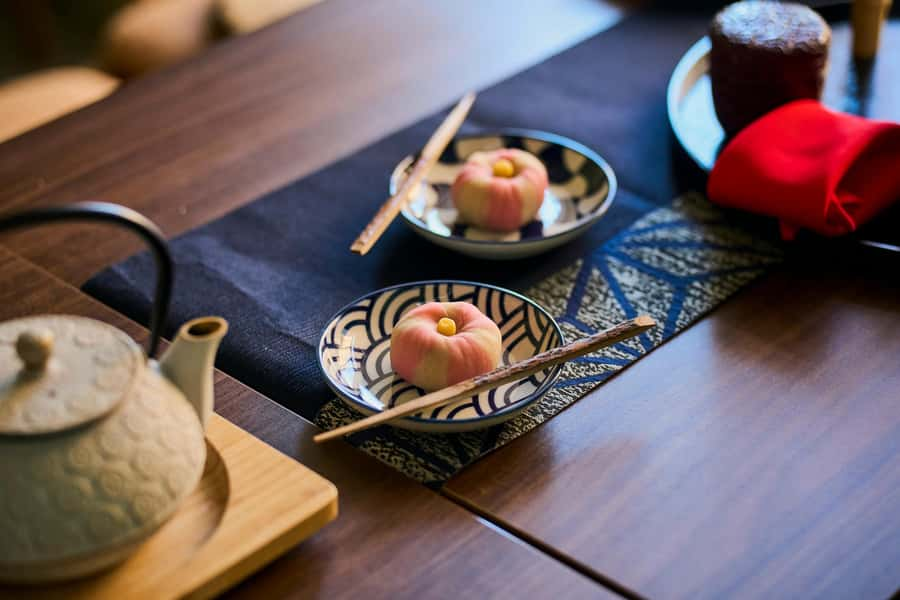
The first central part of the experience is the otemae demonstration. The tea master prepares matcha in a formal manner while you watch. This is the moment to notice the deliberate pace and sequence of the preparation, and to hear how the ceremony is understood beyond the practical act of making a drink.
The session is described as a traditional tea ceremony, but the available details do not specify every gesture or explain a full set of ceremony rules. Think of the demonstration as an introduction rather than an exhaustive lesson. You’ll see the preparation and gain cultural context, then have a chance to try it for yourself.
That format is useful for first-timers. Some cultural activities can feel like performances where you’re expected to sit quietly and guess what matters. Here, the English-speaking host helps make the experience legible, and the practical portion gives you a reason to pay attention to how the tea is made.
A past participant described the ceremony as beautiful and appreciated learning about its cultural importance. That response points to the session’s strongest appeal: it connects the visual form of the demonstration with an explanation of why the practice matters. If you’re curious about Japanese customs but wary of an overly formal or inaccessible lesson, that combination should help.
More tea ceremonies in Tokyo:
- Matcha Making Class in Tokyo with Authentic Japanese Sweets Set
★ 5.0 · 744 reviews - Tokyo: Traditional Tea Ceremony with a Tea Master
★ 5.0 · 528 reviews - Tokyo: Matcha Making Experience with Mochi Sweets in Asakusa
★ 4.9 · 388 reviews
Whisking your own matcha
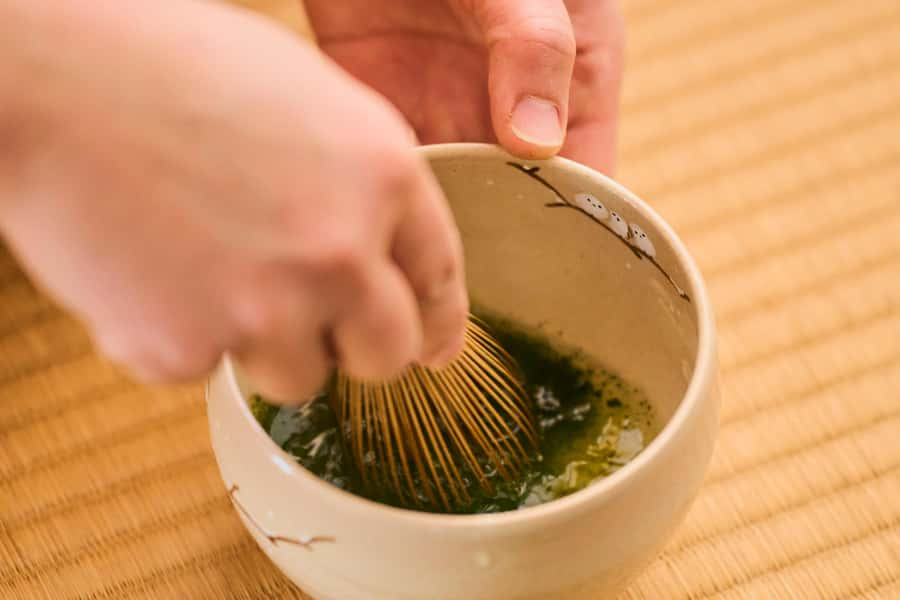
After watching, you prepare your own bowl of matcha. You get to handle the process rather than leave with only a memory of the demonstration. The experience highlights the tea’s rich flavor, and making it yourself helps you notice the relationship between preparation and taste.
The information provided does not specify the exact equipment, recipe, or amount of matcha used, so don’t expect a technical workshop on tea production. The emphasis is on learning how to prepare a bowl under guidance, then tasting what you have made. That is enough to make the ceremony feel participatory without turning a one-hour session into a specialist course.
If you have questions, this is a good time to ask them. The host is there to explain the activity in English, and the group cap of 10 should make it easier to follow instructions than in a large class. One attendee particularly appreciated a kind instructor who helped when needed and answered questions. That kind of support is especially useful if you’re unsure how to begin or want a little reassurance while trying a new technique.
Shaping seasonal nerikiri
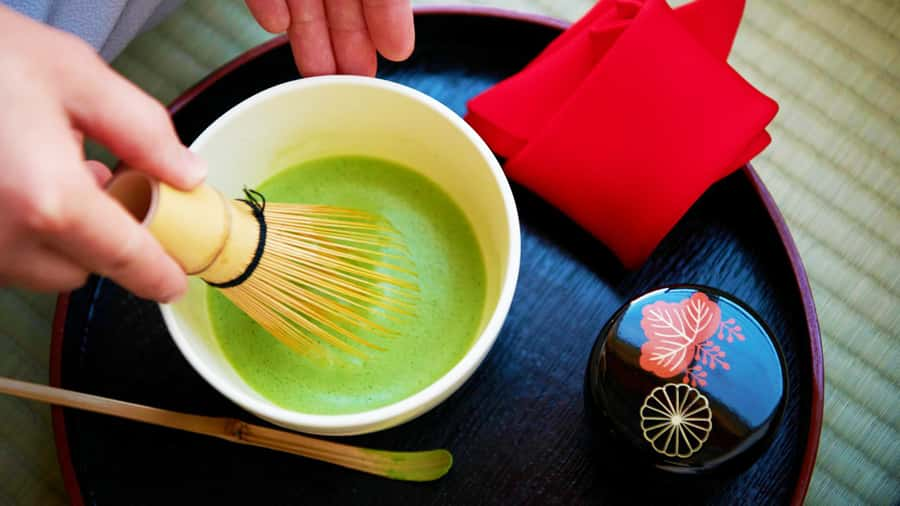
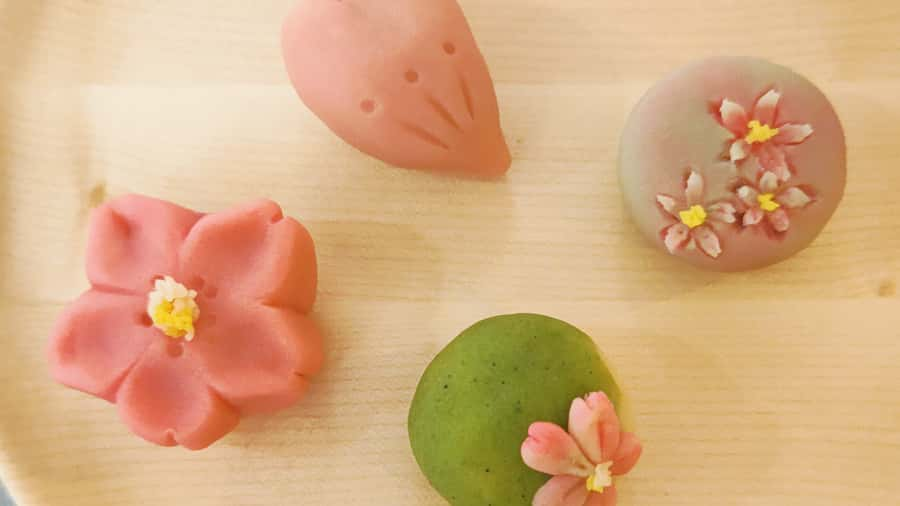
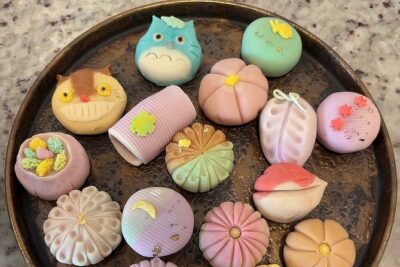
The second hands-on element is making nerikiri, a traditional Japanese confection. These sweets are shaped and colored to reflect the seasons, with flowers and other motifs among the inspirations. You make one yourself, then pair it with the matcha you have prepared.
This is a good counterpoint to the tea. Matcha preparation asks you to focus on a drink’s texture and flavor; nerikiri introduces the visual craft of Japanese sweets. The shapes are meant to represent seasonal ideas, so the sweet is not just an accompaniment. It is also a small edible expression of the time of year.
The session promises a chance to craft the confection, but it does not name the specific seasonal design you’ll make. That may change with the season, which is part of the appeal, but you should not arrive expecting a particular flower or motif. The important point is that you take part in shaping a sweet rather than simply receiving one.
The pairing also gives the hour a satisfying arc: observe the ceremony, make the tea, make the sweet, and enjoy them together. You leave with a clearer sense of how these elements fit, rather than treating matcha and Japanese confectionery as separate curiosities.
What the one-hour format gives you
At $27 per person, this is a modestly priced cultural activity with several parts included: an English guide, tea ceremony, and traditional Japanese sweets. You get a demonstration, the chance to prepare your own matcha, and a hands-on confection-making activity. For someone who wants a structured introduction without committing half a day, that is a reasonable package.
The price is easiest to justify if you value participation and explanation. A cup of matcha on its own would cost less, but it would not include instruction from an experienced tea master or the chance to make nerikiri. On the other hand, anyone seeking a long, detailed course should temper expectations. The one-hour limit keeps the session accessible, but necessarily limits how much background and practice can fit.
The group size is capped at 10. Small groups tend to make practical instruction easier to follow, and here the number is relevant because each participant is expected to try the activities. It is still a group session, not a private lesson, so the amount of individual attention will depend on the group and questions.
The experience has a 4.9 rating from 21 reviews, and the strongest praise centers on the instructor’s warmth and explanations. One person valued the cultural context; another called the experience a calm break from the pace of the rest of a Tokyo visit. That quiet change of rhythm is worth considering. The activity is not only about learning a technique; it can also offer a deliberate pause in a packed sightseeing day.
More dessert tours in Tokyo:
- Make Traditional Nerikiri Sweets & Matcha experience in Shibuya
★ 5.0 · 130 reviews - Private Mochi Sweets Making class near Shibuya area
★ 5.0 · 93 reviews - Japanese Traditional Sweets making and Tea Ceremony
★ 4.7 · 50 reviews - Tokyo: Two Types of Japanese Sweets Making and Tea Ceremony
★ 4.6 · 26 reviews
Hakusan Station and the meeting point
The venue is about a five-minute walk from Hakusan Station on the Toei Mita Line. The address is the second floor of Phil Park Hakusan Hills, 1-26-17 Hakusan, Bunkyo-ku, Tokyo. Use the map directions and look for the second floor, rather than assuming the meeting point is at street level.
This is a practical location for anyone already travelling on the Mita Line, but it may be less convenient if the rest of your day is based elsewhere in Tokyo. The activity itself lasts only an hour, so remember to account for the journey to and from Hakusan when deciding how to fit it into your schedule. The supplied details do not identify nearby sights or recommend a broader route, so plan your connections using your own itinerary.
The space is listed as wheelchair accessible. Wear comfortable clothes, as recommended. No special clothing or equipment is listed as necessary.
Who will enjoy this experience most
I’d recommend this session if you’re curious about Japanese tea ceremony but want a short, approachable introduction. It suits first-time participants, people who like learning by doing, and anyone who wants a cultural activity that includes more than a demonstration. The English guidance and small group are useful if you want to ask questions or need the steps explained clearly.
It could also work well as a quieter interlude between more active sightseeing plans. One participant described it as a calm break from the rest of a Tokyo visit, and the format supports that: a focused hour spent watching, making, and tasting rather than rushing from one landmark to another.
It is less suited to someone seeking a full-day cultural course, extensive instruction in tea ceremony, or Japanese-language support. The session is English only, and its length calls for realistic expectations. You’ll gain an introduction and a hands-on try, not mastery of matcha preparation or confectionery.
Should you book the Tokyo tea ceremony?
Book it if you want to see otemae, make your own matcha, and shape a seasonal sweet in a guided one-hour session. The combination of an experienced tea master, English explanations, and a group limited to 10 makes the $27 price a solid value for an accessible cultural activity.
Skip it if you want a long, highly technical lesson or need Japanese-language instruction. For most curious first-timers, though, this is a thoughtful way to spend an hour: you learn by watching, then get your hands involved. Cancellation is free up to 24 hours in advance, and the reserve-now, pay-later option offers some flexibility when your Tokyo plans are still taking shape.
FAQ
How long is the tea ceremony experience?
The experience lasts one hour.
How much does it cost?
The listed price is $27 per person.
What will I do during the session?
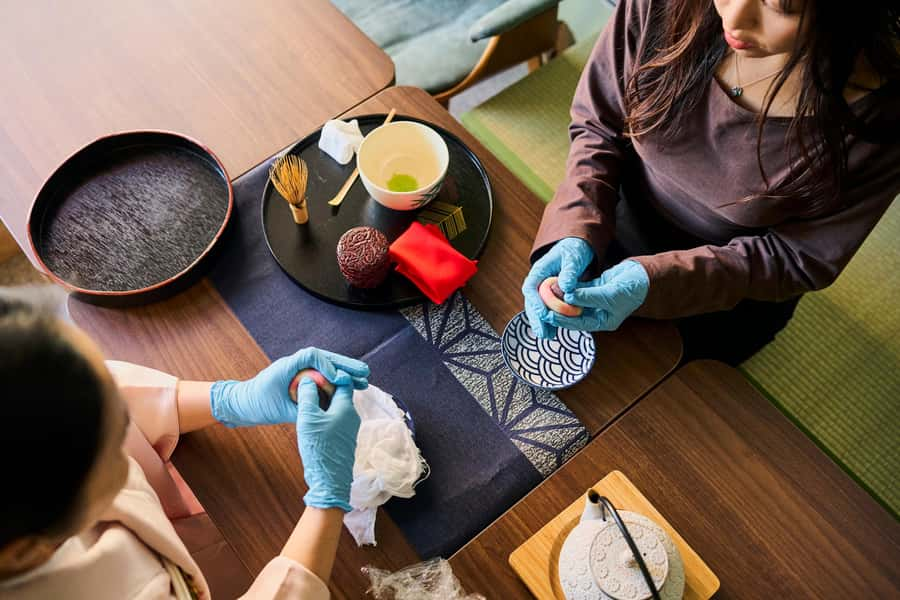
You’ll watch an otemae demonstration, prepare your own matcha, and make seasonal nerikiri, a traditional Japanese sweet.
Is the experience conducted in English?
Yes. The experience is conducted in English, and Japanese-language support is not available.
How experienced is the tea master?
The tea master is licensed and has more than 10 years of experience.
How many people can join?
The small group is limited to 10 participants.
How do I reach the meeting point?
The venue is about a five-minute walk from Toei Mita Line Hakusan Station. The meeting point is on the second floor of Phil Park Hakusan Hills, 1-26-17 Hakusan, Bunkyo-ku, Tokyo.
Is the venue wheelchair accessible?
Yes, the activity is listed as wheelchair accessible.
Freshly reviewed in Tokyo
- Tokyo: Toshimaya Sake Brewery Tour with Sake Tasting★ 5.0 · 6 reviews
- :Tokyo,Shibuya /Meiji Shrine tour in KIMONO/English-friendly★ 5.0 · 4 reviews
- Tokyo: Tour Privado por Tokio en español★ 4.3 · 4 reviews
- Tokyo:Tea ceremony experience at Komaba Warakuan★ 4.8 · 9 reviews
- :Tokyo,Shibuya/ Pro Photography in Kimono / English-Friendly★ 5.0 · 26 reviews
- Tokyo:Samurai Training : Swords, Bushido & Mental Discipline★ 5.0 · 6 reviews
- Tokyo:Mt Fuji & Hakone Day Tour with English Speaking Driver★ 5.0 · 26 reviews
- Tokyo:Nikko UNESCO World Heritage Sites Private 1-Day Tour★ 3.8 · 6 reviews
Tokyo Tea Ceremonies, compared.

Matcha Making Class in Tokyo with Authentic Japanese Sweets Set
Read our review →
Matcha Making Experience with Mochi Sweets in Asakusa
Read our review →
Tea Ceremony Workshop in Tokyo by the Experienced Instrucor
Read our review →
Make Traditional Nerikiri Sweets & Matcha experience in Shibuya
Read our review →Browse the lists this tour appears in